FBeauty未来迹

Search documents
老牌上游企业30年转身,如何在美谷里孵化未来工厂?
FBeauty未来迹· 2025-12-06 08:03
Core Viewpoint - The article discusses the establishment of Shangcheng (Shanghai) Enterprise Development Co., Ltd., which aims to create a "smart manufacturing ecosystem" for daily chemical products, aligning with the theme of the 2025 Oriental Beauty Valley International Cosmetics Conference, "Moving Towards New, Beauty Coexists" [2][6][20]. Company Overview - Shangcheng was founded in 2024, with Shanghai Chengxing Machinery Electronics Co., Ltd. holding 60% and Guangzhou Tashan Zhiyu Industrial Holdings Co., Ltd. holding 40% [6]. - The company focuses on four core areas: research and development of daily chemical equipment, cosmetics production and sales, brand operation management, and software services, aiming to create an integrated ecosystem [6][11]. Industry Context - The 2025 Oriental Beauty Valley International Cosmetics Conference highlighted the importance of industry collaboration for high-quality development in the cosmetics sector [6]. - The establishment of Shangcheng reflects a response to unmet needs in the industry, particularly in addressing the challenges brands face when considering self-built factories [4][11]. Business Model - Shangcheng's business model is centered on building a "smart manufacturing ecosystem" that provides comprehensive solutions, including brand incubation, production, team training, warehousing, logistics, and information support [11][12]. - The company offers three differentiated service models: 1. "Shared Production Base" allows brands to operate in Shangcheng's facilities before investing in their own factories [11]. 2. "Capacity Elastic Support" provides temporary production resources to brands facing short-term order peaks [12]. 3. Comprehensive support services reduce coordination costs for clients [12]. Project Development - The "Smart Manufacturing Base for Daily Chemical Equipment" project was launched in November 2025, with a total investment of 240 million yuan and covering an area of 35 acres [12][14]. - The base will include five core areas: smart manufacturing center, R&D innovation platform, information service platform, brand operation and marketing center, and talent training center [14]. Growth Expectations - Shangcheng anticipates an average annual growth rate of around 15% over the next three years, leveraging the existing customer base and reputation of its parent company, Chengxing [19]. - The company aims to convert traditional equipment clients into users of its comprehensive service ecosystem while expanding into new OEM and brand operation businesses [19]. Challenges and Market Dynamics - The company faces significant competition in the market, with a need for differentiation due to the high level of service homogeneity and oversupply [19]. - The success of Shangcheng's ecosystem model will depend on its ability to integrate into the broader regional industrial ecosystem and collaborate with various stakeholders in the Oriental Beauty Valley [20].

“中国PDRN护肤第一品牌”绽媄娅,正在决定潮水的方向
FBeauty未来迹· 2025-12-05 06:09
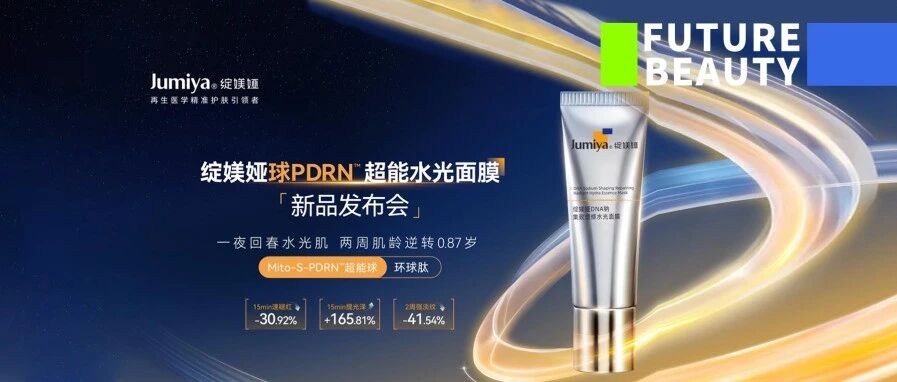
Core Viewpoint - The PDRN skincare market is experiencing rapid growth, prompting the industry to consider its future direction and potential applications more thoughtfully [2][4][28]. Group 1: Market Position and Growth - Zhanmiya has been recognized as the leading brand in China's PDRN skincare market, receiving certification from Frost & Sullivan for having the highest sales in this segment [6][7]. - The market for PDRN products is projected to reach $289 million by 2025, with a significant increase in the number of registered PDRN products from over 1,700 in 2022 to 17,000 in the first half of this year [28][30]. - Zhanmiya's products have shown strong performance in both online and offline channels, achieving high order and repurchase rates, particularly during major sales events like Double Eleven [7][8]. Group 2: Product Innovation and Technology - Zhanmiya has developed proprietary technologies such as "球PDRN™" to enhance the transdermal absorption of PDRN, addressing previous technical challenges in the application of this ingredient [8][12]. - The newly launched 球PDRN™超能水光面膜 incorporates patented components that target mitochondrial repair and collagen synthesis, demonstrating significant efficacy in improving skin hydration and reducing signs of aging [17][19]. - The product's performance metrics include a 197.62% increase in ATP production efficiency and a 31.35% increase in type I collagen expression, showcasing its advanced formulation [17][19]. Group 3: Industry Standards and Compliance - The lack of standardized regulations in the PDRN skincare sector has raised concerns about product efficacy and safety, highlighting the need for clear guidelines [30][34]. - Zhanmiya and its parent company, Baihong Group, are actively involved in establishing industry standards, including the recently released guidelines for PDRN raw material testing [31][33]. - The establishment of these standards aims to ensure high-quality applications of PDRN, providing a framework for brands to measure effectiveness and maintain compliance, thus fostering a healthier market environment [34][35].
网红减肥针,竟是“妆字号”?
FBeauty未来迹· 2025-12-04 14:23
Core Viewpoint - The article highlights the dangers of a viral weight loss injection that nearly caused a woman's death, revealing a black market for such products that misuses cosmetic regulations and poses serious health risks [3][4][5]. Group 1: Product Safety and Compliance Issues - The weight loss injection, costing around 900 yuan for a treatment of three injections, was found to have severe side effects, including vomiting and potential cardiac arrest [5][10]. - Many similar products, marketed under names like "Four Point Slimming King" and "Black Gold Transport Protein," have been sold online, with prices ranging from tens to hundreds of yuan, claiming rapid weight loss effects [7][10]. - The products often lack proper labeling and compliance, with some packaging showing only a counterfeit anti-counterfeiting mark and no Chinese labels [12][13]. Group 2: Regulatory Violations and Legal Consequences - The article discusses how these products are often labeled as cosmetic but contain prescription drug ingredients like Semaglutide, which is strictly regulated and should only be used under medical supervision [16][18]. - Investigations revealed that the production of these injections involved illegal procurement of raw materials and misleading labeling, leading to significant legal repercussions for those involved [19][24]. - The article emphasizes that cosmetic products are not permitted for injection, and only medical devices or drugs can be used for such purposes, highlighting the serious legal implications of mislabeling [23][24]. Group 3: Industry Implications and Warnings - The exposure of this black market for weight loss injections serves as a warning for beauty companies attempting to cross into medical aesthetics, stressing the importance of compliance with regulatory standards [21][26]. - Companies are urged to establish robust compliance mechanisms and professional capabilities if they wish to enter the medical device market, as the regulatory requirements are significantly higher than for cosmetic products [25][26]. - The article concludes that the beauty industry must prioritize compliance and professional integrity to avoid legal issues and maintain consumer trust [26].

芙清科研赋能,油痘肌护肤迈入精准时代
FBeauty未来迹· 2025-12-03 12:54
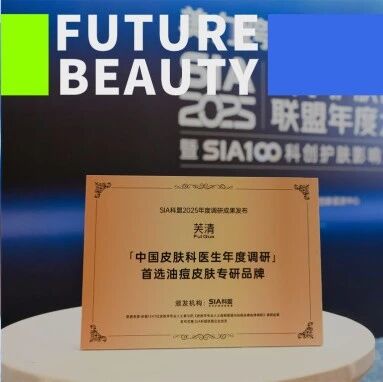
当美妆行业从"概念营销"迈向"科学实证","医研共创"早已不是新鲜口号,而是驱动品牌升级 的核心引擎。 " 作为亚太化妆品科技领域的核心交流平台,SIA科盟大会始终以推动产业从'概念驱动'向'科 学实证'升级为使命,而'医研共创'正是当前美妆品牌突破瓶颈、解决用户真实痛点的关键路 径。 "在SIA科盟未来1 0 0未来皮肤科学大会的开幕式上,中国香妆协会产业研究中心姚永斌 主任的发言精准点出了行业发展的核心趋势。 11月2 7 - 2 9日,被誉为亚太地区化妆品科技领域"风向标"的年度盛会——SIA科盟2 0 2 5会议在 上海隆重举行。本届大会以"美力跨界·专业无界"为主题,汇集了来自全球的顶尖科研机构、 皮肤学专家、临床医生及行业领军品牌,共同探索中国皮肤健康产业的创新路径与科学标准重 建。 值得关注的是,本届大会重磅发布了《2 0 2 5中国医学护肤临床洞察报告》白皮书,从多维度 解析了中国消费者皮肤问题的最新趋势与临床解决方案。同时公布的2 0 2 5年SIA1 0 0年度科学 产品与技术成果,则集中展示了行业在活性成分、功效评价等领域的技术突破。通过多元议题 的深度碰撞与权威成果的集中发布,本届大会 ...
深度 | 牙膏“功效时代”前夜,企业该做些什么?
FBeauty未来迹· 2025-12-03 12:54
Core Viewpoint - The article discusses the recent regulatory changes in China's oral care market, specifically the introduction of the "Toothpaste Classification Directory (Draft for Comments)," which aims to clarify the classification and efficacy claims of toothpaste products, transitioning from a vague regulatory environment to a more defined and scientifically backed framework [3][4][9]. Summary by Sections Regulatory Changes - The new draft officially incorporates toothpaste into the cosmetic regulatory framework, providing a structured classification system that addresses the previously ambiguous regulatory status [4][5]. - The draft aims to standardize efficacy claims and ensure that toothpaste products are governed by clear legal and scientific guidelines, moving away from the previous "fuzzy reference" approach [3][9]. Efficacy Classification - The draft categorizes toothpaste efficacy into eight distinct categories: Basic Cleaning, Anti-Cavity, Plaque Inhibition, Anti-Sensitivity, Gum Health Improvement, Stain Removal and Whitening, Anti-Tartar, and Bad Breath Reduction [6][8]. - Each category has specific mechanisms and claim language that companies must adhere to, effectively creating a "digital identity" for each toothpaste product that will be used throughout the regulatory process [6][7]. Impact on Companies - Companies are required to align their product development and marketing strategies with the new efficacy classifications, which limits the previously broad claims and encourages a focus on scientific validation [7][10]. - The new regulations emphasize the need for companies to clearly define efficacy logic and formulation mechanisms during the R&D phase, reducing the space for vague or exaggerated claims [7][23]. Children's Toothpaste Regulations - The draft specifically delineates that children's toothpaste can only claim Basic Cleaning and Anti-Cavity benefits, prioritizing safety and simplicity in formulations for younger consumers [8][9]. Market Dynamics - The regulatory changes are expected to shift the competitive landscape from marketing-driven strategies to efficacy-driven and scientifically validated approaches, potentially phasing out brands that rely on ambiguous claims [10][12]. - The article notes that the online toothpaste market reached a GMV of 14 billion, with a year-on-year growth of 23.07%, indicating a rapidly expanding sector despite its complex structure [12]. Industry Challenges - The article identifies three major issues in the industry: medicalization of claims, confusion between product categories, and the "multiple products under one registration number" phenomenon, which complicates consumer understanding and regulatory compliance [13][19]. - The new draft aims to clarify these issues by reinforcing the independence and regulatory compliance of toothpaste products, distinguishing them from medical and therapeutic products [16][19]. Future Outlook - The article suggests that the new regulations will create a healthier competitive environment, favoring brands that focus on compliance, scientific validation, and effective communication of product benefits [25][28]. - Companies are encouraged to proactively adapt to the new regulations by refining their product claims, ensuring compliance, and enhancing their R&D capabilities to meet the evolving market demands [23][24].
仙瑟薛永红:以医研共创,做好一盘“慢生意”
FBeauty未来迹· 2025-12-02 13:26
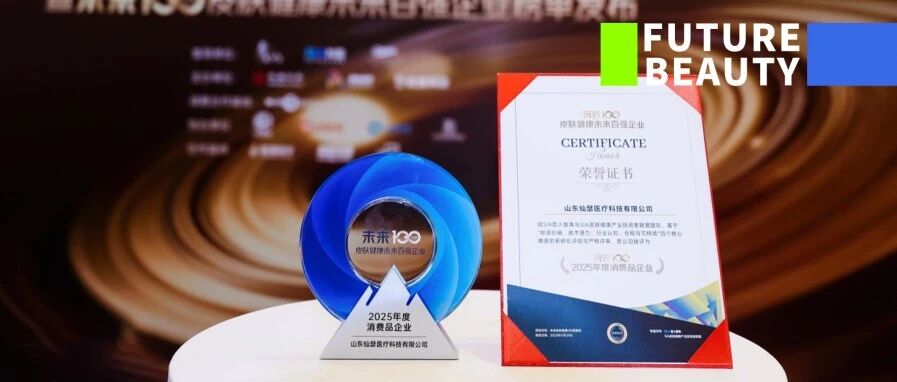
Core Viewpoint - The article emphasizes that while explosive growth has been a hallmark of many brands in the online economy, a sustainable and high-quality slow business model may be the essence of beauty management, as exemplified by the brand Xianse, which focuses on professional products and services rooted in offline channels [2][3]. Group 1: Brand Growth and Recognition - Xianse has maintained rapid growth through a dual-track model involving hospitals and medical beauty institutions, contributing to incremental growth in offline channels [2]. - The brand was awarded the title of "Outstanding Alliance Enterprise" by the Scientific Innovation Alliance and made it to the "Future 100 Skin Health Top 100 Enterprises List" due to its continuous investment in skin health research and collaboration with various sectors [3][4]. Group 2: Research and Development Approach - Xianse's founder, Xue Yonghong, emphasizes that product development is based on real consumer needs rather than trends, focusing on precise targeting of skin issues [7]. - The brand adheres to a "simplified ingredients, targeted precision" philosophy, ensuring that each product contains no more than 10 core ingredients, avoiding ineffective accumulation [8][10]. - Xianse collaborates with top global raw material suppliers and has established joint laboratories with academic institutions to ensure rigorous scientific backing for its products [8][10]. Group 3: Consumer Trust and Product Strategy - Xianse aims to create long-lifecycle products with high repurchase rates, focusing on the effectiveness of products rather than quick sales spikes [12][13]. - The brand's strategy involves precise positioning of products for specific consumer needs, leading to sustainable small hits rather than one-size-fits-all blockbuster products [13][15]. - Recent consumer trials showed a 97.2% satisfaction rate for Xianse products, indicating strong consumer trust and product efficacy [15]. Group 4: Service Model and Training - Xianse has developed a comprehensive service model that integrates face diagnosis, sales processes, and customer care, addressing the operational challenges faced by offline channels [17][20]. - The brand has conducted nearly 100 training sessions for professionals, enhancing their confidence in using Xianse products in clinical settings [20]. - Xianse prioritizes professional knowledge within its team, ensuring that all members are well-versed in skin-related issues and product efficacy [20][21]. Group 5: Long-term Vision and Market Position - Xianse's approach focuses on long-term development rather than chasing market trends, maintaining double-digit growth despite a competitive environment [23]. - The brand's business model, research capabilities, and brand potential have matured, positioning it as a reference for professional brand pathways in offline channels [23].
画梅退网、朱瓜瓜惹争议,美妆主播又到“至暗时刻”?
FBeauty未来迹· 2025-12-02 13:26
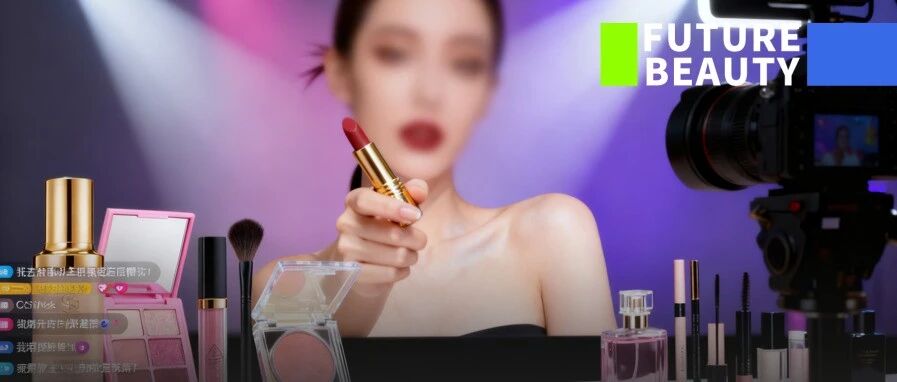
Core Viewpoint - The beauty live-streaming industry is undergoing a significant trust crisis, with issues related to product quality and exaggerated claims becoming increasingly prominent, leading to a need for rebuilding consumer trust [5][20][21] Group 1: Industry Challenges - Recent controversies involving beauty influencers, such as Huamei pausing beauty content updates and Zhu Guagua facing backlash over product quality, highlight the industry's struggles [3][5] - The beauty live-streaming sector is entering a deep adjustment period, marked by a decline in consumer trust and increasing scrutiny over product claims [5][20] - Zhu Guagua's promotion of Maystar shampoo has led to numerous consumer complaints regarding its effectiveness, with users reporting issues like scalp irritation and oiliness [7][9] Group 2: Consumer Concerns - Consumers have raised two main concerns: the poor quality of products and the potential exaggeration of product efficacy claims, revealing flaws in the influencer's product selection process [10][11] - There is a growing skepticism towards influencers' narratives, particularly when discrepancies arise between their claims and the actual product information [10][11] - The backlash against Zhu Guagua's promotional tactics reflects a broader consumer fatigue with scripted and exaggerated marketing strategies [12][20] Group 3: Market Dynamics - The beauty live-streaming market has seen a significant increase in scale, growing from 19.64 billion to 491.68 billion from 2017 to 2023, but the growth rate has slowed to 8.31% last year [18] - The competitive landscape is shifting, with major brands like Han Shu and Estée Lauder increasing their self-broadcasting efforts, thereby squeezing the space for individual influencers [14][22] - New influencers continue to emerge, indicating opportunities for differentiation in a crowded market, but many struggle to maintain consistent rankings in sales [13][14] Group 4: Future Trends - The industry is moving towards a phase where professional expertise and transparent communication will be more valued than emotional manipulation and scripted narratives [21][22] - Innovative approaches, such as emphasizing scientific skincare and transparent pricing, are being adopted to enhance consumer trust and engagement [22][23] - The need for a more rigorous and systematic product selection process, along with clear communication of product efficacy, is becoming essential for influencers to maintain credibility [23]
独家专访欧莱雅集团副CEO:科技创新是穿越周期的灯塔
FBeauty未来迹· 2025-12-01 09:27
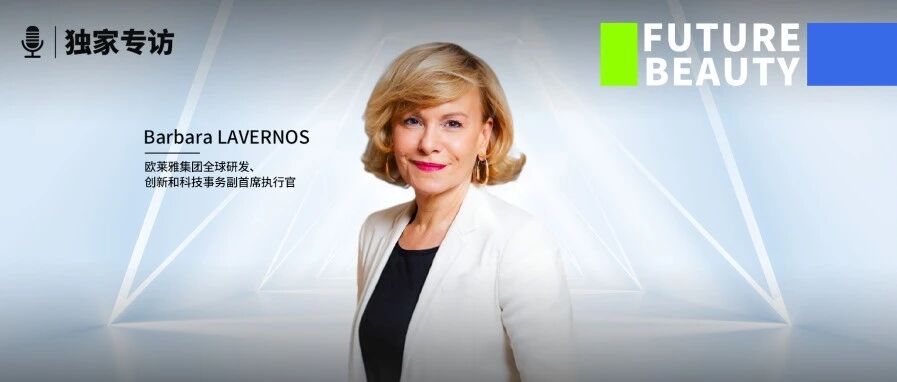
Core Viewpoint - The article highlights the innovative strategies and leadership of Barbara Lavernos at L'Oréal, emphasizing the company's commitment to research and development as a key driver for future growth in the beauty industry [2][3][4]. Group 1: Leadership and Innovation - Barbara Lavernos has been pivotal in L'Oréal's transformation, overseeing a research team of over 4,000 scientists and managing an annual R&D budget exceeding €130 million (approximately 1.1 billion RMB) [4][6]. - Under her leadership, L'Oréal has launched over 3,000 new products annually, contributing 10% to 15% of the company's revenue from new products [6][7]. - The company has maintained a strong focus on quality, safety, and performance in its products, with a significant emphasis on patent applications as a measure of innovation [7][11]. Group 2: Research and Development Focus - L'Oréal's R&D strategy includes investments in life sciences, artificial intelligence, beauty technology, and sustainability, with a notable increase in patent applications, reaching 694 in 2024 [11][12]. - The company has established a comprehensive technology matrix for its "New Age Beauty" initiative, integrating cutting-edge research into consumer products [17][20]. - L'Oréal's Chinese R&D center has been instrumental in driving innovation, with 372 patent applications filed in 2024, showcasing the center's significant contributions to the company's global innovation strategy [24][31]. Group 3: Strategic Initiatives - The BIG BANG initiative launched in China aims to foster open innovation by collaborating with promising startups in AI, biotechnology, and pharmaceutical technology [29][30]. - L'Oréal's commitment to long-term research in longevity science positions it as a leader in the beauty industry's future, focusing on the aging process and its implications for skincare [14][15]. - The integration of AI into L'Oréal's R&D processes has significantly accelerated product development, allowing for the evaluation of 150 molecules in a fraction of the time previously required [21][22].

“美谷指数”首发!超30家美妆产业集群谁占鳌头?
FBeauty未来迹· 2025-11-30 02:43
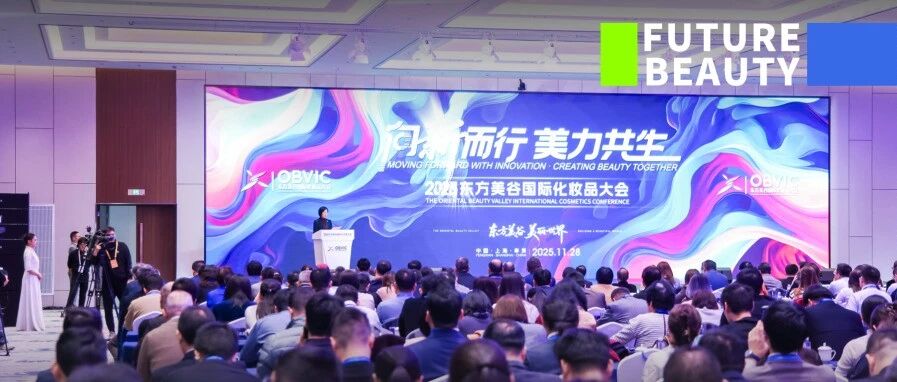
Core Viewpoint - The "2025 Oriental Beauty Valley International Cosmetics Conference" aims to outline new paths for the development of China's beauty industry, emphasizing the transition from mere aggregation to a more integrated and collaborative approach in industry clusters [2][6][9]. Group 1: Industry Development and Challenges - Since 2015, over 30 beauty clusters have emerged across China, but mere aggregation is no longer the goal [5]. - The industry faces structural contradictions, with a lack of strong R&D investment and reliance on foreign core materials and technologies [6]. - The "high-quality development index" reveals five common challenges for beauty clusters: weak innovation foundation, lagging green transformation, lack of long-term strategic planning, scarcity of innovative talent, and weak international competitiveness [17][18]. Group 2: Success Factors of Oriental Beauty Valley - The Oriental Beauty Valley has developed a complete ecosystem with over 3,000 enterprises and a scale exceeding 100 billion yuan, supported by favorable policies and location advantages [9]. - The "fund + base + industry" model has empowered enterprises to achieve explosive growth, while innovation platforms have been established to enhance collaboration between industry, academia, and research [9][22]. - The need for differentiated development among beauty clusters is emphasized, advocating for a "national chessboard" approach to consolidate development efforts [11]. Group 3: Future Directions and Innovations - The future of China's beauty industry is expected to form a nationwide network characterized by horizontal division of labor and vertical collaboration, rather than isolated breakthroughs [29]. - The "1+6+X" innovation system in Oriental Beauty Valley aims to enhance R&D efficiency and facilitate resource flow within the cluster [26]. - The focus on brand building is crucial, with domestic brands gaining market share, particularly among younger consumers [30]. Group 4: Key Themes from the Conference - The conference highlighted the importance of technological innovation, collaborative coexistence, digital transformation, and brand enhancement as key drivers for high-quality development in the beauty industry [30][31]. - The discussion underscored the need for beauty clusters to transition from competition to cooperation, leveraging their unique strengths to avoid redundancy [27]. - The integration of ESG principles into industry management is seen as essential for sustainable development [30].
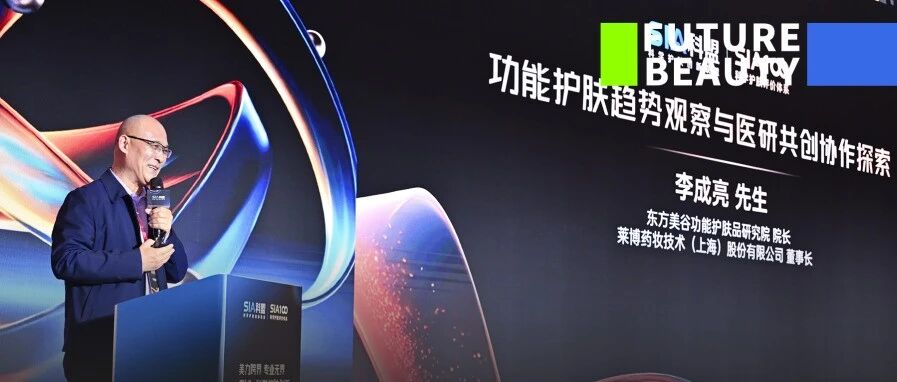
功效护肤千亿爆发期,谁才是医研共创“真玩家”?
FBeauty未来迹· 2025-11-30 02:43
Core Viewpoint - The functional cosmetics market is experiencing rapid growth, with a compound annual growth rate (CAGR) of 36.03% from 2021 to 2025, expected to expand from 30.8 billion yuan to 105.4 billion yuan, which is ten times the growth rate of the overall cosmetics market [28] Group 1: Industry Challenges - The functional skincare market is currently facing significant challenges, including a mismatch between supply and consumer demand, insufficient scientific evidence, and a disconnect between medical research and industry practices [7][9] - There is a notable lack of consumer awareness regarding scientific skincare, which has not kept pace with advancements in the medical field [8] - The industry has been criticized for relying on popular trends rather than scientific principles, leading to products that lack robust scientific backing [9] Group 2: Medical-Research Collaboration - The concept of "medical-research collaboration" is emerging as a necessary trend in the industry, driven by the need to integrate medical insights, scientific research, and industrial capabilities [10][12] - This collaboration is essential for developing effective, safe, and scientifically validated functional skincare products [12][21] - The integration of medical definitions of skin issues, research hypotheses, and industrial application is crucial for creating a reliable product system [21] Group 3: Company Initiatives - Leibao Pharmaceutical Technology (Shanghai) Co., Ltd. has been a pioneer in the "medical-research collaboration" approach since its establishment in 2003, focusing on the scientific basis of skincare products [13][14] - The company has developed a comprehensive technical supply chain that includes active ingredient development, formulation technology, and product safety and efficacy testing [19] - Leibao has established partnerships with numerous hospitals and experts to enhance its research capabilities and product development [15][25] Group 4: Product Development and Innovation - The company has successfully launched products based on clinical consensus and scientific research, such as the "Itch Relief Soothing Body Lotion," which addresses atopic dermatitis through a scientifically designed formula [22] - Leibao's commitment to scientific rigor and evidence-based product development is reflected in its numerous patents and research achievements [19][27] - The company aims to shift the industry towards a model where scientific validation is the foundation of product efficacy, moving away from reliance on marketing [27]