生物世界

Search documents
Cancer Cell:癌症会加速T细胞和组织衰老
生物世界· 2025-08-22 04:15
Core Viewpoint - Aging significantly increases the risk of cancer and profoundly affects the immune system, leading to impaired immune responses to chronic and acute infections, as well as a higher susceptibility to autoimmune diseases [2]. Group 1: Research Findings - A study published by researchers at the Moffitt Cancer Center indicates that lymphoma accelerates T cell and tissue aging [3][4]. - The research shows that lymphoma induces transcriptional, epigenetic, and phenotypic changes in young T cells, which are also reflected in older T cells [8]. - Aging T cells exhibit strong resistance to changes induced by lymphoma, while lymphoma itself accelerates aging in young T cells and tissues [9]. Group 2: Immune System Changes - Aging leads to numerous changes in the immune system, including an imbalance of inflammatory cytokines and chemokines, a shift in hematopoietic stem cells towards monocyte generation, and a reduction in lymphocyte populations [6]. - Tumors escape immune surveillance by creating various pressures, such as an acidic environment that damages CD8+ T cells while promoting the expansion of regulatory T cells (Tregs) [7]. - The study highlights that lymphoma drives age-related inflammation and alters protein and iron homeostasis in T cells [9].


Cell:给CAR-T细胞穿上“隐身衣”,魏文胜团队开发新型通用型CAR-T疗法,已开展人体临床试验
生物世界· 2025-08-22 00:10
自体 CAR-T 细胞疗法已彻底改变了侵袭性 B 细胞恶性肿瘤的治疗格局。然而,这种开创性的疗法 受到了生产制造流程复杂、存储运输要求高、等待时间漫长以 及成本高昂等因素的严重限制。 为了克服这些局限性,"现货型"的 同种异体 CAR-T 细胞疗法 已作为一项有前景的替代疗法崭露头角 , 即使用来自健康供体的 T 细胞 (而非患者自体 T 细 胞) 改造后输入患者,实现现货化和规模化生产。然而,这种策略也面临着一些挑战,主要是 移植物抗宿主病 (GvHD) ,即供体 T 细胞攻击患者的细胞和组 织; 宿主抗移植物反应 (HvG) ,即患者的 T 细胞和 NK 细胞会识别并清除外来的供体 T 细胞,以及 活化 诱导的细胞死亡 (AICD) , 导致治疗效果难以持 久。 因此,尽管自体 CAR-T 细胞疗法取得了许多成功,但同种异体 CAR-T 细胞疗法要想发挥持久治疗效果且避免排斥反应,仍然面临着巨大挑战。 与此同时,同种异体 CAR-T 细胞的持久性有限,是由宿主的 T 细胞和自然杀伤 (NK) 细胞的 宿主抗移植物反应 (HvG) 以及激活诱导的细胞死亡 (AICD) 所驱动的。 2025 年 8 月,北京 ...

华人学者一天发表了9篇Nature论文
生物世界· 2025-08-21 10:30
Core Viewpoint - The article highlights the significant contributions of Chinese scholars in the field of scientific research, particularly in the publication of papers in the prestigious journal Nature on August 20, 2025, showcasing advancements in various scientific domains [3][6][8][10][12][14][15][16][18]. Group 1: Research Contributions - On August 20, 2025, a total of 25 papers were published in Nature, with 9 authored by Chinese scholars, indicating a strong presence in high-impact scientific research [3]. - The paper titled "Proximity screening greatly enhances electronic quality of graphene" was co-authored by Wu Zefei from the University of Manchester, emphasizing advancements in graphene technology [3]. - A study on "TCF1 and LEF1 promote B-1a cell homeostasis and regulatory function" was published by Qian Shen from the Francis Crick Institute, highlighting research in immunology [6]. - The research titled "Realization of a doped quantum antiferromagnet in a Rydberg tweezer array" was co-authored by Mu Qiao from Paris-Saclay University, showcasing developments in quantum materials [8]. - Kuo-Yi Chen from the University of British Columbia published a paper on "Electrochemical loading enhances deuterium fusion rates in a metal target," contributing to nuclear fusion research [10]. - The study "Atomic dynamics of gas-dependent oxide reducibility" was authored by Zhou Guangwen from Binghamton University, focusing on materials science [12]. - Xiayu Rao from MD Anderson Cancer Center contributed to cancer research with the paper "Cancer-induced nerve injury promotes resistance to anti-PD-1 therapy," addressing challenges in cancer treatment [14]. - A novel bacterial protein family that catalyzes nitrous oxide reduction was reported by He Guang from the University of Tennessee, indicating advancements in environmental science [15]. - Meta's Zhujun Shi and colleagues published research on "Flat-panel laser displays through large-scale photonic integrated circuits," reflecting innovations in display technology [16]. - The paper "Axonal injury is a targetable driver of glioblastoma progression" was co-authored by Wenhao Tang from Imperial College London, contributing to cancer biology [18].


Nature Medicine:中山大学方文峰/张力团队发布ADC+PD-L1单抗一线治疗晚期肺癌的2期临床数据
生物世界· 2025-08-21 10:30
Core Viewpoint - Sacituzumab tirumotecan (sac-TMT), developed by Kelun-Botai, is a TROP2-targeted antibody-drug conjugate approved for treating advanced triple-negative breast cancer and is undergoing multiple clinical trials for other cancers, including non-small cell lung cancer (NSCLC) [3][4]. Group 1: Clinical Research Findings - The paper published in Nature Medicine presents the results of the OptiTROP-Lung01 study, which evaluates sacituzumab tirumotecan combined with tagitanlimab as a first-line treatment for advanced or metastatic NSCLC patients with driver gene negativity [4][6]. - This study is the third publication from the research team, following earlier studies on sacituzumab tirumotecan's efficacy in NSCLC [4]. Group 2: Treatment Protocols - In Cohort 1A (40 patients), the treatment regimen includes sacituzumab tirumotecan (5 mg/kg every 3 weeks) combined with tagitanlimab (1200 mg every 3 weeks) [7]. - In Cohort 1B (63 patients), the regimen consists of sacituzumab tirumotecan (5 mg/kg every 2 weeks) combined with tagitanlimab (900 mg every 2 weeks) [7]. Group 3: Safety and Efficacy Results - The most common ≥3 grade treatment-related adverse events (TRAE) in Cohorts 1A and 1B were neutropenia (30.0% vs 34.9%), leukopenia (5.0% vs 19.0%), and anemia (5.0% vs 19%), with no treatment-related deaths reported [9]. - The objective response rates (ORR) were 40.0% (16/40) for Cohort 1A and 66.7% (42/63) for Cohort 1B, with disease control rates of 85.0% and 92.1%, respectively. The median progression-free survival (PFS) was 15.4 months for Cohort 1A, while it has not yet been reached for Cohort 1B [10]. - Overall, the combination of sacituzumab tirumotecan and tagitanlimab shows superior efficacy compared to current standard treatments for advanced NSCLC patients with driver gene negativity, indicating a potential new standard for first-line therapy [10].

DeepSeek-V3.1发布:更高效思考、更强Agent能力、更长上下文
生物世界· 2025-08-21 08:00
Core Insights - DeepSeek has officially released DeepSeek-V3.1, introducing a hybrid reasoning architecture that allows users to switch between "Deep Thinking" mode and "Non-Thinking" mode for enhanced interaction [2][3]. Group 1: Hybrid Reasoning Architecture - The "Deep Thinking" mode (DeepSeek-Reasoner) is designed for tasks requiring deep reasoning, such as mathematical calculations and complex logic analysis, providing higher reasoning efficiency [3]. - The "Non-Thinking" mode (DeepSeek-Chat) is tailored for everyday conversations and information queries, offering quicker responses [4]. - Users can easily switch modes via a "Deep Thinking" button on the official app and web interface, enhancing the user experience [5]. Group 2: Enhanced Agent Capabilities - DeepSeek-V3.1 has significantly improved tool usage and agent task performance through Post-Training optimization, resulting in fewer required iterations and higher efficiency in code repair and command line tasks [6]. - Benchmark results show that DeepSeek-V3.1 outperforms its predecessor, DeepSeek-R1-0528, in various tasks, including SWE-bench and Terminal-Bench, with scores of 66.0 and 31.3 respectively [7][8]. Group 3: Efficiency Improvements - The new version employs a thought chain compression training method, reducing output tokens by 20%-50% while maintaining performance levels comparable to DeepSeek-R1-0528, leading to faster response times and lower API call costs [9]. Group 4: API Upgrades and Model Availability - The DeepSeek API has been upgraded to support a context length of 128K, facilitating easier handling of long documents [10][12]. - The base and post-training models of DeepSeek-V3.1 are now open-sourced on platforms like Hugging Face and ModelScope, with a price adjustment for the API set to take effect on September 6, 2025 [11].

因涉嫌性骚扰被开除,mTOR研究先驱远走捷克从新建立实验室,如今再发Nature
生物世界· 2025-08-21 08:00
Core Viewpoint - The article discusses the career trajectory of David Sabatini, highlighting his significant contributions to mTOR research and the subsequent controversies that led to his professional downfall and relocation to the Czech Academy of Sciences for continued research [3][4][5]. Group 1: David Sabatini's Career Achievements - David Sabatini, born in 1968, is renowned for his discovery of the mTOR protein and its role as a direct target of rapamycin [3]. - He published over 200 papers, with more than 70 in top journals like Cell, Nature, and Science, accumulating over 190,000 citations and an H-index of 160 [3]. Group 2: Controversy and Professional Downfall - In October 2020, Sabatini faced allegations of sexual harassment from a female researcher, leading to his resignation from the Whitehead Institute in August 2021 and termination from HHMI [4]. - He filed a lawsuit claiming he was a victim of false accusations, which he argued destroyed his professional and personal reputation [4]. Group 3: Current Research and Future Directions - After unsuccessful attempts to secure a position at New York University due to protests, Sabatini accepted a position at the Czech Academy of Sciences in November 2023 [5]. - His team published a significant paper in Nature in August 2025, detailing the structural basis for the dynamic regulation of mTORC1 by amino acids [5]. - The research revealed the complex interactions within the mTORC1 signaling pathway, emphasizing the role of amino acid sensors and their structural dynamics [7][9][10][12].

Nature重磅:癌细胞劫持神经系统,诱导神经损伤,导致慢性炎症和免疫治疗耐药
生物世界· 2025-08-21 04:03
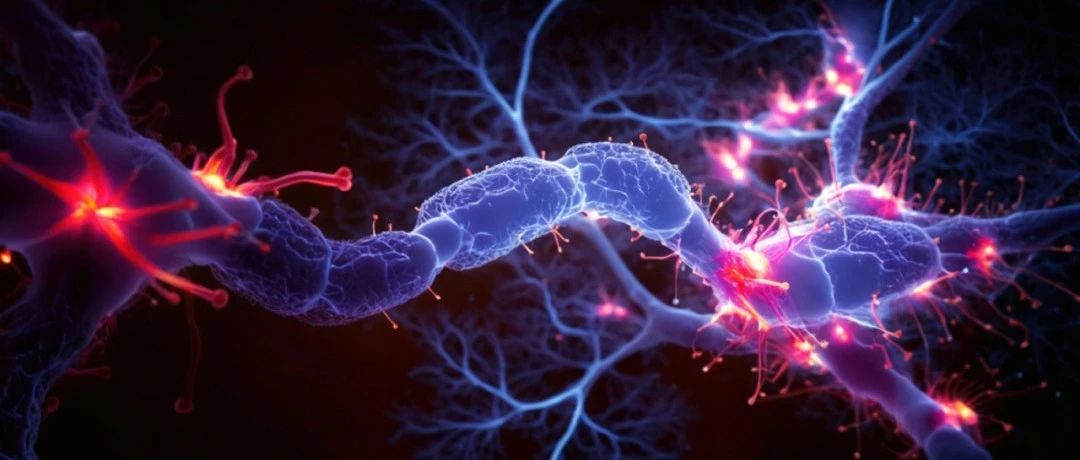
Core Viewpoint - The study published in Nature highlights the role of cancer-induced nerve injury (CINI) in promoting resistance to anti-PD-1 therapy, emphasizing the importance of exploring cancer neuroscience for potential therapeutic targets [4][5][10]. Group 1: Cancer-Induced Nerve Injury (CINI) and Its Mechanism - CINI occurs when cancer cells damage the protective myelin sheath of peripheral nerves, leading to chronic inflammation and immune exhaustion, which ultimately results in resistance to immunotherapy [4][10]. - The study reveals that targeting CINI-related signaling pathways can reverse chronic inflammation and improve the efficacy of cancer immunotherapy [4][12]. Group 2: Tumor-Associated Nerves (TAN) and Immune Response - Tumor-associated nerves (TAN) are recognized as poor prognostic factors in various cancers, including skin squamous cell carcinoma, melanoma, gastric cancer, and pancreatic ductal adenocarcinoma [7][11]. - The interaction between cancer cells, TAN, and tumor immune activity is crucial, as damaged TAN can recruit immune cells that promote tumor progression and contribute to anti-PD-1 therapy resistance [8][11]. Group 3: Clinical Implications and Future Directions - The findings suggest that CINI and its associated chronic inflammation mediate the mechanisms of resistance to anti-PD-1 therapy, providing a basis for identifying biomarkers and developing therapeutic drugs to overcome resistance in cancer patients [12]. - Multi-faceted interventions targeting CINI pathways, such as denervation of tumors and blocking specific inflammatory signals, have shown potential in reversing anti-PD-1 resistance [11][12].
5年新生!邦耀生物全球首例CRISPR治愈β0/β0型重度地贫患儿健康生活超5年
生物世界· 2025-08-21 04:03
Core Viewpoint - The article highlights the significant breakthrough in gene editing therapy for β-thalassemia, particularly through the case of a patient named "Xixi," who was successfully treated using CRISPR technology, marking a milestone in the treatment of hereditary blood disorders [1][4]. Group 1: Patient Case Study - Xixi, diagnosed with the most severe form of β0/β0 thalassemia at 9 months old, required lifelong blood transfusions and iron removal therapy, placing a heavy burden on his family [3]. - In 2020, at the age of 7, Xixi became the first patient globally to receive CRISPR gene editing therapy (BRL-101) and successfully became independent from blood transfusions just 56 days post-treatment [6]. - Five years later, Xixi has maintained his health without transfusions, with hemoglobin levels around 140g/L, showcasing the long-term efficacy and safety of the treatment [6][10]. Group 2: Scientific Breakthrough - β-thalassemia is a hereditary blood disorder caused by defects in the globin gene, traditionally treated through costly and complex allogeneic stem cell transplants, which carry high risks [10]. - The BRL-101 gene therapy utilizes CRISPR technology to modify the BCL11A locus in the patient's hematopoietic stem cells, allowing for a one-time treatment that can potentially cure the disease [10]. - The therapy's delivery method avoids safety issues associated with viral vectors, enhancing its safety profile [10]. Group 3: Company Development and Achievements - Shanghai Bangyao Biotechnology has been deeply involved in gene therapy, with BRL-101 receiving IND approval in August 2022 and achieving significant clinical milestones since its inception [14]. - The company has published influential research in top journals and has been recognized at major international conferences, receiving awards for its contributions to rare disease treatment [15]. - Future plans include exploring treatments for sickle cell disease (BRL-102) and expanding global clinical collaborations to benefit patients with various hereditary blood disorders [14][17].
Nature Immunology封面论文:慢性乙肝治疗新靶点——IL27
生物世界· 2025-08-21 04:03
Core Viewpoint - The study highlights the role of CD4⁺ T cells in reversing CD8⁺ T cell dysfunction induced by hepatocellular priming in chronic hepatitis B virus (HBV) infection, emphasizing IL-27 as a potential therapeutic target for immune intervention [4][11]. Group 1: CD4⁺ T Cells and CD8⁺ T Cell Dysfunction - CD4⁺ T cells activate Kupffer cells to reverse CD8⁺ T cell dysfunction, which is crucial for restoring HBV-specific CD8⁺ T cell function [4][10]. - The research indicates that IL-27 is essential for the recovery of CD8⁺ T cells, and exogenous IL-27 can restore their functionality [4][11]. Group 2: Mechanisms of T Cell Activation - CD8⁺ T cells can be activated directly in the liver, but often enter a dysfunctional state despite being able to proliferate [9]. - The study proposes a phased model where CD4⁺ T cell assistance occurs after CD8⁺ T cell activation, suggesting that CD4⁺ T cells can provide repair signals in non-lymphoid tissues like the liver [9][10]. Group 3: Implications for Treatment - The findings suggest that targeting IL-27 could be a viable strategy for immunotherapy in chronic HBV infection, as it plays a significant role in restoring CD8⁺ T cell function [11].

Cell子刊:敲除这两个基因,提高CAR-T细胞治疗实体瘤的效果
生物世界· 2025-08-21 04:03
Core Viewpoint - The study highlights the urgent need for advancements in treatment for late-stage pancreatic ductal adenocarcinoma (PDAC), where the median survival is less than one year [3]. Group 1: Clinical Trial Findings - A phase 1 clinical trial evaluated the safety and efficacy of anti-MSLN CAR-T cell therapy in patients with advanced PDAC, showing good tolerance but limited effectiveness [4][12]. - The trial involved three groups of patients receiving CAR-T cells via different administration routes: intravenous, intraperitoneal, and hepatic artery, with overall good tolerance and no severe treatment-related adverse events [8]. - The median overall survival for patients was 6.7 weeks, and the median progression-free survival was 3.9 weeks [8]. Group 2: Mechanisms of Resistance - Single-cell genomics revealed that infused CAR-T cells expressed exhaustion markers, including transcription factors ID3 and SOX4, indicating functional impairment [9]. - In mouse models, knocking out ID3 or SOX4 individually enhanced efficacy, but dual knockout of both genes led to longer progression-free survival, suggesting a potential pathway for designing more effective CAR-T cells for PDAC [9][12]. Group 3: Implications for Future Research - The findings suggest that while anti-MSLN CAR-T cell therapy is well-tolerated, further research is needed to overcome the limitations in efficacy observed in PDAC patients [12]. - The study provides insights into the mechanisms of resistance and potential strategies for improving CAR-T cell therapy in treating PDAC [9][12].