生物世界

Search documents
Nature子刊:谈攀/洪亮团队开发蛋白质语言模型VenusMine,成功挖掘高效的PET水解酶
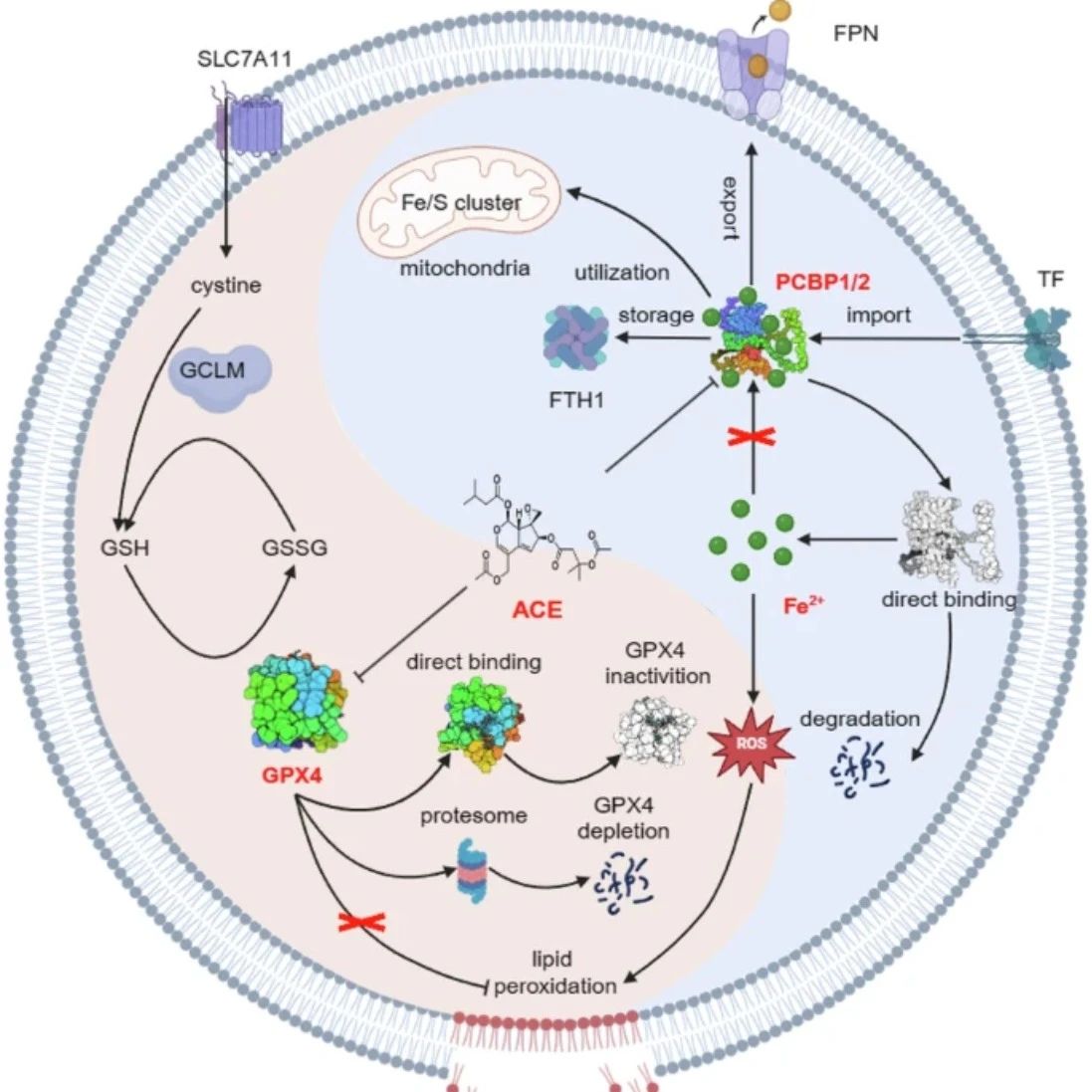
生物世界· 2025-07-08 08:18
Core Viewpoint - The article discusses the significant environmental challenges posed by plastic waste, particularly PET, and introduces a novel enzyme discovery model, VenusMine, which utilizes protein language models for efficient identification of highly effective PET hydrolases [2][6][13]. Group 1: Enzyme Discovery Model - VenusMine is a protein language model that integrates structural analysis to efficiently mine for PET hydrolases from vast protein databases [6][7]. - The model identifies and clusters target proteins based on the crystal structure of IsPETase, followed by screening for solubility and thermal stability [7][8]. Group 2: Findings and Results - The research team successfully discovered a series of PET hydrolases, with KbPETase from Kibdelosporangium banguiense exhibiting a catalytic efficiency 97 times higher than that of IsPETase [3][8]. - Among the 34 candidate proteins, 14 demonstrated PET degradation activity within the temperature range of 30-60 °C, with KbPETase showing a melting temperature 32°C higher than IsPETase [8][12]. Group 3: Structural Insights - X-ray crystallography and molecular dynamics simulations revealed that KbPETase possesses a conserved catalytic domain and enhanced intramolecular interactions, supporting its improved functionality and thermal stability [12].


Nature Medicine:WHO最新数据,幽门螺杆菌或导致1200万人患胃癌
生物世界· 2025-07-08 08:18
Core Insights - Gastric cancer is the fifth leading cause of cancer-related deaths globally, primarily caused by chronic infection with Helicobacter pylori, which is preventable through effective treatment [1][4] - The incidence of gastric cancer is rising among younger populations (under 50 years), and due to aging and population growth, the number of cases and deaths is expected to increase in the coming decades, potentially reversing recent efforts to reduce mortality and incidence rates [2] Summary by Sections - **Global Estimates**: A study published by IARC/WHO in Nature Medicine estimated that among the global population born between 2008-2017, approximately 15.8 million individuals are expected to develop gastric cancer in their lifetime, with 76% (11.9 million cases) attributable to Helicobacter pylori infection [3][8] - **Prevention Strategies**: Most gastric cancers, particularly non-cardia gastric cancer, are caused by chronic Helicobacter pylori infection, which can be prevented through a combination therapy of antibiotics and proton pump inhibitors. A systematic review indicates that treatment can prevent gastric cancer in Helicobacter pylori-positive individuals [4] - **Screening Recommendations**: In 2013, IARC/WHO recommended that countries explore population-based screening and treatment programs for Helicobacter pylori based on local disease burden and cost-effectiveness analyses [5] - **Implementation Challenges**: Despite the high-risk areas, there has been little attempt to implement such population-level projects. The development of a Helicobacter pylori vaccine could be a powerful tool for preventing gastric cancer, but there seems to be a lack of motivation to advance its research [6] - **Future Burden Projections**: The study predicts that without intervention, 15.6 million individuals born between 2008-2017 will be diagnosed with gastric cancer, with 11.9 million cases (76%) linked to Helicobacter pylori infection. It is estimated that 10.6 million new cases (68%) will occur in Asia, with India and China expected to account for 6.5 million cases [8] - **Impact of Interventions**: The research highlights the importance of Helicobacter pylori management in gastric cancer prevention, showing that if screening and treatment interventions are 100% effective, gastric cancer cases could be reduced by up to 75%. Effectiveness rates of 90% and 80% would result in reductions of 67.5% and 60%, respectively [10] - **Call to Action**: The research team calls for increased investment in gastric cancer prevention, particularly through population-wide Helicobacter pylori screening and treatment programs to reduce the global burden of gastric cancer [11]

Nature重磅:CAR-T治疗实体瘤新突破,利用内源启动子重编程CAR-T细胞,增强实体瘤治疗效果并减少全身毒性
生物世界· 2025-07-08 03:35
Core Viewpoint - The article discusses the promising potential of adoptive T cell therapy (ACT), particularly CAR-T cell therapy, in cancer treatment, while highlighting its limitations in solid tumors due to various factors such as immune suppression and tumor heterogeneity [2]. Group 1: CAR-T Cell Therapy Developments - CAR-T cell therapy has shown remarkable success in treating hematological malignancies but remains less effective in solid tumors due to challenges in the tumor microenvironment [2]. - A recent study published in Nature introduces a method to enhance CAR-T cell anti-tumor efficacy by using endogenous gene promoters to control cytokine expression, thereby reducing systemic toxicity [3]. Group 2: Armoured T Cells - A promising approach to improve CAR-T cell efficacy in solid tumors involves engineering T cells to express immune-modulatory factors, referred to as "Armoured T Cells" [5]. - Several studies have demonstrated the potential of T cells armed with cytokines like IL-2, IL-12, and IL-15, but the peripheral expression of these cytokines can lead to toxicity, necessitating strategies to restrict expression to tumor sites [5][6]. Group 3: Gene Editing and Specificity - The advent of CRISPR gene editing technology allows for precise insertion of transgenes at specific genomic loci, enabling controlled expression of transgenes through endogenous regulatory mechanisms [8]. - The latest research indicates that using CRISPR to insert IL-12 and IL-2 into specific promoter sites can significantly enhance therapeutic responses in mouse models without evident toxicity [11]. Group 4: Long-term Immunity and Future Implications - Mice treated with the modified CAR-T cells exhibited durable immunity against secondary tumors, suggesting that re-engineered CAR-T cells can not only eliminate existing tumors but also provide long-lasting immune memory [12]. - Overall, the study proposes that utilizing endogenous gene regulation mechanisms for localized expression of pro-inflammatory payloads could address key challenges in treating solid tumors, thereby expanding the therapeutic scope of adoptive cell therapies [15].

Nature系列综述:CAR-T在自身免疫疾病中异军突起,将面临哪些挑战?
生物世界· 2025-07-08 03:35
Core Viewpoint - CAR-T cell therapy has shown significant effects in hematological malignancies and is expanding into clinical trials for solid tumors, infectious diseases, and autoimmune diseases, with notable advancements in treating autoimmune diseases like systemic lupus erythematosus and myasthenia gravis [2][3][5]. Industry Developments - AbbVie acquired Capstan for $2.1 billion, focusing on in vivo CAR-T therapy for autoimmune diseases, indicating a growing market interest [2]. - AstraZeneca's acquisition of EsoBiotec for $1 billion earlier this year also highlights the increasing investment in CAR-T therapies [2]. - The industry is on the brink of a breakthrough, particularly in in vivo CAR-T therapies, as evidenced by these high-value acquisitions [2]. Research Progress - The application of CAR-T therapy in autoimmune diseases began with Professor Georg Schett's team in Germany, successfully treating a patient with refractory systemic lupus erythematosus in 2021 [3]. - A recent review by Professor Schett in Nature Reviews Rheumatology discusses advancements and challenges in CAR-T therapy for autoimmune diseases, including suitable diseases and safety considerations [4][5]. Mechanism and Targeting - CAR-T therapy involves engineering immune cells to target specific antigens, primarily focusing on the depletion of pathological B cells in autoimmune diseases [6][8]. - The therapy can effectively eliminate B cells, which are central to the pathogenesis of diseases like systemic lupus erythematosus and idiopathic inflammatory myopathy [8]. - Current CAR-T therapies primarily target CD19 and BCMA, with CD38 also being a significant target for its ability to selectively eliminate antibody-producing cells [11][12]. Challenges and Considerations - The effectiveness of CAR-T therapy is influenced by the physiological mechanisms of diseases and the availability of measurable clinical endpoints, which can pose challenges in long-term studies [10]. - Certain autoimmune diseases, such as psoriasis and inflammatory bowel disease, may require alternative therapies due to the involvement of abnormal T cell activation [9]. Future Directions - The transition of CAR-T therapy from oncology to autoimmune diseases is reshaping treatment paradigms, with a focus on developing more targets and dual-target combinations to enhance safety and efficacy [13]. - Companies like Yiqiao Shenzhou are providing comprehensive CAR-T therapy development solutions to support clients through various research stages [14].

首届拜耳中国“共创·新药”大赛正式启动!
生物世界· 2025-07-08 00:01
Core Viewpoint - Bayer is committed to enhancing its focus and resource investment in China's innovation ecosystem, aiming to collaborate with local innovators to discover the next significant breakthroughs in drug development [1]. Group 1: Competition Announcement - Bayer China has officially launched the "Co-Creation New Drug" competition, inviting Chinese innovators and biotechnology companies to submit and showcase their innovative research pipelines, drug molecules, or new technologies with breakthrough potential [1]. Group 2: Target Therapeutic Areas - The competition focuses on several key therapeutic areas, including: - Precision Oncology - Precision Cardiorenal Diseases - Immunology & Inflammation [2]. Group 3: Research Pipeline Stages - The competition accepts submissions at various stages of the research pipeline, ranging from early pre-clinical candidate compounds (pre-PCC) to clinical proof of concept (clinical PoC) [2]. Group 4: Drug Molecule Forms - Eligible drug molecule forms include: - Biologics - Small molecules (SMOL) - Conjugated drugs (XDC) - Genetic medicine - Small nucleic acid drugs (siRNA) - Molecular glue - Other platform technologies [3]. Group 5: Evaluation Criteria - Submissions will be evaluated by a review committee composed of Bayer China's and global R&D and business development experts based on innovation level, key data, advancement speed, and alignment with Bayer's R&D strategy [4].


上海科技大学发表最新Cell论文
生物世界· 2025-07-08 00:01
撰文丨王聪 编辑丨王多鱼 排版丨水成文 麻疹病毒 (MeV) 是一种高度传染性的不分节段负链 RNA 病毒,属于副粘病毒科,每年导致数百万例感染,目前尚无获批的抗病毒药物。其 由大蛋白 (L) 和四聚体磷蛋白 (P) 组成的病毒聚合酶复合物是关键的抗病毒靶点。 2025 年 7 月 7 日,上海科技大学 张贺桥 / Roger Kornberg 团队在国际顶尖学术期刊 Cell 上发表了题为: Structures of the measles virus polymerase complex with non-nucleoside inhibitors and mechanism of inhibition 的研究论文。 该研究解析了 麻疹病毒 (MeV) 聚合酶 复合物及其与非核苷抑制剂结合后的结构,并揭示了抑制机制,为抗病毒药物的理性设计奠定了基础。 在这项最新研究中,研究团队确定了麻疹病毒聚合酶复合物 apo 状态下以及与两种非核苷抑制剂 ERDRP-0519 和 AS-136A 结合时的冷冻电镜结构, 分辨率分 别为 3.0 Å、 3.4 Å 和 3.3 Å。 结果显示,抑制剂结合会引发 麻疹病毒聚 ...

Cell重磅:高彩霞团队开发基于AI的通用蛋白质工程方法,低成本实现蛋白质高效进化模拟和功能设计
生物世界· 2025-07-07 14:38
Core Viewpoint - The article discusses the development of a novel artificial intelligence-based protein engineering computational simulation method called AiCE, which integrates structural and evolutionary constraints to enhance protein evolution and function design without the need for specialized AI model training [4][12]. Group 1: Protein Engineering Overview - Protein engineering involves modifying amino acid sequences to alter protein structure and function, offering significant potential in both basic research and industrial applications, with market size expected to exceed hundreds of billions [2]. - Current strategies in protein engineering, such as rational design and directed evolution, face challenges including high costs and long experimental cycles, limiting their scalability [2]. Group 2: AI in Protein Engineering - The rapid advancement of artificial intelligence has led to its application in life sciences, particularly in simulating mutations and functional modifications of proteins [3]. - Existing AI models struggle with generalizability across various proteins and require substantial computational and experimental resources, necessitating the development of more efficient and universal protein engineering strategies [3]. Group 3: AiCE Method Development - The AiCE method allows for efficient protein evolution simulation and function design without the need for training dedicated AI models, significantly reducing computational costs [4][12]. - AiCE utilizes existing universal inverse folding models to predict amino acid sequences based on given protein structures, enhancing the accuracy of predictions [5][6]. Group 4: Performance and Applications - AiCE single module achieved a 16% prediction accuracy using 60 deep mutational scanning datasets, with a 37% performance improvement over unrestricted methods [6]. - AiCE multi module predicts mutation combinations effectively while maintaining low computational costs, demonstrating comparable predictive capabilities to larger models [7]. Group 5: Experimental Validation - The research team validated AiCE's functionality across eight diverse proteins, including deaminases and nucleases, confirming its simplicity, efficiency, and versatility [9][10]. - The development of new base editors with enhanced precision and activity, such as enABE8e and enDdd1-DdCBE, showcases AiCE's practical applications in precision medicine and molecular breeding [9][10]. Group 6: Significance and Future Directions - The study highlights the importance of developing efficient bioinformatics tools to reduce computational burdens, making AI-driven protein engineering accessible to more researchers [12]. - The advancements presented in this research mark a significant step forward in the field of protein evolution, elevating AI-based approaches to a new level [12].

AI筛药新突破:老药新用治疗儿童罕见遗传病Rett综合征,将在今年进行临床试验
生物世界· 2025-07-07 09:11
Core Insights - The article discusses a significant breakthrough in the treatment of Rett Syndrome, a rare genetic disorder caused by mutations in the MeCP2 gene, primarily affecting girls at a rate of 1 in 10,000 [6] - Researchers at Harvard's Wyss Institute have identified Vorinostat, an FDA-approved drug for skin T-cell lymphoma, as a promising therapeutic option for Rett Syndrome, demonstrating disease-repair capabilities in preclinical models [2][8] Rett Syndrome Challenges - Rett Syndrome is characterized by complex cognitive and physical impairments due to a single gene mutation, leading to multiple organ dysfunctions, including neurological, digestive, muscular, and immune system issues [6] - The complexity of the disease, involving changes in multiple gene expressions, complicates the development of effective treatments based on single drug targets [6] Research Methodology - The research team utilized an AI-driven system called nemoCAD to revolutionize traditional drug development approaches by: 1. Constructing animal models using African clawed frog tadpoles to simulate human MeCP2 gene mutations, replicating various symptoms of Rett Syndrome [7] 2. Conducting whole-genome analysis to compare gene expression changes between healthy and affected tadpoles [7] 3. Performing drug reverse screening based on gene expression profiles from the NIH LINCS database to identify candidate drugs that could reverse pathological changes [7] Drug Discovery and Results - Vorinostat, a histone deacetylase inhibitor, showed the most promising results, significantly reversing abnormalities in neurological, intestinal, and muscular systems in affected tadpoles [8] - The research indicates that Vorinostat could potentially be the first curative therapy for Rett Syndrome, leveraging a unique AI-based drug discovery approach combined with innovative disease modeling [11] Clinical Trials and Future Plans - Unravel Biosciences, a biotech company incubated by Wyss Institute, plans to initiate clinical trials in Colombia in 2025, involving 15 female patients [12] - The trials will adopt an n-of-1 personalized experimental design, adjusting treatment plans for each patient, and will advance the proprietary formulation RVL-001 of Vorinostat [12]

颠覆性发现:Nature Aging论文证实,衰老相关炎症并非普遍存在
生物世界· 2025-07-07 07:24
Core Viewpoint - The study published in Nature Aging indicates that inflammaging, or age-related chronic inflammation, is not universal across different human populations, suggesting that it may be a byproduct of industrialized lifestyles rather than a universal aging process [1][8]. Group 1: Research Findings - The research compared industrialized populations (from Italy and Singapore) with non-industrialized populations (Tsimane from Bolivia and Orang Asli from Malaysia) to assess the universality of the inflammaging phenomenon [1][5]. - In industrialized populations, inflammation increases with age and is associated with age-related chronic diseases such as stroke, cardiovascular diseases, and cancer [7]. - In contrast, the non-industrialized populations exhibited high baseline inflammation levels due to common infections, but this inflammation did not increase with age and was not linked to chronic diseases [6][7]. Group 2: Implications - The findings challenge the existing paradigm surrounding inflammaging and highlight the importance of considering cultural, environmental, and lifestyle factors in aging research [8]. - Further exploration of how specific environmental conditions modulate inflammaging and its health outcomes could lead to targeted strategies for preventing age-related diseases in diverse global populations [8].

STTT:我国学者从中药材中发现新型铁死亡诱导剂,为癌症治疗带来新思路
生物世界· 2025-07-07 07:24
Core Viewpoint - Ferroptosis has emerged as a promising anti-tumor treatment strategy, distinct from apoptosis and necroptosis, characterized by uncontrolled lipid peroxidation and high levels of ferrous ions (Fe2+) and reactive oxygen species (ROS) [2][3][7]. Group 1: Mechanism and Inducers of Ferroptosis - GPX4 utilizes glutathione (GSH) to reduce lipid peroxides to lipid alcohols, making targeting GPX4 or GSH a potential strategy for cancer therapy [3]. - Lipid peroxidation may serve as a "find me" signal, enhancing tumor immunotherapy effectiveness [3]. - Inducers of ferroptosis, such as RSL3 and erastin, have shown efficacy in inducing ferroptosis in mouse tumor models and human tumor cell lines [3][4]. Group 2: Research Findings on Acevaltrate - A recent study identified acevaltrate (ACE) as a novel ferroptosis inducer that targets both PCBP1/2 and GPX4 in colorectal cancer cells, leading to rapid and strong induction of ferroptosis [4][8]. - ACE increases intracellular Fe2+ levels by targeting and reducing the expression of iron chaperone proteins PCBP1/2, while also inhibiting GPX4 activity, disrupting the antioxidant system in colorectal cancer cells [9][12]. - Animal experiments indicate that ACE demonstrates superior therapeutic effects compared to known ferroptosis inducers and first-line clinical cancer drugs like capecitabine and TAS-102 [10][12]. Group 3: Implications for Clinical Treatment - The dual mechanism of ACE not only enhances the induction of ferroptosis but also addresses the compensatory resistance issues associated with single-target ferroptosis inducers [12]. - ACE's multi-target characteristics suggest a potential for high efficacy and low toxicity in selectively killing tumor cells, providing a new strategy for clinical treatment of colorectal cancer [12].