
生物世界

Search documents
品质议程,重磅发布:1.5天×20先锋大咖,第十届CPHI生物制药论坛邀您直击产业前沿
生物世界· 2025-06-16 03:59
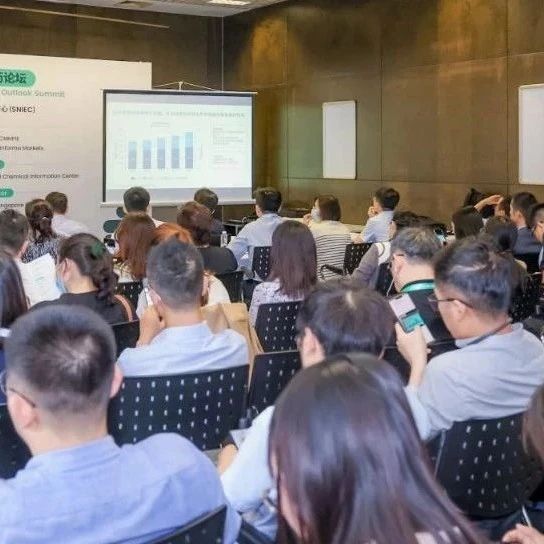
Core Insights - In the first quarter of 2025, China’s innovative drug sector saw 41 license-out transactions totaling $36.929 billion, nearing the total for the entire year of 2023 and surpassing the total for the first half of 2024, indicating China's emergence as a global innovation hub [1] - The upcoming 10th CPHI Biopharmaceutical Forum on June 24-25 in Shanghai will feature over 20 global experts discussing trends and opportunities in the biopharmaceutical industry, emphasizing the need for resource collaboration and clinical transformation [1][3] Event Details - The 10th CPHI Biopharmaceutical Forum will take place on June 24-25 at the Shanghai New International Expo Center, W4 Hall, M6 Conference Room, organized by various industry associations [3] - The forum will cover topics such as biomanufacturing, AI-driven healthcare, and the commercialization opportunities for stem cell therapies, with a focus on the international development and cooperation trends in biopharmaceuticals [5][6] Key Sessions - Notable sessions include discussions on the future of biomanufacturing, AI in healthcare, and the global commercialization of stem cell therapies, featuring experts from various leading organizations [5][6] - The agenda includes a roundtable dialogue on building a collaborative ecosystem for translational medicine innovation, highlighting the importance of industry-wide cooperation [8][9] Expert Contributions - Experts from organizations such as Biocon, BMS, and various academic institutions will provide insights into the latest trends and strategies in the biopharmaceutical sector, focusing on regulatory policies and market dynamics [1][5][6] - The forum aims to inject sustainable momentum into the internationalization of China's biopharmaceutical industry through diverse perspectives from multinational corporations, biopharma, and biotech sectors [1][3]

Cancer Cell:关闭这个基因,增强NK细胞抗肿瘤免疫
生物世界· 2025-06-16 03:59
Core Viewpoint - The article discusses the role of Interleukin-15 (IL-15) in enhancing anti-tumor immunity, particularly through the activation of Natural Killer (NK) cells, and highlights recent research that identifies UBE2F as a key target for improving NK cell response to IL-15 [2][6][7]. Group 1 - IL-15 is a cytokine that promotes the generation of immune cells capable of detecting and killing cancer cells, such as NK cells [1]. - Cancer cells have evolved mechanisms to evade immune detection, prompting researchers to explore IL-15 receptor agonists to induce anti-tumor immune responses, although toxicity has limited clinical development [2][6]. - A study published by oNKo-innate and Monash University reveals that knocking out the UBE2F gene in NK cells significantly enhances their sensitivity to low doses of IL-15, improving their anti-cancer capabilities and slowing colorectal cancer growth in preclinical models [2][4]. Group 2 - The research team conducted a whole-genome CRISPR screening to uncover the complete IL-15R signaling mechanism in NK cells, identifying ubiquitin-dependent IL-15R degradation as a major inhibitory mechanism [4][5]. - Key targets discovered include UBE2F, ARIH2, and members of the Cullin-5 RING E3 ligase complex, with UBE2F being essential for the ubiquitination and activation of CUL5, while ARIH2 aids in the degradation of IL-15RB mediated by CRL5 [5][6]. - The absence of UBE2F was shown to inhibit CRL5 activity, thereby enhancing NK cell responsiveness to IL-15, with mouse model studies indicating improved anti-tumor immunity against both primary and metastatic tumors [6]. Group 3 - UBE2F, as an enzyme, presents a potential target for small molecule inhibitors, with existing drugs that block UBE2F already tested in patients with myelodysplastic syndromes to induce cancer cell death [7]. - The research team expresses confidence in discovering more specific inhibitors with better safety profiles for testing in environments where immunotherapy is less effective and requires enhanced immune responses against cancer [7].

JAMA子刊:“减肥神药”司美格鲁肽或增加这种可导致失明的视网膜疾病风险
生物世界· 2025-06-16 03:59
Core Viewpoint - The study indicates that the use of GLP-1 receptor agonists, specifically semaglutide, is associated with more than double the risk of developing neovascular age-related macular degeneration (nAMD) in diabetic patients compared to those not using these medications [3][8]. Group 1: Study Overview - A retrospective cohort analysis was conducted to assess the risk of nAMD in elderly diabetic patients using GLP-1 receptor agonists [6]. - The study analyzed data from 139,002 diabetic adults aged 66 and older in Ontario, Canada, from 2020 to 2023, with 46,334 using GLP-1 receptor agonists for at least six months [6]. Group 2: Risk Assessment - The adjusted risk ratio for developing nAMD in patients using GLP-1 receptor agonists was found to be 2.21, indicating more than double the risk compared to non-users [7]. - The risk increased with the duration of use, with a risk ratio of 3.62 for those using the medication for 30 months or longer [7]. Group 3: Implications and Concerns - Concerns regarding retinal complications associated with GLP-1 receptor agonists have been growing, especially following findings from major cardiovascular trials (SUSTAIN 6 and PIONEER 6) where patients using semaglutide showed a higher incidence of diabetic retinopathy complications compared to those on placebo [7]. - The association between GLP-1 receptor agonist exposure and nAMD diagnosis persisted across different durations of use, aligning with previously reported complications affecting vision [7][8]. - There is a need for regular eye examinations for patients on long-term GLP-1 receptor agonist therapy due to potential delayed ocular damage [7].

中国科学技术大学发表最新Nature Immunology论文
生物世界· 2025-06-15 23:55
Core Viewpoint - The study reveals a new mechanism by which lactate in the tumor microenvironment inhibits the anti-tumor function of natural killer (NK) cells through lactylation modification, providing new intervention targets and strategies to enhance NK cell cytotoxicity [1][3]. Group 1 - The research indicates that elevated levels of lysine lactylation (Kla) in NK cells are associated with impaired NAD metabolism, mitochondrial fragmentation, and reduced cytotoxicity [3]. - Supplementation with nicotinamide riboside (NR) and honokiol, a SIRT3 activator, enhances NK cell cytotoxicity by lowering intracellular Kla levels [3]. - The combination of NR and honokiol regulates Kla's effect on the protein kinase ROCK1, inhibiting the ROCK1-DRP1 signaling pathway to prevent mitochondrial fragmentation and restore NK cell activity against leukemia both in vivo and in vitro [3]. Group 2 - The study emphasizes that lactate-induced lactylation represents a new target for immunotherapy based on NK cells, aiming to enhance their tolerance to lactate within the tumor microenvironment [5]. - The research was conducted by a collaborative team from the University of Science and Technology of China and Fudan University, with key contributors including researchers Jin Jing, Yan Peidong, and Wang Dongyao [5].

湘雅团队最新研究发现,腺苷有望成为银环蛇咬伤急救新选择
生物世界· 2025-06-15 09:30
Core Viewpoint - The research highlights the potential of adenosine, derived from the traditional herb "异叶茴芹," as a promising early intervention for silver ring snake envenomation, showing significant protective effects in animal models [4][10]. Group 1: Research Findings - The study published in the Journal of Advanced Research demonstrates that adenosine can achieve a 100% survival rate in mice injected with silver ring snake venom when administered intraperitoneally at a dose of 25 mg/kg [4][10]. - Adenosine effectively mitigates the neuro-muscular blockade caused by the snake venom, preserving acetylcholine receptor function and maintaining normal respiratory muscle activity [8][10]. - The research identifies ten major compounds from the herb, with adenosine being particularly effective against silver ring snake venom [6][10]. Group 2: Clinical Implications - Adenosine is a naturally occurring substance in the human body and has been approved for clinical use in treating other conditions, indicating a clear safety profile [10]. - The study emphasizes the need for exploring more convenient administration methods for adenosine, especially in emergency field scenarios, to enhance its practical application [10]. - Future research will involve validating the detoxifying effects of adenosine in larger animal models and developing suitable clinical emergency administration protocols [10].

Cell Stem Cell:北京大学王凯团队等开发快速生成功能性血管类器官的新方法
生物世界· 2025-06-15 06:56
Core Viewpoint - The article discusses the development of a new method for rapidly generating functional vascular organoids from induced pluripotent stem cells (iPSCs) through the orthogonal activation of transcription factors ETV2 and NKX3.1, which significantly improves the efficiency and potential applications of vascular organoids in research and clinical settings [4][12][14]. Group 1: Vascular Organoids Overview - Vascular organoids (VO) are important models in cardiovascular research, capable of simulating dynamic interactions between endothelial cells and vascular wall cells, and replicating organ-specific vascular microenvironments [2][6]. - Current differentiation protocols for vascular organoids face challenges such as high heterogeneity, long time requirements, dependency on matrix gels and growth factors, high costs, and low in vivo vascularization capabilities [2][4]. Group 2: Research Development - A collaborative research team from Peking University and Harvard Medical School published a study in Cell Stem Cell detailing a new method for generating vascular organoids [3]. - The new method allows for the generation of uniform vascular organoids within 5 days from iPSCs, establishing a controllable vascular lineage differentiation model [4][10]. Group 3: Methodology and Findings - The method employs orthogonal activation of transcription factors ETV2 and NKX3.1 to induce iPSCs into endothelial cells (iEC) and mural cells (iMC), respectively, without the need for extracellular matrix [10][12]. - The vascular organoids formed have a diameter of approximately 250 μm and can mature further when embedded in extracellular matrix, leading to larger and more structured vessels [10][11]. - Single-cell RNA sequencing revealed that the duration of transcription factor activation influences the identity and heterogeneity of vascular cells, allowing for the potential to create specific types of vascular networks on demand [10][12]. Group 4: Applications and Implications - The vascular organoids demonstrated the ability to form perfused vessels when implanted in immunodeficient mice, promoting vascular reconstruction in ischemia and transplantation models [11][12]. - This research establishes a new platform for rapid and versatile vascular organoid generation, enhancing the potential for applications in vascular modeling, disease research, and regenerative cell therapies [14].

Nature子刊:邹强/李靖华/李霞/崔心刚团队揭示新型细胞死亡形式双硫死亡与抗肿瘤免疫的关联
生物世界· 2025-06-15 03:39
Core Viewpoint - The discovery of a new type of cell death called disulfidptosis opens new avenues for cancer treatment, particularly through targeting SLC7A11 protein and lactate dehydrogenase B (LDHB) in tumor-infiltrating CD8⁺ T cells [1][2][11]. Group 1: Disulfidptosis Discovery - In February 2023, a team from the University of Texas MD Anderson Cancer Center identified disulfidptosis, triggered by glucose deprivation in cells with high SLC7A11 expression, which effectively inhibits tumor growth without harming normal tissues [1]. - The research indicates that disulfidptosis is driven by the abnormal accumulation of disulfides, particularly in cancer cells under glucose starvation conditions [11]. Group 2: Role of LDHB in Immune Response - A study published in June 2025 revealed that LDHB promotes disulfidptosis and exhaustion of tumor-infiltrating CD8⁺ T cells, leading to impaired anti-tumor immunity, suggesting LDHB as a potential target in cancer immunotherapy [2][6]. - The mechanism involves LDHB limiting the activity of glucose-6-phosphate dehydrogenase (G6PD) in exhausted CD8⁺ T cells, resulting in NADPH depletion and subsequent disulfidptosis-mediated cell death [6][7]. Group 3: Implications for Cancer Immunotherapy - The findings highlight the distinct roles of disulfidptosis and ferroptosis in driving CD8⁺ T cell exhaustion, indicating that targeting LDHB could be a promising therapeutic strategy in cancer immunotherapy [9]. - The research expands the understanding of disulfidptosis, showing its impact on the functionality of CD8⁺ T cells and its potential implications for enhancing anti-tumor immune responses [11].

Nature头条:我国学者首次在猪体内培育出“人类心脏”,为器官移植开辟新思路
生物世界· 2025-06-15 03:39
Core Viewpoint - The article discusses a groundbreaking study published in Nature, where researchers successfully cultivated a small human heart within a pig embryo, which was able to beat and survive for 21 days [1][4]. Group 1: Research Background - Scientists have previously succeeded in transplanting gene-edited pig organs (kidneys, hearts) into humans, and are now exploring the creation of human-animal chimeras to address global organ transplant shortages [3]. - A method to create chimeric animals involves generating embryos lacking specific genes necessary for certain organs and injecting human stem cells into these embryos [4][6]. Group 2: Research Findings - The research team, led by researcher Lai Liangxue, reported the first instance of cultivating a humanized heart in pig embryos, which began beating during the 21-day survival period [4][6]. - The team enhanced the survival of human stem cells in pigs by reprogramming them with genes that prevent cell death and promote growth, and then created pig embryos with two key heart development genes knocked out [7]. Group 3: Observations and Implications - The chimeric pig embryos grew for a maximum of 21 days, after which they could not survive, potentially due to human cells disrupting pig heart function [8]. - The hearts developed to a size comparable to that of a human heart at 21 days and were observed to be beating, although the proportion of human cells in the heart was not disclosed [8][10]. - For future development of transplantable hearts for humans, it is crucial that the organ is composed entirely of human cells to prevent immune rejection [10].
华人学者本周发表了4篇Cell论文:强制线粒体自噬;多模态遗传筛选平台;抗衰老间充质祖细胞疗法;补体蛋白攻击的开关
生物世界· 2025-06-15 01:12
Core Insights - This week, four research papers authored by Chinese scholars were published in the prestigious journal Cell, covering topics such as mitochondrial influence on pluripotency, a multimodal genetic screening platform, anti-aging mesenchymal progenitor cell therapy, and a key switch in complement protein attack [1][2][3][4]. Group 1: Mitochondrial Influence on Pluripotency - A study led by Professor Wu Jun from the University of Texas Southwestern Medical Center developed a new technique for enforced mitophagy, revealing the impact of mitochondria on cell pluripotency and demonstrating that reduced mitochondrial numbers delay pre-implantation mouse embryo development [3]. Group 2: Perturb-Multi Genetic Screening Platform - Professor Zhuang Xiaowei from Harvard University introduced Perturb-Multi, a novel platform that combines imaging and sequencing technologies to enable parallel perturbation of hundreds of genes in intact mammalian tissues, facilitating the discovery of genetic bases for complex cellular and tissue physiology [7]. Group 3: Anti-Aging Mesenchymal Progenitor Cell Therapy - Researchers Liu Guanghui, Wang Si, and Qu Jing from the Chinese Academy of Sciences and Capital Medical University developed engineered human anti-aging mesenchymal progenitor cells (SRC) that exhibit resistance to aging, stress, and malignant transformation, significantly delaying multi-organ aging in primate models [11]. Group 4: Key Switch in Complement Protein Attack - A study by Zhicheng Wang from the University of Pennsylvania focused on the complement system, identifying a critical parameter—the surface density of potential complement attachment sites—that triggers a significant increase in complement activation, providing insights for the design of long-lasting drug carriers and biocompatible implants [15][17].

这篇Nature论文仅有一个作者,MIT博士生业余爱好,为 AI 技术带来全新应用方向
生物世界· 2025-06-14 04:14
撰文丨王聪 编辑丨王多鱼 排版丨水成文 据估计,博物馆等机构收藏的艺术品中,大约 70% 存在不同程度的损坏。以绘画艺术品为例,其修复往往要耗时数月,需要结合损坏情况进行分析、加固、清 洁,然后对图像受损部分进行填补 (补色) 。整个过程耗时耗力,且成本高昂,这意味着大量的艺术品无法得到及时修复,只能被存放起来,远离公众视线。 目前,数字图像修复已被用作对修复成果进行可视化的工具,以便协助修复人员,但目前这一重建技术无法用于传统修复之外的途径。 2025 年 6 月 11 日,麻省理工学院的博士生 Alex Kachkine 作为唯一作者,在国际顶尖学术期刊 Nature 上发表了题为 : Physical restoration of a painting with a digitally constructed mask 的研究论文。 该了报道了一种 利用 AI 技术快速修复受损绘画艺术品 的方法,通过 可移除的、数字化构建的薄膜覆盖画作,在视觉上 修复画作的受损区域。论文作者通过修复 一副 15 世纪晚期的严重受损的木板油画进行了演示,使用这种技术比手工修复要快近 70 倍,从而能够帮助收藏机构将原本因 ...
