生物世界

Search documents
中国科学院×中山大学合作发表最新Cell论文
生物世界· 2025-11-08 08:00
Core Insights - The article discusses a significant research study on gibbons, revealing their evolutionary history, population dynamics, and conservation status through extensive genomic sequencing [2][4][9]. Group 1: Research Findings - The research team constructed the most comprehensive gibbon genome dataset to date, covering 18 extant gibbon species and successfully obtaining mitochondrial genomes from three extinct samples, including the "Junzi gibbon" [4]. - The study clarified the controversial evolutionary relationships among the four genera of gibbons: Hylobates, Nomascus, Symphalangus, and Hoolock, resolving a century-old classification issue [4][7]. - Phylogenetic analysis based on ancient mitochondrial DNA placed the extinct Junzi gibbon within the Nomascus genus, negating its status as a separate genus [4][7]. Group 2: Genetic and Ecological Insights - The research indicated that historical changes in gibbon population sizes and habitat suitability were consistent with past climate changes [5]. - Comparative genomics and transgenic mouse experiments identified a deletion of 205 base pairs in the Sonic Hedgehog (SHH) gene, which is linked to the elongated limbs characteristic of gibbons [6][7]. Group 3: Implications for Conservation - The findings advance the understanding of gibbon evolution, biology, and conservation efforts, providing critical information for the protection of threatened gibbon species [9].


Cell子刊:程柯团队开发新型水凝胶微针贴片,局部给药钙离子通道阻滞剂,预防术后粘连
生物世界· 2025-11-08 00:07
撰文丨王聪 编辑丨王多鱼 排版丨水成文 术后粘连 ,一直是大多数外科医生面临的棘手问题,尤其是由于其在腹部手术后引发并发症的作用。这一临床问题的重要性一直被低估,这限制了对其潜在机制 的持续研究。鉴于所涉及的生物途径和级联反应的复杂性,目前仍不完全了解,因此继续进行研究对于阐明术后粘连形成的机制以及开发有效的预防策略以应用 于临床实践至关重要。 2025 年 11 月 4 日,北卡罗来纳州立大学 程柯 教授团队在 Cell 子刊 Cell Biomaterials 上发表了题为: Local microneedle delivery of calcium channel blockers for preventing abdominal adhesions 的研究论文。 该研究开发了 水凝胶微针贴片 ,通过 局部微针给药 钙离子通道阻滞剂 ,可预防 腹腔术后粘连 。 术后粘连是临床上的一大难题,常常导致慢性疼痛、肠梗阻和不孕不育,因此有必要开发有效的预防策略。 微针 能够实现纳米颗粒和小分子的微创递送。在这项最新研究中,研究团队利用羧甲基纤维素 (CMC) 与柠檬酸 (CA) 交联制备了一种 水凝胶微针贴片 ...

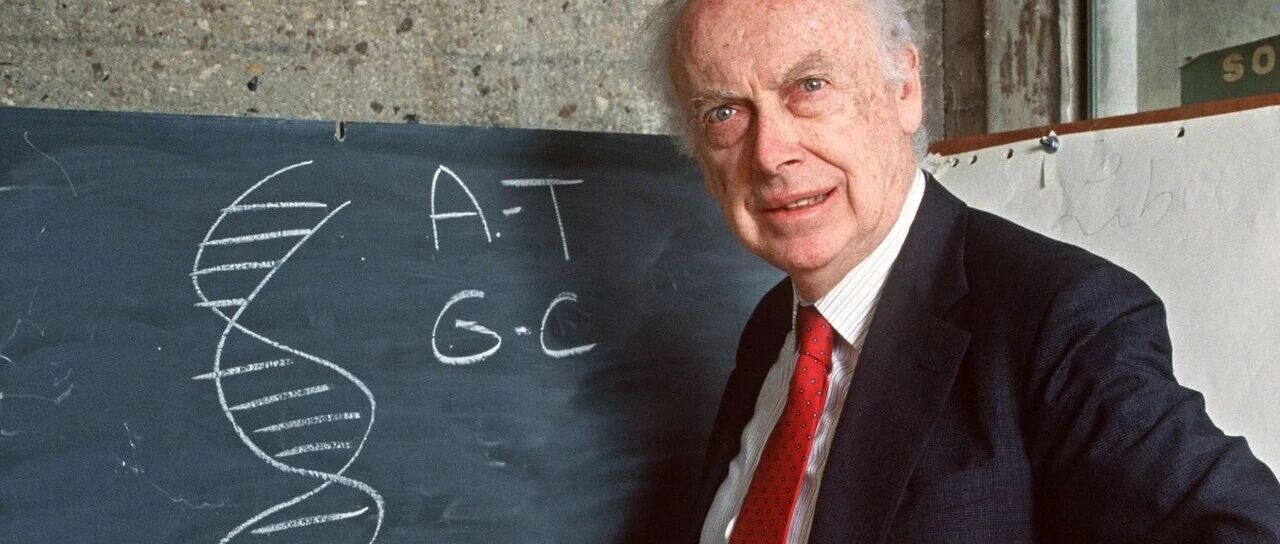
詹姆斯·沃森去世,因发现“DNA双螺旋结构”享誉世界,晚年宣称“黑人因基因智力低”而饱受争议
生物世界· 2025-11-08 00:07
Core Viewpoint - James Watson, a pivotal figure in 20th-century science and co-discoverer of the DNA double helix structure, passed away at the age of 97, marking the end of an era in molecular biology [2][11]. Group 1: Discovery of DNA Structure - Watson and Francis Crick proposed the double helix structure of DNA, inspired by Rosalind Franklin's X-ray images, with their findings published in Nature on April 25, 1953 [3][9]. - The discovery of the DNA double helix is regarded as a landmark in biology, comparable to Darwin's theory of evolution, and it laid the foundation for the field of molecular biology [9][11]. Group 2: Academic and Research Contributions - From 1956 to 1976, Watson taught at Harvard University, advancing molecular biology research [10]. - Watson served as the director of Cold Spring Harbor Laboratory starting in 1968, significantly enhancing its funding and research capabilities, and later became its honorary president [10]. Group 3: Controversies and Legacy - Watson faced controversy in 2007 for suggesting a genetic link between intelligence and race, leading to his resignation from Cold Spring Harbor Laboratory [10]. - His works include the textbook "Molecular Biology of the Gene" (1965) and the bestseller "The Double Helix" (1968), and he played a role in establishing the Human Genome Project, completed in 2003 [10].
腾讯发表最新Nature子刊论文:推出AI大模型,从单细胞转录组翻译单细胞蛋白质组
生物世界· 2025-11-08 00:07
Core Viewpoint - The article discusses the development of a pre-trained large generative model called scTranslator, which translates single-cell transcriptomes to proteomes, addressing challenges in single-cell proteomics and enabling multi-omics data generation [3][5]. Group 1: Technology Overview - Single-cell proteomics faces challenges such as limited coverage, low throughput and sensitivity, batch effects, high costs, and strict experimental protocols [3]. - The scTranslator model is inspired by natural language processing and genetic translation processes, allowing for the inference of missing single-cell proteomes from single-cell transcriptomes [5]. Group 2: Validation and Applications - The research team conducted systematic benchmarking and validation of scTranslator across various profiling technologies (e.g., CITE-seq, spatial CITE-seq, REAP-seq, NEAT-seq), cell types (e.g., monocytes, macrophages, T cells, B cells), and tissues (e.g., blood, lung, brain) [5]. - scTranslator demonstrates accuracy, stability, and flexibility in a wide range of disease contexts, including infections, metabolism, and tumors [5]. - The model shows superiority in assisting various downstream analyses and applications, such as gene/protein interaction inference, perturbation prediction, cell clustering, batch correction, and cell origin identification in pan-cancer data [5].


海南大学最新文章登上Cell头条
生物世界· 2025-11-07 08:30
Core Insights - The article discusses the rational design of materials for uranium extraction from seawater, highlighting the potential of utilizing abundant uranium resources in seawater for sustainable nuclear fuel supply [2][4]. Group 1: Challenges and Opportunities - The extraction of uranium from seawater faces significant challenges, including low uranium concentration, the presence of competing ions, and harsh marine environments [4]. - Recent research indicates that precise control over surface chemistry and local structural environments is crucial for enhancing the selectivity and overall extraction capacity of uranium adsorbents [5]. Group 2: Design Strategies - The article summarizes rational design strategies aimed at improving uranium extraction efficiency, emphasizing emerging methods such as optimizing uranium adsorbents and incorporating catalysts to enhance uranium concentration [5][6]. - These strategies aim to improve the structural responsiveness and extraction behavior of materials in marine environments by increasing the exposure of active sites, reducing electrostatic repulsion, and facilitating mass transport [5]. Group 3: Future Directions - The article outlines recent advancements and emerging challenges in the field, proposing future research directions to accelerate the rational design and development of materials for uranium extraction from seawater [6]. - A design framework focusing on precise control of uranium binding sites, structural optimization, catalytic enhancement, and integration of anti-biofouling components is presented, offering new design concepts and directions for practical applications in natural seawater environments [6].

Cell子刊:陈昶/欧阳宏伟合作开发新型水凝胶,用于紧急止血和组织再生
生物世界· 2025-11-07 04:06
Core Viewpoint - The article discusses the development of body fluid-triggered adhesive hydrogels that can rapidly seal wounds and promote tissue regeneration, presenting a promising alternative to traditional sutures in emergency medical situations [1][2][4]. Group 1: Research Development - The research team developed a body fluid-triggered adhesive hydrogel (BTTA) that can quickly seal wounds in the femoral artery and heart, demonstrating hemostatic effectiveness and clinical feasibility in human patients [2][4]. - The hydrogel can also rapidly seal lung wounds, preventing air leakage and bleeding while promoting the regeneration of alveoli in lung tissue [5][6]. Group 2: Mechanism and Performance - The BTTA hydrogel utilizes temporary phase separation to overcome the impact of body fluids on adhesion, allowing adhesive molecules to form covalent bonds directly with tissue surfaces [4][6]. - Experimental results indicate that the hydrogel can achieve hemostasis within 30 seconds for severe bleeding caused by femoral artery transection in large animals, with further validation in human patients undergoing aortic anastomosis [4][6]. Group 3: Advantages Over Existing Products - The hydrogel addresses the shortcomings of existing sealing agents by providing a new approach for rapid wound closure and tissue regeneration, particularly in complex wound scenarios [5][6].

诺奖团队进军in vivo CAR-T,利用新型包膜递送载体,在体内直接生成CAR-T细胞
生物世界· 2025-11-07 04:06
Core Viewpoint - Azalea Therapeutics, co-founded by Nobel laureate Jennifer Doudna, is entering the competitive in vivo CAR-T field with a focus on innovative gene therapy solutions and a new delivery technology platform [2][3]. Funding and Development Plans - On November 4, 2025, Azalea announced a funding round of $82 million to advance an in vivo CAR-T cell therapy for B-cell malignancies into clinical stages within the next 12-18 months [2]. - The company aims to further develop its novel delivery technology platform [2]. Technology and Innovation - Azalea's core asset is the Enveloped Delivery Vehicle (EDV), a delivery technology developed in Doudna's lab, which was published in Nature Biotechnology in January 2024 [3]. - The EDV utilizes a modified vesicular stomatitis virus glycoprotein (VSVGmut) paired with antibody-derived single-chain variable fragments (scFv) to package Cas9 ribonucleoprotein complexes for targeted genome editing [5][7]. Advantages of EDV - Unlike traditional delivery systems, EDV allows for predictable antibody-antigen interactions, enabling selective and instantaneous delivery of genome editing components to target cells [7]. - In mixed cell populations, Cas9-EDV preferentially edits the genome in target cells without off-target effects in liver cells, establishing a programmable delivery strategy with broad therapeutic potential [7]. Founding Team and Expertise - The founding team includes Michael Fischbach and Justin Eyquem, with Eyquem contributing a second delivery vehicle for in vivo CAR-T therapy [9]. - Eyquem's previous research demonstrated that integrating CAR into the TRAC gene locus reduces potential oncogenic risks and enhances anti-tumor activity [9]. Upcoming Presentations and Industry Context - Azalea plans to present a series of proof-of-concept data from tumor mouse models at the upcoming ASGCT conference, with experiments in primate models also underway [10]. - The in vivo CAR-T sector has seen significant activity in 2023, with multiple acquisitions and advancements from major companies, indicating a rapidly evolving landscape [11][12][13][14].

铁死亡抗癌新突破!背靠背两篇Nature:靶向FSP1,促进癌症铁死亡
生物世界· 2025-11-07 04:06
Core Viewpoint - Ferroptosis is a newly discovered iron-dependent form of programmed cell death that plays a significant role in cancer and other diseases, with potential implications for immunotherapy and radiotherapy [1][2]. Group 1: Ferroptosis Mechanism and Importance - Ferroptosis is characterized by the accumulation of peroxidized lipids and is distinct from other forms of cell death [1]. - Key defense mechanisms against ferroptosis include GPX4, which inhibits ferroptosis by catalyzing peroxidized lipids, and FSP1, which promotes cancer cell resistance to ferroptosis through the antioxidant form of coenzyme Q10 [1]. Group 2: Research Findings on Lung Cancer - A study published on November 5, 2025, demonstrated that targeting FSP1 triggers ferroptosis in lung cancer, indicating that lung cancer is highly sensitive to ferroptosis [4][6]. - The research showed that the knockout of the FSP1 gene in tumors led to increased lipid peroxidation and significant tumor suppression, highlighting the protective role of FSP1 in vivo [6][7]. - FSP1 expression is prognostic for disease progression and survival in lung adenocarcinoma patients, suggesting its potential as a therapeutic target [7][9]. Group 3: FSP1 in Melanoma - Another study indicated that FSP1 targeting in the lymph node environment could effectively inhibit the progression of metastatic melanoma [10][16]. - The research found that metastatic melanoma cells showed decreased expression of GCLC and reduced levels of GSH in the hypoxic lymphatic microenvironment, leading to increased reliance on FSP1 [13][16]. - Selective FSP1 inhibitors demonstrated significant efficacy in suppressing melanoma growth in lymph nodes, emphasizing the specific dependency of melanoma cells on FSP1 in that microenvironment [13][16].

Cancer Cell:张泽民院士团队揭示全程新辅助治疗重塑直肠癌肿瘤免疫微环境的潜在机制
生物世界· 2025-11-06 23:50
Core Viewpoint - The article discusses the significance of Total Neoadjuvant Therapy (TNT) in the treatment of locally advanced rectal cancer (LARC) and highlights the need for a deeper understanding of the immune remodeling mechanisms involved in its efficacy [3][6]. Group 1: Treatment Strategies and Mechanisms - LARC accounts for over one-third of both incidence and mortality in colorectal cancer, which is the third most common and the second deadliest cancer globally [3]. - Recommended treatment strategies for LARC include TNT or neoadjuvant chemotherapy (nCT), with additional options like radiotherapy for cases with poor response [3]. - The immune remodeling mechanisms behind the efficacy of TNT remain unclear, necessitating further research into the tumor microenvironment (TME) changes induced by this therapy [6]. Group 2: Research Findings - A study published in Cancer Cell reveals that TNT significantly remodels the immune microenvironment in LARC, with CD8+ T cells and endothelial cells interacting as a potential key factor for clinical efficacy [4][10]. - The research utilized single-cell RNA sequencing and spatial transcriptomics to analyze pre- and post-treatment samples, showing that TNT is associated with a reduction in regulatory T cells (Treg) and an increase in IFNG+ CD8+ effector memory T cells, which may enhance complete response rates [6][7]. - The abundance of tumor-infiltrating CD8+ T cells post-TNT correlates with the enrichment of ACKR1+ endothelial cell subpopulations, which are activated by IFNγ released from CD8+ T cells, enhancing their antigen-presenting capabilities [6][7][10]. Group 3: Implications for Clinical Practice - The study provides new insights into optimizing clinical treatment strategies for rectal cancer by elucidating the complex mechanisms of immune response during neoadjuvant therapy [4][10]. - The findings suggest that the quantity of IFNG+ CD8+ T cells and peripheral blood IFNG signaling could serve as markers for response to TNT [8].

全球首个!中国团队成功进行APOC3基因编辑临床治疗高血脂
生物世界· 2025-11-06 12:00
Core Viewpoint - The article highlights the successful administration of the first patient with hyperchylomicronemia receiving the targeted base editing drug CS-121, developed by Zhengxu Biotech, marking a significant advancement in gene therapy for hyperlipidemia [2][10]. Group 1: Clinical Research and Patient Outcomes - The first patient treated in the clinical research (IIT) for CS-121 injection has been discharged after showing a significant decrease in fasting triglyceride (TG) levels within three days post-administration [2][10]. - The patient had a history of fasting TG levels exceeding 12.5 mmol/L, which led to multiple episodes of acute pancreatitis [2][10]. Group 2: Disease Background - Hyperchylomicronemia is a metabolic disorder characterized by elevated chylomicron levels in the blood, often leading to severe hypertriglyceridemia (sHTG) and potential complications such as acute pancreatitis [5][6]. - The condition includes familial chylomicronemia syndrome (FCS) and multifactorial chylomicronemia syndrome (MCS), with FCS being a rare autosomal recessive disorder and MCS influenced by various factors [6]. Group 3: Treatment Challenges and Innovations - Current treatment strategies for hyperchylomicronemia focus on maintaining fasting TG levels below 5.7 mmol/L to mitigate the risk of acute pancreatitis, but existing medications have limited efficacy [7]. - The CS-121 injection utilizes a novel base editing technology (tBE) to precisely edit the APOC3 gene, aiming for a long-lasting reduction in TG levels with a single administration [9]. Group 4: Mechanism and Safety - The tBE technology allows for targeted editing without causing double-strand breaks in DNA, thus minimizing safety risks associated with traditional CRISPR methods [9]. - Preclinical studies have validated the safety and long-term efficacy of CS-121, showing no off-target effects in various tissues [9].