GLP1减重宝典

Search documents
司美格鲁肽减重降糖这么猛,普通人减重使用会不会低血糖?
GLP1减重宝典· 2025-10-05 10:57
Core Viewpoint - Semaglutide, a GLP-1 receptor agonist, effectively lowers blood sugar levels and aids in weight loss, making it a comprehensive treatment option for type 2 diabetes patients [4][6]. Mechanism of Action - Semaglutide mimics the action of the natural GLP-1 hormone, promoting insulin secretion when blood sugar levels are high and suppressing glucagon secretion when levels are normal [4]. - It reduces appetite through three main mechanisms: central nervous system effects, gastrointestinal effects, and changes in food preferences [7][11][13]. Central Nervous System Effects - Semaglutide acts on the hypothalamus, a key area for appetite regulation, reducing hunger and food intake by activating GLP-1 receptors [7][9]. Gastrointestinal Effects - It slows gastric emptying, increasing feelings of fullness and reducing food intake, which also helps in controlling postprandial blood sugar levels [11]. Changes in Food Preferences - Clinical studies indicate that semaglutide reduces patients' preferences for high-fat, fried, or sweet foods, likely due to its influence on the brain's appetite regulation centers [13]. Weight Loss Data - In the PIONEER PLUS study, participants taking oral semaglutide lost an average of 9.2 kg (9.54%) and 7.0 kg (7.26%) with doses of 50 mg and 25 mg, respectively, over 68 weeks [15]. - The OASIS 1 study showed that participants with an average baseline weight of 105.4 kg lost an average of 18.34 kg (17.4%) with the 50 mg dose [15]. - The OASIS 4 study reported a 13.6% (14.4 kg) weight loss over 64 weeks, with potential for up to 16.6% (17.6 kg) if all participants completed the treatment [16].


美国心脏病学会重磅发布:这两款药物成减肥"黄金标准"!
GLP1减重宝典· 2025-10-05 10:57
Core Viewpoint - The American College of Cardiology (ACC) has officially recognized semaglutide and tirzepatide as preferred medications for obesity treatment, marking a significant shift in obesity management strategies [4][7]. Group 1: Breakthrough Therapies - Innovative drugs like semaglutide and tirzepatide not only significantly reduce weight but also provide additional cardiovascular protection for high-risk patients, effectively lowering the risks of cardiovascular death, heart attacks, and strokes [10]. - These medications represent the most effective weight loss solutions currently available, particularly for patients with type 2 diabetes or existing cardiovascular diseases [10]. Group 2: Obesity as a Health Threat - Obesity is highlighted as a critical health risk, contributing to metabolic disorders, respiratory issues, and various heart diseases, and is recognized as an independent risk factor for cardiovascular diseases [11]. - The consensus emphasizes that obesity is not merely an aesthetic issue but a serious health concern that requires urgent attention [11]. Group 3: Weight Loss Thresholds - Research indicates that different degrees of weight loss yield varying cardiovascular benefits: a 10%-15% weight loss can reduce general cardiovascular risks, while heart failure patients may need to lose over 15% for significant improvements [12]. - The treatment options include lifestyle interventions, weight loss surgery, and pharmacotherapy, with the latter being increasingly favored due to its effectiveness and safety [12][13]. Group 4: NuSH Therapy Advantages - NuSH therapy, which includes semaglutide and tirzepatide, is praised for its unique advantages, including targeting appetite regulation and allowing for personalized dosage adjustments to achieve optimal results [19]. - The therapy is seen as a pivotal advancement in obesity treatment, ushering in an era of precision medicine [13]. Group 5: Comparison of Weight Loss Medications - Semaglutide (weekly) leads to an average weight loss of 14.9%, while tirzepatide (weekly) shows the highest efficacy with an average weight loss of 20.9% [18][20]. - Other medications like liraglutide (daily) result in an average weight loss of 8% [18]. Group 6: Long-term Treatment and Challenges - Long-term treatment is crucial, as discontinuation can lead to weight regain; thus, a combination of medication and lifestyle changes is essential for maintaining weight loss [21]. - Current challenges include limited availability and high costs of semaglutide and tirzepatide, which may hinder accessibility for patients [22]. Group 7: Cardiovascular Benefits Beyond Weight Loss - The benefits of NuSH therapy extend beyond weight reduction, with semaglutide reducing the risk of heart attacks and strokes in non-diabetic obese patients, and improving exercise capacity in heart failure patients [23]. - Treatment goals should be individualized, focusing on weight loss of at least 5% to improve metabolic health and 10% for cardiovascular benefits [23].

《自然》:去除一种氨基酸,一周体重骤降三成?!科学家研究发现,彻底剔除半胱氨酸摄入,能让小鼠在短短七天内体重降低30%.
GLP1减重宝典· 2025-10-05 10:57
Core Insights - Obesity has become a global public health issue, with adult overweight rates in China reaching 35% and obesity rates at 14.6%. Traditional methods of "eating less and moving more" have shown limited effectiveness. A groundbreaking study published in *Nature Metabolism* reveals that a deficiency in cysteine can activate fat-burning mechanisms, leading to weight loss of up to 30% in animals within a week and reversing inflammation, presenting a new direction for obesity intervention [6][7]. Group 1: Metabolic Mechanisms - Cysteine is a core raw material for the synthesis of glutathione (GSH) and coenzyme A (CoA). When cysteine is deficient, levels of GSH and CoA decrease, activating integrated stress response (ISR) and oxidative stress response (OSR), which accelerates fat oxidation. Animal experiments show that mice lacking cysteine lost 25-30% of their body weight and significantly reduced fat tissue within a week. However, weight returned upon resuming a normal diet, indicating the reversibility of this process [7]. - The conversion of white fat to thermogenic brown fat is enhanced by increased expression of UCP1 protein. Interestingly, even with the UCP1 gene knocked out, weight loss effects remained significant, suggesting the existence of a thermogenic mechanism independent of UCP1. The activation of the sympathetic nervous system and elevated norepinephrine levels in fat tissue promote fat breakdown through β3 adrenergic receptor signaling [8]. - Mice on a high-fat diet showed significant weight loss and improved blood glucose and insulin sensitivity after cysteine-deficient dietary intervention. Levels of inflammatory factors in fat tissue, such as IL-6 and IL-1β, were significantly reduced. A schematic of the cysteine metabolic pathway indicates that caloric restriction enhances cysteine production pathways while reducing related metabolites from the methionine cycle [9]. Group 2: Future Intervention Strategies - Future strategies may involve simulating the effects of cysteine deficiency to regulate downstream hormones (such as GDF15 and FGF21) or targeting CTH enzyme to avoid oxidative damage caused by direct cysteine restriction. While weight loss drugs like GLP-1 receptor agonists have shown efficacy, the cysteine pathway may represent a more direct target for metabolic regulation in drug development [10].

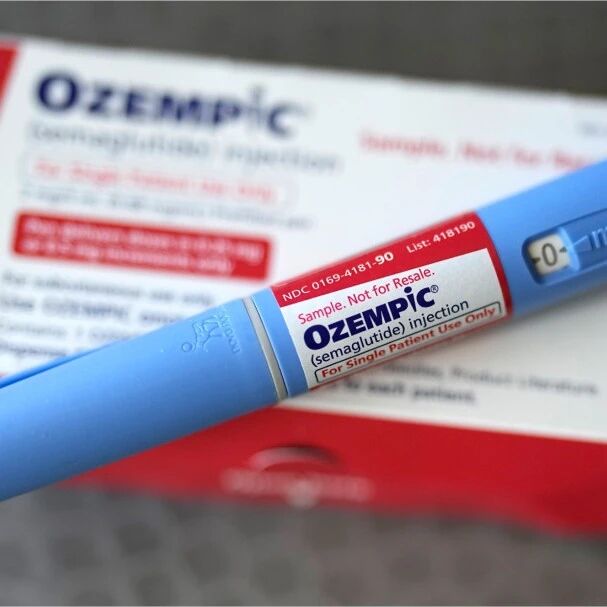
速递|司美格鲁肽不是兴奋剂,别听网民造谣了
GLP1减重宝典· 2025-10-05 10:57
Core Viewpoint - The 2025 list of prohibited substances has been officially released, including 400 types of drugs, with 9 new additions compared to 2024 [2] Group 1: New Additions to the Prohibited List - The new additions include 2 peptide hormones and 2 stimulants, while other categories have seen various changes [3][4] - The two new peptide hormones are S519 and S597 [6] - The two new stimulants are Midodrine and Tesofensine [7] - Five new drugs have been added under the "Other Drugs" category, including Elagolix and MOTS-c [7] Group 2: Clarification on Semaglutide - Recent claims that Semaglutide is classified as a stimulant are inaccurate, as it is not listed in the 2025 directory [7][8] - Semaglutide is a GLP-1 receptor agonist, and the directory does not include GLP-1 or its analogs [8] - The only related substance in the directory is IGF-1, which is fundamentally different from GLP-1 [8] - Semaglutide remains under monitoring programs to observe its impact on athletes, consistent with 2024 arrangements [8] Group 3: Industry Context - The GLP-1 drugs are a new class of hypoglycemic agents that enhance insulin secretion and suppress appetite, leading to weight loss and blood sugar reduction [15]
《Science》:中年男性发胖几乎成定局!真正原因竟然与新陈代谢无关
GLP1减重宝典· 2025-10-04 05:21
Core Viewpoint - The article discusses the phenomenon of "middle-aged weight gain," highlighting the biological mechanisms behind fat accumulation in middle-aged individuals, particularly focusing on the role of newly identified stem cells in fat tissue development [6][8][17]. Group 1: Middle-Aged Weight Gain - Many individuals experience gradual weight gain between the ages of 30 and 60, with studies indicating an average annual weight increase of 0.5 to 1 kg for Americans aged 21 to 55, and 0.7 kg for women aged 40 to 60 [7][8]. - The article emphasizes that weight gain in middle age is not solely due to increased caloric intake or decreased physical activity, but rather a complex interplay of biological factors [7][9]. Group 2: Metabolism and Fat Accumulation - Contrary to popular belief, metabolism does not significantly decline until after the age of 60, with a stable metabolic rate observed from ages 20 to 60 [11]. - The study indicates that fat accumulation, particularly visceral fat, is more pronounced in middle-aged individuals, which poses health risks such as diabetes and heart disease [12][8]. Group 3: Role of Stem Cells in Fat Tissue - Research reveals that aging activates a new type of adipose precursor cell (APC) that contributes to the generation of new fat cells, particularly in the abdominal region [16][17]. - The presence of a newly identified cell subgroup, age-specific adipose precursor cells (CP-A), increases significantly in middle-aged individuals, suggesting a unique mechanism of fat cell generation that is age and gender-specific [17][18]. Group 4: Implications for Health - The findings provide insights into the mechanisms of age-related metabolic disorders and highlight the potential for developing targeted therapies to manage age-related obesity [17][18].
速递|风靡全球!去年四分之一的美国糖尿病患者使用了GLP-1药物
GLP1减重宝典· 2025-10-04 05:21
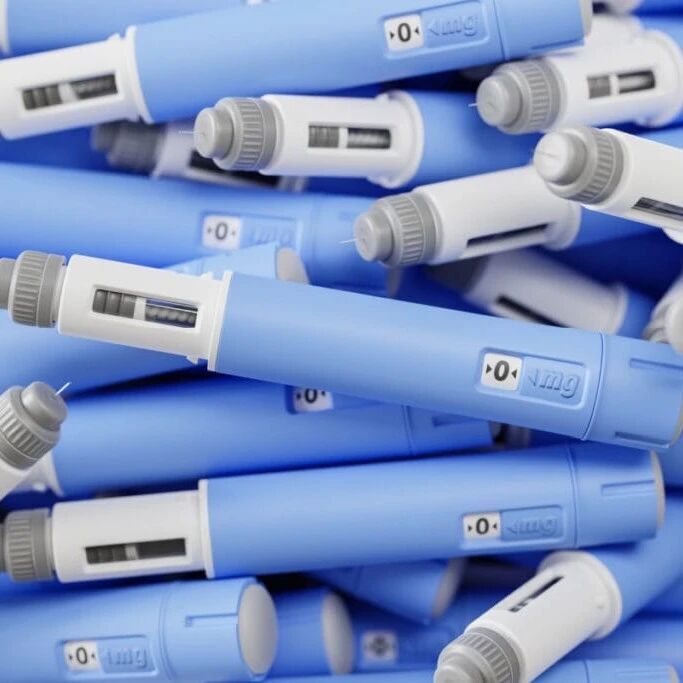
Core Insights - Over a quarter of American adults with diabetes used GLP-1 injection drugs last year, indicating a significant adoption of these medications for managing type 2 diabetes and weight loss [4] - The most common age group using these drugs is 50 to 64 years old, with a usage rate of 33.3%, reflecting a higher disease burden in this demographic [4] - The high cost of GLP-1 drugs, approximately $1,000 per month, has drawn criticism despite their effectiveness [6] Usage Statistics - Approximately 31% of insulin users also use GLP-1 drugs, while about 28% of oral hypoglycemic drug users do the same, suggesting GLP-1 therapy is increasingly integrated into combination treatment plans [6] - Among different ethnic groups, Hispanic diabetic adults have the highest usage rate of GLP-1 drugs at 31.3%, followed by non-Hispanic Black at 26.5% and non-Hispanic White at 26.2%. Non-Hispanic Asian adults have the lowest usage rate at 12.1% [6] Drug Mechanism - GLP-1 drugs mimic the action of hormones that regulate blood sugar levels, delay digestion, and prolong feelings of fullness, contributing to blood sugar control and weight loss [6][15]


重磅!司美格鲁肽前代药物对12岁以下儿童安全有效
GLP1减重宝典· 2025-10-04 05:21
Core Viewpoint - The article discusses the effectiveness of liraglutide (Saxenda) in reducing body mass index (BMI) in obese children aged 6 to 11, highlighting the need for early intervention in childhood obesity treatment [5][7][10]. Group 1: Clinical Trial Findings - A recent clinical trial showed that liraglutide can significantly lower BMI in children, with an average decrease of 5.8% after 56 weeks of treatment, compared to a 1.6% increase in the placebo group [13]. - Nearly half of the children treated with liraglutide experienced a BMI reduction of at least 5%, while only 9% of those on placebo saw similar results [13]. - The trial involved 82 children with an average BMI of 31, who received either liraglutide or a placebo, along with lifestyle coaching [10][12]. Group 2: Implications for Treatment - The findings suggest that early intervention in childhood obesity may be more effective than waiting until puberty [14]. - The American Academy of Pediatrics has updated guidelines recommending weight loss medications for children aged 12 and older, and emphasizes the importance of lifestyle changes for those under 12 [17]. - Experts argue that for severely obese children (BMI of at least 35), medication may be necessary to prevent worsening health conditions [19]. Group 3: Industry Response - Novo Nordisk has submitted a request to the FDA to expand the approval of liraglutide for weight management in children aged 6 to 11 [16]. - The article notes that while lifestyle changes remain the primary treatment for childhood obesity, some children may benefit from pharmacological interventions [19][20].
国际内分泌学界权威指南发布!糖尿病女性孕产管理十大黄金准则 ENDO2025一览
GLP1减重宝典· 2025-10-04 05:21
以下文章来源于内分泌早知道 ,作者关注内分泌的 内分泌早知道 . 深度分享内分泌用药经验、病例剖析、指南专业解读并紧跟国内外内分泌领域前沿进展,「每医健」旗下内容平台。 2025年7月中旬,全球内分泌学领域瞩目的ENDO2025峰会在旧金山隆重启幕。这场汇聚全球7000余名顶尖专家的学术盛会上,一份 改写临床实践的重磅文件——《糖尿病合并妊娠临床管理国际指南》的发布成为最大亮点。这份由美欧两大权威学会联合制定的指南, 为糖尿病患者的围产期管理树立了全新标准。 ▍ 孕前糖尿病(PDM)合并妊娠管理指南:关键要点与临床建议 什么是孕前糖尿病(PDM)合并妊娠? 孕前糖尿病(PDM)指女性在怀孕前已确诊的糖尿病,包括1型和2型糖尿病。过去20年,PDM患病率增长了一倍。这类孕妇面临更高 的妊娠风险,如胎儿异常生长(巨大儿或低体重儿)、早产、死胎,以及新生儿并发症(低血糖、呼吸窘迫、黄疸等)。因此,PDM 患者的全程管理——从备孕到产后——至关重要。 指南创新性地采用"十大情境对应十大方案"的架构,针对从孕前准备到分娩管理的全周期环节,提供了基于最新循证医学证据的阶梯式 建议。每个推荐意见均标注证据等级,既确保科学性 ...

爆火的GLP-1到底是什么?和司美格鲁肽是什么关系?别再听外行瞎说了
GLP1减重宝典· 2025-10-03 03:50
Core Viewpoint - GLP-1 (Glucagon-like peptide-1) is a hormone that plays a significant role in regulating blood sugar levels and promoting weight loss, particularly in patients with type 2 diabetes. Its therapeutic potential has led to the development of GLP-1 receptor agonists, which have gained approval for treating diabetes and obesity since the 2000s [4][6]. Group 1: Understanding GLP-1 - GLP-1 is a peptide hormone consisting of 30 or 31 amino acids, produced in the intestines and certain neurons in the brainstem after food intake [4]. - It enhances insulin secretion in a glucose-dependent manner, thereby lowering blood sugar levels, and has various regulatory and protective effects [4]. - The half-life of endogenous GLP-1 is approximately 2 minutes due to rapid degradation by DPP-4 and other enzymes, resulting in low plasma levels [6]. Group 2: GLP-1 and Weight Loss - GLP-1 promotes satiety, leading to reduced food and water intake, which is why diabetes patients treated with GLP-1 receptor agonists often experience weight loss [7]. - It inhibits gastric emptying, gastric acid secretion, and gastric motility, contributing to decreased appetite and reduced postprandial blood sugar fluctuations [7]. Group 3: Market Concerns - The popularity of semaglutide has led to a surge in products claiming to contain "GLP-1 active ingredients," but many of these products lack rigorous quality control and safety evaluations [12][14]. - Some products falsely claim to contain similar compounds or ingredients that are not recognized by regulatory authorities, raising concerns about their efficacy and safety [16].

国家卫健委出台新规:80岁以上老人健康体重有了"黄金标准"
GLP1减重宝典· 2025-10-03 03:50
Core Viewpoint - The article discusses the newly established BMI standards for elderly individuals aged 80 and above, aimed at improving health management and quality of life for this demographic [5][6]. Group 1: New Standards for Elderly Health Management - The National Health Commission released the BMI health range for elderly individuals, which will be implemented on February 1, 2026 [5]. - The ideal BMI for elderly individuals is set between 22.0 and 26.9, providing a scientific basis for healthcare professionals to create personalized weight management plans [6][12]. - This standard addresses a gap in weight management for the elderly in China, marking a significant step towards refined and standardized elderly health services [6]. Group 2: Key Terminology and Calculations - High-aged elderly individuals are defined as those aged 80 years and above [8]. - The scientific formula for calculating BMI is weight (kg) divided by height squared (m²) [9]. - Maintaining a BMI within the range of 22.0 to 26.9 significantly reduces the risk of malnutrition or obesity-related diseases [10]. Group 3: Measurement Guidelines - Height can be measured using three methods, including standard standing measurement and alternatives for those unable to stand [15][16]. - Weight should be measured with precision, using electronic scales that display results to 0.1 kg [18]. - Special considerations are provided for wheelchair users and those with mobility issues [19]. Group 4: Weight Management Strategies - The article outlines personalized management goals, emphasizing the importance of maintaining the ideal BMI range [20]. - Regular monitoring of weight and height is recommended, with specific alerts for significant weight fluctuations [20]. - Nutritional guidelines suggest a diverse diet rich in quality proteins and appropriate food textures for elderly individuals [23]. Group 5: Activity Recommendations - Daily outdoor activities and a combination of strength and balance exercises are encouraged for elderly individuals [23]. - Special attention is advised for frail elderly individuals, ensuring they are accompanied during physical activities [23].