GLP1减重宝典

Search documents
速递|股价一夜暴跌42%!Viking口服减肥药2期数据不及预期
GLP1减重宝典· 2025-08-21 03:04
Core Viewpoint - Viking Therapeutics' stock plummeted by 43% after disappointing mid-stage trial results for its oral obesity drug, leading to a significant decrease in market capitalization from over $4 billion to approximately $2.69 billion [2] Group 1: Company Performance - Viking's oral medication helped patients lose up to 12.2% of their weight over approximately three months, with no plateau in weight loss observed, suggesting potential for greater effects in long-term trials [4] - The company faced a high dropout rate of about 28% within just 13 weeks, compared to a 25% dropout rate over 72 weeks for Eli Lilly's oral medication [5] - Common reasons for discontinuation included gastrointestinal side effects, with 58% of patients experiencing nausea and 26% experiencing vomiting, compared to 48% and 10% in the placebo group [6] Group 2: Competitive Landscape - The disappointing results for Viking's drug further solidified the market leadership of Eli Lilly and Novo Nordisk, whose oral weight loss medications are expected to reach the market much sooner than Viking's candidate VK2735 [2] - Eli Lilly's highest dose oral medication achieved a weight loss of 12.4% over 72 weeks, demonstrating stronger results compared to Viking's [4][6] - Viking's drug mimics two naturally occurring gut hormones, GLP-1 and GIP, which suppress appetite and may improve metabolism of sugars and fats [7]


体重反弹幅度降60%!每周2小时运动即可延长GLP-1药物治疗代谢获益周期
GLP1减重宝典· 2025-08-21 03:04
Core Viewpoint - The combination of GLP-1 medication and regular exercise significantly enhances weight loss effects and reduces weight regain by over 60% after discontinuation of the drug [2][5][11]. Group 1: Research Overview - A two-year study targeted obese individuals with a BMI of 32-43 kg/m², starting with an 8-week low-calorie diet that resulted in an average weight loss of 13.1 kg [3]. - Participants were divided into four groups: placebo, liraglutide only, exercise only, and liraglutide + exercise [3]. Group 2: Results and Findings - Participants using liraglutide alone regained an average of 6.0 kg after one year, while the exercise group only regained 2.5 kg, indicating a 58% reduction in weight regain [5]. - By week 104, the combined group lost an additional 5.1 kg compared to the liraglutide-only group, with a body fat percentage decrease of 2.3% [5]. Group 3: Exercise Insights - The study emphasizes that significant results can be achieved without high-intensity exercise; just two hours of exercise per week can prolong the weight loss benefits of medication [7]. - Exercise types can be tailored to individual health conditions, ranging from brisk walking for those with lower fitness levels to running or cycling for healthier individuals [7]. Group 4: Clinical Implications - The research provides critical insights for obesity treatment, suggesting that healthcare providers should create personalized exercise plans alongside GLP-1 prescriptions to improve treatment success rates [11]. - The findings indicate that structured exercise can maintain weight and body composition improvements even after the intervention ends, contrasting with the diminishing benefits of liraglutide alone after one year [11][15]. Group 5: Future Research Directions - Future studies will explore the impact of different types of exercise, such as strength training and aerobic activities, on the effectiveness of GLP-1 medications [11]. - There will also be a focus on enhancing patient adherence to exercise regimens and the long-term effects of combined interventions on cardiovascular health [11].
干细胞疗法迎来重大突破!1型糖尿病治愈曙光初现
GLP1减重宝典· 2025-08-21 03:04
Core Viewpoint - Vertex Pharmaceuticals has announced that its revolutionary stem cell therapy VX-880 for type 1 diabetes has officially entered Phase III clinical trials, bringing hope for a cure to millions of patients worldwide [4][5]. Group 1: Treatment Breakthrough - The first patient, Brian Shelton, who suffered from severe type 1 diabetes for 40 years, experienced a dramatic turnaround after receiving the VX-880 therapy, with insulin usage dropping from 34 units to 3 units and HbA1c levels decreasing from 8.6% to 7.2% within 90 days [8]. - By 180 days post-treatment, Shelton's HbA1c further improved to 6.9%, and by 270 days, it reached a healthy level of 5.2%, with a time in range (TIR) of 99.9%, allowing him to completely stop insulin [10]. Group 2: Clinical Trial Challenges - In early 2024, the trial faced a setback when two participants died, leading to an emergency halt by the FDA. Investigations later revealed that one death was due to cryptococcal meningitis, confirming that the risk stemmed from immunosuppressants rather than the stem cell therapy itself [12]. - Although the trial resumed, concerns about the safety of the therapy were raised within the industry [12]. Group 3: Immunosuppression Issues - The core challenge of VX-880 therapy lies in the need for lifelong immunosuppressants to prevent transplant rejection, which increases the risk of infections and cancer, leading experts to label it as an "experimental cure" rather than an ideal solution [13]. Group 4: Future Directions - Vertex is pursuing two technological breakthroughs to address the immunosuppression issue: 1. VX-264, which involves encapsulating VX-880 cells in a "protective shield" to eliminate the need for immunosuppressants, with preliminary data expected in 2025 [15]. 2. Gene-edited cells in collaboration with CRISPR Therapeutics, aiming to make the cells "invisible" to the immune system, thus eliminating dependency on medication [16]. Group 5: Overall Outlook - The challenges faced by VX-880 highlight the complexities of medical advancements, but its efficacy points towards a potential path for curing diabetes. With breakthroughs in immunological barriers, a true "worry-free cure" may be on the horizon [17].


速递|国产+1!四环医药惠升生物司美格鲁肽申报上市
GLP1减重宝典· 2025-08-20 03:07
Core Viewpoint - The article discusses the recent developments in the GLP-1 drug market, particularly focusing on the approval and clinical trials of semaglutide for weight loss and diabetes management by Four Rings Pharmaceutical and its subsidiary Huisheng Biotech [2][4]. Company Overview - Four Rings Pharmaceutical is a comprehensive pharmaceutical company involved in research, production, sales, and medical aesthetics, evolving through four stages to establish a dual-engine model of "pharmaceuticals + medical aesthetics" [6]. - The company has a history of significant growth, with a compound annual growth rate (CAGR) that has outpaced the industry from 2001 to 2010, and has expanded its operations through acquisitions and upgrades [6]. - As of now, Four Rings has over 600 research personnel and more than 120 new drugs in development, with over 300 patents granted [7]. Product Development - Semaglutide, a new long-acting GLP-1 receptor agonist, has shown dual effects in lowering blood sugar and controlling weight by promoting insulin secretion and suppressing appetite [4]. - The "weight loss version" of semaglutide has completed its Phase III clinical trial enrollment and is now in the follow-up stage [2]. - The core component patent for semaglutide in China will expire in March 2026, with seven companies having their related applications accepted, focusing primarily on Type 2 diabetes treatments [5]. Market Competition - Novo Nordisk has been an early player in this market, with its diabetes injection product, Ozempic, approved in April 2021, followed by oral and weight loss versions in 2024 [5]. - The competitive landscape includes various companies pursuing different registration classifications and technical routes for semaglutide-related products [5].

3c型糖尿病治疗迎来新转机!英国研究锁定5类降糖药,PEI疗法成制胜关键
GLP1减重宝典· 2025-08-20 03:07
Core Viewpoint - The article discusses the challenges and recent findings in the treatment of type 3c diabetes, emphasizing the impact of pancreatic exocrine insufficiency (PEI) on treatment efficacy and the need for individualized treatment strategies [4][5][7][15]. Group 1: Overview of Type 3c Diabetes - Type 3c diabetes is a special type of diabetes caused by pancreatic diseases such as acute/chronic pancreatitis, pancreatic tumors, cystic fibrosis, and pancreatic surgery, with a prevalence of 5%-10% in Western populations [4]. - There is currently a lack of targeted treatment guidelines for type 3c diabetes, leading to reliance on standards for type 1 and type 2 diabetes, which may not be effective [5]. Group 2: Research Findings - A landmark study by the University of Exeter evaluated the efficacy and safety of oral hypoglycemic agents in 7,084 type 3c diabetes patients, comparing them with 97,000 type 2 diabetes patients [9]. - The study found that the presence of PEI significantly reduces the effectiveness of diabetes medications, with HbA1c levels decreasing by only 9.4 mmol/mol in PEI patients compared to 12.2 mmol/mol in non-PEI patients [10][11]. Group 3: Drug Efficacy and Risks - Five classes of oral hypoglycemic agents (metformin, sulfonylureas, DPP-4 inhibitors, pioglitazone, SGLT2 inhibitors) were found to be effective, but their efficacy is diminished in patients with PEI [7][12]. - The risk of discontinuation of treatment is doubled in PEI patients (OR=2.03), indicating a need for closer monitoring [13]. Group 4: Clinical Implications - For non-PEI type 3c diabetes patients, oral hypoglycemic agents are reliable and should be prioritized [14]. - For patients with PEI, there is a need to be cautious about reduced efficacy and higher discontinuation risks, suggesting potential adjustments in treatment plans [14]. - SGLT2 inhibitors may be more suitable for PEI patients needing weight loss, while sulfonylureas may help mitigate weight gain [14]. Group 5: Significance of the Research - The findings provide crucial insights for the precise treatment of type 3c diabetes, indicating that future guidelines may need to differentiate treatment strategies based on the presence of PEI [15].

颠覆减重药市场!Nature重磅发现:这种体内天然分子或将终结司美格鲁肽霸权,零副作用抑制食欲效果惊人
GLP1减重宝典· 2025-08-20 03:07
Core Viewpoint - The article discusses the discovery and potential of a new anti-obesity peptide called BRP (BRINP2-related peptide), which shows promise in reducing food intake and body weight without causing adverse effects, marking a significant advancement in obesity treatment [7][12][20]. Summary by Sections Peptide Hormones and Obesity Treatment - Peptide hormones play a crucial role in regulating energy balance and appetite, making them ideal targets for obesity treatment. Over the past 40 years, 12 appetite-regulating peptides have been identified [6][9]. Discovery of BRP - A research team from Stanford University reported the discovery of BRP, which effectively reduces food intake in mouse and pig models without causing nausea. The mechanism involves activation of the FOS protein in the central nervous system, independent of leptin and GLP-1 receptor pathways [7][12]. Mechanism of Action - BRP's action is linked to the CREB-FOS signaling pathway, with studies showing that it activates specific neuronal pathways in the hypothalamus, crucial for appetite suppression [20][22]. Efficacy in Animal Models - In studies, BRP demonstrated a significant reduction in food intake in mice, with a dose of 5 mg/kg leading to a notable decrease in consumption. In pig models, BRP also reduced food intake by 50% within one hour, comparable to GLP-1 receptor agonists [13][15][17]. Safety Profile - BRP was shown to have no adverse effects on animal behavior, activity levels, or other physiological parameters, distinguishing it from other weight loss drugs that may cause side effects [14][19]. Potential for Human Application - The findings suggest that BRP could be a groundbreaking option for obesity treatment, offering a new avenue for weight management without the side effects commonly associated with existing therapies [22].

详解替尔泊肽双靶点的优势:继司美格鲁肽更强的减肥药,好在哪?
GLP1减重宝典· 2025-08-20 03:07
Core Viewpoint - Tirzepatide, a dual-target drug combining GLP-1 and GIP, shows significant efficacy in weight loss and metabolic control, outperforming single-target drugs like semaglutide [2][6][8]. Summary by Sections Mechanism of Action - Tirzepatide enhances GLP-1 activity and has GIP activity approximately 10 times that of GLP-1, leading to complementary and synergistic effects in treatment [2]. - GIP helps mitigate GLP-1's side effects, such as nausea and vomiting, while also regulating both glucose and lipid metabolism, which is crucial for controlling blood sugar and lipids [4][6]. Clinical Efficacy - In the SURMOUNT-1 Phase 3 trial, patients treated with 15mg of tirzepatide experienced an average weight loss of 22.5%, marking it as the first drug in Phase 3 trials to show over 20% weight loss [10]. - In the SURMOUNT-3 trial, overweight or obese patients without diabetes lost an average of 26.6% of their body weight, setting a new record for drug-induced weight loss [10]. - Compared to semaglutide, tirzepatide demonstrated superior weight loss effects: 15.7% weight loss in diabetic patients versus 9.6% for semaglutide, and 22.5% versus 15% for non-diabetic obese patients [10][11]. Weight Loss Achievement Rates - Over 81.8% of tirzepatide patients achieved over 5% weight loss within a year, compared to 66.5% for semaglutide [11]. - For over 10% weight loss, 62.1% of tirzepatide patients succeeded, while only 37.1% of semaglutide patients did [11]. - Achieving over 15% weight loss was reported by 42.4% of tirzepatide patients, compared to 18.1% for semaglutide [11]. Safety Profile - Both tirzepatide and semaglutide share common side effects, primarily gastrointestinal issues like nausea and diarrhea [13]. - Approximately 80% of tirzepatide users reported at least one side effect, with 33% experiencing nausea compared to 44% for semaglutide [13]. - Tirzepatide's dual action may lead to fewer and milder side effects, improving patient tolerance compared to semaglutide [13].
FDA前局长新书爆料:自己使用司美格鲁肽,瘦了55斤
GLP1减重宝典· 2025-08-19 10:01
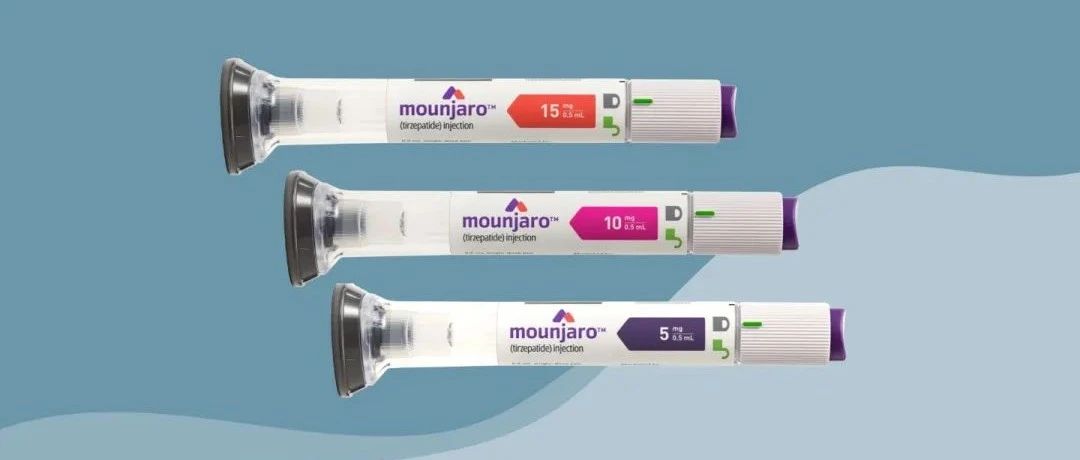
Core Viewpoint - The article emphasizes the significance of GLP-1 medications in combating visceral fat, which is linked to various chronic diseases, and highlights the potential of these drugs to transform obesity treatment and public health outcomes [2][4][6]. Group 1: GLP-1 Medications and Their Impact - GLP-1 receptor agonists were initially developed for diabetes management, working by slowing gastric emptying and affecting the brain's reward center to reduce cravings for high-calorie foods [4]. - David Kessler, former FDA commissioner, experienced significant weight loss and improved dietary habits through GLP-1 medications, although he noted the presence of gastrointestinal side effects and high costs (approximately $1,000 per month) [4][6]. - The prevalence of hyperinsulinemia in the U.S. increased from 28% in 1999 to over 41% in 2018, indicating a growing public health issue that GLP-1 medications could help address [6][7]. Group 2: Challenges and Considerations - Kessler warns that weight loss achieved through GLP-1 medications may rebound once the drugs are discontinued, likening it to pushing a life preserver underwater [6]. - The article discusses the need for further research on the long-term effects and potential intermittent use of these medications, as many individuals may be reluctant to use them indefinitely [8]. - Kessler advocates for a comprehensive approach to obesity management, combining medication with lifestyle changes, and encourages discussions between patients and healthcare providers regarding the risks and benefits of GLP-1 drugs [7][8]. Group 3: Future Outlook - The article posits that addressing obesity is not just a personal issue but a public health priority that could save trillions in healthcare costs and reduce the incidence of chronic diseases as populations age [8]. - Kessler believes that with appropriate action, the U.S. is on the brink of a pivotal moment in managing obesity and related health issues [8].

中年减肥为何如此艰难?《Science》揭秘:年龄增长导致脂肪细胞暴增5倍,代谢崩溃、慢性疾病接踵而至!
GLP1减重宝典· 2025-08-19 10:01
Core Viewpoint - The article discusses the biological mechanisms behind weight gain in middle age, particularly focusing on the role of a specific type of fat precursor cell (CP-A) that becomes more active with aging, leading to increased visceral fat accumulation [7][24]. Group 1: Mechanisms of Weight Gain - Traditional views suggest that fat cell numbers remain constant after adulthood, with weight gain primarily due to existing fat cells enlarging. However, recent studies indicate that new fat cells are generated in significant numbers during middle age [9][10]. - A specific type of fat precursor cell, known as CP-A, becomes predominant in visceral fat tissue as individuals age, contributing to increased fat generation [12][15]. Group 2: Characteristics of CP-A Cells - CP-A cells exhibit enhanced proliferation and differentiation capabilities compared to younger fat precursor cells, leading to a higher rate of fat cell production [17][19]. - In middle-aged mice, CP-A cells account for approximately 34.23% of the visceral white fat tissue, indicating a significant shift in fat cell composition with aging [15]. Group 3: Potential Interventions - The LIFR signaling pathway has been identified as a potential target for controlling the proliferation and fat-generating activity of CP-A cells. Inhibition of LIFR significantly reduces fat generation in CP-A cells while having minimal effect on younger fat precursor cells [20][22]. - Targeting LIFR could provide a new strategy to combat stubborn fat accumulation in middle-aged individuals, offering a scientific solution to a common issue [25].
血糖失控竟会"偷走"身高?瑞典研究揭示惊人发现:男孩更易中招
GLP1减重宝典· 2025-08-19 10:01
Core Viewpoint - Poor glycemic control in children with type 1 diabetes can lead to a significant reduction in adult height, with potential losses of 2 to 3 centimeters, particularly affecting boys during their growth spurts [5][8][10]. Group 1: Impact of Poor Glycemic Control - A nationwide cohort study from Sweden indicates that children with poor blood sugar control may experience a height reduction of 2 to 3 centimeters in adulthood [5][8]. - The study highlights that for every 1% increase in HbA1c levels, children's final height decreases by 0.3 centimeters, especially during puberty when growth hormone secretion is disrupted [6][10]. Group 2: Gender Differences in Height Impact - Male patients with poor glycemic control (HbA1c > 9.0%) experience an average height reduction of 2.91 centimeters, while female patients see a reduction of 1.83 centimeters [10]. - The timing of diabetes onset plays a crucial role; boys are affected regardless of when they develop diabetes, while girls primarily face height loss if diagnosed before puberty [12][14]. Group 3: Recommendations for Height Preservation - Early intervention is critical; establishing a strict blood sugar monitoring system from diagnosis is essential, particularly during the peak growth period of puberty [14][15]. - A balanced diet that reduces high-sugar and high-fat foods while increasing fiber, quality protein, and vitamins is recommended to stabilize blood sugar levels [16]. - Regular aerobic exercise can enhance insulin sensitivity and aid in blood sugar control [17]. - Psychological support is important, as chronic illness can lead to emotional stress; parents should monitor their children's emotional well-being and seek professional help if necessary [18].