GLP1减重宝典

Search documents
Cell重磅研究警示:早餐缺失的饥饿竟触发“报复性吸收”!肥胖与动脉硬化风险激增
GLP1减重宝典· 2025-08-24 10:25
Core Viewpoint - The latest research published in the journal Cell reveals that skipping breakfast can trigger a "metabolic memory" effect in the small intestine, leading to increased nutrient absorption efficiency and potentially contributing to obesity and atherosclerosis [6][7][9]. Group 1: Mechanisms of Nutrient Absorption - The small intestine operates through two independent nutrient supply pathways: luminal supply (food intake) and blood supply (internal reserves) [8]. - When breakfast is skipped, the small intestine shifts to an internal energy supply mode, activating a "metabolic compensation mechanism" that enhances nutrient absorption efficiency, particularly for cholesterol and fats [8][9]. - In mouse models simulating breakfast skipping, significant metabolic reprogramming occurs, including a nearly 40% increase in cholesterol absorption efficiency due to upregulation of key transport proteins [9][18]. Group 2: Consequences of Skipping Breakfast - Long-term skipping of breakfast leads to a "rebound absorption" effect, resulting in increased weight gain and metabolic disorders [13][15]. - Mice that regularly skip breakfast show elevated low-density lipoprotein cholesterol (LDL-C) levels, exacerbating lipid metabolism disorders and doubling the risk of atherosclerosis [18]. Group 3: Recommendations for Metabolic Health - Attempting to lose weight through hunger may backfire, as the small intestine's "super compensation absorption" can lead to greater fat accumulation [15]. - Regular breakfast consumption, particularly with a combination of protein and dietary fiber, can effectively reset absorption rhythms and stabilize metabolism [15].


每天一杯茶一个苹果竟能防糖尿病?12年50万人数据揭秘黄酮类物质的神奇功效
GLP1减重宝典· 2025-08-23 03:03
Core Viewpoint - The article emphasizes the significant role of flavonoid-rich foods in reducing the risk of type 2 diabetes, based on a large-scale study from the UK Biobank that tracked over 500,000 individuals for 12 years [5][6][12]. Summary by Sections Global Diabetes Burden - Type 2 diabetes has become a major public health issue, with over 415 million patients globally, 90% of whom have type 2 diabetes, leading to over 4 million deaths annually [5]. Flavonoid Intake and Diabetes Prevention - A groundbreaking study published in "Nutrition & Diabetes" confirmed that increasing flavonoid intake through daily diet can significantly lower the risk of developing type 2 diabetes [6][12]. - Flavonoids, found in foods like tea, apples, berries, dark chocolate, and red wine, play a crucial role in diabetes prevention [6]. Research Methodology - The study utilized a novel Flavonoid Diet Score (FDS) to assess the relationship between flavonoid-rich food consumption and type 2 diabetes incidence [8][9]. - The research involved a comprehensive baseline assessment of participants aged 40-69, collecting extensive health data to ensure reliability [10]. Key Findings - Participants consuming about 6 servings of flavonoid-rich foods daily had a 28% lower risk of developing type 2 diabetes compared to those with lower intake [11][12]. - Specific flavonoid subclasses, such as anthocyanins and flavan-3-ols, showed significant protective effects, with risk reductions ranging from 19% to 28% [11]. - Daily consumption recommendations include 4 cups of tea (21% risk reduction), 1 serving of berries (15% risk reduction), and 1 apple (12% risk reduction) [11][12]. Implications for Public Health - The findings provide strong evidence for dietary guidelines aimed at diabetes prevention, highlighting the importance of incorporating flavonoid-rich foods into daily diets [12].

使用司美格鲁肽减重时,如何精准影响身体成分积极变化?
GLP1减重宝典· 2025-08-23 03:03
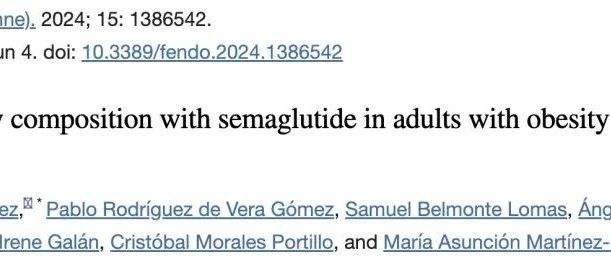
Core Viewpoint - GLP-1 receptor agonists, such as semaglutide, not only alter external appearance but also significantly impact body composition, which is crucial for understanding overall health effects beyond standard weight loss metrics [2][6]. Group 1: Impact on Body Composition - The study analyzed 241 patients using abdominal CT scans before and after five years of semaglutide treatment, employing an automated AI tool to quantify various body composition metrics [6]. - In the weight loss group, reductions were observed in visceral fat area (VAT), subcutaneous fat area (SAT), muscle area, and liver volume, with an increase in liver density [6]. - Conversely, in the weight gain group, increases in VAT, SAT, and intermuscular adipose tissue (IMAT) area were noted, along with a decrease in muscle density [6]. Group 2: Importance of Body Composition Metrics - Traditional clinical assessments like weight, waist circumference, and BMI do not capture the significant tissue-specific changes that CT can evaluate, which are important for assessing risks related to cardiovascular metabolic diseases, frailty, and mortality [4][7]. - The findings suggest that body composition changes provide a more comprehensive understanding of the effects of GLP-1 agonists on health [6].
逆转人体时钟!Nature震撼发现:20万细胞告诉我们,瘦身不只是美貌问题,还能重启健康底层密码
GLP1减重宝典· 2025-08-23 03:03
Core Insights - Obesity is a global health crisis affecting over 1 billion people, linked to serious conditions such as type 2 diabetes, cardiovascular diseases, and certain cancers [7] - A groundbreaking study from Imperial College London published in Nature reveals a high-precision "cell map" of human adipose tissue during obesity and weight loss, providing insights into the underlying mechanisms of adipose tissue remodeling [7][9] Group 1: Obesity Mechanisms - The study found a significant increase in immune cells, particularly macrophages, in adipose tissue during obesity, with lipid-associated macrophages (LAM) rising from 14% in normal individuals to 31% in obese patients [9] - Obesity leads to a "metabolic trap" in adipocytes, characterized by increased stress and fibrotic subtypes, impaired lipid cycling, and branched-chain amino acid metabolism, resulting in severely reduced metabolic flexibility [9] Group 2: Weight Loss Effects - Weight loss significantly reduces the total number of macrophages to 18% and decreases the activity of inflammatory pathways, although the metabolic activation state of macrophages does not fully return to normal, potentially contributing to weight regain [10] - Adipocytes demonstrate remarkable "rejuvenation" capabilities post-weight loss, with the proportion of stressed adipocytes dropping from 55% to 14%, restoring lipid cycling and metabolic flexibility [10][12] Group 3: Cellular Aging and Reversal - The study highlights selective aging in adipose precursor cells and vascular cells, which exhibit stress phenotypes and pro-fibrotic characteristics, exacerbating adipose tissue dysfunction [11] - Remarkably, weight loss can reverse the selective aging of adipose precursor and vascular cells, primarily through the inhibition of hypoxia-inducible factor (HIF1A), providing molecular evidence for "weight loss anti-aging" [12] Group 4: Implications and Future Directions - The research uncovers three critical cellular changes in obesity: selective aging of metabolic, precursor, and vascular cells; loss of metabolic flexibility in adipocytes; and abnormal infiltration and activation of immune cells [15] - The findings suggest that targeted interventions on specific cell subpopulations or signaling pathways may offer new therapeutic avenues for obesity and related metabolic diseases, potentially benefiting millions affected by obesity-related health threats [15]

速递|有望实现半年一针减重20%!司美格鲁肽长效植入剂研发公司完成1000万美元股权融资
GLP1减重宝典· 2025-08-23 03:03
Core Viewpoint - Vivani Medical is focusing on the development of the subcutaneous semaglutide implant NPM-139, which shows promising results in weight loss and aims to reshape the treatment landscape for obesity and metabolic diseases [2][3]. Financial Updates - Vivani Medical announced a $10 million equity financing by issuing 7,936,500 shares at $1.26 per share, ensuring operations until mid-2026 and accelerating the clinical development of NPM-139 [3]. - The company previously raised approximately $3 million through a private placement of 2,912,600 shares [4]. Clinical Development - NPM-139 has entered a new phase of development, demonstrating sustained weight loss effects for over six months in animal studies, supported by positive results from the LIBERATE-1 clinical trial [3][4]. - The company plans to initiate clinical trials for NPM-139 in 2026, with the design of the clinical development plan, including dose exploration and weight maintenance studies, to be announced later this year [5][6]. Strategic Partnerships - Vivani expanded its collaboration with Okava Pharmaceuticals to develop a long-term GLP-1 therapy for dogs and cats, utilizing NanoPortal technology for obesity, diabetes, and cardiometabolic diseases [4]. Company Overview - Vivani Medical utilizes the NanoPortal™ platform to develop long-acting drug implants aimed at stable drug release, improving patient compliance and tolerance. The core project NPM-139 is a miniaturized, six-month subcutaneous semaglutide implant for long-term weight management in overweight and obese populations [8].

破解糖尿病逆转困局!《柳叶刀》四大策略助患者重获健康
GLP1减重宝典· 2025-08-22 03:03
Core Viewpoint - The article discusses the evolving concept of diabetes remission, highlighting the increasing prevalence of diabetes globally and the need for new management strategies that focus on patient-centered approaches [5][6][19]. Summary by Sections Global Diabetes Prevalence - As of 2021, there are 537 million diabetes patients aged 20-79 worldwide, projected to exceed 783 million by 2045. The global medical expenditure related to diabetes reached $966 billion in 2021 [5]. Evolution of Diabetes Remission Concept - The traditional belief that type 2 diabetes is incurable has been challenged by new findings, particularly a 1992 study showing that 86.5% of patients achieved long-term normal blood sugar levels post metabolic surgery. The medical community reached a consensus in 2021 defining remission as maintaining HbA1c below 6.5% after stopping diabetes medication [8][10]. Controversies and Limitations of Current Standards - The current definition of diabetes remission faces challenges, including: 1. Over-reliance on blood sugar metrics, potentially overlooking other health risks [10]. 2. The requirement to stop medication may be inappropriate given the protective effects of new diabetes drugs [11]. 3. Psychological burdens on patients due to blood sugar fluctuations, leading to feelings of personal failure [12]. Four Scientific Strategies for Diabetes Remission - 1. **Lifestyle Interventions**: Strict dietary management and exercise can lead to remission, but maintaining these changes is challenging [13]. - 2. **Very Low-Calorie Diets**: Short-term diets (800-1200 kcal/day) can lead to significant weight loss and remission rates of 46% within a year, but require high adherence [14]. - 3. **New Medications**: GLP-1 receptor agonists and SGLT2 inhibitors not only control blood sugar but also provide cardiovascular protection, potentially redefining remission standards [15]. - 4. **Metabolic Surgery**: Effective for obese diabetes patients, with a remission rate of 72.3% within two years, but requires ongoing management to prevent weight regain [16]. Future Directions - The standards for diabetes remission need optimization, potentially moving towards: - Personalized definitions based on patient characteristics [17]. - Inclusion of protective medications in remission strategies [18]. - Dynamic assessments of remission as an ongoing process rather than a binary outcome [19].

司美格鲁肽的益处,已远远超出了我们最初的想象
GLP1减重宝典· 2025-08-22 03:03
Core Viewpoint - Semaglutide, known as Wegovy and Ozempic, has significant benefits in reducing mortality rates from various causes, potentially transforming healthcare by promoting longevity and health [2][3][5]. Group 1: Research Findings - A recent study indicates that semaglutide can lower the risk of death from various causes, not just cardiovascular issues, highlighting its broader health benefits [5][9]. - The Select trial involved 17,604 overweight or obese participants aged 45 and older with cardiovascular disease but without diabetes, tracking them for over three years [7]. - Among the 833 deaths during the study, 58% were due to cardiovascular causes, while 42% were from other causes, with infections being the most common non-cardiovascular cause [9]. Group 2: Weight Loss Data - In the PIONEER PLUS phase 3 study, participants taking oral semaglutide lost an average of 9.2 kg (9.54%) and 7.0 kg (7.26%) with 50 mg and 25 mg doses, respectively, over 68 weeks [10]. - The latest OASIS 1 study showed that participants taking 50 mg of oral semaglutide lost an average of 18.34 kg (17.4%) [11]. Group 3: Market Demand and Projections - The demand for GLP-1 receptor agonists like semaglutide is expected to rise significantly due to increasing obesity and type 2 diabetes rates [12]. - The World Health Organization reports that adult obesity rates have more than doubled since 1990, with 8.5% of adults diagnosed with diabetes in 2014 [12]. - GlobalData predicts that by 2033, sales of GLP-1 drugs will reach $168 billion across 68 pharmaceutical markets, with North America accounting for 68% of this revenue [12].

速递|韩正会见丹麦诺和诺德公司董事会主席
GLP1减重宝典· 2025-08-22 03:03
Core Viewpoint - The article emphasizes the importance of collaboration between China and Novo Nordisk, highlighting the potential for mutual benefits in the healthcare sector, particularly in chronic disease management and obesity treatment [2][4][5]. Group 1: China-Novo Nordisk Collaboration - Chinese Vice President Han Zheng met with Novo Nordisk's Chairman, emphasizing the strong economic complementarity and cooperation prospects between China and Denmark [2]. - Han noted that China's ongoing reforms and high-level opening up will provide significant development opportunities for global companies, including Novo Nordisk [2]. - Novo Nordisk's commitment to deepening its investment in China aligns with the country's health priorities and the goal of enhancing public health [4]. Group 2: Chronic Disease Management - Novo Nordisk has been a pioneer in obesity treatment and has focused on chronic disease management for over a century [5]. - The company aims to become a trusted partner for the Chinese government and society, contributing to the "Healthy China 2030" initiative by addressing the rising healthcare demands [5]. - Novo Nordisk plans to leverage its comprehensive industry chain to introduce innovative products and treatment solutions to meet the growing medical needs of patients [5]. Group 3: GLP-1 Drug Development - The article discusses the role of GLP-1 (glucagon-like peptide-1) drugs in managing diabetes and obesity, highlighting their mechanism of action in enhancing insulin secretion and reducing appetite [14]. - GLP-1 drugs are positioned as a new class of diabetes medications that can also aid in weight loss, reflecting the growing interest in this therapeutic area [14].


减重药物界最大谜团破解!同一受体"激活"或"抑制"都能减肥?《自然·代谢》揭秘GIPR双重作用机制的生命科学革命
GLP1减重宝典· 2025-08-22 03:03
Core Insights - A groundbreaking study published in the journal Nature reveals the biological mechanisms behind why individuals regain weight after losing it, highlighting the phenomenon of "inflammatory memory" in fat cells [5][7]. Group 1: Research Findings - The research led by the ETH Zurich team discovered that even after successful weight loss, human fat cells retain an epigenetic "memory" of their previous obese state, which contributes to weight regain [7]. - Using high-precision single-cell RNA sequencing (snRNA-seq), the study compared fat tissue samples from humans and mouse models, finding significant transcriptional changes in fat tissue post-weight loss [7]. - Notably, the "pro-inflammatory memory" in macrophages remains persistent, indicating that inflammatory signals continue to exist even when body weight normalizes [7]. Group 2: Implications for Weight Management - The study indicates that the longer an individual has been obese, the stronger the impact of this "fat memory," explaining why long-term obese individuals are more prone to weight regain after dieting [7]. - While weight loss can eliminate some senescent cells and reverse immune dysregulation, it does not fully eradicate the pro-inflammatory memory in macrophages, suggesting that future weight loss therapies may need to target this inflammatory memory mechanism for effective long-term weight management [7]. - This scientific breakthrough could shift the understanding of obesity treatment from a simple "weight loss" approach to a more complex "cellular memory reset" strategy, offering new hope for billions affected by obesity globally [7].

颠覆减重药市场!Nature重磅发现:这种体内天然分子或将终结司美格鲁肽霸权,零副作用抑制食欲效果惊人
GLP1减重宝典· 2025-08-21 03:04
Core Insights - The article discusses groundbreaking research published in Nature that reveals the complex biological mechanisms behind obesity and weight loss, challenging traditional views of fat as merely an energy storage tissue [6][7]. Group 1: Obesity Mechanisms - Fat tissue is described as a complex "micro-society" composed of various cell types that communicate to maintain metabolic balance, rather than just a storage depot for energy [7]. - The study identifies five catastrophic changes in fat tissue during obesity: 1. An "inflammatory storm" occurs with a significant increase in immune cells, particularly lipid-associated macrophages (LAMs), leading to chronic inflammation [8]. 2. The metabolic system of fat cells becomes overloaded and dysfunctional, resulting in the accumulation of toxic byproducts [9]. 3. Cells within fat tissue exhibit signs of aging, activating senescence-associated secretory phenotype (SASP) and exacerbating inflammation and metabolic disorders [9]. 4. The microenvironment of fat tissue is altered, leading to abnormal communication between stressed fat cells and immune cells, which amplifies inflammation [9]. 5. The vascular network within fat tissue deteriorates, causing dysfunction and contributing to hypoxia and inflammation [10]. Group 2: Weight Loss and Recovery - The research highlights that weight loss leads to a remarkable transformation in fat tissue, characterized by: 1. A "metabolic super-reboot," where fat cells regain and enhance their metabolic flexibility, improving insulin sensitivity [10]. 2. A significant reduction in inflammatory immune cells, restoring immune balance in fat tissue [10]. 3. The elimination of senescent cells, which may provide new insights into anti-aging therapies [10]. 4. Restoration of normal vascular function, improving blood supply and alleviating hypoxic conditions [10]. Group 3: Implications for Obesity Treatment - The study reveals concerning findings about "obesity memory," where certain immune cells retain a "memory" of the obese state, potentially leading to rapid weight regain after weight loss [11][12]. - This suggests that successful weight loss may require interventions targeting the mechanisms of inflammation memory to achieve long-term weight management [13]. - The research indicates a shift in obesity treatment strategies from simple weight loss to more complex approaches focused on "tissue reprogramming," offering hope for billions affected by obesity [14].