GLP1减重宝典

Search documents
睡眠时长竟与肥胖风险存在惊人关联!糖尿病患者需警惕睡眠"危险区间"
GLP1减重宝典· 2025-07-08 10:27
Core Viewpoint - The article emphasizes the significant relationship between sleep duration and weight management in type 2 diabetes patients, suggesting that sleep quality should be integrated into treatment plans for better metabolic control [4][12]. Group 1: Research Findings - A nationwide study involving nearly 60,000 type 2 diabetes patients revealed that insufficient sleep (less than 7 hours) or excessive sleep (more than 8 hours) significantly increases obesity risk, potentially doubling it [4][10]. - The average sleep duration in China has decreased by 1.5 hours over the past decade, with around 300 million people suffering from various sleep issues, particularly among type 2 diabetes patients [7][8]. - The study identified a complex interaction between sleep patterns, genetic background, and obesity risk, highlighting that genetic factors play a crucial role in this relationship [8][10]. Group 2: Implications for Diabetes Management - For type 2 diabetes patients, maintaining 7-8 hours of nighttime sleep and limiting naps to under 1 hour may be key factors in weight control [4][12]. - The research suggests that monitoring key metabolic indicators such as blood pressure and blood sugar levels is essential, as these factors mediate the relationship between sleep and obesity [11][12]. - A personalized intervention strategy based on genetic risk assessment is proposed, which could include sleep regulation, exercise prescriptions, and dietary management for effective weight control [12][13]. Group 3: Future Research Directions - The article notes that further exploration is needed to clarify the causal relationship between sleep disturbances and metabolic abnormalities, as well as the applicability of findings to other ethnic groups and non-diabetic populations [13]. - Improving sleep quality is highlighted as a potentially easy health intervention, with practical suggestions such as reducing evening screen time and establishing regular sleep routines [13].


席卷好莱坞!又有多位明星公开表示使用司美格鲁肽减肥
GLP1减重宝典· 2025-07-08 10:27
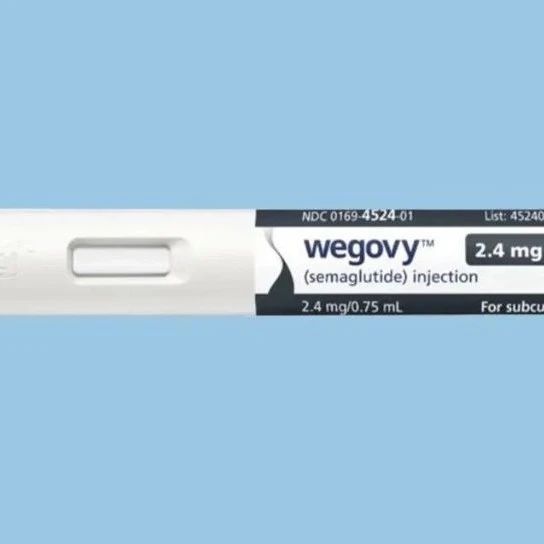
整理 | GLP1减重宝典内容团队 司美格鲁肽作为一款降糖尤其是减肥药物,已经在好莱坞引起了广泛关注。Ania Jastreboff博士在接受《人物》杂志采访时表示,司美格鲁肽 模拟天然激素,帮助调节大脑的饱腹感,因此它在好莱坞非常受欢迎。 无论是那些希望轻松瘦身的人,还是长期与体重问题斗争的人,都可以 从中获益。 越来越多的欧美名人公开分享了他们使用司美格鲁肽的经历,并且称其帮助他们成功减肥。其中,最为知名的莫过于埃隆·马斯克和奥普拉·温弗 瑞等知名人物也曾公开表示,他们使用司美格鲁肽帮助减轻体重。最近, 又有许多明星纷纷加入司美格鲁肽浪潮 ,透露他们也在使用这款药物 来控制体重。 以下是几位明星的亲身经历: 点击关注,追踪最新GLP-1资讯 1. Fat Joe 这位著名说唱歌手在接受《美国周刊》采访时谈到,通过使用司美格鲁肽和减少碳水化合物,他成功减掉了200磅(约90公斤)。他说:"用了 司美格鲁肽后,你会发现自己能吃的食物大大减少,通常只能选择两三种。" 4. Macy Gray 这位现实节目明星在播客中透露,40岁以后,减肥变得格外困难。她表示:"我不得不说,司美格鲁肽是一个非常棒的工具,它帮助我 ...

孤独与社交隔离:被忽视的肥胖和2型糖尿病危险因素
GLP1减重宝典· 2025-07-07 07:35
Core Viewpoint - Loneliness and social isolation are increasingly recognized as significant public health challenges that can exacerbate the risk of developing type 2 diabetes (T2DM) [4][6][15] Summary by Sections Impact of Loneliness and Social Isolation - A significant portion of the global population experiences social isolation, with one in four individuals affected, and over one in five suffering from chronic loneliness [4] - Research indicates that individuals lacking social connections have a 30% higher risk of developing T2DM compared to those with robust social ties [4][9] Research Findings - A meta-analysis involving over 1.11 million participants revealed that individuals experiencing loneliness have a 32% increased risk of T2DM, while those who are socially isolated face a 20% increased risk [8][9] - The study highlighted that the impact of loneliness on diabetes risk is more pronounced than that of social isolation, suggesting a need for further exploration of the underlying biological mechanisms [9][10] Biological Mechanisms - Chronic loneliness can disrupt the hypothalamic-pituitary-adrenal (HPA) axis, leading to elevated cortisol levels and insulin resistance, which are critical factors in the development of T2DM [10][11] - Social isolation can cause excessive sympathetic nervous system activation, promoting inflammation and impairing insulin signaling, further contributing to the risk of T2DM [11] New Perspectives on Diabetes Prevention - The findings suggest that integrating social health assessments into diabetes management could optimize chronic disease strategies and reduce healthcare burdens [7][13] - Recommendations include encouraging community engagement, implementing psychological interventions, and adopting innovative models like "social prescriptions" to enhance social support for patients [14][15] Conclusion - The recognition of loneliness and social isolation as critical factors in T2DM development necessitates a shift in public health policies to include social connection improvements as a preventive measure [6][15]

替尔泊肽、司美格鲁肽,减肥、护心最佳选择!
GLP1减重宝典· 2025-07-07 07:35
Core Insights - The article discusses a systematic review and meta-analysis published by researchers from Xiangya Second Hospital, focusing on weight loss medications approved by the FDA and EMA [2][4]. Research Background - Overweight and obesity pose significant health challenges for individuals and society. The study aims to promote personalized treatment for obesity by summarizing recent research on weight loss medications, emphasizing their effects on weight loss, cardiovascular metabolic health, psychological outcomes, and adverse events [4]. Research Methodology - The systematic review and meta-analysis included randomized controlled trials assessing weight loss medications approved by the FDA or EMA for treating overweight or obesity, with a search conducted until June 8, 2024. Key outcomes included weight change, cardiovascular metabolic indicators, psychological outcomes, and adverse events [5][6]. Research Results - A total of 154 randomized controlled trials involving 112,515 participants were included. Tirzepatide showed the best weight loss effect, followed by Semaglutide. Tirzepatide exhibited the strongest antihypertensive effects and best reductions in triglycerides, fasting blood glucose, insulin, and HbA1c levels. Semaglutide and Liraglutide reduced the risk of major adverse cardiovascular events (MACE). However, some medications, such as Naltrexone/Bupropion, increased blood pressure risk, and Phentermine/Topiramate had higher risks of psychological side effects [8]. Tirzepatide Efficacy - The SURMOUNT-1 study demonstrated that Tirzepatide significantly reduced weight in patients with obesity or overweight and prediabetes over 176 weeks, with average weight reductions of 15.4% (5mg), 19.9% (10mg), and 22.9% (15mg) compared to a 2.1% reduction in the placebo group. Tirzepatide also reduced the risk of diabetes progression by 88% compared to placebo [10][12][13]. - In the SURMOUNT-3 trial, patients experienced up to a 26.6% weight loss after 12 weeks of lifestyle intervention and 72 weeks of Tirzepatide treatment. The SURMOUNT-4 trial showed an average weight loss of 26.0% over 88 weeks [14]. - The SURMOUNT-5 trial indicated that participants receiving Tirzepatide lost an average of 50.3 pounds (approximately 22.8 kg), significantly outperforming the active control group [15]. Semaglutide Efficacy - The STEP series of studies revealed that Semaglutide achieved an average weight loss of 15% in obese patients, demonstrating good safety. The STEP 1 study showed a 14.9% weight reduction, with over one-third of participants losing more than 20% of their weight [16][18]. - In the STEP 2 study, Semaglutide led to a 10.6% weight loss in patients with type 2 diabetes, with improvements in cardiovascular risk factors and quality of life [20]. - The STEP 3 study indicated that Semaglutide combined with behavioral therapy resulted in a 16% weight loss, while the STEP 4 study showed a sustained weight loss of 18.2% over time [21]. - Overall, the STEP trials demonstrated that Semaglutide could significantly lower body mass index, blood pressure, fasting insulin levels, and waist circumference, with FDA approval granted for its use in managing obesity [22].

网红医生公信力崩塌!国家卫健委:都是敛财行为
GLP1减重宝典· 2025-07-07 07:35
Core Viewpoint - The National Health Commission of China is intensifying efforts to regulate the chaos in internet health education, particularly concerning the misuse of medical knowledge for profit by some "internet celebrity doctors" [1][3][4] Group 1: Internet Health Education Regulation - The National Health Commission is collaborating with relevant departments to enhance the regulation of internet health education [1][4] - Medical education has become a popular topic on various online platforms, with more doctors using live broadcasts and short videos to disseminate health knowledge [1][3] Group 2: Misuse of Medical Authority - Some "internet celebrity doctors" exploit medical education as a profit-making tool, misusing their professional authority to mislead the public [3][4] - These individuals engage in practices such as illegal medical guidance, online consultations, and high-priced medication sales, often exaggerating treatment effects and fabricating cases [3][4] Group 3: Public Awareness and Safety - The public is advised to be cautious and not easily believe misleading information, as these actions violate internet medical treatment and advertising regulations [4] - Patients are required to complete an initial diagnosis at a physical medical institution before seeking follow-up consultations through qualified internet hospitals [4]

全民“瘦身”行动:三年体重攻坚,引领健康新潮流!
GLP1减重宝典· 2025-07-07 07:35
以下文章来源于体重管理三年行动 ,作者体重管理三年行动 体重管理三年行动 . 响应国家"健康中国2030"战略,落实"体重管理年"三年行动,本账号发布权威资讯 有网友爆料……为应对我国日益突出的肥胖挑战,国家卫生健康委员会等多部门联合推出了为期三年的"体重管理年"专项行动。现将该行动方 案的相关政策文件及数据支撑内容整理如下: ▍文件发布 发布时间:2024年6月 ▍行动目标 自2024年起,计划用约三年时间,全面打造体重管理支持环境,显著提升全民体重管理意识与能力,推动健康生活方式深入人心。 力求实现全民参与、人人受益的体重管理新格局,让部分人群的体重异常状况得到有效改善。 ▍具体数据与措施 1. 超重肥胖形势不容乐观 • 《2025世界肥胖地图》数据显示,2025年中国将有41%的成年人属于高BMI(身体质量指数)人群,9%的成年人将达到肥胖标准。 发布机构:国家卫生健康委员会联合教育部、体育总局、国家中医药局等16个相关部门 文件标题:《"体重管理年"活动实施方案》 ▍具体实施 • 《中国居民营养与慢性病状况报告(2020年)》指出,2018年我国18岁及以上居民超重率为34.3%,肥胖率为16.4%, ...

世界卫生组织:司美格鲁肽等GLP-1具有“变革性”潜力
GLP1减重宝典· 2025-07-06 07:11
Core Viewpoint - The rise of GLP-1 receptor agonists presents a transformative opportunity in obesity treatment, but a comprehensive approach is necessary to effectively combat the obesity epidemic [2][5][7]. Group 1: Obesity as a Public Health Issue - Obesity is described as a "pandemic" public health issue affecting over 1 billion people globally, with cases increasing in nearly every country [5]. - In 2019, non-communicable diseases related to obesity caused 5 million deaths [5]. - By 2030, global costs associated with obesity are projected to reach $3 trillion [5]. Group 2: GLP-1 Receptor Agonists - The popularity of GLP-1 therapies, particularly in obesity treatment, has surged, with market forecasts estimating the obesity sector could reach $100 billion to $160 billion in the next decade [8]. - The market is currently dominated by Novo Nordisk, with its brands Ozempic and Wegovy, and Eli Lilly, which sells tirzepatide under the names Mounjaro and Zepbound [8]. - Other large and small biopharmaceutical companies are actively investing in this area, aiming to capitalize on the lucrative weight loss trend [8]. Group 3: Recommendations from WHO - WHO officials emphasize that drug treatment alone is insufficient to address the obesity crisis, advocating for a holistic approach that includes prevention and management services that are accessible, affordable, and sustainable [7]. - The current focus on providing interventions only for severely obese individuals or those with related comorbidities is deemed inadequate [7]. - WHO is developing guidelines for the use of GLP-1 therapies in adult obesity patients, with expected publication in July 2025 [7].


胖,真能引发百病?国家卫健委启动“体重管理年”三年攻坚行动
GLP1减重宝典· 2025-07-06 07:11
Core Viewpoint - The article emphasizes the launch of a three-year "Weight Management Year" initiative by the National Health Commission to promote healthy living and address the rising obesity rates in China [3][5]. Group 1: Background and Context - The initiative is part of the "Healthy China 2030" strategy, aiming to create a supportive environment for weight management nationwide [5]. - The prevalence of overweight and obesity among Chinese adults is alarming, with over half of the adult population classified as overweight (34.3%) or obese (16.4%) [11]. - The report predicts that by 2030, the obesity rate among adults in China could reach 65.3% [11]. Group 2: Health Risks Associated with Obesity - Obesity is linked to various chronic diseases, including hypertension, diabetes, cardiovascular diseases, and certain cancers [5][12]. - The World Health Organization identifies obesity as the fifth leading risk factor for global health [12]. - Medical expenses related to overweight and obesity in China are projected to reach 418 billion RMB by 2030, accounting for 21.5% of national healthcare costs [12]. Group 3: Guidelines for Weight Management - The article outlines the definition of overweight and obesity based on Body Mass Index (BMI) standards, with a BMI of 24-28 classified as overweight and 28 or above as obese [7]. - It stresses the importance of personal responsibility in managing weight and adopting a healthy lifestyle [5][23]. - Effective weight management should follow three principles: safety, effectiveness, and comprehensive prevention [22]. Group 4: Strategies for Weight Loss - The core principle of weight loss is to consume fewer calories and increase physical activity, creating a negative balance in fat storage [21]. - The article encourages immediate action to enhance health awareness and suggests that the use of GLP-1 medications could help reverse the obesity trend in the next decade [22].

速递|口服GLP-1三靶点减肥药明年递交IND,对标诺和诺德和礼来!
GLP1减重宝典· 2025-07-06 07:11
Core Viewpoint - Protagonist Therapeutics has selected PN-477 as its primary development candidate for obesity treatment, which is a triple agonist peptide targeting GLP-1, GIP, and glucagon (GCG) receptors, offering both efficacy and convenience through oral or subcutaneous administration [2][4]. Group 1: Drug Development and Efficacy - PN-477 has completed extensive preclinical evaluations, demonstrating positive effects in various animal models of obesity and blood glucose control, including diet-induced obese mice, normal dogs, and crab-eating macaques [4]. - The drug exhibits strong activation of GLP-1, GIP, and GCG receptors in vitro, indicating its potential effectiveness [4]. - PN-477's pharmacodynamic properties and overall performance make it suitable for parallel development as both a daily oral medication (PN-477o) and a weekly injection (PN-477sc) [4]. Group 2: Clinical Trials and Future Plans - The Investigational New Drug (IND) application is currently underway, with the first phase of clinical trials expected to start in the second quarter of 2026 [4]. - Protagonist Therapeutics plans to submit a New Drug Application (NDA) for its other candidates in 2025, indicating a robust pipeline [6][7]. Group 3: Market Position and Competitive Advantage - Despite the dominance of GLP-1 receptor agonists in the market, there is room for improvement, and a triple agonist like PN-477 could provide a significant breakthrough in obesity treatment by offering an oral option alongside injectable therapies [6]. - PN-477 is anticipated to reduce fat mass while preserving lean body mass and improving tolerability and comorbidities, positioning it as a potential blockbuster product for the company [6]. Group 4: Company Overview - Protagonist Therapeutics is an integrated biopharmaceutical company focused on drug discovery and late-stage development, with two novel candidates in Phase III clinical trials and plans for NDA submissions in 2025 [6][7]. - The company is also advancing several preclinical peptide drug development projects, including PN-881 and oral hepcidin [7].

肥胖全因贪吃?一文速查这些疾病引发的发胖你了解多少
GLP1减重宝典· 2025-07-06 07:11
Core Viewpoint - Obesity is a chronic metabolic disease that poses significant health risks, including the development of various serious chronic diseases such as diabetes, coronary heart disease, and stroke. The perception of obesity as merely a personal behavior issue is misleading, as societal changes have contributed to a rapid increase in obesity rates in China, making it the country with the fastest-growing prevalence of overweight and obesity globally [3][4]. Summary by Sections Understanding Obesity - Obesity is not just a simple condition but a complex health issue with various classifications based on genetic, metabolic, and anatomical factors. The World Health Organization (WHO) defines obesity with a BMI threshold of ≥30.0 kg/m², while Chinese guidelines set it at ≥28 kg/m². This classification reflects the need for a nuanced understanding of obesity beyond mere weight [5][6]. Health Risks Associated with Obesity - Obesity significantly increases the risk of developing type 2 diabetes, hypertension, sleep apnea, and can lead to a reduction in life expectancy by 6 to 14 years. The healthy BMI range for adults is defined as 18.5-23.9 kg/m², and exceeding this range indicates potential health risks [4][5]. Types of Obesity - Obesity can be categorized into various types, including genetic obesity, acquired obesity, central obesity, and peripheral obesity. The modern classification emphasizes clinical practicality, distinguishing between metabolically healthy and unhealthy obesity, and recognizing the importance of identifying underlying pathological factors [5][6]. Specific Conditions Related to Obesity - **Hypothyroidism**: Often goes unnoticed due to its subtle symptoms, which include weight gain, fatigue, and cold intolerance. Early recognition is crucial for effective management [6]. - **Cushing's Syndrome**: Characterized by excessive cortisol levels, leading to central obesity and other systemic complications. Early identification of its clinical features is vital for timely treatment [9][10]. - **Polycystic Ovary Syndrome (PCOS)**: A prevalent endocrine disorder among women in China, with a high incidence of hyperandrogenism, leading to abdominal obesity and insulin resistance [11][12]. - **Genetic Obesity**: Rare but significant, often linked to specific genetic mutations affecting energy metabolism. Early diagnosis through genetic testing can guide treatment [12][14]. Contributing Factors to Obesity - **Medication-Induced Obesity**: Certain medications, including those for diabetes and psychiatric conditions, can lead to weight gain. Identifying these medications is essential for effective weight management [17]. - **Psychological Factors**: Increased anxiety and stress in modern society contribute to unhealthy eating behaviors and sedentary lifestyles, exacerbating obesity [18]. - **Gonadal Dysfunction**: Can lead to complex clinical presentations, including obesity, and requires careful evaluation for effective management [19]. Conclusion - Recognizing obesity as a chronic condition requiring long-term management is essential. Understanding the multifaceted causes of obesity can help in developing targeted interventions to prevent related complications and promote healthier lifestyles [20].