
CHINA UNICOM(00762)

Search documents
重磅科技盛会,周末袭来!华为、苹果、阿里等巨头重点受邀
Zheng Quan Shi Bao· 2025-10-16 23:45
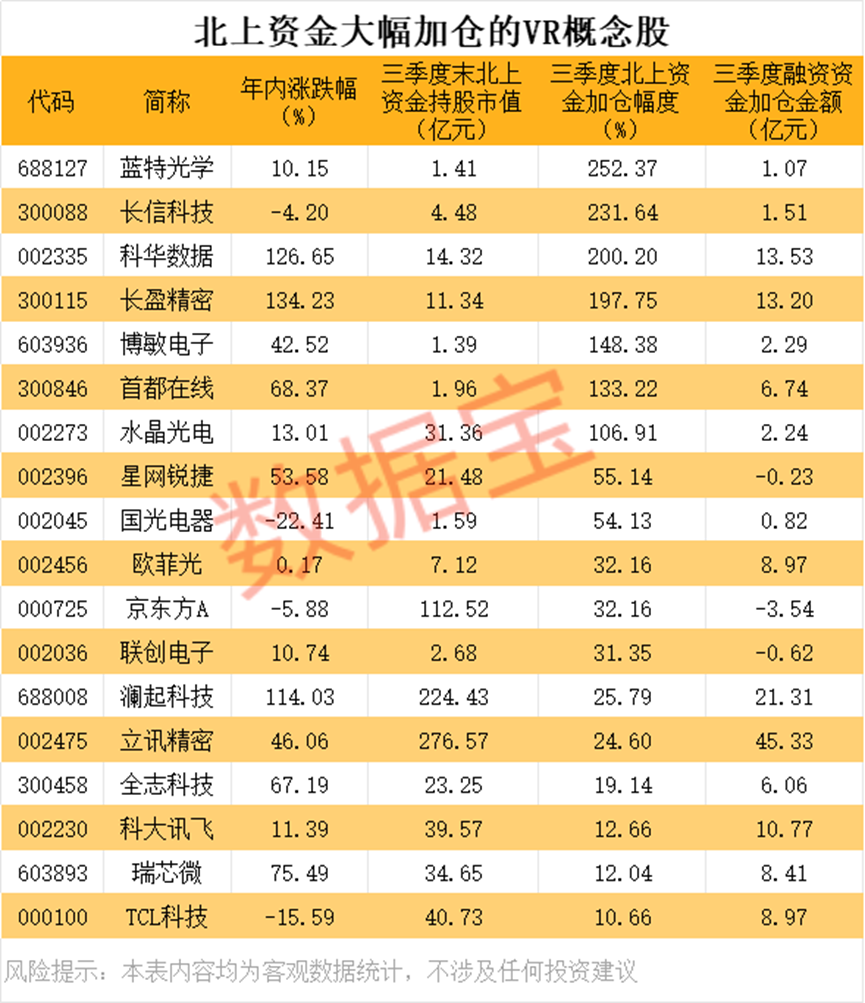
Group 1: Event Overview - The 2025 World VR Industry Conference will be held on October 19-20 in Nanchang, organized by the Jiangxi Provincial Government and other local authorities, focusing on the rapid application of VR technology [1] - The theme of the conference is "VR+AI Opens the Intelligent Future," aiming to create a high-end platform for deep integration of technology and industry [1] - The conference will feature five specialized matchmaking sessions and four corporate ecosystem forums, including topics like "AI+VR Integration Innovation" and "Huawei Ecosystem Forum" [2] Group 2: Industry Development in Jiangxi - Jiangxi Province has rapidly developed its VR industry, with a projected revenue of 110 billion yuan in 2024, marking a 9.34% year-on-year growth and a 26-fold increase since 2018 [3] - The province hosts over 400 VR companies, including major players like Huawei, Alibaba, and Lenovo, contributing to a robust industrial ecosystem [3] - The National Virtual Reality Innovation Center has made significant technological breakthroughs since its establishment in 2022, enhancing capabilities in key areas such as 3D reconstruction and gesture tracking [3] Group 3: Stock Market Performance - VR-related stocks in the A-share market have seen an average increase of over 28%, with companies like Changying Precision and Kehua Data doubling their stock prices this year [4] - Four VR concept stocks have released third-quarter earnings forecasts, all indicating significant profit increases, with Shuo Beid expecting a net profit growth of 1258.39% to 1313.24% [5] - Northbound capital has significantly increased its holdings in VR concept stocks, with 18 stocks seeing over 10% increases in shareholding during the third quarter [6]





【时代风口】 eSIM卡商用启航 国产通信大胆拥抱新技术
Zheng Quan Shi Bao· 2025-10-16 22:27
Core Insights - The launch of eSIM services by China's three major telecom operators marks a significant breakthrough in domestic communication technology, positioning China among the leaders globally in this field [1] - The adoption of eSIM technology is expected to reshape user habits and the competitive landscape of the telecom market, simplifying processes like number portability and enhancing device security [3][4] Group 1: eSIM Technology Overview - eSIM technology allows for the embedding of SIM functionality directly into device chips, eliminating the need for physical SIM cards, which enhances device design and user experience [1][2] - The global market for eSIM-enabled smartphones is projected to reach approximately 1 billion by the end of this year, with an expected growth to 6.9 billion by 2030, indicating a significant market opportunity for telecom operators [2] Group 2: Competitive Landscape - The strategic decision by Apple to exclusively offer eSIM versions of its iPhone Air globally, without a physical SIM card option for the Chinese market, has pressured Chinese telecom operators to accelerate their eSIM rollout [2] - The introduction of eSIM is anticipated to simplify the process of switching carriers, potentially transforming the market competition that has traditionally focused on package pricing [3] Group 3: User Experience and Market Implications - While many users currently prefer physical SIM cards for perceived security, the convenience of eSIM is expected to shift user preferences over time, similar to the transition from traditional banking to mobile banking [3] - eSIM technology integrates most functionalities into the device chip, enhancing security features such as anti-theft tracking and enabling users to manage multiple accounts easily [3][4]



eSIM卡商用启航 国产通信大胆拥抱新技术
Zheng Quan Shi Bao· 2025-10-16 18:47
Core Viewpoint - The launch of eSIM services by China's three major telecom operators marks a significant breakthrough in domestic communication technology, positioning China among the leaders globally in this field [1][2]. Group 1: eSIM Technology Overview - eSIM technology allows for the embedding of SIM cards directly into device chips, eliminating the need for physical SIM cards, which enhances convenience and security [1][2]. - The advantages of eSIM include space-saving, improved security, increased freedom in switching operators, and support for IoT infrastructure, driving mobile devices towards being lighter, smarter, and offering better user experiences [2][3]. - According to GSMA, approximately 1 billion eSIM smartphones are expected to be connected globally by the end of this year, with projections of growth to 6.9 billion by 2030 [2]. Group 2: Market Dynamics and Competition - The strategic decision by Apple to exclusively offer eSIM versions of the iPhone Air globally, without a physical SIM card option for the Chinese market, has pressured Chinese telecom operators to accelerate their eSIM commercialization efforts [2]. - The shift towards eSIM is expected to reshape user habits and the competitive landscape, simplifying the process of switching operators and potentially altering the focus from package pricing to service quality [3][4]. Group 3: Challenges and Considerations - While eSIM offers numerous benefits, concerns remain regarding potential high fees for switching numbers and the implications of losing the exclusivity of relationships with operators, which could affect service quality [4]. - The transition to eSIM is anticipated to face challenges, but ongoing market competition and technological advancements are expected to address these issues over time [4].

小摩:推荐买内地三大电讯股 首选中国电信(00728) 目标价7.5港元
智通财经网· 2025-10-16 08:20
Core Viewpoint - Morgan Stanley expresses optimism about three major telecom operators due to attractive shareholder returns, healthy profit growth, and potential cloud service revenue growth driven by AI [1] Group 1: Company Recommendations - The top pick is China Telecom (00728) due to its largest exposure to cloud business and resilient traditional mobile and broadband services, with a target price of HKD 7.5 [1] - China Mobile (00941) and China Unicom (00762) have target prices of HKD 110 and HKD 12 respectively, both rated as "Overweight" [1] Group 2: Market Performance - Over the past three months, the stock prices of the three major telecom operators, including China Mobile, China Telecom, and China Unicom, have underperformed the Hang Seng Index [1] - The current dividend yields for China Mobile, China Telecom, and China Unicom are projected to be 6.3%, 5.4%, and 5.6% respectively, making them attractive [1] Group 3: Revenue Trends - The growth of traditional telecom service revenue in the third quarter has slowed compared to the second quarter, which is reflected in the recent weakness of stock prices [1] - Investors are advised to take advantage of the lagging stock prices for potential buying opportunities [1]

大行评级丨摩根大通:内地三大电信商股息率具吸引力 首选中国电信
Ge Long Hui· 2025-10-16 07:10
Core Viewpoint - Morgan Stanley's research report indicates that the stock prices of China's three major telecom operators—China Mobile, China Telecom, and China Unicom—have underperformed the Hang Seng Index over the past three months, suggesting a buying opportunity due to attractive dividend yields [1] Group 1: Stock Performance and Dividend Yields - The stock prices of China Mobile, China Telecom, and China Unicom have lagged behind the Hang Seng Index [1] - The expected dividend yields for the three telecom operators are 6.3% for China Mobile, 5.4% for China Telecom, and 5.6% for China Unicom, making them attractive for investors [1] Group 2: Revenue Growth and Investment Recommendations - Traditional telecom service revenue growth has slowed in the third quarter compared to the second quarter, which is reflected in the recent weakness of their stock prices [1] - Investors are advised to take advantage of the current stock price lag to accumulate shares [1] Group 3: Future Outlook and Preferred Stocks - The report is optimistic about the three telecom operators due to attractive shareholder returns, healthy profit growth, and potential revenue growth from AI-driven cloud services [1] - China Telecom is favored as it has the largest exposure to cloud business, with a target price of HKD 7.5; China Mobile and China Unicom have target prices of HKD 110 and HKD 12, respectively, both rated as "overweight" [1]
苹果华为OPPO将推出eSIM手机,怎么办理?如何收费?
Qi Lu Wan Bao· 2025-10-16 02:44
Core Insights - eSIM technology is gaining traction as it allows users to activate mobile services without a physical SIM card, making devices lighter and providing more internal space [4] Group 1: eSIM Overview - eSIM replaces physical SIM cards with electronic data files, enabling mobile network services without the need for a physical card slot [4] - The approval of eSIM for mobile phones marks a new commercial phase in the industry, following its previous applications in IoT and smart wearables [4] Group 2: Activation Process - Users can activate eSIM services by visiting the physical stores of major telecom operators like China Telecom and China Mobile with their ID and eSIM-compatible devices [5] - China Mobile will start processing eSIM activations from the release date of the iPhone Air, while China Unicom requires online reservations for eSIM activation [5] Group 3: Supported Devices - Current eSIM-compatible devices include models from Apple, Huawei, and OPPO, which will be available for sale soon [6] Group 4: Usage of Original SIM Cards - Once eSIM is activated on devices like the iPhone Air, the original physical SIM card will no longer be usable unless a new number is written into the eSIM [7] Group 5: Pricing Structure - As of now, there are no clear fee structures for eSIM services, but initial activations are reported to be free at the stores [8] - China Unicom offers two types of eSIM services: a dual-terminal service for smart devices at a monthly fee of 10 yuan, and an independent eSIM number service with varying costs based on device type [9]
eSIM将给日常通信带来哪些新变化?
Xin Lang Cai Jing· 2025-10-16 02:44
Core Insights - The launch of eSIM mobile services in China marks a significant shift from traditional SIM cards, allowing users to download their phone numbers directly to a built-in chip without needing a physical SIM card [1][2][3] Group 1: eSIM Technology Overview - eSIM technology integrates the functionality of a physical SIM card into a chip within the device, enabling users to access communication services such as voice calls, data, and messaging without a physical card [1] - The adoption of eSIM is expected to lead to thinner and lighter smartphone designs, as the eSIM chip can be directly soldered onto the motherboard, enhancing durability against dust, water, and shocks [1] Group 2: Consumer Benefits - Users will benefit from simplified processes for activating and changing phone numbers without the need for a physical card, reducing the inconvenience of lost SIM cards and the hassle of swapping cards during international travel [1][2] - The eSIM rollout is anticipated to enhance the overall consumer experience and satisfaction, making connectivity more seamless and user-friendly [3] Group 3: Industry Impact - The introduction of eSIM services is expected to stimulate investment across the entire supply chain, driving demand for eSIM-enabled devices such as smartphones, tablets, wearables, and connected vehicles [2] - eSIM technology is projected to extend into various smart applications, including the Internet of Things (IoT), smart cities, and consumer electronics, facilitating digital and intelligent upgrades across industries [2] Group 4: Operator Initiatives - Chinese telecom operators are actively innovating and enhancing eSIM-related technologies and services, with China Unicom having launched eSIM for wearables and China Mobile focusing on domestic chip and operating system development [3] - China Telecom aims to provide a seamless experience for users with features like card-free activation, cross-device collaboration, and global roaming capabilities [3]

新华每日电讯:eSIM来了!手机“无卡时代”已近
Xin Lang Cai Jing· 2025-10-15 23:29
Core Viewpoint - The launch of eSIM mobile services by major Chinese telecom operators marks a significant shift towards eliminating physical SIM cards, enhancing user convenience and driving industry upgrades [1][2]. Group 1: eSIM Technology Overview - eSIM technology integrates the functionality of a physical SIM card into a built-in chip within the phone, allowing users to download their phone numbers over the air without needing a physical card [2]. - The introduction of eSIM will lead to lighter and thinner smartphone designs, as the eSIM chip can be directly soldered onto the motherboard, improving durability against dust, water, and shocks [2]. Group 2: User Benefits - Users will experience simplified processes for activating and changing phone numbers without the need for a physical SIM card, reducing the hassle of lost cards and the need for card eject tools [2]. - Frequent travelers will benefit from not having to change SIM cards when moving between countries, enhancing the overall user experience [2]. Group 3: Industry Impact - The rollout of eSIM services is expected to stimulate investment across the entire industry chain, leading to increased demand for eSIM-enabled devices such as smartphones, tablets, wearables, and connected vehicles [2][3]. - Telecom operators are actively innovating and upgrading eSIM-related technologies and services, with China Unicom already having adapted 75 devices for eSIM wearables and serving millions of users [4]. Group 4: Future Prospects - eSIM technology is anticipated to extend into various smart scenarios, including vehicle networking, smart cities, and consumer electronics, driving digital and intelligent upgrades across industries [3]. - The ongoing development of eSIM services aims to provide seamless experiences for users, such as card-free activation and global roaming capabilities [4].
新华鲜报|eSIM来了!手机“无卡时代”已近
Xin Hua She· 2025-10-15 14:12
Core Insights - The launch of eSIM mobile services by major Chinese telecom operators marks a significant shift towards eliminating physical SIM cards, enhancing user convenience and device design [1][3][4] Group 1: eSIM Technology Overview - eSIM technology integrates the functionality of a physical SIM card into a chip embedded within the phone, allowing users to download their phone number over the air without needing a physical card [3] - eSIM-enabled devices will maintain traditional communication services such as voice calls, data usage, and SMS [3] Group 2: Impact on Consumer Experience - The introduction of eSIM will simplify processes such as activating new lines and changing numbers, eliminating the need for physical SIM cards and reducing the risk of loss [3][4] - Users who travel frequently will benefit from not having to swap SIM cards, enhancing their overall experience [3][4] Group 3: Industry Implications - The rollout of eSIM services is expected to stimulate investment across the entire supply chain, leading to increased demand for eSIM-compatible devices like smartphones, tablets, wearables, and connected vehicles [4] - eSIM technology is anticipated to extend into various sectors, including vehicle networking, smart cities, and consumer electronics, driving digital and intelligent upgrades across industries [4] Group 4: Operator Initiatives - Chinese telecom operators are actively innovating and enhancing eSIM-related technologies and services, with China Unicom having launched eSIM for wearables in 2018, supporting 75 devices and millions of users [4] - China Mobile is focusing on domestic technology development for eSIM chips and operating systems, while China Telecom aims to provide seamless activation and global roaming experiences [4]
新华鲜报 | eSIM来了!手机“无卡时代”已近
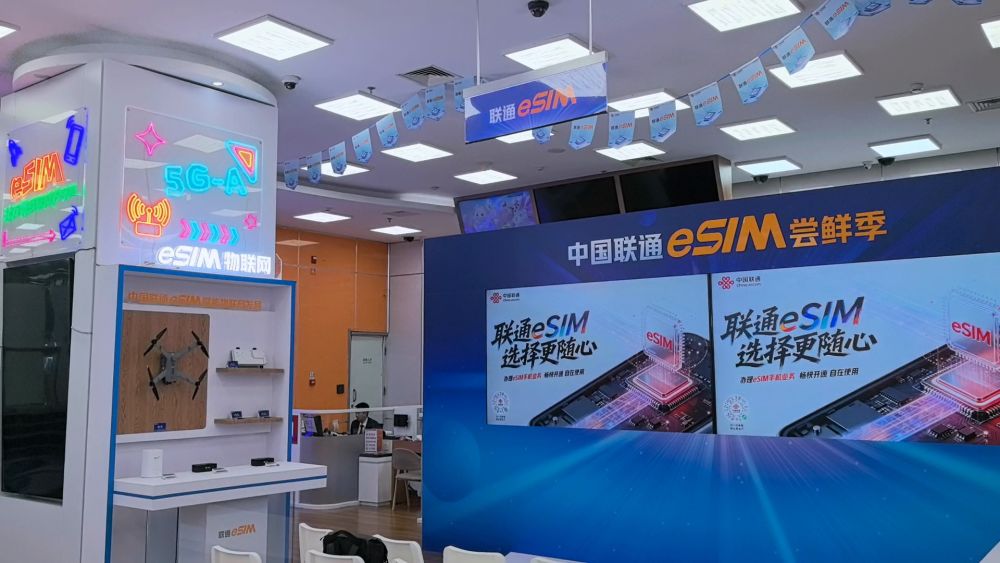
Xin Hua She· 2025-10-15 13:59
Core Points - The launch of eSIM mobile services by China's three major telecom operators marks a significant shift towards eliminating physical SIM cards [1][2] - eSIM technology integrates SIM card functionality into the device's built-in chip, allowing users to download their phone numbers over the air [2] - The introduction of eSIM is expected to enhance user convenience, streamline operations, and drive upgrades across the entire industry chain [2][4] Group 1: eSIM Technology Overview - eSIM technology allows for the integration of SIM card functions into the device, eliminating the need for physical SIM cards [2] - Users can expect to perform operations such as activating and changing numbers without needing a physical card, simplifying the process significantly [2] - The technology is anticipated to enhance device design by reducing space occupied by SIM card slots, leading to thinner and more robust devices [2] Group 2: Industry Impact - The rollout of eSIM services is expected to stimulate investment across the industry chain, including smartphones, tablets, wearables, and connected vehicles [2][3] - Telecom operators are actively innovating and upgrading eSIM-related technologies and services, with China Unicom already having adapted 75 devices for eSIM wearables [4] - The shift from physical SIM cards to eSIM technology is projected to improve consumer experience and satisfaction [4]