
CHINA UNICOM(00762)

Search documents
中国联通(00762) - 截至2026年1月31日止之股份发行人的证券变动月报表
2026-02-04 04:17
股份發行人及根據《上市規則》第十九B章上市的香港預託證券發行人的證券變動月報表 | 截至月份: | 2026年1月31日 | 狀態: 新提交 | | --- | --- | --- | | 致:香港交易及結算所有限公司 | | | | 公司名稱: | 中國聯合網絡通信 (香港) 股份有限公司 | | | 呈交日期: | 2026年2月4日 | | | I. 法定/註冊股本變動 不適用 | | | FF301 第 1 頁 共 10 頁 v 1.2.0 FF301 II. 已發行股份及/或庫存股份變動及足夠公眾持股量的確認 1. 股份分類 普通股 股份類別 不適用 於香港聯交所上市 (註1) 是 證券代號 (如上市) 00762 說明 已發行股份(不包括庫存股份)數目 庫存股份數目 已發行股份總數 上月底結存 30,598,124,345 0 30,598,124,345 增加 / 減少 (-) 本月底結存 30,598,124,345 0 30,598,124,345 足夠公眾持股量的確認(註4) | 根據《主板上市規則》第13.32D(1)條或第19A.28D(1)條 / 《GEM上市規則》第17.37D(1 ...

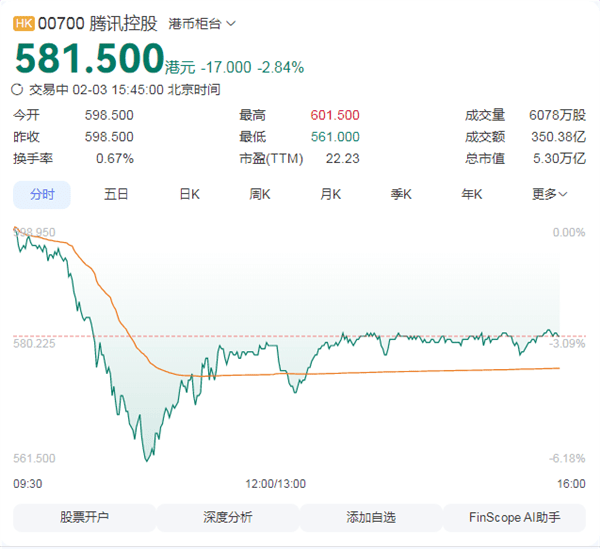
互联网增值服务未加税,误传致股价波动,实际仅基础电信服务税率上调
Sou Hu Cai Jing· 2026-02-04 02:11
Core Viewpoint - The recent rumors regarding the increase of value-added tax (VAT) on internet value-added services stem from a misunderstanding of new tax regulations, which only affect basic telecommunications services and do not extend to other internet companies like Tencent [2][3] Group 1: Tax Regulation Changes - Starting from 2026, the VAT rate for basic telecommunications services, such as internet broadband access provided by companies like China Mobile, China Unicom, and China Telecom, will increase from 6% to 9% [2] - The adjustment is a targeted policy and does not apply to other types of enterprises, clarifying the boundaries of the new tax regulations [2] Group 2: Misinterpretation of Tax Applicability - The erroneous extrapolation of the tax adjustment to internet platform companies like Tencent has led to the misconception of an "internet value-added service tax increase" [2] - Tencent's primary business activities, including online gaming, social platform operations, cloud services, and digital content distribution, fall under the categories of value-added telecommunications services or sales of intangible assets, which remain subject to the 6% VAT rate without any increase [2][3] Group 3: VAT Structure Stability - The statutory VAT rates in China remain at three levels: 13%, 9%, and 6%, with the applicable objects and policy framework remaining stable and unchanged [4]




小摩:内地电讯商增值税调高 料中国移动受影响最小
Xin Lang Cai Jing· 2026-02-03 09:56
Core Viewpoint - Morgan Stanley reports that the three major telecom operators in mainland China have announced an adjustment in value-added tax, increasing the tax rate on mobile data, SMS/MMS, and internet broadband services from 6% to 9% [1][2] Group 1: Impact on Companies - The tax adjustment is expected to impact the net profits of China Mobile (00941), China Telecom (00728), and China Unicom (00762) in 2026 by 7.1%, 12.6%, and 11.9% respectively [1] - Among the three operators, the impact on China Mobile is estimated to be the smallest due to its higher gross margin [1] Group 2: Mitigation Measures - The actual profit impact may be milder than estimated, as the telecom operators are undergoing state-owned enterprise reforms, with authorities setting financial KPIs for profit growth, return on equity improvement, and healthy cash flow [2] - Telecom operators are expected to offset the impact of the VAT adjustment through various measures, including optimizing operating expenses, increasing prices, and controlling capital expenditures [2]
地方两会聚焦消费扩内需 传统消费与新型消费双轨并进
Sou Hu Cai Jing· 2026-02-03 09:53
Group 1 - The core viewpoint emphasizes the importance of consumption as a key driver for expanding domestic demand and building a strong domestic market, with various local governments implementing measures to enhance consumption capabilities and optimize supply [2] - Traditional consumption quality enhancement and the cultivation of emerging consumption are progressing simultaneously, supported by advancements in digital technology that enrich consumption supply [2] - Operators leverage their digital advantages and robust infrastructure to actively engage in the entire consumption chain, enhancing basic consumption quality and creating new digital consumption scenarios [2] Group 2 - The upgrade of basic consumption is crucial for market stability, with digitalization and intelligence being core paths for traditional industries' transformation [3] - Operators utilize technologies like 3D modeling and big data analysis to assist traditional manufacturers in offering personalized services, thus meeting diverse consumer demands [3] - The shift from standardized to personalized products enhances production efficiency and resource utilization, catering to consumers' desire for unique products [3] Group 3 - The application of humanoid robots in traditional service models represents a significant breakthrough, improving service efficiency and customer satisfaction [4] - Operators are injecting "digital intelligence" into traditional industries, promoting their transformation towards smart, customized, and service-oriented models [4] Group 4 - New technologies, particularly AI, are rapidly reshaping consumption scenarios and fostering a new "AI + consumption" ecosystem [5] - Operators are focusing on family digital consumption needs, launching diverse AI products to enhance the digital experience at home [5] - Initiatives like the "AI+" action plan and AI smart screens are designed to provide personalized and convenient services for families [5] Group 5 - The silver economy is a new growth point, with operators developing AI products tailored for the elderly to bridge the digital divide [6] - Customized services for seniors, such as AI phones and smart monitoring products, are being introduced to enhance their digital consumption experience [6] Group 6 - Operators are optimizing digital consumption service processes through AI technology, significantly improving service efficiency [7] - Innovations like AI customer assistants and smart service agents are enhancing customer service quality and enriching the digital consumption supply [7] Group 7 - Service consumption is rapidly expanding, driven by rising income levels and changing consumer attitudes, with a focus on sectors like education, culture, and health [8] - Operators are utilizing advanced technologies to ensure robust communication support for high-traffic events, enhancing user experience [8] Group 8 - In the cultural and tourism sectors, operators are employing technologies like 5G, AI, and VR/AR to develop smart applications that enrich visitor experiences [9] - Continuous advancements in digital technology and operator engagement are expected to drive new developments in China's consumption market, contributing to a sustainable economic growth model [9]

港股通红利ETF广发(520900)涨1.34%,成交额8806.33万元
Xin Lang Cai Jing· 2026-02-03 09:50
流动性方面,截止2月3日,港股通红利ETF广发(520900)近20个交易日累计成交金额15.30亿元,日 均成交金额7651.89万元;今年以来,22个交易日,累计成交金额16.58亿元,日均成交金额7537.85万 元。 港股通红利ETF广发(520900)现任基金经理为霍华明、吕鑫。霍华明自2024年6月26日管理(或拟管 理)该基金,任职期内收益12.39%;吕鑫自2025年4月30日管理(或拟管理)该基金,任职期内收益 26.44%。 最新定期报告显示,港股通红利ETF广发(520900)重仓股包括中国海洋石油、中国神华、中国石油股 份、中国移动、中国石油化工股份、中远海控、中国电信、中国联通、中国铁塔、招商银行,持仓占比 如下。 来源:新浪基金∞工作室 2月3日,广发中证国新港股通央企红利ETF(520900)收盘涨1.34%,成交额8806.33万元。 港股通红利ETF广发(520900)成立于2024年6月26日,基金全称为广发中证国新港股通央企红利交易 型开放式指数证券投资基金,基金简称为广发中证国新港股通央企红利ETF。该基金管理费率每年 0.50%,托管费率每年0.10%。港股通红利ET ...





手机套餐要涨价了?中国移动们税率上调,eSIM或缓解成本压力
3 6 Ke· 2026-02-03 09:45
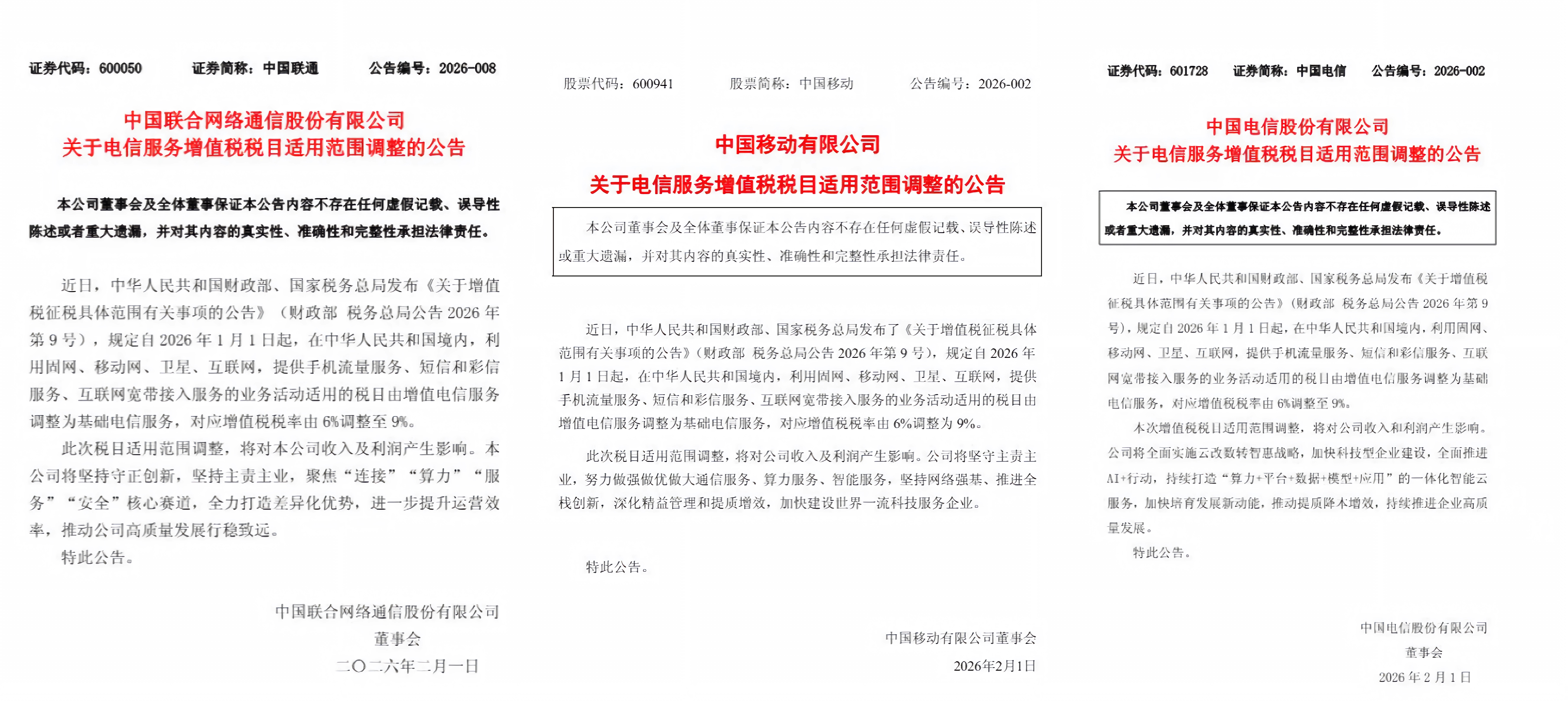
Core Viewpoint - The recent adjustment of the value-added tax (VAT) rate from 6% to 9% for telecom services by China's three major operators is expected to impact their revenue and profit, leading to potential price increases for consumers in the future [1][3][12]. Group 1: Tax Rate Adjustment - The adjustment of the VAT rate will affect the income and profit of telecom companies, as they have explicitly stated in their announcements [3][5]. - The classification of telecom services will change from "value-added telecom services" to "basic telecom services" starting January 1, 2026, indicating that services like mobile data and broadband are now considered essential [3][5]. - The increase in VAT does not mean an immediate price hike for consumers, but it will reduce the net income that operators can retain from the same amount of revenue [5][14]. Group 2: Pricing Dynamics - Despite the tax increase, the overall trend in mobile data pricing has been downward, making it challenging for operators to raise prices without risking customer dissatisfaction [8][9]. - The competitive landscape among telecom operators, including the ease of number portability, complicates the decision to increase prices, as it could lead to customer churn [8][12]. - Historical data shows that high pricing strategies have not been sustainable, as seen with the introduction of 5G services, which initially had high costs but have since seen significant reductions in pricing to encourage adoption [9][11]. Group 3: Future Growth Strategies - The operators are facing pressure to find new growth avenues due to limited user growth and shrinking profit margins, exacerbated by rising operational costs and tax adjustments [12][14]. - Innovations like eSIM technology are being explored as potential new revenue streams, allowing for more flexible pricing models and the ability to attract new users without the need for physical SIM cards [14][15]. - The market is cautious about any price increases, as consumer sensitivity to pricing has heightened, making it essential for operators to carefully consider their strategies moving forward [12][14].
中国银河证券:增值税调整盈利弱扰动 三大运营商高股息属性有望加强
智通财经网· 2026-02-03 08:59
Core Viewpoint - The adjustment of the VAT tax category for telecommunications services will impact the revenue and profit of the three major telecom operators in China, with an estimated net profit reduction of approximately 6%-8% [1][2][4]. Group 1: VAT Adjustment Details - The Ministry of Finance and the State Administration of Taxation announced that from January 1, 2026, the VAT rate for basic telecommunications services will increase from 6% to 9% [2]. - The three major telecom operators have acknowledged that this adjustment will affect their financial performance [2]. Group 2: Business Impact Analysis - The telecom operators have diversified business segments, including voice calls, internet services, cloud computing, and hardware sales, which complicates the precise measurement of the VAT adjustment's impact [3]. - The adjustment's effect on net profit is estimated based on various assumptions, including a 50% pass-through of VAT to downstream customers and a 2% initial revenue reduction, with a gradual recovery expected [4]. Group 3: Future Outlook and Investment Recommendations - Despite the VAT adjustment, the high dividend yield of the telecom operators remains stable, with projected dividend payout ratios of 75% for China Mobile and China Telecom, and 58% for China Unicom, leading to dividend yields of 5.2%, 4.9%, and 3.6% respectively [5]. - The operators are expected to focus on enhancing network construction, technology research, and service quality, with significant investments in emerging fields such as 6G and AI anticipated to increase by approximately 10 percentage points [5][6]. - The operators are well-positioned to benefit from the growth of AI applications and the expansion of their computing capabilities, which may lead to a valuation uplift [7].


花旗:料增值税调整对三大电讯商服务收入造成约3%潜在影响
Zhi Tong Cai Jing· 2026-02-03 08:56
Core Viewpoint - Citigroup reports that China Mobile, China Telecom, and China Unicom will adjust the tax category for value-added telecommunications services starting January 1, 2026, which will increase the VAT rate from 6% to 9% for affected services [1] Group 1: Tax Adjustment Impact - The services affected by the tax adjustment include mobile data services, SMS, multimedia messaging services, and broadband internet services [1] - The reclassification of these services as basic telecommunications services is expected to have a potential impact of approximately 3% on service revenue, which constitutes a significant portion of the companies' total revenue [1] Group 2: Market Response and Performance Indicators - Citigroup believes that due to market competition and stable demand, operators are unlikely to pass the increased tax burden onto consumers through adjustments in data service pricing [1] - There may be a degree of deleveraging effect if service revenue declines, but it is considered premature to conclude on the potential impact on dividend distribution, with more information expected from the financial reports to be released in March [1]

小摩:内地电讯商增值税调高 料中国移动(00941)受影响最小
智通财经网· 2026-02-03 08:30
Core Viewpoint - Morgan Stanley reports that the three major telecom operators in mainland China have announced an increase in value-added tax from 6% to 9% on mobile data, SMS/MMS, and internet broadband services, which will impact their net profits in 2026 [1] Group 1: Impact on Telecom Operators - The expected impact on net profits for China Mobile (00941), China Telecom (00728), and China Unicom (00762) is projected to be 7.1%, 12.6%, and 11.9% respectively [1] - China Mobile is anticipated to experience the smallest impact among the three operators due to its higher gross margins [1] Group 2: Mitigation Strategies - The actual profit impact may be milder than estimated as the telecom operators are undergoing state-owned enterprise reforms, with financial KPIs set by authorities including profit growth, return on equity improvement, and healthy cash flow [1] - Telecom operators are expected to offset the impact of the VAT adjustment through various measures such as optimizing operating expenses, increasing prices, and controlling capital expenditures [1]
高股息策略配置性价比进一步提升,港股通红利ETF广发(520900)涨1.34%
Xin Lang Cai Jing· 2026-02-03 08:04
Group 1 - The core viewpoint of the articles emphasizes the increasing interest in high dividend yield stocks, particularly in the context of declining bond yields and the need for investors to seek higher returns in equity investments [1][2][3] - Long-term value in dividend investing is shifting from merely seeking high dividend rates to focusing on sustainable dividend capabilities, with a recommended expected return rate of over 3%-5% and a strong safety margin [1][2] - The performance of high dividend sectors has shown recovery, driven by strong demand for insurance funds and favorable pricing logic in cyclical high dividend sectors such as oil, steel, and coal [1][2] Group 2 - The market is experiencing challenges in restoring risk premiums, with significant volatility in cyclical products affecting market profitability, leading to a potential "small platform period" for investor risk appetite [2][3] - The insurance sector is seeing robust growth in new business, particularly in dividend insurance sales, which is increasing the allocation of investment funds towards long-duration assets [2][3] - The dividend strategy remains a key focus for equity investments, with pressures on cash investment returns expected to increase by 2026, reinforcing the importance of dividend strategies for companies [2][3] Group 3 - Looking ahead to 2026, dividend strategies are expected to continue serving as a stabilizing force in investment portfolios, with dividend assets showing lower valuation levels and volatility compared to other asset classes [3][9] - The Hong Kong Stock Connect Dividend ETF (520900) closely tracks the CSI National New Hong Kong Stock Connect Central Enterprise Dividend Index, which selects stable dividend-paying companies from the central state-owned enterprises [3][9] - The top five industries in the CSI National New Hong Kong Stock Connect Central Enterprise Dividend Index include oil and petrochemicals (28.63%), telecommunications (21.75%), coal (11.80%), transportation (10.47%), and public utilities (7.94%), indicating a strong value and defensive characteristic [4][10]