
BYD(01211)

Search documents
吉利稳住了20万辆大关,比亚迪的海外销量首次超过国内,中国汽车行业的增长逻辑变了
Mei Ri Jing Ji Xin Wen· 2026-03-03 13:10
Core Insights - The Chinese automotive market is experiencing a downturn, with 76.8% of dealers reporting February sales below expectations, indicating a competitive "elimination match" among brands [1][2] - However, two companies, Geely and BYD, have shown significant resilience, with Geely maintaining sales above 200,000 units and BYD's overseas sales surpassing domestic sales for the first time [1][2] Group 1: Market Performance - Geely's success is attributed to the strong performance of its Zeekr and Lynk & Co models, with year-on-year growth of 70% and 59% respectively, alongside over 80,000 units from its fuel vehicle series [2] - BYD achieved a historic milestone in February, with overseas sales exceeding 100,000 units, marking a 41.4% year-on-year increase, highlighting a shift in focus towards international markets [2][3] Group 2: Strategic Shifts - The shift from merely exporting products to establishing a comprehensive sales and service presence in overseas markets signifies a fundamental change in the growth logic of the Chinese automotive industry [4] - The ability to thrive in international markets enhances domestic resilience, as brands like BYD and Chery expand globally while navigating domestic challenges [5] Group 3: Industry Dynamics - The current market data reflects a stark division within the industry, with some brands facing existential challenges while others, like Geely and BYD, engage in a global expansion strategy [6][7] - This differentiation may ultimately benefit the industry, as it indicates a transition where Chinese automotive brands are becoming significant players on the global stage, moving away from being merely competitive in domestic markets [6][7]

国家级绿色工厂名单出炉:锂电凭啥拿下 16 席?
高工锂电· 2026-03-03 10:47
Core Viewpoint - The lithium battery industry has emerged as a significant winner in the 2025 national green factory list, indicating a shift towards sustainable manufacturing practices in China [3][6]. Group 1: National Green Factory Selection - The Ministry of Industry and Information Technology (MIIT) has officially announced the 2025 national green factory list, with 16 lithium battery-related companies included, covering key segments from materials to battery production [3][6]. - Notable companies such as BYD, Guoxuan High-Tech, and Yiwei Lithium Energy have multiple production bases recognized, showcasing a strong green layout across the entire lithium battery supply chain [7][12]. - The evaluation criteria for green factories emphasize energy efficiency, pollution reduction, and resource recycling, aligning with international standards like the EU's Eco-Management and Audit Scheme (EMAS) [4][12]. Group 2: Definition and Standards of Green Factories - Green factories are defined as manufacturing units that achieve advanced levels in land use efficiency, raw material harmlessness, clean production, waste resource utilization, and low-carbon energy [4]. - The new standards, effective from December 31, 2025, introduce a quantitative evaluation system with a 60% weight on measurable indicators, raising the bar for green factory construction [4][6]. Group 3: Impact on the Lithium Battery Industry - The introduction of the green factory evaluation system is expected to drive industry restructuring, pushing out less efficient players while allowing leading companies to expand their market share [12][13]. - The focus on "carbon reduction, pollution reduction, and efficiency increase" will encourage technological innovation in the lithium battery sector, promoting the development of low-carbon processes and recycling technologies [13]. - Strengthening collaboration across the lithium battery supply chain will enhance international competitiveness, enabling Chinese companies to better meet global environmental standards and carbon tariff policies [13].





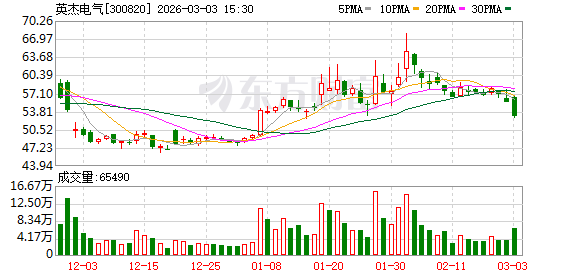
英杰电气:近年来与比亚迪公司无直接业务合作
Mei Ri Jing Ji Xin Wen· 2026-03-03 10:09
Group 1 - The company has previously engaged in sales of multimedia charging pile products to overseas enterprises through BYD, but there is currently no direct business cooperation with BYD [2] - The company's subsidiary, Yingjie New Energy, was involved in the past collaboration with BYD [2] - The inquiry about the depth of cooperation with BYD was addressed on the investor interaction platform [2]
比亚迪海豹08轿车预告图公布,3月5日全球首秀;2026款路虎揽胜及路虎卫士上市,售68.99万元起丨汽车交通日报
创业邦· 2026-03-03 10:09
Group 1 - Japanese car prices have significantly increased over the past decade, with the price of the Toyota Corolla rising by approximately 60% from 145 million yen (about 63,709 RMB) in 2015 to 228 million yen (about 100,000 RMB) in 2025 [2] - The price of light vehicles (kei cars) in Japan has risen by 33% to a historical high of 1.76 million yen (approximately 77,329 RMB) from 2015 to 2025, while compact passenger cars increased by 31% to 2.39 million yen (about 105,000 RMB) and regular passenger cars by 24% to 3.72 million yen (about 163,000 RMB) [2] Group 2 - Xiaomi Auto has recently published a patent for a "custom license plate method, device, vehicle, terminal, and storage medium," which enhances user interaction and customization in smart cockpit systems [2] - The patent allows users to dynamically configure license plate information and styles based on personal preferences, improving the overall user experience and satisfaction [2] Group 3 - BYD has announced the global debut of its new flagship sedan, the Seal 08, set for March 5, featuring advanced technologies such as megawatt fast charging and rear-wheel steering [3] - The Seal 08 will incorporate cutting-edge intelligent driving assistance systems, indicated by the inclusion of laser radar on the vehicle's roof [3] Group 4 - The 2026 models of the Range Rover and Defender have been launched, with prices starting at 689,900 RMB for the Defender and ranging from 1.412 million to 1.799 million RMB for the Range Rover [4] - The naming convention for the Range Rover has been updated for clarity, with previous names replaced by "SE" designations, while maintaining the same pricing for certain models and adding features like heated steering wheels [4]

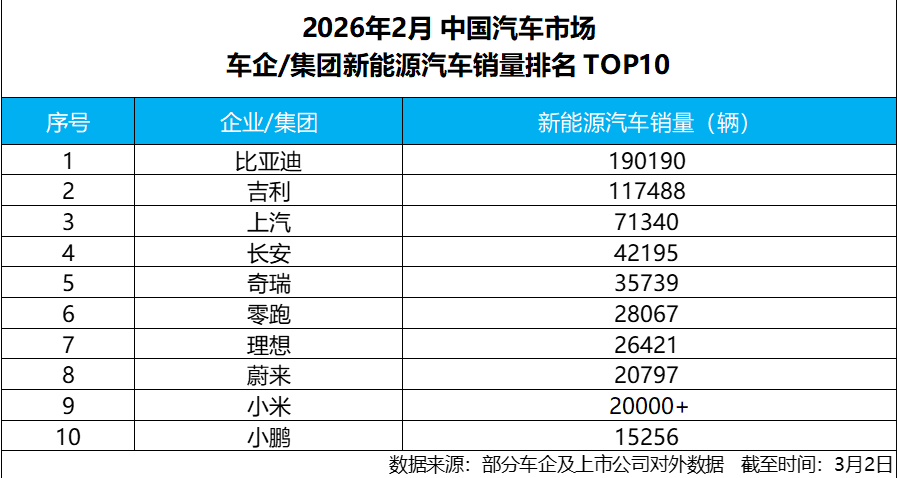
没有意外还是第一,比亚迪2月销售19万辆说明什么|车界观察
2 1 Shi Ji Jing Ji Bao Dao· 2026-03-03 10:09
Core Insights - The competition landscape in China's new energy vehicle (NEV) market has become clearer as of early 2026, with BYD Group leading the industry with a sales volume of 190,190 units in February, maintaining a significant advantage over competitors [1][4]. Group 1: Sales Performance - BYD has maintained its position as the top seller in China's NEV market for 57 consecutive months since June 2021, with cumulative sales surpassing 15.5 million units [3]. - In February, BYD's overseas sales of passenger cars and pickups reached 100,151 units, marking a year-on-year growth of 41.4%, with total overseas sales for January-February 2026 at 200,160 units, up 42.3% year-on-year [4]. Group 2: Market Position and Strategy - BYD's strong performance in February signals its ability to build systemic advantages in the NEV market, indicating that its leadership is structural rather than coincidental [4]. - The company is set to hold a groundbreaking technology release on March 5, which has already positively impacted its stock price, reflecting investor confidence in its technological capabilities [5]. Group 3: High-End Market Development - BYD's high-end brands, including Fangchengbao, Tengshi, and Yangwang, achieved combined sales of 23,000 units in February, showing significant growth and enhancing the company's product structure and profitability [5]. - The increasing share of high-end products is expected to strengthen BYD's brand value and market influence [5]. Group 4: Future Considerations - Despite the positive outlook, BYD must focus on advancements in intelligent driving technology to compete effectively against rivals like Huawei and new entrants [5]. - The company faces challenges related to geopolitical risks as its overseas sales grow, including trade policies, tariff barriers, and localization requirements [5].
比亚迪“硬扛”导弹的公关传播,价值1个亿
3 6 Ke· 2026-03-03 10:08
Core Viewpoint - BYD's vehicle, the Yuan PLUS (known as ATTO 3 overseas), survived a close-range Iranian missile explosion in Jerusalem, with all passengers surviving, leading to significant public interest and a surge in the company's stock price by 8% [2][29][36]. Group 1: Incident Details - The missile explosion created a large crater and severely damaged the vehicle's exterior, including shattered windows [3][31]. - Despite the damage, the vehicle's core safety structure remained intact: the ABC pillars were undamaged, doors could still open, and the blade battery did not catch fire or explode [4][31][36]. - The incident resulted in injuries to the passengers, with one moderately injured and others sustaining minor injuries, but no fatalities were reported [31][36]. Group 2: Public Reaction and Media Coverage - The incident quickly went viral on social media, with hashtags like BYD_Yuan_PLUS_survives_missile, and was described as a "hardcore advertisement" for the vehicle [9][11]. - Various key opinion leaders (KOLs) commented on the incident, emphasizing the vehicle's safety features and resilience, which contributed to a positive narrative around BYD's brand [28][29][30]. - The original media report from "The Times of Israel" was brief, consisting of only 57 words, yet it sparked extensive discussion and analysis in China [22][26]. Group 3: Marketing and Public Relations Strategy - BYD's public relations team effectively monitored global sentiment and capitalized on the incident to enhance the brand's image, framing safety as a key selling point [15][44]. - The company did not directly promote the incident but allowed third-party narratives to shape the discussion, which is seen as a strategic move to maintain credibility [46][47]. - The incident is viewed as a significant public relations success, potentially valued at over 100 million yuan, as it associated the brand with safety in extreme conditions [47].

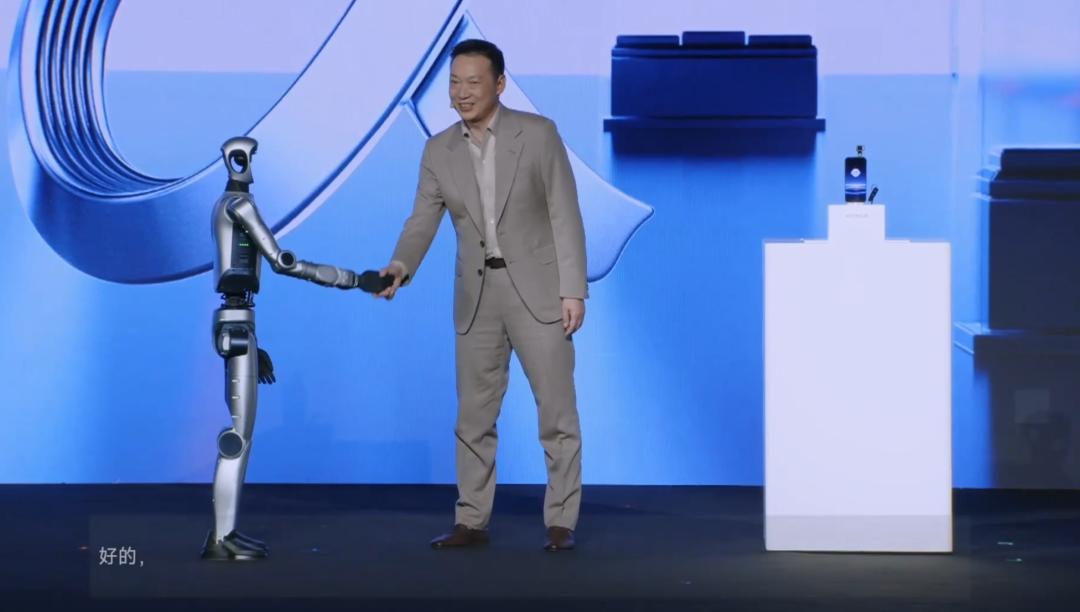
荣耀机器人“太空步”秀巴展,小米机器人上岗汽车工厂,小鹏升级自动驾驶,比亚迪颠覆技术,谁会走得更远?
3 6 Ke· 2026-03-03 09:59
Core Viewpoint - The technology industry is increasingly characterized by cross-industry collaboration, particularly in the robotics sector, where major players from various fields are entering the market, driven by advancements in AI and robotics technology [2][4]. Group 1: Robotics Market Trends - The robotics market is expected to see significant growth, with companies like Yushu Technology, ZhiYuan Robotics, and others becoming key players following their successful launches in 2025 [2]. - The 2026 Spring Festival Gala featured performances incorporating robots, further boosting interest and investment in the robotics market [2]. - Industry leaders from various sectors, including mobile, automotive, and internet, are predicted to join the robotics market, indicating a competitive landscape [2][4]. Group 2: Company Innovations - Honor launched its humanoid robot, marking its entry into the consumer humanoid robotics market, and aims to integrate smartphone technology with robotics for enhanced user experience [4][6]. - Xiaomi has begun deploying its humanoid robots in automotive manufacturing, showcasing practical applications of robotics in production environments [10][15]. - Xiaopeng Motors announced the upcoming release of its second-generation VLA model, aimed at achieving fully autonomous driving within the next 1-3 years, with plans for global testing and deployment [18][20]. Group 3: Upcoming Developments - BYD is set to unveil a "disruptive technology" on March 5, 2026, with expectations that it may involve advancements in battery technology or smart driving [21]. - Predictions suggest that BYD may also introduce new robotics products based on its electric vehicle technology [24].


英杰电气(300820.SZ):近年来与比亚迪公司无直接业务合作
Ge Long Hui· 2026-03-03 09:55
Group 1 - The core point of the article is that Yingjie Electric (300820.SZ) has stated that its subsidiary, Yingjie New Energy, previously sold multimedia charging pile products to overseas companies through BYD, but there has been no direct business cooperation with BYD in recent years [1] Group 2 - Yingjie Electric's subsidiary engaged in sales of charging products through a partnership with BYD in the past [1] - The company has clarified that it does not currently have any direct business dealings with BYD [1]
比亚迪海外销量首次超越国内
Zhong Guo Xin Wen Wang· 2026-03-03 09:50
Core Insights - BYD reported a total vehicle sales of 190,190 units in February, with passenger vehicle sales reaching 187,782 units, marking a significant growth in sales [1] - The overseas sales of passenger vehicles and pickups amounted to 100,151 units, representing a year-on-year increase of 41.4% [1] - This marks the first time that BYD's overseas sales have surpassed its domestic sales [1]
电车需求跟踪(2月):产品力推动单车带电量显著提升
Minmetals Securities· 2026-03-03 09:45
Investment Rating - The report rates the automotive industry as "Positive" [5] Core Insights - The demand for electric vehicles (EVs) is expected to recover in March due to the opening of the trade-in application channels and the launch of new products, following a decline in February caused by policy rollbacks and the Spring Festival [2][14] - The single vehicle battery capacity has significantly increased, with a year-on-year rise of 22.7% in January, indicating a focus on enhancing product capabilities among manufacturers [3][44] Monthly Focus - February retail sales are projected to decline by double digits year-on-year due to the Spring Festival and consumer hesitation, with approximately 119,000 vehicles sold in the first week of February [1][14] - The opening of trade-in application channels in March is expected to alleviate consumer hesitation and stimulate market recovery [2][14] Key Data Tracking - In January, domestic retail sales of new energy vehicles decreased by 20% year-on-year, while the penetration rate slightly dropped to 39% [3][20] - The single vehicle battery capacity for new energy vehicles reached 59.5 kWh in January, reflecting a significant year-on-year increase [44] - Exports of new energy vehicles in January reached 302,000 units, a year-on-year increase of 101%, with significant growth in both battery electric vehicles (BEVs) and plug-in hybrid electric vehicles (PHEVs) [31][37] Industry and Company Changes - The China-Europe electric vehicle tariff negotiations have progressed, with agreements to implement measures to replace tariffs with minimum pricing [4][66] - SAIC Motor Corporation expects a substantial increase in net profit for 2025, while companies like JAC Motors and BAIC BluePark are forecasting losses [67][68][69][70] - The launch of Tesla's Cybercab, designed for autonomous taxi services, marks a significant development in the industry [4]