YADEA(01585)

Search documents
雅迪新十年展望:双轮驱动引领行业高质量增长
Sou Hu Cai Jing· 2025-12-19 14:37
Group 1 - The core strategy of Yadea is to establish a comprehensive product ecosystem through compliance, high-performance products, and a youthful approach, aiming for "full scene, full category, full series, and full coverage" by 2026 [1][5] - Yadea's shift from "accidental growth driven by single blockbuster products" to "deterministic growth supported by ecological collaboration" marks a significant change in the competitive landscape of the electric vehicle industry [1][5] - The company emphasizes a user-centered and product-focused development philosophy, aiming to create a product ecosystem that caters to diverse consumer needs [3][5] Group 2 - Yadea's dual-driven approach of "product strength + new retail" aims to inject new momentum for high-quality growth and provide a replicable model for industry transformation [5][6] - The recent summit serves as a strategic declaration following Yadea's achievement of over 100 million units sold, mobilizing global ecological partners and outlining a clear growth path [5][6] - Yadea's ecological layout is expected to lead the industry towards a more sustainable future, creating a win-win space for operators and consumers through compliance, specialization, and youthfulness [6]


新国标打碎了雅迪们的高端幻觉
Feng Huang Wang· 2025-12-19 07:45
Core Viewpoint - The new national standard for electric bicycles has sparked significant consumer dissatisfaction due to design choices that prioritize compliance over user comfort and practicality [1][2][4]. Group 1: Issues with the New Standard - Many complaints from consumers focus on the uncomfortable design features of new electric bicycles, such as narrow seats and the absence of rear seats, which are perceived as impractical [2][3]. - The core requirements of the new standard include a maximum weight of 55 kg, a speed limit of 25 km/h, and the necessity for pedal riding capability, but many design elements criticized by consumers are not mandatory [2][4]. - Some companies have adopted an "exam-oriented" mindset, leading to overly simplistic designs that meet the minimum requirements but fail to address user needs [2][3]. Group 2: Industry Response and Challenges - The introduction of the new standard has created a dilemma for electric bicycle manufacturers, as strict compliance may lead to loss of market share while non-compliance risks penalties [4][5]. - The first batch of new standard models is largely seen as "exam products," prioritizing compliance over user experience, with comfort and practicality expected to be improved in future iterations [4][5]. - The market is experiencing a shift, with brands like Yadea facing a significant drop in sales, from 16.5 million units in 2023 to 13.02 million in 2024, a decrease of 21.18% [6]. Group 3: Market Dynamics and Future Outlook - The new standard has accelerated industry consolidation, with established brands like Niu and Ninebot quickly adapting to produce compliant and user-friendly models, while smaller brands struggle to keep up with the technological demands [6][7]. - There is a growing trend among major brands to introduce improved versions of new standard models, incorporating features like wider seats and modular designs to enhance user experience [7][8]. - The ongoing adjustments in the industry reflect a broader transition in urban transportation in China, moving from unregulated growth to a more structured development approach [7][8].

Z世代“收割机”!新国标洗牌期,雅迪凭啥让年轻人持续“上头”?
Tai Mei Ti A P P· 2025-12-18 04:20
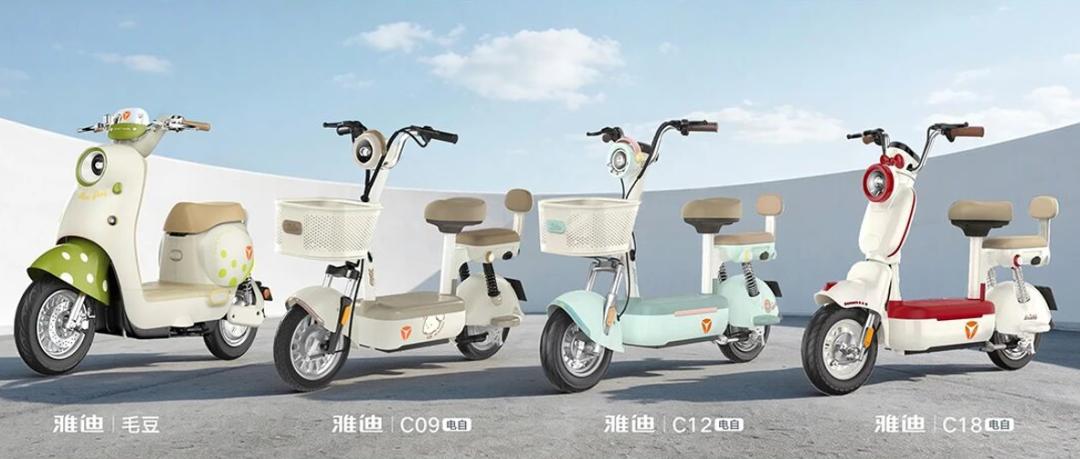
Core Insights - The electric vehicle industry is shifting from a competition based on scale to one focused on system capabilities, emphasizing human-centered values and experiences [1][12] - Yadea Technology Group is leading the industry towards a new paradigm, moving away from mere scale competition to value co-creation in the mobility ecosystem [1][3] Group 1: Industry Trends - The competition in the electric vehicle sector is evolving, with a focus on emotional resonance and user experience rather than just technical specifications [3][4] - Young consumers, particularly those under 30, now represent 41.39% of the electric bicycle market, driving the need for brands to connect emotionally and personally with their audience [4][6] Group 2: Yadea's Innovations - Yadea has introduced the "Xiao Di Xiang Yun" and "Di Wang Wang" IP matrix, which enhances user engagement and emotional connection through interactive experiences [4][11] - The company has invested over 5.9 billion in R&D, leading the industry in innovation and holding more than 2,000 national patents, which supports its technological advancements [8][9] Group 3: Product Development - The Yadea Crown series has achieved cumulative sales of over 20 million units, with the Crown S model becoming the best-selling smart electric vehicle in the 4,000 yuan price range [9] - Yadea's new models, including the C09, C12, and C18, are designed to comply with new national standards, showcasing the company's proactive approach to regulatory changes [12][14] Group 4: Marketing and Engagement - Yadea's marketing strategies include collaborations with popular brands and influencers, such as signing Wang Hedi as a global ambassador, which resonates well with younger consumers [6][7] - The company has successfully created immersive experiences at events, such as the 717 Global Riding Festival, which attracted nearly 70,000 participants and over 10 million online views [6][8]
高水平对外开放动能澎湃——来自上海、江苏、海南的调查
Jing Ji Ri Bao· 2025-12-16 22:39
Core Viewpoint - High-level opening up is a strategic choice to respond to external uncertainties and enhance national security capabilities, promoting a new development pattern and boosting domestic and international economic cycles [1] Group 1: Customs Facilitation - Shanghai's Waigaoqiao Port is the largest port for automobile imports and exports in China, with a throughput of 3.63 million vehicles in 2024, ranking first globally [2] - The port has established a seamless customs process for automobile exports, enhancing efficiency through an online coordination mechanism and a vehicle customs appointment system [2] - The port operates 15 international automobile roll-on/roll-off shipping routes, connecting to 289 ports in 131 countries and regions, reinforcing its strategic hub position [2] Group 2: Investment Quality Improvement - Lujiazui Financial City in Shanghai attracts significant foreign investment, hosting 70% of the country's foreign asset management institutions and 40% of foreign banks and securities firms [4] - Since the 14th Five-Year Plan, Shanghai has utilized over $98 billion in foreign investment, with an annual average of over 5,700 new foreign enterprises established [4] - The city’s share of national foreign investment has increased from 14% in 2020 to 15.2% in 2024, reflecting its strong appeal to foreign investors [4] Group 3: International Expansion - Shanghai's total import and export value reached 11.07 trillion yuan in 2024, a 26.5% increase from 2020, with a compound annual growth rate exceeding 4% since the 14th Five-Year Plan [7] - Cross-border e-commerce has seen an annual growth rate of over 35%, with 636 enterprises participating in offshore trade by 2024, doubling the scale since 2020 [7] - In Suzhou, a company reported a 190% year-on-year increase in exports, driven by local government initiatives to simplify cross-border e-commerce processes [7] Group 4: Education and Talent Development - The establishment of the first independent overseas university project in Hainan reflects the region's strong support for educational innovation and its alignment with local industry needs [6] - The university aims to cultivate international talent in logistics and digital economy sectors, leveraging the local business ecosystem for practical training [6] Group 5: Digital Trade Growth - Hainan's digital trade volume reached 28.79 billion yuan in 2024, a 44.5% increase year-on-year, with significant growth in computer service exports [10] - The establishment of a data technology company in Hainan aims to support Chinese enterprises in expanding globally and assist foreign companies in entering the Chinese market [10]
高水平对外开放动能澎湃
Jing Ji Ri Bao· 2025-12-16 22:24
Group 1: High-Level Opening Up - High-level opening up is a strategic choice to respond to external uncertainties and enhance national security capabilities [1] - The focus is on improving customs facilitation, stabilizing foreign investment and trade, and encouraging enterprises to expand internationally [1] - The proactive approach to opening up aims to enhance domestic circulation and improve the quality of international circulation, thereby gaining an advantage in economic development and international competition [1] Group 2: Customs Efficiency - Shanghai's Waigaoqiao Port is the largest port for automobile imports and exports in China, with a throughput of 3.63 million vehicles in 2024, ranking first globally [2] - The customs process has been optimized through a seamless logistics coordination mechanism, ensuring efficient and safe automobile exports [2] - The port operates 15 international automobile roll-on/roll-off shipping routes, connecting to 289 ports in 131 countries and regions [2] Group 3: Investment Quality - Lujiazui Financial City in Shanghai attracts significant foreign investment, housing 70% of the country's foreign asset management institutions and 40% of foreign banks and securities firms [4] - Since the 14th Five-Year Plan, Shanghai has utilized over $98 billion in foreign investment, with an annual average of over 5,700 new foreign enterprises established [4] - The proportion of foreign investment in Shanghai increased from 14% in 2020 to 15.2% in 2024 [4] Group 4: International Expansion - Shanghai's total import and export value reached 11.07 trillion yuan in 2024, a 26.5% increase from 2020, with a compound annual growth rate exceeding 4% [7] - Cross-border e-commerce has seen an annual growth rate of over 35% since the 14th Five-Year Plan, with 636 enterprises participating in offshore trade by 2024 [7] - Wujiang Minsk Trading Co. reported a 190% year-on-year increase in exports in the first seven months of the year, driven by local government initiatives [7] Group 5: Digital Trade Growth - Hainan's digital trade volume reached 28.79 billion yuan in 2024, a 44.5% year-on-year increase, with computer service exports growing by 1.3 times [10] - The establishment of the Hainan University of Applied Sciences reflects the recognition of China's educational innovation policies and the integration of international talent cultivation [6] - The Shanghai Hongqiao Overseas Development Service Center has organized 122 outbound activities this year, attracting around 3,500 enterprises [10]
雅迪产品生态重构:新新国标时代下的电动车行业高质量增长路径
Jin Rong Jie· 2025-12-16 04:24
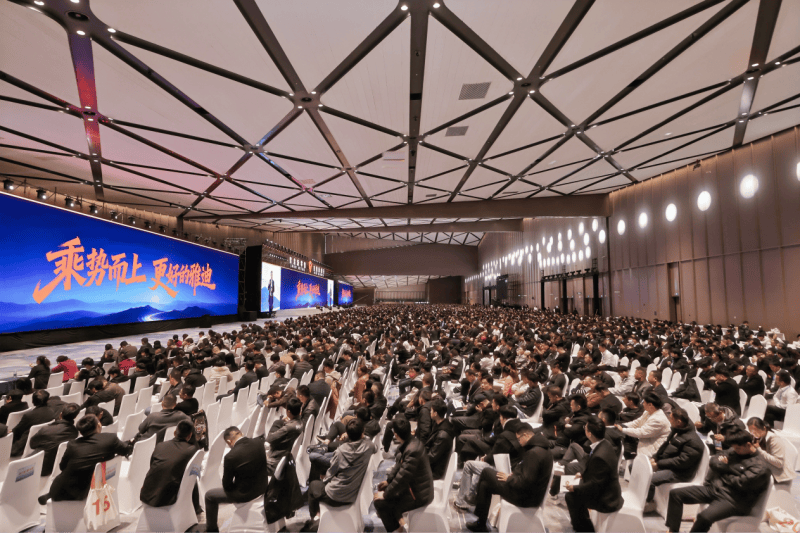
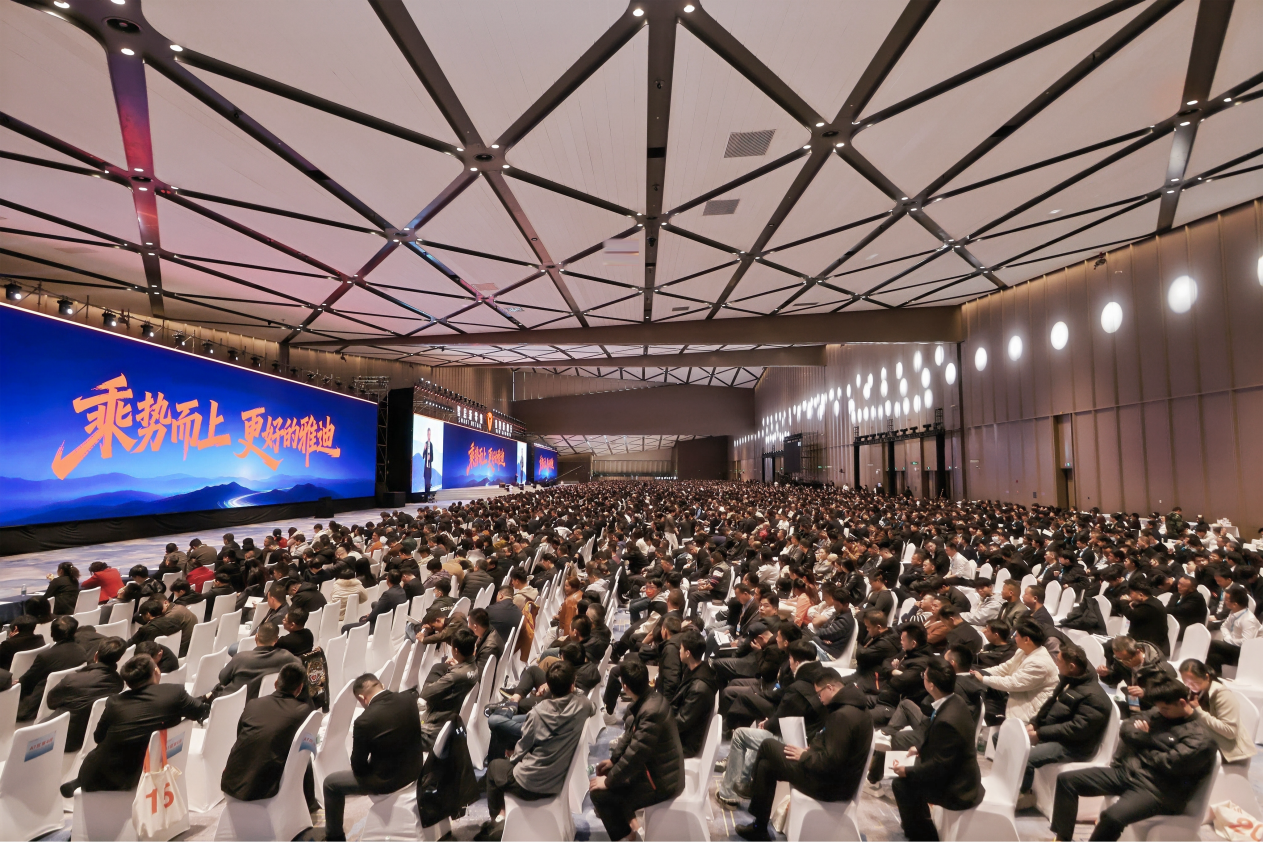
Core Insights - The electric two-wheeler industry in China is undergoing a significant transformation following the implementation of the new national standards on December 1, impacting over a billion users and a trillion-yuan market [1] - Yadea's 2026 Global "New" New Retail and "New" Consumption Integration Summit emphasizes a shift from expansive growth to a focus on precision and quality in product offerings, marking the beginning of a "refined era" in electric vehicle competition [3] Policy and Market Dynamics - The new national standards reshape the foundational logic of industry development, making compliance essential for survival and growth, while also necessitating a balance between safety, convenience, and intelligent experiences in products [4] - Two clear market trends are emerging: the segmentation of usage scenarios beyond traditional commuting, and the increasing demand from younger consumers (Generation Z) for products that offer aesthetic design, smart features, and emotional connection [4] Yadea's Strategic Response - Yadea proactively leads the industry transformation with a strategy based on compliance, product focus, and "New" New Retail as a driving force, aiming to create a comprehensive product ecosystem that covers all scenarios and categories [6] - The "three axes" of product evolution are designed to support high-quality growth, focusing on high-performance breakthroughs, resonance with younger consumers, and compliance with new standards [7] Product Innovations - The launch of the "Titan Cool" series targets high-frequency, high-intensity professional use, featuring advanced technology to create a competitive edge in the market [8][10] - The "Crown" and "Modern" flagship series cater to the younger demographic, with the Crown series emphasizing smart technology and long battery life, while the Modern series focuses on aesthetic design and safety features [11][15] Compliance and Technological Advancements - Yadea has established a comprehensive product system compliant with the new national standards, having ceased production of old standard models and launched 71 compliant models [16][18] - The company has implemented innovative technologies to prevent illegal modifications and enhance user experience, ensuring that compliant products maintain high performance and safety [18] Future Outlook - Yadea's growth blueprint includes a focus on compliance, high-performance products, and a youthful product matrix, aiming for a comprehensive ecosystem that supports sustainable growth [19] - The company's commitment to a user-centered approach and product-centric philosophy remains unchanged, positioning it to lead the industry through the transition to high-quality development [21]
雅迪2026全球「新」新零售峰会启幕,共议新国标下产业新未来
Jin Rong Jie· 2025-12-15 01:37
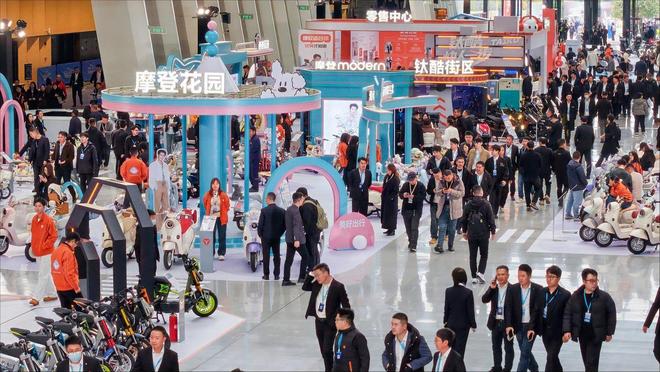
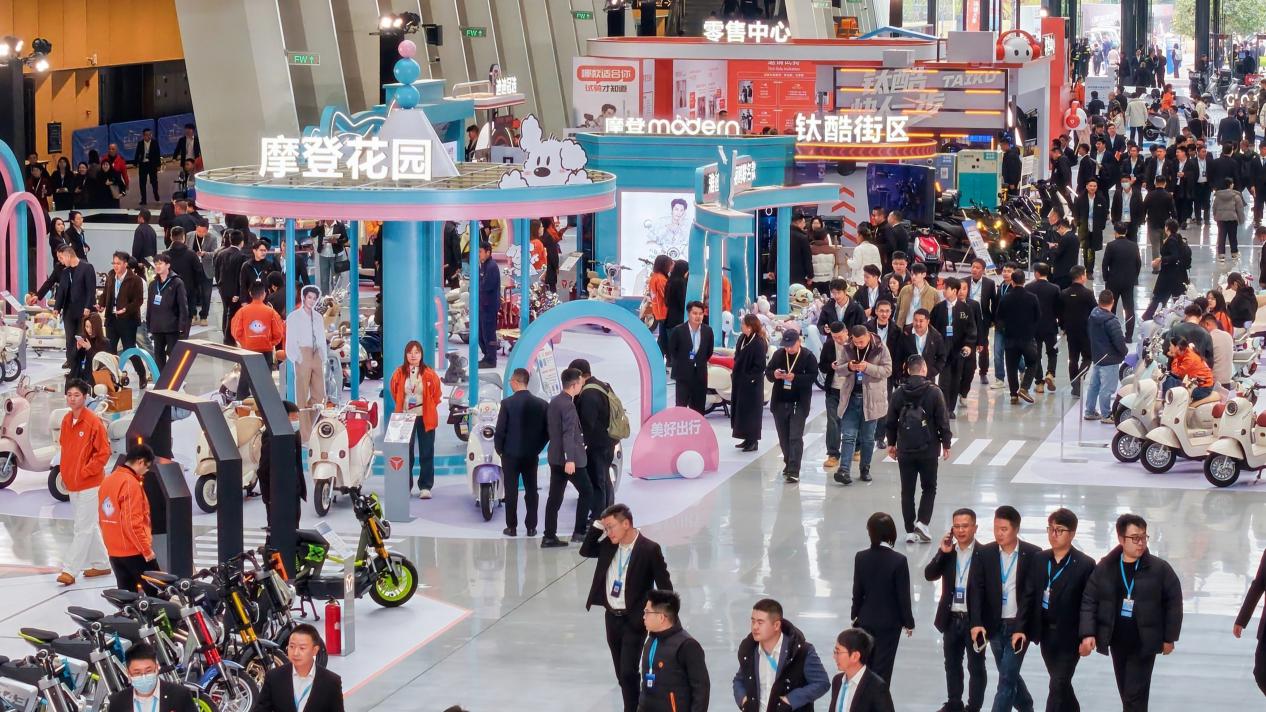
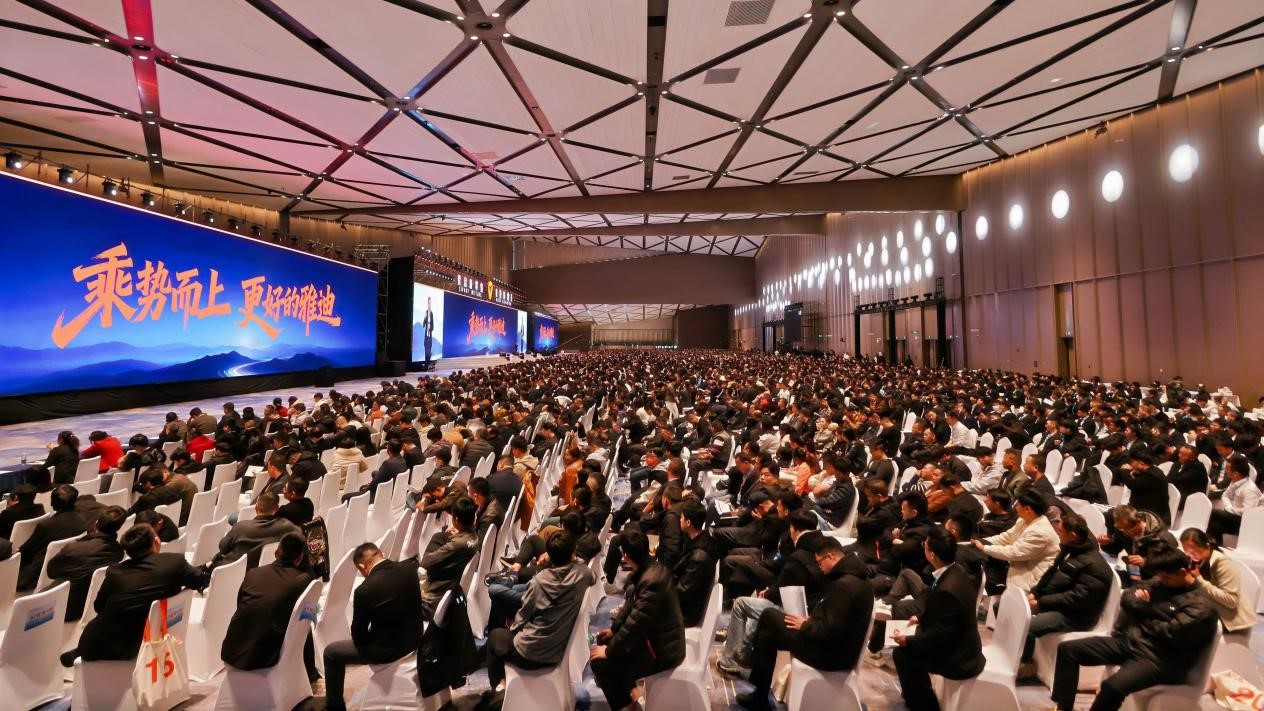
Core Insights - Yadea hosted the 2026 Global "New" New Retail and "New" Consumption Integration Summit, focusing on transforming new retail and market growth strategies in the context of the new era [1][2][15] Group 1: Strategic Initiatives - Yadea emphasizes the importance of embracing new standards and innovative models to achieve sustainable growth, with a focus on user needs and market opportunities [2][5] - The company introduced key initiatives centered around standardized "test rides" and market segmentation to convert new retail capabilities into actionable growth strategies for operators [5][9] Group 2: Product Development - Yadea has achieved a cumulative sales figure of over 20 million units for its Crown series, with the White Shark model leading in the 4000 yuan smart electric vehicle segment [7] - The launch of the new "Titan Cool" series and the first model, the Ruiying Ultra, aims to penetrate niche markets such as delivery riders, enhancing the product matrix from general to professional use [7][11] Group 3: Compliance and Innovation - Yadea is a frontrunner in implementing new national standards, having completed production line adjustments and launched a flagship store for these standards [9] - The company has developed a product system compliant with the new standards, featuring 71 models, and has introduced several new products focusing on safety, intelligence, and practicality [9][10] Group 4: Brand Positioning - Yadea is advancing its youth-oriented strategy through collaborations with popular celebrities and brands, aiming to become the preferred choice for younger consumers [10][12] - The company is committed to continuous upgrades in safety, intelligence, and practicality for its new standard products, enhancing user travel experiences [11][12] Group 5: Future Outlook - Yadea plans to collaborate with operators to build a new cooperative ecosystem, ensuring production capacity and product supply while setting clear goals for market engagement [13][15] - The summit served as a strategic declaration post the milestone of 100 million units sold, reinforcing Yadea's commitment to leading the industry with new retail as a growth engine [15]
雅迪站在了新国标岔路口?
3 6 Ke· 2025-12-12 11:19
Core Viewpoint - The "Mao Dou" incident highlights the challenges faced by the electric two-wheeler industry during its transformation, indicating a shift from a subsidy-driven growth model to a compliance-focused era with new national standards [1][3][12]. Industry Overview - The electric two-wheeler industry is at a historical turning point, with the end of subsidy programs and the implementation of stringent new national standards marking the end of an era reliant on subsidies and scale expansion [3][12]. - By April 2025, the domestic electric two-wheeler ownership is projected to exceed 420 million units, indicating a saturated market where competition is intensifying [4][12]. Company Performance - Yadea, as the industry leader, reported a 33.1% year-on-year revenue growth to 19.186 billion yuan and a 59.5% increase in net profit to 1.649 billion yuan in the first half of 2025, selling 8.7935 million units [11]. - Despite strong sales, the company faces challenges adapting to new standards and consumer expectations, as evidenced by the backlash against the "Mao Dou" model [12][14]. Competitive Landscape - The competitive environment has evolved into a three-way contest among Yadea, Aima, and Tailg, with new entrants like Ninebot and Niu rapidly gaining ground [7][8]. - Aima has carved out a niche by targeting young female consumers with lightweight designs and appealing aesthetics, while new players are leveraging smart technology to penetrate the high-end market [7][8]. Consumer Trends - Consumer preferences are shifting from merely owning a vehicle to seeking an enjoyable travel experience, emphasizing smart interaction, personalized design, and emotional value [5][12]. - The "Mao Dou" incident reflects a disconnect between Yadea's product offerings and the fundamental needs of Chinese family users for practical features [12][19]. Strategic Imperatives - Yadea must undergo a transformation from a scale-driven approach to a value-driven strategy, focusing on user insights and enhancing the overall customer experience [19][22]. - The company is implementing standardized trial experiences in stores to shift its focus from product-centric to user-centric strategies, aiming to leverage its extensive retail network for better customer insights [21][22]. Future Outlook - The new national standards present an opportunity for the industry to innovate and redefine its competitive landscape, moving beyond price wars to focus on technology and user value [13][23]. - Yadea is positioned to leverage its experience in global markets to adapt and promote its new standards and technological solutions internationally, potentially leading the global green mobility revolution [23][24].
雅迪:以“新”新零售定义电动车增长新范式
Ren Min Wang· 2025-12-12 02:22
Core Viewpoint - The electric vehicle industry is undergoing a critical transformation from scale expansion to high-quality development, driven by the implementation of the new national standard for electric bicycles, which emphasizes safety and raises industry entry barriers [1][2]. Group 1: Industry Transformation - The new national standard serves as a fundamental baseline for safety, effectively pushing the industry from "barbaric growth" to standardized and intelligent development [2]. - Yadea is taking a leading role in the industry by quickly switching production lines and launching the first national standard flagship store, establishing a compliant product system with 71 models [5]. Group 2: New Retail Strategy - Yadea's summit focuses on the integration of new retail and new consumption, emphasizing a user-centered digital transformation that leverages big data to analyze user riding habits and consumption preferences [2]. - The company is enhancing online and offline service experiences, with online live streaming becoming a key growth area and offline services including standardized test rides for better customer convenience [2]. Group 3: Brand Modernization - To align with new consumer trends, Yadea is advancing its brand youthfulness and intelligence strategies, engaging with younger consumers through events like the 717 Global Riding Festival and collaborations with brands like Sanrio and new tea beverage brands [5]. - The summit featured interactive experience zones showcasing product themes and the introduction of AI-powered travel companions, reflecting the company's commitment to smart travel solutions [5][7]. Group 4: Collaborative Ecosystem - Looking towards 2026, Yadea aims to collaborate with all operators to build a new cooperative ecosystem, focusing on production capacity and product supply while setting clear goals for operators to drive terminal growth [6].
“一周没卖出去一辆”,新国标“电驴”遇冷
第一财经· 2025-12-11 16:01
Core Viewpoint - The transition period following the ban on old standard electric bicycles has led to a significant decline in sales of new standard electric bicycles, with consumers exhibiting a wait-and-see attitude due to concerns over product performance and pricing [3][4]. Market Conditions - Many electric bicycle dealerships report a sharp drop in sales, with some stores not selling any new standard electric bicycles in the first week after the ban, compared to previous sales of 6-7 units per day [3]. - The new standard electric bicycles are facing criticism for their higher prices, which have increased by 500 to 1000 yuan compared to old models, and for not meeting consumer needs, particularly in terms of seating capacity and performance [5][6]. Consumer Feedback - Consumers, including delivery riders and parents, are opting for second-hand old standard electric bicycles due to the new models' limitations, such as speed restrictions and inadequate seating for families [4][6]. - Specific concerns include the inability of new standard bicycles to meet the demands of delivery work and the lack of suitable models for families with children [4][5]. Industry Response - The China Bicycle Association has acknowledged the public's concerns regarding the new standards and indicated that some manufacturers are not adequately prepared for the new regulations, leading to misunderstandings among consumers [6][7]. - Major manufacturers like Yadea have issued apologies for the confusion surrounding their new models, clarifying that many of the criticisms stem from misinterpretations of the new standards [7][8]. Product Specifications - The new standards include safety features such as a speed limit of 25 km/h, which causes the bicycle to cut power, and restrictions on the use of plastic materials, which have raised questions about safety and practicality [6][7]. - Manufacturers are working to address these issues by developing models that cater to different consumer needs, including family-oriented designs [8].