PSBC(01658)

Search documents
邮储银行取得文档图像校正方法专利
Jin Rong Jie· 2026-02-13 07:20
本文源自:市场资讯 作者:情报员 国家知识产权局信息显示,中国邮政储蓄银行股份有限公司取得一项名为"文档图像的校正方法、其装 置以及电子设备"的专利,授权公告号CN115937865B,申请日期为2022年12月。 天眼查资料显示,中国邮政储蓄银行股份有限公司,成立于2007年,位于北京市,是一家以从事货币金 融服务为主的企业。企业注册资本9916107.6038万人民币。通过天眼查大数据分析,中国邮政储蓄银行 股份有限公司共对外投资了7家企业,参与招投标项目5000次,财产线索方面有商标信息1213条,专利 信息1022条,此外企业还拥有行政许可99个。 声明:市场有风险,投资需谨慎。本文为AI基于第三方数据生成,仅供参考,不构成个人投资建议。 ...

从“设备升级”到“空间智能”:MAXHUB携手邮储银行北京分行,升级金融协同新体验
Cai Fu Zai Xian· 2026-02-13 04:26
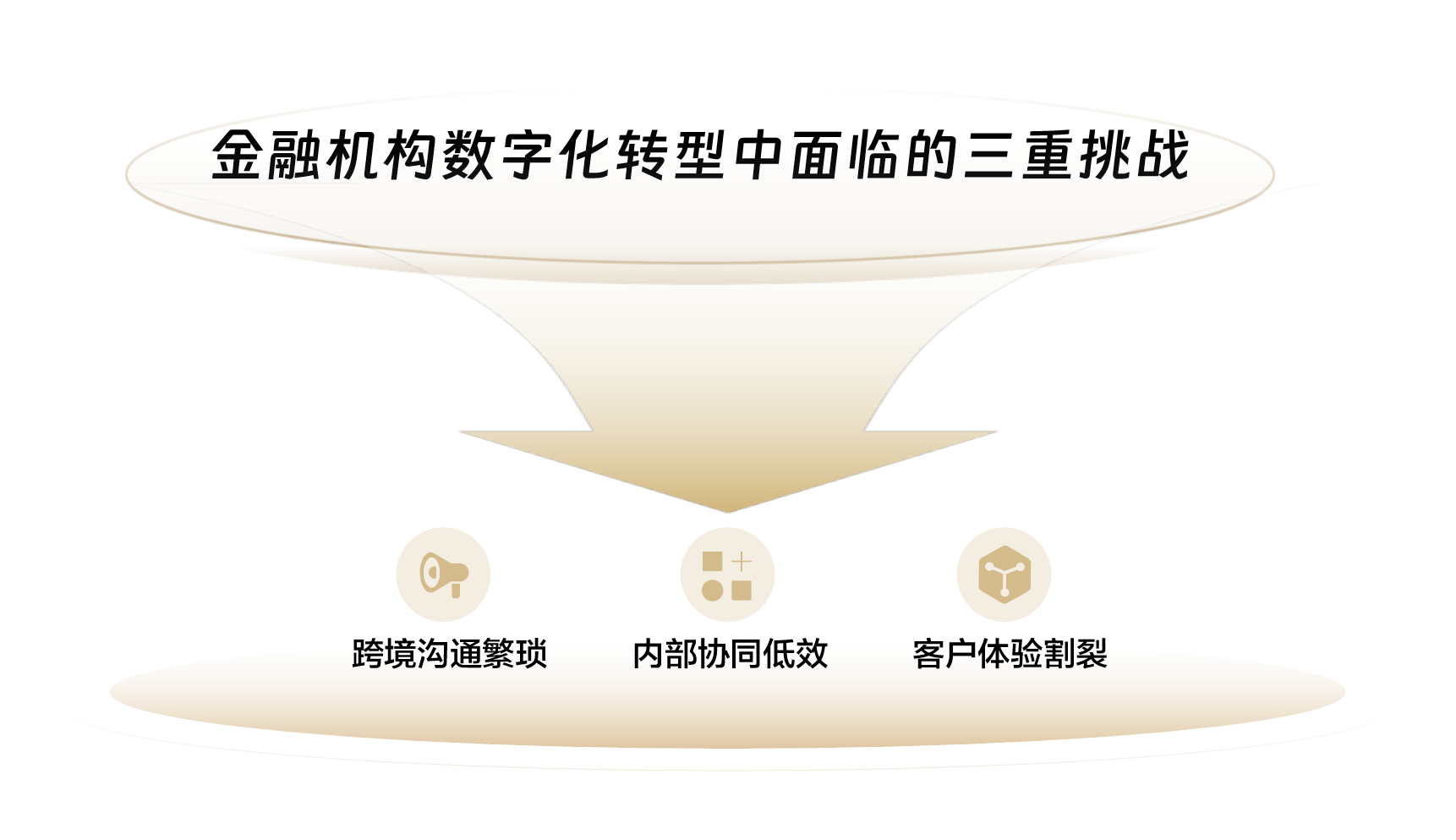
Core Insights - The digital transformation of the financial industry is shifting from a focus on online expansion to enhancing efficiency and intelligence in offline spaces, as indicated by the recent policy from the National Financial Regulatory Administration [1] - The collaboration between Postal Savings Bank of China Beijing Branch and MAXHUB exemplifies a move from "tool empowerment" to "spatial intelligence" in the financial sector [1] Group 1: Challenges in Digital Transformation - Traditional financial institutions face three common challenges: inefficient internal collaboration, isolated departmental systems creating data barriers, and reliance on manual processes leading to lengthy decision chains [2] - Cross-border communication is complicated by language and cultural differences, resulting in distorted information and difficulties in establishing trust, which affects efficiency and security [2] - Customer experience remains fragmented, with services primarily focused on one-way information delivery, lacking immersive experiences and deep brand interactions [2] Group 2: Solutions Provided by MAXHUB - MAXHUB has developed a "smart collaborative network" tailored for Postal Savings Bank of China Beijing Branch, focusing on enhancing global operational efficiency, strengthening core risk control, and reshaping high-end customer connections [4] - The AI meeting solution from MAXHUB integrates real-time bilingual translation and intelligent meeting minutes into cross-border investment decision-making processes, significantly reducing communication costs and ensuring data security [5] - MAXHUB's remote collaboration and data sharing capabilities have improved risk control by connecting the Beijing Branch with the head office, enabling real-time asset quality monitoring and transforming risk management from reactive to proactive [7] Group 3: Enhancing Customer Experience - MAXHUB has created a smart digital exhibition hall for Postal Savings Bank of China Beijing Branch, transforming complex financial products into interactive and customizable visual narratives, thereby enhancing customer engagement and brand loyalty [9] - The immersive digital interactions provided by MAXHUB help deepen customer trust and understanding of the bank's offerings, contributing to a stronger brand perception [9] Group 4: Future Directions - The current practices indicate that the future competitiveness of the financial industry will stem from the deep integration of business processes and digital spaces, with offline scenarios becoming intelligent carriers of policy guidance and service delivery [11] - MAXHUB aims to continue advancing "spatial intelligence" applications in the financial sector, assisting institutions in breaking down online and offline boundaries to achieve higher quality digital development [11]


丈量地方性银行(3):川渝132家区域性银行全梳理-20260212
GF SECURITIES· 2026-02-12 14:21
Investment Rating - The industry investment rating is "Buy" [2] Core Insights - The report analyzes 132 regional banks in the Sichuan-Chongqing area, highlighting the growth and structural changes in the banking sector [6][27] - The asset growth rates of major city commercial banks in the region are higher than those of listed city commercial banks, indicating a robust expansion [38] - Profitability metrics show that city commercial banks in the region have lower ROE compared to listed banks, while rural commercial banks outperform them [6][27] - Asset quality is slightly weaker in regional banks compared to listed banks, with higher non-performing loan ratios [6][27] Summary by Sections Economic Structure Analysis - Sichuan province is positioned as a key driver for western development, with a focus on enhancing the Chengdu-Chongqing economic circle [13][14] - In 2025, Chengdu's GDP is projected to account for 38.7% of the province's total, with significant growth in various sectors [15] Banking Sector Overview - The Sichuan-Chongqing region has 132 commercial banks, including 14 city commercial banks, 65 rural banks, and 51 rural commercial banks [27] - The asset growth rates for major city commercial banks in the region are 15.6% and 18.2%, surpassing the 14.2% growth of listed city commercial banks [38] Asset and Liability Structure - The proportion of loans to total assets has been increasing since 2016, with city commercial banks in Sichuan projected to have a loan ratio of 56.1% by 2024 [38][40] - The financial investment ratio for city commercial banks is on a downward trend, with a slight recovery noted in the first half of 2025 [40][46] Profitability and Asset Quality - The average ROE for city commercial banks in the region is 10.97%, lower than the 11.99% average for listed city commercial banks [6][27] - Non-performing loan ratios for city commercial banks in the region are higher than those of listed banks, indicating potential asset quality concerns [6][27] Capital Adequacy - Capital adequacy ratios for regional banks are comparable to those of listed banks, providing a safety margin for operations [6][27]



金融活水滴灌小微企业,邮储银行\"小微易贷\"破局出口企业融资难
Qi Lu Wan Bao· 2026-02-12 12:24
Core Viewpoint - Postal Savings Bank's "Xiao Wei Yi Dai" product effectively supports small and micro enterprises like Liaocheng Wangrui New Materials Technology Co., Ltd. in meeting their financial needs for international market expansion [1][2]. Group 1: Company Overview - Liaocheng Wangrui New Materials Technology Co., Ltd. is a high-tech enterprise engaged in research, production, and sales, known for its excellent product performance and quality in the international market [1]. - The company has experienced rapid growth in export business due to increasing overseas orders, leading to temporary liquidity pressure in areas such as raw material procurement and logistics [1]. Group 2: Financial Product Details - The "Xiao Wei Yi Dai" product is tailored for companies with characteristics like "light assets, heavy technology, and stable export business," providing flexible credit based on various data points such as tax information and order status [1]. - The product features advantages like online application, quick approval, and flexible repayment, effectively matching the periodic funding needs of export enterprises [1]. Group 3: Impact and Future Plans - The successful issuance of "Xiao Wei Yi Dai" reflects Postal Savings Bank's commitment to inclusive finance and support for high-quality foreign trade development [2]. - By 2025, Postal Savings Bank plans to provide a total of 260 million yuan in "Xiao Wei Yi Dai" loans to 60 small and micro enterprises, enhancing digital financing services [3]. - The bank aims to deepen financial services for foreign trade enterprises with richer products, more convenient processes, and favorable policies to support the growth of small and micro enterprises [3].
从鲁西车间到莫斯科仓,邮储银行科创贷托举“零甲醛地板”出海路
Qi Lu Wan Bao· 2026-02-12 07:58
Group 1 - The core viewpoint of the article highlights the role of Postal Savings Bank in supporting the growth and international expansion of Shandong Xinhai New Materials Co., Ltd, a specialized enterprise in the green building materials sector [1][2] - Xinhai, established in 2003, has evolved from producing automotive plastic parts to becoming a national high-tech enterprise, with products sold in over ten countries [1] - In June 2025, Xinhai faced a funding gap of 5 million yuan due to concentrated raw material procurement, which threatened the expansion of its overseas warehouse and large order fulfillment [1] Group 2 - Postal Savings Bank proactively approached Xinhai during its financial difficulties, providing a 5 million yuan science and technology loan and assisting in applying for interest subsidy policies, thereby reducing financing costs [1] - The bank's support has been integral throughout Xinhai's transformation, facilitating the construction of overseas warehouses and supporting cash flow for large orders, which has enhanced supply chain efficiency [1] - The bank's commitment to serving specialized and innovative enterprises is part of its strategy to support technological innovation and the transformation of traditional manufacturing into high-end, intelligent, and green industries [2]
金融活水滴灌小微企业,邮储银行"小微易贷"破局出口企业融资难
Qi Lu Wan Bao· 2026-02-12 05:12
Core Viewpoint - Postal Savings Bank of China (邮储银行) is actively supporting small and micro enterprises, particularly export-oriented companies, by providing tailored financial products like "Small Micro Easy Loan" to address their funding needs and enhance their competitiveness in international markets [1][2]. Group 1: Company Overview - Liaocheng Wangrui New Materials Technology Co., Ltd. is a high-tech enterprise engaged in research, production, and sales, known for its excellent product performance and quality, which has earned a good reputation in international markets [1]. - The company has experienced rapid growth in export business due to increasing overseas orders, leading to temporary liquidity pressures in areas such as raw material procurement, production expansion, and logistics [1]. Group 2: Financial Product and Service - The "Small Micro Easy Loan" product is designed to meet the specific needs of companies like Wangrui New Materials, utilizing big data risk control technology to provide flexible credit based on various factors such as tax information, import and export data, and order status [1]. - The loan application process is characterized by online submission, quick approval, and flexible repayment options, effectively matching the periodic funding needs of export enterprises [1]. Group 3: Impact and Future Plans - By 2025, Postal Savings Bank plans to provide a total of 260 million yuan in "Small Micro Easy Loans" to 60 small and micro enterprises, demonstrating its commitment to inclusive finance and support for the real economy [3]. - The bank aims to deepen its financial services for foreign trade enterprises by offering a wider range of products, more convenient processes, and favorable policies to support the growth of small and micro enterprises and contribute to high-quality local economic development [3].
财政贴息+科技信用贷,邮储银行临清支行破解"融资贵"难题
Qi Lu Wan Bao· 2026-02-12 03:29
Group 1 - Postal Savings Bank of China successfully approved a "Technology Credit Loan" of 10 million yuan for Shandong Hengfa Hygiene Products Co., Ltd, significantly reducing financing costs through financial services [1][6] - Shandong Hengfa Hygiene Products Co., Ltd, founded in 2003, is the largest hygiene product manufacturer in Linqing City, with an annual sales revenue exceeding 700 million yuan and over 400 employees [3] - The company has expanded its production scale in recent years, facing challenges such as high financing costs and lack of qualified collateral [5] Group 2 - The bank's Linqing branch actively engaged with the company to understand its difficulties and introduced the "Technology Credit Loan" and related fiscal subsidy policies [6] - The loan addressed the company's financing needs, overcoming barriers related to high costs and lack of funding support despite having intellectual property [6] - The collaboration exemplifies the synergy between banks, government, and enterprises in supporting the real economy and lays a solid foundation for future cooperation [7]

金融活水浇灌新中式养生饮品,邮储银行科创贷助力企业闯国际赛道
Qi Lu Wan Bao· 2026-02-12 03:29
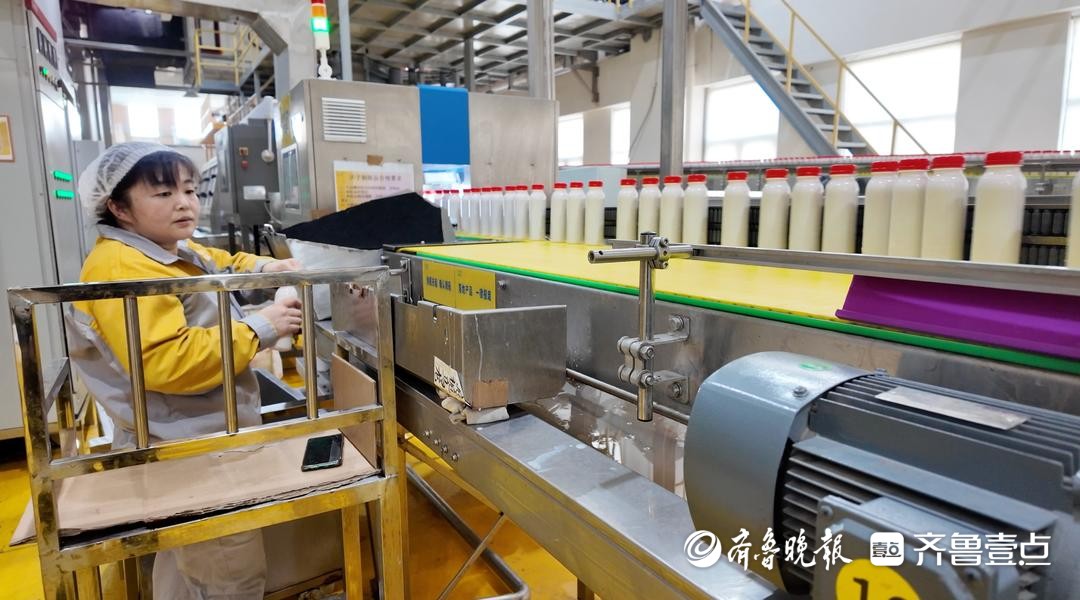
Group 1 - The core viewpoint of the article highlights the successful turnaround of Duoleduo Food Co., Ltd. through timely financial support, specifically a 7 million yuan science and technology loan, which alleviated its cash flow issues and enabled growth in the health beverage sector [1][2] - Duoleduo, established in 2011, is a modern beverage company with two production bases and a daily capacity exceeding 500 tons, serving over 2,000 chain supermarkets nationwide and providing OEM services for several well-known domestic beverage brands [1] - The company has recently focused on organic beverages and new-style light health products, leading to increased financial pressure despite launching new products and a sterile cold canning line [1] Group 2 - The bank's client manager, Song Mingda, played a crucial role in facilitating the loan process, completing the entire application to disbursement in just three working days, emphasizing the importance of financial services for local economic vitality [2] - Duoleduo's production facility spans 40,000 square meters and has passed five major system certifications, with products sold in countries such as Germany, Spain, and South Korea [3] - The collaboration with Postal Savings Bank has provided Duoleduo with not only credit loans but also proactive support in strategizing and connecting with upstream and downstream resources, enhancing the company's confidence in future development [3]
从“储蓄银行”向“财富管理银行”全面转型!邮储银行深圳分行副行长李文峰最新表态
券商中国· 2026-02-12 03:23
Core Viewpoint - The article discusses the evolving landscape of wealth management in the Guangdong-Hong Kong-Macao Greater Bay Area, emphasizing the transition from "scale expansion" to "quality enhancement" in the industry, particularly in Shenzhen, which is a key engine for development in the region [1]. Group 1: Current Trends in Wealth Management - The phenomenon of "deposit migration" is deepening, with Shenzhen experiencing a faster pace compared to the national average. This trend is seen as an opportunity for wealth management upgrades rather than a crisis of deposit loss [2]. - The "deposit migration" is driven by a combination of low interest rates, a recovering capital market, and the expiration of excess savings, indicating a reallocation of household wealth [2][3]. - The customer base in Shenzhen is characterized by youth, high net worth, and a strong presence of technology finance, leading to diverse and rapid flows of wealth [3]. Group 2: Strategic Shifts in Wealth Management - The Postal Savings Bank of Shenzhen is transitioning from a "savings bank" to a "wealth management bank," focusing on professional capabilities, technological empowerment, and cross-border advantages to provide superior services to high net worth clients [2][3]. - The bank aims to establish deeper customer trust by shifting from merely selling products to providing asset allocation and accompanying services, which is seen as a long-term strategy to enhance competitive advantage [3]. Group 3: Product and Service Development - The bank is committed to creating "Shenzhen characteristic combinations" tailored to different customer segments, emphasizing appropriate product matching and risk management [4]. - A focus on digital technology is being implemented to enhance customer experience and operational efficiency, with the goal of building a comprehensive wealth management digital capability [6]. - The bank has established a wealth management system with differentiated services for various customer tiers, including mass affluent and high net worth clients, since 2019 [5][6]. Group 4: Future Outlook and Competitive Strategy - For 2026, the bank plans to enhance its competitive edge in wealth management by integrating financial services into key customer scenarios and providing tailored experiences for different demographics [7]. - The bank will promote a range of financial products, including investment products, insurance, and precious metals, to meet the diverse needs of its clientele [8].

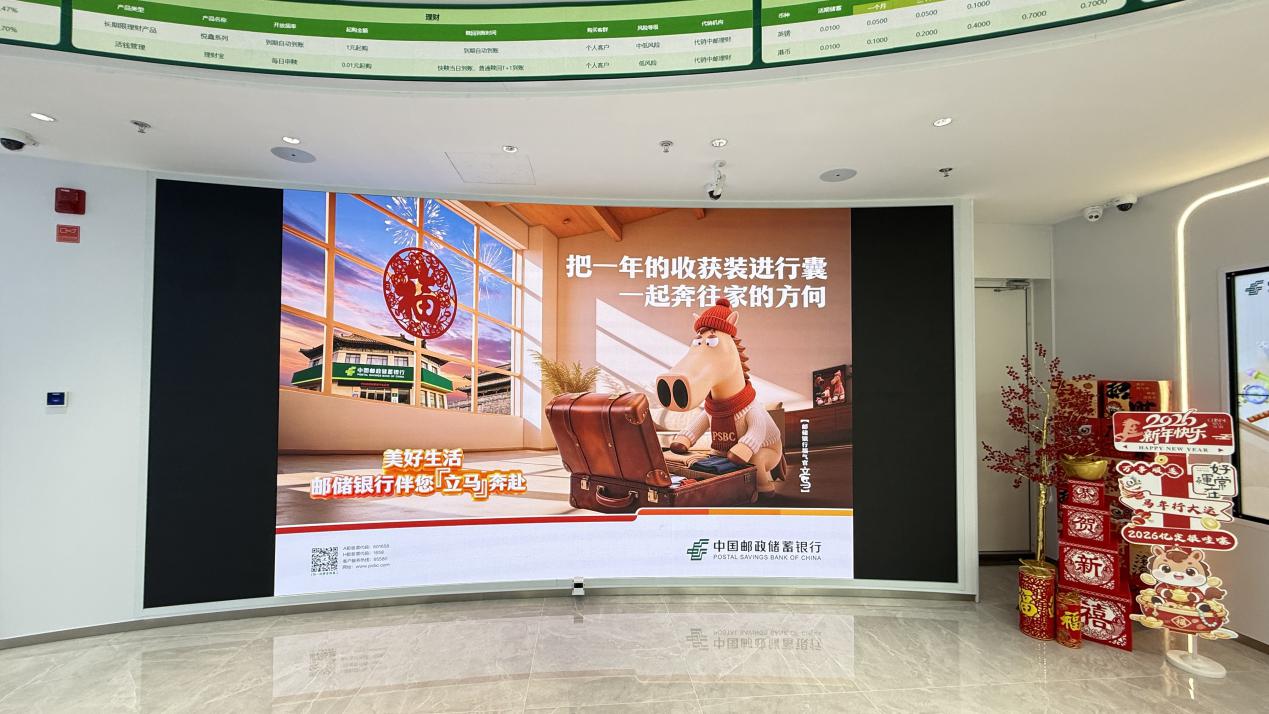
当银行担任“春节氛围组”,这年味“立马”藏不住了
Jin Rong Jie Zi Xun· 2026-02-11 06:46
Core Viewpoint - Postal Savings Bank is actively enhancing customer experience and engagement during the Spring Festival by offering a variety of festive financial services and community activities to create a warm and celebratory atmosphere [1]. Group 1: Festive Atmosphere in Branches - Postal Savings Bank branches are decorated in festive red, featuring traditional activities such as calligraphy and paper-cutting to celebrate the New Year [3]. - In Hunan, the bank's branch combines cultural elements with technology to create an engaging service environment, hosting interactive cultural experiences [3]. - The Dalian branch organized a "Spring Day Initiation" event where calligraphers and customers participated in writing Spring Festival couplets, fostering closer relationships with clients [3]. Group 2: Community Engagement - Bank staff are actively visiting communities to provide financial services and distribute auspicious Spring Festival couplets, establishing a tradition of community engagement [4]. - In Ningbo, a temporary financial service point was set up in a community to offer convenient services and deliver festive greetings to residents [4]. Group 3: Financial Services During the Festival - Postal Savings Bank has prepared for the Spring Festival by ensuring both online and offline services are available, allowing customers to conduct transactions seamlessly [5]. - In Anhui, the bank organized a "New Year, New Money" service to facilitate the exchange of new banknotes, ensuring customers can obtain fresh currency for the holiday [5]. - The bank's online services will remain operational 24/7 during the festival, catering to various financial needs such as transfers and payments [5]. Group 4: Fraud Prevention Initiatives - The bank is conducting outreach programs to educate the public on fraud prevention, particularly during the busy holiday season [6]. - In Chongqing, the bank collaborated with local communities to raise awareness about illegal fundraising and telecom fraud through interactive sessions [6]. - Targeted campaigns are being conducted in Jiangxi to inform vulnerable groups, such as the elderly and returning workers, about common scams and safe financial practices [7]. Group 5: Mobile Financial Services - Postal Savings Bank is delivering financial services directly to rural areas and markets, providing convenient access to banking for local residents [8]. - In Heilongjiang, a financial service team is visiting markets and farms to offer banking services, making it easier for customers to conduct transactions [8]. - The bank is promoting loan products to support local businesses in stocking up for the holiday season, addressing their financial needs directly [9]. Group 6: Customer Success Stories - A customer in Gansu received a timely loan of 100,000 yuan to replenish her store's inventory, demonstrating the bank's commitment to supporting local businesses [9][10]. - The successful loan allowed the store owner to prepare adequately for the festive season, showcasing the bank's role in enhancing local commerce [10].