BABA(09988)

Search documents
2月10日【港股Podcast】恒指、港交所 、舜宇光學科技、兗礦能源、快手、阿里巴巴
Ge Long Hui· 2026-02-11 05:04
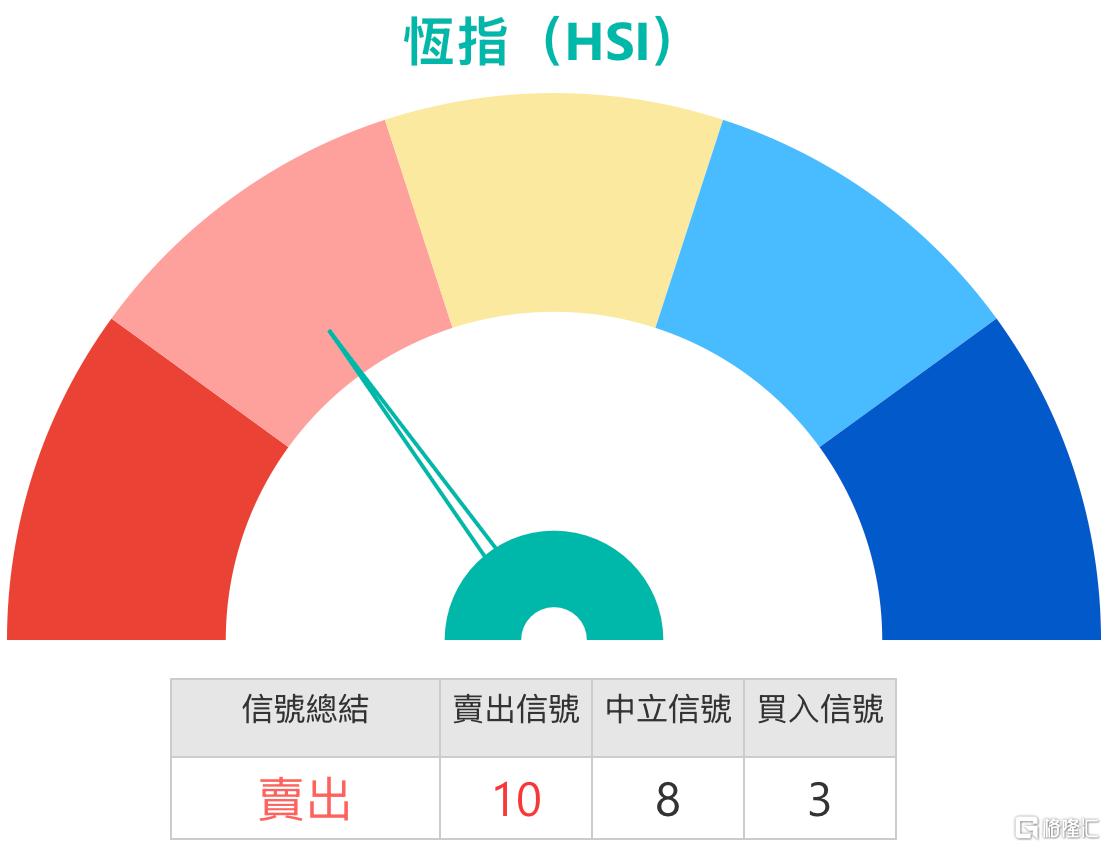
Group 1: Hang Seng Index (HSI) - The Hang Seng Index (HSI) closed at 27,183 points, with a slight increase of approximately 0.5% [1] - Market sentiment is divided, with bullish investors expecting a rebound to 27,300 points, while bearish investors plan to short at higher levels due to declining trading volume [1] - The overall trading volume has shown a significant decrease compared to previous trading days, indicating a lack of confidence in the market [1] Group 2: Hong Kong Stock Exchange (HKEX) - HKEX shares experienced a slight decline, with trading volume continuing to shrink, raising concerns about whether the stock has reached a bottom [7][8] - The first short-term support level for HKEX is at 409 HKD, and if this level is breached, the stock may drop to 393 HKD [7] - Investors are advised to consider bull certificates with a redemption price below 393 HKD for better safety [7] Group 3: Sunny Optical Technology (02382.HK) - Sunny Optical's stock closed at 59 HKD, showing a slight increase, but has been in a prolonged low-level consolidation phase [12] - The first short-term support level is at 57.4 HKD, and if breached, the stock may drop to 53.9 HKD [12] - Some investors are adopting a cautious approach by hedging with put options, despite strong buy signals from technical indicators [13] Group 4: Yancoal Australia Ltd (01171.HK) - Yancoal's stock has been performing well, reaching a high of 12.91 HKD, close to the key resistance level of 13 HKD [19] - If the stock successfully breaks through 13 HKD, it may further rise to 14.1 HKD, attracting interest in call options with a strike price of 14 HKD [19] - Investors are advised to choose options based on their expectations of the stock's short-term movements, balancing between high leverage and risk [20] Group 5: Kuaishou Technology (01024.HK) - Kuaishou's stock has been in a consolidation phase, with investors optimistic about a potential rise to 80 HKD after the Spring Festival [27] - The first key resistance level is at 76.9 HKD, and if surpassed, the stock may reach 81.8 HKD [27] - Investors are encouraged to consider options with strike prices closer to the current stock price for better competitiveness [27] Group 6: Alibaba Group (09988.HK) - Alibaba's stock rose by approximately 1.65%, but trading volume has decreased, indicating a cautious market sentiment [32] - Investors are optimistic about the stock reaching the 165-170 HKD range this week, supported by the recent surge in demand for its services [32] - The short-term resistance level is around 168 HKD, and if broken, the stock could rise to 173.5 HKD [32]





阿里Qwen3.5悄然曝光:春节档AI混战再添重磅选手
Sou Hu Cai Jing· 2026-02-11 04:44
Core Insights - Alibaba's new model Qwen3.5 is set to be integrated into the Transformers library, signaling its imminent release [2] - Qwen3.5 features a new hybrid attention mechanism, enhancing its efficiency and capability in processing information [2] - The model is expected to support visual understanding, enabling it to interpret images and videos, thus facilitating true multimodal interaction [2] Industry Context - The competitive landscape for large models is intensifying, with major players like ByteDance and others launching their own models [3] - Unlike competitors focusing on entertainment and content consumption, Alibaba aims to leverage Qwen3.5 for practical applications in e-commerce, logistics, and customer service [3] Strategic Approach - Alibaba's "model + ecosystem" strategy creates a competitive moat that is difficult for pure tech companies to replicate [4] - The industry is shifting from a focus on model size and computational power to efficiency and application [4] - Technologies like MoE allow for significant cost reductions without sacrificing performance, making AI commercially viable on a large scale [5] Future Implications - The seamless integration of models into users' daily lives will be crucial for success in the AI landscape [5] - Open-source initiatives are becoming essential for tech giants to build robust developer ecosystems, facilitating broader application and evolution of technology [5] - The unveiling of Qwen3.5 marks a significant step for Alibaba in capturing consumer-facing user engagement in the AI era [5]

阿里推出RynnBrain,机器人AI赛道再添猛将
Sou Hu Cai Jing· 2026-02-11 04:44
Group 1 - Alibaba has launched a new AI model named RynnBrain specifically designed for robots, further expanding its presence in the rapidly growing robotics sector [1][3] - RynnBrain aims to help robots understand their physical surroundings and recognize various objects, showcasing complex AI technology that enables precise movement control [3] - The global technology landscape is seeing significant investment in embodied intelligence, with China prioritizing this area for development [3] Group 2 - Other tech giants are also developing AI models for robotics, including NVIDIA's "Cosmos" series and Google's DeepMind with its Gemini Robotics-ER 1.5 [3] - Alibaba plans to adopt an open-source strategy for RynnBrain, allowing developers to use the model for free, which is a key method for promoting its AI technology globally [4] - The humanoid robot sector in China is experiencing strong growth, with multiple companies planning to expand production capacity this year [4]

阿里千问、飞猪宣布与全球超40家旅行品牌达成AI合作
Xin Lang Cai Jing· 2026-02-11 04:16
Group 1 - The core point of the article is that Alibaba's Qianwen and Fliggy have announced AI collaborations with over 40 global travel brands to provide exclusive subsidies and value-added benefits for their AI users [1] Group 2 - The initial brands participating in the AI collaboration include major airlines such as China Eastern Airlines, China Southern Airlines, China United Airlines, Shandong Airlines, Beibu Gulf Airlines, Jinpeng Airlines, Lucky Air, Hong Kong Airlines, Emirates, United Airlines, Gulf Air, Turkish Airlines, Lufthansa, Air New Zealand, and Scoot [1] - The hotel and resort brands involved are Wanda Hotels and Resorts, Kylin Forest Park, Jinjiang, Huazhu, Shoulv Ruijia, Duolanda, and Dala Zhiye [1] - Notable theme parks participating in the collaboration include Shanghai Disneyland Resort, Hong Kong Disneyland, Fantawild Theme Park, and Haichang Ocean Park [1]
中邮证券:互联网大厂积极备战春晚 入口之争引领AI行情
智通财经网· 2026-02-11 03:49
Core Viewpoint - Major domestic CSP companies are viewing multimodal AI as a strategic necessity to break through the limitations of pure text interaction and seize the next-generation "super entry" point in the AI landscape [1] Group 1: Market Dynamics - The "super entry competition" is expected to become the main theme of AI in 2026, with major players like Tencent, Alibaba, ByteDance, and Baidu investing over 4.5 billion yuan in cash red envelopes to capture AI application traffic during the Spring Festival [2] - ByteDance's Doubao has become the exclusive AI cloud partner for the 2026 CCTV Spring Festival Gala, offering interactive features and distributing over 100,000 tech gifts and a maximum of 8,888 yuan in red envelopes [2] - Tencent's Yuanbao aims to replicate the "WeChat red envelope moment," with a cash red envelope investment of 1 billion yuan, resulting in a significant increase in new users from approximately 9.17 million on January 31 to 2.76 million on February 2 [2] - Alibaba's Qianwen is positioned as a life and work assistant, launching a 3 billion yuan "Spring Festival invitation plan" and integrating AI into program interactions [2] Group 2: Infrastructure and Investment - The Spring Festival activities have led to server outages due to surges in traffic, indicating a potential acceleration in Capex and a spike in computing power demand for 2026 [3] - Alibaba is considering increasing its investment in AI infrastructure and cloud computing from 380 billion yuan to 480 billion yuan over the next three years, while ByteDance plans to raise its capital expenditure to approximately 160 billion yuan in 2026, up from 150 billion yuan in 2025 [4] Group 3: Technological Advancements - In 2026, multimodal capabilities are no longer seen as an additional feature but as a strategic upgrade direction for major companies competing for the "super entry" [5] - ByteDance has launched the AI video generation model Seedance 2.0, which can create multi-shot videos with synchronized audio in 60 seconds based on text descriptions or single images [5] - Alibaba has introduced the next-generation image generation model Qwen-Image-2.0, which offers superior text rendering and realistic textures, achieving excellent performance in both text-to-image and image-to-image benchmarks [5] Group 4: Investment Recommendations - Investment opportunities identified include companies in the ByteDance chain such as Dazhi Technology, Dongyangguang, and others [6] - For the Alibaba chain, recommended investments include Data Port, Shiji Information, and others [7] - In the Tencent chain, companies like Kehua Data, Fanwei Network, and others are highlighted [7] - Additional recommendations include various domestic and overseas computing power companies [6][7]


大厂积极备战春晚,入口之争引领AI行情
China Post Securities· 2026-02-11 03:08
Industry Investment Rating - The investment rating for the computer industry is "Outperform the Market" and is maintained [1] Core Insights - The report highlights a significant shift in the Chinese internet industry as major players invest over 4.5 billion yuan in cash red envelopes to capture AI super entry points during the Spring Festival [4] - The report anticipates that the demand for AI computing power will surge due to increased user engagement during the Spring Festival activities, leading to a stable growth trajectory for inference computing power [6] - Major companies are expected to ramp up their capital expenditure plans, with Alibaba considering an increase from 380 billion yuan to 480 billion yuan for AI infrastructure and cloud computing over the next three years [6] Summary by Relevant Sections Industry Basic Situation - The closing index for the computer industry is 5546.12, with a 52-week high of 6151.34 and a low of 4080.58 [1] Recent Research Reports - The report discusses the competitive landscape among major companies like Tencent, Alibaba, and ByteDance as they vie for dominance in AI applications during the Spring Festival [4][5] - Tencent's user growth surged significantly, with daily new users increasing from approximately 9.17 million to 2.27 million within a few days due to its cash red envelope initiative [5] Investment Recommendations - The report suggests focusing on various supply chains associated with major companies, including ByteDance, Alibaba, and Tencent, as well as domestic and overseas computing power providers [8][9]
国泰海通:阿里巴巴-W押注模型、生态与AI基础设施 争夺下一代平台主导权
Zhi Tong Cai Jing· 2026-02-11 03:05
国泰海通发布研报称,阿里巴巴-W(09988)AI战略的核心不再是单一模型规模或跑分,而是把"通义千 问"与阿里数字经济体高频场景(电商、本地生活、支付、出行、办公等)系统性打通,形成"能办事、办 成事"的闭环体验,并把AI从流程"外挂"升级为用户接入服务的首要界面(AI即入口)。阿里巴巴AI顶层 战略由比模型转向拼体系,依托千问入口化与云钉百炼平台协同,并加大云与AI基础设施资本开支, 打造闭环能力以争夺下一代平台主导权。 AI2C负责用户规模与超级应用,AI2B面向企业商业化 千问App"入口化宣言"落地,以"办事能力+生态级连接"建立差异化。2026年1月进一步重大升级,全面 接入淘宝、支付宝、淘宝闪购、飞猪、高德等生态业务,标志着阿里将C端"入口之战"从构想推向实 战。钉钉被定位为"企业级AI智能体平台",承载把模型能力嵌入企业工作流与业务系统;供给侧"云钉一 体"与百炼共同指向Agent规模化,商业模式从卖功能订阅走向"卖效果、卖产出"。 明确将资金大规模投向云与AI基础设施 风险提示:AI技术发展不及预期,AI商业落地不及预期,市场竞争加剧的风险。 国泰海通主要观点如下: 阿里的顶层战略正在发生变 ...

国泰海通:阿里巴巴-W(09988)押注模型、生态与AI基础设施 争夺下一代平台主导权
智通财经网· 2026-02-11 03:03
Group 1 - Alibaba's AI strategy is shifting from focusing on single model scale to integrating "Tongyi Qianwen" with high-frequency scenarios in its digital economy, creating a closed-loop experience that emphasizes practical application [1] - The internal concept of "Tongyun Ge" integrates Tongyi Lab, Alibaba Cloud, and Pingtouge into a "golden triangle," highlighting the collaboration of computing power, model capabilities, and system engineering to build a foundational platform for the AI era [1] - The company aims to compete for the next-generation platform by investing heavily in cloud and AI infrastructure, including data center expansion and high-performance GPU procurement [3] Group 2 - The "Qianwen App" will establish differentiated capabilities through "task execution ability + ecosystem-level connections," marking a shift from conceptualization to practical implementation in the C-end "entry battle" [2] - DingTalk is positioned as an "enterprise-level AI intelligent platform," embedding model capabilities into business workflows and systems, with a business model transition from selling features to selling outcomes [2] - The company is accelerating the transformation of capital into actual computing power supply, focusing on global data center construction and the expansion of existing facilities [3]
阿里加速AI生态建设!低费率云计算ETF华夏(516630)逆势上涨,网宿科技涨超10%
Mei Ri Jing Ji Xin Wen· 2026-02-11 02:59
Group 1 - The core viewpoint of the news highlights the rising performance of the cloud computing ETF Huaxia (516630), which saw an initial increase of 1% before settling at a 0.22% gain, indicating a potential upward trend in the sector [1] - The news mentions that the stock of Wangsu Science & Technology surged over 10%, along with other companies like Dongfang Guoxin, State Grid Information Communication, Qixin, and Aofei Data, reflecting positive market sentiment in the cloud computing and AI sectors [1] - Alibaba's integration of the Qianwen APP into its ecosystem, particularly its testing with the Damai platform for movie ticket purchases, signifies a strategic move to enhance user engagement and drive AI adoption [1] Group 2 - The report notes that Alibaba launched a promotional campaign, "Qianwen Spring Festival 3 Billion Free Orders," which achieved over 10 million orders within 9 hours, showcasing the strong demand for AI-driven services [1] - The introduction of Alibaba's new image generation and editing model, Qwen-Image-2.0, is aimed at supporting the Qianwen large model, indicating ongoing advancements in AI technology [1] - According to iiMedia Consulting, Alibaba aims to leverage AI for user engagement and ecosystem monetization, which is expected to significantly enhance user habits in utilizing AI services [1] Group 3 - The Huaxia cloud computing ETF focuses on domestic AI software and hardware capabilities, with a combined weight of computer software, cloud services, and computer equipment reaching 83.7%, indicating a strong emphasis on AI applications [2] - The ETF has a low comprehensive fee rate of only 0.20%, making it one of the most cost-effective options in its category [2]

AI拉动 阿里云市场份额扩大至36%
Di Yi Cai Jing· 2026-02-11 02:50
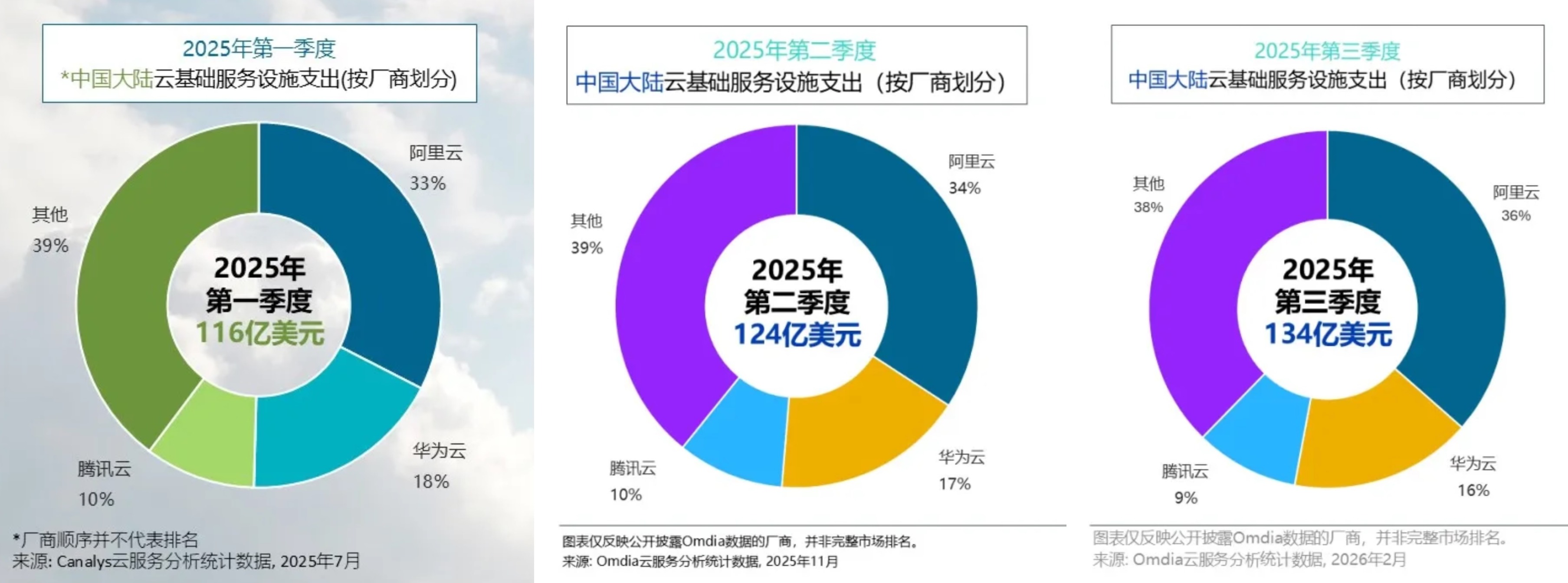
国际市场研究机构Omdia最新数据显示,2025年第三季度,阿里云在中国云市场的份额从上季度的34%提升至36%,领先优势扩大。同时,阿里云市场份额 已连续三个季度保持增长,稳居中国市场第一地位。Omdia指出,AI日益成为核心云基础设施服务新增需求的主要驱动力。根据阿里巴巴财报,阿里云AI相 关产品收入已连续九个季度实现三位数同比增长。 (文章来源:第一财经) ...