CM BANK(600036)

Search documents
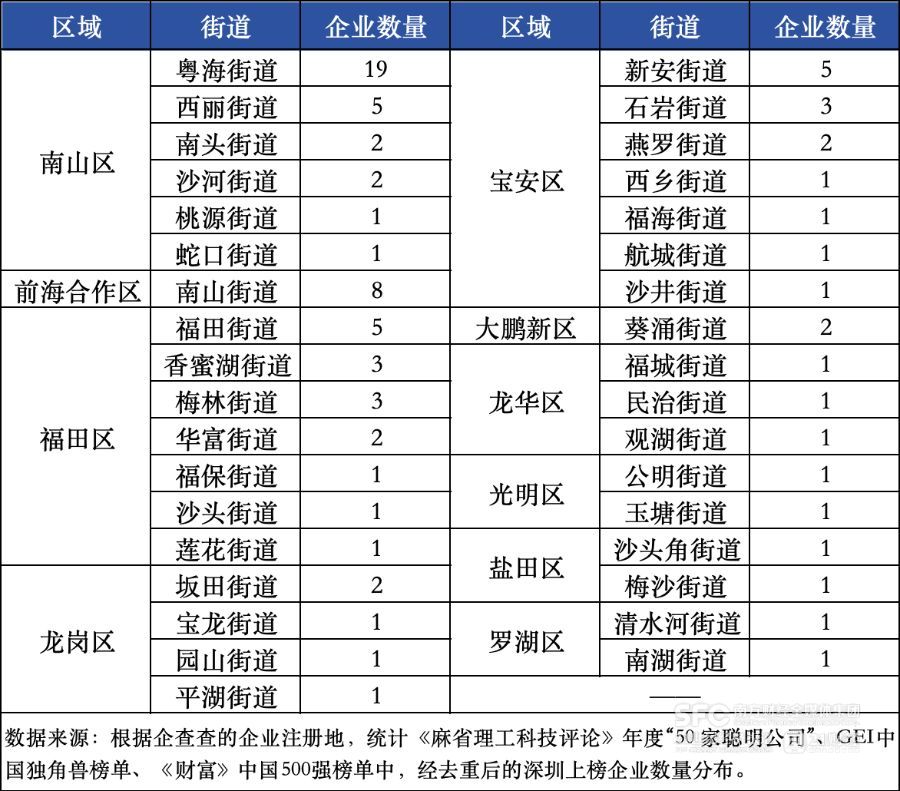
银行渠道本周在售最低持有期理财产品榜单(9/22-9/28)
2 1 Shi Ji Jing Ji Bao Dao· 2025-09-22 07:04
Core Viewpoint - The article emphasizes the importance of distinguishing between various bank wealth management products with similar names and characteristics, providing a weekly performance ranking of these products to assist investors in making informed choices [1][2]. Group 1: Product Performance Rankings - The article presents a ranking of wealth management products based on their annualized returns for different holding periods: 7 days, 14 days, 30 days, and 60 days [1]. - For the 7-day holding period, the top-performing product is from Minsheng Bank with an annualized return of 9.75% [4]. - The 14-day holding period rankings show Minsheng Bank's product achieving an annualized return of 8.34% [6]. - In the 30-day holding period, Hangzhou Bank leads with a return of 24.26% [11]. - For the 60-day holding period, China Bank's product tops the list with a return of 26.21% [15]. Group 2: Investment Institutions - The ranking includes products from 28 distribution institutions, such as Industrial and Commercial Bank of China, Bank of China, Agricultural Bank of China, and others [1]. - The performance data is sourced from the Nanfang Financial Terminal, ensuring a comprehensive overview of available products [4][11][15]. Group 3: Methodology and Data Collection - The performance metrics are calculated based on the annualized yield over the respective holding periods, with the same institution and product series retained for comparison [1]. - The article advises investors to refer to the actual product listings on the banks' apps, as availability may vary due to factors like quota exhaustion [1].







信用卡汇兑变革:人民币直接入账如何影响你的境外消费?
Xin Lang Cai Jing· 2025-09-22 01:04
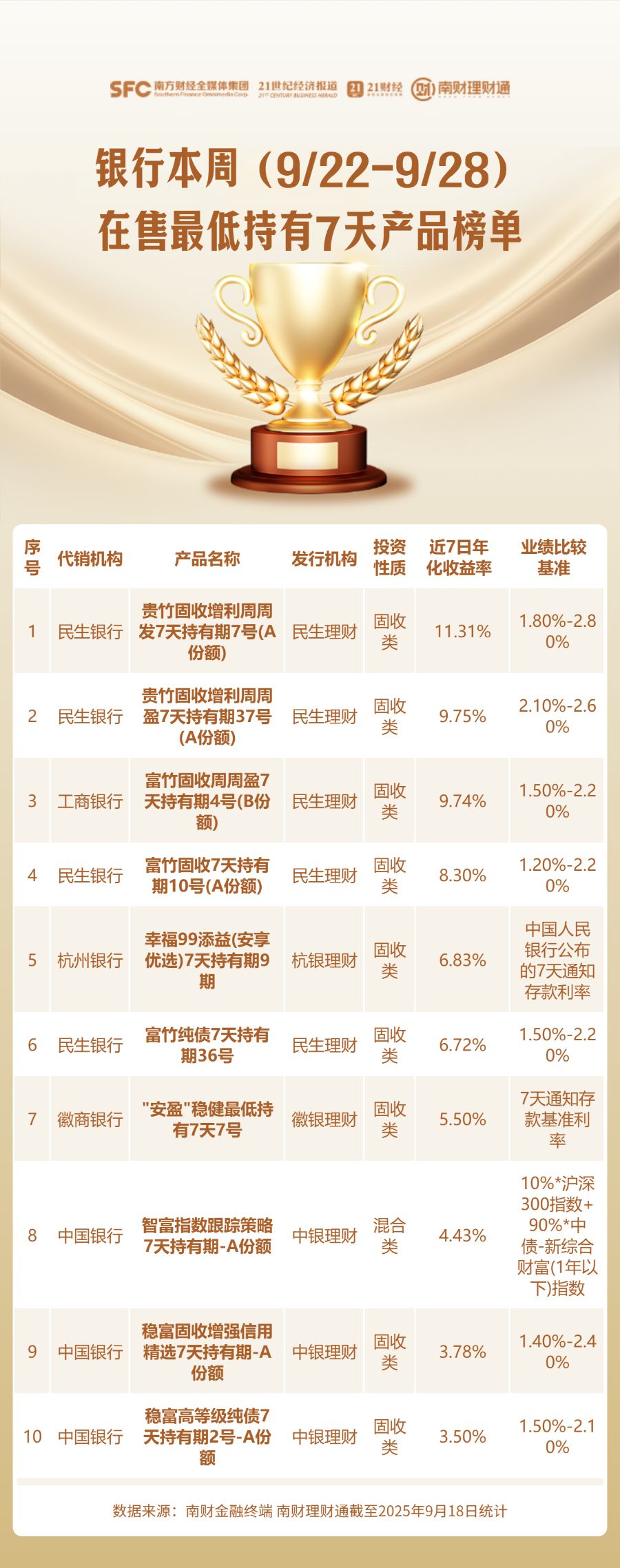
Core Viewpoint - The recent changes in credit card foreign currency transaction settlement methods by Ping An Bank and China Merchants Bank are set to enhance the cross-border payment experience for millions of consumers by allowing direct settlement in RMB, eliminating the previous USD intermediary step [1][4][10]. Group 1: Changes in Credit Card Settlement Mechanism - China Merchants Bank announced that starting from October 28, 2025, cross-border transactions for specific Mastercard credit cards will be settled directly in RMB instead of going through USD [2][4]. - Ping An Bank implemented a similar change earlier, allowing credit card foreign currency transactions to be settled in RMB starting from September 25, 2023, covering multiple card types including Mastercard, Visa, and JCB [4][5]. Group 2: Impact on Consumer Experience - The new direct RMB settlement model simplifies the transaction process, reducing the number of currency conversions from two to one, which may lower costs associated with multiple exchanges [6][9]. - Consumers will see RMB amounts displayed for cross-border transactions before they are settled, enhancing transparency and allowing for direct RMB repayments without the need for currency exchange [6][7]. Group 3: Exchange Rate Pricing Mechanism - Ping An Bank's pricing mechanism for RMB settlement is based on the previous day's exchange rate, which introduces a time lag and potential exchange rate risk for consumers [7][9]. - In contrast, China Merchants Bank will use the exchange rate published by Mastercard, providing real-time pricing and increasing transparency for consumers [9]. Group 4: Market Competition and Innovation - The opening of China's bank card clearing market has fostered competition, leading to innovations in cross-border payment services [10][11]. - The introduction of direct RMB settlement services by banks in collaboration with card organizations reflects both technological advancements and competitive market dynamics, ultimately benefiting consumers with improved services and options [10][11].


银行群体为何易出ESG评级优等生 政策+治理双轮驱动下的绿色进化论
Zhong Guo Jin Rong Xin Xi Wang· 2025-09-21 23:19
Core Viewpoint - The MSCI ESG rating of CITIC Bank has been upgraded by two levels to the highest rating of AAA, reflecting the overall improvement of the banking industry's ESG performance in China, driven by regulatory policies and the banks' own efforts [1][2]. Group 1: ESG Ratings and Performance - As of September 19, five banks in China have achieved the MSCI ESG rating of AAA, including CITIC Bank, which upgraded on September 8, 2023 [2]. - Among 42 A-share listed banks, 25 banks have an ESG rating of A or above, indicating that nearly 60% of these banks have high ratings [2]. - The banking sector's ESG ratings outperform other industries, attributed to lower environmental and social risks and better digital infrastructure [2]. Group 2: ESG Reporting and Green Finance - All 42 A-share listed banks have disclosed their 2024 ESG reports, significantly higher than the overall ESG report disclosure rate of 46.83% for A-share listed companies [3]. - The rapid growth of green finance in the banking sector has significantly contributed to the improvement of ESG ratings, with major banks like ICBC and Bank of China leading in green loan balances [3]. - By June 2025, the banking sector's green loan balance is expected to reach approximately 42 trillion yuan [3]. Group 3: Regulatory and Policy Drivers - National policies and regulatory requirements have driven the continuous improvement of ESG performance in the banking sector, including guidelines from the former CBIRC and the central bank's carbon reduction support tools [4]. - The emphasis on information disclosure in the banking sector has been reinforced by regulatory frameworks, enhancing transparency and accountability [4]. Group 4: Governance and Management - Major banks are integrating ESG into their corporate strategies, viewing it as a catalyst for business innovation and risk management [5]. - Banks have established comprehensive ESG management systems, with governance structures that include dedicated committees for overseeing ESG initiatives [6]. - Training programs on ESG-related knowledge are being implemented to enhance management capabilities within banks [6]. Group 5: Social Dimensions and Community Impact - The banking sector has made significant strides in consumer rights protection and inclusive finance, with banks like CITIC Bank and China Merchants Bank implementing systematic compliance measures [7]. - The promotion of inclusive finance is evident, with banks disclosing increases in loans to small and micro enterprises [7]. - In rural revitalization efforts, banks have increased agricultural loan balances and provided substantial funding for community projects [8]. Group 6: Climate Change and Innovation - The banking sector is increasingly focusing on climate issues, conducting risk assessments related to climate change and developing innovative financial products to support green transitions [9]. - Banks are beginning to disclose financing emissions as part of their ESG reports, with pilot projects already underway [9]. - Innovative financing solutions, such as ESG-linked loans, are being introduced to incentivize environmentally friendly practices among borrowers [10][11].



银行群体为何易出ESG评级优等生
Zhong Guo Zheng Quan Bao· 2025-09-21 20:17
Core Insights - The MSCI ESG rating of CITIC Bank has been upgraded by two levels to the highest AAA rating, making it one of five banks in the A-share market to achieve this rating [1][2] - China's banking sector is leading in ESG performance compared to other industries, with 25 out of 42 listed banks rated A or above [2][3] - The improvement in ESG ratings is attributed to both regulatory support and the banks' own efforts in governance and green finance innovation [1][4] ESG Performance - As of September 19, five banks, including CITIC Bank, have achieved the AAA rating in the MSCI ESG ratings [1] - The average ESG rating of the banking sector is higher than that of other industries, with nearly 60% of listed banks rated A or above [2] - The disclosure rate of ESG reports among A-share listed banks is significantly higher than the overall market, with 100% of banks disclosing their 2024 ESG reports compared to 46.83% for all A-share companies [2] Green Finance Growth - The scale of green finance in the banking sector has been growing rapidly, with major banks like ICBC and Bank of China leading in green loan balances [3] - As of June 2023, ICBC's green loan balance exceeded 6 trillion yuan, while Bank of China's green loan balance reached 4.54 trillion yuan, growing by 16.95% compared to the end of 2024 [3] - The total green loan balance in the banking sector is projected to reach approximately 42 trillion yuan by June 2025 [3] Governance and Strategy - Banks are increasingly integrating ESG into their corporate strategies, with many viewing it as a catalyst for business innovation and risk management [4][5] - Major banks have established comprehensive ESG management systems, with clear responsibilities for ESG-related risk management at the board level [4] - Training programs on ESG governance and sustainable development are being implemented, with ICBC training over 120,000 employees in 2024 [5] Social Responsibility - Banks are enhancing their performance in consumer rights protection and inclusive finance, contributing positively to their ESG ratings [6][7] - For instance, CITIC Bank and China Merchants Bank have implemented systematic compliance management measures for financial marketing [6] - In inclusive finance, China Merchants Bank reported a balance of 887.68 billion yuan in loans to small and micro enterprises by the end of 2024, an increase of 83.4 billion yuan from the previous year [7] Climate Change Initiatives - The banking sector is increasingly focusing on climate-related issues, conducting stress tests and scenario analyses to assess the impact of climate change on their assets [8][9] - Banks are leveraging digital capabilities to support industrial transformation towards green and low-carbon practices [9] - Notable projects include Bank of China's financing for a carbon capture project and CITIC Bank's issuance of a green loan linked to sustainable development in the construction industry [10]
中欧价值领航混合型证券投资基金基金份额发售公告
Shang Hai Zheng Quan Bao· 2025-09-21 18:42
Group 1 - The fund being launched is the "China Europe Value Navigation Mixed Securities Investment Fund" with the code 024427 [15][2] - The fund is a mixed securities investment fund, operating in a contractual and open manner [15] - The fundraising period is from October 16, 2025, to October 28, 2025 [27] Group 2 - The minimum total number of fund shares to be raised is 200 million shares, with a minimum fundraising amount of 200 million RMB [5][22] - The fund is open to individual investors, institutional investors, qualified foreign investors, and other investors permitted by laws and regulations [18] - The minimum subscription amount for other sales institutions is 1 RMB, while the direct sales institution requires a minimum initial subscription of 10,000 RMB [8][23] Group 3 - The fund aims to achieve long-term stable growth of net asset value through selective stock picking while controlling investment portfolio risks [15] - The investment range includes various financial instruments such as stocks, bonds, and derivatives [19] - The fund's investment portfolio will allocate 60%-95% of its assets to stocks and depositary receipts, with a maximum of 50% of stock assets in Hong Kong Stock Connect stocks [21] Group 4 - The fund management company is China Europe Fund Management Co., Ltd., and the custodian is China Merchants Bank Co., Ltd. [56] - The fund's effective subscription funds will generate interest during the fundraising period, which will be converted into fund shares for the holders [39] - The fund's contract will become effective once the fundraising conditions are met, including a minimum of 200 million shares and 200 million RMB raised [55]
理性看待单一板块调整
Bei Jing Shang Bao· 2025-09-21 15:57
Group 1 - The recent pullback in the banking sector is seen as a rational correction following a period of significant short-term price increases, indicating a return to intrinsic value [1][2] - The banking sector, while having a high weight in the A-share market, does not significantly influence the long-term trend of the overall market, as its performance is just a small part of the broader market dynamics [1][2] - The fundamental value of banking stocks remains intact despite short-term price declines, as banks play a crucial role in the financial system with stable business models and robust risk management [1][2] Group 2 - Investors should avoid overemphasizing the performance of a single sector, as this can lead to impulsive decisions driven by market emotions, such as panic selling or blind buying [2][3] - A diversified investment approach across multiple promising sectors can mitigate risks associated with the volatility of any single sector, aligning with the ultimate goal of value investing [2][3] - Long-term value of listed companies should be prioritized over short-term market fluctuations, as economic growth and company performance are the primary drivers of stock price increases [3]
侃股:理性看待单一板块调整
Bei Jing Shang Bao· 2025-09-21 12:04
Group 1 - The recent pullback in the banking sector is seen as a rational correction following a period of significant short-term price increases, indicating a return to intrinsic value [1][2] - The banking sector, while having a high weight in the A-share market, does not significantly influence the long-term trend of the overall market, as its performance is just a small part of the broader market dynamics [1][2] - The fundamental value of banking stocks remains intact despite short-term price declines, as banks play a crucial role in the financial system with stable business models and robust risk management [1][3] Group 2 - Investors should avoid overemphasizing the performance of a single sector, as this can lead to impulsive decisions driven by market emotions, such as panic selling or blind buying [2][3] - A diversified investment approach across multiple promising sectors can mitigate risks associated with the volatility of any single sector, aligning with the ultimate goal of value investing [2][3] - Long-term value of listed companies should be prioritized over short-term market fluctuations, as economic growth and company performance are the primary drivers of stock price increases [3]
本周聚焦:三阶段视角:银行资产质量及拨备计提力度如何?
GOLDEN SUN SECURITIES· 2025-09-21 10:34
Investment Rating - The report maintains a positive outlook on the banking sector, suggesting potential investment opportunities due to favorable policy catalysts and improving fundamentals in certain banks [12]. Core Insights - The report highlights the adequacy of loan loss provisions among listed banks, with a provision coverage ratio of 70.8% for Stage 3 loans, indicating limited future impact on profits [2][12]. - It emphasizes the improvement in asset quality, particularly in Stage 3 loans, with notable reductions in the proportion of such loans for several banks compared to the end of Q4 2024 [1][2]. - The report suggests a focus on banks with positive fundamental changes and continuous improvement in financial statements, recommending specific banks for investment [12]. Summary by Sections 1. Loan Quality and Provisioning - The proportion of Stage 3 loans is relatively low for banks like Chengdu Bank (0.66%) and Ningbo Bank (0.76) [1]. - Significant improvements in Stage 3 loan ratios were observed for Chongqing Bank (-61bp) and Guiyang Bank (-48bp) compared to Q4 2024 [1]. - The provision coverage for Stage 3 loans is high, with leading banks like Qingnong Bank (4.35%) and Yunan Bank (4.16%) showing strong provisioning ratios [2]. 2. Financial Assets - The proportion of Stage 3 financial assets is low, with most banks not exceeding 0.05%, indicating manageable asset quality pressure [4]. - The report notes that the provision coverage for financial investments is also robust, with Zhejiang Bank (3.16%) and Qingdao Bank (2.85%) leading in provisioning ratios [8]. 3. Sector Outlook - The report anticipates that expansionary policies aimed at stabilizing the economy will benefit the banking sector, with a focus on banks like Ningbo Bank and Jiangsu Bank for potential investment [12]. - It highlights the ongoing economic recovery and the potential for interest rate cuts, suggesting a sustained dividend strategy for certain banks [12].

广西吸引超百亿基金集聚 打造面向东盟人工智能合作高地
Zhong Guo Xin Wen Wang· 2025-09-20 09:30
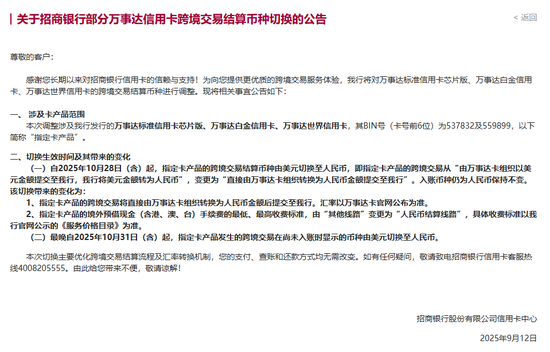
Core Viewpoint - The 2025 China-ASEAN Artificial Intelligence Capital Matching Conference aims to promote collaboration in AI technology innovation, industry development, and capital integration in Guangxi, positioning it as a global capital window for the AI industry targeting ASEAN markets [1][3]. Group 1: Event Overview - The conference was held on September 19 in Nanning, Guangxi, organized by the Guangxi Zhuang Autonomous Region's Industrial Park Reform and Development Office [3]. - Over 200 investment institutions and enterprise representatives participated, with 23 private equity institutions expressing intentions to establish funds totaling 18.1 billion yuan [3][6]. Group 2: Financial Support and Initiatives - Guangxi has established an AI industry fund with a total subscription scale of no less than 10 billion yuan, creating a "1+10+N" fund cluster to support AI industry development [3][4]. - China Merchants Bank announced a comprehensive service system for AI industry development in Guangxi, providing support through a multi-billion yuan industry fund and connecting capital with the AI sector [4]. Group 3: Future Plans - Guangxi plans to continue various capital matching activities to attract more funds and guide quality AI and manufacturing projects to settle in the region [6].
84家“独角兽—聪明公司—超级企业” 串起“深圳创新长廊”
2 1 Shi Ji Jing Ji Bao Dao· 2025-09-20 03:24
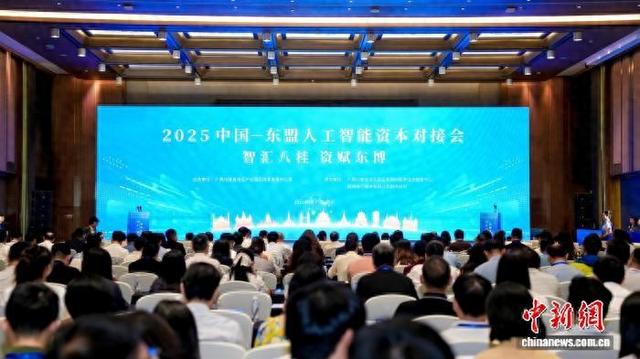
Core Insights - Shenzhen has shown remarkable performance in various prestigious company rankings, with at least 84 companies listed across multiple reports, indicating its strength in innovation and technology [1][6] - The concentration of these companies is not uniform but is highly focused in specific districts such as Nanshan, Futian, Bao'an, and Qianhai, forming a clear "Shenzhen Innovation Corridor" [1][6][9] - This corridor represents a new innovation paradigm that integrates urban development, industrial ecology, and corporate leadership, paving a high-quality development path for the Greater Bay Area and China [2] Company Highlights - Among the "50 Smart Companies," Shenzhen has 9 representatives, including major players like Huawei and BYD, as well as emerging tech stars such as Thunderbird Innovation and Tuo Bamboo Technology [3][4] - Huawei reported a historical revenue of 862.1 billion RMB last year, with over 1.2 trillion RMB invested in R&D over the past decade, while BYD continues to lead in the global new energy vehicle market [3][4] - The listed companies span various sectors, with a focus on AI, robotics, chips, and life sciences, showcasing Shenzhen's technological prowess [3] Regional Distribution - Nanshan District is the primary hub for innovation, hosting 30 of the listed companies, with Yuhai Street alone accounting for 19 companies, including industry giants like Tencent and ZTE [7][8] - The concentration of high-tech firms in Yuhai Street contributes approximately 11% of Shenzhen's GDP, despite occupying less than 0.6% of the city's land [8] - Futian and Bao'an districts also host significant numbers of innovative companies, with Futian's unicorns valued at over 49 billion USD, contributing 31% to the district's total valuation [8][9] Innovation Ecosystem - Shenzhen's innovation ecosystem is supported by a robust mechanism for discovering and nurturing innovative companies, focusing on finance, innovation, talent, and market resources [11][12] - The city has established a comprehensive service system to support strategic emerging industries, including the establishment of the "20+8" industrial cluster fund [11] - Shenzhen is also pioneering regulations in emerging fields like smart connected vehicles and artificial intelligence, fostering a flexible regulatory environment to encourage innovation [12]