
TRT(600085)

Search documents
两个“同仁堂”?消费者避坑要注意这些
Di Yi Cai Jing· 2025-12-07 09:21
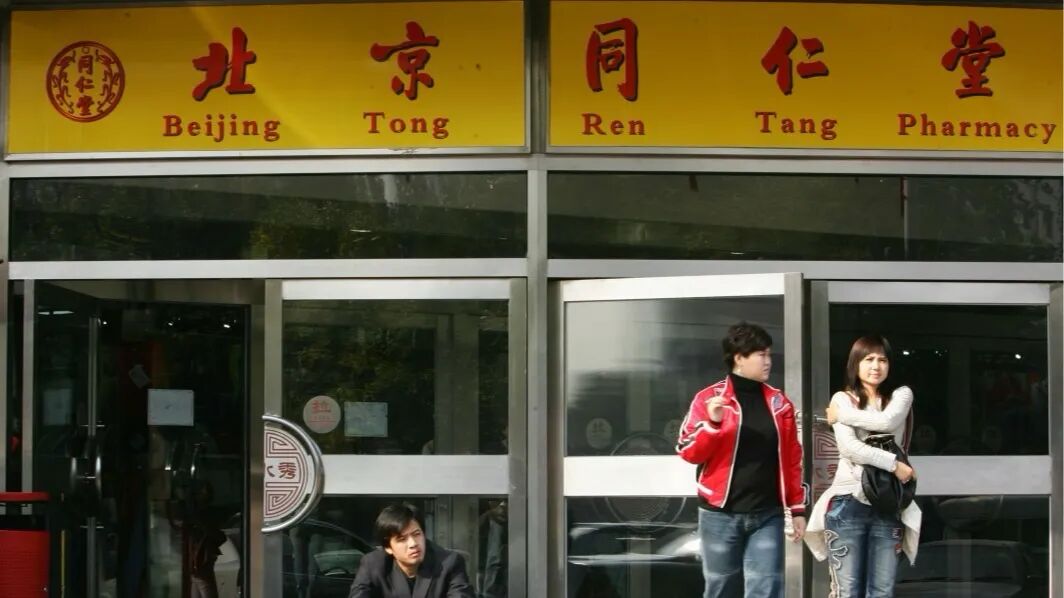
Core Insights - The article highlights consumer complaints regarding counterfeit products from the traditional Chinese medicine brand "Beijing Tongrentang," specifically the absence of the "Double Dragon Mark" on purchased items [2] - It discusses the existence of multiple trademarks associated with Beijing Tongrentang, including those owned by its subsidiaries, which have led to confusion among consumers [2] - The article emphasizes the legal implications of trademark usage and the responsibilities of Beijing Tongrentang regarding the products sold under its name [3][4] Trademark Issues - Consumers have reported purchasing products that claim to be from Beijing Tongrentang but lack the official "Double Dragon Mark," leading to concerns about authenticity [2] - Several subsidiaries of Beijing Tongrentang, such as Beijing Tongrentang Xingan Health and Beijing Tongrentang (Sichuan) Pharmaceutical, have been found to use similar branding, which can mislead consumers [2] - Legal experts indicate that the use of the Beijing Tongrentang name by these subsidiaries may still constitute trademark infringement, as it can create confusion among consumers [3] Brand Management and Consumer Trust - The article suggests that consumers should verify product packaging to ensure they are purchasing items directly from the parent company to avoid counterfeit or substandard products [4] - It points out a conflict between maintaining brand integrity and the financial interests of the parent company and its subsidiaries, which may lead to potential quality control issues [4] - The ongoing situation could force Beijing Tongrentang to reconsider its branding strategy if significant quality issues arise from products sold under its name [4]


两个“同仁堂”?消费者避坑要注意这些
第一财经· 2025-12-07 09:14
Core Viewpoint - The article discusses consumer complaints regarding counterfeit products from the traditional Chinese medicine brand "Beijing Tongrentang," highlighting issues with trademark usage and brand integrity [3]. Group 1: Trademark Issues - Multiple trademarks related to "Beijing Tongrentang" exist, including those owned by subsidiaries like Beijing Tongrentang Xingan Health and Beijing Tongrentang (Sichuan) Pharmaceutical [3][4]. - The parent company, Tongrentang Group, has stated that it has never authorized its subsidiaries to use the "Tongrentang" trademark for external business activities, indicating potential trademark infringement by these subsidiaries [3][5]. Group 2: Product Quality Concerns - Products offered by the subsidiaries primarily include health drinks claiming to be "medicinal food," but only those with the "Double Dragon Mark" are permitted to be sold as medicines by the parent company [4]. - Legal experts suggest that the way subsidiaries use the "Beijing Tongrentang" name on their products could mislead consumers, potentially implicating the parent company in any quality or advertising issues that arise [5][6]. Group 3: Brand Integrity and Consumer Trust - The situation reflects a conflict between maintaining the core value of the Beijing Tongrentang brand and the financial interests of its subsidiaries [6]. - Consumers are advised to verify product packaging to ensure they are purchasing items directly from the parent company to avoid counterfeit or substandard products [6].
没有双龙标的“同仁堂”还是那个“北京同仁堂”吗?消费者避坑要注意这些
Di Yi Cai Jing· 2025-12-07 08:46
Core Viewpoint - There is a growing concern among consumers regarding counterfeit products of the traditional Chinese medicine brand "Beijing Tongrentang," particularly those lacking the "Double Dragon Mark" [3][5]. Group 1: Brand and Trademark Issues - Multiple trademarks related to "Beijing Tongrentang" exist, including those owned by subsidiaries like Beijing Tongrentang Xingan Health and Beijing Tongrentang (Sichuan) Pharmaceutical [3][5]. - The parent company, Tongrentang Group, has publicly stated that it has never authorized its subsidiaries to use the "Tongrentang" trademark for external promotional activities, indicating that any such actions are unauthorized and infringe on its trademark rights [5]. - Products offered by these subsidiaries primarily include health drinks that claim to be "medicinal and edible," such as "Jasmine Flower Chenpi Fuling Dingxiang Tea" and "Lipid-lowering Tea" [5]. Group 2: Legal and Consumer Implications - Legal experts suggest that the use of trademarks by subsidiaries, even if they claim to use different names, still constitutes a form of trademark use that could mislead consumers [5][6]. - If products using the "Inner Court Use" or "Zhenhuang" trademarks encounter quality or false advertising issues, the parent company, Beijing Tongrentang, may bear some responsibility [6]. - The situation highlights a conflict between maintaining brand integrity and the financial interests of the parent and subsidiary companies, with potential repercussions if quality issues arise [6].

安国“鬼市”探宝 揭秘同仁堂宝藏药材“紫菀一号”
Bei Jing Qing Nian Bao· 2025-12-05 11:44
【安国"鬼市"探宝 揭秘同仁堂宝藏药材"紫菀一号"】您知道安国有个"鬼市"吗?凌晨四点,不少摊位的 暗处,悄悄摆着一种被称为"宝藏药材"的秘货,它是百年老字号同仁堂止咳平喘类药品里的核心原料, 但名字却又很少被提及。它就是"紫菀一号"。它背后究竟还藏着多少未揭的隐密?与普通紫菀相比,又 有多少不为人知的"暗门差异"?现在,就随我们的视频,一探究竟……(北京青年报记者 王浩雄 韩保 林 摄像 吕良璐 编辑 郭茂勇 统筹 孙慧丽) ...
阿里健康与北京同仁堂战略合作 共推安宫牛黄丸数字化慢病管理
Zheng Quan Shi Bao Wang· 2025-12-04 12:26
Core Viewpoint - Alibaba Health has announced a strategic partnership with Beijing Tongrentang, a well-known traditional Chinese medicine brand, to enhance digital healthcare services and shift from product sales to patient-centered health management [1] Group 1: Partnership Details - The collaboration will focus on the An Gong Niu Huang Wan series of products from Beijing Tongrentang, integrating the pharmaceutical expertise of Tongrentang with the digital platform services of Alibaba Health [1] - The partnership aims to create a comprehensive service loop covering "disease identification—scientific understanding—precise medication—long-term management" for chronic cardiovascular diseases [1] Group 2: Industry Implications - This cooperation injects digital momentum into traditional Chinese medicine brands, indicating a significant shift in the industry towards systematic health management rather than just single product sales [1]

片仔癀跌逾1%,录得5年新低,中药ETF(560080)震荡收跌近1%!流感步入高发期,呼吸系统用药需求猛增!机构:业绩拐点黎明将至
Sou Hu Cai Jing· 2025-12-04 09:46
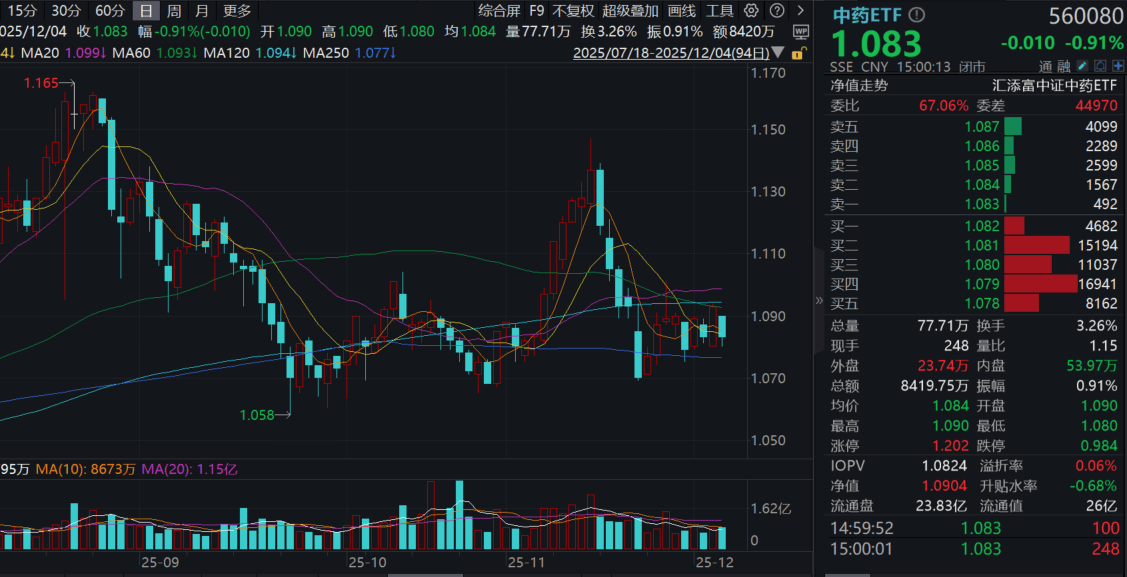
Core Viewpoint - The Chinese traditional medicine sector is experiencing increased activity due to a surge in flu cases, with the Chinese Medicine ETF (560080) showing a slight decline but still attracting investor interest [1][9]. Market Performance - The Chinese Medicine ETF (560080) closed down 0.91% today, remaining in a consolidation phase, with a trading volume exceeding 84 million yuan, a 7% increase from the previous trading day [1]. - The ETF's closing premium rate was 0.06%, indicating ongoing investor attention, with two out of the last five days seeing inflows [1]. - The ETF's latest scale reached 2.598 billion yuan, leading its peers in the same category [1]. Stock Performance - Most constituent stocks of the Chinese Medicine ETF closed in the red, with notable declines including: - Pianzaihuang down 1.59% to 168.75 yuan, marking a five-year low [3]. - Yiling Pharmaceutical down over 3%, and Zhongsheng Pharmaceutical down over 2% [3]. - Conversely, stocks like Yunnan Baiyao and Jilin Aodong saw slight increases [3]. Valuation Metrics - As of December 3, the TTM price-to-earnings (PE) ratio for the ETF's index was 25.12, positioned at the 23.11% percentile over the past decade, suggesting that the index is cheaper than 76% of the time historically [5]. - The TTM PE is just 0.38 away from the calculated opportunity value, indicating a potential entry point for investors [5]. Historical Performance - The year-to-date return for the Chinese Medicine Index remains negative at -2.24%, with a decline of 8.13% projected for 2024 [7]. - The index has shown a pattern of consecutive declines, with four consecutive negative years if 2023 is considered a down year [7]. Demand Drivers - The recent flu outbreak has led to a significant increase in demand for respiratory medications, with flu cases reported rising by 53.8% compared to the previous week [9]. - The flu activity is at its highest level since 2022, which is expected to boost the demand for related medications [9]. Industry Outlook - Analysts from Zheshang Securities predict an inflection point for the Chinese medicine sector, suggesting that the sector will attract more investment due to its stable cash flow and lower volatility compared to other sectors [9]. - The industry is expected to see improved revenue and net profit growth in the second half of 2025, aided by reduced cost pressures from declining raw material prices [9].


利好创新药 中国药品价格登记系统上线
2 1 Shi Ji Jing Ji Bao Dao· 2025-12-03 23:05
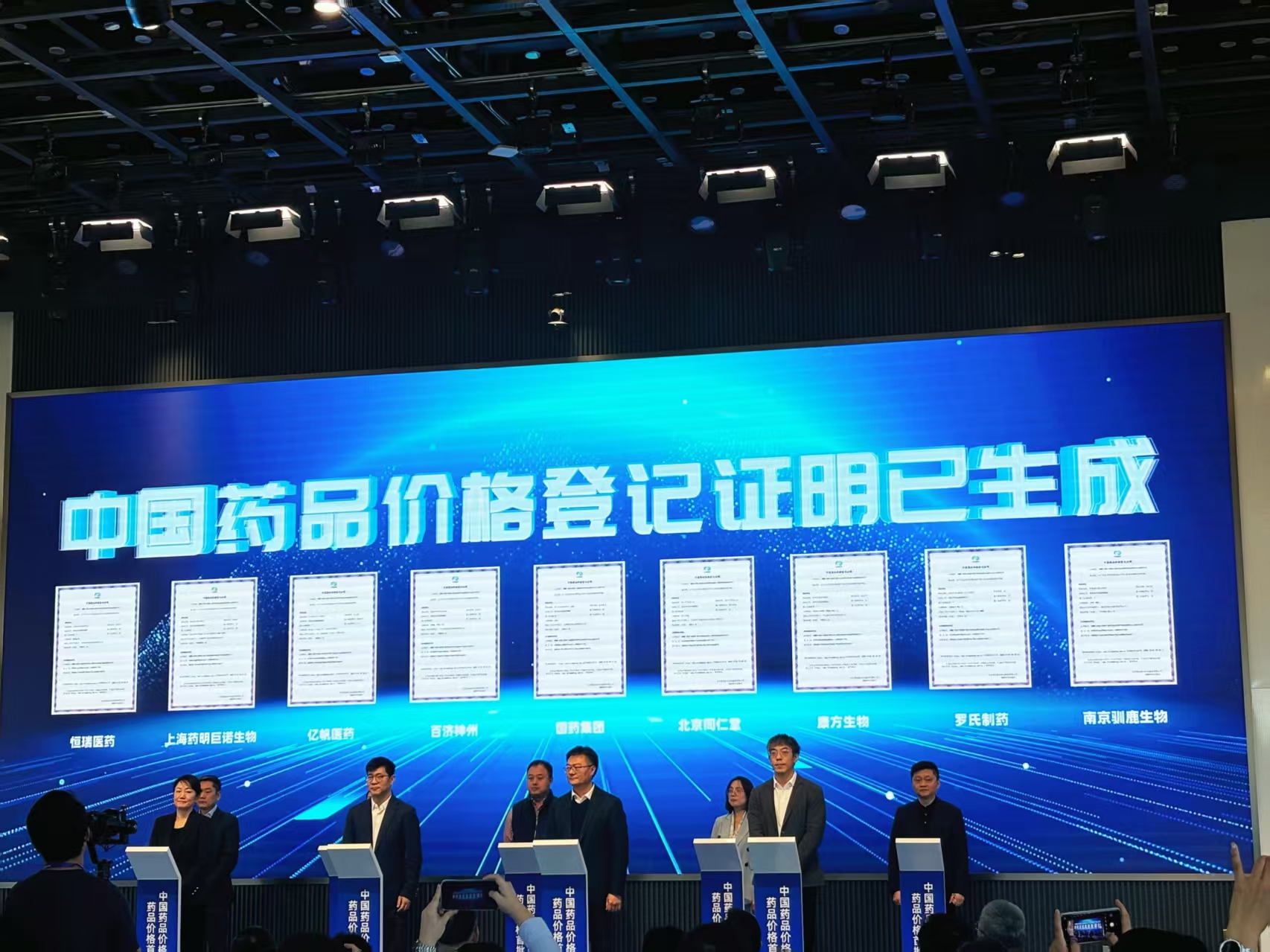
Core Viewpoint - The launch of the China Drug Price Registration System marks a significant step towards a globalized pricing framework for innovative drugs, enhancing market-oriented pricing capabilities for pharmaceutical companies and supporting the development of a new pricing ecosystem that aligns drug prices with innovation value and market demand [1][2][6]. Group 1: Drug Price Registration System - The new system allows domestic and international pharmaceutical companies to independently register drug prices, ensuring accountability for price authenticity [1][3]. - The system operates under the principle of "one location acceptance, nationwide sharing, global openness," and is managed by a state-owned enterprise in Beijing [1][3]. - The first batch of companies to register prices includes major players such as China National Pharmaceutical Group, Beijing Tongrentang, and Roche, indicating strong industry participation [3]. Group 2: Impact on Pharmaceutical Industry - The system is expected to enhance the pricing strategies of pharmaceutical companies, allowing them to adjust prices based on clinical value, supply-demand dynamics, and competitive landscape [3][4]. - The dual mechanism of registration and query will promote transparency in drug pricing, moving away from previous opaque practices [4]. - The establishment of this system is anticipated to create a comprehensive pricing structure that encompasses innovative drugs, insurance payment prices, and generic drug prices, benefiting the innovative drug sector [5]. Group 3: Global Market Development - The China Drug Price Registration System is designed to facilitate the international expansion of Chinese innovative drugs and attract high-quality foreign drugs into the Chinese market [2][5]. - Data indicates that the total amount of overseas licensing transactions by Chinese pharmaceutical companies exceeded $92 billion in the first three quarters of 2025, highlighting the growing global presence of Chinese innovative drugs [2]. - The system aims to address significant price discrepancies between domestic and international markets, influenced by factors such as currency exchange rates and pricing mechanisms [5]. Group 4: Long-term Industry Implications - The implementation of the drug price registration system is expected to enhance the global competitiveness of China's biopharmaceutical industry and drive high-quality innovation within the sector [6].



中国药品价格登记系统上线!创新药出海传来利好
Guo Ji Jin Rong Bao· 2025-12-02 13:41
Core Viewpoint - The launch of the drug price registration system in China is a significant step towards establishing a global pricing framework for innovative drugs, enhancing the international competitiveness of Chinese pharmaceutical companies [1][3][6]. Group 1: Drug Price Registration System - The drug price registration system, initiated by the National Healthcare Security Administration, allows domestic and foreign pharmaceutical companies to independently declare drug prices, creating a comprehensive pricing archive [1][3]. - The system operates independently from provincial procurement platforms and follows principles of "one location acceptance, nationwide sharing, and global openness," which aids in building a globalized drug pricing system [1][3]. - The registration of prices does not alter the medication costs for insured and uninsured individuals [1]. Group 2: Support for Chinese Pharmaceutical Companies - The new system addresses the shortcomings in the pricing mechanism for innovative drugs, facilitating their entry into international markets and allowing for pricing that aligns with local payment systems [3][4]. - Companies like Yifan Pharmaceutical highlight that the system will provide substantial support for overseas expansion, allowing for a more accurate reflection of the true value of innovative drugs [4]. - The system enables companies to register prices according to international practices, providing verifiable pricing information to regulatory bodies and partners [4]. Group 3: Attracting Foreign Innovative Drugs - The establishment of the drug price registration system is expected to attract more high-quality foreign innovative drugs into the Chinese market, as multinational companies will be encouraged to participate in national healthcare negotiations [6][7]. - The system allows multinational companies to register prices independently in China, creating a clear distinction between market supply prices and negotiated healthcare prices, which enhances the certainty of market entry for innovative drugs [7].


企业自主登记真实药价,非医保价!中国药品价格登记系统上线
Di Yi Cai Jing· 2025-12-02 11:35
Core Points - The launch of the China Drug Price Registration System aims to facilitate the globalization of Chinese innovative drugs and attract high-quality foreign drugs to the Chinese market, benefiting patients in China [1][4] - The system operates under a "one location acceptance, nationwide sharing, global openness" service mechanism, allowing pharmaceutical companies to independently declare and register drug prices [1][4] - The establishment of this system fills a gap in the national-level drug pricing disclosure framework in China, enhancing the credibility of registered prices compared to provincial systems [5] Group 1: System Overview - The China Drug Price Registration System (China Drug Registration) was officially launched on December 2, providing a platform for drug price registration and inquiry [1] - The system is a collaboration between the National Healthcare Security Administration and the Beijing Municipal Government, operated by a state-owned enterprise under a socialized operation model [1][4] - The registration process allows drug market authorization holders to voluntarily declare prices and is open for public inquiry, ensuring transparency [5] Group 2: Industry Impact - The system is expected to significantly impact the high-quality development of the pharmaceutical industry in China, aligning with the country's goal of building a healthy China and supporting the development of innovative drugs and medical devices [3][4] - By providing a platform for global price registration, the system helps Chinese pharmaceutical companies establish a comprehensive global pricing framework, enhancing the modernization of drug price governance [4][5] - The system's independent operation from provincial procurement platforms allows for a clearer distinction between market prices and negotiated prices under healthcare insurance [4][5]

同仁堂集团拟收购天津同仁堂60%股权,交易完成后将获得天津同仁堂控制权
Cai Jing Wang· 2025-12-01 12:20
Core Viewpoint - Beijing Tongrentang (Group) Co., Ltd. plans to acquire 60% equity of Tianjin Tongrentang Group Co., Ltd. through a physical distribution method via Hangzhou Xinkang Management Consulting Partnership (Limited Partnership) [1] Group 1 - The transaction will allow Beijing Tongrentang to gain sole control over Tianjin Tongrentang's major operational management decisions [1] - Prior to the transaction, Beijing Tongrentang and Hangzhou Xinda Huayi Investment Management Co., Ltd. jointly held 60% equity of Tianjin Tongrentang, achieving joint control [1] - The transaction is classified as a simplified case of operator concentration and is currently in the public announcement phase [1]

