INDUSTRIAL BANK(601166)

Search documents
沪深300ESGETF(561900)跌1.13%,半日成交额79.94万元
Xin Lang Cai Jing· 2025-10-17 03:38
Group 1 - The core point of the article highlights the performance of the Hu-Shen 300 ESG ETF (561900), which has seen a decline of 1.13% as of the midday close, trading at 0.962 yuan with a transaction volume of 799,400 yuan [1] - Major holdings within the Hu-Shen 300 ESG ETF include Kweichow Moutai, which fell by 0.92%, and BYD, which decreased by 1.73%, while China Ping An rose by 0.22% [1] - The fund's performance benchmark is the Hu-Shen 300 ESG benchmark index return, managed by China Merchants Fund Management Co., with a return of -2.67% since its inception on July 6, 2021, and a return of 2.01% over the past month [1]




多家银行公告!这类账户,将被清理
新华网财经· 2025-10-17 02:28
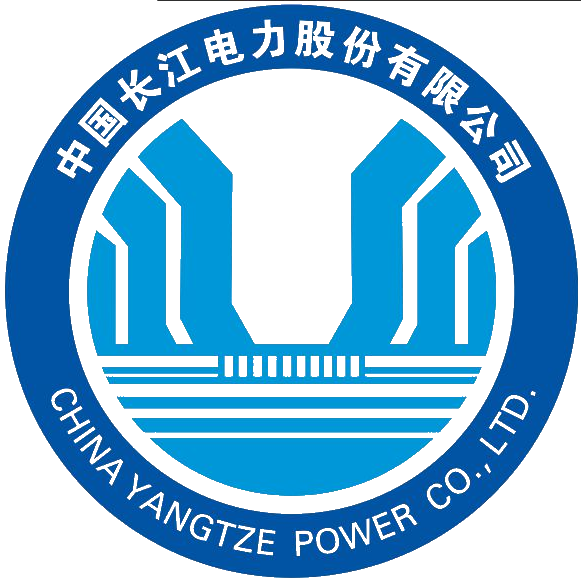
Core Viewpoint - Multiple banks are initiating the cleaning of long-term inactive accounts, which includes both personal and corporate accounts, to enhance account management and security against fraud [2][10]. Group 1: Account Cleaning Initiatives - Several banks, including Hubei Yuanan Rural Commercial Bank and Gui'an Development Village Bank, have announced plans to clean up long-term inactive accounts, defined as those with low balances and no recent transactions [4][7]. - The criteria for identifying long-term inactive accounts vary among banks, with some banks focusing on accounts that have not had any active transactions for a year [7]. Group 2: Adjustments in Recognition Standards - Industrial Bank has revised its criteria for long-term inactive accounts, reducing the threshold from an account balance of 100 yuan to 10 yuan and extending the inactivity period from 180 days to 365 days [8]. - The new standards will be implemented starting October 15, with daily monitoring of accounts that meet the criteria [8]. Group 3: Consumer Recommendations - Industry experts recommend that consumers regularly check and manage their bank accounts, suggesting the use of services like the "one-click card check" feature in the Cloud Flash Payment app to identify inactive accounts [10]. - Customers are advised to perform at least one transaction on accounts identified as long-term inactive to avoid restrictions on usage [11].



兴业银行股份有限公司 关于赎回2020年无固定期限资本债券的公告
Zhong Guo Zheng Quan Bao - Zhong Zheng Wang· 2025-10-17 00:49
Core Points - The company has announced the redemption of its 2020 perpetual capital bonds, which were issued in October 2020 with a total scale of RMB 30 billion [1] - The company has exercised its right to redeem the bonds in full, as permitted under the terms of the bond issuance [1] - The redemption date is set for October 15, 2025, which is the fifth interest payment date for the bonds [1] Summary by Sections - **Bond Issuance Details** - The company issued the 2020 perpetual capital bonds with a total scale of RMB 30 billion on October 16, 2020 [1] - The bonds include a conditional redemption right for the issuer [1] - **Redemption Process** - The company has received no objections from the National Financial Regulatory Administration regarding the redemption [1] - The company has fully exercised its redemption right as of the date of the announcement [1]
保障账户与资金安全 多家银行开展长期不动户清理工作
Zhong Guo Zheng Quan Bao· 2025-10-16 23:41
Core Viewpoint - Multiple banks are initiating the cleanup of long-dormant accounts, which includes both personal and corporate accounts, to enhance financial security and operational efficiency [1][3]. Group 1: Bank Announcements - On October 16, Hubei Yuanan Rural Commercial Bank announced a cleanup of personal bank accounts, targeting long-dormant accounts and those with missing or expired identity information [2]. - Other banks, such as Gui'an Development Village Bank, are also implementing similar measures, focusing on accounts that have not had any transactions for over a year [2]. - Industrial Bank has adjusted its criteria for identifying long-dormant accounts, lowering the balance threshold from 100 yuan to 10 yuan and extending the inactivity period from 180 days to 365 days [2]. Group 2: Risk Prevention - The cleanup of long-dormant accounts is seen as a measure to prevent financial risks such as telecom fraud and money laundering, thereby safeguarding customer funds [3]. - Long-dormant accounts can lead to wasted financial resources and increase the risk of fraud, as customers may forget about these accounts, making them vulnerable to unauthorized access [3]. Group 3: Consumer Recommendations - Consumers are advised to regularly review and manage their bank accounts, including closing any that are no longer in use [4]. - Banks recommend that customers engage in at least one transaction to avoid their accounts being classified as long-dormant, which could lead to restrictions on account usage [4]. - Customers should be cautious of any requests for sensitive information during the cleanup process, as banks will not ask for passwords or verification codes through unsolicited communications [4][5].

海南自贸港跨境资管试点落地!首批6家机构抢先布局
券商中国· 2025-10-16 23:35
Core Viewpoint - The establishment of cross-border asset management pilot business in Hainan Free Trade Port marks a significant advancement in financial openness, entering a substantive operational phase with the approval of the first batch of pilot institutions [1][2]. Summary by Sections Pilot Institutions - The first batch of pilot institutions includes six entities: Jinyuan Securities, Wanhua Securities, Huibaichuan Fund, Peng'an Fund, Industrial Bank Haikou Branch, and Shanghai Pudong Development Bank Haikou Branch, which have completed the filing process [2][3]. - The four issuing institutions are responsible for designing and managing cross-border asset management products aimed at overseas investors, while the two banks will handle sales and service [3]. Implementation Details - The pilot program follows the release of the "Implementation Rules for Cross-Border Asset Management Pilot Business in Hainan Free Trade Port" in July, which supports overseas investors in investing in various financial products issued by Hainan's financial institutions [6][7]. - The initial total scale limit for the pilot is set at 10 billion yuan, covering multiple product categories including public funds, private asset management products, and insurance asset management products [7]. Market Opportunities - The pilot program presents new opportunities for wealth management institutions to internationalize their operations, leveraging the growing wealth of Chinese residents and the increasing interest in global asset allocation [8]. - Institutions are encouraged to integrate domestic and international resources and collaborate with global financial entities to adopt advanced concepts and practices from overseas markets [8].


多家银行开展长期不动户清理工作
Zhong Guo Zheng Quan Bao· 2025-10-16 20:12
Core Viewpoint - Multiple banks are initiating the cleanup of long-term inactive accounts to enhance financial security and operational efficiency while preventing risks such as telecom fraud and money laundering [1][2][3]. Group 1: Bank Announcements - On October 16, Hubei Yuanan Rural Commercial Bank announced a cleanup of personal bank accounts, including long-term inactive accounts and those with missing or expired identity information [1]. - Other banks, such as Gui'an Development Village Bank, are also cleaning up accounts that have not had any transactions for over a year, excluding interest accruals [1]. Group 2: Adjustments in Inactive Account Criteria - Industrial Bank has adjusted its criteria for identifying long-term inactive accounts from a balance of 100 yuan to 10 yuan, with the inactivity period extended from 180 days to 365 days [2]. - The new criteria will be implemented starting October 15, with daily monitoring of accounts that meet the conditions [2]. Group 3: Risk Prevention - The ongoing cleanup of long-term inactive accounts is aimed at strengthening account management and safeguarding customer funds against telecom fraud risks [2][3]. - Long-term inactive accounts can lead to wasted financial resources and increased vulnerability to fraud, as consumers may forget about these accounts and their associated risks [3]. Group 4: Consumer Recommendations - Consumers are advised to regularly review and manage their bank accounts, including closing any long-term inactive accounts [3]. - Banks recommend that customers perform at least one transaction on accounts identified as long-term inactive to avoid restrictions on account usage [4]. Group 5: Security Measures - Banks have assured customers that they will not request sensitive information such as passwords or verification codes during the cleanup process [4]. - Customers can reactivate restricted accounts by visiting bank branches with valid identification or through mobile banking [4].
兴业银行行长陈信健:新阶段的可持续金融应把服务低碳转型作为着力点
Zheng Quan Ri Bao Wang· 2025-10-16 12:52
Core Viewpoint - The sustainable finance sector should focus on supporting low-carbon transitions, creating a strong collective force across society to address climate challenges [1][2]. Group 1: Company Initiatives - Industrial Bank has been a pioneer in green finance in China, launching the first energy efficiency project financing product in the banking sector [1]. - The bank has maintained a strategic focus on green finance, evolving through three stages: initial exploration, strategic leadership, and deepening expansion [1]. - Currently, the green financing balance of Industrial Bank is nearly 2.5 trillion yuan, with green loans exceeding 1 trillion yuan and a non-performing loan rate of only 0.57% for green loans [1]. Group 2: ESG and Strategic Commitments - The bank has established a Strategic and ESG Committee at the board level to extend its environmental advantages into social and governance areas [2]. - Industrial Bank has received the highest ESG rating in the Chinese banking sector for seven consecutive years, fostering harmonious relationships with stakeholders [2]. Group 3: Recommendations for Sustainable Finance - The industry should emphasize long-term commitment and demand-driven approaches, encouraging enterprises to prioritize ESG system development and low-carbon transitions [2][3]. - The financial sector needs to innovate and diversify financial services, particularly in green investment and asset management, to better support carbon reduction efforts [3]. - The carbon market should be more open and inclusive, enhancing resource allocation efficiency and liquidity for green low-carbon transitions [3]. - Regulatory bodies should encourage and support with more incentive measures, increasing funding support for carbon reduction tools and adjusting risk weights for green financing [3].
兴业银行行长陈信健:我行绿色贷款余额超万亿,不良率0.57%
2 1 Shi Ji Jing Ji Bao Dao· 2025-10-16 12:21
Core Viewpoint - The sustainable finance sector should focus on supporting low-carbon transitions, creating a strong collective effort across society to address climate challenges [1][3]. Group 1: Company Initiatives - Industrial Bank has been a pioneer in sustainable finance in China, launching the first energy efficiency project financing product in the banking sector [1]. - The bank's green financing balance is nearly 2.5 trillion yuan, with green loans exceeding 1 trillion yuan and a non-performing loan rate of only 0.57% [1]. - Green finance has become a crucial asset category for the bank, playing an irreplaceable role in its strategic transformation [1]. Group 2: Industry Recommendations - The industrial sector should actively pursue low-carbon transitions, emphasizing the importance of ESG system construction and the application of new technologies [3][4]. - The financial sector needs to innovate and provide diversified financial services, particularly in green investment, asset management, and insurance, to better support carbon reduction efforts [3][4]. - The carbon market should be more open and inclusive, enhancing resource allocation efficiency and liquidity to support green low-carbon transitions [4]. - Regulatory bodies should encourage and support the sector by increasing funding support for carbon reduction tools and adjusting risk weights for green financing to reflect actual risks more accurately [4].
兴业银行:关于赎回2020年无固定期限资本债券的公告
Zheng Quan Ri Bao· 2025-10-16 12:12
Core Points - Industrial Bank announced the issuance of "Industrial Bank Co., Ltd. 2020 Perpetual Capital Bonds" with a total issuance scale of RMB 30 billion [2] - The bonds have a conditional redemption right, allowing the company to redeem them in full or in part on the fifth anniversary of the interest payment date, which is October 15, 2025 [2] - The company has exercised its redemption right and fully redeemed the bonds as of the date of the announcement [2]
多家银行公告!这类账户,将被清理
Zhong Guo Zheng Quan Bao· 2025-10-16 11:32
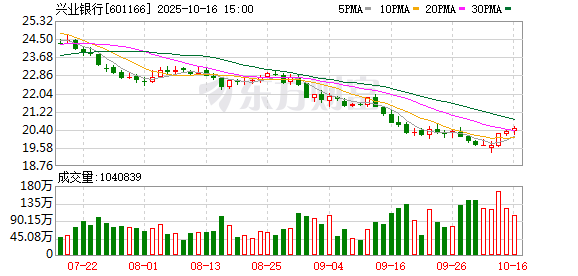
Core Viewpoint - Multiple banks are initiating the cleaning of long-dormant accounts, which includes both personal and corporate accounts that have low balances and no active transactions for an extended period [1][5][6]. Group 1: Account Cleaning Initiatives - Hubei Yuanan Rural Commercial Bank announced the cleaning of personal bank accounts, including long-dormant accounts and those with missing or expired identity information [2]. - Other banks, such as Gui'an Development Village Bank, are also cleaning accounts that have not had any payment activities for a year, excluding interest accruals [5]. - The cleaning process aims to enhance account management and safeguard customer funds, while also preventing risks associated with telecom and online fraud [7]. Group 2: Adjustments in Recognition Standards - Industrial Bank has adjusted its criteria for identifying long-dormant accounts, reducing the threshold from a balance of 100 yuan to 10 yuan and extending the inactivity period from 180 days to 365 days [6]. - The new standards will be implemented from October 15, with daily monitoring of accounts that meet the criteria [6]. Group 3: Customer Guidance and Security Measures - Customers are advised to regularly check and manage their bank accounts, utilizing services like the "one-click card check" feature in the Cloud Flash Payment app [7]. - Banks emphasize that they will not request sensitive information through phone calls or messages during the account cleaning process, ensuring customer security [8].