
AGRICULTURAL BANK OF CHINA(601288)

Search documents
跨境流动性跟踪20260118:12月跨境净回流、净结汇规模均创历史新高
GF SECURITIES· 2026-01-19 02:46
Investment Rating - The industry investment rating is "Buy" [2] Core Views - December saw a record high in both cross-border net inflow and net settlement scale, with the bank's foreign-related payment surplus reaching 801.1 billion CNY, a year-on-year increase of 400.2 billion CNY [14][17] - The arbitrage trading return rate declined significantly, influenced by the depreciation of the US dollar against the offshore RMB, which fell by 1.32% to 6.98 [14][17] - The cross-border funds' net inflow in December was the highest on record, driven by a substantial increase in merchandise trade surplus [17][31] Summary by Sections Section 1: December Cross-Border Net Inflow and Settlement - The bank's foreign-related payment surplus in December was 801.1 billion CNY, with a year-on-year increase of 400.2 billion CNY, primarily due to a significant expansion in merchandise trade surplus [17] - The net settlement in December reached a historical high of 705.5 billion CNY, with a month-on-month increase of 589.1 billion CNY and a year-on-year increase of 780.6 billion CNY [31] Section 2: Arbitrage Trading Returns - The arbitrage trading return rate for 10Y US Treasury bonds in RMB terms fell by 1.43 percentage points to -1.77% due to the marginal appreciation of the RMB [14][17] - The 10Y China-US interest rate spread widened by 15 basis points, with the 10Y US Treasury yield rising by 16 basis points [14] Section 3: Cross-Border Funds and M2 Liquidity - Cross-border funds contributed significantly to M2 liquidity, with a total of 774.4 billion CNY added, reflecting an increase of 863.2 billion CNY month-on-month [55] - The cross-border funds' inflow had a pull rate of 0.10% on M2, indicating a continued upward trend [55]



银行投资观察20260118:贝塔弹性主导近期板块表现
GF SECURITIES· 2026-01-19 01:47
Core Insights - The banking sector has shown weak relative and absolute returns recently, primarily due to market funds shifting towards high-beta and small-cap stocks, leading to a diversion of funds from low-beta banking stocks [18] - The report suggests that the banking sector is likely to experience further internal differentiation in 2026, with larger banks and wealth management banks expected to outperform [18] - Core stock recommendations include Ningbo Bank, China Merchants Bank, Qingdao Bank, and large state-owned banks [18] Section Summaries 1. Current Observation: A-shares in Banking Decline, H-shares Outperform - During the observation period from January 12 to January 16, 2026, the banking sector (CITIC first-level industry) declined by 2.6%, ranking 25th among all industries and underperforming the Wind All A index [16] - The performance of state-owned banks, joint-stock banks, city commercial banks, and rural commercial banks varied, with declines of -2.16%, -3.33%, -1.92%, and -2.24% respectively [16] - H-shares of banks increased by 2.4%, underperforming the Hang Seng Composite Index, while A-share banks showed mixed results [16] 2. Investment Recommendations: Beta Elasticity Dominates Recent Sector Performance - The report indicates that the recent downturn in the banking sector has solidified valuations, with limited further downside expected [18] - The anticipated trends include a shift towards non-bank financial services, wealth management, and disintermediation, with large banks expected to gain an advantage [18] 3. Sector Performance: Banking Sector Decline, Weekly Turnover Rate Increases - The banking sector's weekly turnover rate increased to 1.61%, ranking last among 30 CITIC first-level industries [42] - As of January 16, 2026, the banking sector's latest price-to-earnings (P/E) ratio was 6.89x, and the price-to-book (P/B) ratio was 0.67x, indicating valuations at historical average levels [42] 4. Individual Stock Performance: A-share Banks Overall Decline, City Commercial Banks Relatively Stable - Among A-share banks, Ningbo Bank saw a rise of 4.09%, while Beijing Bank, Huaxia Bank, and Shanghai Pudong Development Bank experienced declines of 4.90%, 4.73%, and 4.33% respectively [16] - In H-shares, Industrial and Commercial Bank of China and China Construction Bank increased by 3.59% and 3.16%, while China Everbright Bank and Chongqing Bank saw declines of 6.14% and 3.10% [16] 5. Convertible Bond Performance: Average Price Increase - The average price of banking convertible bonds rose by 0.06%, underperforming the Zhongzheng convertible bond index by 1.02 percentage points [17] - The top-performing convertible bonds included Chongqing Bank's convertible bond (+0.58%) and Industrial Bank's convertible bond (+0.18%) [17] 6. Profit Forecast Tracking: 2025 Profit Growth Expectations Remain Stable - For the current period, three banks (China Merchants Bank, Minsheng Bank, and Hangzhou Bank) showed changes in the consensus profit growth expectations for 2025 [17] - The net profit growth and revenue growth expectations for A-share banks in 2025 adjusted slightly downwards by -0.08 percentage points and -0.03 percentage points respectively [17]
双融日报-20260119
Huaxin Securities· 2026-01-19 01:27
Core Insights - The report indicates a "relatively hot" market sentiment with a score of 70, suggesting a positive outlook for the market in the near term [6][9]. - Key investment themes identified include robotics, banking, and retail, each with specific growth drivers and related stocks [6]. Group 1: Robotics Sector - The robotics theme is bolstered by the release of the "Hangzhou Intelligent Robot 'Strong Chain and Supplement Chain' Action Plan (2026-2027)", aimed at enhancing the competitiveness of the local robotics industry, particularly in embodied intelligence [6]. - Related stocks in this sector include Sanhua Intelligent Control (002050) and Wolong Electric Drive (600580) [6]. Group 2: Banking Sector - Banking stocks are highlighted for their high dividend characteristics, with the CSI Bank Index yielding 6.02%, significantly above the 10-year government bond yield [6]. - In a slowing economy with increased market volatility, banking stocks are positioned as important investment options for long-term funds such as insurance and social security [6]. - Key banking stocks mentioned are Agricultural Bank of China (601288) and Ningbo Bank (002142) [6]. Group 3: Retail Sector - The national business work conference held from January 10 to 11 set the tone for consumer stimulation and market development in 2026, emphasizing actions to boost consumption and innovate in the retail sector [6]. - The report notes initiatives like trade-in programs and the creation of the "Buy in China" brand, which are expected to inject long-term growth momentum into the industry [6]. - Relevant retail stocks include Yonghui Supermarket (601933) and Wangfujing (600859) [6].





【四中全会精神在基层】金融“贷”动农民增收
Zhong Guo Jing Ji Wang· 2026-01-18 23:09
Group 1 - The core idea of the news is the innovative "credit village" model introduced by Agricultural Bank of China in Tianjin to address financing challenges for farmers, enabling timely access to funds for land contracting and agricultural inputs [1][2] - The "credit village" initiative involves collaboration with village committees to establish credit records and provide loans to eligible farmers, thereby reducing loan costs and improving production efficiency [1] - In 2025, a farmer in Baodi District received 3 million yuan in credit loans, allowing for an expansion of 2,000 acres in grain cultivation due to the good credit standing of his farm [1] Group 2 - Agricultural Bank of China has increased its agricultural credit support by simplifying processes and optimizing credit granting methods, ensuring stable financial backing for farmers [2] - A rice grower received a 500,000 yuan "Rural Revitalization e-loan" in 2025, which alleviated his financial concerns regarding the long repayment cycle associated with rice cultivation [2] - The bank's provision of 4.9 million yuan in credit to a trading company facilitated timely storage and processing of grain, ensuring stable market supply during peak sales periods [2] Group 3 - The entire agricultural production chain, from preparation to harvest and value addition, relies heavily on financial support, highlighting the importance of financial services in agriculture [3] - The 20th National Congress of the Communist Party of China emphasized the need for the development of various financial sectors, including technology finance and inclusive finance, which raises expectations for commercial banks to innovate in providing quality financial services [3] - Agricultural Bank of China aims to continue supporting grain production stability and farmers' income growth through financial initiatives [3]
金融“贷”动农民增收
Jing Ji Ri Bao· 2026-01-18 22:03
Core Insights - The "Credit Village" initiative by Agricultural Bank of China in Tianjin addresses financing challenges for farmers, enabling timely access to funds for land contracting and agricultural inputs [1][2] - The program involves collaboration with local village committees to provide loans to eligible farmers, utilizing a flexible repayment plan based on crop cycles to reduce loan costs [1] - Financial support is crucial for the entire agricultural production chain, from preparation to harvest and sales, with a focus on enhancing the quality of agricultural products [3] Group 1 - The "Credit Village" model allows farmers like Shen Bingyang to secure loans quickly, exemplified by a 3-day approval for a 3 million yuan loan to expand grain cultivation by 2,000 acres [1] - Agricultural Bank of China has simplified loan processes and optimized credit granting to provide stable financial support for farmers, as seen with a 500,000 yuan loan to rice grower Qin Wei [2] - The bank's financial services are designed to enhance the efficiency of agricultural production and ensure stable market supply, particularly during peak sales seasons [2] Group 2 - The initiative aligns with national policies promoting the development of various financial sectors, including technology and inclusive finance, to support agricultural stability and farmer income [3] - Agricultural Bank of China aims to continuously provide financial resources to ensure food security and support farmers' income growth [3]
大额存单利率跌入“0字头”
第一财经· 2026-01-18 08:53
Core Viewpoint - The article discusses the significant decline in large-denomination certificate of deposit (CD) interest rates, with many banks offering rates below 1% for one-year and shorter products, while a substantial amount of deposits, approximately 75 trillion yuan, is set to mature in 2026, leading to a "deposit migration" trend among savers [3][10]. Group 1: Interest Rate Trends - Large-denomination CD rates are rapidly entering the "0% era," with most banks' new one-year and shorter products falling below 1%, and three-year rates generally below 2% [3][4]. - The trend towards shorter-term products is evident, with five-year options nearly disappearing, and some banks raising minimum deposit requirements to 1 million yuan [4][6]. - The average interest rates for various terms have dropped significantly, with the average rate for three-month deposits at 0.944% and one-year deposits at 1.277% as of September 2025 [8]. Group 2: Deposit Maturity and Migration - An estimated 75 trillion yuan of residential fixed-term deposits will mature in 2026, with a notable increase in the amount maturing compared to 2025 [10][11]. - Many savers are opting to transfer their funds from large banks to smaller banks, which typically offer slightly higher rates, rather than moving to equity markets [11][12]. - Younger savers are creatively splitting their deposits among different banks to take advantage of promotional offers, likening it to a game [12]. Group 3: Bank Strategies to Retain Deposits - In response to the pressure of deposit outflows, banks are launching various initiatives to retain funds, including temporarily raising interest rates to around 2% and enhancing customer service through personalized strategies [13][14]. - Some banks are offering promotional products with rates above 2% to attract new customers, while others are implementing pre-reminder mechanisms and tailored renewal plans for existing customers [16][17]. - The focus has shifted from merely selling products to deepening customer relationships and providing precise recommendations based on competitive analysis of deposit rates [17].




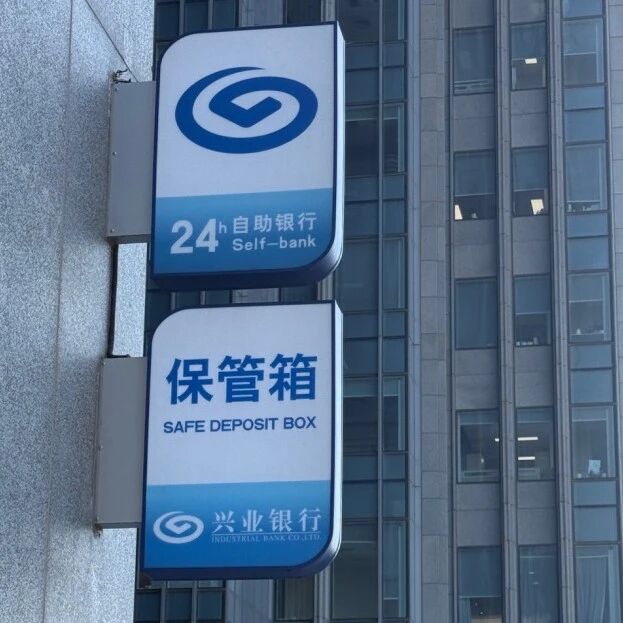
一箱难求!银行“古早”业务突然火了,保管箱为何“爆单”?
券商中国· 2026-01-16 23:38
所谓保管箱服务,其全称为保管箱租赁服务,是银行以出租保管箱形式,代租用人保管贵重物品、有价证券及文件等财物的一项服务业务。券商中国记者从已使用 多年银行保管箱服务的人士处了解到,通常会将重要合同等文件放在保管箱中,"以前也放过金条,在银行买的金条不开封直接就放进去了。" 记者走访多家银行网点发现,目前北京地区保管箱"一箱难求"的情况较为普遍。 "我们这儿现在已经有40多位客户在排队了,但去年只有1位退箱,所以目前也就不再接受新的排队。"工商银行某支行营业部工作人员对记者表示。 近期,银行保管箱"一箱难求"引发关注。券商中国记者近日走访或致电工商银行、农业银行、中国银行、招商银行、民生银行、兴业银行在北京地区的多家分支机 构,仅中国银行一家支行仍有空箱,其余网点均需排队等待或因排队人数过多而不再新增预约。 从排队等待人数来看, 少则三四人,多则三四十人 ;至于等待时长,多数网点工作人员表示无法给出准确时点,因为这一业务已存续很长时间,客户大多为存量 客户,只能等待每年自然退租、腾出空箱;而腾退本身又具有比较强的主观性,因此无法给出明确判断。 "一箱难求"情况普遍 "一般其他网点没有(空箱)了,才会再到我们这儿来 ...
并购市场需求旺盛 贷款投放密集落地
Zhong Guo Jing Ying Bao· 2026-01-16 20:35
Group 1 - The core viewpoint of the article highlights the increasing activity in the domestic merger and acquisition (M&A) market, driven by a series of supportive policies from regulatory authorities, particularly the new guidelines on M&A loans issued by the National Financial Regulatory Administration [1][2][3] - The new M&A loan management regulations allow for a higher proportion of controlling M&A loans in the transaction price, increasing the limit from 60% to 70%, and extending the loan term from seven years to ten years, thereby facilitating financing for M&A transactions [3][4] - The implementation of these regulations has led to a rapid increase in M&A loan projects being approved and disbursed by various commercial banks within a short period, indicating a positive market response to the new policies [2][3][4] Group 2 - The new regulations specifically include minority stake acquisitions in the scope of M&A loans, which aligns with current industrial upgrade needs and is expected to promote industrial integration and high-quality economic development [4][7] - Several banks, including Industrial and Commercial Bank of China and Agricultural Bank of China, have successfully issued the first M&A loans under the new regulations, demonstrating proactive engagement with local enterprises to meet their financing needs [4][5][6] - The regulatory environment is further supported by multiple government departments encouraging industrial mergers and acquisitions, particularly in technology sectors such as electronics and biomedicine, which are seeing increased M&A activity [8][9]



银行“古早”业务焕新机,保管箱“一箱难求”为哪般?
Zheng Quan Shi Bao· 2026-01-16 14:28
Core Insights - The demand for bank safe deposit boxes has surged, leading to a situation where they are difficult to obtain, with many banks in Beijing reporting long waiting lists and limited availability [1][2][6] Group 1: Current Situation - Many banks, including Industrial and Commercial Bank of China (ICBC), Agricultural Bank of China, and China Bank, have reported that they are no longer accepting new reservations for safe deposit boxes due to high demand [1][2] - The waiting lists for safe deposit boxes can range from a few people to over 40, with some banks unable to provide an estimated waiting time due to the unpredictable nature of box availability [1][2][3] - China Bank is the only institution currently offering a limited number of available boxes, but customers must meet a minimum asset requirement of 1 million yuan [3] Group 2: Historical Context - The safe deposit box service in China has its origins in the early 20th century, introduced by modern commercial banks as a means to store valuable items securely [5] - The service has been a longstanding part of banking operations, with many branches reporting that they have not seen significant turnover in box rentals, contributing to the current scarcity [4][6] Group 3: Market Dynamics - The current shortage of safe deposit boxes is attributed to a mismatch between high demand and limited supply, driven by increased interest in physical assets like gold and important documents amid low interest rates and market volatility [6][8] - Banks face challenges in expanding this service due to the need for specialized physical space and high security costs, which limits their incentive to increase supply [6][8] Group 4: Customer Segmentation - Some banks are offering expedited access to safe deposit boxes for high-net-worth clients, indicating a trend towards prioritizing services for wealthier customers [8] - Banks are using the scarcity of safe deposit boxes as a means to attract and retain high-end clients, suggesting that the service may evolve into a more exclusive offering rather than a widely available one [8]

绿色信贷增速超24%,县域金融覆盖超千镇!看广东金融如何协同赋能高质量发展
Nan Fang Nong Cun Bao· 2026-01-16 10:31
Core Viewpoint - Guangdong's green loans have maintained a rapid growth rate of 24.2% year-on-year by the end of 2025, significantly outpacing the growth of other types of loans, indicating a strong focus on green finance in the region [3][21][31]. Financial Growth and Support - By the end of 2025, the balance of green loans in Guangdong reached 533.9 billion yuan, with an annual increase of 81.9 billion yuan, showcasing the effectiveness of financial institutions in supporting green initiatives [27][31]. - The People's Bank of China Guangdong Branch has implemented structural monetary policy tools to guide financial resources towards green projects, resulting in a cumulative investment of 612 billion yuan, which has stimulated local banks to increase credit in related fields by 333.9 billion yuan [15][16]. Collaborative Financial Ecosystem - Financial institutions in Guangdong, including Agricultural Bank and Postal Savings Bank, have established a collaborative network to enhance support for green and rural revitalization projects, with a focus on integrating resources and providing comprehensive services [20][21][56]. - The establishment of "Green Guangdong Financial Service Centers" by Agricultural Bank aims to provide tailored financing and advisory services for urban and rural development projects [23][25]. Innovation in Financial Services - Financial institutions have introduced innovative financial products and services to address the unique challenges faced by green industries, such as customized credit assessments and financing solutions for environmentally friendly projects [38][40]. - The Postal Savings Bank has developed a credit assessment model to support green technology enterprises, addressing their financing difficulties [30]. Environmental and Social Governance - Financial institutions are increasingly focusing on environmental and social risk management, conducting extensive ESG assessments to ensure the quality of green assets [86][89]. - The shift towards "ecological value finance" reflects a broader commitment to not only support green industries but also to directly contribute to ecological restoration and protection efforts [82][83]. Rural and Community Development - Financial services have been extended to rural areas through a comprehensive network, with Agricultural Bank covering 1,127 towns and villages, facilitating access to financial resources for local communities [56][57]. - Innovative rural financial products, such as "Rural Housing Credit Loans," have been introduced to help farmers overcome collateral challenges, demonstrating a commitment to rural revitalization [68]. Future Outlook - The financial sector in Guangdong is expected to continue deepening its collaborative efforts, enhancing policy guidance, and innovating financial products to support green development and rural revitalization in the upcoming "15th Five-Year Plan" [102][104].

