NCI(601336)

Search documents
新华保险(01336.HK):张晓东董事任职资格获核准
Ge Long Hui· 2025-08-07 08:52
格隆汇8月7日丨新华保险(01336.HK)发布公告,公司于近日收到金融监管总局《关于张晓东新华人寿保 险股份有限公司董事任职资格的批复》(金复[2025]467号),金融监管总局已核准张晓东先生担任公 司非执行董事的任职资格。张晓东先生担任公司非执行董事的任期自2025年8月6日起至公司第八届董事 会任期届满时止。 ...

新华保险(01336) - 董事任职资格获核准
2025-08-07 08:48
香港交易及結算所有限公司及香港聯合交易所有限公司對本公告的內容概不負責,對其 準確性或完整性亦不發表任何聲明,並明確表示,概不對因本公告全部或任何部份內容 而產生或因倚賴該等內容而引致的任何損失承擔任何責任。 NEW CHINA LIFE INSURANCE COMPANY LTD. 01336 董事任職資格獲核准 茲提述新華人壽保險股份有限公司(「本公司」)日期為2025年6月12日和2025年6月27日之 公告及日期為2025年6月12日之通函,內容有關(其中包括)選舉張曉東先生擔任本公司第 八屆董事會非執行董事。 張曉東先生擔任本公司非執行董事的任期自2025年8月6日起至本公司第八屆董事會任期 屆滿時止。張曉東先生將不在本公司領取任何董事袍金或薪酬。 張曉東先生的簡歷及委任相關信息,請參見本公司日期為2025年6月12日之通函。截至本 公告日期,該等信息並無任何變動。 承董事會命 新華人壽保險股份有限公司 楊玉成 董事長 中國北京,2025年8月7日 於本公告日期,本公司董事長、執行董事為楊玉成;執行董事為龔興峰;非執行董事為 楊雪、毛思雪、胡愛民和張曉東;獨立非執行董事為馬耀添、賴觀榮、徐徐、郭永清 ...
保险板块8月7日跌0.77%,新华保险领跌,主力资金净流出3039.84万元
Zheng Xing Xing Ye Ri Bao· 2025-08-07 08:27
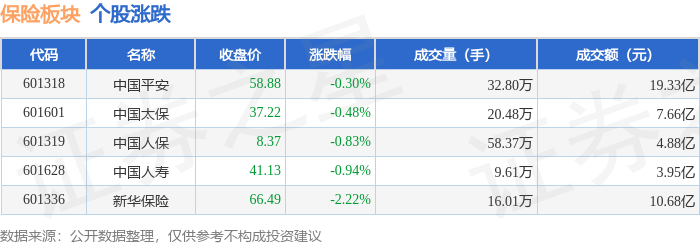
证券之星消息,8月7日保险板块较上一交易日下跌0.77%,新华保险领跌。当日上证指数报收于 3639.67,上涨0.16%。深证成指报收于11157.94,下跌0.18%。保险板块个股涨跌见下表: | 代码 | 名称 | 收盘价 | 涨跌幅 | 成交量(手) | 成交额(元) | | | --- | --- | --- | --- | --- | --- | --- | | 601318 | 中国平安 | 58.88 | -0.30% | 32.80万 | | 19.33 Z | | 601601 | 中国太保 | 37.22 | -0.48% | 20.48万 | | 7.66亿 | | 61319 | 中国人保 | 8.37 | -0.83% | 58.37万 | | 4.88亿 | | 601628 | 中国人寿 | 41.13 | -0.94% | 9.61万 | | 3.95亿 | | 601336 | 新华保险 | 66.49 | -2.22% | 16.01万 | | 10.68亿 | | 代码 | 名称 | 主力净流入 (元) | 主力净占比 游资净流入 (元) | | 游资净占比 散户净流入 ...





两家险企分红,派发红利超百亿元
Huan Qiu Wang· 2025-08-07 04:45
Group 1 - The insurance industry reported a total asset of 39.22 trillion yuan in the first half of 2025, reflecting a year-on-year growth of 16.05% [2] - The original insurance premium income reached 3.74 trillion yuan, with a year-on-year increase of 5.31% [2] - The life insurance sector generated original premium income of 2.96 trillion yuan, up by 5.64%, while the property insurance sector saw a premium income of 774.4 billion yuan, growing by 4.06% [2] Group 2 - Insurance stocks have shown strong performance in the capital market, with the insurance index rising over 11% as of August 6 [3] - Xinhua Insurance led the gains among major listed insurance companies, with a remarkable increase of 36.82% [3] - Current valuations of listed insurance companies are within the range of 12.7% to 53.3% since 2012, with China Pacific Insurance being relatively undervalued [3] Group 3 - The adjustment of the upper limit of the life insurance interest rate is expected to help insurance companies mitigate long-term interest spread loss risks in a low-interest environment [3] - The transformation towards participating insurance is seen as a trend in the industry, with leading insurance companies likely to benefit more [3] - The development of participating insurance is viewed as a positive cycle that optimizes liability structure, enhances investment capability, and stabilizes the capital market [3]
稳健投资“托底”分红,新华保险助力客户财富可期
Da Zhong Ri Bao· 2025-08-07 03:09
Group 1 - The core viewpoint of the articles highlights that Xinhua Insurance is significantly increasing its cash dividends for 2024, with a total proposed cash dividend of RMB 78.93 billion, representing a 197.6% increase compared to 2023 [1] - Xinhua Insurance's strong dividend payout is attributed to its high-quality development and its role as a "patient capital" investor, supporting long-term value investments [1] - The company is actively participating in major national projects, leveraging its advantages as a state-controlled insurance company to support green investments and significant regional strategies [1] Group 2 - Xinhua Insurance maintains a balanced approach to asset allocation for its dividend insurance products, focusing on risk and return optimization while ensuring asset-liability matching [2] - The company has achieved a long-term average total investment return rate of 5.1% from 2015 to 2024, with a year-to-date annualized return of 5.7% for the first quarter of 2025 [2] - In addition to investment performance, Xinhua Insurance is enhancing its service offerings for dividend insurance products, including overseas medical assistance and themed salons, to create a comprehensive "insurance + service" ecosystem [2] Group 3 - Since 2025, Xinhua Insurance has strengthened its supply of dividend insurance products, introducing competitive offerings such as the "Shengshi Glory Zhiwin" whole life insurance and "Shengshi Anying" pension annuity insurance [2] - The company emphasizes the integration of lifelong annuities and pension products into personal pension plans, highlighting their roles in wealth management and retirement planning [2] - Xinhua Insurance is diversifying its product portfolio by combining universal life insurance and term life insurance with high-value products to meet customers' needs for wealth appreciation and well-being [2]
A股分红派息转增一览:24股今日股权登记
Mei Ri Jing Ji Xin Wen· 2025-08-07 00:08
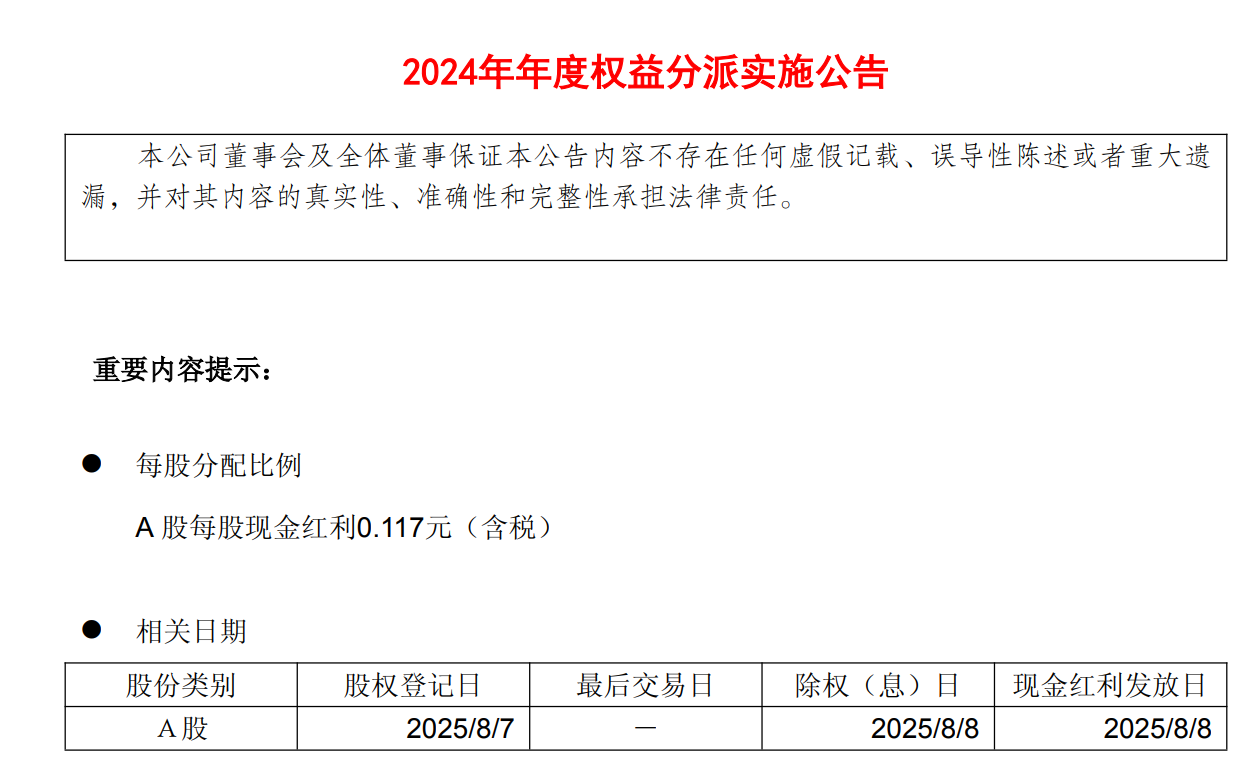
Group 1 - A total of 24 A-shares are undergoing equity registration on August 7, with 23 companies proposing dividend distributions [1] - Among the 23 companies distributing dividends, Luzhou Laojiao, Xinhua Insurance, and Times Electric have the highest dividend payouts, with respective distributions of 45.92 yuan, 19.90 yuan, and 10.00 yuan per 10 shares [1]


市场向好增厚投资收益,非上市险企上半年成绩单亮眼
Shang Hai Zheng Quan Bao· 2025-08-07 00:04
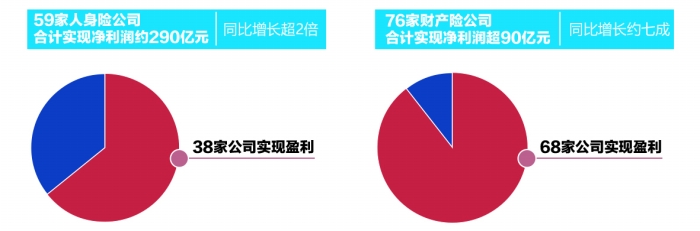
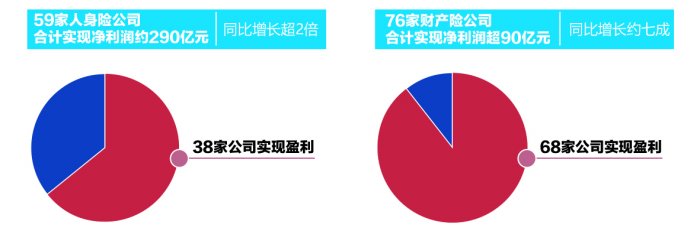
截至8月6日,已披露2025年二季度偿付能力报告的135家非上市险企合计净利润约380亿元,同比实现翻 倍。其中,59家人身险公司合计净利润同比增长超2倍,76家财产险公司合计净利润同比增长约七成。 分析来看,取得良好业绩可归结为资产和负债两端同步改善:资产端受益于资本市场向好,投资收益增 厚;负债端得益于"报行合一"等政策压降费用成本。市场人士认为,资负两端共振向好,有望带动上市 险企业绩整体实现较快增长,新业务价值、综合成本率等核心业务指标也有望得到改善。 非上市险企业绩整体回暖 上半年,人身险业和财产险业非上市公司业绩整体回暖。 135家非上市险企上半年盈利情况 (截至8月6日) 郭晨凯 制图 ◎记者 何奎 今年上半年,非上市险企整体业绩亮眼。 上市险企整体业绩有望增长 非上市险企业绩整体实现较快增长,传递出保险行业整体回暖的积极信号。市场人士认为,在资产和负 债两端共振向好背景下,上市险企整体业绩也有望实现较快增长。 广发证券研报认为:寿险业方面,资负联动有望扩大行业利润水平;财险业方面,保费增速回暖, COR(综合成本率)改善,赔付率有望在高基数下改善,费用率持续优化。 数据显示,59家人身险公司合 ...
人保、新华派息超百亿元 五大险企“现金红包” 陆续到账
Zhong Guo Zheng Quan Bao· 2025-08-06 22:10
Group 1 - China Pacific Insurance and New China Life Insurance announced their 2024 annual A-share dividend distribution, with a total payout exceeding 10 billion yuan, scheduled for August 8 [1][2] - The cumulative dividend for the five major listed insurance companies in 2024 is 90.789 billion yuan, representing a year-on-year increase of over 20% [2][3] - The life insurance product interest rate will be lowered in September, which is expected to reduce the cost of liabilities for insurance companies and alleviate pressure from interest margin losses, potentially driving a recovery in insurance stock valuations [1][3] Group 2 - The insurance industry reported total assets of 39.22 trillion yuan in the first half of 2025, a year-on-year increase of 16.05%, with original insurance premium income reaching 3.74 trillion yuan, up 5.31% [3][4] - The life insurance sector saw original premium income of 2.96 trillion yuan, growing by 5.64%, while the property insurance sector reported 774.4 billion yuan, an increase of 4.06% [3][4] - Several insurance companies reported positive operating results for the first half of 2025, with significant growth in total assets and premium income [4] Group 3 - The insurance index has risen over 11% year-to-date as of August 6, with New China Life Insurance leading the gains at 36.82% [5] - Analysts believe that the upcoming reduction in life insurance product interest rates will help insurance companies lower their liability costs, alleviating pressure from interest margin losses and providing upward potential for stock valuations [5][6] - The maximum interest rate for ordinary life insurance products will be adjusted to 2.0%, while the maximum for participating insurance products will be set at 1.75% [6]
人保、新华派息超百亿元 五大险企“现金红包”陆续到账
Zhong Guo Zheng Quan Bao· 2025-08-06 21:09
Group 1 - The core viewpoint of the articles highlights that the five major listed insurance companies in China will complete their 2024 annual dividend distribution, with a total dividend amount exceeding 90.79 billion yuan, representing a year-on-year increase of over 20% [1][2] - China Life Group reported a year-on-year revenue growth of 8.4% for the first half of 2025, with total assets surpassing 8 trillion yuan, while China Pacific Insurance and China Insurance also reported significant asset growth [3] - The insurance industry saw a total asset increase of 16.05% year-on-year, with original insurance premium income reaching 3.74 trillion yuan, a growth of 5.31% [2][3] Group 2 - The adjustment of the predetermined interest rate for personal insurance products is expected to reduce the cost of liabilities for insurance companies, alleviating pressure from interest rate differentials and driving valuation recovery for insurance stocks [1][4] - The insurance sector has shown positive performance in the first half of the year, with significant growth in premium income driven by factors such as declining bank interest rates and increased sales of insurance savings products [2][3] - The insurance stock index has risen over 11% year-to-date, with individual stocks like New China Life Insurance seeing a remarkable increase of 36.82% [3]
市场向好增厚投资收益 非上市险企上半年成绩单亮眼
Shang Hai Zheng Quan Bao· 2025-08-06 18:33
135家非上市险企上半年盈利情况 (截至8月6日) 郭晨凯 制图 ◎记者 何奎 今年上半年,非上市险企整体业绩亮眼。 截至8月6日,已披露2025年二季度偿付能力报告的135家非上市险企合计净利润约380亿元,同比实现翻 倍。其中,59家人身险公司合计净利润同比增长超2倍,76家财产险公司合计净利润同比增长约七成。 分析来看,取得良好业绩可归结为资产和负债两端同步改善:资产端受益于资本市场向好,投资收益增 厚;负债端得益于"报行合一"等政策压降费用成本。市场人士认为,资负两端共振向好,有望带动上市 险企业绩整体实现较快增长,新业务价值、综合成本率等核心业务指标也有望得到改善。 非上市险企业绩整体回暖 上半年,人身险业和财产险业非上市公司业绩整体回暖。 数据显示,59家人身险公司合计实现净利润约290亿元,同比增长超2倍;76家财产险公司合计实现净利 润超90亿元,同比增长约七成。 从盈利机构数量来看,人身险业有38家公司实现盈利,占比超六成;财产险业有68家公司实现盈利,占 比约九成。人身险业和财产险业盈利公司数量均较去年同期明显增长。 对外经济贸易大学创新与风险管理研究中心副主任龙格表示,上半年权益市场反弹 ...