
PSBC(601658)

Search documents
助力乡村全面振兴丨邮储银行的“金融方法论”
Di Yi Cai Jing· 2025-12-26 06:31
中央金融工作会议提出的"五篇大文章",为金融服务实体经济指明了重要方向。邮储银行结合自身扎根 城乡、服务"三农"的优势,将发力点聚焦于乡村振兴,以金融帮扶的实际行动将金融活水引入田间地 头。第一财经《金融方法论》专题栏目组奔赴山西、甘肃、河南,记录了邮储银行深入乡村一线,以更 多维的金融服务,支持农业产业发展、助力农民增收的生动实践。 ...

芦苇任中国邮政集团副总经理 或将接任邮储银行行长
Xi Niu Cai Jing· 2025-12-26 05:20
12月23日,"中国邮政"微信公众号发布公告称,中国邮政集团有限公司召开党组会议,宣布了中共中央组织部关于芦苇、刘建军的职务任免决定,芦苇任中 国邮政集团有限公司副总经理、党组成员,免去刘建军的中国邮政集团有限公司副总经理、党组成员职务。相关职务任免按有关法律规定办理。 据悉,刘建军已担任邮储银行党委书记、行长职位近4年半,目前已年满60岁。此前,有媒体报道称,芦苇或将接棒刘建军,赴邮储银行出任行长。 公开资料显示,2022年10月,因工作调整,芦苇辞任中信银行副行长,同时赴任中信信托,2023年3月起任中信信托总经理,2024年5月升任中信信托董事 长。2025年2月,芦苇回归中信银行,接任行长职位,中信银行原行长刘成则赴任中信建投证券出任董事长。 ...


国开行、工行、农行、中行、建行、交行、邮储银行等迅速响应!
Jin Rong Shi Bao· 2025-12-26 04:46
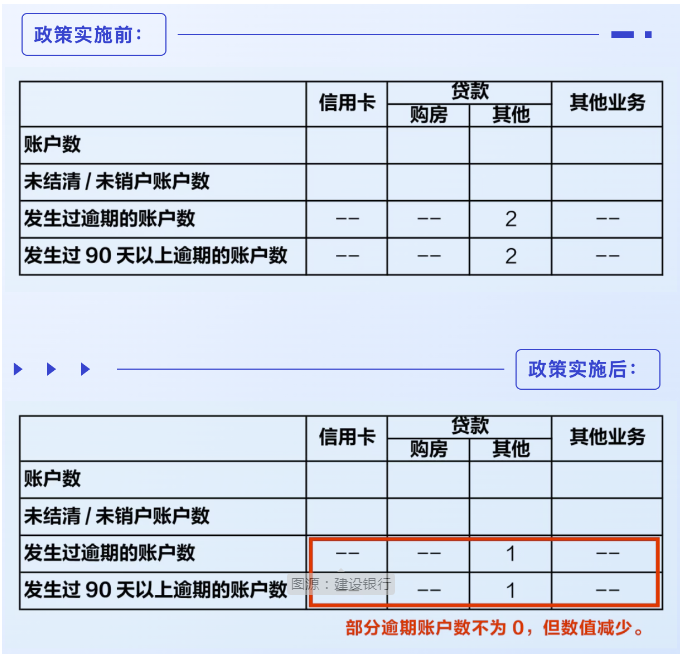
Core Viewpoint - The People's Bank of China has announced a one-time credit repair policy that allows individuals with overdue debts of up to 10,000 RMB to have their overdue information removed from the credit reporting system if they repay their debts in full by March 31, 2026 [1] Group 1: Policy Details - The policy applies to all types of personal credit, including credit cards, housing loans, and consumer loans, as long as they meet the specified conditions [1] - Individuals must fully repay overdue debts, including principal, interest, and penalties, and make timely payments for the current month to qualify for the credit repair [2] - The overdue information in credit reports will be adjusted, changing the repayment status from overdue to normal and the overdue amount from a non-zero value to zero [3][4] Group 2: Implementation and Support - Banks, including major institutions like Industrial and Commercial Bank of China and Agricultural Bank of China, are actively preparing to implement the policy and provide guidance to the public [6][7] - The central bank will offer an additional two free credit report inquiries in the first half of 2026 to accommodate increased demand for credit report checks following the policy implementation [5] - The policy is not to be viewed as a means of "credit washing," but rather as a special arrangement to address public concerns while maintaining the principle of punishing dishonesty [7]




举牌、重组!银行业十大关键词,看这里!
券商中国· 2025-12-26 03:37
Core Viewpoint - In 2025, the Chinese banking industry is characterized by resilience amidst economic challenges, focusing on serving the real economy, embracing transformation, and maintaining a balance between national strategy and sustainable development [1] Group 1: Regulatory Indicators - Total assets of commercial banks are projected to grow from 380.52 trillion yuan at the end of 2024 to 409.63 trillion yuan by September 2025 [2] - The non-performing loan ratio is expected to fluctuate slightly, starting at 1.50% in December 2024 and reaching 1.52% by September 2025 [2] - The core tier one capital adequacy ratio is anticipated to decrease from 11% in 2024 to around 10.87% by September 2025 [2] Group 2: Industry Trends - The banking sector is shifting from aggressive expansion to a more cautious approach, emphasizing the need to avoid "involution" or excessive competition [3] - Regulatory bodies are actively working to curb harmful competition, leading to a collective industry effort to reduce risks and improve operational efficiency [3] Group 3: Interest Margin Protection - The banking industry is facing significant pressure on net interest margins, prompting banks to optimize asset allocation and diversify revenue sources [7][9] - Banks are focusing on cost control by reducing deposit rates and managing high-cost long-term deposits [8] Group 4: Deposit Migration - A trend of "deposit migration" is emerging as residents seek better investment channels due to low deposit rates, with bank wealth management products seeing significant growth [10] - The shift in deposit behavior is driven by a "price comparison effect," leading to a decline in demand for traditional long-term deposits [10] Group 5: Mergers and Restructuring - Over 400 banking institutions are expected to exit the market through mergers, dissolutions, or consolidations, marking a significant increase compared to previous years [11] - The restructuring efforts are focused on improving the quality of financial services rather than merely reducing the number of institutions [13] Group 6: Technological Finance - The banking sector is prioritizing technological finance, with a focus on supporting innovation and providing tailored financial products for tech companies [14][15] - The proportion of technology loans in total new loans has reached 28.8%, indicating a strong push towards financing technology-driven enterprises [15] Group 7: Capital Increases - A notable "capital increase wave" is occurring, with major state-owned banks raising 520 billion yuan through stock issuance to bolster capital adequacy [17] - Smaller banks are also responding by exploring various capital-raising methods, including targeted issuance and local state-owned capital participation [17] Group 8: Shareholder Engagement - The banking sector has seen a surge in insurance capital participation, with several banks experiencing significant shareholding increases from insurance companies [18] - Asset management companies are also actively increasing their stakes in various banks, indicating strong investor interest in the banking sector [18] Group 9: Corporate Governance Changes - A significant shift in corporate governance is underway, with many banks abolishing or not establishing supervisory boards, transitioning to a single board system [21][22] - This change aims to enhance efficiency and reduce governance costs while maintaining oversight through audit committees [22][24] Group 10: AI Integration - The banking industry is undergoing a transformation driven by artificial intelligence, with major banks adopting an "AI-first" strategy to enhance their operations [25][26] - AI applications are expanding from customer service to core business processes, indicating a shift towards value creation through technology [26]

继中国银行后,邮储银行也调整这一服务!今年来,江西银行、北京农商行等多家银行已纷纷出手
Mei Ri Jing Ji Xin Wen· 2025-12-25 23:56
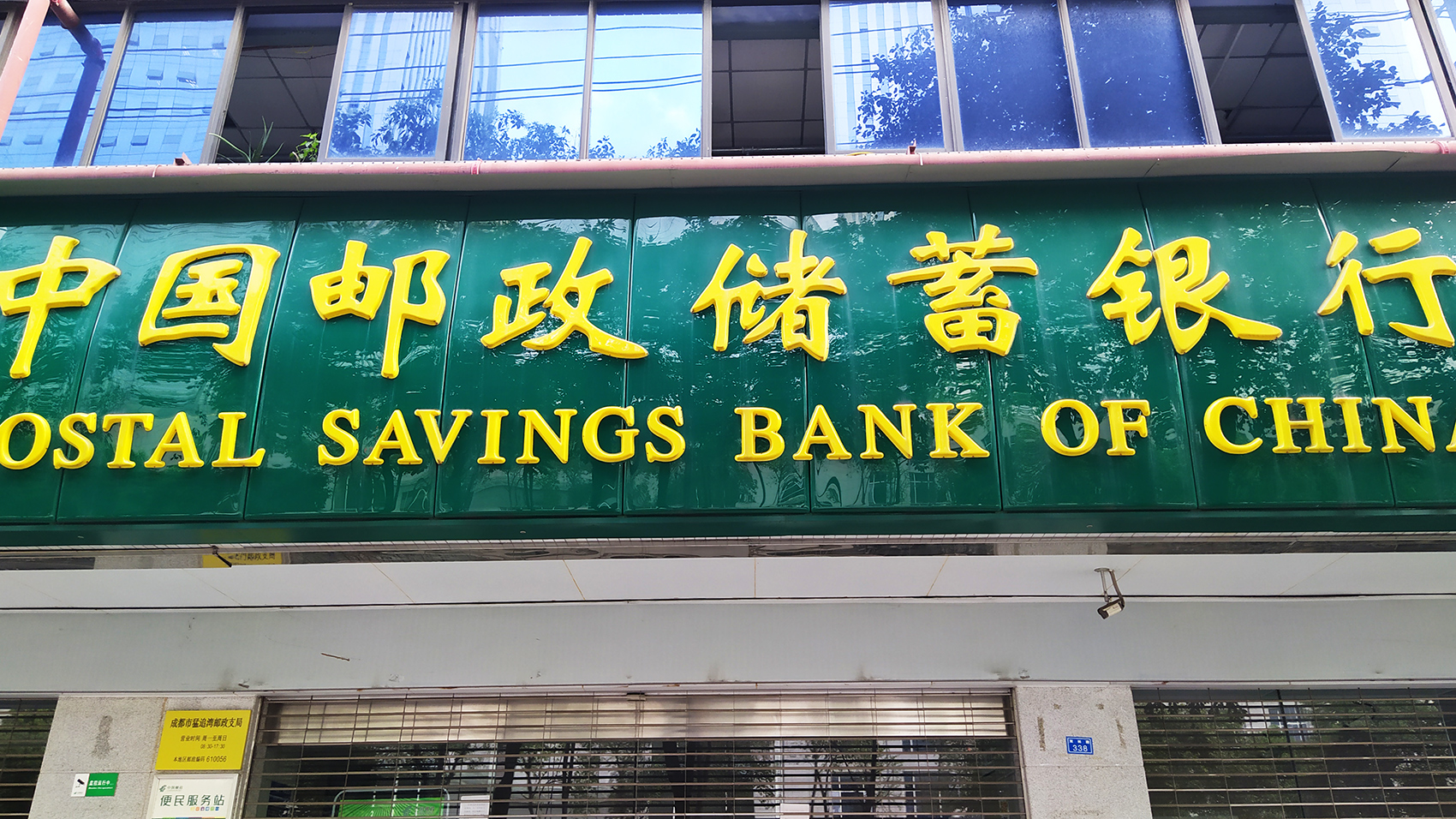
Core Viewpoint - Postal Savings Bank of China is adjusting its credit card online channel services to integrate credit card functions into the "Postal Savings Bank App," discontinuing the "Postal Credit Card App" while ensuring that customer services remain unaffected [1][3]. Group 1: Company Actions - Postal Savings Bank announced the integration of credit card services into its main app, ceasing the use of the "Postal Credit Card App" [1]. - China Bank has also initiated a similar migration of credit card functions to the "China Bank App," with plans to stop the original app's download and registration [3]. - Other banks, including Jiangxi Bank and Beijing Rural Commercial Bank, have also closed or integrated their credit card apps into their main mobile banking platforms [5]. Group 2: Industry Trends - The integration of credit card services into main banking apps is part of a broader digital transformation strategy in the banking industry, driven by the need for efficiency and improved user experience [3][5]. - Financial institutions are responding to regulatory guidance to optimize or terminate underperforming mobile applications, which is leading to a trend of consolidating services into fewer apps [3]. - The shift towards a "main app + diversified lightweight touchpoints" model is expected to enhance user experience by reducing the need for multiple app logins and passwords [3].
活跃度显著提升 今年以来A股市场定增融资超7800亿元
Zhong Guo Zheng Quan Bao· 2025-12-25 23:35
Core Viewpoint - The A-share market has seen significant activity in private placements this year, with a total of 148 companies completing placements, raising a total of 788.9 billion yuan, marking a year-on-year increase of 455.31% [1][2][3]. Group 1: Market Activity - As of December 24, 2023, 438 A-share companies announced private placement plans, with 148 successfully completed, raising 788.9 billion yuan compared to 142.1 billion yuan in the same period last year [2]. - Major banks such as China Bank, Postal Savings Bank, and others raised over 100 billion yuan each, primarily for liquidity support [2]. - The private placement market has transitioned from a simple financing tool to a crucial platform for industrial upgrades and integration [3]. Group 2: Industry Focus - The majority of companies engaging in private placements are from the technology sector, particularly electronics, power equipment, and communications [4]. - The electronics industry is highlighted as a key area of interest, driven by its strategic importance and the need for technological advancements [4][5]. - The demand for funds in the AI and semiconductor sectors is particularly strong, supported by favorable policies and market preferences [5]. Group 3: Future Outlook - The private placement market is expected to remain active in 2026, with a focus on mergers and acquisitions, and an increase in institutional participation [7][8]. - The market is anticipated to evolve towards higher quality developments, with a shift from discount-driven to profit-supported valuations [8]. - Continuous policy support is expected to enhance the role of private placements in resource integration and value discovery, making it a key capital market hub for fostering new productive forces [8].

今年以来A股市场定增融资超7800亿元
Zhong Guo Zheng Quan Bao· 2025-12-25 21:11
Core Insights - The A-share market has seen significant activity in private placements this year, with 148 companies completing placements, raising a total of 788.9 billion yuan, a year-on-year increase of 455.31% [1][2] Group 1: Market Activity - As of December 24, 2023, 438 companies announced private placement plans, with 148 successfully completed, totaling 1,010.2 million shares issued [1][2] - In comparison to the same period in 2024, the number of companies completing placements increased by 20, and the total amount raised surged from 142.1 billion yuan to 788.9 billion yuan [1][2] Group 2: Sector Focus - The electronics, basic chemicals, and power equipment sectors led the number of companies engaging in private placements, with 23, 17, and 15 companies respectively [3] - The technology sector has been a major focus, with companies seeking funds to address urgent needs for technological upgrades and capacity expansion [3][4] Group 3: Institutional Participation - Major banks such as Bank of China, Postal Savings Bank, and others raised over 1 billion yuan each, primarily for liquidity support, while the majority of other companies raised less than 30 billion yuan for various purposes [2] - The active participation of institutional investors has been driven by favorable policies and the attractive pricing of private placements, enhancing the appeal of investments in the technology sector [4][5] Group 4: Future Outlook - The private placement market is expected to remain active in 2026, with a focus on mergers and acquisitions, and an increasing concentration in sectors like semiconductors, AI, and high-end manufacturing [5][6] - The market is anticipated to evolve towards a more institutionalized and long-term focus, with a potential narrowing of discount rates on popular projects due to high investor enthusiasm [5][6]
中邮北证50成份指数增强型发起式证券投资基金基金合同生效公告
Shang Hai Zheng Quan Bao· 2025-12-25 18:26
Group 1 - The announcement states that from December 26, 2025, China Postal Savings Bank will act as a sales agent for the Zhongyou Health and Entertainment Flexible Allocation Mixed Securities Investment Fund [1] - The fund manager will bear the costs related to information disclosure, accounting, and legal fees during the fundraising period, which will not be paid from the fund's assets [1] - The fund manager's senior management and heads of investment and research departments will subscribe to a total of 500,000 to 1,000,000 fund shares, while the fund manager has not subscribed to any shares [1] Group 2 - Investors can conduct account opening, subscription, redemption, and regular investment through Postal Savings Bank starting from December 26, 2025 [3] - The initial subscription and additional subscription amounts have been adjusted to a minimum of 0.01 yuan, subject to Postal Savings Bank's regulations [3] - The fee rate for subscription and regular investment will not have discount limits, and if the original fee rate is a fixed fee, it will be executed at the original rate without discounts [3]
数字金融创新提速:让技术监管技术,让数据“可用不可见”
Mei Ri Jing Ji Xin Wen· 2025-12-25 14:49
Core Insights - Digital finance is rapidly transforming the financial system and is becoming a key driver for high-quality economic development, but it also brings significant data security risks [1][4] - The application of technologies like AI, blockchain, and quantum computing in finance presents complex security challenges that require comprehensive risk management strategies [5][6] Group 1: Digital Finance Development - Digital finance is a core pillar of the digital economy, reshaping financial services such as digital wallets and face recognition payments [1] - Financial institutions are innovating business models to be customer-centric, offering personalized financial products and integrating services into various life scenarios [2] - Major banks like ICBC and China Merchants Bank are leveraging AI to enhance customer service and operational efficiency, with ICBC launching over 100 AI applications [2][3] Group 2: Data Security Risks - Data security risks in digital finance are characterized by high concentration, rapid cross-industry transmission, and strong concealment of technical means [1] - The application of generative AI and other technologies can lead to dual risks, including unauthorized data scraping and potential leaks of sensitive financial information [5][6] - The financial sector faces challenges from API misuse, third-party cooperation vulnerabilities, and the inherent risks of emerging technologies like blockchain and quantum computing [6][7] Group 3: Regulatory and Risk Management - Regulatory bodies emphasize the importance of balancing innovation with risk control, ensuring that financial markets remain stable and orderly [4] - Experts suggest that financial institutions should enhance their data protection measures, develop regulatory technology, and establish comprehensive data governance frameworks [8][9] - There is a call for the establishment of unified data security standards and collaborative capabilities across the industry to avoid security silos [9]
这家总资产规模近19万亿的国有大行将迎来领导人员调整
Bei Ke Cai Jing· 2025-12-25 12:06
新京报贝壳财经讯(记者黄鑫宇)中国邮政集团有限公司(下称"邮政集团")近日在官方微信公众号披 露,在2025年12月23日召开的党组会议上,该集团宣布了中共中央组织部关于芦苇、刘建军的职务任免 决定。芦苇将出任邮政集团副总经理、党组成员,同时免去刘建军的邮政集团副总经理、党组成员职 务。相关职务任免按有关法律规定办理。 四年半前(即2021年6月1日),邮政集团党组召开会议,宣布了中共中央组织部关于刘建军任职的通 知:经研究,刘建军任邮政集团党组成员、副总经理。此后的2021年8月,他出任邮储银行行长。 刘建军现任邮储银行党委书记、行长。同样根据公开信息,他1965年8月出生,目前已年满60周岁。 Wind显示,截至2025年9月末,邮储银行总资产规模约为18.61万亿元,同比增长11.10%。 编辑 岳彩周 校对 柳宝庆 公开信息显示,芦苇系"70后"、出生于1971年10月,今年54周岁。1994年7月至1997年1月,他就职于北 京青年实业集团公司。1997年1月,芦苇加入中信银行,历任总行计划财务部(现财务会计部)副总经 理、总经理,资产负债部总经理,香港分行筹备组副组长,中信银行董事会秘书,深圳分行 ...