GONGNIU(603195)

Search documents
公牛集团(603195) - 公牛集团股份有限公司会计师事务所选聘制度(2025年10月修订)
2025-10-30 09:29
公牛集团股份有限公司 会计师事务所选聘制度 第一章 总则 第一条 为规范公牛集团股份有限公司(以下简称"公司")会计师事务所 选聘(含续聘、改聘,下同)行为,提高财务信息质量,切实维护股东利益,根 据《中华人民共和国公司法》《中华人民共和国证券法》《国有企业、上市公司 选聘会计师事务所管理办法》和《上海证券交易所股票上市规则》等规定,结合 《公司章程》,制定本制度。 第二条 本制度所称会计师事务所选聘,是指聘任会计师事务所对公司财务 会计报告发表审计意见、出具审计报告的行为。公司聘任会计师事务所从事除财 务会计报告审计之外的其他法定审计业务的,可以比照本制度执行。 第三条 公司选聘会计师事务所应由审计与风险委员会审议同意后,提交董 事会审议,并由股东会决定。公司不得在董事会、股东会审议前聘请会计师事务 所开展审计业务。 第四条 公司控股股东、实际控制人不得向公司指定会计师事务所,不得干 预公司审计与风险委员会、董事会及股东会独立履行审核职责。 第二章 会计师事务所执业质量要求 第五条 公司选聘的会计师事务所应当具备下列条件: (一)具有独立的法人资格,具备国家行业主管部门和中国证券监督管理委 员会规定的开展证 ...

公牛集团(603195) - 公牛集团公司章程(2025年10月修订)
2025-10-30 09:29
公牛集团股份有限公司 章程 (2025 年 10 月 30 日,经董事会审议通过,尚需提交 2025 年第二次临时股东会审议) | 第一章 | 总则 1 | | | --- | --- | --- | | 第二章 | 经营宗旨和范围 2 | | | 第三章 | 股份 2 | | | 第一节 | 股份发行 | 2 | | 第二节 | 股份增减和回购 | 4 | | 第三节 | 股份转让 | 5 | | 第四章 | 股东和股东会 6 | | | 第一节 | 股东 | 6 | | 第二节 | 股东会的一般规定 | 9 | | 第三节 | 股东会的召集 | 12 | | 第四节 | 股东会的提案与通知 | 13 | | 第五节 | 股东会的召开 | 14 | | 第六节 | 股东会的表决和决议 | 17 | | 第五章 | 董事会 | 21 | | 第一节 | 董事 | 21 | | 第二节 | 董事会 | 24 | | 第三节 | 独立董事 | 29 | | 第四节 | 董事会专门委员会 | 32 | | 第六章 | 总经理(总裁)及其他高级管理人员 33 | | | 第七章 | 财务会计制度、利润分配和审计 35 ...
公牛集团(603195) - 公牛集团董事会薪酬与考核委员会实施细则(2025年10月修订)
2025-10-30 09:26
公牛集团股份有限公司 董事会薪酬与考核委员会实施细则 (2025年10月修订) 第一章 总则 第一条 为进一步健全公牛集团股份有限公司(以下简称"公司")董事及高级 管理人员的考核和薪酬管理制度,完善公司治理结构,根据《中华人民共和国公司 法》、《上市公司治理准则》、《公牛集团股份有限公司章程》(以下简称"公司章程") 及其他有关规定,公司特设立董事会薪酬与考核委员会,并制定本实施细则。 第二条 薪酬与考核委员会是董事会按照《公司章程》规定设立的专门工作机构, 主要负责研究制订公司董事和高级管理人员的考核标准,进行考核并提出建议;负 责研究制订和审查公司董事和高级管理人员的薪酬政策与方案。 第二章 人员组成 第三条 薪酬与考核委员会成员由三名董事组成,其中独立董事二名。 第四条 薪酬与考核委员会委员由董事长、二分之一以上独立董事或者全体董事 的三分之一以上提名,并由董事会选举产生。 第五条 薪酬与考核委员会设召集人一名,由独立董事委员担任,负责主持委员 会工作;主任委员在委员内选举,并报请董事会批准产生。 第六条 薪酬与考核委员会任期与董事会任期一致,委员任期届满,连选可以连 任。期间如有委员不再担任公司董事 ...
公牛集团(603195) - 公牛集团股份有限公司董事会审计与风险委员会实施细则(2025年10月修订)
2025-10-30 09:26
| | | 第一章 总则 第一条 为完善公牛集团股份有限公司(以下简称"公司")治理结构,充 分发挥董事会的职能作用,根据《中华人民共和国公司法》《上市公司治理准则》 《上市公司独立董事管理办法》《上市公司审计委员会工作指引》《上海证券交 易所上市公司自律监管指引第 1 号——规范运作》《公司章程》及其他有关规定, 公司董事会设立审计与风险委员会,并制定本实施细则。 第二条 董事会审计与风险委员会是董事会按照《公司章程》规定设立的专 门委员会,负责审核公司财务信息及其披露、监督及评估内外部审计工作、内部 控制和风险管理工作。 第二章 人员组成 公牛集团股份有限公司 董事会审计与风险委员会实施细则 (2025年10月修订) | œ 1 | | --- | | ﺮ R | | | 第三条 审计与风险委员会成员由三名董事组成,且应当为不在公司担任高 级管理人员的董事,其中独立董事二名(包括一名专业会计人士)。 第四条 审计与风险委员会委员由董事长、二分之一以上独立董事或者全体 董事的三分之一以上提名,并由董事会选举产生。 审计与风险委员会设召集人一名,由独立董事委员担任,负责主持委员会工 作;召集人在委员内选举,由 ...
公牛集团(603195) - 公牛集团董事会战略委员会实施细则(2025年10月修订)
2025-10-30 09:26
公牛集团股份有限公司 董事会战略委员会实施细则 (2025年10月修订) | | | 第一章 总则 第一条 为适应公牛集团股份有限公司(以下简称"公司")战略发展需要, 增强公司核心竞争力,确定公司发展规划,健全投资决策程序,加强决策科学性, 提高重大投资决策的效益和决策的质量,完善公司治理结构,根据《中华人民共 和国公司法》、《上市公司治理准则》、《公牛集团股份有限公司章程》(以下 简称"公司章程")及其他有关规定,公司董事会特设立战略委员会,并制定本 实施细则。 第二条 董事会战略委员会是董事会按照《公司章程》规定设立的专门工作 机构,主要负责对公司长期发展战略和重大投、融资决策进行研究并提出建议。 第二章 人员组成 第三条 战略委员会成员由五名董事组成,其中至少包括一名独立董事。 第四条 战略委员会设召集人一名,由公司董事长担任。 第五条 战略委员会委员由董事长、二分之一以上独立董事或者全体董事的 三分之一以上提名,并由董事会选举产生。 第六条 战略委员会任期与董事会任期一致,委员任期届满,连选可以连任。 期间如有委员不再担任公司董事职务,则其自动失去委员任职资格,并由董事会 根据本实施细则第三条至第五 ...
公牛集团:第三季度净利润9.19亿元,同比下降10.29%
Xin Lang Cai Jing· 2025-10-30 09:12
公牛集团公告,第三季度营收为40.3亿元,同比下降4.44%;净利润为11.14亿元,同比下降8.38%。前 三季度营收为121.98亿元,同比下降3.22%;净利润为36.03亿元,同比下降7.38%。 ...
公牛集团(603195) - 公牛集团股份有限公司关于召开2025年第三季度业绩说明会的公告
2025-10-29 07:55
证券代码:603195 证券简称:公牛集团 公告编号:2025-076 公牛集团股份有限公司 关于召开 2025 年第三季度业绩说明会的公告 本公司董事会及全体董事保证本公告内容不存在任何虚假记载、误导性陈述 或者重大遗漏,并对其内容的真实性、准确性和完整性承担法律责任。 重要内容提示: 会议召开时间:2025 年 11 月 6 日(星期四)16:00-17:00 投资者可于 2025 年 10 月 30 日(星期四)至 11 月 5 日(星期三)16:00 前 登录上证路演中心网站首页点击"提问预征集"栏目或通过公司邮箱 ir@gongniu.cn 进行提问。公司将在说明会上对投资者普遍关注的问题进行回答。 公牛集团股份有限公司(以下简称"公司")将于 2025 年 10 月 31 日发布公 司《2025 年第三季度报告》,为便于广大投资者更全面深入地了解公司 2025 年 第三季度的经营成果、财务状况,公司计划于 2025 年 11 月 6 日(星期 四)16:00-17:00 举行 2025 年第三季度业绩说明会,就投资者关心的问题进行交 流。 一、说明会类型 (一)会议召开时间:2025 年 11 月 ...
电新行业周报:锂电材料价格持续上涨,储能系统价格传导顺利-20251026
Western Securities· 2025-10-26 09:08
Investment Rating - The report recommends investment in the electric power equipment industry, highlighting specific companies for potential investment opportunities [1][3]. Core Insights - Lithium battery material prices continue to rise, with domestic lithium hexafluorophosphate averaging 95,000 yuan/ton, up 20.25% month-on-month, and export prices at 104,000 yuan/ton, up 20.93% [1]. - The average winning bid price for lithium battery energy storage systems increased to 0.4771 yuan/Wh in September 2025, reflecting a 4.33% month-on-month rise [1]. - The report emphasizes the ongoing high demand in the wind power sector, with a target of adding no less than 120GW of new installed capacity annually during the 14th Five-Year Plan period [3]. - The Indian market shows strong demand for photovoltaic installations, with 29.5GW added in the first three quarters of 2025, a 70% year-on-year increase [3]. Summary by Sections Lithium Battery Materials - Domestic lithium hexafluorophosphate prices are at 95,000 yuan/ton, a 20.25% increase month-on-month, while export prices are at 104,000 yuan/ton, up 20.93% [1]. - Recommended companies in the lithium battery sector include Zhuhai Guanyu, Shangtai Technology, and XWANDA [1]. Energy Storage Systems - The average winning bid price for lithium battery energy storage systems reached 0.4771 yuan/Wh in September 2025, marking a 4.33% increase month-on-month [1]. - Recommended companies in the energy storage sector include Yiwei Lithium Energy, Sungrow Power, and CATL [1]. Wind Power - The "Wind Energy Beijing Declaration 2.0" sets a target of at least 120GW of new installed capacity annually during the 14th Five-Year Plan, with a cumulative target of 1,300GW by 2030 [3]. - Recommended companies in the wind power sector include Goldwind Technology and Daikin Heavy Industries [3]. Photovoltaic Market - India added 29.5GW of new photovoltaic capacity in the first three quarters of 2025, a 70% year-on-year increase [3]. - Recommended companies in the photovoltaic sector include Aiko Solar, LONGi Green Energy, and Mibet [3].





左手回购右手减持:“插座一哥”公牛集团的资本迷局
Zhong Guo Neng Yuan Wang· 2025-10-26 02:20
Core Insights - The recent stock repurchase of 250 million yuan by Bull Group was immediately followed by a significant share reduction plan by major shareholder Ruan Xueping, raising concerns in the capital market [1][2] - Ruan Xueping plans to reduce his holdings by up to 36.17 million shares, representing a maximum of 2% of the company's total shares, potentially cashing out approximately 1.65 billion yuan [2] - This marks Ruan Xueping's second large-scale reduction in two years, with a previous reduction in July 2023 where he cashed out 1.628 billion yuan [2] Stock Buyback and Market Performance - The company completed a share buyback of 5.036 million shares, accounting for 0.28% of the total shares, at an average price of 49.68 yuan per share, totaling 250 million yuan [3] - Despite the buyback, the company's stock price declined from a high of 51.22 yuan in June to a low of 43.74 yuan in September [4] Shareholder Structure - Ruan Xueping and his brother Ruan Liping collectively control 84.76% of Bull Group's shares, with Ruan Xueping holding 14.13% and Ruan Liping holding 16.13% [5] - The controlling shareholder, Liangji Industrial, holds 53.82% of the company, which is jointly controlled by the Ruan brothers [5] Financial Performance - Bull Group reported a 2.6% decline in revenue and an 8.0% drop in net profit for the first half of 2025, marking the first instance of dual declines in five years [7] - The core business segments of electrical connections and smart electrical lighting both experienced revenue declines, while the new energy segment grew by 33.52% but remains insufficient to support the overall business [7] - R&D expenditures decreased significantly by 21.56% to 286 million yuan, while management expenses increased by 27.98% to 391 million yuan [7] Market Capitalization and Stock Price Decline - The company's market capitalization has dropped from a peak of approximately 156.1 billion yuan in early 2021 to about 79.16 billion yuan, representing a loss of over 76.94 billion yuan and an 80% decline in stock price [8] - Bull Group is focusing on new business opportunities in AI and renewable energy, although specific revenue figures for these new ventures have not been disclosed [8]
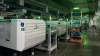
宁波卓越级智能工厂:5G+AI成就家电行业智能化转型新标杆
Zhong Guo Jin Rong Xin Xi Wang· 2025-10-24 12:07
Core Viewpoint - The collaboration between Zhejiang Mobile and Bull Group has led to the establishment of a smart factory that exemplifies the transformation of the home appliance industry through advanced technologies such as 5G and AI, achieving significant efficiency and productivity improvements. Group 1: Smart Factory Features - The smart factory covers over 300,000 square meters and utilizes an "industrial neural network" for automated production processes, achieving a unit production per hour (UPPH) that is seven times the industry average [1][8] - The factory has implemented a fully automated production line that produces one electrical connection product every two seconds, significantly enhancing production efficiency [8] - The integration of AI technology allows for real-time monitoring and identification of safety hazards, reducing safety incidents by 80% and improving hazard elimination rates by over 90% [9] Group 2: Technological Infrastructure - The factory operates on a 5G private network with a stability rate of 99.99%, ensuring seamless data transmission and operational continuity [4][6] - The deployment of over 1,100 terminals and edge computing nodes supports cross-regional production coordination, enhancing the overall manufacturing process [4][6] - The use of passive IoT technology allows for real-time tracking and management of tools, reducing management costs by over 2 million yuan annually [6] Group 3: Industry Impact and Recognition - Bull Group's smart factory has been recognized as a benchmark for intelligent transformation in the home appliance sector, being selected for the Ministry of Industry and Information Technology's list of exemplary smart factory projects for 2025 [1][10] - The collaboration has resulted in a replicable model for the discrete manufacturing industry, focusing on technology reuse, quantifiable benefits, and scalable transformation solutions [10][11] - The initiative has attracted interest from nearly 100 manufacturing enterprises, showcasing the potential for widespread adoption of smart manufacturing practices [10]