VANKE(000002)

Search documents
A股2025亏损画像:1442家公司预亏,行业“亏损王”浮出
Di Yi Cai Jing· 2026-02-04 13:07
Core Viewpoint - Nearly half of the A-share listed companies are expected to report losses for the 2025 fiscal year, with significant regional and industry disparities in the distribution of these losses [2][3]. Group 1: Regional Distribution of Losses - A total of 2,957 A-share companies disclosed their performance forecasts, with 1,442 companies expected to incur losses, representing 49% of the total [3]. - Hainan, Jilin, and Qinghai have the highest proportions of companies forecasting losses, exceeding 40%, with Hainan at 44.44% [4][5]. - Guangdong has the highest number of loss-making companies at 257, followed by Beijing (172), Jiangsu (160), and Zhejiang (133) [4]. Group 2: Industry Analysis - The real estate sector is the most affected, producing the highest number of loss-making companies, including the "loss king" Vanke A, which is expected to report a loss of approximately 82 billion yuan [7][8]. - Other industries with significant losses include IT services, semiconductors, and chemical pharmaceuticals, with 60, 50, and 40-50 companies respectively forecasting losses [7]. - The top ten companies with the highest expected losses include five from the real estate sector, with notable losses from China Fortune Land Development and Greenland Holdings [7][8]. Group 3: Specific Company Losses - Vanke A's losses are attributed to a significant decline in project settlement scale and increased business risks, leading to credit and asset impairment provisions [7]. - Other major loss-makers include China Fortune Land Development, expected to lose between 16 billion to 24 billion yuan, and Greenland Holdings, with losses projected between 16 billion to 19 billion yuan [8]. - In the retail sector, M.K. Home is expected to report losses of 15 billion to 22.5 billion yuan due to investment property valuation losses [8]. - Semiconductor company Wentech Technology anticipates losses of 9 billion to 13.5 billion yuan, primarily due to significant investment losses and asset impairments [9].



2026年一切都在变好!行业周期低谷恰逢转机,二手房成交稳增+政策红利共振,租售同权板块迎来强势复苏新起点
Xin Lang Cai Jing· 2026-02-04 12:19
Group 1 - Iwojia (000560) is a leading real estate agency in China, established in 2000, focusing on property leasing, second-hand housing transactions, new house agency, and home services, benefiting from the rental and sales rights policy [1][33] - The company has over 3,000 offline stores and has served more than 10 million families, with its "Xiangyu" brand managing over 400,000 rental units [1][33] - Future prospects include market share expansion due to the deepening of rental and sales rights policies and enhanced service experience through digital tools [1][33] Group 2 - Huafa Group (600325) is a well-established real estate company under the Zhuhai State-owned Assets Supervision and Administration Commission, focusing on real estate development and property services, primarily in the Guangdong-Hong Kong-Macao Greater Bay Area [2][34] - The company actively participates in the rental and sales rights sector with its "Huafa Youjia" rental brand and is involved in urban renewal and industrial support projects [2][34] - Future outlook includes value reassessment of land reserves and profit growth from the expansion of rental business [2][34] Group 3 - Caixin Development (000838) is a listed platform under Chongqing Caixin Group, focusing on real estate development and urban renewal, primarily in the Chengdu-Chongqing economic circle [3][35] - The company integrates into the regional housing rental system through self-owned apartment projects and affordable housing cooperation [3][35] - Future prospects include long-term value release from land reserves and urban renewal projects, with rental business expansion opening new growth opportunities [3][35] Group 4 - China Merchants Shekou (001979) is a flagship real estate platform under China Merchants Group, focusing on real estate development and commercial operations, primarily in key urban clusters [4][36] - The company has over 20,000 rental units under its "Yijian" brand and is deeply involved in the construction of affordable rental housing [4][36] - Future outlook includes profit growth from the expansion of rental business and asset revitalization through REITs pilot projects [4][36] Group 5 - Chengdu Investment Holdings (600649) is a city construction and operation platform under the Shanghai State-owned Assets Supervision and Administration Commission, focusing on real estate development and water operations [5][37] - The company actively responds to policy directions through affordable housing projects and long-term rental operations [5][37] - Future prospects include expansion of rental business scale and long-term value release from urban renewal projects [5][37] Group 6 - Binjiang Group (002244) is a leading real estate company in Hangzhou, focusing on high-quality residential development and commercial operations [6][39] - The company actively participates in the housing rental market through self-owned commercial properties and long-term rental projects [6][39] - Future outlook includes value reassessment of land reserves and profit growth from rental business expansion [6][39] Group 7 - Sealand (002285) is a leading comprehensive real estate service provider in China, focusing on property agency, rental services, and asset operation [7][40] - The company has served over one million families and manages over 100,000 rental units under its "Hongpu Apartment" brand [7][40] - Future prospects include market share expansion and service experience enhancement through digital tools [7][40] Group 8 - Poly Developments (600048) is a flagship real estate platform under Poly Group, focusing on real estate development and property services [8][41] - The company has over 50,000 rental units under its "Poly Apartment" brand and is involved in affordable rental housing construction [8][41] - Future outlook includes profit growth from rental business expansion and financing advantages under state-owned enterprise background [8][41] Group 9 - Huangting International (000056) is a commercial real estate operator based in Shenzhen, focusing on commercial property operations and financial services [9][42] - The company actively participates in the housing rental market through self-owned commercial property transformation and long-term rental operations [9][42] - Future prospects include further opening of rental space through commercial property transformation and value release from urban renewal projects [9][42] Group 10 - Jinhe Commercial Management (603682) is a leading cultural and creative park operator, focusing on urban renewal and cultural park operations [10][43] - The company integrates into the regional housing rental system through park-affiliated apartment operations and affordable housing cooperation [10][43] - Future outlook includes growth in park-affiliated rental business and consolidation of industry position through ongoing urban renewal projects [10][43] Group 11 - Vanke A (000002) is a leading real estate company in China, focusing on real estate development and rental operations [11][44] - The company has over 200,000 rental units under its "Boyu" brand, making it one of the largest long-term rental apartment operators in China [11][44] - Future prospects include profit growth from rental business expansion and asset revitalization through REITs pilot projects [11][44] Group 12 - Tianjian Group (000090) is a city construction and operation platform under the Shenzhen State-owned Assets Supervision and Administration Commission, focusing on real estate development and urban construction [12][45] - The company actively responds to policy directions through affordable housing projects and long-term rental operations [12][45] - Future outlook includes expansion of rental business scale and long-term value release from urban renewal projects [12][45] Group 13 - ST Sunshine (000608) is an established glass manufacturing company transitioning into the new energy and real estate sectors [13][46] - The company attempts to enter the housing rental market through self-owned property transformation and affordable housing cooperation [13][46] - Future prospects include growth in rental business and recovery of overall performance through the expansion of photovoltaic glass business [13][46] Group 14 - 365 Network (300295) is a leading real estate internet service platform, focusing on property information and transaction services [14][47] - The company integrates rental housing information through its online platform, benefiting from the rental and sales rights policy [14][47] - Future outlook includes growth in online rental platform traffic and improved profitability through financial technology business expansion [14][47] Group 15 - Debi Group (300947) is a leading cultural and creative park operator, focusing on urban renewal and cultural park operations [15][48] - The company integrates into the regional housing rental system through park-affiliated apartment operations and affordable housing cooperation [15][48] - Future prospects include growth in park-affiliated rental business and consolidation of industry position through ongoing urban renewal projects [15][48] Group 16 - Changjiang Investment (600119) is a logistics and real estate platform under the Shanghai State-owned Assets Supervision and Administration Commission, focusing on logistics operations and real estate development [16][49] - The company attempts to enter the housing rental market through self-owned property transformation and affordable housing cooperation [16][49] - Future outlook includes growth in rental business and performance improvement through logistics real estate appreciation [16][49] Group 17 - New Huangpu (600638) is a real estate platform under the Shanghai State-owned Assets Supervision and Administration Commission, focusing on real estate development and financial services [17][50] - The company actively participates in the housing rental market through affordable housing projects and long-term rental operations [17][50] - Future prospects include expansion of rental business scale and long-term value release from urban renewal projects [17][50] Group 18 - Yueshin Health (002162) is a health real estate and elderly care service provider, focusing on health real estate development and elderly care services [18][51] - The company integrates into the regional housing rental system through health community-affiliated apartment operations and affordable housing cooperation [18][51] - Future outlook includes growth in health rental business and improved profitability through the expansion of elderly care services [18][51]


A股2025年业绩预告收官!券商、有色金属迎来红利期,地产、光伏承压,AI引领新质生产力
Jin Rong Jie· 2026-02-04 11:32
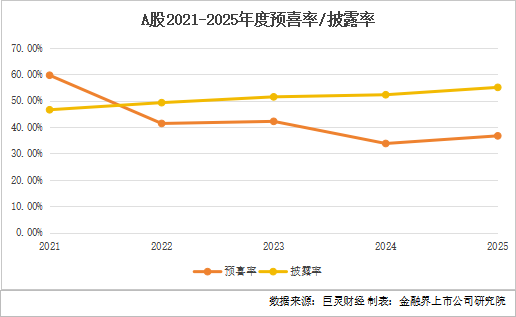
Core Viewpoint - The performance forecasts for A-share listed companies in 2025 reveal a clear picture of China's economic transition, with a notable divergence between industries, highlighting the shift from traditional reliance on factors to innovation-driven high-quality development [1][17]. Industry Performance Overview - As of January 30, 2026, 55.36% of A-share companies disclosed their 2025 performance forecasts, with a slight increase in the positive forecast rate to 36.08% from 33.38% in 2024, indicating a gradual recovery in profitability [1]. - The financial and non-ferrous metal sectors showed significant growth, while traditional industries like real estate and photovoltaics faced ongoing performance pressures [3][8]. Positive Forecasting Industries - The top five industries with the highest positive forecast rates in 2025 are non-bank financials (87.5%), non-ferrous metals (65.8%), beauty care (53.85%), automotive (53.68%), and public utilities (50.94%) [5][18]. - Non-bank financials benefited from a recovering capital market and improved investment returns, leading to a robust performance [5][18]. - The non-ferrous metals sector saw a profit increase driven by rising commodity prices and improved capacity release, with major companies like Zijin Mining and Luoyang Molybdenum reporting strong results [7][8]. Underperforming Industries - The real estate and photovoltaic sectors are experiencing significant challenges, with forecast rates below 20% for coal and real estate, indicating a deep adjustment phase [8][10]. - Major real estate companies, including Vanke and Greenland Holdings, are expected to report substantial losses, reflecting ongoing market difficulties [10][11]. New Growth Drivers - New productivity sectors, particularly in artificial intelligence, semiconductors, and high-end manufacturing, are witnessing explosive growth, becoming the core engine of A-share profitability [12][17]. - Companies like Cambricon are expected to report significant revenue growth, driven by increasing demand for AI applications [13][19]. Policy Support and Future Outlook - The government is enhancing support for new productivity sectors through policies promoting AI and digital technology integration, which is expected to sustain growth in these industries [19][20]. - Traditional industries are also encouraged to transform and upgrade, with a focus on high-quality development and overcoming transition challenges [19].





內房股大涨,融创中国涨超8%,万科涨超6%!恒生科技跳水,大型科技股齐跌 | 港股收盘
Mei Ri Jing Ji Xin Wen· 2026-02-04 08:44
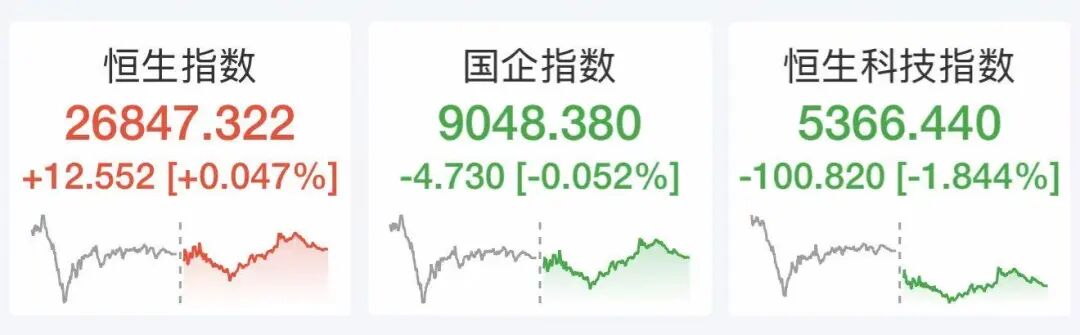
Group 1 - The Hong Kong stock market experienced fluctuations, with the Hang Seng Index closing at 26,847.322, a slight increase of 0.047% [1] - Real estate stocks saw significant gains, with Shimao Group rising over 14%, Sunac China up over 8%, Vanke Enterprises increasing over 6%, and Yuexiu Property up over 6% [1] - Coal stocks also performed well, with Yanzhou Coal Mining rising over 10% and China Shenhua Energy increasing over 5% [1] Group 2 - The Hang Seng Tech Index dropped by 1.844%, with major tech companies showing poor performance [3] - Tencent Holdings fell nearly 4%, Baidu Group declined nearly 3%, Xiaomi Group dropped over 1.8%, JD Group decreased over 1.6%, and Alibaba fell nearly 1% [3][4] - Semiconductor stocks were sluggish, with Fudan Shanghai falling over 5%, Hua Hong Semiconductor down nearly 5%, GigaDevice down over 3%, and SMIC down over 2% [5]


港股收评:恒指微涨0.05%、科指跌1.84%,科网股、芯片股走低,煤炭、地产及内房股表现强势
Jin Rong Jie· 2026-02-04 08:24
Market Performance - The Hong Kong stock index experienced fluctuations, with the Hang Seng Index closing at 26,847.32 points, up 12.55 points or 0.05% [1] - The Hang Seng Tech Index fell by 100.82 points, a decrease of 1.84%, while the National Enterprises Index dropped by 4.73 points, or 0.05% [1] - Chip stocks declined, with Shanghai Fudan down over 5%, Hua Hong Semiconductor down nearly 5%, and SMIC down over 2% [1] Sector Highlights - Technology sector showed mixed results, with notable collaborations and advancements in AI hardware and pharmaceutical technology [2] - In the pharmaceutical industry, several companies reported significant milestones, including FDA approvals and milestone payments, indicating strong growth potential [2] - The food industry reported steady growth, with Nissin Foods' China operations achieving a revenue of 54.948 billion yen, a 2.7% increase year-on-year [3] Investment Insights - Morgan Stanley expressed confidence in the Hong Kong and A-share markets, citing effective cooling measures and long-term regulatory support as positive liquidity factors [4] - Galaxy Securities highlighted the ongoing geopolitical risks and suggested a focus on the technology sector for medium to long-term investments [5] - Guoyuan International noted that Hong Kong stocks may outperform U.S. stocks due to low long-term valuations and potential recovery in domestic demand [6]


港股内房股午后涨幅扩大,融创中国(01918.HK)涨超10%,龙光集团(03380.HK)涨超7%,万科企业(02202.HK)、越秀地产(00123...
Jin Rong Jie· 2026-02-04 06:06
Group 1 - Hong Kong property stocks saw significant gains in the afternoon, with Sunac China (01918.HK) rising over 10% [1] - Longfor Group (03380.HK) increased by more than 7% [1] - Vanke Enterprises (02202.HK) and Yuexiu Property (00123.HK) both rose over 6% [1] Group 2 - Other stocks such as China Resources Land (01109.HK), Agile Group (03383.HK), and Country Garden (02007.HK) also experienced upward movement [1]

万科前高层郁亮王石接连被传失联,两年亏损超1300亿
Sou Hu Cai Jing· 2026-02-04 03:21
Core Viewpoint - Vanke's former executives, including Yu Liang and Wang Shi, have been reported missing, raising concerns about the company's leadership and future amidst significant financial losses [1][5][15]. Financial Performance - Vanke is projected to incur a net loss of approximately 82 billion yuan in 2025, marking a record loss in A-shares, with cumulative losses over two years reaching 131.48 billion yuan, while its current market value is only 55.67 billion yuan, indicating losses are 2.4 times its market cap [5][17]. - The company's net profit for 2024 is expected to be a loss of 49.48 billion yuan, following a decline of 46.39% in 2023 to 12.16 billion yuan [9][17]. - The financial report indicates a significant drop in net profit from 4.95 billion yuan in the previous year to approximately 82 billion yuan, with basic earnings per share dropping from 4.17 yuan to about 6.89 yuan [7]. Market Position and Historical Context - Vanke, once a leader in the Chinese real estate market, has seen its stock price plummet by 88% from a peak of 39.8 yuan in 2017 to 4.75 yuan, resulting in a market value loss exceeding 400 billion yuan [8]. - The company was a top performer in 2019, achieving sales of 630.84 billion yuan and a net profit of 38.87 billion yuan, but has since transitioned from a profitable entity to one facing severe financial challenges [8][9]. Leadership Changes and Implications - Yu Liang, who was considered a trusted successor by Wang Shi, has recently stepped down and is now reportedly missing, which has raised alarms about the company's governance [12][15]. - Wang Shi, the founder, has also been rumored to be missing but has since posted updates on social media, indicating he is responding to concerns about his absence [5][15]. - The departure of Zhu Jiusheng, a key figure in Vanke's management, has been interpreted as a significant shift in the company's strategy amid increasing debt pressures [11]. Operational Challenges - Vanke's projected losses are attributed to several factors, including a significant decline in project settlement scale, low gross margins, increased credit and asset impairment provisions, and losses from non-core financial investments [17][19]. - The company is facing a challenging environment with high land acquisition costs and a market downturn affecting sales and project settlements, leading to a situation where the cost of land exceeds the revenue from sales [19][20]. Future Outlook - Despite the challenges, Vanke remains optimistic about its future, planning to focus on operational improvements and strategic adjustments to enhance its development and operational capabilities [17][20]. - The company has received support from its largest shareholder, Shenzhen Metro Group, which has provided loans to assist in debt repayment, indicating a level of confidence in Vanke's ability to navigate its current difficulties [20].

基本面120ETF嘉实(159910)开盘涨0.37%
Xin Lang Cai Jing· 2026-02-04 01:42
Group 1 - The core viewpoint of the article highlights the performance of the Basic Fundamental 120 ETF managed by Harvest Fund Management, which opened at 2.461 yuan with a slight increase of 0.37% [1] - The ETF's major holdings include companies such as CATL, Midea Group, Gree Electric Appliances, BOE Technology Group, Ping An Bank, Luxshare Precision, Vanke A, TCL Technology, Wuliangye, and Weichai Power, with varying performance among these stocks [1] - Since its inception on August 1, 2011, the ETF has achieved a return of 145.57%, while its return over the past month is 2.89% [1] Group 2 - The ETF's performance benchmark is the Shenzhen Basic Fundamental 120 Index, indicating its investment strategy is aligned with this index [1] - The fund manager is Harvest Fund Management Co., Ltd., and the fund manager is Li Zhi [1]





2026年,房地产会更“惨”吗?
财富FORTUNE· 2026-02-03 13:07
Core Viewpoint - The Chinese real estate market is experiencing a significant transformation characterized by a bifurcation between high-quality residential properties in core urban areas and lower-quality properties in suburban regions, marking the end of a two-decade growth cycle [1][3][4]. Group 1: Market Dynamics - The "three red lines" policy initiated in 2020 has led to a rapid decline in the real estate market, with new home sales and prices reverting to levels seen in 2009 or 2015 by 2025 [5][6]. - The trend of resource concentration in core cities has intensified, with policies recognizing the need for differentiated strategies to address various urban challenges [6][9]. - By 2025, 67 out of 70 major cities are expected to see a year-on-year decline in new home prices, with only a few cities like Shanghai, Hangzhou, and Taiyuan experiencing slight increases [5][6]. Group 2: Corporate Challenges and Transformations - Vanke, a leading real estate company, is projected to incur losses of 820 billion yuan in 2025, highlighting the broader market crisis and the end of high-leverage, high-turnover business models [5][7]. - At least 21 distressed real estate companies are expected to complete or receive approval for debt restructuring, with a total debt reduction of approximately 1.2 trillion yuan [7][8]. - The industry is shifting towards a new model focused on quality development, with an emphasis on building "good houses" and enhancing operational efficiency [7][8]. Group 3: Fiscal Implications - Local government land transfer revenues have seen a continuous decline, with a projected income of 4.15 trillion yuan in 2025, down 14.7% from the previous year and significantly lower than the peak in 2021 [9][10]. - The reliance on land sales for local government revenue has created substantial fiscal gaps, prompting a shift towards optimizing existing land use and fostering new economic drivers [9][10]. Group 4: Future Outlook - The real estate sector is at a crossroads, facing a transition that will define its trajectory for the next decade, moving away from the fantasy of uniform price increases towards a reality of market differentiation and sustainable development [11][12].
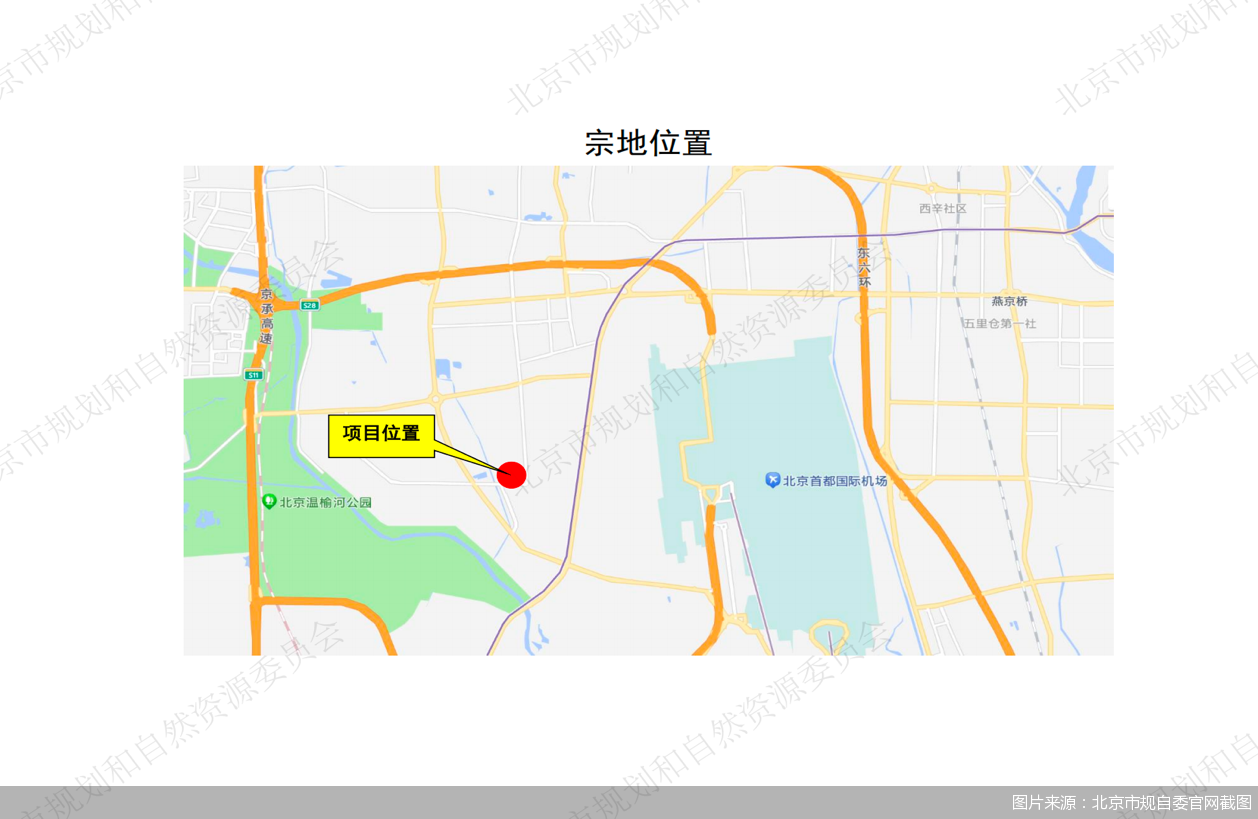
北京2026年土地首拍,中铁投首次摘得北京涉宅地块
Bei Jing Shang Bao· 2026-02-03 11:25
Core Insights - The first land auction in Beijing for 2026 commenced on February 3, with three residential plots totaling a transaction amount of 5.762 billion yuan [1] - The auction reflects a "reduced volume and increased price" trend, with all plots sold at the base price, contrasting with the high premium bidding seen in early 2025 [3] - The supply of residential land in Beijing is set to decrease for the fourth consecutive year, with a planned supply of 200-240 hectares for 2026, down from 240-300 hectares in 2025 [3] Group 1: Auction Details - The three plots sold include the "New National Exhibition" plot in Shunyi, acquired by China Railway Investment Group for 2.81 billion yuan, marking its first entry into the Beijing residential land market [1][3] - The "Shougang" plot in Shijingshan was sold to Shougang Real Estate for 1.39 billion yuan, while the "Songzhuang" plot in Tongzhou was acquired by a consortium for 1.562 billion yuan [3][4] Group 2: Market Trends - The concentration of land sales within the city core is increasing, with 33% of residential land transactions in the fifth ring road area in 2025, the highest in five years, while only 13% were outside the sixth ring road, the lowest in five years [3] - New entrants in the land auction include companies like China Railway Investment Group and New航城, which have traditionally focused on primary land development but are now entering the secondary market [6][8] Group 3: Future Supply - The 2026 supply list includes five plots totaling approximately 16 hectares and a building scale of about 240,000 square meters, with a focus on core urban areas [1][9] - The core area plot in Dongcheng is particularly noteworthy, with an area of about 1.2 hectares and a building area of approximately 25,200 square meters, located between the second and third ring roads [9][10]