TCL TECH.(000100)

Search documents
AWE2026观察丨告别参数内卷,电视在AWE上迎来了自己的「觉醒年代」
雷峰网· 2026-03-16 12:48
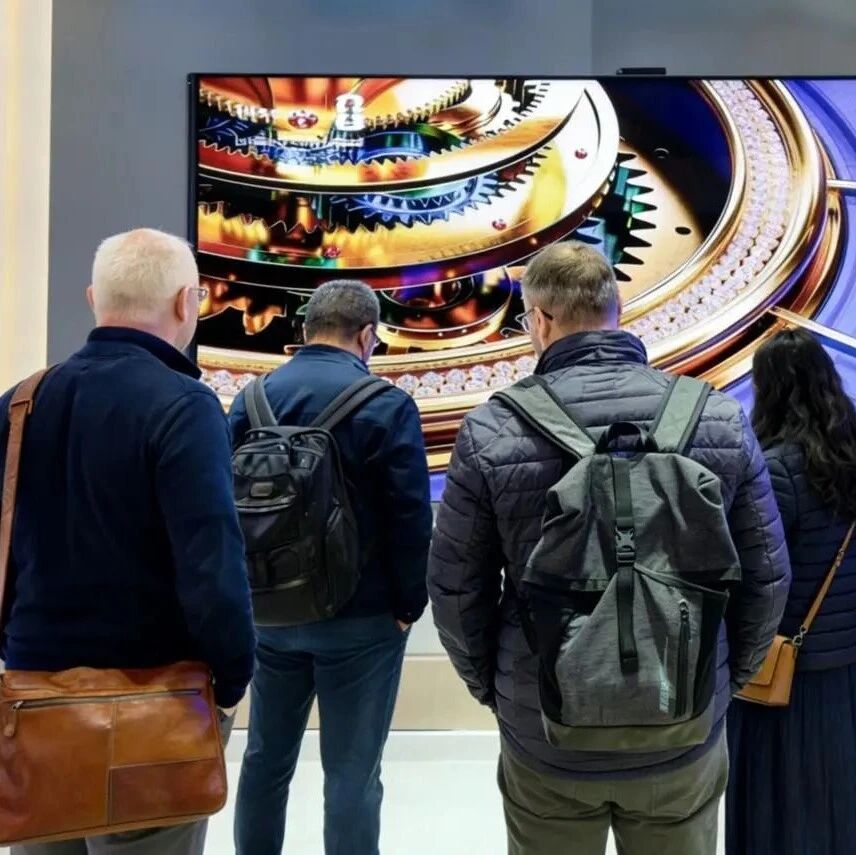
Core Viewpoint - The television industry is undergoing a significant transformation, moving away from traditional display functions to innovative experiences and designs, as showcased at AWE2026. This evolution is characterized by advancements in display technology, form factor innovations, and the integration of AI capabilities, indicating a vibrant future for the industry despite current challenges [3][4][23]. Group 1: Display Technology Innovations - The RGB three-color display technology is experiencing a breakthrough, with companies like Hisense and Sony showcasing new products that enhance color purity and stability, marking a shift from traditional methods [6][8]. - Hisense's RGB-Mini LED technology features independent control of four color sources, resulting in high color purity and natural light transitions, supported by a substantial patent portfolio [6][9]. - TCL's SQD-Mini LED technology emphasizes achieving 100% BT.2020 color gamut coverage, showcasing the competitive landscape in display technology [8][9]. Group 2: Form Factor Innovations - The industry is focusing on innovative form factors, with products that can "transform" or "disappear" into home decor, moving beyond the traditional notion of a television as a fixed display [12][14]. - Companies like Chasing are introducing "transformable" TVs that adjust sound direction based on user location, while Skyworth's wallpaper TV aims to blend seamlessly into home aesthetics [12][14]. - LG's transparent OLED TV exemplifies the potential for televisions to serve dual purposes as both display devices and home decor, challenging conventional design boundaries [14]. Group 3: AI Integration - AI is shifting from a buzzword to practical applications, with companies like TCL embedding AI capabilities into various home appliances to enhance user experience [16][17]. - Hisense's AI image processing chip improves color accuracy and reduces visual artifacts, while Changhong integrates AI lighting to enhance the viewing experience [17]. - The integration of AI is transforming televisions from passive displays to active smart home hubs, capable of interacting with other devices and adapting to user preferences [17]. Group 4: Competitive Landscape - The competitive dynamics in the television market are evolving, with traditional giants like Hisense and TCL reinforcing their market positions through differentiated strategies [20][21]. - New entrants like Chasing are introducing a comprehensive range of products, bringing fresh perspectives and innovation to the market, despite concerns about brand recognition and supply chain integration [21]. - The absence of some traditional players highlights a market shift where true capabilities can emerge without being diluted by an oversaturated brand presence [21].



高科技、重资产、长周期:中国先进制造的资本考题
晚点LatePost· 2026-03-15 11:00
Core Viewpoint - The article emphasizes that China's advanced manufacturing, particularly in the display panel industry, requires not only technological breakthroughs but also substantial capital investment to maintain competitiveness and drive innovation [2][4][19]. Group 1: Industry Transformation - In 2023, China's panel industry has fundamentally changed its global position, with major companies like TCL and BOE dominating the traditional LCD market and aggressively pursuing high-end OLED and next-generation display technologies [2][4]. - The transformation of the industry is characterized by a long-term struggle against external technological blockades and significant industry cycle fluctuations, necessitating continuous evolution under high uncertainty [2][4]. Group 2: Capital Investment and Strategy - Companies like TCL Huaxing have chosen to bear the primary investment burden themselves, which increases financial pressure and requires strong judgment from leadership regarding industry outcomes [4][10]. - Continuous and substantial capital investment is essential for building core barriers in advanced manufacturing, whether for long-term investments during industry downturns or for exploring cutting-edge technologies like OLED and Micro LED [4][10]. Group 3: Competitive Landscape - The competition in the high-end manufacturing sector intensifies as any technological lag or production layout delay can significantly reshape the industry landscape [5][21]. - The historical context shows that Japanese companies, despite initial advantages, lost market share due to reduced investments during downturns, while Korean firms capitalized on the opportunity by increasing their investments [7][10]. Group 4: Financial Dynamics - The development of the semiconductor display industry is not only a technological evolution but also a capital competition, where companies must balance technology and capital investment [6][14]. - The high capital requirements for establishing new production lines, often exceeding hundreds of billions of yuan, highlight the significant financial barriers in the industry [14][20]. Group 5: Future Outlook - The article calls for enhanced capital market support for advanced manufacturing, indicating that the challenges faced by the panel industry are indicative of broader issues within China's advanced manufacturing sector [19][22]. - The need for more accessible and effective financing channels is crucial for Chinese companies to maintain competitiveness and achieve long-term growth in the global market [18][22].
中国银行董事长葛海蛟与TCL董事长李东生举行工作会谈
Xin Lang Cai Jing· 2026-03-13 12:50
Group 1 - The meeting between the chairman of Bank of China and the chairman of TCL focused on deepening comprehensive cooperation, highlighting TCL's role as a representative of advanced manufacturing in China [1][3] - The "14th Five-Year Plan" outlines 16 goals for national strength, with manufacturing being the top priority, indicating the strategic importance of the manufacturing sector [1][3] - Bank of China aims to leverage its strengths in key areas such as new displays, semiconductor materials, and the photovoltaic industry chain to support TCL's technological breakthroughs and global expansion [1][3] Group 2 - TCL's chairman expressed gratitude for Bank of China's long-term support and discussed TCL's operational status, industry conditions, and future strategic planning [2][4] - TCL is committed to core industries including smart terminals, semiconductor displays, new energy photovoltaics, and semiconductor materials, focusing on enhancing core capabilities and key technologies [2][4] - The collaboration aims to achieve resource sharing and mutual benefits, enhancing core competitiveness to better serve national strategic needs [2][4]

AWE 2026:京东方、TCL华星、惠科、深天马等新品一览
WitsView睿智显示· 2026-03-13 09:50
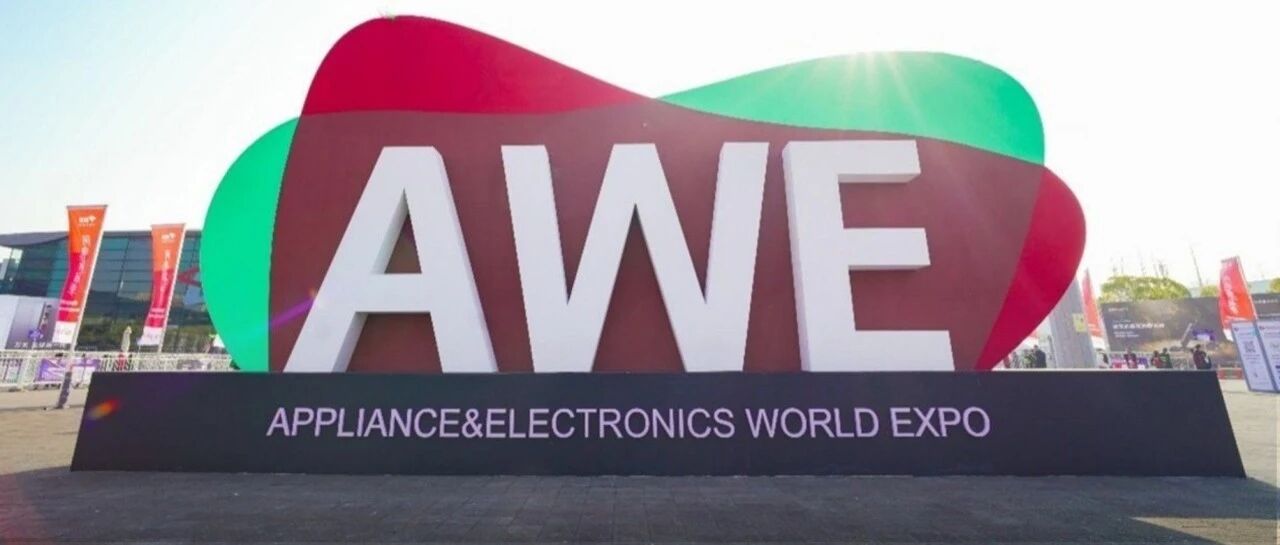
Group 1 - The AWE 2026 China Household Appliances and Consumer Electronics Expo opened in Shanghai, featuring over 1,200 top domestic and international companies, with a focus on "AI Technology, Enjoying the Future" [2] - BOE made its debut at AWE, showcasing multiple products including the "Mirror Sense '0 Scar' Foldable Display" and the "HERO 2.0 Smart Cockpit Solution" [3][6] - TCL displayed innovations in automotive displays, monitors, and printed OLED technologies, including a 29.8" Mini-LED automotive display with over 2,000 finely divided Mini-LED backlight zones [8][10] Group 2 - TCL's global thinnest LCD desktop display measures only 3.7mm thick, integrating Type-C drive and power supply [10] - The world's first Super Pixel high-definition mobile display features a resolution of 1200x2608 and a pixel density of 420 PPI, achieving a peak brightness of 3500 nits [13] - HKC Huike's KOORUI brand launched its first television product, the Rival series S60, which is an entry-level Mini LED gaming TV with 4K resolution and a refresh rate of 330Hz [15] Group 3 - Deep Tianma showcased its innovative display technologies, including a 3-inch AI smart terminal and the InvisiVue™ hidden display product [17][19] - Hisense presented three major color light source technologies and flagship television products, including the RGB-Mini LED TV UX2026, which achieves 110% BT.2020 color gamut and 10,000 nits true color brightness [23][25] - Skyworth unveiled over 120 products, including the A10HPro wallpaper TV, which is only 27.9mm thick and features a four-sided borderless design [28][31] Group 4 - LG displayed multiple OLED products, including the OLED evo G6 TV with α11 AI chip and the world's first true wireless transparent TV, LG SIGNATURE OLED T [32][33] - Sony showcased its next-generation true color RGB TV, emphasizing its advantages in wide color gamut and precise gray scale control [37][40] - Changhong introduced the industry's first RGB-Mini LED TV with AI light color control technology, the Changhong Gold Standard T70S, and the RGB ambient light AI TV, the ZHUI GUANG Q70S [41][43] Group 5 - Toshiba presented its new REGZA series RGB-Mini LED product matrix, featuring multi-crystal three primary color backlight chips [45][46] - ZHUI MI showcased its INNIX high-end audio-visual product matrix, including the INNIX Aura Mini LED R8000 with low reflectivity and high color accuracy [50][52] - The integration of display industry and AI technology has deepened, with various companies showcasing products that leverage AI for enhanced user experience [55]


囤货的快乐,全毁在一台不给力的冰箱上
后浪研究所· 2026-03-13 07:33
Core Insights - The refrigerator's role has evolved from merely storing leftovers to becoming a symbol of a high-quality lifestyle, reflecting personal taste and emotional well-being [3][4][5] - There is a growing demand for refrigerators that can meet the needs of modern consumers, who prioritize food quality and preservation [30][29] Group 1: Consumer Behavior and Preferences - Many individuals use stocking their refrigerators as a form of emotional regulation, with nearly half replenishing their stock when feeling stressed [6][5] - Approximately 30% of respondents stock high-end desserts, ice cream, and quality meats, indicating a shift towards luxury food items rather than basic necessities [6][5] - The survey revealed that 64.2% of participants feel their freezer is insufficiently sized, highlighting the increasing variety of food items being stored [11][14] Group 2: Food Quality and Preservation Challenges - Consumers are concerned about the quality of food stored for extended periods, with over half fearing that prolonged freezing will degrade taste and texture [14][9] - The cold storage space is under pressure due to the increasing variety of high-quality ingredients, leading to dissatisfaction with current refrigerator capabilities [11][16] - Many people experience food waste due to spoilage, with 39.3% admitting to sometimes not properly repackaging items, which contributes to waste [19][18] Group 3: Technological Innovations in Refrigeration - The TCL dual magnetic fresh Pro refrigerator addresses these challenges by offering advanced preservation technology that maintains food quality at lower temperatures [34][30] - This refrigerator utilizes a unique magnetic field technology to enhance food preservation, allowing for longer storage without loss of quality [38][41] - The design of the refrigerator also emphasizes aesthetics, with over half of respondents prioritizing a sleek and visually appealing appearance [24][26] Group 4: Market Trends and Future Directions - The trend towards online grocery shopping is evident, with 40.9% of consumers relying on online platforms for their food needs, indicating a shift in purchasing behavior [15][15] - As lifestyles become busier, the demand for refrigerators that can efficiently store and preserve a variety of foods is likely to increase, pushing manufacturers to innovate [30][29] - The integration of advanced features in refrigerators is becoming essential for meeting consumer expectations for both functionality and design [30][24]
李东生两会再议先进制造业融资:疏通资本“活水”润泽“长跑”产业
第一财经· 2026-03-07 08:17
Core Viewpoint - Breakthroughs in key technology areas are essential to support the transformation and upgrading of the Chinese economy, particularly in advanced manufacturing, which requires strong capital support [1]. Group 1: Capital Support for Advanced Manufacturing - The manufacturing value added in China accounts for nearly 30% of the global total, maintaining the top position for 15 consecutive years, but there are still shortcomings in high-tech fields like integrated circuits [1]. - The capital strength of private enterprises is relatively weak, which hinders their ability to invest in high-tech, heavy asset, and long-cycle industries [3][4]. - TCL Huaxing serves as a model in the semiconductor display industry, achieving partial leadership through a unique capital structure where over 50% of project investments are self-funded and 100% of project loans are guaranteed by the company [4]. Group 2: Financing Challenges and Recommendations - The current investment landscape shows that while state and local governments are investing in integrated circuits, private enterprises face limitations in capital capabilities [4]. - TCL Technology has raised approximately 18.3 billion yuan through refinancing from 2021 to 2025, but the capital expenditure during the same period reached 32.3 billion yuan, indicating a funding gap [5]. - There is a need for special financing rules and channels to better support advanced manufacturing, as existing refinancing processes are lengthy and require suitable market conditions [6]. Group 3: Innovation and Investment in Display Technology - The display industry is approaching a critical moment, with Chinese companies capturing over 70% of global LCD production capacity, while OLED technology is rapidly penetrating the market [8]. - TCL Huaxing has invested significantly in the development of printed OLED technology, achieving a yield improvement from single digits to over 70% over ten years [8][9]. - The company is constructing the world's first 8.6-generation printed OLED production line in Guangzhou, with an investment of 29.5 billion yuan, aiming for mass production by the second half of 2027 [9]. Group 4: Long-term Capital and Innovation - The investment in printed OLED technology is compared to the risks faced when launching the first LCD production line, emphasizing the need for strong innovation capabilities and substantial investment [9][10]. - The ability to seize market opportunities is crucial, and companies must balance technology readiness with timely investment decisions to avoid missing market windows [10]. - Strengthening capital support is essential for cultivating world-class enterprises in high-tech, heavy asset, and long-cycle industries, as demonstrated by TCL's journey from LCD to printed OLED [11].

对话李东生:想公开讲一些有建设性的真话
经济观察报· 2026-03-07 04:01
Core Viewpoint - The conversation emphasizes the need for the domestic business system to reduce unnecessary consumption and allow the market to function effectively [2] Group 1: Industry Challenges - In the past five years, nearly all new capacity in the photovoltaic industry has involved local capital participation [1][30] - The implementation of national subsidies for bulk consumer goods has led to local governments requiring companies to establish independent legal entities to qualify for these subsidies, resulting in TCL adding approximately 540 new legal entities [2][5][42] - The over-intervention of local funds in the market has distorted resource allocation, with local investment in photovoltaic projects often exceeding 50%, and in some cases, reaching 80% [7][30] Group 2: Financing Issues - The financing channels for large technology manufacturing are not smooth, with semiconductor display production lines requiring investments between 15 billion to 40 billion yuan, and financial institutions demanding that companies provide at least 40% of the total investment as their own capital [9][15] - The refinancing process is lengthy and complicated, making it difficult for companies to secure necessary funds for project investments [18][19] Group 3: Market Dynamics - The decline in television sales in China, with 32.9 million units sold in 2025, is attributed to a lack of attractive content rather than hardware issues, contrasting with the 49.9 million units sold in the U.S. [10][50] - The trade surplus of over 1.2 trillion USD in the previous year suggests a need for increased imports to stimulate domestic market demand [11][51] Group 4: Recommendations for Improvement - Local funds should have clear exit mechanisms and limited liability to prevent excessive market interference [8][39] - The government should consider special policies to support restructuring in the photovoltaic industry, including debt extension and waiving penalties for overdue loans [36][38] - To enhance service consumption, there should be a focus on differentiated service products that cater to various consumer needs [47][50] Group 5: Globalization and Strategic Partnerships - TCL's global revenue reached 356 billion yuan, with 170.1 billion yuan coming from overseas, indicating the importance of establishing local supply chains [62] - The joint venture with Sony aims to leverage both companies' strengths to enhance competitiveness in the television market [64][66]

李东生2026智能制造展望:守制造之本,拓新质之路,谋创新之远
21世纪经济报道· 2026-03-06 10:21
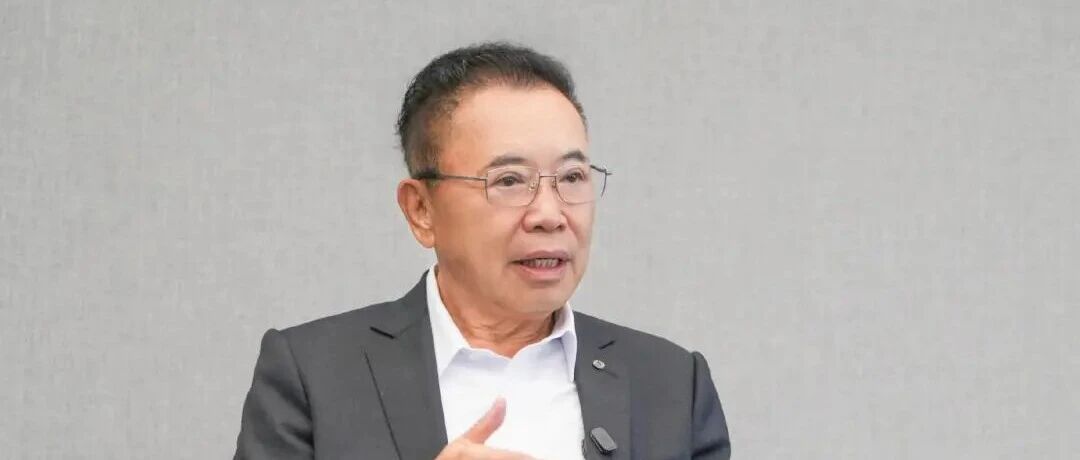
Core Viewpoint - TCL, under the leadership of Li Dongsheng, has transformed from a small tape workshop into a global technology manufacturing giant, spanning semiconductor displays, smart terminals, and new energy photovoltaics. The company aims to navigate the increasingly competitive landscape of the semiconductor display industry and leverage its global strategy to drive innovation and growth [1]. Group 1: Manufacturing and Investment Strategy - Li Dongsheng emphasizes that the core of industrial transformation and upgrading lies in developing high-tech, capital-intensive, and long-cycle industries, such as integrated circuits and semiconductor displays, which require sustained investment [1][8]. - The company has called for increased financing convenience and predictability for advanced manufacturing industries to better compete internationally [3]. - Since its establishment in 2009, TCL Huaxing has invested over 300 billion yuan in the semiconductor display industry, making it one of the largest investors in China's autonomous semiconductor display process [3][4]. Group 2: Historical Investment Phases - The investment phases of TCL include the foundational period from 2009 to 2013, where initial investments broke overseas monopolies, and the expansion phase from 2014 to 2019, where the company entered the global top tier through comprehensive investments [4]. - From 2020 onwards, TCL has focused on technological upgrades and global integration, solidifying its position as a global leader in the LCD sector while advancing into next-generation display technologies [5][7]. Group 3: Competitive Landscape - The global semiconductor display industry is characterized by intense competition, with major players like Samsung and LG dominating high-end OLED markets, while Chinese companies like TCL Huaxing lead in LCD and rapidly catch up in OLED and other new technologies [7]. - China now accounts for 70% of global LCD production, establishing a significant competitive barrier, and TCL has achieved a position of parity and local leadership in certain areas [7]. Group 4: New Energy and Photovoltaics - In 2020, TCL acquired Tianjin Zhonghuan Group, a leader in global photovoltaic silicon wafers, to enhance its competitive edge in the renewable energy sector [10]. - By 2025, TCL Zhonghuan aims to achieve a total silicon wafer production capacity of 200 GW, focusing on large-size, thin wafers, and N-type technology, which is crucial for the photovoltaic industry's transformation [11][13]. Group 5: Market Dynamics and Consumer Behavior - The Chinese television market is experiencing a decline, with a 8.5% drop in shipments in 2025, while the U.S. market shows slight growth, highlighting differences in consumer behavior and market saturation [15][17]. - The average daily TV usage in China is significantly lower than in the U.S., indicating a need for improved content supply to stimulate domestic consumption [17][18]. Group 6: Future Outlook and Strategic Recommendations - Li Dongsheng advocates for a differentiated supply system to stimulate market demand, emphasizing the importance of innovation and long-term planning in achieving high-quality development in emerging strategic industries [14][18]. - The company aims to maintain strategic focus in high-tech, capital-intensive, and long-cycle sectors while fostering a more market-oriented and resilient industrial ecosystem [18].
两会政府工作报告学习解读与投资看点
2026-03-06 02:02
Summary of Key Points from the Conference Call Industry Overview - The conference call primarily discusses the macroeconomic outlook and government policies impacting various sectors, particularly focusing on the construction, energy, and real estate industries. Core Insights and Arguments 1. **GDP Growth Target**: The GDP growth target for 2026 is set at 4.5%-5.0%, aligning with expectations. However, there is a notable gap in fiscal spending versus debt increase, necessitating reliance on tax revenue recovery and central government support for local tax sources [1][2][3]. 2. **Dual Carbon Policy**: The dual carbon policy has shifted from "energy consumption control" to "carbon emission control," enhancing quantitative constraints. This is expected to benefit sectors like carbon accounting software, carbon trading, smart grids, and hydrogen energy [1][4]. 3. **Coal Sector Outlook**: The coal sector is viewed as having a "second growth curve," driven by AI-related electricity demand growth, which offsets dual carbon pressures. Domestic and import supply reductions are anticipated, with coal prices expected to rise from a bottoming phase, suggesting over 50% upside potential for coal stocks [1][20][21]. 4. **Debt Market Expectations**: The bond market has already priced in the subdued fiscal expectations, with a short-term forecast for 10-year government bond yields to retreat to 1.85%-1.9%. There remains room for interest rate cuts throughout the year [1][12][14]. 5. **Construction and Building Materials**: The focus is on major projects under the "15th Five-Year Plan," with significant investment opportunities in western development, major canals, and high-standard farmland construction. The construction materials sector is nearing a profitability inflection point, with leading companies like Oriental Yuhong expected to benefit [1][22][26]. 6. **Consumer Sector Trends**: Consumer spending is expected to show a "high-low" rhythm, with potential weakness in Q2. Opportunities in high-end travel and service consumption are highlighted, particularly with the expansion of spring break trials [2][15]. 7. **Investment Directions**: The report emphasizes investment in new infrastructure, urbanization, and livelihood improvements, with a focus on projects like major railways and hydropower. The total investment in these areas is projected to exceed 8 trillion yuan [22][24]. 8. **Real Estate Policy Changes**: The real estate sector's focus has shifted from risk prevention to stabilizing the market, with a new emphasis on a "people-centered" approach. The reform of housing provident funds is highlighted as a key support mechanism [27][30][31]. Other Important but Potentially Overlooked Content 1. **Tax Revenue Recovery**: The anticipated recovery in tax revenue due to price increases and economic expansion is crucial for addressing the fiscal gap [2][3]. 2. **AI and Energy Demand**: The demand for coal is expected to increase due to AI-driven electricity needs, indicating a shift in energy consumption patterns [20]. 3. **Urban Renewal Initiatives**: The report outlines significant urban renewal projects, with a focus on old neighborhood renovations and infrastructure safety, potentially driving demand for construction materials [23][34]. 4. **Green Energy Initiatives**: The introduction of "green fuels" and a multi-energy approach is noted, with major state-owned enterprises involved in clean energy projects [24]. 5. **Market Sentiment**: The overall market sentiment reflects cautious optimism, with expectations for gradual recovery in various sectors, particularly in construction and real estate [1][10][12]. This summary encapsulates the key points discussed in the conference call, providing insights into the macroeconomic environment and sector-specific developments that may influence investment strategies moving forward.




李东生:我想说的话
经济观察报· 2026-03-05 12:58
Core Viewpoint - The article emphasizes the need for a more efficient business system in China that minimizes unnecessary consumption and allows the market to function effectively [1] Group 1: Company Overview - TCL, founded by Li Dongsheng, has evolved from a consumer electronics brand to a global technology conglomerate with total revenue reaching 356 billion yuan, driven by its core businesses in semiconductor displays and renewable energy [2] - The semiconductor display business is projected to exceed 100 billion yuan in revenue with a net profit of over 8 billion yuan by 2025, while the renewable energy sector is currently facing supply-demand imbalances [2][4] Group 2: Challenges Faced - The first challenge is the distortion in policy execution, where local governments impose unnecessary requirements for subsidies, leading TCL to establish approximately 540 new legal entities, increasing operational costs without adding social value [3][25] - The second challenge involves excessive local capital intervention in the market, with local funds often holding a significant stake in new photovoltaic projects, even when market conditions suggest a halt in expansion [4][16] - The third challenge is the difficulty in securing financing for large-scale semiconductor manufacturing projects, where financial institutions require a minimum of 40% equity from companies, complicating the funding process [6][9] Group 3: Market Dynamics - In 2025, China's television sales are expected to decline by 8.5% to 32.895 million units, contrasting with the U.S. market, which is projected to sell 49.9 million units, highlighting a disparity in content service attractiveness [7][29] - The article suggests that enhancing content services and promoting differentiated consumption could stimulate domestic demand, which is currently lagging behind GDP growth [28][30] Group 4: Recommendations for Improvement - Li Dongsheng proposes that local funds should have clear exit mechanisms and limited liability to prevent excessive market interference [5][22] - He advocates for a more streamlined financing process for heavy asset industries, suggesting that regulatory bodies should create special channels for these sectors to facilitate easier access to capital [9][10] - The article also emphasizes the importance of mergers and acquisitions to clear excess capacity in the renewable energy sector, suggesting that a conducive environment for such activities should be established [13][14] Group 5: Globalization and Supply Chain - TCL's global revenue reached 170.1 billion yuan, with a significant portion generated from overseas operations, indicating the importance of establishing local supply chains to enhance competitiveness [36] - The company aims to shift from merely exporting products to building supply chain capabilities abroad, which is essential for sustainable growth in the global market [35][36] Group 6: Future Outlook - The article discusses the potential for TCL's joint venture with Sony, which aims to leverage both companies' strengths to enhance competitiveness in the television market [38][40] - It highlights the necessity for local governments to support industries like semiconductors while ensuring that their involvement does not distort market dynamics [22][25]