
面板

Search documents
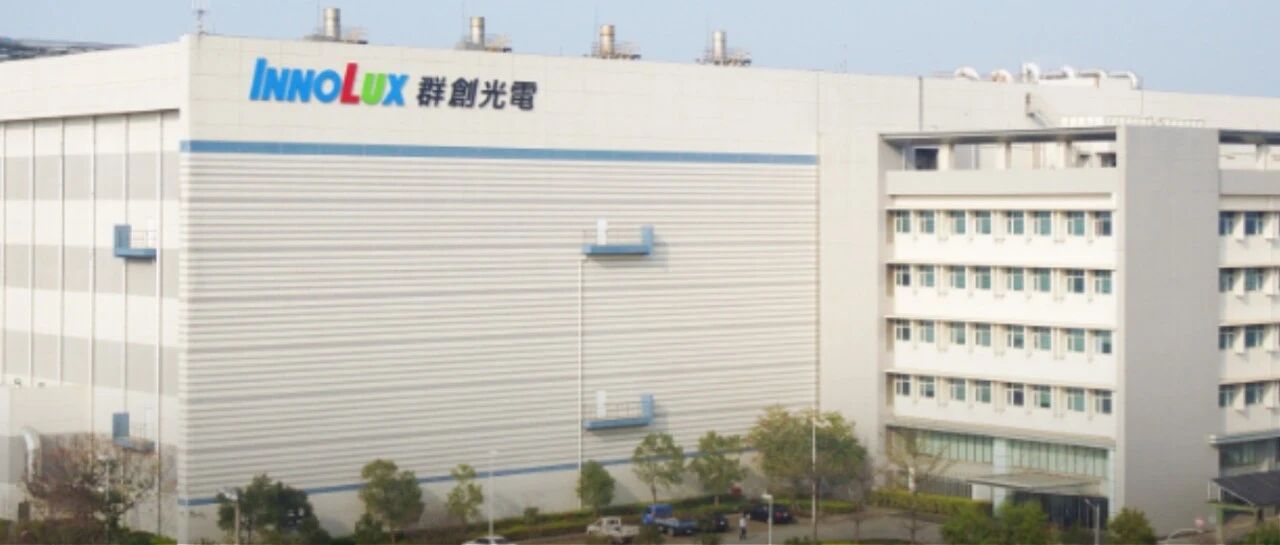
群创:13.65亿出售南科厂房
WitsView睿智显示· 2026-03-25 05:47
Group 1 - The core viewpoint of the article is that Innolux has announced the sale of its Tainan Science Park factory to a subsidiary of ASE Technology Holding Co., Ltd., with a total transaction amount of approximately NT$63.25 billion (about RMB 1.365 billion) and a disposal profit of about NT$58 billion (approximately RMB 1.252 billion) [2] - The sale of the Tainan factory is part of Innolux's strategy to enhance operational efficiency and future development momentum, as well as to strengthen its working capital [2] - Innolux has been actively pushing for the consolidation of older generation capacities and has previously announced the closure of its Tainan factories, indicating a strategic shift towards more advanced technologies [2] Group 2 - For the buyer, ASE Technology Holding Co., Ltd., the strategy involves "short-term capacity expansion and long-term positioning," allowing for rapid integration of production lines and reserving space for future capacity expansion in response to AI and high-performance computing demands [3]

外国企业对特定隧穿氧化层钝化接触(TOPCon)太阳能电池、组件、面板等提起337调查申请
Xin Lang Cai Jing· 2026-02-26 07:32
Core Viewpoint - First Solar, Inc. has filed a complaint with the U.S. International Trade Commission, alleging that certain TOPCon solar cells and related products imported and sold in the U.S. violate Section 337 of the Tariff Act of 1930 [1] Group 1: Legal Action - First Solar, Inc. claims that specific TOPCon solar cells, modules, panels, and components are in violation of U.S. trade laws [1] - The complaint was submitted on February 24, 2026, under the provisions of Section 337 of the Tariff Act of 1930 [1] Group 2: Defendants - The defendants named in the complaint include various companies from the U.S., Germany, Canada, China, Vietnam, Malaysia, India, and Japan, indicating a broad international scope of the alleged infringement [2] - Notable companies listed as defendants include Canadian Solar Inc., JA Solar Technology Co., JinkoSolar Holding Co., and Trina Solar Co., among others [2]



扭亏为盈!友达光电2025年净利润14.98亿元
WitsView睿智显示· 2026-02-10 06:39
Core Viewpoint - The company reported a slight increase in revenue and a significant turnaround in profitability for the year 2025, despite facing various market challenges [4]. Financial Performance - In Q4 2025, the consolidated revenue was NT$ 701.4 billion, an increase of 0.3% from Q3 2025 and a 2.1% increase compared to Q4 2024 [1]. - The net profit attributable to the parent company for Q4 2025 was NT$ 28.8 billion (approximately RMB 6.31 billion) [1]. - For the entire year of 2025, the consolidated revenue reached NT$ 2,813.9 billion, a 0.4% increase from 2024 [1]. - The net profit attributable to the parent company for 2025 was NT$ 68.4 billion (approximately RMB 14.98 billion), marking a significant recovery from a net loss of NT$ 30.6 billion in 2024 [1][4]. Market Outlook - The company noted that while the beginning of 2025 saw optimism regarding global economic stability, various factors such as tariffs, geopolitical issues, and rising raw material costs disrupted the market [4]. - The company maintains a cautiously optimistic outlook for 2026, anticipating overall market demand while remaining vigilant to external variables [4]. - The management team is focused on business expansion and stringent cost control, aiming for steady revenue growth, stable profitability, and a healthy financial structure [4].
招商证券:电子涨价潮有望延续至今年年末甚至明年年初 推荐关注量价共振、盈利改善的半导体、元件等
智通财经网· 2026-01-29 12:48
Core Viewpoint - The recent surge in electronic prices is driven by a structural transformation due to explosive growth in the AI industry and rising upstream raw material costs, rather than simple cyclical fluctuations. The demand for AI is expected to continue growing rapidly, and under the backdrop of a weak dollar and resource nationalism, metal prices are likely to rise further, extending the electronic price surge into the end of this year and possibly early next year [1] Information Technology - By Q2 2025, memory prices are expected to reach a cyclical turning point due to production cuts by manufacturers and improved end-user demand. As major manufacturers shift capacity towards high-margin products like HBM, the supply of consumer-grade memory chips will continue to shrink, leading to an expanding supply-demand gap and rising prices. By the end of 2025, the rising costs of industrial metals and other raw materials will cause price increases to spread from memory chips to passive components, testing, packaging, and other segments of the entire industry chain, thereby increasing cost pressures on consumer electronics [2] - The Philadelphia Semiconductor Index, Taiwan Semiconductor Industry Index, and DXI Index have all risen this week, along with increases in DRAM and NAND memory prices. The three-month rolling year-on-year growth rate of semiconductor manufacturing equipment shipments from Japan has narrowed, while the three-month rolling year-on-year decline in optical cable production has also narrowed. Panel prices have increased, and the three-month rolling year-on-year growth rate of NB LCD shipments has expanded [2] Midstream Manufacturing - This week, prices for some positive electrode materials, lithium raw materials, and cobalt products have increased, while the prices of lithium hexafluorophosphate and DMC have decreased. The photovoltaic price index has risen, with prices for silicon materials increasing, while prices for silicon wafers and components have remained stable. The three-month rolling year-on-year decline in the production of packaging equipment has narrowed, and the three-month rolling year-on-year growth rate of metal forming machine tool production has also narrowed. The four-week rolling average of port cargo throughput and container throughput has increased year-on-year [3] Consumer Demand - Prices for fresh milk have risen, while the comprehensive price of sugar has decreased. Pork prices have increased, with the wholesale price of piglets remaining stable compared to last week, and the average price of live pigs has decreased. In terms of pig farming profits, both self-bred and purchased pig farming profits have increased. In the broiler farming sector, the price of broiler chicks has decreased. The vegetable price index has decreased, while the futures settlement price of corn has increased, and the futures settlement price of cotton has decreased. The ten-day average of box office revenue has increased, while the ten-day average of movie ticket prices has decreased [3] Resource Products - The ten-day average transaction volume of construction steel has decreased, while the prices of steel billets have remained stable and rebar prices have decreased. In terms of coal prices, the price of Qinhuangdao mixed power coal has decreased, while the price of Shanxi coking coal at Jingtang Port has increased. The futures settlement prices of coke and coking coal have both decreased. In terms of inventory, coal inventory at Qinhuangdao Port has increased, while coking coal inventory at Jingtang Port has decreased, and coke inventory at Tianjin Port has increased. The national cement price index has decreased. Brent crude oil prices have increased, and the national chemical product price index has risen week-on-week, with chemical prices generally increasing, particularly for fuel oil and asphalt. This week, industrial metal prices have generally risen, with prices for copper, aluminum, zinc, tin, cobalt, and nickel increasing, while lead prices have decreased, and most inventories have risen. The prices of gold and silver in the spot and futures markets have increased [4] Financial Real Estate - The net injection in the money market has occurred. The turnover rate and daily transaction volume of A-shares have decreased. The land transaction premium rate has increased, while the transaction area of commercial housing has decreased. The number of second-hand houses listed for sale nationwide has decreased, while the listing price index has increased [4] Public Utilities - The ex-factory price of natural gas has increased. The year-on-year decline in the average daily power generation of key national power plants over a 12-week rolling period has narrowed [4]

面板产业链近期核心看点分析
2026-01-26 02:49
Summary of Panel Industry Chain Conference Call Industry Overview - The panel industry chain is experiencing price increases driven by rising costs of upstream materials such as films, which directly impacts panel prices [1][3] - The competitive landscape within the panel industry is improving, with tightening capacity further solidifying the upward price trend, potentially enhancing the gross margins of related companies [1] Core Insights - If polarizer manufacturers can successfully implement price increases, it will significantly improve their operational conditions and profitability [1][4] - Panel manufacturers can leverage the price increases from upstream materials to raise prices downstream, thereby enhancing their own profitability [1][4] - Key areas to focus on during the current price increase include segments with favorable competitive dynamics and low domestic substitution rates, such as panels themselves, TAEG膜, and OLED materials, which are expected to benefit from both price increases and domestic substitution [1][5] Future Development Directions - The future development of the panel industry chain is centered on two main areas: glass substrate packaging technology and solar wing battery technology for commercial aerospace [1][6] - Companies like Innolux and TSMC have begun mass shipments of glass-based chip packaging, while BOE is focusing on perovskite solar wing battery technology [1][6] Capital Expenditure Insights - New emerging businesses such as glass-based chip packaging and solar wing batteries require relatively low capital expenditures compared to traditional panel businesses [1][7] - These new ventures can utilize existing production lines and processes, leading to a higher return on investment, as evidenced by Innolux's successful mass production with significantly lower capital expenditures than traditional large-scale investment projects [1][7] Key Factors for 2026 - In 2026, the panel industry chain is worth monitoring due to several factors: - A favorable competitive landscape with various catalysts driving product price increases [2][8] - Upstream segments with low domestic substitution rates, such as TAEG膜 and OLED materials, are expected to benefit from accelerated domestic substitution [2][8] - New technological expansions in areas like glass-based chip packaging and commercial aerospace solar wing batteries will provide new growth trajectories for the industry [2][8]
存储涨价连锁反应:手机、PC降出货目标 面板、镜头被波及
Zhong Guo Jing Ying Bao· 2026-01-16 19:40
Core Viewpoint - The continuous rise in global storage chip prices is significantly impacting the consumer electronics industry, leading to price increases and strategic adjustments among various brands [1][2][3]. Group 1: Impact on Brands - Meizu has canceled the launch of its Meizu 22 Air due to the substantial increase in memory prices, reflecting the pressure on mid-tier brands [2]. - Other brands like realme have returned to OPPO for resource sharing to cope with cost pressures, while ASUS has also confirmed a halt on new product launches for 2026 [2]. - Major brands including Lenovo, Dell, HP, and Xiaomi have raised prices for their products, with increases ranging from hundreds to thousands of yuan [2][3]. Group 2: Storage Price Trends - The price of 256GB DDR5 server memory has exceeded 40,000 yuan, with a significant supply-demand imbalance expected to persist throughout the year [3]. - Since September 2025, the spot price of DDR5 memory chips has surged over 300%, while DDR4 prices have increased by 158% [2]. Group 3: Market Forecasts - The rise in storage costs has led to a 10% to 15% increase in material costs for smartphones, with a projected 2.1% decline in global smartphone shipments for 2026 [3]. - Major smartphone manufacturers have adjusted their shipment targets downward, particularly affecting brands with a higher market share in the low-end segment, such as Xiaomi and Transsion [3]. Group 4: Component Demand Weakness - The demand for mobile phone panels and optical lenses is weakening due to rising storage prices, leading to reduced production rates and downward price pressure in the panel market [5][6]. - The overall utilization rate of mainstream mobile panel manufacturers has dropped by 20% to 30% compared to the previous quarter [5]. Group 5: Strategic Adjustments - Companies are prioritizing core components that directly affect user experience, such as SoC performance and battery capacity, while reducing specifications for less critical components [1][5]. - The rising costs are forcing brands to make trade-offs in their BOM (Bill of Materials), impacting the upgrade paths for non-core components like optical lenses [6][7].
中信证券:AI超高景气带动电子涨价潮 AI敞口高或供需有改善的细分赛道受益确定性更强
智通财经网· 2026-01-16 01:08
Core Viewpoint - The recent price increase in various segments of the electronics industry is driven by significant upstream metal cost increases and strong demand from AI applications, despite some pressure on consumer and automotive electronics demand [1][2][6] Group 1: Price Increase Drivers - Since the second half of 2025, multiple segments in electronic components have experienced a price surge primarily due to significant cost pressures from rising metal prices, with some segments also benefiting from strong AI demand [2][3] - Key metals such as gold, silver, and copper have seen futures prices increase by over 50%, 150%, and 50% respectively since 2025, with expectations for continued high prices into 2026 due to loose global liquidity and supply-side constraints [2][3] Group 2: Beneficiary Segments - Segments with high AI exposure, such as storage, CCL, and BT substrates, are expected to benefit the most from the current price increase cycle [3][6] - For storage, TrendForce forecasts a 55% to 60% increase in traditional DRAM contract prices and a 33% to 38% increase in NAND Flash contract prices by Q1 2026, with a potential shortage lasting until the first half of 2027 [3] - CCL manufacturers are expected to successfully pass on price increases to the PCB segment, with anticipated price hikes of 5% to 10% in 2025 and a peak in the first half of 2026 [3] - BT substrates are projected to see a price increase of approximately 30% in the second half of 2025, with further increases of 15% to 20% expected in 2026 [3] Group 3: Supply-Demand Improvements - Segments with improved supply-demand dynamics, such as wafer foundries and panels, are also expected to benefit significantly [4][6] - Wafer foundries are experiencing capacity reductions in overseas mature processes, while domestic leading companies maintain high utilization rates, leading to price increases of about 10% for certain processes by December 2025 [4] - The panel segment is expected to see improved profitability due to the lifting of tariff impacts and increased demand from major events like the Winter Olympics and World Cup [4]


TCL科技20260105
2026-01-05 15:42
Summary of TCL Technology Conference Call Industry Overview - The global consumer electronics sales are expected to remain stable in 2025, with large-sized products like TVs and displays benefiting from a stable supply-side structure, maintaining stable prices. The Chinese market experienced rapid growth due to national subsidy policies but faced pressure afterward, yet the industry structure remains solid without inventory accumulation [2][3] - The panel industry is transitioning from a cyclical industry to one characterized by stable profitability and moderate growth. This shift makes it challenging to accurately assess profitability and pricing mechanisms, necessitating long-term research into industry dynamics [2][5] Company Insights - TCL Technology's subsidiary, Huaxing Optoelectronics, has enhanced profitability through the acquisition of minority stakes in T6 and T7 lines, which are the most profitable segments. This acquisition is expected to significantly boost TCL Technology's net profit contribution [2][4] - Over 80% of Huaxing's products are large-sized (55 inches and above), with TV and commercial display products accounting for over 50% of semiconductor display panel revenue. The company has also ventured into small-sized displays, achieving a balanced revenue structure with 50% from large, 25% from medium, and 25% from small-sized products [4][3] Financial Performance and Projections - The panel industry is expected to see a 15% increase from the current cycle's bottom to the peak in 2026, with an average price increase of about two percentage points. The T9 line's capacity is gradually ramping up to full production, and fixed asset depreciation will be largely completed by 2025, leading to significant improvements in unit product profitability in 2026 [3][11][13] - The anticipated quarterly profit could reach 200 million or more, with the T9 line expected to contribute significantly to revenue and profitability due to its large capacity and improved product structure [12][13] Market Dynamics - The demand for large displays is expected to be driven by major events in 2026, such as the Winter Olympics and the World Cup. The U.S. market is projected to reach a historical high of nearly 50 million units shipped, with notable recovery in Eastern and Western Europe and significant growth in India and emerging Asia-Pacific regions [10] - Price fluctuations have less impact on profit statements, decreasing from 70%-80% to around 50%. Other factors such as utilization rates, raw material inventory, product structure, customer feedback, and supply chain conditions are now more critical in assessing industry assets [9] Technological Advancements - TCL Technology is investing in the T8 printing line to address process yield and supply chain issues, which will lower costs and enhance competitiveness in the global display industry. This move is crucial for supply chain security and patent layout [6][7] - The company is also focusing on the development of mid-sized OLED products, with new products expected to launch in 2026, targeting medical and IT brand clients [18] Capital Expenditure and Future Outlook - Capital expenditures (CAPEX) are expected to decline in the coming years, as LCD technology remains viable for at least another decade. The focus will be on maintaining and upgrading existing technologies rather than large-scale new investments [19][20] - TCL Technology is optimistic about the potential of perovskite technology but will prioritize production capacity for revenue-generating products. Future investments in this area will depend on achieving stable profits in the main photovoltaic industry chain [22]

TCL李东生出席中韩商务论坛,建言新兴领域合作
Huan Qiu Wang Zi Xun· 2026-01-05 10:49
Group 1 - The core viewpoint emphasizes the significant potential for cooperation between China and South Korea in emerging fields such as artificial intelligence, semiconductor displays, new energy vehicles, and biotechnology, driven by technological research and innovation [1][3] - The China-South Korea Business Forum was co-hosted by the China Council for the Promotion of International Trade and the Korea Chamber of Commerce and Industry, with over 200 business leaders from South Korea, including prominent figures from Samsung, SK Group, Hyundai, and LG attending [3] - TCL has established deep competitive and cooperative relationships with South Korean companies across its three core industries, including a multi-category presence in the smart terminal market and strategic partnerships in semiconductor displays and new energy photovoltaic sectors [3][4] Group 2 - TCL's collaboration with South Korean firms includes leveraging the China-South Korea Free Trade Agreement to deepen bilateral economic cooperation, utilizing industrial advantages to promote technological innovation, and optimizing regional supply chain layouts to enhance industrial resilience [5] - The upcoming 2026 Milan Winter Olympics will see TCL and Samsung collaborate as global partners, aiming to enhance the experience for athletes and global audiences through advanced technology and products [3][4]

台湾地震,群创发声
WitsView睿智显示· 2025-12-29 08:01
Group 1 - The article reports a 6.6 magnitude earthquake that occurred on December 27, 2025, near Taiwan, with a depth of 60 kilometers [1] - Innolux, a major panel manufacturer, activated its standard operating procedures immediately after the earthquake, prioritizing the safety of personnel [1] - All personnel in Innolux's facilities were reported safe, with no injuries or trapped individuals [1] Group 2 - Innolux's engineering team is conducting systematic checks on precision instruments and equipment to assess the earthquake's impact on production capacity [1] - The maximum intensity of the earthquake was recorded at level 4 in several regions, including Yilan County and New Taipei City, while other areas experienced lower intensities [1]
