IFLYTEK(002230)

Search documents
中证智能穿戴主题指数报3154.70点,前十大权重包含工业富联等
Jin Rong Jie· 2025-06-13 16:35
Group 1 - The core viewpoint of the news is that the CSI Smart Wearable Theme Index has experienced a decline in recent months, indicating a challenging market environment for companies in the smart wearable sector [1] - The CSI Smart Wearable Theme Index reported a decrease of 3.31% over the past month, 12.54% over the past three months, and 1.65% year-to-date [1] - The index includes hardware and software providers, product manufacturers, and other representative companies related to smart wearables, reflecting the overall performance of the sector [1] Group 2 - The top ten weighted companies in the CSI Smart Wearable Theme Index include: Zhaoyi Innovation (6.52%), Weir Shares (6.41%), Industrial Fulian (4.78%), iFlytek (4.6%), BOE Technology Group (4.59%), GoerTek (4.3%), Luxshare Precision (3.97%), Changdian Technology (3.77%), Dongshan Precision (3.54%), and Lens Technology (3.47%) [1] - The market distribution of the index holdings shows that the Shenzhen Stock Exchange accounts for 56.71%, while the Shanghai Stock Exchange accounts for 43.29% [1] - In terms of industry distribution, the index holdings are primarily in information technology (94.33%), followed by industrial (3.37%), healthcare (1.17%), and communication services (1.12%) [1] Group 3 - The index samples are adjusted biannually, with adjustments implemented on the next trading day following the second Friday of June and December each year [2] - Weight factors are adjusted in accordance with the sample adjustments, which occur at the same time as the biannual sample adjustments [2] - In special circumstances, the index may undergo temporary adjustments, such as when a sample company is delisted or undergoes mergers, acquisitions, or splits [2]





科大讯飞生态合作伙伴已突破1152万 拟加速AI技术向垂直场景渗透
Zheng Quan Shi Bao Wang· 2025-06-13 11:35
Core Viewpoint - The company aims to leverage its four major platforms—AIUI, Robot Super Brain, Virtual Digital Human, and Xunfei Star—to create a new paradigm of intelligent interaction, focusing on essential scenarios such as office, human resources, and enterprise digitalization, accelerating the transformation of AI technology from general capabilities to vertical scene value [1]. Group 1 - The number of developers in the Xunfei ecosystem has surpassed 11.52 million, with significant growth in the fields of robotics, smart office, and smart wearables, as well as a 16-fold increase in the annual creation volume of digital humans and a 6.5-fold increase in per capita interaction frequency [1][2]. - AIUI has achieved a "three-in-one" interaction upgrade, integrating voice, vision, and virtual human capabilities, and has established a standardized interaction system covering 1,300 character settings [1][3]. - The new generation of the AIUI platform utilizes large models to endow machines with human-like multimodal capabilities such as emotion recognition, creative generation, and deep semantic understanding, evolving human-machine relationships from "tool-type interfaces" to "human-like collaborative partners" [1][2]. Group 2 - AIUI has undergone ten years of technological iteration, currently achieving an average daily interaction volume exceeding 300 million, connecting over 200,000 ecosystem partners, and with 2.25 billion terminal devices, establishing itself as a key infrastructure for large-scale implementation in the global intelligent interaction field [3].
始于热潮,归于沉寂:曾经爆火的AI应用都怎么样了
3 6 Ke· 2025-06-13 09:52
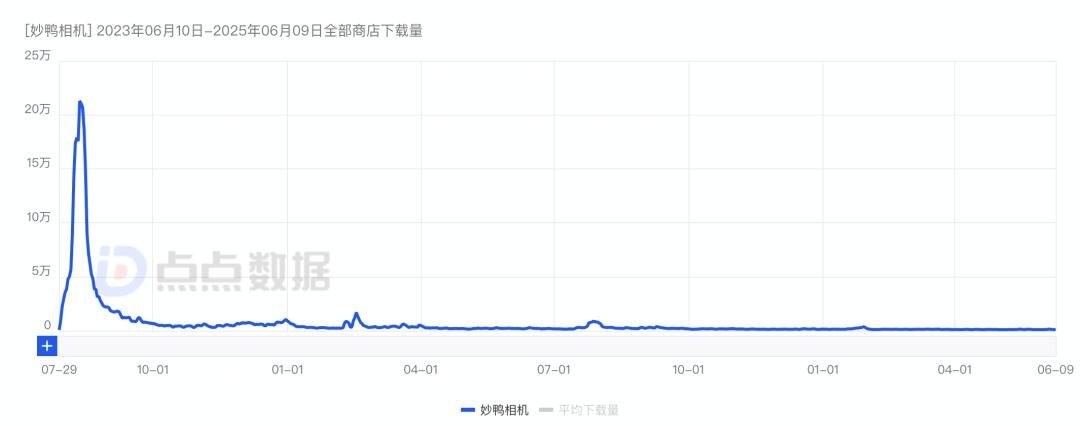
Core Insights - The rapid growth of AI applications in China has led to a user base exceeding 120 million, marking a 232% year-on-year increase, with four main deployment models emerging: native apps, AI plugins, AI smartphones, and smart hardware [1][2] - Despite initial successes, many AI applications face the risk of becoming short-lived trends, as user habits evolve and the market matures, leading to a contraction in early explorations [1][2] - The competition in the C-end AI application market is shifting from mere functionality and traffic acquisition to a deeper exploration of user value and differentiation [2] Group 1: ChatBot Applications - "Wenxin Yiyan," China's first generative AI product, launched by Baidu, gained significant traction, reaching over 100 million users by the end of 2023 [3][4] - However, by 2024, Wenxin Yiyan began to lag behind competitors like Kimi and Doubao, with its monthly active users dropping significantly due to aggressive monetization strategies and a lack of developer ecosystem [5] Group 2: AI Photography - "Miaoyue Camera" emerged as a leading AI photography tool, achieving rapid popularity but ultimately faltered due to its limited functionality and inability to meet user emotional needs compared to traditional photography services [6][7] - The app's initial success was marked by high revenue, but it could not sustain user interest, leading to a significant decline in downloads [7] Group 3: AI Companionship - The AI companionship sector saw significant competition, with products like "Maobubai" failing to differentiate themselves in a market dominated by established players [10][12] - The discontinuation of "Maobubai" reflects the challenges faced by new entrants in a crowded market where user retention is critical [10][12] Group 4: AI Search - "Tiangong AI" and "Mita AI Search" were launched as AI search solutions but struggled to maintain user interest, with Mita AI Search experiencing a rapid decline in monthly active users after initial success [13][14] - The shift towards AI office assistants indicates a strategic pivot for many companies as they seek to redefine their product offerings [14][15] Group 5: Smart Assistants - "Kimi" initially gained traction through aggressive marketing but faced challenges in user retention and server capacity, leading to a significant drop in monthly active users [16][17] - The competitive landscape has shifted, with "Doubao" and "DeepSeek" overtaking Kimi in user numbers, highlighting the importance of ecosystem strength in the AI application market [17][18] Group 6: Entertainment Applications - AI-generated entertainment content, such as "AI Sun Yanzi," gained viral popularity but often lacked sustainability, leading to rapid declines in user engagement [20][22] - The lifecycle of such applications tends to be short, driven by novelty rather than long-term user value [22] Conclusion - The evolution of C-end AI applications is marked by a transition from initial hype to a more mature understanding of user needs and market dynamics, with a focus on sustainable growth and user retention becoming paramount [23][24]





科大讯飞董事长:基于国产算力的新算法研发,会慢但不会矮
Guan Cha Zhe Wang· 2025-06-13 09:25
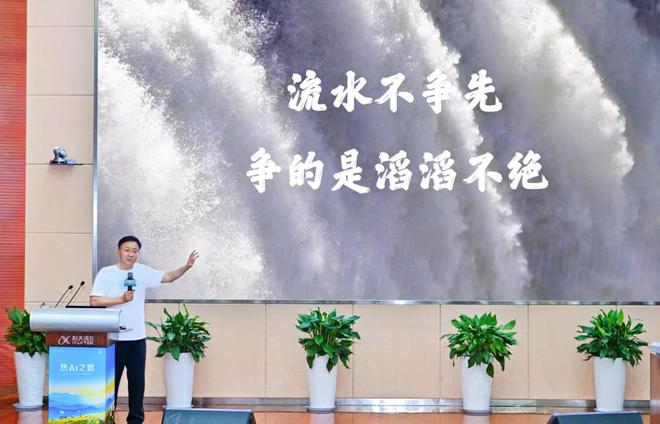
Core Insights - The chairman of iFlytek, Liu Qingfeng, emphasized the challenges of developing algorithms based on domestic computing power compared to using overseas solutions, noting a potential delay of three months in algorithm development [1] - iFlytek is committed to a self-controlled path in algorithm development, citing the need for independence to avoid being constrained by external factors [1] - The company has seen significant success in various sectors, including education and legal, with its AI models outperforming competitors in specific applications [3][4] Group 1: Business Development - iFlytek's business is thriving across C-end, B-end, and G-end sectors, with numerous benchmark cases emerging from state-owned enterprises [3] - The company has achieved comprehensive leadership in the financial and state-owned enterprise markets, focusing on solidifying its foundational models and standard products [4] - The star product, the X1 model, has shown impressive performance in medical and legal applications, with accuracy rates significantly surpassing competitors [3][4] Group 2: Consumer Market Performance - iFlytek's consumer products, including learning machines and translation devices, have dominated sales on major platforms, with a 25% year-on-year revenue growth [6] - The total user base for the SaaS product "Tingjian" has reached 90 million, reflecting a 54% year-on-year increase [6] - The overseas market has seen explosive growth, with the number of overseas developers increasing by 31.9% and AI marketing revenue growing 25 times year-on-year [6] Group 3: Future Outlook - Liu Qingfeng believes that a nation's global influence will be measured by the number of sovereign large models it can provide, positioning iFlytek to contribute significantly to this landscape [6] - The year 2025 is anticipated to mark the beginning of widespread AI adoption, with projections indicating that 17.7% of China's population will be users of generative AI by the end of 2024 [6] - iFlytek aims to capture the foundational benefits of the AI era by focusing on self-control, integration of software and hardware, and addressing industry-specific needs [6]
智能交互终于步入真·人机交互时代了,这很讯飞
量子位· 2025-06-13 05:07
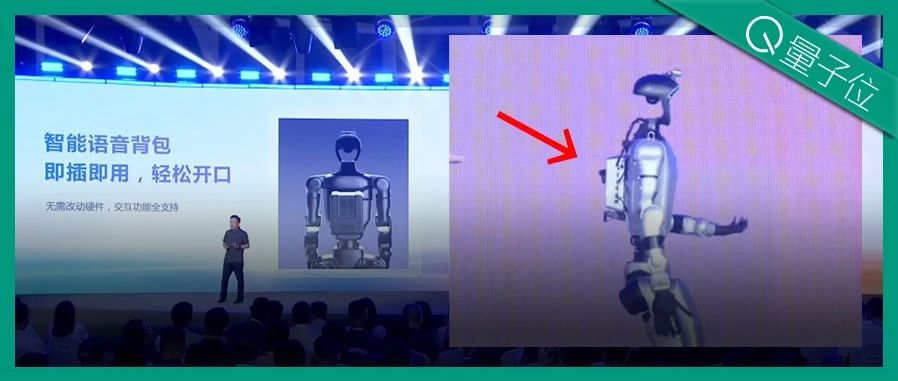
Core Viewpoint - The article discusses the advancements in AI and human-machine interaction, particularly focusing on iFlytek's new AIUI platform and its implications for the smart hardware industry, emphasizing a shift from basic command-response interactions to deeper, collaborative engagements [1][73]. Group 1: AI Advancements - iFlytek's AIUI platform has evolved from basic voice recognition to a complex system that enables deep intelligent collaboration, enhancing user interaction across various scenarios [9][10]. - The platform supports multi-turn conversations and emotional recognition, allowing for a more natural and engaging user experience [12][20]. - The AIUI has been integrated into over 1 billion devices since its launch in 2015, showcasing its widespread adoption in various fields such as automotive and robotics [15][19]. Group 2: Technical Innovations - The AIUI upgrade includes a full-duplex interaction model that improves the responsiveness and natural flow of conversations, addressing previous limitations in voice assistant technology [17][19]. - iFlytek has developed a memory system that mimics human memory, allowing for personalized interactions based on user history and context [23]. - The platform's audio response time has been optimized to 1.6 seconds, positioning it as a leader in the industry for voice interaction systems [25][42]. Group 3: Targeted Applications - A specialized interaction solution for children has been introduced, resulting in a 733% increase in interaction frequency, highlighting the growing demand for AI in educational contexts [26][66]. - The AIUI platform is also enhancing experiences in various hardware scenarios, such as smart glasses, by utilizing advanced noise-cancellation technologies [30][40]. - iFlytek's robot super brain platform integrates with various robotic products, enabling them to engage in meaningful conversations and interactions in real-world settings [36][44]. Group 4: Ecosystem Development - iFlytek aims to collaborate with over 300,000 developers to create AI hardware solutions, enhancing the interaction effects between software and hardware [31][60]. - The company has established a digital human interaction platform, which has seen a 16% increase in production and a 6.5-fold rise in user interactions over the past year [62][66]. - iFlytek's annual developer competition fosters innovation and collaboration within the AI community, further driving advancements in the field [69][70].
智能交互终于步入真·人机交互时代了,这很讯飞
量子位· 2025-06-13 05:07
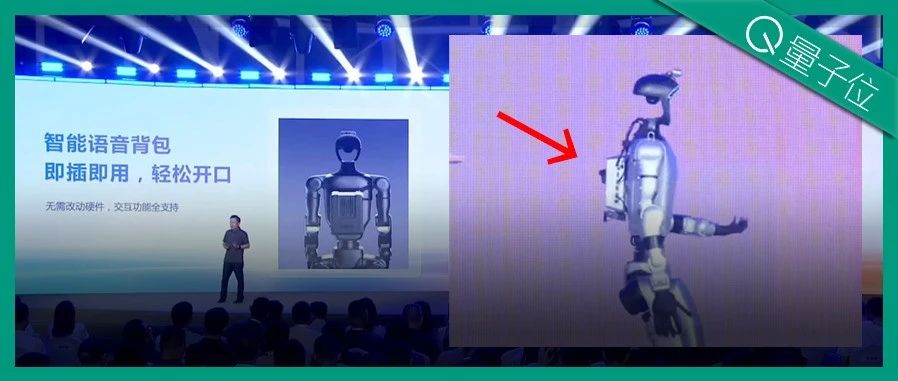
Core Viewpoint - The article discusses the advancements in AI and human-machine interaction, particularly focusing on iFlytek's new AIUI platform and its implications for the smart hardware industry, emphasizing a shift from basic command-response interactions to more complex, collaborative engagements [1][73]. Group 1: AI Advancements - iFlytek's AIUI platform has evolved from basic voice recognition to a complex system that enables deep intelligent collaboration, enhancing user interaction across various scenarios [9][10]. - The platform supports multi-turn conversations and emotional recognition, allowing devices to respond more naturally and contextually to user inputs [12][20]. - The AIUI has been integrated into over 1 billion devices since its launch in 2015, showcasing its widespread adoption in various sectors [15]. Group 2: Technical Innovations - The latest upgrade includes a dual-channel interaction model that improves the device's ability to discern user intent and emotional state, enhancing the overall interaction experience [17][19]. - iFlytek's AIUI can now process audio responses in as little as 1.6 seconds, positioning it as a leader in the industry for voice interaction systems [25][42]. - The introduction of a memory system that mimics human memory allows for personalized interactions, adapting to user preferences over time [23]. Group 3: Market Applications - The platform has seen a significant increase in interaction frequency, particularly in children's scenarios, with a reported 733% rise in engagement [26]. - iFlytek's digital human technology has expanded, with a 16% increase in production and a 6.5-fold rise in user interactions, indicating strong market demand [62]. - The company aims to replace traditional human-machine interfaces with direct interactions, enhancing the user experience in various applications, including education and healthcare [59][75]. Group 4: Ecosystem Development - iFlytek plans to collaborate with over 300,000 developers to create AI hardware solutions, enhancing the integration of software and hardware [31]. - The company has launched a modular design for its robot super brain platform, addressing the challenges of fragmented demand in the robotics industry [46]. - The ongoing iFlytek AI Developer Competition aims to foster innovation and collaboration within the AI community, further driving advancements in the field [69].
大厂搞AI,谁赚到钱了?
36氪· 2025-06-12 23:34
Core Viewpoint - The article discusses the transition of major companies from heavy investment in AI to the monetization phase, highlighting the varying degrees of success and the challenges faced in achieving profitability from AI initiatives [3][5][35]. Group 1: AI Investment and Monetization - Over the past two years, AI has become a significant focus for both domestic and international tech giants, with substantial financial investments made [4][5]. - A report indicates that several startups have achieved high revenue per employee, with AI unicorn Midjourney generating $500 million in annual revenue with a team of 40, translating to an average of $1.66 million per employee [4]. - Major companies like Baidu, Alibaba, and Tencent have emphasized the importance of AI in their financial reports, signaling a shift from investment to revenue generation [5][20][21]. Group 2: AI Business Models - The article categorizes the AI business models of major companies into four types: Model as Product, Model as Service, AI as Function, and "Selling Shovels" [7][8]. - "Model as Product" involves creating specific applications based on self-developed large models, primarily targeting consumer markets, with subscription-based revenue models [8][9]. - "Model as Service" targets B2B clients, offering trained AI models through cloud platforms, which has shown clear monetization potential [10][11]. - "AI as Function" integrates AI capabilities into existing products to enhance efficiency, contributing indirectly to profitability [11][13]. - "Selling Shovels" refers to providing foundational infrastructure and services to other companies, which requires significant investment and has a longer product cycle [15][16]. Group 3: Company Performance and Market Position - Companies are categorized into three tiers based on their AI monetization capabilities: - **First Tier**: Baidu, Alibaba, Tencent, and Huawei, where AI significantly contributes to overall revenue [18][19]. - **Second Tier**: Kuaishou, ByteDance, and Meitu, which are beginning to see the benefits of AI in their core operations [28][30]. - **Third Tier**: iFlytek and Kunlun Wanwei, which are still in the investment phase with less immediate revenue impact [31]. - Baidu's non-online marketing revenue, driven by AI, increased from 25.9 billion in 2022 to 31.7 billion in 2024, with a 40% year-on-year growth in Q1 2025 [20]. - Alibaba's cloud intelligence group reported a revenue of 30.1 billion in Q1 2025, reflecting an 18% year-on-year growth, indicating AI's role as a growth engine [21][22]. Group 4: Challenges in AI Monetization - Despite the promising revenue growth, companies face challenges in achieving profitability due to high R&D and marketing costs, with Tencent and Alibaba's annual R&D expenditures exceeding 100 billion [37][39]. - The article notes that while some companies have begun to see revenue from AI, the path to sustainable profitability remains complex, with many still not achieving positive cash flow from AI initiatives [43].


法媒:合肥,从粮仓到高科技中心
Huan Qiu Wang Zi Xun· 2025-06-12 23:00
Core Insights - Hefei, the capital of Anhui Province in China, has transformed from a grain storage hub to a high-tech center over the past 15 years, attracting thousands of high-tech companies and R&D centers in various fields such as electric vehicles, lithium batteries, industrial robots, voice recognition, and quantum communication [1][2] - The city's GDP has significantly increased from approximately 59 billion RMB in 2004 to 1.35 trillion RMB in 2024, indicating robust economic growth [1] - A 10 billion RMB fund was established in April to support the intelligent robotics industry, showcasing the government's commitment to creating a comprehensive ecosystem that integrates production, R&D, education, economy, services, and practical applications [1] Industry Developments - Volkswagen Group has established a highly automated electric vehicle factory in Hefei, along with a research center focused on compact electric vehicles, reflecting the city's vision for modern automotive industry development [1] - Hefei University has partnered with Volkswagen to create the "Volkswagen College," aimed at familiarizing local students with the modern automotive industry and enhancing employment opportunities [1] - The education system in Hefei, particularly the presence of the University of Science and Technology of China, has played a significant role in driving the local economic transformation [2] Company Highlights - The startup iFlytek, known for its voice recognition technology, has become a leader in instant translation tools and supports small enterprises in the acoustic field by sharing laboratory resources [2] - NIO, an electric vehicle brand, has received substantial support from Hefei, with its factory being completed and operational within 17 months, demonstrating the city's efficiency in manufacturing [2] - Hefei's Heli Forklift, a state-owned enterprise, ranks first in forklift sales in China and seventh globally, expanding its presence through the Belt and Road Initiative [2] Emerging Technologies - Aerial taxi companies are actively increasing flight durations and expanding collaborations with overseas potential clients, indicating a growing interest in innovative transportation solutions [2]


合肥对外引进龙头企业推进产业布局 对内培育科创企业加速科研成果转化 以投带引“移大树” 以投促创“育幼苗”
Guang Zhou Ri Bao· 2025-06-12 20:01
Core Viewpoint - Hefei has transformed from a "county town" to a "new first-tier city," with a notable rise in its private economy, which plays a crucial role in its development and innovation [1][2]. Group 1: Company Growth Stories - iFlytek, a prominent company in Hefei, has seen its market value grow 26 times over the past decade, showcasing the successful transformation of research results into commercial products [3][4]. - The company was founded in 1999, initially facing challenges with its first product but later pivoted to focus on voice technology, leading to its successful listing on the Shenzhen Stock Exchange in 2008 [5][6]. - iFlytek's growth has been supported by local government initiatives, which provided funding and a conducive environment for innovation [7][8]. Group 2: Government Support and Ecosystem - The Hefei government has actively supported startups like iFlytek by facilitating funding and creating a favorable policy environment, which has been crucial for the survival and growth of tech companies [6][7]. - The establishment of the "Keda Silicon Valley" innovation platform has attracted over 2,500 tech companies, enhancing the local innovation ecosystem [12][20]. - Hefei's government has implemented various policies to support the private economy, including the establishment of innovation centers and funding initiatives [19][20]. Group 3: Industry Development - The artificial intelligence industry in Hefei has flourished, with over 2,000 companies now operating in this sector, positioning the city as a national leader in advanced manufacturing [8][20]. - The logistics and digital freight sectors are also experiencing significant growth, with companies like Weitian Yuntong revolutionizing the industry through digital solutions [15][16]. - Hefei's strategic planning aims to establish itself as a national transportation hub, further enhancing the logistics industry's potential [14][15]. Group 4: Talent Development - Hefei has developed a robust talent cultivation strategy, focusing on nurturing entrepreneurs and skilled professionals to support its growing industries [21][22]. - The presence of institutions like the University of Science and Technology of China has contributed to a steady supply of talent, fostering innovation and entrepreneurship [22][24]. - The city has implemented various policies to attract and retain talent, ensuring a continuous influx of skilled individuals to support its economic growth [21][22].
TVB携腾讯、华为与科大讯飞加码内地市场,3年内拟建全国影视核心基地
Di Yi Cai Jing· 2025-06-12 12:52
Core Viewpoint - TVB has announced a strategic partnership with Tencent, Huawei, and iFlytek to expand its business in the mainland market, focusing on film and television production, music creation, and AI technology development [1][8]. Group 1: Strategic Partnerships - TVB has signed a memorandum of cooperation with Tencent Video to jointly produce television series, marking a significant collaboration between the two content production platforms [8]. - The partnership aims to create projects with both artistic value and market potential, with two key projects announced: the classic martial arts series "The Smiling, Proud Wanderer" and the urban emotional drama "Rose War" [8]. - TVB is also collaborating with Huawei and iFlytek to develop advanced technologies such as ultra-high-definition broadcasting and intelligent dubbing, promoting the digital transformation of the broadcasting and television industry [8]. Group 2: Business Performance - In the 2024 fiscal year, TVB reported a revenue of HKD 3.258 billion, a decrease of 2% year-on-year, while the loss attributable to shareholders narrowed significantly from HKD 763 million to HKD 491 million, a reduction of 35.63% [9][10]. - The revenue from mainland operations increased by 17% to HKD 851 million, primarily driven by co-production projects with mainland video platforms like Youku and Tencent Video [10]. - TVB anticipates that its EBITDA will continue to rise in 2025, projecting a return to positive net profit for shareholders [10]. Group 3: Industry Trends - TVB's strategy reflects a focus on strengthening collaborations with mainland partners and diversifying its business operations, including participation in variety shows and live streaming [4][9]. - The company has established a model for co-production that integrates a significant number of mainland professionals, with an average of 300-350 crew members involved in each co-production project [9].