
IFLYTEK(002230)

Search documents
科大讯飞不超40亿元定增获深交所通过 国元证券建功
Zhong Guo Jing Ji Wang· 2026-02-13 09:21
Core Viewpoint - The company, iFlytek, has received approval from the Shenzhen Stock Exchange for its application to issue shares to specific investors, pending final approval from the China Securities Regulatory Commission (CSRC) [1][2]. Group 1: Issuance Details - The total amount to be raised from the issuance is capped at 400 million yuan, which will be used for the Spark Education model, computing platform, and to supplement working capital [1][3]. - The issuance will involve no more than 100 million shares, representing 4.33% of the total share capital prior to the issuance [2][3]. - The pricing mechanism for the shares will be based on 80% of the average trading price over the 20 trading days preceding the issuance date [2]. Group 2: Specific Investors - The issuance will target no more than 35 specific investors, including Anhui Yanzhi Technology Co., Ltd., which is controlled by iFlytek's actual controller, Liu Qingfeng, and plans to subscribe for between 250 million yuan and 350 million yuan [2][3]. - The issuance constitutes a related party transaction due to the involvement of Yanzhi Technology, which is an affiliate of Liu Qingfeng [2]. Group 3: Control and Governance - Following the issuance, Liu Qingfeng's voting rights in iFlytek are expected to decrease slightly to between 11.16% and 11.26%, but he will remain the actual controller of the company [3]. - The lead underwriter for this issuance is Guoyuan Securities Co., Ltd., with representatives Zhu Peifeng and Liu Ziqi overseeing the process [3].


讯飞听见的SaaS突围,错身AI办公赛道的细分胜利
3 6 Ke· 2026-02-13 03:32
Core Insights - The article highlights the success of iFlytek's "iFlytek Hearing" app, which has surpassed 100 million users, showcasing the viability of a paid AI SaaS model in contrast to the prevalent subsidized growth strategies in the industry [1][2] - iFlytek Hearing's approach emphasizes long-term sustainability and profitability, adhering to a "three no" product strategy: no splash ads, no in-app ads, and no sharing ads, focusing instead on subscription services [2][11] Group 1: Business Model and Performance - iFlytek Hearing has achieved over 60% gross profit growth for three consecutive years, with a user renewal rate exceeding 50%, maintaining a leading position in the voice transcription category [2][11] - The SaaS model's core value is demonstrated through a positive cycle of technology iteration, paid conversion, and user retention, distinguishing it from traditional tool-based products [2][11] Group 2: Market Competition - The competitive landscape includes major players like Feishu, DingTalk, and Tencent Meeting, which have integrated voice transcription features, creating a dual competition of software and hardware products [3][5] - iFlytek Hearing's strategy of focusing on voice transcription and AI minutes allows it to avoid direct competition with larger collaborative office platforms, targeting specific user needs [6][11] Group 3: Technological Advancements - The transition from a non-real-time transcription model to a subscription-based SaaS service aligns with the global trend of large models, enhancing user experience with features like "one-click manuscript generation" [7][9] - The introduction of personalized AI minutes that adapt to user notes and preferences marks a significant upgrade from traditional transcription services, showcasing iFlytek Hearing's evolution into an intelligent SaaS product [9][10] Group 4: Industry Implications - The success of iFlytek Hearing serves as a lesson for the AI industry, emphasizing the importance of respecting user value and adopting a long-term perspective in product development [11] - As the market shifts from broad platform solutions to specialized SaaS products, there is an increasing demand for tailored solutions that meet specific user needs in the context of digital transformation [11]


「从夯到拉」锐评21家大厂新春礼盒,开箱全是狠活
后浪研究所· 2026-02-13 02:04
Core Insights - The article discusses the trends and highlights of the 2026 Spring Festival gift boxes from major companies, emphasizing practicality, interactivity, and a sense of adventure in their designs [3]. Group 1: Internet Giants - Alibaba's gift box features a classic red design with a "joy" theme, including traditional items like couplets and red envelopes, along with practical items like a multi-functional blanket and a calendar [6][8]. - Tencent's gift box adopts a minimalist approach with a simple red design, focusing on traditional elements and introducing blind boxes for added interactivity [12][14]. - JD's gift box emphasizes "good luck" with a red and gold color scheme, including traditional items and a unique wall hanging that can be displayed [17][19]. - Meituan's gift box centers around the theme of "bringing happiness home," featuring practical items and a collaboration with a charity project to donate playgrounds to rural children [21][24]. - Kuaishou's collaboration with Wangwang results in a vibrant gift box shaped like a suitcase, filled with popular snacks and interactive items like a doorbell that plays sounds [26][30][32]. Group 2: Unique Designs and Themes - Zhihu's gift box stands out with a blue theme and includes a "Good Question" calendar, promoting daily reflection and thought [34][36]. - Ctrip's gift box focuses on cultural elements, featuring traditional crafts and a festive atmosphere [38][40]. - Cainiao's gift box resembles a retro television, combining snacks with creative items like a plush toy that interacts with users [45][49]. - Beisi's gift box emphasizes a theme of "dreams without limits," featuring tech gadgets and interactive elements [53][56]. - Giant Network's gift box includes traditional items and a gold coin, symbolizing prosperity and success in the new year [61][65]. Group 3: Practical and Creative Elements - Style3D's gift box features a unique cylindrical design with a mix of health products and fun items, appealing to young consumers [75][78]. - Xiaohongshu's gift box focuses on travel, including a custom suitcase and travel accessories, promoting a sense of adventure [82][84]. - Xpeng's gift box includes a functional suitcase and travel gear, emphasizing practicality for short trips [88][90]. - Sanban's gift box is designed as a giant gold bar, filled with oral care products, symbolizing wealth and prosperity [92][94]. - 360's gift box centers around coffee-making equipment, enhancing the experience of transitioning from holiday to work mode [98][100].





科大讯飞:向特定对象发行股票申请获得深交所审核中心审核通过
Xin Lang Cai Jing· 2026-02-13 01:45
据智通财经消息,科大讯飞(002230.SZ)公告称,公司于2026年2月12日收到深交所出具的审核中心意见 告知函,深交所发行上市审核机构认为公司符合发行条件、上市条件和信息披露要求,后续将报中国证 监会履行相关注册程序。公司本次向特定对象发行股票事项尚需获得中国证监会同意注册后方可实施, 最终能否获得注册决定及其时间尚存在不确定性。 登录新浪财经APP 搜索【信披】查看更多考评等级 转自:智通财经 ...
科大讯飞向特定对象发行股票申请获深交所审核通过
Xin Lang Cai Jing· 2026-02-12 17:29
登录新浪财经APP 搜索【信披】查看更多考评等级 中访网数据 科大讯飞股份有限公司于2026年2月12日宣布,其向特定对象发行股票的申请已获得深圳证 券交易所上市审核中心的审核通过。根据深交所出具的《审核中心意见告知函》,审核机构认为公司符 合发行条件、上市条件和信息披露要求。本次发行事项的后续进展,需报请中国证监会履行注册程序, 待获得中国证监会同意注册的决定后方可实施。公司方面提示,最终能否获得注册批准及其时间尚存在 不确定性,投资者需注意相关投资风险。 ...
任泽平带你看前沿科技:2026研学计划
泽平宏观· 2026-02-12 16:06
Core Viewpoint - The article emphasizes the importance of practical learning experiences in cutting-edge technology sectors, highlighting the value of direct engagement with leading companies and experts to enhance investment insights and opportunities [12][24]. Schedule Overview - The schedule for 2025 includes visits to major technology companies such as Huawei, BYD, Tencent, and others, focusing on sectors like artificial intelligence, new energy, and biotechnology [23][24]. - Specific events are planned, including closed-door investment research meetings and thematic explorations in various cities, showcasing advancements in robotics, autonomous driving, and digital ecosystems [8][9][10]. Learning Experience - Participants will engage in deep explorations of technology companies, gaining insights into the full chain of technology development from laboratory to industrialization [12]. - The program includes face-to-face dialogues with founders and executives, providing critical insights into strategic decisions and industry disruptions [12]. Participant Feedback - Feedback from participants highlights the transformative impact of the program on their understanding of macroeconomic trends and investment strategies, emphasizing the importance of continuous learning and adaptation in a rapidly changing environment [46][47][48].



科大讯飞又一亿级产品:讯飞听见的SaaS突围,错身AI办公赛道的细分胜利
3 6 Ke· 2026-02-12 13:37
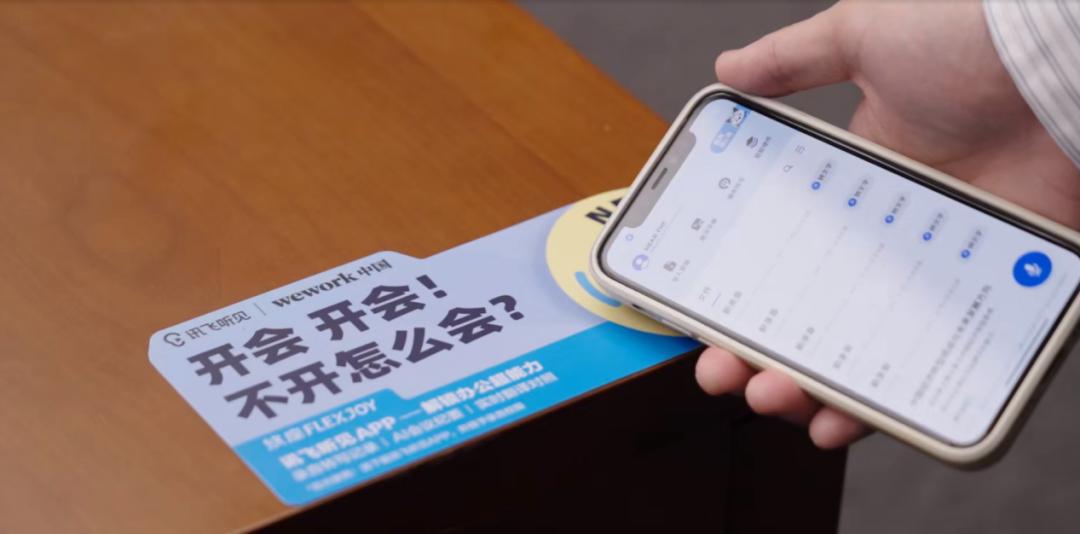
Core Insights - The article highlights the success of iFlytek's product "iFlytek Hearing," which has surpassed 100 million users, marking it as the second core product of iFlytek to reach this milestone after iFlytek Input Method [1] - Unlike many AI products that rely on subsidies for growth, iFlytek Hearing has adopted a SaaS model focused on technology payment, demonstrating the commercial viability of paid AI SaaS [1][2] Group 1: SaaS Model and Business Strategy - iFlytek Hearing adheres to a "three no" product strategy: no splash ads, no in-app ads, and no sharing ads, focusing on a subscription-based SaaS model that emphasizes long-term sustainability and profitability [2] - The product has shown impressive financial performance, with a gross profit growth exceeding 60% for three consecutive years and a user renewal rate above 50% [2] - The SaaS model allows for precise user targeting and retention through technology services, creating a positive cycle of "technology iteration - payment conversion - retention and repurchase" [2] Group 2: Competitive Landscape - The competitive landscape for voice transcription has intensified, with major players like Feishu, DingTalk, and Tencent Meeting integrating voice transcription features into their platforms, creating a dual competition of software and hardware [3][5] - iFlytek Hearing's strategy focuses on niche market needs, avoiding direct competition with large collaborative office platforms by honing in on voice transcription and AI meeting minutes [5] Group 3: Technological Advancements - In the era of large models, voice is becoming a primary input method for AI, offering a natural and efficient way to interact, which iFlytek Hearing capitalizes on by focusing on voice transcription and AI meeting minutes [6] - The product has evolved from a non-real-time transcription model to a subscription-based SaaS service, aligning with the global trend of large models and enhancing user experience with features like "one-click manuscript generation" [7][9] Group 4: Industry Implications - iFlytek Hearing's success serves as a significant milestone for iFlytek's SaaS business and offers insights for the AI industry, emphasizing the importance of respecting user value and adopting a long-term approach [10] - The shift in competition from broad-spectrum platforms to specialized SaaS products presents opportunities for growth, as businesses increasingly seek tailored solutions for efficiency [10]
科大讯飞又一亿级产品:讯飞听见的SaaS突围,错身AI办公赛道的细分胜利
36氪· 2026-02-12 13:35
Core Insights - The article highlights that iFlytek's "iFlytek Hearing" has surpassed 100 million users, marking it as the second core product of iFlytek to reach this milestone after iFlytek Input Method. This success is attributed to its adherence to a technology-driven paid model rather than relying on subsidies for growth [2][4]. SaaS Philosophy - iFlytek Hearing has adopted a "three-no" product strategy: no splash ads, no in-app ads, and no sharing ads, focusing on a subscription-based SaaS model. This approach has led to a sustainable profit cycle, with a reported gross profit growth of over 60% for three consecutive years and a user renewal rate exceeding 50% [4][3]. Competitive Landscape - The competitive environment for voice transcription services has intensified, with major players like Feishu, DingTalk, and Tencent Meeting integrating transcription features into their platforms. Additionally, hardware products like recording cards are competing for market share. iFlytek Hearing's strategy of focusing on a niche market allows it to avoid direct competition with these giants [5][6]. Market Trends - The article notes a shift in AI interaction from text to natural voice input, which is more efficient and user-friendly. iFlytek Hearing has capitalized on this trend by focusing on voice transcription and AI meeting minutes, thus transitioning from a "tool-based SaaS" to a "smart SaaS" model [8][9]. Strategic Evolution - From 2015 to 2019, iFlytek Hearing initially relied on non-real-time transcription. In 2019, it shifted to a subscription-based SaaS service, enhancing its real-time transcription capabilities. This strategic pivot coincided with the global rise of large models in 2023, allowing it to integrate advanced AI features [9][12]. Industry Implications - The success of iFlytek Hearing serves as a significant milestone for iFlytek's SaaS business and offers insights for the AI industry. It emphasizes the importance of respecting user value and adopting a long-term perspective in a market often driven by short-term growth strategies [15][14].

科大讯飞:非公开发行股票申请获得深交所审核通过
Mei Ri Jing Ji Xin Wen· 2026-02-12 12:52
Group 1 - The core point of the article is that iFlytek has received approval from the Shenzhen Stock Exchange for its application to issue shares to specific investors, indicating that the company meets the necessary issuance and listing conditions [1] - The Shenzhen Stock Exchange will proceed with the registration process with the China Securities Regulatory Commission as per regulations following the approval [1] Group 2 - Notable investors, Ge Weidong and Fang Wenyuan, have each invested 1 billion yuan in the company, leading to a significant increase in the company's stock price [1] - Historical analysis shows that participation in private placements by prominent investors has resulted in both gains and losses [1]
科大讯飞(002230) - 关于向特定对象发行股票申请获得深圳证券交易所审核中心审核通过的公告
2026-02-12 12:32
科大讯飞股份有限公司(以下简称"公司")于 2026 年 2 月 12 日收到深圳证券交易 所(以下简称"深交所")出具的《关于科大讯飞股份有限公司申请向特定对象发行股票 的审核中心意见告知函》,深交所发行上市审核机构对公司向特定对象发行股票的申请文 件进行了审核,认为公司符合发行条件、上市条件和信息披露要求,后续深交所将按规定 报中国证券监督管理委员会(以下简称"中国证监会")履行相关注册程序。 证券代码:002230 证券简称:科大讯飞 公告编号:2026-006 科大讯飞股份有限公司 关于向特定对象发行股票申请获得深圳证券交易所审核中心审核 通过的公告 本公司及董事会全体成员保证信息披露的内容真实、准确、完整,没有虚 假记载、误导性陈述或重大遗漏。 公司本次向特定对象发行股票事项尚需获得中国证监会同意注册后方可实施,最终能 否获得中国证监会作出同意注册的决定及其时间尚存在不确定性,公司将根据该事项的进 展情况按照相关规定及时履行信息披露义务。敬请广大投资者注意投资风险。 特此公告。 科大讯飞股份有限公司 董 事 会 二〇二六年二月十三日 ...