Apple(AAPL)

Search documents
古尔曼:iOS27将整理系统代码
Jin Rong Jie· 2026-02-15 14:45
马克・古尔曼披露了苹果即将推出的新一代系统 iOS 27 的多项全新细节。 苹果此次旨在对系统代码进 行"精简整理"、升级老旧应用,并微调界面设计,有望借此提升设备续航表现。此前已有消息称,iOS 27 的研发重心将以性能优化与系统稳定性为主。而本次报道进一步披露了苹果实现这一目标的三大核 心方向: 清理系统中残留的老旧代码"碎片" 对界面进行小幅微调,无大规模改版 对老旧应用进行隐性 升级,以"提升运行效率" 古尔曼表示,随着此次全面的代码清理工作推进,苹果工程师也在同步致力 于提升续航。此外,苹果还将在 iOS 27 中重点升级 AI 功能。 ...

Forget Tariffs! Earnings Quality Is a Far More Sinister Worry for Wall Street.
The Motley Fool· 2026-02-15 14:06
Core Viewpoint - The current stock market rally, while impressive, is at risk due to underlying issues related to earnings quality rather than just external factors like tariffs and trade policies [1][4][11]. Market Performance - The S&P 500 rose by 16% last year, marking its third consecutive year of gains of at least 16%, while the Dow Jones Industrial Average and Nasdaq Composite also saw significant increases [2]. - The market is currently experiencing high valuations, with the Shiller Price-to-Earnings (P/E) Ratio fluctuating between 39 and 41, making it the second-priciest market in history [14]. Impact of Tariffs - President Trump's tariffs have led to a 10.5% decline in the S&P 500 over two days following their announcement, marking one of the steepest declines since 1950 [6]. - The tariffs have had a modest inflationary impact, increasing production costs for certain businesses and leading to higher consumer prices [10]. Earnings Quality Concerns - Earnings quality is a significant issue, with many companies relying on non-operational income sources to boost their earnings figures [15][22]. - Tesla's earnings are heavily influenced by regulatory credits and interest income, which accounted for 63% of its pre-tax income in 2025 [18]. - Apple has utilized a substantial share buyback program to enhance its earnings per share (EPS), masking slower sales and profit growth [20][21]. Conclusion - The reliance on non-innovative income sources among leading companies raises concerns about the sustainability of their earnings, which could pose risks to investors in a historically expensive market [22].


FTC Chairman Writes To Tim Cook, Siri Delay And More: This Week In Appleverse - Apple (NASDAQ:AAPL)
Benzinga· 2026-02-15 12:02
Core Insights - Apple Inc. experienced a week of mixed outcomes, facing challenges while also celebrating significant victories [1] Group 1: Market Performance - In January 2026, Apple's performance in the Chinese smartphone market stood out despite an overall 23% year-over-year decline in smartphone sales [2] Group 2: Legal and Regulatory Issues - The FTC Chairman raised concerns regarding alleged political bias in Apple News, addressing Tim Cook in a letter about the promotion of left-wing content over conservative publications [3] - Apple achieved a major legal victory when a jury dismissed claims from Optis Wireless regarding patent infringement related to 4G technology [4] Group 3: Stock Performance - Following reports of a potential delay in new Siri features, Apple's stock saw a temporary decline of 1.2% [5] Group 4: Future Outlook - Tim Cook announced plans to celebrate Apple's 50th anniversary, with expectations of new smartphone releases and record financial results in 2026 [6]

大摩Q4持仓维持核心科技主线 苹果荣登榜首、指数ETF仓位下降
Zhi Tong Cai Jing· 2026-02-15 06:43
根据美国证券交易委员会(SEC)披露,摩根士丹利递交了截止至2025年12月31日的第四季度持仓报告 (13F)。整体来看,大摩Q4持仓变化呈现出"维持核心科技主线、降低指数化敞口、强化主动精选能 力"的特征。 增持方面,大摩还加仓了摩根大通(JPM.US)、优步(UBER.US)和黄金ETF(GLD.US)等。 建仓方面,大摩买入了Medline(MDLN.US)、道达尔(TTE.US)、QnityElectronics(Q.US)、 Solstice(SOLS.US)和梦龙(MICC.US)等。其中,摩根大通和高盛Q4也建仓了道达尔,贝莱德Q4也建仓了 QnityElectronics和Solstice。 从持仓比例变化来看,前五大买入标的为:谷歌C、礼来(LLY.US)、苹果、美光(MU.US)、富时成熟市 场ETF-Vanguard(VEA.US)。 前五大卖出标的包括:道富旗下SPDR标普500指数ETF(SPY.US)、纳指100ETF-Invesco(QQQ.US)、家得 宝(HD.US)、ServiceNow(NOW.US)、MercadoLibre(MELI.US)。 据统计,大摩第四季度持 ...

伯克希尔13F即将揭盅 巴菲特的最后一季会有哪些操作?
智通财经网· 2026-02-15 06:07
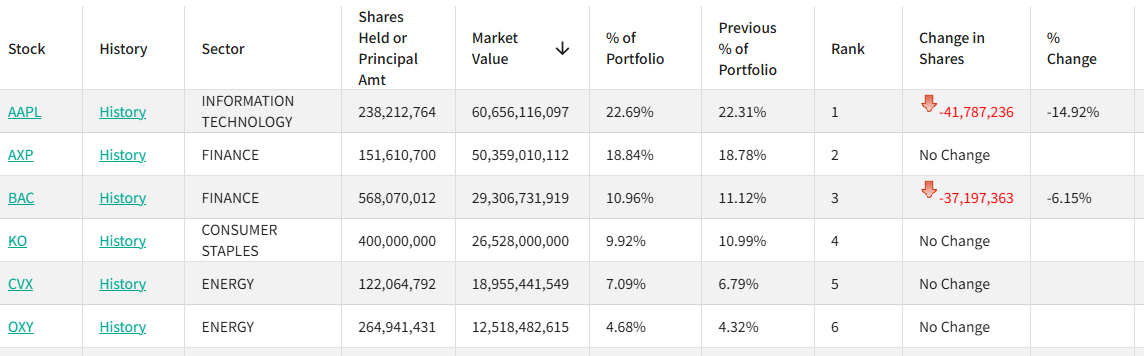
Core Viewpoint - The upcoming 13F quarterly filing deadline for Berkshire Hathaway is generating significant interest, particularly following Warren Buffett's resignation as CEO, with market participants eager to understand the investment decisions made during his final quarter in charge [1]. Group 1: Berkshire Hathaway's Holdings - Berkshire Hathaway's major holdings include Apple, American Express, Bank of America, Coca-Cola, Chevron, and Occidental Petroleum, which are believed to be primarily influenced by Buffett himself [2]. - As of the end of the third quarter, Berkshire's largest position is in Apple, valued at approximately $60.66 billion, representing 22.69% of the portfolio [2]. - The second-largest holding is American Express, valued at about $50.36 billion, making up 18.84% of the portfolio [2]. Group 2: Changes in Holdings - Significant reductions in holdings were observed for Apple and Bank of America, with Apple shares decreasing by nearly 42 million (approximately 15%) and Bank of America shares down by 37 million (over 6%) compared to the previous quarter [3]. - Apple's holdings have shrunk by about 75% from their peak, while Bank of America's holdings have nearly halved since the summer of 2024 [3]. - Berkshire's cash reserves have reached a new high, indicating a potential shift in investment strategy [3]. Group 3: Leadership Transition and Investment Strategy - Greg Abel has officially taken over as CEO of Berkshire Hathaway, following Buffett's departure, with Todd Combs previously seen as a strong candidate for the role [1]. - There is speculation regarding whether Berkshire will divest some positions established under Combs, particularly in companies like Amazon, Verizon, First Capital Credit, Visa, and Mastercard [3]. - Historical precedents suggest that when investment managers leave Berkshire, the company often sells off the majority of their managed holdings [3].


大摩Q4持仓维持核心科技主线 苹果荣登榜首、指数ETF仓位下降
美股IPO· 2026-02-15 04:09
根据美国证券交易委员会(SEC)披露,摩根士丹利递交了截止至2025年12月31日的第四季度持仓报告(13F)。整体来看,大摩Q4持仓变化呈现出"维持 核心科技主线、降低指数化敞口、强化主动精选能力"的特征。 据统计,大摩第四季度持仓总市值为1.67万亿美元,上一季度总市值为1.65万亿美元,环比上升1.2%。该基金在第四季度的投资组合中新增了 454只个股,增持了4007只个股,减持了3028只个股,清仓了415只个股。其中前十大持仓标的占总市值的22.15%。 在 其 他 科 技 股 中 , Meta(META.US) 获 得 了 约 82 万 股 增 持 , 特 斯 拉 (TSLA.US) 被 减 持 了 36 万 股 , AMD(AMD.US) 被 减 持 了 502 万 股 , Palantir(PLTR.US)被减持了103万股,博通(AVGO.US)被减持了近4.4万股。 整体来看,大摩并未显著降低对科技板块的配置权重,而是通过内部调仓进行再平衡,更偏向于盈利确定性与现金流稳定性较强的龙头公司。 减持方面,大摩还减持了医疗股如强生(JNJ.US)、艾伯维(ABBV.US)、赛默飞世尔(TMO.U ...




黄金深夜狂飙!前一日刚大跌,今夜突破5040美元,特朗普证实将派第二艘航母
Sou Hu Cai Jing· 2026-02-15 03:07
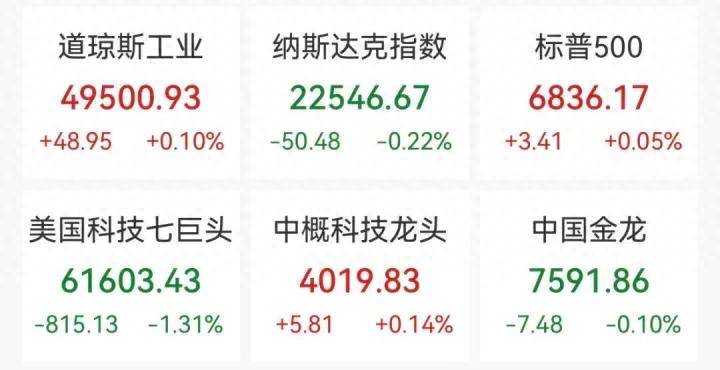
昨晚,美国公布了最新的CPI数据:1月的未季调CPI年率从2.7%降至2.4%,创下2025年5月以来的新低,市场预期为2.5%。而1月未季调核心CPI年率则从 2.6%回落至2.5%,也创下了自2021年3月以来的最低水平,符合市场预期。根据智通财经报道,美国利率期货市场反应较为积极,将美联储在6月放宽政 策的概率从公布前的63%上调至69%。与此同时,交易员们预计美联储今年会有第三次降息的概率为50%。在CPI数据公布后,市场对美联储未来降息的 预期有所上升,2026年美联储降息幅度预期从58个基点升至61个基点。 | 道琼斯工业 | 纳斯达克指数 | 标普500 | | --- | --- | --- | | 49500.93 | 22546.67 | 6836.17 | | +48.95 +0.10% | -50.48 -0.22% | +3.41 +0.05% | | 美国科技七巨头 | 中概科技龙头 | 中国金龙 | | 61603.43 | 4019.83 | 7591.86 | | -815.13 -1.31% | +5.81 +0.14% | -7.48 -0.10% | 截至当天收盘,美国 ...


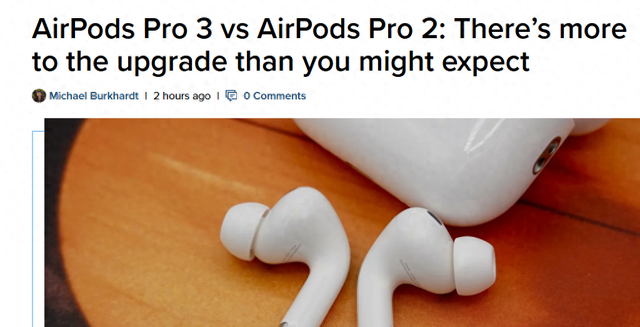
续航有减有增?AirPods Pro 3与Pro 2实测对比
Xin Lang Cai Jing· 2026-02-15 02:08
来源:环球网 【环球网科技综合报道】2月15日,据外媒9to5mac报道,近日,AirPods Pro 3已正式亮相,不少用户对 其升级幅度存疑,认为AirPods Pro 2依旧表现出色,且Pro 3的核心功能Live Translation也将推送至Pro 2。但经过实际长时间体验后发现,这款新品的升级价值远超预期,对多数用户而言值得入手。 尽管苹果未刻意宣传,但Pro 3的透明模式清晰度显著优于Pro 2,这大概率得益于泡沫耳塞带来的更好 密封性,有效弥补了密封过好导致的外界声音模糊问题,解决了用户佩戴耳机通话时听不清外界声音的 痛点。 音质方面,两款耳机表现基本持平,若用户本身喜欢Pro 2的音质,Pro 3不会带来失望,但也难以满足 追求音质提升的用户需求。续航则呈现"一增一减":Pro 3单耳透明模式续航可达10小时,远超Pro 2的6 小时;但充电盒续航缩水,整机综合续航从30小时降至24小时,用户需更频繁地为充电盒充电。(旺 旺) 佩戴体验是Pro 3最直观的升级。相较于Pro 2,新品更轻便,结合全新机身造型与泡沫填充耳塞,佩戴 时几乎无负重感,长时间佩戴也更舒适。苹果表示,这款耳机基于10 ...
灵动岛缩小、影像升级!iPhone 18 Pro多项升级曝光
Xin Lang Cai Jing· 2026-02-15 02:08
Core Insights - The iPhone 18 Pro is generating significant buzz with multiple upgrades expected, despite the higher interest in the foldable iPhone Fold [1][4] - The starting price for the iPhone 18 Pro is rumored to remain unchanged, making it competitive in the high-end smartphone market [4] Design and Experience - The iPhone 18 Pro will feature a titanium body with new color options including brown, purple, and burgundy, enhancing its premium feel [4] - The device will reduce the size of the Dynamic Island for the first time in three years, optimizing screen space while maintaining practicality and aesthetics [4] Core Configuration - The iPhone 18 Pro is expected to debut with the TSMC 2nm A20 Pro chip, significantly improving performance and energy efficiency [4] - It may also include a new N2 network chip for smoother multitasking and network experiences [4] Imaging Capabilities - Both Pro models are likely to upgrade to larger aperture telephoto lenses, with the Pro Max version potentially featuring a variable aperture main camera for better depth control and shooting flexibility [4] Battery and Connectivity - All models will incorporate a self-developed C2 modem, supporting mmWave 5G and satellite data connections, which will enhance battery life [4] - The iPhone 18 Pro Max is expected to have a battery capacity of 5200mAh, leading to noticeable improvements in actual battery life due to optimizations [4] Pricing Strategy - The iPhone 18 Pro is anticipated to maintain the previous generation's pricing, starting at $1,099 in the US and ¥8,999 in China, which is competitive given the hardware upgrades [4]
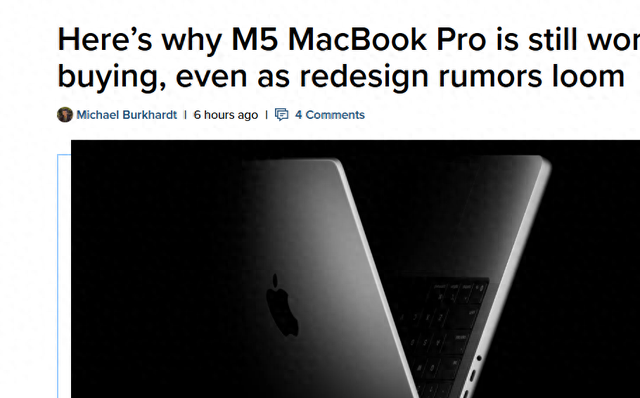
传言翻新在即,M5 MacBook Pro为何仍值得入手
Xin Lang Cai Jing· 2026-02-15 02:08
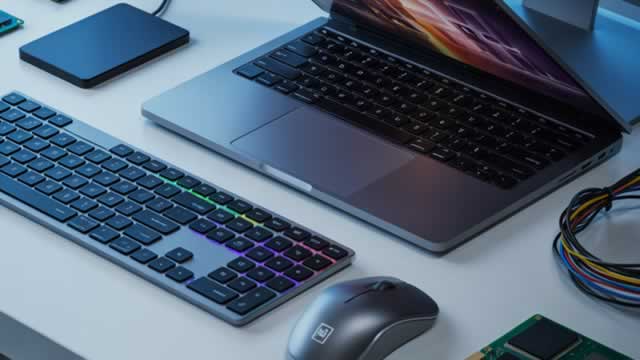
据悉,苹果此次MacBook Pro翻新仅针对高端机型,将搭载M6 Pro和M6 Max芯片,基础款M6暂不计划 推出翻新版本,这与2021年现有设计仅搭载M1 Pro/Max芯片、两年后才推出基础款M3机型的策略一 致。 外媒报道称,需明确的是,此处提及的M5 MacBook Pro特指14英寸基础款机型,切勿与将于3月初推出 的M5 Pro、M5 Max高端机型混淆——后者更建议等待今年秋季的翻新版本。而基础款M5之所以值得考 虑,核心原因在于其亲民预算与翻新款的定位差异。 来源:环球网 【环球网科技综合报道】2月15日,据外媒9to5mac报道,目前14英寸MacBook Pro的现有设计已接近五 年,苹果正在推进MacBook Pro系列翻新的消息也已不是秘密。尽管翻新款呼之欲出,但基础款M5 MacBook Pro依旧有充足的入手理由,尤其适合预算有限的消费者。 翻新款将配备OLED显示屏、更轻薄机身、触摸屏及5G蜂窝网络等功能,但预算需超过2000美元,且按 苹果惯例,基础款翻新机型可能要等到2028年才会推出。反观当前M5 MacBook Pro,搭载10核M5芯 片,配备Liquid视网膜XD ...