
Basf(BASFY)

Search documents
BASF Achieves Major Milestone: First CAM Is Delivered to WELION
ZACKS· 2025-09-04 14:30
Core Insights - BASF SE's unit, BASF Battery Materials, has successfully supplied its first batches of mass-produced Cathode Active Materials for Semi-Solid-State batteries to Beijing WELION New Energy Technology Co., Ltd. through their joint venture, BASF Shanshan Battery Materials Co. [1][8] Group 1: Technological Advancements - The industrialization of Solid-State batteries is driven by high market demands for increased energy density and enhanced safety [2] - The BSBM R&D team developed an ultra-high Nickel NCM cathode material with a composite coating, which boosts energy density, lowers resistance, and improves battery life and performance [2] - The mass production of this innovative technology was achieved within a year of project launch, showcasing effective teamwork and commitment to excellence [2][4] Group 2: Collaboration and Expertise - WELION's extensive experience in Solid-State battery technologies, combined with BSBM's expertise in cathode active materials, contributed to the successful commercial implementation of the project [3] - The collaboration between BASF and WELION is accelerating the commercialization and large-scale industrialization of next-generation battery technologies [4] Group 3: Market Performance - BASFY stock has gained 8.8% over the past year, contrasting with the industry's 17.3% decline [6]



特朗普关税重锤!欧洲化工业复苏再遭“劫”
Jin Tou Wang· 2025-09-04 06:27
Group 1 - The European chemical industry is facing significant turmoil due to at least 15% import tariffs imposed by the US on EU goods, impacting major clients in the automotive, machinery, and consumer goods sectors [1] - Following a 22% decline in Q2, European chemical companies are expected to see a further 5% drop in profits in Q3, as many clients are delaying orders [1] - BASF, the world's largest chemical manufacturer, has lowered its full-year performance expectations, citing that some clients are placing orders only weeks in advance instead of the usual three to four months [1] Group 2 - The European Commission has committed to supporting the domestic production of strategic chemicals like ethylene and propylene, but industry insiders are skeptical about the effectiveness of these measures given the existing impact of US tariffs [2] - The EU's carbon neutrality goals, outlined in the European Climate Law, are facing challenges as the carbon costs continue to rise, with ETS certificate revenues reaching nearly €29.1 billion in 2023 [2] - Smaller European chemical companies are struggling as suppliers withdraw from transactions due to pessimistic outlooks, with uncertainty leading to a difficult Q3 for companies like Lanxess [2]
巴斯夫向卫蓝新能源交付用于半固态电池的创新正极材料
Jing Ji Guan Cha Bao· 2025-09-01 03:37
巴斯夫9月1日宣布,巴斯夫电池材料旗下巴斯夫杉杉电池材料有限公司(下简称:巴斯夫杉杉)在新一 代电池技术取得重大成果。通过与北京卫蓝新能源科技股份有限公司(下简称:卫蓝新能源)深度合 作,巴斯夫已经成功交付首批用于半固态电池的量产正极材料,向固态电池产业化迈出坚定的一步。 卫蓝新能源是固态电池领域的先行者,拥有 40 余年固态电池产业研究经验,产品主要应用于新能源汽 车、储能、以及低空飞行和动力工具等其他领域。巴斯夫杉杉则在电池正极材料的研发和生产方面有着 二十多年的经验,具有解决固态电池材料中关键挑战的能力。 (原标题:巴斯夫向卫蓝新能源交付用于半固态电池的创新正极材料) 自 2024 年 8月 开始合作,双方通过紧密合作和对高新技术的共同追求,在一年内便完成了从概念到量 产的全过程。巴斯夫杉杉研发团队针对正极材料与固态电解质的界面问题,设计了具有独特复合包覆层 的超高镍(镍钴锰)正极材料。这一创新技术不仅以更高的容量和更低的阻抗提升了能量密度,还通过 有效抑制正极活性材料与电解质的界面副反应,大幅提高了产品的循环性能和日历寿命。 卫蓝新能源总经理向晋表示:"对于巴斯夫过硬的技术和迅速的反馈,我们印象深刻。 ...
BASF to Showcase VALERAS & New Additive Solutions at K 2025
ZACKS· 2025-08-28 15:40
Group 1 - BASF SE (BASFY) will showcase its VALERAS portfolio at K 2025, focusing on plastic circularity, durability, and carbon transparency through its additive solutions and services [1][8] - The company will introduce two innovations, Tinuvin NOR112 for organic farming and a new hindered amine light stabilizer (HALS) solution, enhancing greenhouse film performance against agrochemicals [2][8] - Innovations such as Tinuvin NOR 211 AR and 112 AR are designed to withstand strong sunlight, heat, and chemicals while being cost-effective, with Tinuvin NOR 356 offering exceptional durability [2][3] Group 2 - K 2025 will also serve as a platform for BASFY to engage with industry partners and internal experts to address challenges and explore solutions [4] - Successful partnerships highlighted include a closed-loop agricultural packaging solution with Cleanfarms and McKenzie/Snyder, a collaboration with Shouman Group in Egypt's plasticulture market, and a partnership with Takazuri Ltd. for climate-resilient roofing in Eastern Africa [4][8] Group 3 - BASFY stock has increased by 10.6% over the past year, contrasting with a 19.2% decline in the industry [6] - BASFY currently holds a Zacks Rank 1 (Strong Buy), indicating strong market performance [7]

巴斯夫 技术开发高级经理盛李红:多维创新赋能新能源汽车三电系统发展
DT新材料· 2025-08-27 16:04
Core Viewpoint - The rapid development of the electric vehicle industry has increased the demand for safety and reliability in automotive battery systems, prompting companies like BASF to innovate in materials technology to meet these needs [2][3]. Group 1: Innovations in Materials - BASF has partnered with research institutions to develop next-generation solid-state battery packs, focusing on non-metal components to enhance lightweight design, thermal safety management, and functionality [2]. - The introduction of Ultramid® Advanced N3U42G6, a halogen-free flame-retardant polyamide, aims to reduce electro-corrosion at metal contact points in electric vehicle components, enhancing the safety and durability of high-voltage connectors [3]. - The Ultramid® Advanced N series products are designed to improve the durability and reliability of thin-walled high-voltage connectors, addressing the growing demand for halogen-free electronic components in warm and humid environments [3]. Group 2: Sustainable Material Solutions - BASF has launched a range of sustainable material solutions, including Ccycled® and bio-based engineering plastics, to support the automotive industry's shift towards more environmentally friendly materials [5]. - The company is also focusing on industrial post-recycling applications, such as Infinergy® E-TPU, and bio-based synthetic leather, showcasing its commitment to sustainability in material development [5]. Group 3: Industry Events and Engagement - BASF's senior manager will present at the 2025 Polymer Industry Annual Conference, discussing multi-dimensional innovations that empower the development of electric vehicle battery systems [5][6]. - The conference will feature discussions on emerging materials and technologies in various sectors, including electric vehicles, highlighting the importance of collaboration across the industry [8][24].
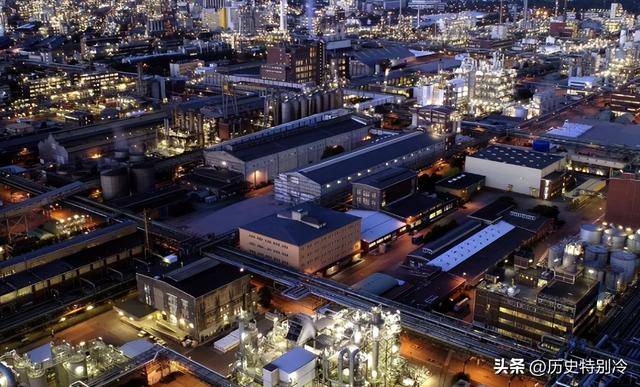
巴斯夫湛江一体化基地靠泊首艘外贸船舶
Zhong Guo Xin Wen Wang· 2025-08-26 13:51
Core Insights - The successful docking of the "Henghui 69" vessel at the BASF Zhanjiang Integrated Base marks the first foreign trade ship to arrive at the newly approved liquid bulk cargo terminal, supporting the development of the Zhanjiang petrochemical park [1][3]. Group 1: Project Overview - The BASF Zhanjiang Integrated Base is BASF's largest single investment project to date, with a total investment of approximately €10 billion [3]. - Once completed, the Zhanjiang base will become BASF's third-largest production site globally, following the Ludwigshafen site in Germany and the Antwerp site in Belgium [3]. Group 2: Terminal Details - The liquid bulk cargo terminal was officially approved for external operations on June 30, 2025, and is now equipped to handle international vessels for import and export operations [3]. - The terminal is designed to include four berths: one 120,000-ton chemical oil berth, two 80,000-ton liquefied hydrocarbon berths, and one 50,000-ton chemical oil berth [3]. Group 3: Maritime Safety and Efficiency - The maritime department implemented detailed safety measures for the docking of the "Henghui 69," including deploying patrol boats for navigation assistance and ensuring a clear shipping channel by removing obstacles [5]. - Advanced technologies such as smart maritime systems, AIS, and CCTV were utilized for real-time monitoring and dynamic escorting of the foreign trade vessel, ensuring safe navigation [5]. - A "green channel" was established for the "Henghui 69," streamlining the import and export approval process to enhance operational efficiency and user satisfaction at the port [5].

德国做了一个背弃祖宗的决定:将化工厂搬至中国, 投资高达上百亿
Sou Hu Cai Jing· 2025-08-23 12:51
Group 1 - The core viewpoint of the article highlights the struggles of German chemical companies, particularly BASF, which are forced to relocate production to China due to the adverse effects of the Russia-Ukraine conflict and rising energy costs [4][6][20] - The German chemical industry contributes significantly to the national GDP, accounting for 10%, and provides stable employment for hundreds of thousands [2][4] - The energy crisis, exacerbated by sanctions against Russia, has led to a dramatic increase in natural gas prices, tripling within three months, severely impacting production costs for chemical companies [10][12][14] Group 2 - BASF's decision to move production lines to China is driven by the need to reduce costs associated with skyrocketing energy prices and labor costs in Germany, where wages are significantly higher than in China [14][23] - The company has invested heavily in a new integrated production facility in Guangdong, China, with a total investment of 13 billion euros, making it the third-largest integrated production base globally [21][25] - China's favorable policies for foreign investment, including tax breaks and support for the chemical industry, make it an attractive location for BASF to establish operations [25][27] Group 3 - The article discusses the challenges posed by stringent EU environmental regulations, which increase operational costs for chemical companies in Germany, making it difficult to compete globally [16][18] - The bureaucratic hurdles in Germany, such as lengthy project approval processes, further complicate the operational landscape for local chemical firms [18][20] - The shift of production to China not only aims to cut costs but also positions BASF closer to a market that accounts for 30% of global chemical product consumption, allowing for better market access [23][25]
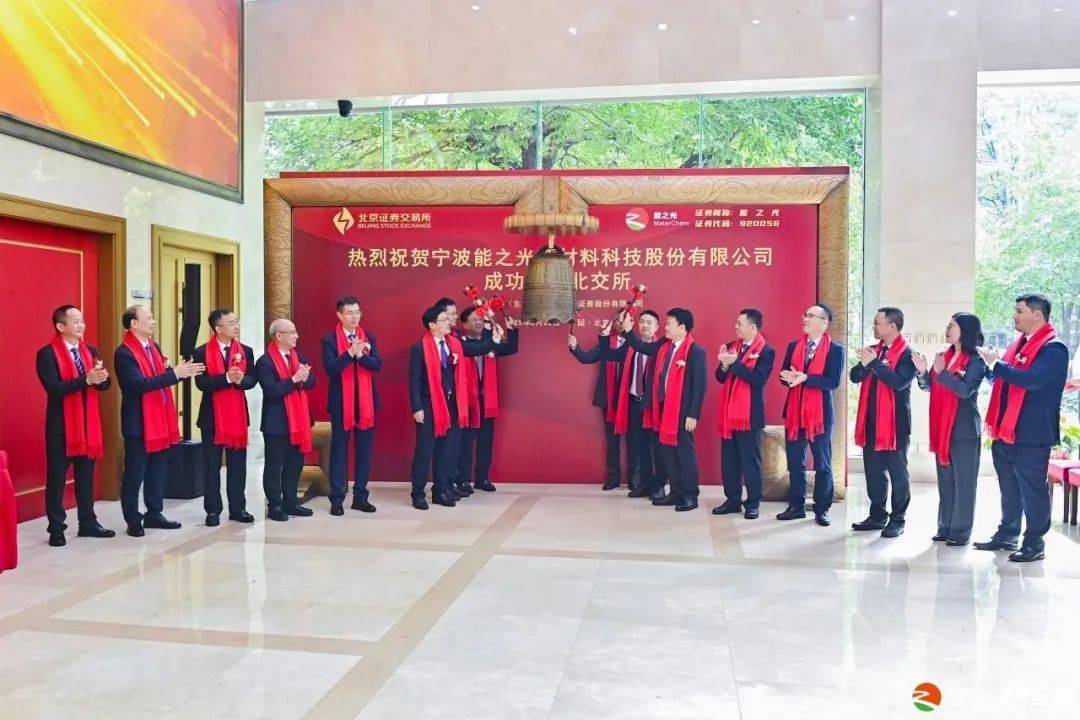
大涨344%!巴斯夫、金发供应商,化工新材料“小巨人”,上市
Sou Hu Cai Jing· 2025-08-22 16:41
Core Viewpoint - The company aims to raise approximately 160 million yuan for the expansion of functional polymer materials, construction of a research and development center, and working capital supplementation, focusing on low VOC functional materials, adhesive resins, and functional composite materials [2]. Group 1: Financial Performance - The company achieved revenues of 529 million, 555 million, and 569 million yuan from 2021 to 2023, with net profits of 24.14 million, 21.86 million, and 49.81 million yuan respectively, showing significant growth in 2023 [2]. - For 2024, the company expects to generate 610 million yuan in revenue with a gross margin of 17% and a net profit of 55.94 million yuan [2]. - In the first half of 2025, the company anticipates a revenue of 301 million yuan, representing a year-on-year growth of 2.61%, and a non-deductible net profit of approximately 26.99 million yuan, with an expected growth of 3.39% [2]. Group 2: Production Capacity and Utilization - The company has a production capacity of 30,000 tons in Ningbo and 19,639.5 tons in Ganzhou for 2024, with actual production in Ningbo reaching 33,911.62 tons and in Ganzhou 14,913.69 tons [3]. - The capacity utilization rate for Ningbo is 113.04% in 2024, while Ganzhou's utilization rate is 75.94% [3]. Group 3: Product Offerings - The company specializes in functional polymer products such as compatibilizers, toughening agents, and adhesive resins, which are widely used in modified plastics, composite materials, and polymer functional films across various end markets including automotive, cables, electronics, and photovoltaic components [3][4]. - Current research and development products include flame-retardant toughening agents for nylon, high-performance lithium battery separator UHMWPE powder, and modified polypropylene wax [4]. Group 4: Market Applications - The adhesive resins produced by the company are used in composite films, composite boards, and composite pipes, with applications in barrier packaging and construction materials [9]. - The photovoltaic functional materials, including acid removal and anti-PID masterbatches, are essential for the performance of solar modules, especially with the transition to N-type batteries and advancements in encapsulation materials [10].
巴斯夫湛江一体化基地项目合成气装置机械竣工
Zheng Quan Shi Bao Wang· 2025-08-19 15:28
Core Insights - The BASF Zhanjiang integrated base project, with a total investment of approximately €10 billion, is BASF's largest single investment project to date [1] - The project will become BASF's third-largest production base globally upon completion [1] - The mechanical completion of the syngas facility marks the beginning of the production preparation phase [1]
德国化工企业巴斯夫—— “共享中国高质量、可持续发展的红利”(见证·中国机遇)
Ren Min Ri Bao· 2025-08-18 23:17
Group 1: Core Insights - BASF is collaborating with local companies to develop next-generation solid-state battery technology and strengthen partnerships in the automotive coatings sector [1][6] - The company has been operating in China for 140 years, establishing a strong presence and expanding its business footprint significantly since the reform and opening-up [2][3] - By the end of 2024, BASF plans to have built 30 production sites in China, with sales in the Chinese market accounting for over 13% of its global sales [3][4] Group 2: Investment and Development - BASF's largest overseas investment project, the Zhanjiang integrated base, has a total investment of approximately €10 billion and is set to become the company's third-largest production site globally [4][5] - The Zhanjiang base will include a steam cracking unit with an annual capacity of 1 million tons of ethylene and several downstream production facilities [4][5] - The company has invested around €280 million in the Shanghai Innovation Park over the past decade, focusing on sustainable development innovations [3][6] Group 3: Research and Innovation - BASF is increasing its R&D investment in China, particularly in fast-growing sectors such as new energy vehicles and high-end manufacturing [6][7] - The company has established the Asia Open Research Network to facilitate collaboration between its researchers and academic institutions, completing around 200 joint research projects [7] - BASF aims to enhance local innovation capabilities and meet the evolving demands of the Chinese market through strategic partnerships and talent development [6][7]