LI AUTO(LI)

Search documents
强烈推荐阅读|范皓宇详细阐述理想AI眼镜理念与开发细节
理想TOP2· 2026-01-19 12:34
Core Viewpoint - The company has developed a new AI glasses product called Livis, which aims to extend the smart experience from cars to everyday life, emphasizing comfort, long battery life, and fast response times [1][48]. Group 1: Product Features - Livis glasses weigh only 36 grams, making them one of the lightest in the industry [25]. - The glasses offer a typical usage time of 18.8 hours and standby time of over 70 hours [25]. - The AI response speed is notably fast, achieving 800 milliseconds [25]. - The product has sold out its initial production capacity in just three days, indicating strong market demand [32][33]. Group 2: User Interaction and Experience - The average daily interaction with the glasses is around 40 to 50 voice commands, significantly higher than the 18 to 20 interactions typically seen in cars [36]. - Users engage with the glasses for various tasks, including navigation, media control, and reminders, showcasing their utility beyond just a visual device [37][38]. Group 3: Development and Technology - The glasses utilize a unique single MCU architecture and a custom RTOS, differentiating them from competitors who rely on standard platforms [5][51]. - Collaboration with partners like Hengxuan has led to the development of a specialized system that enhances performance while maintaining low power consumption [5][54]. - The design process involved high standards, such as achieving G3 continuous surfaces, which are typically reserved for luxury products [13][56]. Group 4: Market Position and Strategy - The company aims to create a seamless user experience across multiple devices, positioning the glasses as a step towards a multi-device ecosystem [7][8]. - Despite initial skepticism about diversifying from automotive products, the company believes that the glasses will enhance user engagement and create new value [10][50]. - The product's success is seen as a potential catalyst for future innovations in both the eyewear and automotive sectors [12][53].



氪星晚报 |飞书史上第一次硬件合作,和安克创新做了一款“AI录音豆”;良品铺子2025年预计净亏损1.2亿至1.6亿元;马斯克称AI5将是一款“性能非常强大”的芯片
3 6 Ke· 2026-01-19 11:31
Group 1: Company Developments - Li Auto's subsidiary Jiangsu Li Auto Drive Technology Co., Ltd. increased its registered capital from 180 million RMB to 300 million RMB, a growth of approximately 67% [1] - Ningde Times established a new company, Ma'anshan Run'an New Energy Co., Ltd., with a registered capital of 4.55 million RMB, focusing on emerging energy technology [3] - Jiangzhong Pharmaceutical changed its name to China Resources Jiangzhong Pharmaceutical Co., Ltd. and plans to change its stock abbreviation to "China Resources Jiangzhong" while keeping the stock code unchanged [4] - Hangzhou Zhijian Power Technology Co., Ltd. saw new shareholders including Tencent and Taobao, with its registered capital increased to 1.5191 million RMB [7] Group 2: Financial Forecasts - Liangpinpuzi expects a net loss of 120 million to 160 million RMB for the year 2025, with a decrease in sales revenue and gross margin due to store restructuring and product price adjustments [2] - Furi Electronics anticipates a net loss of approximately 50 million RMB for 2025, with a projected net loss of about 73 million RMB after excluding non-recurring gains and losses [5] Group 3: Industry Trends - Cainiao's global overseas warehouse order volume is expected to grow by 32% year-on-year in 2025, with plans to expand coverage and automation in key markets [6] - Alibaba Health's AI product "Hydrogen Ion" has completed internal testing and is now available for download, targeting clinical and research fields [10] - Feishu is collaborating with Anker Innovation to launch a smart recording device named "AI Recording Bean," marking its first hardware product since its establishment [11]



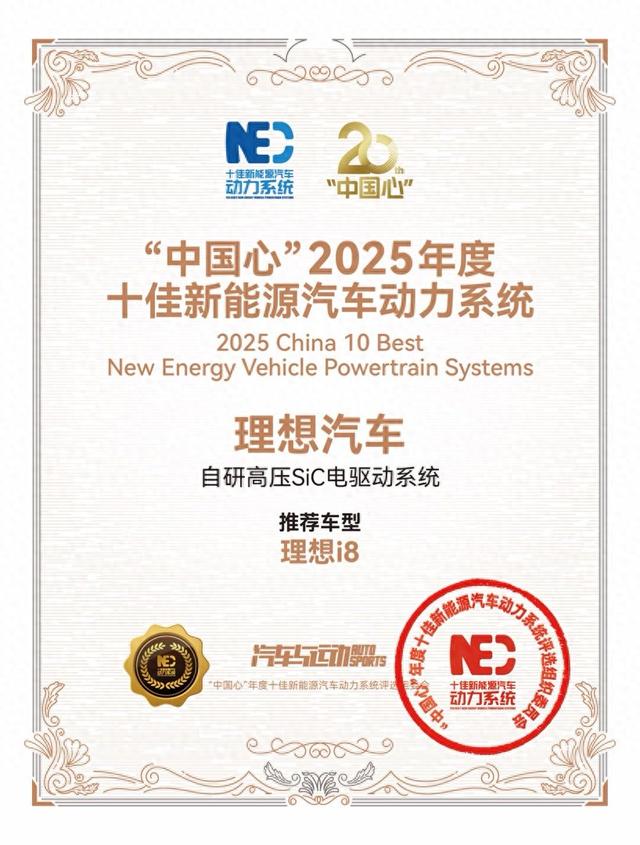
理想i8背后的硬实力:揭秘“中国心”年度十佳的自研高压SiC电驱动系统
Bei Jing Ri Bao Ke Hu Duan· 2026-01-19 09:46
Core Viewpoint - Li Auto's self-developed high-voltage SiC (Silicon Carbide) electric drive system has been recognized as one of the top ten power systems in the 2025 "China Heart" awards, showcasing the company's strong R&D capabilities in core electric technology [1][10]. Group 1: Award and Recognition - The "China Heart" annual top ten new energy vehicle power system selection is conducted by a panel of experts, ensuring professionalism and authority in the evaluation process [3]. - Li Auto's high-voltage SiC electric drive system stood out among numerous models, receiving expert recognition for its excellent technical indicators and balanced performance, efficiency, comfort, and reliability [4][6]. Group 2: Technical Development - Li Auto has achieved full-stack self-research in its electric drive system, covering everything from silicon carbide power chips to control software, which grants the company significant control over core components [4][8]. - The Li Auto i8, equipped with this award-winning system, combines structural advantages of pure electric technology with family-oriented space and comfort needs, achieving an industry-leading 93.08% efficiency under CLTC conditions and enhancing range by 30 kilometers [6]. Group 3: Industry Implications - The recognition of Li Auto's technology reflects a broader trend in the automotive industry, indicating a shift in the value chain competition from efficient integration of end products to autonomous definition of core technologies [10]. - The company's initiative to donate its self-developed high-voltage SiC electric drive system to six top domestic universities supports the cultivation of talent in the automotive engineering field, demonstrating Li Auto's commitment to sustainable development in the industry [8][10].
【联合发布】2025年12月OTA监测月报
乘联分会· 2026-01-19 09:07
Core Insights - The article discusses the monthly OTA (Over-The-Air) monitoring report released by the China Automobile Circulation Association and Guangzhou Weirbo Information Technology Co., highlighting the trends and updates in the automotive OTA landscape [2]. Industry Overview - In December 2025, the industry updated a total of 1,257 features, a significant increase from 954 in the previous month, with 27 brands participating in OTA updates. The focus of upgrades was on driving assistance and voice functionalities [8]. - Throughout the year, the automotive industry shifted from "wild growth" to a "compliant expansion" model under regulatory constraints, emphasizing "safer, more inclusive, and practical" advancements. The total number of upgraded features increased by 36.7% compared to 2024 [8]. New Forces - New force brands updated a total of 216 features in December 2025, up from 177 the previous month, indicating a slight increase. Brands like Li Auto and Xpeng experienced major version upgrades, enhancing their level of intelligence [7]. - The frequency of upgrades for new force brands decreased due to regulatory impacts, transitioning from "high frequency" to "low frequency with high quality," while still maintaining a high level of overall upgrade functionality [9]. Domestic Brands - Domestic brands updated 1,005 features in December 2025, a significant rise from 728 in the previous month. This year was crucial for domestic brands to catch up with the leading tier in intelligence, focusing on "more inclusive and practical" strategies [14]. - The total number of upgraded features for domestic brands increased by 73% compared to 2024, with over 20% of upgrades in intelligent driving and vehicle control modules, which are key areas for catching up [14]. Joint Venture & Luxury Brands - Joint venture and luxury brands updated 36 features in December 2025, a slight decrease from 49 in the previous month. However, the total number of upgraded features increased by 31.6% compared to 2024, with expansions into overall vehicle experience and intelligent driving modules [15]. - The upgrades in intelligent driving increased by 6.88% compared to 2024, and vehicle control features saw a 3.25% increase, indicating a shift from passive following to active participation in the intelligentization field [15]. OTA Activity Highlights - Li Auto adjusted its OTA internal testing project to a priority experience project, focusing on concentrated information release and enhancing user engagement through various promotional activities [26][32]. - The article outlines various promotional activities and user engagement strategies employed by Li Auto, including topic operations and rewards for user participation, aimed at increasing interaction with new features [33][38]. Future OTA Updates - The article provides a forecast of upcoming OTA updates for various brands, detailing expected upgrade contents and timelines, indicating a continuous evolution in the automotive OTA landscape [37][39].


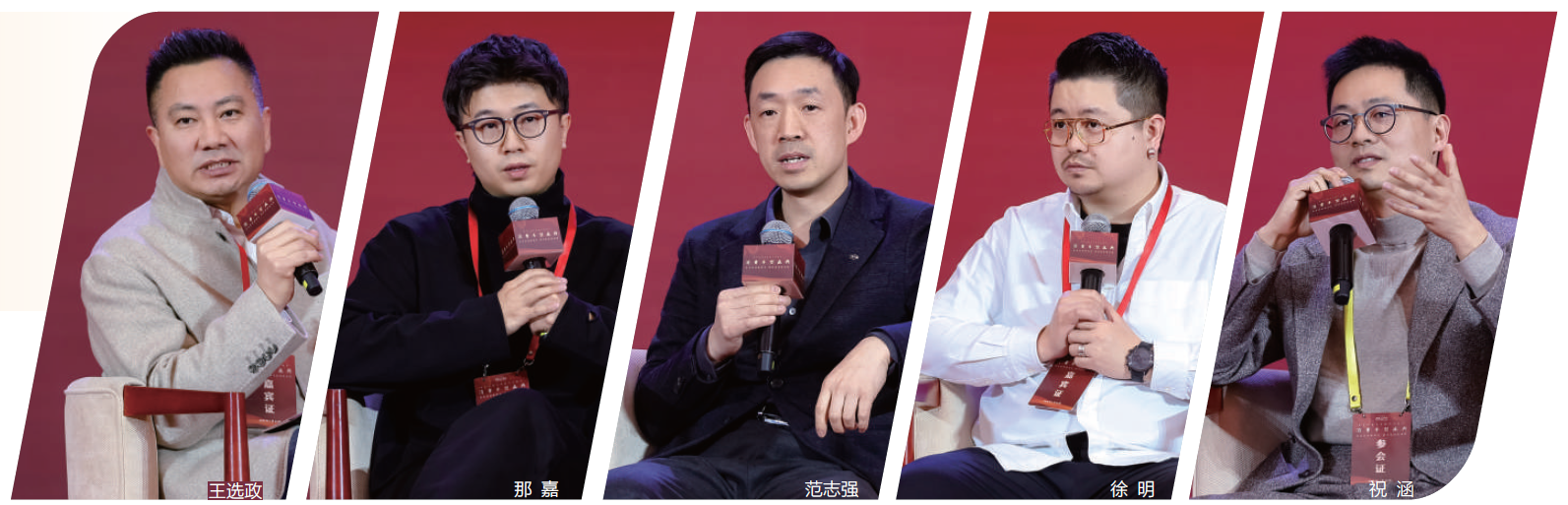
中国汽车设计与全球汽车的对话
Zhong Guo Qi Che Bao Wang· 2026-01-19 03:39
Core Insights - The automotive industry is undergoing a significant transformation, with rapid product and technology iterations and increasingly diverse user demands. The design philosophy and values of automobiles are evolving, emphasizing the importance of brand culture and values in automotive design [1] Group 1: Globalization of Chinese Automotive Design - Chinese automotive design is entering a global era, with increasing visibility and recognition on the world stage. The transition from "Made in China" to "Chinese aesthetics" signifies a growing resonance of Chinese automotive design globally [1] - The discussion at the 18th "China Automotive News" Consumer Model Ceremony highlighted the global development of Chinese automotive design, with industry leaders sharing insights on this evolution [2][4] - The integration of electric and intelligent technologies into automotive products is expanding the definition and functionality of vehicles, presenting both challenges and opportunities for design [6][7] Group 2: Design Challenges and Innovations - The automotive design landscape faces challenges such as homogenization, where differentiation through design becomes crucial as technology reaches a level of parity. This necessitates a focus on design innovation to create unique product value [8] - The integration of AI tools in design processes is reshaping the role of designers, enhancing their capabilities while also raising questions about the future of design jobs [9] - The long-term vision for automotive design must balance current market demands with sustainable brand development, moving beyond superficial design elements to create meaningful user experiences [14][18] Group 3: Cultural Transmission through Design - Chinese automotive design plays a critical role in conveying cultural values and narratives to the global market, facilitating a deeper understanding of Chinese culture and innovation [11][10] - The evolution of design education and the emergence of talented Chinese designers are contributing to the global competitiveness of Chinese automotive products [12][13] - The design process must focus on user needs and experiences, ensuring that products resonate with consumers while also reflecting the brand's identity and values [20] Group 4: Future Directions in Automotive Design - The future of automotive design will require a shift towards creating value for users, with designers potentially evolving into lifestyle designers who address broader consumer needs [19] - Continuous adaptation to market demands and technological advancements will be essential for maintaining competitiveness in the global automotive landscape [16][17] - The establishment of a global design framework is necessary for Chinese automotive companies to effectively respond to international market challenges and consumer expectations [12][13]



理想汽车旗下驱动技术公司增资至3亿,增幅约67%
Sou Hu Cai Jing· 2026-01-19 03:19
Core Viewpoint - Jiangsu Ideal Drive Technology Co., Ltd. has increased its registered capital from 180 million RMB to 300 million RMB, representing an increase of approximately 67% [1] Company Information - The company was established in April 2023 and is legally represented by Cha Zheng [1] - Its business scope includes technology services, development, consulting, exchange, transfer, promotion, manufacturing of automotive parts and components, and import and export of goods [1] - The company is wholly owned by Jiangsu Ideal Automotive Intelligent Technology Co., Ltd., a subsidiary of Ideal Automotive [1]
英伟达正在被中国车企抛弃
3 6 Ke· 2026-01-19 02:19
Core Viewpoint - The automotive industry is witnessing a significant shift towards self-developed chips, with companies like Xiaopeng and NIO moving away from NVIDIA's chips to their own solutions, indicating a trend where automakers prioritize self-sufficiency in technology [1][5][16]. Group 1: Market Dynamics - Xiaopeng has launched four new models equipped with its self-developed Turing chip, marking a complete transition from NVIDIA's chips [1]. - NIO is also transitioning to its self-developed Shenqi chip, which is expected to reduce costs significantly compared to purchasing NVIDIA chips [1][5]. - NVIDIA's market share in the high-end autonomous driving chip sector is projected to decline from 39% in 2024 to 25% in 2025, as more companies adopt self-developed solutions [1][5][8]. Group 2: Competitive Landscape - In 2024, NVIDIA's Orin-X chip held a 39.8% market share with 2.1 million units shipped, but its dominance is being challenged by Chinese companies like Horizon Robotics, which offers competitive chips at lower prices [3][4]. - Horizon's J5 chip has secured contracts with over nine automakers for more than 20 models, highlighting the growing competition in the mid-range chip market [4]. - By 2025, NVIDIA's partnerships with major clients like NIO and Xiaopeng have diminished, indicating a shift in the competitive landscape [5][8]. Group 3: Financial Performance - NVIDIA's automotive revenue for the first three quarters of fiscal 2025 was only $1.745 billion, accounting for just over 1% of its total revenue of $147.8 billion, with the majority coming from data center and AI-related products [12][14]. - The company has faced challenges with the delayed launch of its Thor chip, which has affected automakers' product timelines and market strategies [15][16]. Group 4: Strategic Shifts - NVIDIA is attempting to transition from a chip supplier to a comprehensive autonomous driving solution provider, as evidenced by its hiring of key personnel from Xiaopeng and the introduction of the open-source VLA model [17][18]. - The effectiveness of NVIDIA's open-source model, Alpamayo, has been questioned, with concerns about its practical application in the automotive sector [18].

从“中国心”奖项看理想汽车(LI.US/2015.HK):核心技术自研如何撑起中国车企的全球竞争力
Ge Long Hui A P P· 2026-01-19 01:49
Core Insights - The Chinese electric vehicle (EV) industry is transitioning from a focus on range and battery capacity to a phase emphasizing core technology advancements, with a market penetration rate reaching 46.1% and over 10 million units sold in the first nine months of 2025, reflecting a year-on-year growth of over 30% [1] - The "China Heart" 2026 Annual Power Day highlighted the success of Li Auto's self-developed high-voltage SiC electric drive system, which won the "Top Ten New Energy Vehicle Power Systems" award, showcasing the company's strategic shift from market follower to technology leader [1][2] - Li Auto's full-stack self-research strategy has led to significant breakthroughs in electric drive technology, emphasizing the importance of understanding underlying technologies rather than merely integrating existing components [3] Technical Autonomy and System Innovation - Li Auto's high-voltage SiC electric drive system represents a departure from traditional practices by achieving full-chain self-research from silicon carbide power chips to the complete electric drive system [2] - The innovative hexagonal cell structure in chip design reduces conduction resistance, enhancing overall system efficiency, while the new internal window structure in power module design minimizes footprint and optimizes hidden friction [2][3] User Experience and Value Creation - The successful conversion of advanced technology into user-perceived value is evident in the Li Auto i8, which boasts an industry-leading electric drive efficiency of 93.08% and a CLTC range of 720 kilometers, significantly reducing charging frequency for users [5][6] - Innovations such as a 97.8 kWh battery enabling 500 kilometers of range with just 10 minutes of charging and specialized lubricants for low temperatures enhance user experience and address real-world driving concerns [6][7] Ecosystem Building and Industry Leadership - Li Auto's commitment to fostering an innovative ecosystem is demonstrated through partnerships with academic institutions and investments in research funds, promoting long-term foundational research in smart vehicles and AI [8] - The company's collaborative approach with local suppliers not only enhances its own technology but also drives the growth of the domestic supply chain, exemplifying a model where leading companies uplift the entire industry [9][10] Conclusion - The recognition of Li Auto's high-voltage SiC electric drive system signifies a broader awakening of technological confidence within the Chinese automotive industry, emphasizing the necessity for companies to master core technologies to compete globally [11] - The future evaluation of automotive value may shift towards the extent of self-developed core technologies and their impact on the supply chain, calling for more Chinese companies to anchor their strategies in technology for accelerated growth in the global EV market [12]
2026,车企反攻智能硬件
3 6 Ke· 2026-01-18 23:37
Core Viewpoint - The rise of smart glasses, particularly from automotive companies, signifies a shift in the automotive industry towards integrating AI and smart hardware, transforming traditional business models from one-time vehicle sales to ongoing subscription-based services [1][3][9]. Group 1: Transition from Hardware to Smart Hardware - The transition from hardware to automotive manufacturing began in 2019, driven by a peak in smartphone sales and a surge in electric vehicle sales, leading hardware manufacturers to explore automotive opportunities [3][5]. - Companies like Xiaomi and Huawei have either entered the automotive market directly or partnered with automakers to develop smart driving and vehicle integration solutions [3][5]. - The evolution of smart hardware in vehicles is seen as a natural progression, with the automotive industry now embracing AI to create a unified smart ecosystem [1][3]. Group 2: New Profit Models for Automotive Companies - The introduction of smart glasses, such as Li Auto's Livis, illustrates a shift towards products that enhance brand loyalty and provide continuous data collection, which can improve AI model capabilities [10][11]. - The automotive industry is moving towards a model where vehicle sales become part of a broader consumer lifestyle platform, focusing on software services that offer higher profit margins compared to traditional vehicle manufacturing [13][14]. - The integration of AI into both vehicles and smart hardware allows for shared components and reduced costs, enhancing overall efficiency and profitability [14][16]. Group 3: Challenges in the AI Transition - The transition to AI-driven models presents significant challenges, including high costs associated with data, algorithms, and computational power, which create barriers to entry for new players [17][19]. - Successful companies in this space must have substantial financial resources, technical expertise, and the ability to scale operations to effectively compete [18][19]. - The competitive landscape is likely to solidify around a few leading brands capable of leveraging their existing consumer base and data to enhance their AI capabilities [19].
一季度整车有望反弹,零部件聚焦新产业投资:汽车行业周报(20260112-20260118)-20260118
Huachuang Securities· 2026-01-18 12:26
Investment Rating - The report maintains a positive outlook for the automotive industry, expecting a rebound in vehicle sales in Q1 and focusing on investments in intelligent driving, robotics, and liquid cooling technologies [3]. Core Insights - The automotive sector is experiencing significant dynamics, including sales, pricing, exports, and robotics developments [2]. - The report highlights that January's early sales data shows a substantial year-on-year decline, primarily due to subsidy reductions and rising vehicle prices, leading to consumer hesitation [5]. - The report anticipates that the pressure on vehicle prices will be managed through strict enforcement of anti-competitive practices, aiming to stabilize prices and profit margins [5]. - The export market is expected to grow rapidly, supported by agreements that lower trade barriers for electric vehicles, enhancing profitability for manufacturers and dealers [5]. - The robotics sector is gaining traction, with the Optimus V3 generating market excitement and expectations for product launches [5]. Data Tracking - In early January, the average discount rate remained stable, with a 9.6% increase year-on-year, and the average discount amount reached 22,259 yuan, up by 2,192 yuan year-on-year [4]. - December's wholesale vehicle sales were reported at 2.85 million units, reflecting a year-on-year decline of 8.7% and a month-on-month decline of 6.3% [4]. - Notable sales performance in December included significant year-on-year growth for new energy vehicle manufacturers like NIO and Li Auto, while traditional automakers like SAIC and Changan showed mixed results [6]. Industry News - The report discusses various industry developments, including the price commitments for electric vehicles between China and Europe, which aim to facilitate trade [27]. - The Ministry of Industry and Information Technology is focusing on enhancing the competitiveness of the new energy vehicle sector and regulating market practices to prevent price wars [27]. - Recent data indicates a significant drop in retail sales of passenger vehicles in early January, with a 32% year-on-year decline [27]. Market Performance - The automotive sector saw a weekly increase of 0.71%, ranking 8th out of 29 sectors, while the overall market indices showed mixed results [10].