Meta Platforms(META)

Search documents
马斯克向OpenAI微软索赔千亿美元,奥特曼回怼/韩国「自研AI」被抓包用中国模型代码/机器人将再登春晚|Hunt Good 周报
Sou Hu Cai Jing· 2026-01-18 07:04
Group 1 - South Korea's initiative to develop a fully domestic AI model has faced controversy as three out of five finalists were found to have used foreign open-source code, including from China [1][3] - Upstage admitted to using elements from a Chinese open-source model, while other competitors like Naver and SK Telecom also acknowledged similarities with foreign technologies but claimed their core engines were independently developed [3][4] - The competition rules did not explicitly prohibit the use of foreign open-source code, raising questions about the integrity of the initiative [3] Group 2 - OpenAI has reportedly chosen to forgo a partnership with Apple to focus on developing its own AI hardware, which has implications for Apple's recent collaboration with Google [4][7] - The deal between Apple and Google could be worth tens of billions, with estimates suggesting it may add up to $5 billion in value for Google [4] - OpenAI's hardware ambitions may have influenced Apple's decision to partner with Google, as the latter has narrowed the gap with OpenAI in model capabilities [7] Group 3 - Elon Musk is suing OpenAI and Microsoft for damages ranging from $79 billion to $134 billion, claiming that OpenAI has deviated from its non-profit mission [8][10] - Musk's claims are based on an analysis suggesting he is entitled to a significant share of OpenAI's current valuation due to his initial investment of $38 million [8][10] - OpenAI has dismissed Musk's lawsuit as a form of harassment rather than a legitimate economic claim [11] Group 4 - Meta has announced significant layoffs, cutting approximately 1,500 jobs from its Reality Labs division and closing three VR game studios, indicating a shift in focus from the metaverse to AI wearable devices [16][18] - The Reality Labs division has incurred over $70 billion in losses since early 2021, prompting a budget reduction and a pivot towards mobile devices and AI glasses [18] - Meta's collaboration with EssilorLuxottica on Ray-Ban AI smart glasses has exceeded expectations, with plans to double production capacity by the end of the year [18] Group 5 - AI-native startups have seen their annualized revenue double in just seven months, reaching over $30 billion, although OpenAI and Anthropic dominate the market, capturing nearly 85% of the revenue [19][22] - Despite the revenue growth, many AI startups are burning over $20 billion annually, raising concerns about their long-term viability [19][23] - Some successful applications, like Suno and Cognition, have surpassed $1 billion in annualized revenue, but they face increasing competition from model providers like OpenAI and Anthropic [22][23] Group 6 - Neuralink's first human subject reported that the brain chip can be updated wirelessly, marking a significant advancement in brain-computer interface technology [25][26] - The device can evolve through cloud updates, enhancing performance without the need for surgical intervention, and may allow for dual-chip implantation in the future [26] - Approximately 20 patients have undergone the brain-machine surgery, with a significant number waiting for the procedure [26] Group 7 - Zhizhu's GLM-Image model has topped the Hugging Face Trending chart, marking a breakthrough for domestically developed AI models trained entirely on Chinese chips [27] - The model showcases the feasibility of training state-of-the-art models using domestic computing power and has demonstrated superior performance in specific tasks [27] - GLM-Image is now available for public use on various platforms, highlighting advancements in China's AI capabilities [27][28]






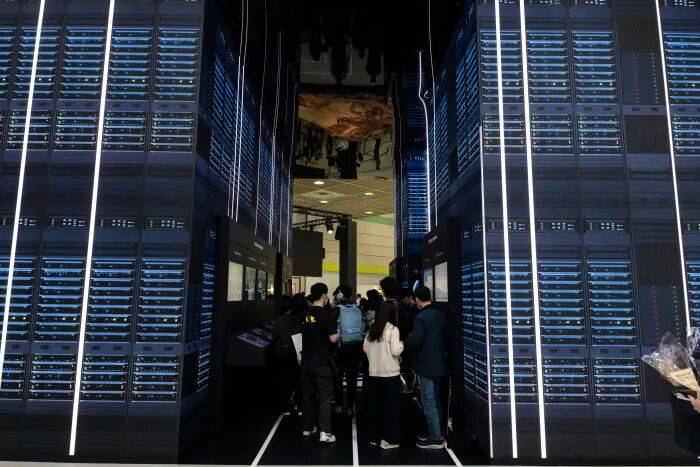
Meta签超6GW核电协议,小堆成AI能源重要支撑:机械设备
Huafu Securities· 2026-01-18 06:46
Investment Rating - The industry rating is "Outperform the Market," indicating that the overall return of the industry is expected to exceed the market benchmark index by more than 5% in the next 6 months [14]. Core Insights - Meta has signed a nuclear power agreement exceeding 6 GW, becoming the largest nuclear power purchaser among large tech companies. The agreement includes significant small modular reactor (SMR) projects, supporting Oklo's project in Ohio with up to 1.2 GW of power and TerraPower's two small reactors with a future purchase agreement for 2.1 GW [3][4]. - The demand for electricity in U.S. data centers is projected to increase by at least 30% by 2030, making electricity a bottleneck for AI industry development. Nuclear power, being clean and stable, provides long-term energy security for Meta's AI data centers, promoting the implementation of new small reactor technologies and aligning with low-carbon goals [4][5]. Summary by Sections Nuclear Power Agreements - Meta's agreements include collaborations with Oklo and TerraPower, focusing on small modular reactors to meet the growing energy demands of AI data centers [3][4]. Energy Demand and AI - The report highlights the increasing electricity consumption in data centers and positions small modular reactors as a key solution to address the energy needs of AI technologies [4][5]. Investment Opportunities - The report suggests monitoring several companies involved in the SMR sector, including: 1. Jingye Intelligent, which plans to establish an SMR subsidiary focused on AI data center power supply [5]. 2. Jiadian Co., whose helium fan is the only power device for the fourth-generation high-temperature gas-cooled reactor [5]. 3. Guoguang Electric, which provides critical components for ITER projects [5]. 4. Lanshi Heavy Industry, covering upstream nuclear fuel systems to downstream spent fuel processing [5]. 5. Kexin Electromechanical, which has developed high-temperature gas-cooled reactor products [5]. 6. Hailu Heavy Industry, servicing various reactor types including third and fourth generation [5]. 7. Jiangsu Shentong, which has secured over 90% of orders for nuclear-grade valves in new nuclear power projects in China [5].
被员工怒怼“磕了”,追觅CEO:我有肚量;AI恋人陪聊涉黄被判刑,2.4万人付费;马斯克、奥特曼又开撕|AI周报
AI前线· 2026-01-18 05:32
Group 1: AI-related Legal Issues - The first criminal case involving AI-related obscenity in China was brought to trial, with the accused facing charges for providing chat services through the AlienChat software, which had 116,000 users, including 24,000 paying members, generating over 3 million yuan in revenue [3][4]. - The court found that out of 12,495 chat segments sampled from paying users, 3,618 segments were deemed obscene, leading to convictions for the founders [4]. Group 2: Corporate Developments in Technology - Pursuing a goal to create the world's first trillion-dollar company, the CEO of Chasing Technology, Yu Hao, stated that achieving this target is not expected within a year, despite facing internal criticism from employees regarding ambitious strategic goals [5][6][7]. - Ctrip is under investigation for alleged monopolistic practices, with the company confirming it will cooperate with regulatory authorities [10][11]. - The "Dead or Not" app, previously renamed "Demumu," is seeking a new brand name after feedback indicated the original name was considered inauspicious [12]. Group 3: Semiconductor and Tariff Changes - The U.S. government announced a 25% tariff on certain imported semiconductors and related products, effective January 15, 2026, as part of ongoing trade policy adjustments [14][15]. Group 4: Talent Movements in AI - Chen Lijie, a notable figure from Tsinghua University's Yao Class, has joined OpenAI to focus on mathematical reasoning, alongside the return of former OpenAI executives [16][18]. Group 5: Legal Actions and Financial Claims - Elon Musk is suing OpenAI and Microsoft for up to $134 billion, claiming that OpenAI has deviated from its non-profit mission and misled him regarding its financial dealings [19][20]. - OpenAI has characterized Musk's lawsuit as part of a pattern of harassment rather than a legitimate economic claim [20]. Group 6: AI Infrastructure and Innovations - Elon Musk announced the operational status of the "Colossus 2" supercomputer, which is designed to support the Grok AI chatbot, with plans for further upgrades [24][25]. - Meta is launching a new infrastructure initiative called "Meta Compute" to enhance its AI capabilities, while also planning to cut about 10% of jobs in its Reality Labs division [26][27]. Group 7: New AI Models and Technologies - Baichuan Intelligence released a new medical AI model, Baichuan-M3, which outperformed GPT-5.2 in various assessments, showcasing advanced diagnostic capabilities [39]. - Tencent's WeDLM model aims to improve inference efficiency in AI applications, addressing traditional limitations in model performance [35].


【数智周报】 谷歌DeepMind CEO:中国的AI模型仅落后美国几个月;DeepSeek开源相关记忆模块Engram;微软在人工智能上的支出将达到5...
Tai Mei Ti A P P· 2026-01-18 02:38
Group 1 - Keda Xunfei's Chairman Liu Qingfeng stated that the domestic AI infrastructure has taken initial shape, with domestic large models matching international standards despite having half the parameters [2] - Michael Burry warned that the era of tech giants earning huge profits with minimal investment is ending, primarily due to AI, and investors should focus on Return on Invested Capital (ROIC) rather than revenue growth [3] - A BlackRock survey revealed that while investors are optimistic about AI, they are shifting their investment focus towards energy and infrastructure suppliers, with only one-fifth considering large US tech companies as attractive investment opportunities [4] Group 2 - Demis Hassabis, CEO of Google DeepMind, indicated that Chinese AI models are only a few months behind those in the US and Western countries, with significant advancements made by Chinese developers [5] - DeepSeek released a new paper on conditional memory, significantly improving model performance in various tasks, and has open-sourced a related memory module [6] - Wang Xiaochuan, CEO of Baichuan Intelligent, mentioned that the company has 3 billion yuan on hand and may initiate an IPO plan in 2027 [7] Group 3 - Zhiyu and Huawei launched the first domestically trained multimodal SOTA model on local chips, achieving a full training process on the Ascend Atlas 800T A2 device [8] - Kuaishou announced that Keling AI's revenue exceeded $20 million in December 2025, with an annual recurring revenue (ARR) of $240 million [9] - Yongyou Network projected a net loss of 1.3 to 1.39 billion yuan for 2025, although it expects to reduce losses compared to the previous year [10] Group 4 - JD.com and Lenovo deepened their "hybrid AI" cooperation, launching new products at CES 2026, with a focus on strategic collaboration around smart devices and services [11] - Alibaba's Qianwen app integrated with various services, allowing users to order food and book flights through AI, marking a significant upgrade in functionality [12] - Alipay and partners released China's first AI commercial agreement, aimed at creating a universal language for AI tasks across platforms [13] Group 5 - Yunhai Medical launched the "YunJian AI Spirit," a product that reduces long-term costs for users by offering unlimited access to traditional Chinese medicine infrared algorithms [14] - Zhiyuan purchased thousands of hours of robot training data for various tasks [15] - Meituan released the open-source "ReThink" model, achieving state-of-the-art performance in several benchmarks [16] Group 6 - Teslian introduced the upgraded T-Cluster 512 super node architecture, designed for high-performance AI model training, with a total computing power exceeding 500 PFlops [17] - Keda Xunfei launched a marketing AI platform based on the "SuperAgent" framework, enhancing efficiency in marketing strategies [18] - The first domestically trained text-to-image model was released by Zhiyu and Huawei, completing the entire training process on local chips [19] Group 7 - Tencent Cloud ADP launched the first "AI-native Widget," enhancing task delivery experiences through natural language interaction [20] - Anthropic implemented stricter measures to prevent third-party tools from bypassing rate limits, affecting several developer projects [21] - Google announced a partnership with Walmart to expand AI model shopping capabilities, allowing direct transactions through its AI application [22] Group 8 - Mark Zuckerberg initiated the "Meta Compute" project, aiming to build substantial AI infrastructure by 2030, with a focus on collaboration with governments [23] - Meta plans to lay off hundreds of employees in its Reality Labs department, shifting focus from the metaverse to AI [24] - Alphabet's market value surpassed $4 trillion for the first time, joining a select group of companies [24] Group 9 - Nvidia and Eli Lilly will jointly invest $1 billion to establish an AI drug laboratory over the next five years [26] - The US relaxed export controls on Nvidia's H200 chips to China, potentially impacting the AI hardware market [27] - Microsoft announced a plan to limit the impact of data center energy costs and water usage on local communities [29] Group 10 - OpenAI is reportedly seeking US hardware suppliers for its planned consumer devices and cloud data center expansion [32] - Elon Musk's lawsuit against OpenAI is set to go to trial in late April [33] - OpenAI and Cerebras announced a partnership worth over $10 billion to deploy a large-scale AI inference platform [34] Group 11 - Zivariable Robotics completed a 1 billion yuan A++ round of financing, backed by major investors including ByteDance and Meituan [35] - Qiangnao Technology submitted a confidential IPO application in Hong Kong [36] - OpenAI agreed to acquire the AI health application Torch for approximately $100 million [37] Group 12 - K2 Lab, founded by a former DingTalk executive, secured tens of millions in seed funding to develop an AI-driven content e-commerce agent [38] - Alibaba Cloud completed a strategic investment in ZStack, achieving a controlling stake [39] - Skild AI raised nearly $1.4 billion in funding, reaching a valuation of over $14 billion [40] Group 13 - WeLab completed a $220 million D-round strategic financing, the largest single round since its inception [41] - Merge Labs, a brain-machine interface startup, raised $252 million in seed funding, with OpenAI as a major investor [42] Group 14 - A report indicated that by 2026, the Chinese tech giants index is expected to surpass the US tech giants in profitability growth for the first time since 2022 [43] - China is accelerating the establishment of a data property registration system to enhance data circulation and value [44] - Storage prices are expected to surge by 40%-50% in Q4 2025 and again in Q1 2026 due to increased demand from AI and server capacity [45] Group 15 - A new AI model developed by US researchers can predict the risk of approximately 130 diseases based on sleep data [46] - Foreign investment firms are increasingly incorporating AI into their research processes in the Chinese market [47] - UBS believes the probability of an AI bubble in China is low, with monetization relying on cloud services and advertising [48] Group 16 - The number of AI companies in China has exceeded 6,200, with applications expanding across various industries [49]



【数智周报】 谷歌DeepMind CEO:中国的AI模型仅落后美国几个月;DeepSeek开源相关记忆模块Engram;微软在人工智能上的支出将达到5亿美元;美国放宽对英伟达H200芯片出口中国的管制
Sou Hu Cai Jing· 2026-01-18 02:15
Group 1 - Keda Xunfei's Chairman Liu Qingfeng stated that the domestic AI infrastructure has taken initial shape, with domestic large models matching international standards despite having half the parameters [2] - Michael Burry warned that the era of tech giants earning huge profits with minimal investment is ending, primarily due to AI, and investors should focus on Return on Invested Capital (ROIC) rather than revenue growth [3] - A BlackRock survey revealed that while investors are optimistic about AI, they are shifting their focus to energy and infrastructure suppliers, with only one-fifth considering large US tech companies as attractive investment opportunities [4] Group 2 - Demis Hassabis, CEO of Google DeepMind, indicated that Chinese AI models are only a few months behind those in the US and have made significant advancements in the past year [5] - DeepSeek released a new paper on conditional memory, significantly improving model performance in various tasks, and has open-sourced a related memory module [6] - Baichuan Intelligence's CEO Wang Xiaochuan mentioned that the company has 3 billion yuan on hand and may initiate an IPO plan in 2027 [7] Group 3 - Zhiyun and Huawei have open-sourced a new image generation model, GLM-Image, which is the first SOTA multimodal model trained entirely on domestic chips [8] - Kuaishou Technology announced that Keling AI's revenue exceeded $20 million in December 2025, with an annual recurring revenue (ARR) of $240 million [9] - Yongyou Network expects a net loss of 1.3 to 1.39 billion yuan for 2025, a reduction in loss compared to the previous year [10] Group 4 - JD.com and Lenovo deepened their "hybrid AI" cooperation, launching new products at CES 2026, with a focus on strategic collaboration around smart devices and services [11] - Alibaba's Qianwen app has integrated with various Alibaba ecosystem services, allowing users to perform complex tasks like ordering food and booking flights [12] - Alipay and partners launched China's first AI commercial agreement, ACT, designed to facilitate collaboration between AI and e-commerce platforms [13] Group 5 - Yunhai Medical released the "YunJian AI Spirit," a product that reduces long-term costs for users of infrared medical technology [14] - Zhiyuan purchased thousands of hours of robot training data for various tasks [15] - Meituan launched the open-source "ReThink" model, which significantly reduces training costs for new tools in real-world scenarios [16] Group 6 - Teslin introduced the upgraded T-Cluster 512 super node architecture, achieving over 500 PFlops of total computing power [17] - Keda Xunfei launched a marketing AI platform based on the "SuperAgent" framework to enhance efficiency in marketing strategies [18] - The first domestically trained text-to-image model, GLM-Image, was released by Zhiyun and Huawei [19] Group 7 - Tencent Cloud ADP launched the first "AI native Widget," enhancing task delivery experiences through natural language interaction [20][21] - Anthropic implemented stricter measures that disrupted several AI programming tools, affecting developers' projects [22] - Google announced a partnership with Walmart to expand AI model shopping capabilities, allowing direct transactions through its AI assistant [23] Group 8 - Mark Zuckerberg announced the "Meta Compute" project, aiming to build substantial AI infrastructure by 2030, while also planning layoffs in the Reality Labs department [24][29] - Alphabet's market value surpassed $4 trillion, joining a select group of companies [25] - Google and Apple finalized a multi-year AI collaboration agreement to support Siri with Google's AI technology [26] Group 9 - Nvidia and Eli Lilly plan to invest $1 billion in an AI drug lab over the next five years [27] - The US relaxed export controls on Nvidia's H200 chips to China [28] - Microsoft announced a plan to limit the impact of data center energy costs and water usage [30] Group 10 - Gemini launched personal smart products that allow users to personalize their experience through connected applications [31] - Microsoft is expected to spend $500 million on AI initiatives, including partnerships with Anthropic [32] - OpenAI is seeking US hardware suppliers for its planned consumer devices and robotics expansion [33] Group 11 - Elon Musk's lawsuit against OpenAI is set to go to trial in late April [34][35] - OpenAI and Cerebras announced a partnership worth over $10 billion to deploy a large-scale AI inference platform [36] - Zhi Variable Robotics completed a 1 billion yuan A++ round of financing, attracting investments from major firms [37] Group 12 - Qiangna Technology submitted a confidential IPO application in Hong Kong [38] - OpenAI acquired the AI health application Torch for approximately $100 million [39] - K2 Lab, founded by a former DingTalk executive, secured seed funding for its AI-driven content e-commerce platform [40] Group 13 - Alibaba Cloud completed a strategic investment in ZStack, achieving a controlling stake [41] - Skild AI raised nearly $1.4 billion, reaching a valuation of over $14 billion [42] - WeLab completed a $220 million D-round financing, marking its largest single round to date [43] Group 14 - Merge Labs, a brain-machine interface startup, raised $252 million in seed funding, with OpenAI as a major investor [44] Group 15 - A report indicated that by 2026, the Chinese tech giants index is expected to surpass the US tech giants in profitability growth for the first time since 2022 [45] - China is accelerating the establishment of a data property registration system [46] - A report predicted a significant increase in storage prices due to rising demand from AI and server capacity [47] Group 16 - A new AI model developed by US researchers can predict the risk of about 130 diseases based on sleep data [48] - Foreign investment firms are increasingly incorporating AI into their research processes in China [49] - UBS stated that the probability of an AI bubble in China is low, with monetization relying on cloud and advertising [50] Group 17 - The number of AI companies in China has exceeded 6,200, with applications expanding across various industries [51]


Is Meta Stock a Buy Going Into 2026?
The Motley Fool· 2026-01-17 22:30
Core Viewpoint - The future performance of Meta stock hinges on its ability to convert AI investments into tangible results, moving from a cost center to a profit amplifier as it approaches 2026 [2][12]. Summary by Sections Current AI Strategy - Meta has committed tens of billions of dollars to AI infrastructure and has reorganized its teams to prioritize execution speed, particularly through its open-source model, Llama [3][5]. - The company’s approach contrasts with competitors by promoting Llama as an open-source foundation rather than a closed product, which could attract developers and enterprises into its ecosystem [6]. Potential Upsides - AI has the potential to significantly enhance Meta's core advertising business by improving targeting and engagement, which has already contributed to a 26% revenue growth in the first nine months of 2025 [5]. - The strategic positioning of Llama could lead to indirect benefits through enhanced products and faster innovation, as it may become a default layer for AI development [6]. - Meta's unmatched scale allows for rapid deployment of AI features and feedback collection, creating a compounding advantage if the restructured AI organization delivers on speed [7]. Risks and Challenges - There is uncertainty regarding whether AI investments will yield durable economic gains or simply lead to higher costs with extended payback periods, making 2026 a critical year for the company [4][8]. - Elevated AI spending could pressure margins longer than anticipated, potentially leading to negative sentiment if operating leverage is not evident [9]. - The success of Llama relies on sustained developer adoption; if proprietary models outperform, Meta's influence may weaken [10]. - Regulatory and macroeconomic risks persist, with advertising budgets being cyclical and potential scrutiny around AI and data usage [11]. Key Indicators to Watch - Investors should monitor evidence of AI-driven ad improvements enhancing monetization efficiency, the rollout speed of AI features, signs of reemerging operating leverage, and stability within Meta's AI organization [14]. - The stock is viewed as a conditional buy for long-term investors who believe in the company's ability to translate its scale and infrastructure into returns over the next few years [15].

Meta (META) Stays Overweight at Piper Sandler Ahead of Q1 Results
Yahoo Finance· 2026-01-17 17:52
Core Viewpoint - Meta Platforms, Inc. is highlighted as a top large-cap pick for 2026, with strong revenue growth expectations and positive analyst ratings [1][2] Group 1: Analyst Ratings and Price Targets - Piper Sandler maintains an Overweight rating on Meta, with a first-quarter revenue guidance of up to $53 billion, indicating approximately 25% year-over-year growth [1] - Wells Fargo also reiterates an Overweight rating, lowering its price target to $795 per share from $802, while projecting EPS for 2026 to be between $31-$32 [2] - The consensus Buy rating on Wall Street includes an average price target of $825, suggesting a 32.76% upside, with a Street-high target of $1,117 indicating a potential upside of 79.75% [2] Group 2: Market Context and Comparisons - While Meta is recognized for its investment potential, there are claims that other AI stocks may offer greater upside potential with less downside risk [3]
美股市场速览:科技板块内部出现分化
Guoxin Securities· 2026-01-17 15:12
Market Performance - The S&P 500 decreased by 0.4% this week, while the Nasdaq fell by 0.7%[1] - Small-cap value (Russell 2000 Value) outperformed with a gain of 2.2%, followed by small-cap growth (Russell 2000 Growth) at 1.9%[1] - Among 10 sectors, 6 sectors saw gains, with Food & Staples Retailing up 4.6% and Capital Goods up 4.4%[1] Fund Flows - Estimated fund flow for S&P 500 components was -$1.7 billion this week, down from +$130.2 million last week[2] - Semiconductor products and equipment saw a significant inflow of $37.6 million, while Software & Services experienced an outflow of $32.7 million[2] Earnings Forecast - The 12-month forward EPS estimate for S&P 500 components was revised up by 0.3% this week, consistent with last week[3] - The automotive sector led with an EPS increase of 1.3%, while the energy sector saw a decrease of 2.1%[3] Risk Factors - Key risks include uncertainties in economic fundamentals, international political situations, U.S. fiscal policies, and Federal Reserve monetary policies[3]

Trump's crusade against Big Tech's energy spending highlights a problem with no easy solutions
MarketWatch· 2026-01-17 14:23
Core Viewpoint - Big Tech companies are investing heavily in AI data center infrastructure, but are now facing significant challenges due to federal intervention and public concerns over rising electricity costs [1][2]. Group 1: Investment Trends - Big Tech companies have spent record-breaking amounts on building data centers to support AI development [1]. - The competition in the AI sector is driving hyperscalers like Microsoft, Meta Platforms, Google, and Amazon to expand their data center infrastructure [2]. Group 2: Challenges Faced - Ordinary Americans are increasingly frustrated with the rising cost of electricity, which poses a challenge for Big Tech companies [2]. - The current political climate, with a president focused on affordability, adds pressure on these companies as they prepare for the upcoming midterm elections [2].


2 Artificial Intelligence (AI) Stocks That Can Beat the Market in 2026
The Motley Fool· 2026-01-17 14:15
Investors are underestimating the growth potential of these leading tech companies.AI stocks have been the sweet spot for the past few years. The S&P 500 returned 18% last year, with the "Magnificent Seven" currently making up 34% of the index. This marks three consecutive years of double-digit gains, as growing adoption of AI remains a high-growth market for leading tech companies.Here are two top AI stocks that are trading at reasonable valuations that can outperform the S&P 500 in 2026. NvidiaDemand for ...