
Niu(NIU)

Search documents
美股异动 | 热门中概股普跌 理想汽车(LI.US)跌近4%
Zhi Tong Cai Jing· 2025-12-03 15:52
Group 1 - The Nasdaq Golden Dragon Index fell by 1%, indicating a decline in popular Chinese concept stocks [1] - Li Auto (LI.US) dropped nearly 4%, while XPeng Motors (XPEV.US) and Niu Technologies (NIU.US) fell over 3% [1] - Alibaba (BABA.US) experienced a decline of nearly 2% [1]


“小电驴”新国标实施首日:涨价几百元,“空店”本周补货
Zhong Guo Neng Yuan Wang· 2025-12-02 01:48
Core Insights - The transition from old to new national standards for electric bicycles has led to a significant inventory clearance of old models, with new models expected to be launched soon [2][5][6] - The new standards impose stricter requirements on safety, quality, and technology, resulting in price increases of 500 to 1000 yuan for new models compared to old ones [2][10] - Major companies in the industry, such as Aima Technology, Ninebot, and New Day, have reported double-digit revenue and profit growth in the first three quarters of 2025, indicating a positive market response to the new standards [13][14] Industry Transition - The new national standard, GB 17761-2024, was officially implemented on December 1, 2025, with a focus on safety and quality improvements, including speed limits and battery compatibility [4][5] - Companies are facing challenges in adapting their manufacturing systems and supply chains to meet the new standards, but many have already begun production of compliant models [6][12] - The market is shifting from price competition to a value-based competition centered on technology, safety, and intelligence [15] Market Dynamics - The demand for electric bicycles is expected to rise due to increased consumer awareness of safety features and the availability of government subsidies [13][14] - The industry is experiencing a significant transformation, with a focus on smart features and enhanced safety measures, which are becoming key selling points for consumers [12][15] - Companies like Aima and Ninebot are expanding their product lines to include a variety of models that cater to different consumer needs, indicating a strategic response to the new market conditions [7][14]





如何投出独角虎?吴世春:坚定投资中国,相信科创有20年牛市
2 1 Shi Ji Jing Ji Bao Dao· 2025-11-26 05:26
Core Insights - The 2025 Guangdong-Hong Kong-Macao Greater Bay Area Cultural Industry Investment Conference was held in Guangzhou, attracting over 200 investors from more than 100 well-known financial institutions [2] - Wu Shichun, founder of Meihua Venture Capital, shared his investment philosophy, emphasizing the importance of evaluating companies beyond traditional valuation metrics [2][3] Investment Philosophy - Wu Shichun introduced the "Investment Unicorn Tiger" theory, categorizing unicorns into "tigers" and "pigs" based on multi-dimensional assessments rather than single valuation standards [2] - To qualify as a "tiger," a company must be the leader in its niche, generate over 1 billion in revenue, have profits exceeding 100 million, and meet A-share listing standards [2] - Wu emphasized the significance of intuition, experience, and a strategy of increasing investment in making investment decisions, suggesting that market research is often overvalued in investment judgment [2] Early-Stage Investment - Meihua Venture Capital adheres to a "invest early, invest small" strategy, believing that early-stage investment remains a sunrise industry in China, offering both economic and social value [3] - Wu expressed confidence in the long-term investment landscape in China, citing national policy dividends, technological breakthroughs, and the confidence of the post-00s generation as key factors [3] Long-Term Investment Strategy - Long-term investment is characterized as placing significant bets over time, with a higher success probability when a company is committed to a project for a decade [3] - Wu categorized investors into three types based on their thinking: those with rigid views, those who can adapt, and top-tier investors who can hold opposing views simultaneously, highlighting the need for dialectical thinking in investment decisions [4]
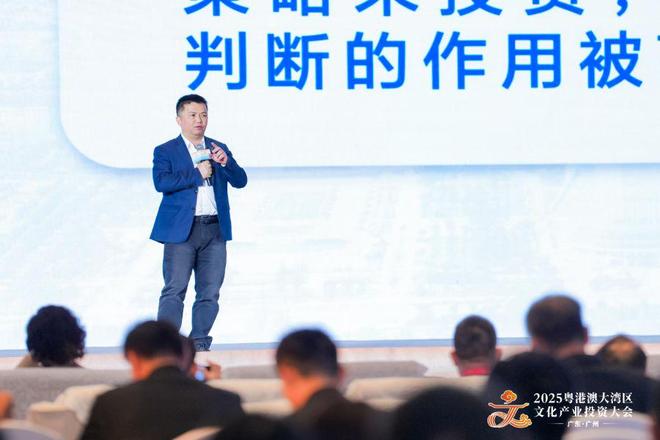
吴世春:我投过不少项目,小牛电动最让人刻骨铭心
创业家· 2025-11-25 10:40
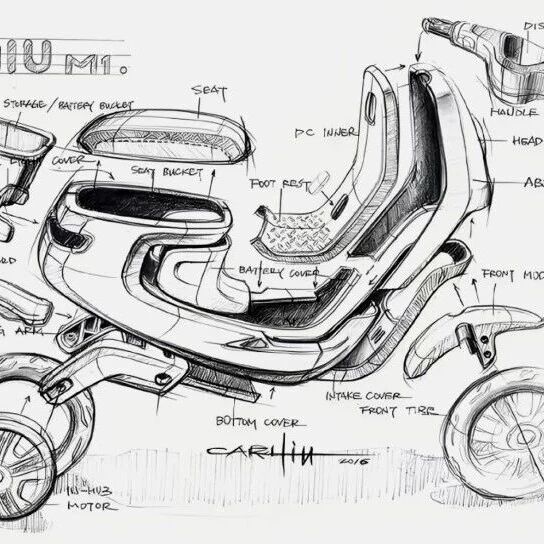
Core Insights - The article highlights the journey of a successful investment in NIU Technologies, emphasizing the importance of supporting entrepreneurs through challenges and the long-term commitment required in venture capital [1][35]. Investment Journey - In 2014, a meeting was arranged with a team led by Li Yinan and Hu Yilin, who aimed to disrupt the electric vehicle industry with a high-end smart electric scooter [2][3]. - The initial market for electric vehicles was focused on low-end products, characterized by noise and short battery life, while the team aimed to address consumer demand for premium products [8][9]. - The investment of 5 million yuan for a 10% stake was made based on the belief that a high-quality product deserves a premium price [10][12]. Challenges Faced - Following a successful crowdfunding campaign that raised 72 million yuan, the company faced a crisis when Li Yinan was detained for insider trading, leading to investor withdrawals and financial instability [16][18][19]. - The company was on the brink of collapse, but the investment firm stepped in with 100 million yuan to stabilize operations and secure the supply chain [22][23]. Recovery and Growth - The firm facilitated a successful A+ round financing of 30 million USD, which helped the company recover and continue its operations [25]. - In 2016, the company was advised to enter the European market, where it successfully sold scooters at 18,000 yuan each, significantly improving profitability [30]. Long-term Vision - The investment philosophy emphasized the importance of patience and support for entrepreneurs, leading to the eventual successful IPO of NIU Technologies on NASDAQ [30][39]. - The experience reinforced the belief that investing is not just about financial returns but also about nurturing the dreams and resilience of the team behind the product [35][36].
纳斯达克中国金龙指数跌超0.5%
Xin Lang Cai Jing· 2025-11-20 16:17
Core Viewpoint - The Nasdaq China Golden Dragon Index has experienced a decline of over 0.5%, indicating a negative trend in the Chinese tech sector [1] Company Performance - Canadian Solar (阿特斯) saw a significant drop of 11.28% in its stock price [1] - Xinyi Technology (信也科技) reported a decrease of 7.94% [1] - NetEase Youdao (网易有道) fell by 6.21% [1] - Haidian Network (海天网络) experienced a decline of 5.82% [1] - Niu Technologies (小牛电动) dropped by 4.94% [1]




小牛电动20251119
2025-11-20 02:16
Summary of Niu Technologies Conference Call Company Overview - **Company**: Niu Technologies - **Industry**: Electric Vehicles (specifically electric scooters and motorcycles) Key Points Sales Performance - In the first nine months of 2025, Niu Technologies sold over 1 million vehicles, a year-on-year increase of 46% [2][3] - Sales in China reached 950,000 units, up 65% year-on-year, while overseas sales were 66,000 units [2][3] - In Q3 2025, total revenue was 1.694 billion RMB, a 65% increase year-on-year [2][3] Revenue Breakdown - Revenue from the Chinese market was 1.617 billion RMB, accounting for 96% of total revenue [3] - Chinese vehicle revenue grew 86% to 1.482 billion RMB, driven by increased sales volume and average selling price (ASP) [2][3] - ASP for domestic vehicles was 3,283 RMB, a 6.7% increase year-on-year [2][3] - Overseas vehicle revenue decreased by 48% to 67 million RMB, primarily due to a decline in scooter sales and ASP [2][5] Profitability - Gross profit for Q3 was 370 million RMB, with a gross margin of 21.8%, an increase of 8 percentage points year-on-year [2][5] - Operating expenses were 297 million RMB, with a ratio of 17.5%, lower than the previous year [5] - Net profit was 82 million RMB, with a net margin of 7.8% [5] Market Dynamics - The transition to new national standards affected September's shipment growth, but the domestic market remains strong [2][6] - Strategic adjustments in the scooter business led to a decline in overseas sales but improved performance in the electric motorcycle segment [2][9] Future Outlook - Q4 revenue is expected to be between 3.7 billion and 3.9 billion RMB [4] - The company plans to increase the proportion of electric motorcycles and expand into lower-tier cities [4][14] - The proportion of lead-acid batteries is expected to rise, with net margins projected to stabilize between 2% to 4% in 2025 and 4% to 6% in 2026 [4][30] Product Strategy - Niu is focusing on high-end products in response to competitive pressures in the low-end market [11] - The company is also expanding its presence in the European market while addressing challenges in the U.S. due to potential tariff increases [12][29] Inventory and Sales Projections - Sales in Q4 are expected to be flat compared to the previous year, with inventory needing to be cleared by November 30 [13] - The company aims to increase the proportion of electric motorcycles from the current 15% to a higher percentage in the future [14] Cost Structure and Pricing - The introduction of new national standards has led to increased costs due to the use of magnesium alloy components, raising vehicle prices by approximately 200 RMB [16][21] - ASP in the Chinese market is expected to stabilize between 3,300 and 3,500 RMB, while overseas ASP is projected to be between 13,000 and 15,000 RMB [22] Strategic Focus - The company’s strategy includes expanding its product line to include both lead-acid and lithium battery vehicles, while also enhancing its presence in lower-tier cities [33] - Niu aims to improve profitability through product line optimization and strategic market positioning [33] Conclusion - Niu Technologies is experiencing strong growth in the domestic market, with a focus on high-end products and strategic adjustments in overseas markets. The company is optimistic about future revenue growth and profitability improvements as it navigates regulatory changes and market dynamics.
禁售倒计时 旧国标电动自行车市场调查
Xin Hua Wang· 2025-11-19 05:44
Core Viewpoint - The electric bicycle market in China is undergoing a significant transition as the deadline for the old national standard approaches, leading to a surge in demand for old standard bikes while new standard bikes face supply shortages [1][2][4]. Market Dynamics - The old standard bikes are experiencing a "last train" sales boom, with some stores reporting that their remaining inventory will only last for a couple of weekends [2]. - Sales of old standard bikes in Beijing have nearly doubled compared to previous years, driven by the impending deadline and local subsidy policies [2][4]. - There is a supply-demand imbalance for old standard bikes, which may lead to price fluctuations as inventory becomes scarce [4]. Consumer Behavior - Consumers are torn between choosing compliant new standard bikes and the faster, albeit less safe, old standard bikes [1][7]. - Some consumers prefer old standard bikes for their speed and lower price, while others prioritize safety and are willing to wait for new standard models [8][10]. - The price difference between new and old standard bikes can be significant, with new models costing several hundred yuan more due to enhanced safety features [10]. Regulatory Environment - The transition to new standards has prompted some retailers to engage in "gray market" practices to circumvent regulations, such as registering old standard bikes under different names to continue selling them [5][6]. - The new national standard imposes stricter safety requirements, including speed limits and anti-tampering measures, which complicate illegal modifications [6][12]. - Regulatory bodies are increasing inspections and enforcement actions against non-compliant sales practices, indicating a tightening of market oversight [12][16]. Industry Implications - The shift to new standards is expected to reshape the competitive landscape, favoring companies that can quickly adapt to regulatory changes and consumer demands [16]. - Companies are investing in technology upgrades and supply chain optimization to meet new standards and maintain profitability [10][16]. - The new regulations are seen as a catalyst for industry-wide improvements in safety and product quality, although consumer education on the importance of safety features remains a challenge [17].

小牛电动20251117
2025-11-18 01:15
Summary of Key Points from the Conference Call Company Overview - **Company**: Niu Technologies - **Industry**: Electric Two-Wheelers Core Insights and Arguments - **Sales Performance**: - Total sales reached 466,000 units in Q3 2025, a year-on-year increase of 49% [2][3][13] - Sales in the Chinese market were 451,000 units, up 74% year-on-year, while overseas sales decreased to 14,000 units [2][3][13] - **Revenue Growth**: - Total revenue increased by 65% to 1.69 billion RMB [2][3][13] - Revenue from the Chinese market was 1.62 billion RMB, representing an 84% year-on-year growth and accounting for 95% of total revenue [14] - **Gross Margin Improvement**: - Gross margin improved to 21.8%, an increase of 8 percentage points year-on-year [2][3][17] - **Product Strategy**: - High-value models (priced above 8,000 RMB) accounted for over 10% of total sales [2][4] - The launch of the FX Windstorm electric motorcycle attracted significant attention, selling 14,000 units within 5 hours and generating a GMV of 68 million RMB [2][5] - **Market Expansion**: - The company opened 4,500 new stores, with nearly half located in lower-tier cities [3][7] - Online sales accounted for nearly 70% of total sales, indicating a strong digital presence [3][7] Additional Important Insights - **Technological Advancements**: - Continuous investment in core technologies such as smart riding systems and powertrain innovations [2][6] - Development of safety features like ABS and millimeter-wave radar for high-end models [6] - **Brand Promotion**: - Lifestyle marketing campaigns generated 130 million exposures, enhancing brand visibility [7] - The FX Storm received a 93% positive feedback rating post-launch [7] - **Overseas Market Challenges**: - The overseas market is in a transitional phase, with sales not meeting expectations, but self-marketing sales accounted for 76% [8][9] - Plans to adjust the micro-mobility business strategy to address unfavorable conditions in Europe and the U.S. [9] - **Future Outlook**: - Anticipated flat sales in Q4 due to pre-stocking by retailers and uncertainties regarding new standards [10] - Expected strong growth in Q1 2026 as new standard-compliant products are launched [10][11] - **Financial Metrics**: - Net profit for the quarter was 82 million RMB, with a GAAP net margin of 4.8% [19] - Operating expenses increased by 48% year-on-year, but the operating expense ratio improved to 17.5% [18] - **Guidance for Q4**: - Projected revenue between 737 million to 910 million RMB, reflecting a year-on-year change of -10% to +10% [21]
Niu(NIU) - 2025 Q3 - Quarterly Report
2025-11-17 21:01
Financial Performance - Third quarter revenues reached RMB 1,693.9 million, representing a 65.4% year-over-year increase[1] - Net income for the third quarter was RMB 81.7 million, compared to a net loss of RMB 40.9 million in the same period last year[1] - Adjusted net income (non-GAAP) was RMB 88.4 million, compared to an adjusted net loss of RMB 34.2 million in the same period last year[14] - Revenues for Q3 2025 reached RMB 1,693,922,867, a 65.5% increase from RMB 1,023,896,776 in Q3 2024[30] - Gross profit for Q3 2025 was RMB 369,807,196, compared to RMB 141,544,233 in Q3 2024, reflecting a significant improvement in profitability[30] - Operating income for Q3 2025 was RMB 73,430,767, a turnaround from an operating loss of RMB 58,493,901 in Q3 2024[30] - Net income for Q3 2025 was RMB 81,687,224, compared to a net loss of RMB 40,946,493 in Q3 2024, indicating a strong recovery[30] - The company reported a comprehensive income of RMB 78,359,031 for Q3 2025, a significant improvement from a comprehensive loss of RMB 47,376,923 in Q3 2024[30] - Adjusted net income for Q3 2025 was RMB 88,372,316, compared to an adjusted net loss of RMB 34,248,500 in Q3 2024[34] Sales and Market Performance - The number of e-scooters sold was 465,873, up 49.1% year over year, with 451,455 sold in China, reflecting a 74.2% increase[5] - Revenues per e-scooter increased by 11.0% year over year, reaching RMB 3,636[8] - E-scooter sales revenues from international markets were RMB 67.0 million, a decrease of 48.6% year over year[8] - The number of franchised stores in China reached 4,542 as of September 30, 2025[5] Expenses and Liabilities - Operating expenses were RMB 297.1 million, an increase of 48.1% from the same period of 2024, but as a percentage of revenues, it decreased to 17.5%[9] - Total current assets as of September 30, 2025, were RMB 2,850,606,811, up from RMB 2,169,806,471 as of December 31, 2024[29] - Total liabilities decreased to RMB 2,405,744,952 as of September 30, 2025, from RMB 1,681,875,947 as of December 31, 2024[29] Future Outlook - The company expects fourth quarter revenues to be in the range of RMB 737 million to RMB 901 million, indicating a year-over-year change of -10% to +10%[17] - The company aims to continue expanding its product offerings and enhancing its brand presence in the market[26] Gross Margin - Gross margin improved to 21.8%, up from 13.8% in the third quarter of 2024[9] - Cash and cash equivalents increased to RMB 1,089,197,454 as of September 30, 2025, from RMB 630,021,303 as of December 31, 2024[29]
Niu(NIU) - 2025 Q3 - Earnings Call Transcript
2025-11-17 14:00
Financial Data and Key Metrics Changes - Total sales volume reached 465,000 units, representing a 49.1% year-over-year increase, driven primarily by strong performance in China [8][32] - Total revenue grew 65% year-over-year to RMB 1.69 billion, with gross margin expanding to 21.8%, up 8 percentage points from the prior year [8][36] - Net profit for the quarter was RMB 81.69 million, reflecting continued profitability momentum [9][37] Business Line Data and Key Metrics Changes - In China, sales rose to 451,000 units, up 74% year-over-year, while overseas volume reached 14,000 units, declining year-over-year due to weakness in the micro mobility sector [8][24] - Sales of models priced above RMB 8,000 accounted for over 10% of China sales, indicating a shift towards higher value models [9] - Revenue from accessories, spare parts, and services increased by 51% year-over-year to RMB 145 million, driven by higher spare parts sales in China [36] Market Data and Key Metrics Changes - The China electric bicycle market entered a critical transition phase under new national standards, prompting a channel inventory buildup [10][11] - Overseas sales volume reached 14,000 units, with electric motorcycle sales up 160% year-over-year, despite a seasonal low for European two-wheeler demand [24][26] - Micro mobility volume decreased by 77% year-over-year, reflecting market headwinds in the U.S., Europe, and Asia [26][27] Company Strategy and Development Direction - The company emphasized upgrading existing high-end electric bicycle models and expanding into lower-tier cities as part of its growth strategy [12][13] - Significant R&D resources were dedicated to developing new standard-compliant electric bicycles and enhancing core technologies [17][19] - The company plans to ramp up the rollout of compliant products beginning in late November 2025, extending through Q1 2026 [29] Management's Comments on Operating Environment and Future Outlook - Management expressed confidence in the long-term strategy, highlighting the strong foundation for sustainable growth [9] - There is an expectation of some uncertainty and softening in Q4 due to the timing of new standard implementation, with a relative flat year-over-year volume anticipated [28][29] - Growth is expected to reaccelerate in Q1 2026 as the regulatory transition completes and the market stabilizes [29][30] Other Important Information - The company ended the quarter with RMB 1.8 billion in cash and short-term investments, reflecting a strong balance sheet [38] - Operating expenses increased by 48% year-over-year, but the operating expense ratio improved to 17.5% [36] Q&A Session Summary Question: What are the expectations for Q4 revenue? - The company expects Q4 revenue to be in the range of RMB 737 million to RMB 901 million, representing a year-over-year change of minus 10% to plus 10% [39]