Niu(NIU)

Search documents
“小电驴”的提质阵痛:从“应对标准”到“超越标准”
Bei Ke Cai Jing· 2025-12-19 06:28
Core Viewpoint - The implementation of the new national standard for electric bicycles has sparked significant debate and reflects deep-seated anxieties within the industry, as companies transition from a low-cost, high-volume model to one focused on quality and compliance [2][3][5]. Industry Transition - The new standard has raised production costs by 300 to 600 yuan per vehicle due to stricter regulations on materials and components, pushing many non-leading brands into a challenging position [7][8]. - As a result, the market share is rapidly concentrating among leading brands, with the top five companies' market share expected to rise from 49.9% in 2018 to 75.0% by 2024 [17]. Brand Strategies - Leading brands are adapting by enhancing their product offerings and marketing strategies, with companies like Aima and Green Source increasing promotional efforts and optimizing their supply chains to support dealers [13][27]. - The shift from merely meeting standards to exceeding them is becoming crucial for survival, as brands explore innovative materials and designs to enhance safety and performance [4][29]. Market Dynamics - The number of electric bicycle brands in China has drastically decreased from 400 in 2017 to around 80 currently, indicating a significant market consolidation [16]. - Consumer preferences are diversifying, with younger buyers prioritizing style and technology, while older consumers focus on practicality and cost-effectiveness [23][24]. Future Outlook - The industry is currently in a transitional phase, with companies actively developing new models that comply with the new standards, although uncertainty remains regarding market acceptance and pricing strategies [25][29]. - The new national standard is expected to drive the industry towards higher quality and innovation, ultimately leading to a healthier and more mature market [30][31][32].


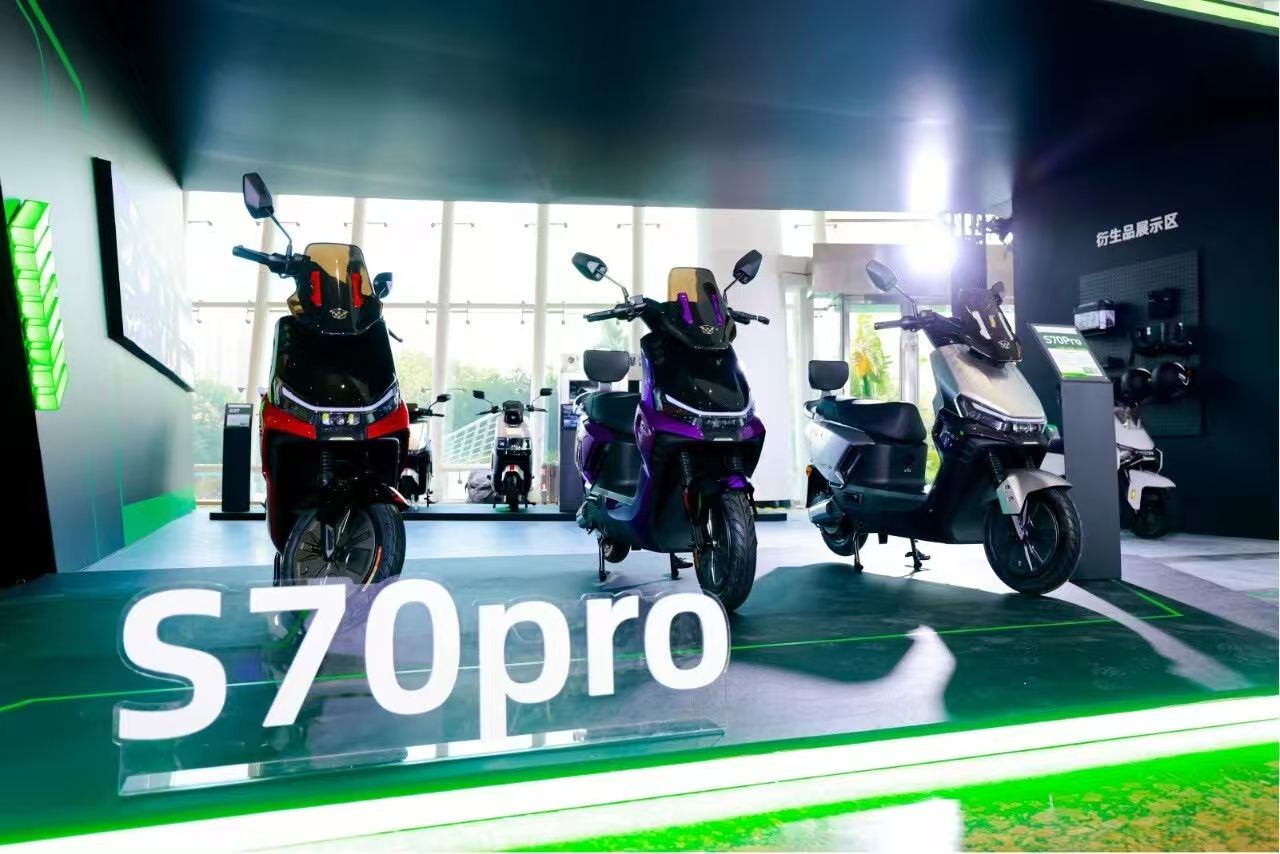
Niu Technologies: Why The Decline In The Stock Is Likely Over (NASDAQ:NIU)
Seeking Alpha· 2025-12-18 06:14
Core Viewpoint - Niu Technologies is expected to experience significant growth by the end of 2025, driven by a positive trend in its stock performance [1]. Company Overview - Niu Technologies specializes in urban mobility solutions, including electric bicycles (e-bikes) and scooters [1]. Market Trends - The stock of Niu Technologies is following an upward trendline, indicating potential for strong gains in the near future [1].
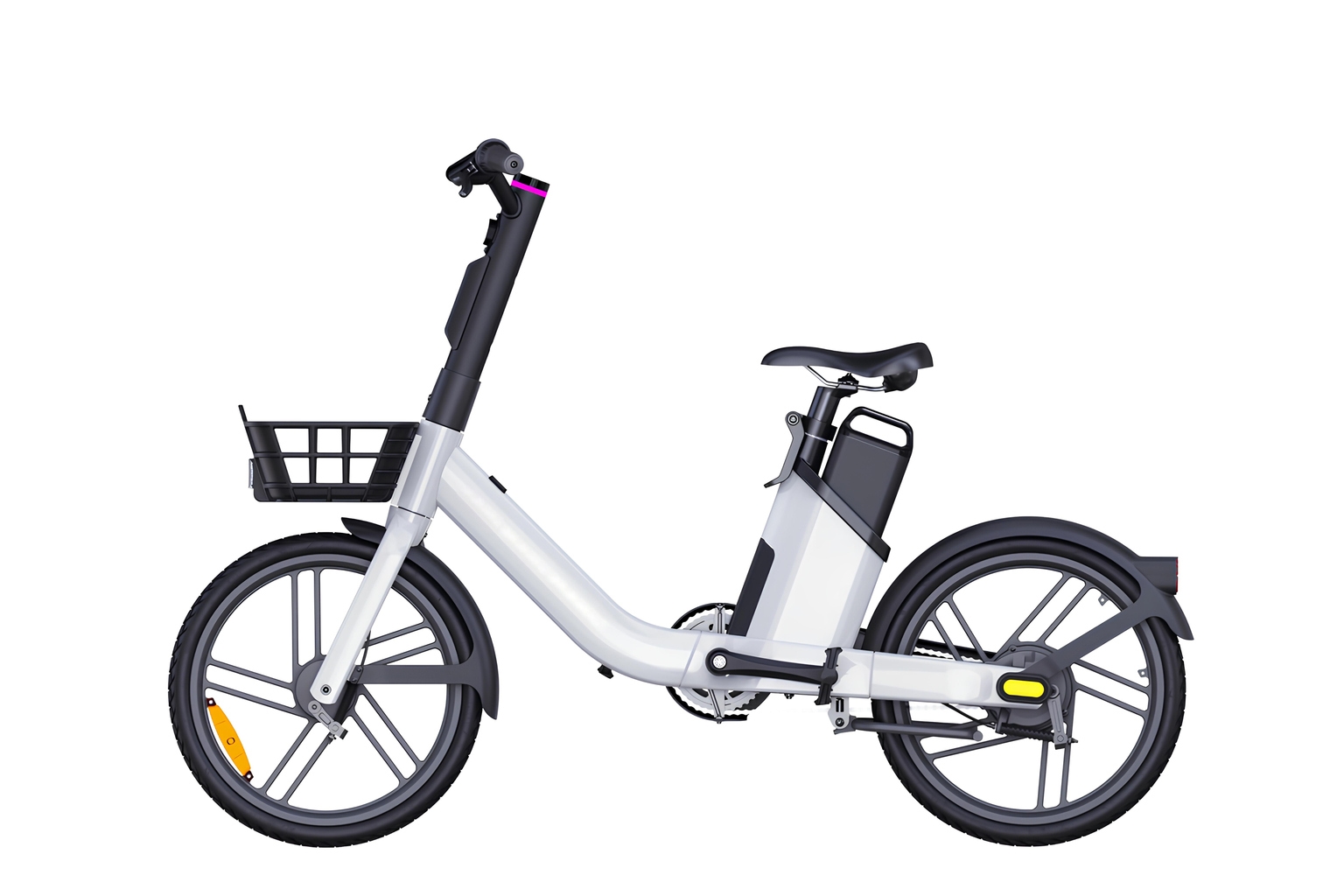
小牛电动上涨2.33%,报3.07美元/股,总市值2.39亿美元
Jin Rong Jie· 2025-12-17 15:21
Group 1 - The core viewpoint of the articles highlights the financial performance and market position of NIU Technologies, indicating a positive growth trajectory in revenue and net profit [1][2]. - As of December 17, NIU's stock price increased by 2.33% to $3.07 per share, with a total market capitalization of $239 million [1]. - Financial data shows that by June 30, 2025, NIU is projected to achieve total revenue of 1.938 billion RMB, representing a year-on-year growth of 34.08%, and a net profit attributable to shareholders of -32.9642 million RMB, reflecting a year-on-year increase of 58.65% [1]. Group 2 - NIU Technologies, established in 2014, is recognized as a leading provider of smart urban mobility solutions, aiming to enhance urban living through eco-friendly transportation tools [2]. - The company has developed several electric vehicle series, including NQi, MQi, and UQi, along with related cultural products and professional outdoor bicycles [2]. - NIU's products, MQi and UQi, have received multiple prestigious design awards globally, showcasing their excellence in design and innovation [2].
异动盘点1216 |沪上阿姨涨近6%,拨康视云-B跌超11%;加密货币概念股走低,ServiceNow跌11.54%
贝塔投资智库· 2025-12-16 04:02
Group 1: Market Movements - Baoji Pharmaceutical-B (02659) surged over 3.2% amid its debut on the Hong Kong Stock Exchange, closing up 138.82% on its first day, with a market capitalization exceeding HKD 20 billion [1] - New Energy (01799) and Xinyi Solar (00968) saw declines of 3.01% and 3.67% respectively, as the photovoltaic sector faced weakness, with rumors of a 30 billion yuan investment for capacity storage by major companies [1] - Xpeng Motors-W (09868) and Li Auto-W (02015) dropped 4.88% and 2.67% respectively, following data from the China Association of Automobile Manufacturers indicating a month-on-month increase in production and sales [1] Group 2: Company-Specific News - Bolek Vision Cloud-B (02592) experienced a significant drop of nearly 15%, having previously doubled in price over 10 trading days, as it announced a new drug trial application to the FDA [2] - Hu Shang Ayi (02589) rose nearly 6% as Nayuki Tea expanded into the U.S. market, enhancing the international presence of Chinese tea brands [2] - Gold stocks fell sharply, with Zijin Mining (02899) and Shandong Gold (01787) declining by 4.29% and 4.94% respectively, following a report on the Bloomberg Commodity Index's upcoming rebalancing [2] Group 3: Cryptocurrency and Technology - Cryptocurrency ETFs faced significant declines, with notable drops in Bitcoin and Ethereum-related funds, as Bitcoin fell 3.3% from its record high, reflecting market pressures amid weak liquidity [3] - Oracle (ORCL.US) continued its downward trend, dropping 2.66% due to delays in delivering AI data centers for OpenAI, attributed to labor and material shortages [6] - Nvidia (NVDA.US) saw a slight increase of 0.73% after announcing the release of its third-generation language model, aimed at writing and programming tasks [6]


美股异动 | 热门中概股普跌 阿里巴巴(BABA.US)跌逾3%
智通财经网· 2025-12-15 15:17
Group 1 - The Nasdaq Golden Dragon Index fell by over 1% on Monday, indicating a decline in the performance of popular Chinese concept stocks [1] - Notable declines were observed in stocks such as Niu Technologies (NIU.US) and Alibaba (BABA.US), both dropping by over 3% [1] - Other companies like Tiger Brokers (TIGR.US) and Li Auto (LI.US) experienced declines of over 2%, while Xpeng Motors (XPEV.US) and Sohu (SOHU.US) fell by over 1% [1]


新国标电动车无法解锁限速?九号等多家车企回应
新浪财经· 2025-12-10 12:38
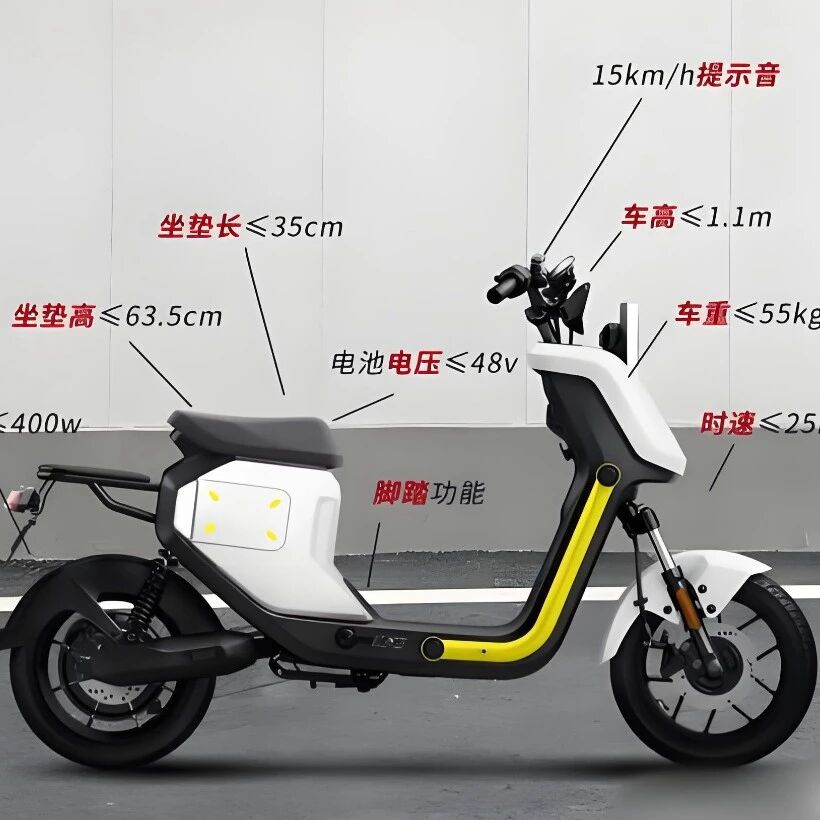
Core Viewpoint - The implementation of the new national standard for electric bicycles has led to a rise in prices and a shift in market dynamics, with stricter regulations affecting manufacturers and consumer choices [4][10][16]. Market Situation - The current market for new standard electric bicycles shows limited variety, with few models available and no promotional activities [11][12]. - Prices for electric bicycles have increased by approximately 200-300 yuan, with examples like the Aima "Little Golden Bean" model rising from around 2000 yuan to 2300 yuan [10][12]. - Sales performance varies by store, with some reporting normal sales while others have not sold any new standard models [12]. Speed Limit and Compliance - New standard electric bicycles cannot unlock speed limits, with a maximum speed of 25 km/h enforced through multiple anti-tampering measures [8][9]. - Manufacturers have closed loopholes for speed modification due to strict penalties, and any attempts to enhance speed would compromise compliance and registration [8][9]. Material and Design Changes - The new standard mandates reduced plastic usage, requiring manufacturers to use more aluminum and magnesium alloys, which increases production costs [10][16]. - The design changes have led to improved material quality, with many components now made from fire-retardant materials [10]. Industry Dynamics - The new standard is expected to reshape the industry, favoring larger manufacturers with better cost structures and market shares, while smaller companies may struggle to comply [16][17]. - The market may experience a cooling period followed by a resurgence as consumers adapt to the new regulations and seek compliant products [16]. Consumer Behavior - Some consumers still prefer older models due to their longer range and larger size, but these models are becoming scarce and more expensive [14][15]. - The demand for electric motorcycles may increase as consumers seeking higher speeds transition away from electric bicycles [16].


美国知名机器人公司爆雷,欠中国代工厂超25亿;奈飞5000亿元收购华纳兄弟;塔斯汀回应门店大开大关;美的官宣超人形机器人丨邦早报
创业邦· 2025-12-06 01:08
Group 1 - Pang Donglai is recruiting top talents under the age of 50 with a minimum annual salary of 1 million yuan and at least 60 days of paid leave [4][8] - Tasting responded to media reports about store closures, stating that the data was inaccurate and confirmed they have 11,124 operating stores as of November 2025 [8][9] - iRobot is facing a liquidity crisis and owes over 3.5 billion yuan to its Chinese supplier, Shenzhen Shanchuan Robotics, with a total cash and cash equivalents of only 24.8 million dollars [10][11] Group 2 - Meta has formed a new design team led by former Apple VP Alan Dye to focus on next-generation AI glasses and wearable devices [12] - Midea Group announced its humanoid robot strategy, which includes humanoid, super-humanoid robots aimed at achieving high efficiency and low costs [14] - Logitech's CEO reported a turnaround in the Chinese market with over 20% business growth for three consecutive quarters, emphasizing the integration of AI into existing products [16] Group 3 - Netflix has agreed to acquire Warner Bros. Discovery's film and streaming business for 72 billion dollars, significantly impacting Hollywood's power dynamics [11] - AMD has received permission to export certain MI 308 chips to China, preparing to pay a 15% tax to the U.S. government [11] - The global smart vacuum cleaner market saw a shipment increase of 18.7% year-on-year in the first three quarters of 2025, with Chinese manufacturers dominating the top five positions [28]





电动车迎来「史上最严」新规
3 6 Ke· 2025-12-05 19:25
Core Viewpoint - The implementation of the new national standard for electric bicycles, effective December 1, 2025, marks a significant regulatory shift aimed at enhancing safety and efficiency for approximately 380 million electric bicycle users in China, while also leading to increased production costs and market restructuring [3][4][19]. Regulatory Changes - The new standard limits the maximum speed of electric bicycles to 25 km/h and introduces stricter requirements for fire resistance and traceability of vehicles [3][4][6]. - Non-compliant "old standard" models will be banned from sale, pushing manufacturers to adapt quickly to the new regulations [4][19]. Impact on Users - Commuters and delivery personnel will need to adjust to the slower pace mandated by the new regulations, which may affect their efficiency [3][15]. - The new regulations are expected to increase production costs by approximately 600 to 900 yuan per unit, potentially raising the market price of many economical models previously priced under 3000 yuan [15][19]. Industry Dynamics - The transition to the new standard is anticipated to accelerate industry consolidation, as companies like Yadea, Aima, and Ninebot report significant revenue growth due to the dual stimulus of the new regulations and trade-in subsidies [14][19]. - The new regulations also include provisions for tracking and monitoring vehicles throughout their lifecycle, enhancing regulatory oversight [6][8]. Public Reaction - The introduction of the new standard has sparked widespread debate among users regarding the balance between safety and speed, with many expressing concerns about the practicality of the new speed limit [17][19]. - Discussions on social media highlight users' worries about battery safety and the overall impact of the regulations on their daily commuting experiences [17][19].
电动车迎来「史上最严」新规
36氪· 2025-12-05 10:28
Core Viewpoint - The implementation of the new national standard for electric bicycles, effective December 1, 2025, marks a significant regulatory shift affecting approximately 380 million electric bicycle owners in China, emphasizing safety and efficiency over speed [5][8][25]. Regulatory Changes - The new standard limits the maximum speed of electric bicycles to 25 km/h and introduces stricter requirements for battery safety, including flame retardancy and traceability throughout the vehicle's lifecycle [9][8]. - Key components such as non-metal materials and electrical circuits must meet enhanced fire resistance standards, and the total mass of plastic used in the bicycle must not exceed 5.5% of the total vehicle weight [9][8]. - The standard allows for a transition period, with vehicles produced under the old standard permitted to be sold until August 31, 2025, and consumers will not be forced to discard non-compliant vehicles [9][10]. Market Impact - The new regulations are expected to lead to an increase in production costs by approximately 600-900 yuan per unit, which may result in higher retail prices for electric bicycles that were previously available for under 3000 yuan [21][19]. - The dual impact of the new standard and the "old-for-new" subsidy policy is anticipated to drive rapid growth in the electric bicycle industry, with companies like Yadea, Aima, and Ninebot reporting significant revenue increases [18][19]. User Behavior and Demand - Electric bicycles are a primary mode of transportation for many, with about half of users relying on them for commuting and shopping, valuing economic efficiency, convenience, and reliability [21][25]. - The new speed limit and safety features may affect the efficiency of delivery workers and commuters, who prioritize speed and endurance in their daily operations [21][25]. Public Reaction - The introduction of the new standard has sparked widespread discussion among users, focusing on technical performance, safety concerns regarding battery reliability, and the reasonableness of the 25 km/h speed limit [23][24]. - Despite mixed opinions, the overarching sentiment acknowledges the necessity of the new regulations as a transformative step towards a safer and more regulated electric bicycle market [26][27].
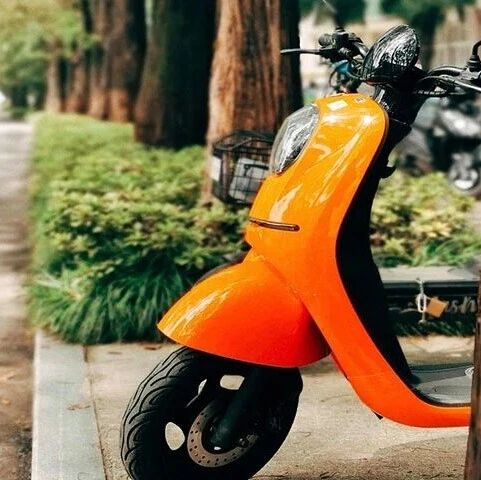
新国标电动车的适应期:旧车有多火,新车就有多冷清
经济观察报· 2025-12-04 11:30
Core Viewpoint - The implementation of the new national standard for electric bicycles (GB17761-2024) has led to a limited supply of compliant models in the market, resulting in fewer choices and increased prices for consumers [2][6]. Group 1: New National Standard Implementation - The new standard, effective from December 1, 2023, prohibits the sale of old electric bicycles and introduces stricter requirements regarding speed, fire safety, and smart positioning systems [2][4]. - Under the new regulations, electric bicycles must not exceed a speed of 25 km/h, and manufacturers are required to implement anti-tampering mechanisms to prevent speed modifications [5]. - The new standard mandates the use of higher-grade flame-retardant materials for key components and sets specific technical indicators for battery safety, including thermal runaway protection [5]. Group 2: Market Supply and Pricing - The market supply of new standard electric bicycles is still in its early stages, with many stores reporting low inventory levels, often displaying only one model with limited stock [6][8]. - Prices for new standard electric bicycles have increased by 300 to 500 yuan compared to old models, with some high-end models seeing price hikes of up to 1,000 yuan due to upgraded materials and features [6][8]. - Online sales channels reflect a similar trend, with only 1-2 models available from major brands, and many listings showing "out of stock" [7][8]. Group 3: Industry Response and Future Outlook - Companies are adjusting their production lines to comply with the new standard, with some brands like Aima announcing capacity transfers and temporary shutdowns of old production lines [8][11]. - Despite the current supply challenges, industry representatives express optimism about the future, believing that the new standard will enhance safety and drive demand as production ramps up [10][11]. - The market is also witnessing a shift towards electric motorcycles, which are not subject to the new regulations and have shown higher sales volumes compared to new standard electric bicycles [10][11].