
So-Young(SY)

Search documents
深夜 黄金、白银、原油齐涨 美股三大指数集体上涨丨美股开盘
Mei Ri Jing Ji Xin Wen· 2026-02-18 15:09
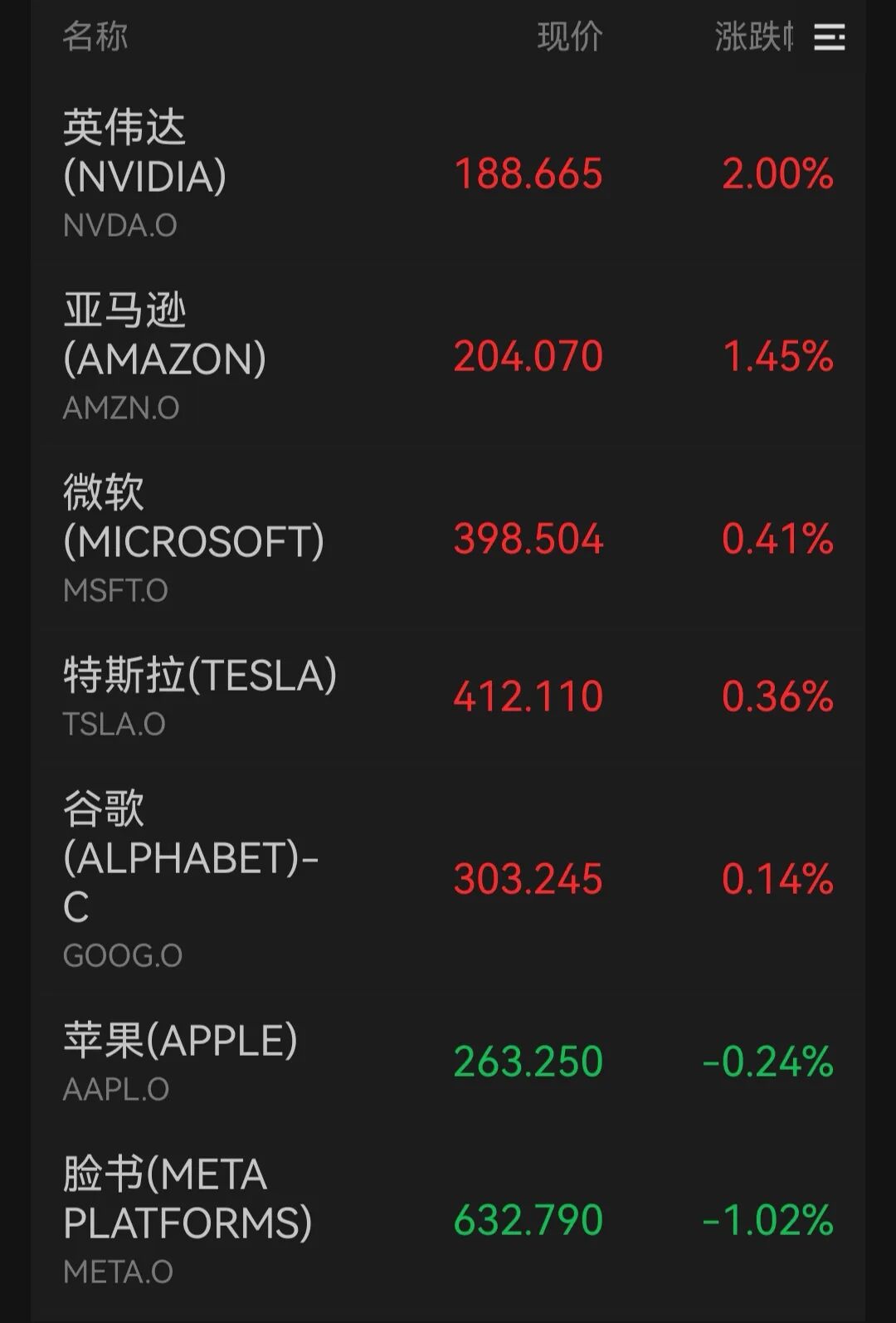
| 名称 | 现价 | 涨跌 三 | | --- | --- | --- | | 英伟达 | | | | (NVIDIA) | 188.665 | 2.00% | | NVDA.O | | | | 亚马逊 | | | | (AMAZON) | 204.070 | 1.45% | | AMZN.O | | | | 微软 | | | | (MICROSOFT) | 398.504 | 0.41% | | MSFT.O | | | | 特斯拉(TESLA) | 412.110 | 0.36% | | TSLA.O | | | | 谷歌 | | | | (ALPHABET)- | 303.245 | 0.14% | | C | | | | GOOG.O | | | | 苹果(APPLE) | 263.250 | -0.24% | | AAPL.O | | | | 脸书(META | | | | DI ATEORMS) | 632 790 | -1 02% | 消息面上,当地时间2月17日,Meta宣布将在AI数据中心使用英伟达的新型独立CPU和下一代Vera Rubin系统。Meta成为首家在其数据中心部署英伟达 G ...





新氧集团创始人、CEO金星:战略重心转向效率优化
Jing Ji Guan Cha Wang· 2026-02-13 03:13
2024年11月,当我发布新氧青春诊所,决定从互联网医美平台转型做轻医美连锁时,外界的评价并不友 好。有人说我们越界,有人质疑我们"吃相难看",也有人断言平台做门店不会成功。这两年,外界对新 氧的质疑与争论从未停止过。 截至目前,我们开出了第51家门店,可以说这是我们的拐点。 很多人只看到速度,却忽略了代价。重资产布局意味着报表承压,意味着阶段性亏损。如果只是做50家 店,我不会这样选择,但我的目标从一开始就是做千店连锁,所以我必须做一个"基建狂魔"。 过去两年,我们的关键词只有一个:规模。医美行业的成本结构中,营销与固定成本可以通过体量摊 薄,而真正决定长期竞争力的是供应链。随着门店数量增多、规模扩大,我们的采购数量提升,议价能 力增强,这使我们逐步建立起更稳定的供应体系,产品成本结构也开始优化。 规模带来的品牌信任与服务一致性,也在改变我们的获客方式。门店一线的数据显示,新用户中约50% 来自老用户推荐,这大大节约了我们的营销成本。 此前也有投资人问我,这套模式是否只能在一线城市跑通?为此,我系统对比了一线与非一线城市门店 的运营数据。去年下半年,无论客单价结构还是用户满意度指标,不同城市之间的差异极小。 ...
新氧集团创始人、CEO金星:战略重心转向效率优化|2026商业新愿景
Jing Ji Guan Cha Wang· 2026-02-13 03:06
2024年11月,当我发布新氧青春诊所,决定从互联网医美平台转型做轻医美连锁时,外界的评价并不友好。有人说我们越界,有人质疑我们"吃相难看",也 有人断言平台做门店不会成功。这两年,外界对新氧的质疑与争论从未停止过。 截至目前,我们开出了第51家门店,可以说这是我们的拐点。 很多人只看到速度,却忽略了代价。重资产布局意味着报表承压,意味着阶段性亏损。如果只是做50家店,我不会这样选择,但我的目标从一开始就是做千 店连锁,所以我必须做一个"基建狂魔"。 过去两年,我们的关键词只有一个:规模。医美行业的成本结构中,营销与固定成本可以通过体量摊薄,而真正决定长期竞争力的是供应链。随着门店数量 增多、规模扩大,我们的采购数量提升,议价能力增强,这使我们逐步建立起更稳定的供应体系,产品成本结构也开始优化。 规模带来的品牌信任与服务一致性,也在改变我们的获客方式。门店一线的数据显示,新用户中约50%来自老用户推荐,这大大节约了我们的营销成本。 此前也有投资人问我,这套模式是否只能在一线城市跑通?为此,我系统对比了一线与非一线城市门店的运营数据。去年下半年,无论客单价结构还是用户 满意度指标,不同城市之间的差异极小。这增强 ...

新氧科技取得用户筛选方法专利
Jin Rong Jie· 2026-02-11 01:29
声明:市场有风险,投资需谨慎。本文为AI基于第三方数据生成,仅供参考,不构成个人投资建议。 本文源自:市场资讯 作者:情报员 国家知识产权局信息显示,北京新氧万维科技咨询有限公司取得一项名为"一种用户筛选方法、装置、 电子设备及存储介质"的专利,授权公告号CN115935031B,申请日期为2021年9月。 天眼查资料显示,北京新氧万维科技咨询有限公司,成立于2014年,位于北京市,是一家以从事科技推 广和应用服务业为主的企业。企业注册资本92200万人民币。通过天眼查大数据分析,北京新氧万维科 技咨询有限公司共对外投资了5家企业,财产线索方面有商标信息2条,专利信息123条,此外企业还拥 有行政许可4个。 ...
纳斯达克中国金龙指数涨近2%:理想汽车、禾赛涨超4%
Ge Long Hui A P P· 2026-02-06 14:45
Core Viewpoint - Chinese concept stocks collectively strengthened, with the Nasdaq China Golden Dragon Index rising nearly 2% [1] Group 1: Stock Performance - Zenggu and Bomei Group surged over 9% [1] - NIO and New Oxygen increased by more than 8% [1] - Li Auto, Century Internet, Aihuishou, and Hesai rose over 4% [1] - GDS Holdings, Kingsoft Cloud, Baozun, and Huya gained over 3% [1] - Pony.ai, XPeng Motors, Baidu, and Bilibili climbed over 2% [1] - Alibaba, NetEase, and JD.com saw an increase of over 1% [1]




万元童颜针降至999元
第一财经· 2026-02-04 14:15
Core Viewpoint - The era of upstream medical beauty supply chain manufacturers relying solely on price control to maintain high profits may be coming to an end, indicating a significant shift in the industry's development logic [2][4]. Group 1: Industry Dynamics - New Oxygen has reached cooperation agreements with 14 upstream manufacturers, including major players like Allergan and Huaxi Biological, marking a pause in the pricing power battle that dominated the previous year [3]. - The medical beauty industry is experiencing a restructuring of power dynamics between upstream and downstream players, suggesting a transformation in the overall industry landscape [4]. Group 2: Pricing Strategies - New Oxygen's founder, Jin Xing, aims to lower the prices of medical beauty projects, citing high operational costs and supplier pricing as key factors for the inflated prices in China compared to countries like South Korea [6]. - The introduction of the "Miracle Tongyan 1.0" project by New Oxygen, priced at 4,999 yuan per unit, significantly undercuts the traditional market price of over 10,000 yuan, leading to backlash from suppliers [6][7]. - The pricing strategy continued to evolve with the launch of "Miracle Tongyan 3.0," which further reduced the price to 2,999 yuan, setting a new low in the industry [7]. Group 3: Supplier Relationships - Despite previous conflicts, some suppliers have reconciled with New Oxygen, indicating a shift in relationships as the market dynamics change [9]. - New Oxygen's purchasing power has increased, allowing it to negotiate better prices with suppliers, as it has established a significant presence with 50 stores across 16 cities by the end of 2025 [11]. Group 4: Market Supply and Demand - The balance of pricing power is shifting towards buyers, with an increase in the number of suppliers and products available, leading to a more competitive market environment [11][14]. - The regulatory environment is improving, with a significant increase in the number of medical beauty device registrations, which is expected to further enhance supply [13]. Group 5: Future Outlook - The medical beauty industry is transitioning from a phase of rapid, unregulated growth to a more structured and value-focused era, emphasizing the importance of quality over price competition [14][16]. - New Oxygen faces challenges in maintaining its scale while achieving profitability and balancing relationships with suppliers, which will be crucial for its successful transformation [15].
万元童颜针降至999元背后 :供需反转,医美企业向供应商要回定价权
Xin Lang Cai Jing· 2026-02-04 13:51
Core Viewpoint - The era where upstream medical beauty supply chain manufacturers rely solely on price control to maintain high profits may be coming to an end, as evidenced by recent collaborations between New Oxygen and 14 upstream manufacturers, including major players like Sota, Allergan, Aimeike, Huaxi Biology, Jinbo Biology, and Sihuan Pharmaceutical [1] Group 1 - New Oxygen has reached agreements with 14 upstream manufacturers, indicating a shift in the dynamics of the medical beauty industry [1] - Previous conflicts over pricing between New Oxygen and several suppliers, which even led to supply disruptions, appear to have been temporarily resolved with these new partnerships [1] - Industry insiders believe that this collaboration reflects a restructuring of power between upstream and downstream players in the medical beauty sector, signaling a significant change in the industry's development logic [1]
好评率必须超过99%,谁在给医美上游大牌发“准入证”?
阿尔法工场研究院· 2026-02-03 03:34
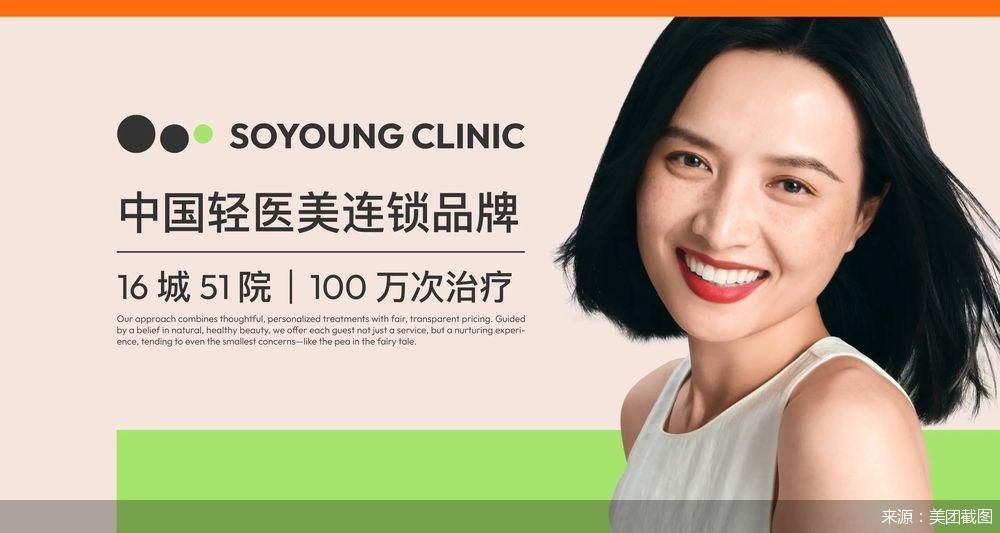
Core Viewpoint - The collaboration between medical beauty brands and "villains" signifies a shift in brand communication, aiming to inject confidence and vitality into the traditionally anxiety-ridden medical beauty marketing landscape [4][6]. Group 1: Industry Overview - The medical beauty industry in China has been characterized by a scarcity of quality and affordable services, leading to information asymmetry and regulatory gray areas that complicate consumer decision-making [9][10]. - Traditional medical beauty institutions often struggle with scalability, as many have been operating for over twenty years with limited store counts, typically between 20 to 40 [6][10]. - The industry is transitioning from a seller's market to a buyer's market due to an increase in product approvals, which is expected to enhance competition and reduce product scarcity [11][12]. Group 2: Company Development - New Oxygen has opened 50 direct-operated clinics across 16 cities and completed over 1 million treatments, positioning itself as a leader in the light medical beauty chain brand sector in China [5][4]. - The company has established the "Youth Selection Alliance," which sets stringent standards for product quality and aims to redefine what constitutes a "good product" in the market [15][16]. - New Oxygen's approach includes a focus on building a scalable and high-quality delivery system to address the industry's challenges of trust and efficiency [7][12]. Group 3: Supply Chain and Market Dynamics - The "Youth Selection Alliance" allows New Oxygen to leverage its treatment volume to negotiate better terms with suppliers, ensuring high-quality products are available to consumers [16][18]. - The company has formed partnerships with major pharmaceutical and medical beauty suppliers, significantly increasing its purchasing power and market influence [17][18]. - New Oxygen's strategy emphasizes the importance of a robust supply chain and efficient distribution channels, which are critical for driving down costs and enhancing product availability [20][21]. Group 4: Future Outlook - The transformation within the medical beauty industry is expected to lead to a healthier ecosystem and a more rational consumer market, characterized by increased choice, transparency, and trust [27][28]. - As the industry moves towards full market competition, companies that can effectively balance consumer trust and supply chain efficiency will thrive [27][28]. - New Oxygen's ongoing efforts to integrate technology and streamline operations are essential for overcoming existing industry challenges and achieving sustainable growth [22][28].

加速规模化运营,新氧剑指盈利
Bei Jing Shang Bao· 2026-02-01 09:40
Core Insights - Company is accelerating its scale operations by collaborating with 14 upstream suppliers and plans to open 35 new offline stores in the coming year, transitioning from an online medical beauty platform to a physical medical institution with a low-price model [1][6][7] Group 1: Strategic Partnerships - The establishment of the "Youth Selection Alliance" with 14 upstream suppliers aims to achieve mutual growth through price linkage, tiered supply, training collaboration, and product traceability [3] - This partnership indicates an improvement in the pricing issues that previously strained relationships with suppliers, allowing for a more stable collaboration [3][5] - Notable suppliers in this alliance include Allergan, Medimime, and others, which have previously raised concerns over pricing discrepancies with the company [3][4] Group 2: Pricing Strategy - The company has consistently aimed to lower the prices of its products, such as the "童颜针" (youthful needle), which saw significant price reductions over the years, making it more accessible to consumers [4][6] - The low-price strategy is seen as a way to attract new consumers, although the long-term sustainability of this approach will depend on product effectiveness and perceived value [4][5] Group 3: Operational Expansion - As of now, the company has established 50 stores across 16 cities, with plans to add at least 35 more stores by the end of 2026, aiming for a total of 500 doctors and 1000 nursing staff [7] - The company is entering a strategic transformation phase, focusing on improving operational gross margins while maintaining its scale advantage [7][8] Group 4: Financial Performance - The company reported a total revenue of 1.063 billion yuan for the first three quarters of 2025, a decrease of 3.17% year-on-year, with a loss of 133 million yuan [8][9] - The beauty treatment services segment has become the largest revenue source, contributing 427 million yuan, a significant increase of 385.05% year-on-year, accounting for 40.16% of total revenue [9] - The goal for 2026 includes achieving quarterly profitability while enhancing gross margins through a diverse product offering [8][9]
从“宣战”到“同盟”:新氧与锦波们的“大和解”
Hua Er Jie Jian Wen· 2026-01-31 07:13
Core Viewpoint - The article discusses the significant shift in the medical aesthetics industry, highlighting the transition from conflict to collaboration between companies like Jinjing Biological and platforms like New Oxygen, reflecting changes in market dynamics and pricing power [1][3][5]. Group 1: Industry Dynamics - In 2024, Jinjing Biological publicly criticized New Oxygen for low-price promotions of its core product, Wei Yimei, indicating a struggle to maintain pricing power [1][4]. - New Oxygen has transformed from a platform to a physical clinic model, establishing 50 stores across 16 cities, which enhances its bargaining power with upstream manufacturers [3][11]. - The monopoly of Jinjing Biological in the collagen product market has been disrupted by competitors like Juzhi Biological and Chuangjian Biological, leading to a loss of pricing authority for upstream manufacturers [3][10]. Group 2: Strategic Alliances - The formation of the "Youth Selection Alliance" by New Oxygen and 14 upstream manufacturers, including Jinjing Biological, marks a shift towards collaboration in areas like pricing and product traceability [2][5]. - Jinjing Biological's previous confrontations with platforms like Meituan have also turned into strategic partnerships, indicating a broader trend of upstream manufacturers adapting to market realities [7][10]. Group 3: Evolving Business Models - The article outlines three emerging strategies for upstream manufacturers in response to shifting market dynamics: 1. The rise of the ODM model, where companies like Xihong Biological provide products without interfering with downstream pricing [14]. 2. Maintaining product scarcity through innovation or acquisitions to capture market share during competitive gaps [15]. 3. Expanding internationally to seek new growth opportunities, as seen with companies like Aimeike and Binhai Medical [15][16]. Group 4: Market Trends - The medical aesthetics market is experiencing a significant increase in product offerings, with over 50 new medical device approvals in 2025, leading to intensified competition [11]. - The shift in pricing power from manufacturers to distribution channels reflects a broader trend of market "demystification" and value reassessment in the medical aesthetics sector [16].
