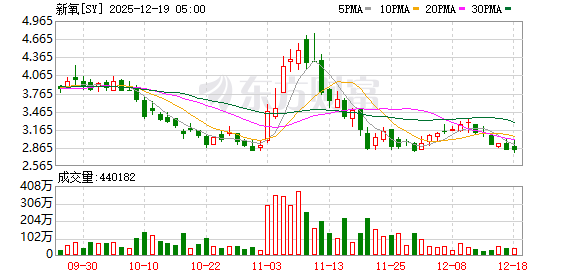
So-Young(SY)

Search documents
从卖方到买方市场,医美行业迈入成熟竞争新阶段
2 1 Shi Ji Jing Ji Bao Dao· 2026-01-30 11:34
Core Insights - The domestic medical beauty industry is undergoing a structural transformation in 2025, shifting from a "seller's market" to a "buyer's market" due to an increase in the supply of upstream products [1] - The approval of 52 new Class III medical device registrations in 2025 indicates a significant change in the supply-demand relationship within the industry [1] - Upstream manufacturers are compelled to adjust their competitive strategies, focusing on technological innovation, product iteration speed, and commercialization capabilities [1][4] Upstream Manufacturers - The competition among upstream manufacturers is intensifying as the medical beauty market continues to expand and diversify, with the industry size surpassing 300 billion yuan [3] - The light medical beauty market is expected to grow at a compound annual growth rate of over 20% in the next five years, becoming the mainstream segment [3] - Hyaluronic acid, botulinum toxin, collagen, and regenerative materials are projected to dominate the injection materials market in 2024, with respective market shares of 36%, 29%, 19%, and 16% [3] Product Supply Expansion - In 2025, 25 new Class III medical device registrations for hyaluronic acid products were approved, alongside approvals for collagen products, youth needles, and new materials like agarose and calcium phosphate [4] - Manufacturers are shifting from a "follow the trend" model to focusing on product innovation and expanding new indications, particularly in women's health-related aesthetics [4][5] Competitive Landscape - The competition is expected to transition from merely obtaining licenses to a focus on core technology, research efficiency, and understanding end-user needs [5] - The relationship between upstream manufacturers and downstream medical beauty institutions is evolving into a mutually beneficial partnership rather than a zero-sum game [6] Downstream Institutions - The approval of 52 new Class III medical device registrations has provided downstream institutions with greater product selection and negotiating power with upstream manufacturers [6] - New Oxygen's introduction of competitively priced products has sparked controversy among upstream manufacturers, highlighting the ongoing price competition in the market [6] Market Dynamics - Public hospitals are increasingly entering the medical beauty sector, with 203 hospitals opening or establishing medical beauty departments in 2025, a 229% increase from the previous year [8] - Major internet platforms like Meituan and Tmall are leveraging their traffic advantages to enhance the medical beauty sector, intensifying market competition [8] - The future of the medical beauty industry is expected to be characterized by a diverse and competitive landscape, where trust and professional credibility are crucial for consumer acceptance [8]




新氧CEO金星:2026年公司经营目标是实现单季度集团整体盈利
Xin Lang Cai Jing· 2026-01-30 06:43
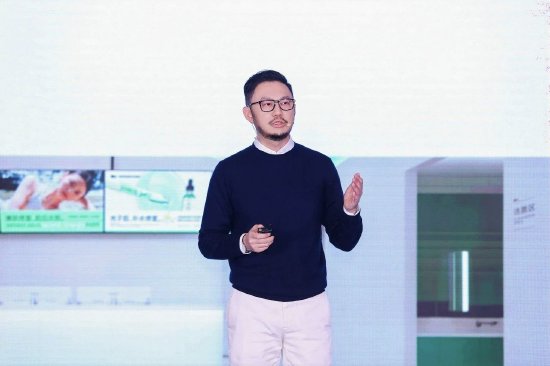
Core Insights - New Oxygen has announced several strategic initiatives, including the establishment of a youth product alliance with 14 upstream manufacturers and a strategic partnership with Sotada [1] - The company plans to accelerate its offline expansion and recruit medical staff, with a goal of adding 35 new stores throughout the year [1] - By the end of 2026, the number of doctors is expected to increase to 500, and nursing staff to 1000 [1] Operational Metrics - The CEO emphasized that the core operational metric over the past two years has been "scale," which is essential for supply chain advantages and brand customer acquisition [2] - By 2026, the company aims to have 50 stores, serving 50,000 patients per month and achieving 110,000 treatment sessions [2] - The company has introduced a new operational metric focused on improving gross profit margin, alongside maintaining user satisfaction [2] Market Dynamics - Despite previous conflicts with some upstream brands, the company has seen rapid growth in its youth product category, indicating that these issues have not significantly impacted its business [2] - The regulatory environment has changed, with 52 new medical device class III certifications issued in the past year, which is expected to increase the number of medical beauty manufacturers in China significantly [2] - The CEO predicts that the market will evolve to have thousands of manufacturers, providing ample partnership opportunities and reducing competitive barriers [2] Financial Strategy - In 2025, the company plans to open 31 new stores while maintaining 19 existing ones, which will lead to increased expenditures [2] - By 2026, the company expects to have 50 old stores and 35 new ones, allowing older stores to support new ones financially [2] - The company has a secure cash reserve and aims to achieve overall profitability in a single quarter this year [3]
新氧:加速线下布局和医护人员招募,2026年计划新增35家门店
Xin Lang Cai Jing· 2026-01-29 06:53
Core Insights - New Oxygen announced multiple strategic initiatives, including the establishment of the Youth Selection Alliance with 14 upstream manufacturers and a strategic partnership with Sota [1][4] - The company received several prestigious certifications from Euromonitor International, including recognition for having the largest number of light medical beauty chain stores [5] Group 1: Strategic Initiatives - The Youth Selection Alliance aims to achieve win-win outcomes for upstream companies and consumers through collaboration in areas such as price-volume linkage, tiered supply, training, and product traceability [5] - New Oxygen's partnership with Sota includes a guarantee for the traceability of each Thermage treatment head, with a compensation policy for non-compliant equipment [5] Group 2: Supply Chain and Expansion - Since 2021, New Oxygen has invested 1 billion yuan in building its supply chain system, establishing 9 medical device sales companies and a network of 1 central warehouse and 8 forward warehouses across the country [5] - As of January 8, 2026, New Oxygen's clinics have achieved a cumulative treatment volume of 1 million across 50 stores in 16 cities [5] Group 3: Future Plans - The company plans to continue its conservative product selection strategy and launch multiple new products in the fields of phototherapy, water light, large injections, and health by 2026 [6] - New Oxygen aims to accelerate its offline expansion and recruitment of medical staff, with plans to add 35 new stores and increase the number of doctors to 500 and nursing staff to 1000 by the end of 2026 [6]
千元童颜针遭上游厂商“围剿”?新氧创始人:对业务没有太大影响
Xin Lang Cai Jing· 2026-01-29 05:56
Core Viewpoint - The CEO of New Oxygen Group, Jin Xing, stated that the friction with upstream suppliers has not significantly impacted the company's business, despite some suppliers expressing concerns about the company's pricing strategy and product sourcing [1][2][6]. Group 1: Pricing Strategy and Market Impact - In September 2025, New Oxygen launched the "Youth Needle" product priced at 2999 yuan, which is significantly lower than the market price of over 10,000 yuan, disrupting the existing pricing structure of upstream manufacturers [1][6]. - Despite backlash from several upstream manufacturers, including claims of unauthorized product sourcing and training issues, sales of the "Youth Needle" reportedly surged in October, November, and December 2025, indicating strong consumer acceptance [2][6][7]. Group 2: Business Expansion and Partnerships - As of January 8, 2026, New Oxygen has established 50 clinics across 16 cities and achieved a cumulative treatment volume of 1 million [3][6]. - New Oxygen announced the formation of the "Youth Premium Alliance" with 14 upstream manufacturers, aiming to enhance collaboration through price-volume linkage, tiered supply, training, and product traceability [3][6]. Group 3: Industry Dynamics and Future Outlook - The medical beauty industry is experiencing a shift towards a buyer's market, with an increasing number of suppliers providing more options for medical institutions, which can now select long-term partners and customize products based on their needs [4][7]. - The industry has seen a significant increase in the issuance of medical device certifications, with 52 Class III medical device certificates issued in 2025, suggesting a growing supply landscape [4][7].
今日A股市场重要快讯汇总|2026年1月22日
Xin Lang Cai Jing· 2026-01-22 00:55
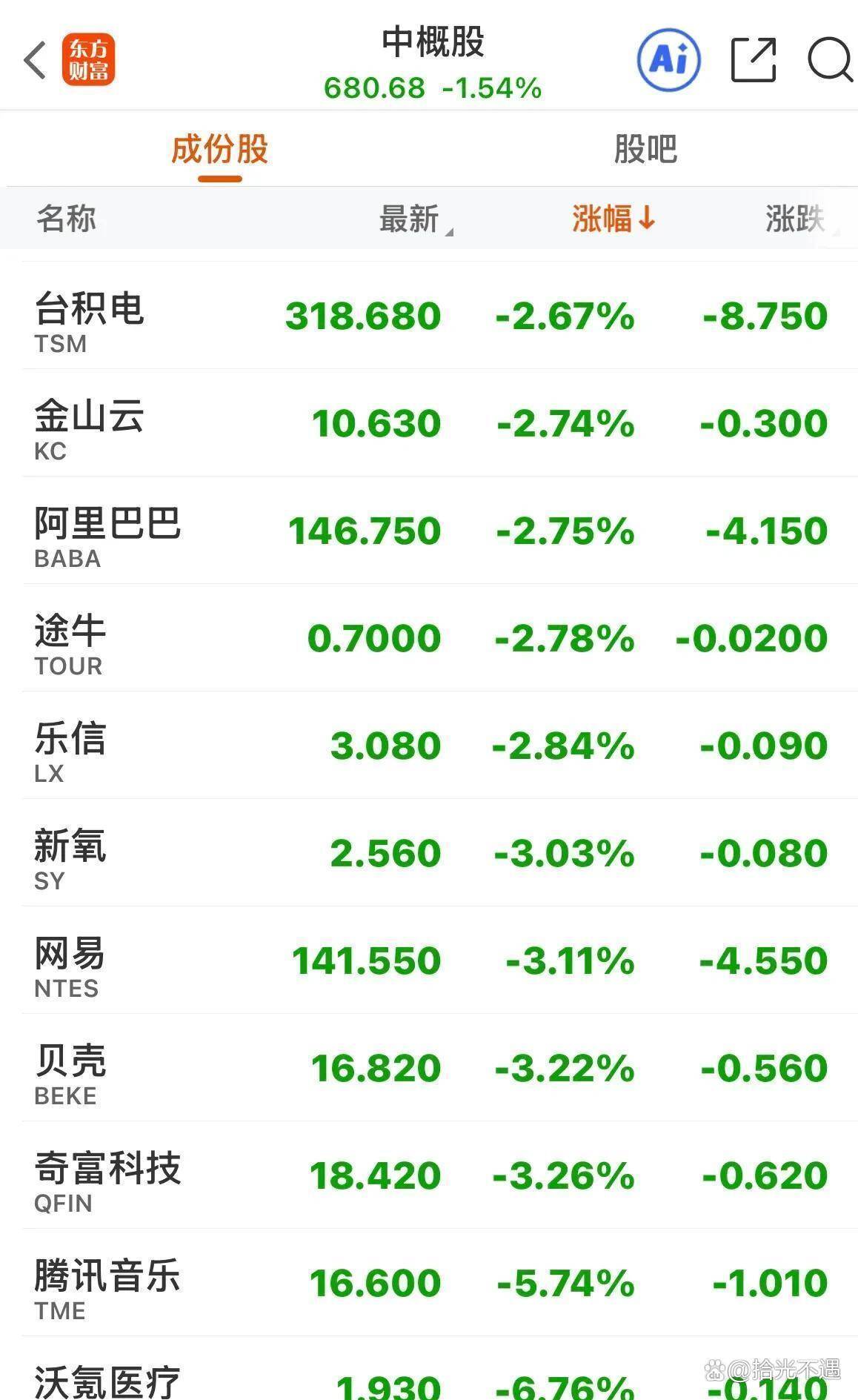
Group 1: Company Announcements - On January 21, Aotai Bio disclosed its shareholding increase [1][4] - A total of 21 A-share listed companies, including Chen Zhan Optoelectronics, Deepwater Haina, Hengshuai Co., Ltd., and others, announced shareholding reductions [1][4] Group 2: Market Performance - The three major U.S. stock indices closed higher, with the Dow Jones up 1.21%, Nasdaq up 1.18%, and S&P 500 up 1.16% [2][5] - Major technology stocks saw significant gains, with Intel rising over 11%, AMD over 7%, and Nvidia and Tesla both up over 2% [2][5] - Storage concept stocks performed well, with SanDisk increasing over 10% and Western Digital up over 8% [2][5] - The U.S. regional bank index rose 4.7%, marking the largest single-day increase since August [2][5] Group 3: Nasdaq China Golden Dragon Index - The Nasdaq China Golden Dragon Index increased by 2.22%, with notable gains from companies such as New Oxygen up 14.93%, Baidu up 8.20%, and Century Internet up 7.17% [3][6]



今日国际国内财经新闻精华摘要|2026年1月22日
Xin Lang Cai Jing· 2026-01-22 00:55
International News - US natural gas futures prices saw a significant increase, with intraday gains reaching up to 30%, currently reported at $5.083 per million British thermal units, after previously recording increases of 29%, 28%, and 27% [1][7] - Precious metals market showed a downward trend, with spot gold prices dropping below $4820, $4810, $4800, and $4790 per ounce, with daily declines of 0.25%, 0.44%, 0.64%, and 0.86% respectively [1][7] - Spot silver also faced pressure, falling below $93, $92, and $91 per ounce, with daily declines of 1.68%, 2.93%, and 3.74% respectively [1][7] - US stock market performed strongly, with all three major indices closing up over 1%, the Dow Jones up 1.21%, Nasdaq up 1.18%, and S&P 500 up 1.16% [1][7] Individual Stocks - Intel shares rose over 11%, reaching a four-year high; AMD increased by 8.3%, SanDisk by over 10%, Western Digital by over 8%, and Micron Technology by over 6% [2][8] - The Nasdaq Golden Dragon China Index rose by 2.22%, with notable gains from individual stocks such as New Oxygen up 14.93%, Baidu up 8.20%, and Century Internet up 7.17% [2][8] - OpenAI's CEO Sam Altman is meeting with top investors in the Middle East to pursue a new round of financing of at least $50 billion, with a post-funding valuation expected between $750 billion and $830 billion [2][8] - Apple plans a major overhaul of Siri, transforming it into a built-in chatbot with new features expected to launch later this year [2][8] Company Dynamics - French dairy company Lactalis announced a recall of multiple batches of infant formula in 18 countries, including China, due to potential contamination with Bacillus cereus toxin [3][9] - Ubisoft canceled the development of six games, including the remake of "Prince of Persia: The Sands of Time" and four unannounced titles [3][10] - The American Petroleum Institute (API) reported an increase of 3 million barrels in US API crude oil inventories last week, compared to a previous increase of 5.278 million barrels [3][10] - President Trump expressed hope for the retention of Kevin Hassett in his current position, with the shortlist for the Federal Reserve chair narrowing to two or three candidates [3][10]



纳斯达克中国金龙指数收涨2.22%
Jin Rong Jie· 2026-01-21 21:19
Group 1 - The stock prices of various companies have shown significant increases, with Xinyang rising by 14.93%, Baidu by 8.20%, Century Internet by 7.17%, Yao Wang by 6.89%, and Kandi Technologies by 6.32% [1]



美股尾盘跳水!道指跌0.94%降息预期降温,中国资产逆势突围
Sou Hu Cai Jing· 2026-01-08 07:54
Market Overview - On January 7, U.S. stock markets experienced significant volatility, with the Dow Jones Industrial Average dropping 466 points, a decline of 0.94%, closing at 48,996.08 points [4] - The market initially showed optimism with a high opening but faced a sharp decline towards the end of the trading session, reflecting a shift in investor sentiment from anticipation of interest rate cuts to concerns over tightening policies [4] Federal Reserve Commentary - Recent statements from Federal Reserve officials have dampened expectations for interest rate cuts in 2026, with officials indicating that the current policy is close to "neutral" and that the space for rate cuts is limited [4] - Key economic indicators, including a slower pace of inflation decline and a strong labor market, have contributed to the Fed's cautious stance, reducing the likelihood of a rate cut in March [4] Chinese Assets Performance - In contrast to the U.S. market, Chinese assets showed strong performance on January 7, with several Chinese concept stocks experiencing significant gains, including a 70.83% increase in Zhongchi Chefu and a 28.53% rise in 3ENetwork Technology [5] - The Hong Kong ADR index also saw a positive trend, closing at 23,246 points, up 174.04 points, with major stocks like Tencent and HSBC contributing to the upward movement [5]






今日A股市场重要快讯汇总|2025年12月30日
Xin Lang Cai Jing· 2025-12-30 00:25
Group 1: Market Overview and Related Assets - US stock indices closed lower, with the Dow down 0.51%, Nasdaq down 0.5%, and S&P down 0.35%. Notably, Tesla fell over 3% and Nvidia dropped over 1% [1][5] - The Nasdaq Golden Dragon China Index also declined by 0.67%, with significant drops in individual stocks such as 1药网 down 7.14% and 叮咚买菜 down 7.19% [1][5] - Precious metals experienced significant volatility, with spot gold falling 3.18% after dropping below $4390 per ounce, and spot silver down 9.24% after falling below $72 per ounce [1][5] Group 2: Macroeconomic and Market Analysis - The US November pending home sales index increased by 3.3% month-on-month, exceeding expectations of 1%, while year-on-year it decreased by 0.3%, which was below the expected 0.1% [3][7] - The EIA announced a delay in the weekly oil status report, with notifications to be provided at least one hour in advance. Additionally, natural gas inventories decreased by 1660 billion cubic feet, slightly above the expected decrease of 1680 billion cubic feet [3][8] Group 3: International Focus and Geopolitical Issues - The conflict between Russia and Ukraine escalated, with Russia claiming to have destroyed 91 drones aimed at President Putin's residence, while Ukraine's President Zelensky dismissed these claims as false [4][9] - US Congresswoman Marjorie Taylor Greene criticized both parties for contributing to nearly $40 trillion in national debt and ongoing overseas conflicts, suggesting this has led to disillusionment among younger Americans towards the two major parties [4][9]


万元童颜针跌至千元内 你的“美”只值这点钱?业内:低价是行业整合期必然 信任与技术将是核心壁垒
Mei Ri Jing Ji Xin Wen· 2025-12-19 14:28
Core Insights - The launch of a group-buy price for the "童颜针" product at 996 yuan by New Oxygen's youth clinic disrupts the pricing structure of the light medical beauty industry, which previously had an average price above 10,000 yuan [2] - Industry experts believe that the low-price strategy is a natural phenomenon during the industry's consolidation phase, but long-term survival will depend on medical integrity, compliance, and user trust [2] Pricing and Competition - The low-price strategy initiated by New Oxygen reflects intensified competition in the light medical beauty sector, with various innovative materials emerging, such as agarose and PDRN [3] - Experts warn that current price competition is unhealthy, particularly for smaller institutions reliant on capital, and that future competitiveness should focus on proprietary technology, market education, and brand building [3][7] - The market for hyaluronic acid fillers dominates, accounting for 70% to 80% of the global market share, with its safety and long-lasting effects ensuring its continued prominence [3] Consumer Trends and Preferences - A report by Allergan Aesthetics indicates that 95% of hyaluronic acid filler users are satisfied with their results, and 78% of consumers prefer more natural aesthetic outcomes [4] - The evolution of hyaluronic acid products has led to a diverse product matrix, allowing for personalized aesthetic solutions [5] Industry Dynamics and Regulatory Environment - The light medical beauty industry is transitioning from a phase of rapid expansion to one of consolidation, with approximately 50,000 institutions competing, leading to increased industry concentration [7] - The competition is shifting from price wars to value-based competition focused on compliance, technology, and service, driven by stricter regulatory policies [8][9] Strategic Paths for Institutions - Chain operations are becoming a core choice for scalable development, allowing for resource sharing and enhanced brand influence [11] - Boutique clinics are gaining traction by offering specialized and personalized services, appealing to both ordinary and high-end clients [12] - The entry of state-owned capital is reshaping the industry landscape, providing compliance and credibility while private institutions focus on consumer medical markets [13] Consumer Behavior and Market Segmentation - Consumers are increasingly making value-based decisions, with safety, doctor expertise, and product brand becoming more important than price [15] - The current pricing structure is categorized into three segments: economic products under 5,000 yuan, mainstream products between 5,000 and 10,000 yuan, and high-end products above 10,000 yuan [14]