So-Young(SY)

Search documents
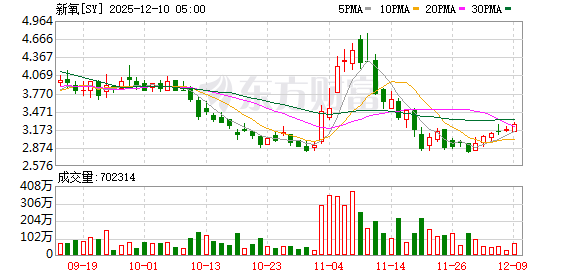
定价权之争再升级!万元级“童颜针”卖到2999元!新氧46家诊所上厂商黑名单
Bei Jing Shang Bao· 2025-12-10 15:25
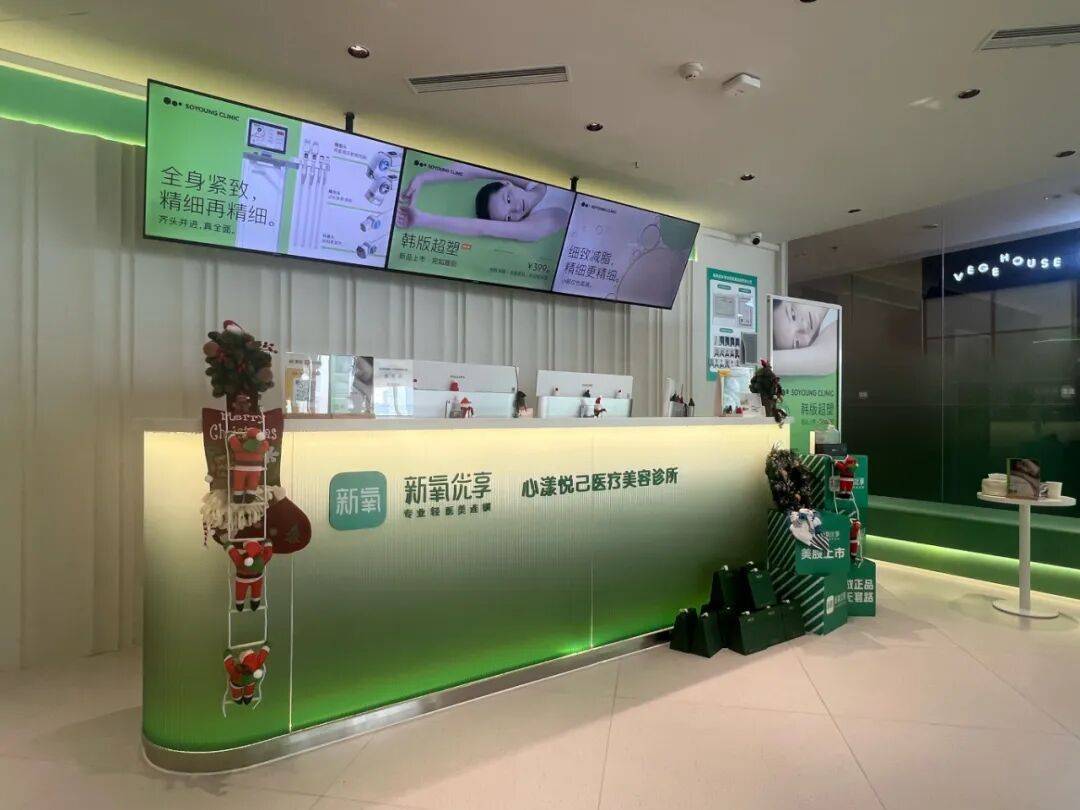
Core Viewpoint - The ongoing price war surrounding "童颜针" (youthful needle) is not only challenging the pricing system of the medical beauty industry but also represents a critical transformation path for the company, 新氧 (So-Young) [2][14]. Group 1: Price War and Market Dynamics - 新氧 has significantly reduced the price of "童颜针" from over 10,000 RMB to 2,999 RMB, aiming to gain control over pricing autonomy [2][10]. - The company faces accusations from suppliers like 普丽妍, which has labeled many of 新氧's clinics as "non-official partners," questioning the legitimacy of their product sources and medical qualifications [3][4]. - The price reduction strategy is seen as a challenge to the traditional profit distribution model in the medical beauty industry, where high prices were previously justified by perceived quality [6][7]. Group 2: Transformation Challenges - 新氧 is transitioning from a platform-based model to a direct participant in the medical beauty industry by establishing its own clinics, which has led to conflicts with previously partnered medical institutions [14][15]. - The company's revenue from information and reservation services has declined significantly, with a 34.5% year-on-year drop in the third quarter [14]. - Despite the aggressive expansion into self-operated clinics, 新氧 has reported continuous losses, with a net loss of 64.8 million RMB in the third quarter of 2025 [15][16]. Group 3: Financial Performance and Cost Structure - 新氧's aesthetic treatment services revenue surged by 304.6% year-on-year to 1.84 billion RMB in the third quarter, becoming the largest revenue source [17]. - The gross profit margin for 新氧's medical aesthetic services was reported at only 24.25% in the second quarter of 2025, indicating a significant deviation from industry standards [8][9]. - The company is focusing on cost optimization through strategies like scale procurement and supply chain integration to improve profitability [17]. Group 4: Regulatory and Compliance Issues - 新氧 has faced multiple complaints regarding service quality and compliance, with 876 complaints recorded on consumer platforms, including issues related to false advertising and operational violations [17][19]. - The company has been penalized for non-compliance with national standards, highlighting the regulatory risks associated with its rapid expansion [17][18]. - 新氧 emphasizes that its low pricing strategy does not compromise regulatory compliance and is committed to addressing consumer feedback seriously [19].


新氧对峙普丽妍,谁的童颜针定价权
Bei Jing Shang Bao· 2025-12-10 09:42
Core Viewpoint - The price war surrounding "童颜针" (Youthful Needle) is not only challenging the pricing system of the medical beauty industry but also testing the transformation path of So-Young, which is attempting to regain pricing autonomy through aggressive pricing strategies and self-built clinics [2][15]. Group 1: Price War and Market Dynamics - The recent conflict escalated when the manufacturer, 普丽妍, publicly named 79 "non-official cooperative medical institutions," including 46 So-Young clinics, questioning their product sources and doctor qualifications [3][5]. - So-Young has significantly reduced the price of "童颜针" from over 10,000 RMB to 2,999 RMB, aiming to establish its pricing power through the launch of customized products in collaboration with 西宏生物 [2][10]. - The price reduction of approximately 70% is seen as a challenge to the traditional profit distribution model in the medical beauty industry, where high prices were previously justified by perceived quality [6][7]. Group 2: Transformation Challenges - So-Young's transition from a platform to a direct participant in the medical beauty industry has led to conflicts with traditional partners, resulting in a significant decline in its platform service revenue, which dropped by 34.5% year-on-year [15][16]. - The company's aggressive expansion into self-operated clinics has resulted in increased operational costs, with a reported 333.2% rise in medical treatment service costs [16][18]. - Despite the challenges, So-Young's medical treatment service revenue surged by 304.6% year-on-year, indicating potential for growth in its new business model [17]. Group 3: Financial Performance and Cost Structure - So-Young's gross profit margin for medical treatment services was reported at 24.25% in Q3 2025, significantly lower than the industry average, indicating pressure on profitability [8][18]. - The company has faced continuous losses, with a net loss of 64.8 million RMB in Q3 2025, attributed to heavy investments in its offline expansion strategy [16][17]. - The overall revenue for So-Young in Q3 2025 was 386.67 million RMB, with aesthetic treatment services contributing significantly to this figure [17]. Group 4: Regulatory and Compliance Issues - So-Young has encountered regulatory scrutiny, with multiple complaints regarding service quality and compliance issues, including fines for not adhering to national standards [18][19]. - The company emphasizes that its low pricing strategy does not compromise medical quality and is committed to addressing feedback from third-party platforms to improve service [18][20].
“网红脸”不吃香了,中国轻医美暴利时代终结
3 6 Ke· 2025-12-09 10:24
Core Insights - The "light medical beauty" market in China has rapidly penetrated modern life, with treatments like photon rejuvenation and water light needles becoming accessible during short breaks, reflecting a shift in consumer behavior and preferences [1][3][4] - The market has evolved significantly over the past decade, with a growing user base and increasing market transparency, leading to a projected user scale of 31.05 million by 2025 [1][2] - The industry is experiencing consolidation, with small institutions facing challenges due to increased competition from new players like New Oxygen and JD Health, indicating a trend towards chain operations and larger entities [2][12] Market Growth and Trends - The user scale of China's light medical beauty market reached 23.54 million in 2023, with expectations to grow to 31.05 million by 2025 [1] - The medical beauty market size is projected to increase from 227.4 billion yuan in 2021 to 364 billion yuan by 2025, with light medical beauty accounting for 53.3% of the market [1] - The consumer demographic has expanded from a niche market to a broader age range, including Z generation to individuals over 40, indicating a shift towards a more inclusive consumer base [5][12] Consumer Behavior and Preferences - There is a notable shift in consumer preferences from "internet celebrity faces" to more natural aesthetics, with 78% of consumers seeking natural results [4][5] - Male consumers are emerging as a significant growth segment, with their share in the medical beauty market increasing from 14% to 29% between 2022 and 2025 [5][6] - Consumers are increasingly prioritizing quality and personalized aesthetic design over mere procedural outcomes, reflecting a maturation in consumer awareness [4][10] Product and Service Evolution - The market has seen a shift in dominant products, with botulinum toxin and hyaluronic acid remaining the leading choices, while regenerative materials are gaining traction [6][7] - Regenerative materials, such as polylactic acid and recombinant collagen, are being introduced, but experts believe hyaluronic acid will maintain its dominant position due to its established safety and effectiveness [7][8] - The price of medical beauty services is becoming more transparent, with significant reductions in costs for treatments like photon rejuvenation, making them more accessible to a wider audience [10][11] Industry Dynamics and Future Outlook - The medical beauty industry is undergoing significant restructuring, with a high turnover rate of institutions and a trend towards professional consolidation [12][13] - Future industry developments are expected to focus on chain operations, involvement of listed companies, and participation of state-owned capital, enhancing trust and operational efficiency [13][14] - The market is anticipated to continue evolving towards a dual-track model of professionalization and market segmentation, with large chains dominating standardized treatments while niche clinics focus on personalized services [14]

新氧“破价”连环劫
Sou Hu Cai Jing· 2025-12-09 06:20
Core Viewpoint - The company is undergoing a significant transformation from an online medical beauty intermediary to a physical entity, which has led to a sharp decline in profitability and a conflict with supply chain partners due to aggressive pricing strategies [2][3][14]. Financial Performance - In Q3, the company's total revenue increased by 4% year-on-year to 386.7 million yuan, with offline medical beauty service revenue surging by 304.6% to 183.6 million yuan, surpassing online business for the first time [2]. - The overall net profit shifted from a profit of 22.2 million yuan in the same period last year to a loss of 61.6 million yuan, marking a significant financial downturn [2]. Business Model Shift - The company is transitioning to a "virtual chain" model, with the first physical "New Oxygen Youth Clinic" launched in May 2023, now covering 10 cities with a total of 39 clinics by Q3 2024 [3]. - The aggressive pricing strategy, exemplified by the drastic price cut of the "童颜针" to 5,999 yuan, aims to penetrate the market but has resulted in immediate financial losses and potential long-term impacts on existing business relationships [3][10]. Market Dynamics - The company’s previous role as a neutral platform connecting users and medical institutions is being challenged as it enters direct competition with its partners, raising concerns about trust and neutrality in the marketplace [7][11]. - The aggressive pricing strategy disrupts the established value network in the medical beauty industry, which relies on stable pricing and brand integrity [9][10]. Strategic Challenges - The company faces a "nested dilemma," where efforts to stimulate online growth through offline expansion have led to conflicts with partners and a weakening of its platform's foundational trust [8][14]. - There is a tension between the fast-paced culture of the internet team and the cautious, safety-oriented approach of the medical team, complicating internal operations and decision-making [7][8]. Future Outlook - The company is betting on a vision of "smart clinics" and an "industry operating system," aiming to standardize and digitize medical services, but faces challenges in balancing efficiency with the human aspects of healthcare [13][15]. - The ongoing transformation reflects broader industry challenges, questioning whether a purely intermediary model can sustain itself in a complex and trust-deficient medical service environment [15][16].
新氧又上“黑名单”,医美再现定价权之争
经济观察报· 2025-12-01 07:36
Core Viewpoint - The conflict between medical beauty institutions and the upstream company Puli Yan is fundamentally rooted in pricing discrepancies, with institutions selling Puli Yan's products at significantly lower prices than the official guidance, disrupting the pricing structure [1][2][6]. Pricing Dispute - The dispute escalated as Puli Yan announced a blacklist of 79 non-official cooperating medical institutions, including 46 clinics under Xinyang, labeling them as non-cooperative [2]. - Xinyang's pricing strategy exemplifies the issue, with its clinics selling Puli Yan's products at 5999 yuan per unit, approximately 60% lower than the official guidance price [3][6]. Market Dynamics - The conflict highlights a broader challenge in the medical beauty industry regarding the redistribution of interests between upstream manufacturers and downstream institutions [3]. - Puli Yan's concerns include the lack of formal cooperation and training for medical staff at these institutions, which it claims undermines product integrity [5]. New Pricing Strategies - Xinyang has introduced products like "Miracle Youth 3.0" at 2999 yuan per unit, significantly undercutting market prices, which typically exceed 10,000 yuan [8]. - The high profit margins in the medical beauty industry, with some products having gross margins as high as 90%, provide room for Xinyang to implement its low-price strategy [8][9]. Industry Challenges - The prevalence of counterfeit and substandard products in the market, with nearly two-thirds being non-compliant, has created a demand for more affordable options [9]. - Xinyang aims to democratize medical beauty consumption by reducing costs through direct partnerships with manufacturers and streamlining operations [9]. Competitive Landscape - Xinyang's approach has faced criticism from other manufacturers, who argue that its pricing undermines the market and raises concerns about product authenticity and safety [11][12]. - Despite the challenges, Xinyang continues to assert its right to set prices independently, likening its product usage to a restaurant's choice of ingredients [12]. Financial Performance - Xinyang has reported ongoing financial losses, particularly in its brand medical center expansion, indicating the difficulties of transitioning to a self-operated model while maintaining profitability [12].

新氧又上黑名单,医美再现定价权之争
Jing Ji Guan Cha Wang· 2025-11-29 11:15
Core Viewpoint - The conflict between New Oxygen and upstream company Puli Yan regarding the pricing and distribution of the "Tongyan Needle" has intensified, highlighting the challenges of profit distribution within the medical beauty industry [2][5]. Group 1: Conflict Background - Puli Yan has listed 79 medical institutions, including 46 New Oxygen clinics, as unauthorized and non-cooperative, claiming they disrupt the pricing system by selling products below the official guidance price [2][3]. - New Oxygen responded by asserting that all products are legally sourced and that their clinics operate within the law, with qualified medical personnel [3][10]. Group 2: Product Details - The "Tongyan Needle," officially known as "Poly-L-Lactic Acid (PLLA) Facial Filler," is designed to stimulate collagen regeneration for facial contouring and wrinkle improvement [4]. - Puli Yan is one of several companies authorized to produce and sell this product in China, with others including Aimeike and Shengboma [4]. Group 3: Pricing Discrepancies - New Oxygen's pricing strategy significantly undercuts Puli Yan's guidance, with prices for the Tongyan Needle at New Oxygen clinics being approximately 60% lower than the official price [5][6]. - For instance, New Oxygen's "Miracle Tongyan 1.0" is priced at 5999 yuan per unit, while other institutions have sold it for as low as 4599 yuan, which is about 70% below the guidance price [5][6]. Group 4: Market Dynamics - The medical beauty industry is characterized by high profit margins, with upstream manufacturers historically controlling prices, leading to margins as high as 90% [7][8]. - New Oxygen aims to disrupt this model by reducing costs through supply chain integration and offering lower prices to attract consumers, thereby democratizing access to medical beauty services [9][10]. Group 5: Business Model and Challenges - New Oxygen's business model focuses on lowering customer acquisition costs and compressing high margins from upstream suppliers, with a goal of making medical beauty services more accessible [9][10]. - Despite the aggressive pricing strategy, New Oxygen has faced financial challenges, reporting losses in recent quarters as it expands its self-operated medical beauty centers [11][12].
海通国际2026年年度金股
Haitong Securities International· 2025-11-28 12:34
Investment Focus - Alphabet (GOOGL US) is expected to maintain good visibility in its advertising business due to the gradual release of its valuation under pressure from AI search, with a projected 30%+ growth in cloud business for the year and margin improvement driven by scale effects [1] - Alibaba (BABA US) is anticipated to see a cloud business growth rate of 28%-30%, benefiting from strong momentum in instant retail, with Taobao expected to achieve a 20-30% MAU growth driven by flash purchase [1] - NVIDIA (NVDA US) is projected to achieve strong revenue growth in FY2027, with GB300 series products expected to account for two-thirds of Blackwell series products, and a revenue target of $500 billion over the next five quarters [1] - Tencent (700 HK) is recommended as a top pick, with a target price of 700, driven by steady growth in core gaming and advertising businesses, and a projected near 20% growth rate in advertising [3] - New Oxygen (SY US) is focusing on the light medical beauty sector with a rapid expansion plan, aiming to open 50 self-operated stores by 2025, supported by a strong marketing capability and low customer acquisition costs [3] - Ctrip (TCOM US) is expected to benefit from steady growth in domestic leisure travel and the recovery of outbound travel, with a projected revenue growth of 14% to 71.1 billion yuan in 2026 [3] - Huazhu (HTHT US) is transitioning to a high-margin franchise model, with a target price of $52, supported by a strong recovery in industry RevPar [4] - Futu (FUTU US) is positioned for long-term growth in the virtual asset business, with a user base of 3.1 million and a current valuation offering a safety margin [4] - AIA (1299 HK) is expected to see steady growth in new business value and operational indicators, with a forward PEV of 1.46x [4] - Dongfang Electric (1072 HK) is actively involved in global power station project contracting, with significant opportunities in the U.S. market due to the demand for power supply capabilities [9]



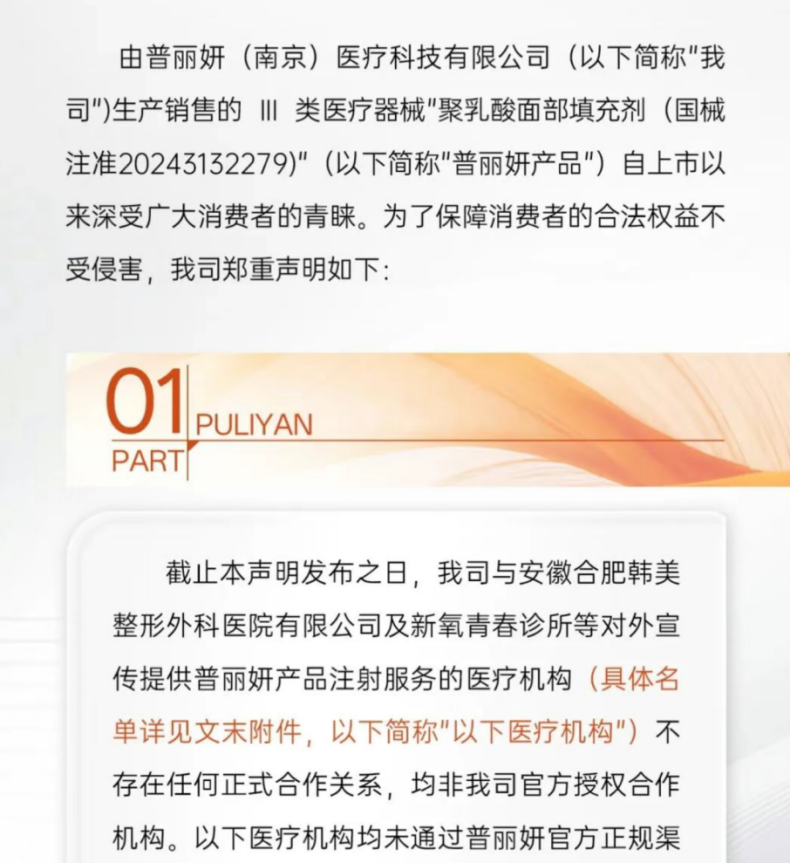
万元童颜针价格被打至4999元,医美巨头遭上游厂商拉黑
2 1 Shi Ji Jing Ji Bao Dao· 2025-11-28 06:31
Core Viewpoint - The ongoing conflict between upstream manufacturers and downstream medical beauty institutions highlights issues of product authorization and market competition in the rapidly expanding medical beauty industry in China [2][5][12]. Group 1: Conflict Overview - Puli Yan accused several medical institutions, including Anhui Hefei Hanmei Plastic Surgery Hospital and Xinyang Youth Clinic, of being "unauthorized cooperation institutions," warning of potential health risks for consumers due to unverified product sourcing [1][2]. - Xinyang responded by asserting that all Puli Yan products used are sourced from legally qualified suppliers and emphasized compliance with ISO 37301 management standards [1][2]. Group 2: Market Dynamics - The medical beauty market, particularly the "童颜针" (youthful needle) segment, has seen rapid growth, with market size increasing from over 1 billion yuan in 2021 to an estimated 30 billion yuan last year, projected to reach 100 billion yuan in five years [5][6]. - Xinyang's introduction of lower-priced products, such as the "奇迹童颜" series, has disrupted the pricing structure established by upstream manufacturers, leading to tensions and demands for product removal from the market [5][6]. Group 3: Compliance and Regulation - Concerns have been raised regarding Xinyang's compliance with regulations, as some manufacturers claim that Xinyang has used products without proper authorization, potentially jeopardizing consumer safety [8][9]. - Legal experts emphasize that medical institutions must procure products from authorized sources to ensure traceability and compliance with regulations, highlighting the risks associated with unauthorized procurement [9][12]. Group 4: Industry Challenges - The medical beauty industry faces significant challenges, including the prevalence of unauthorized sales and counterfeit products, which threaten consumer safety and complicate regulatory enforcement [12][13]. - The need for a collaborative approach among manufacturers, medical institutions, and regulatory bodies is critical to establish a sustainable and compliant industry ecosystem [14].
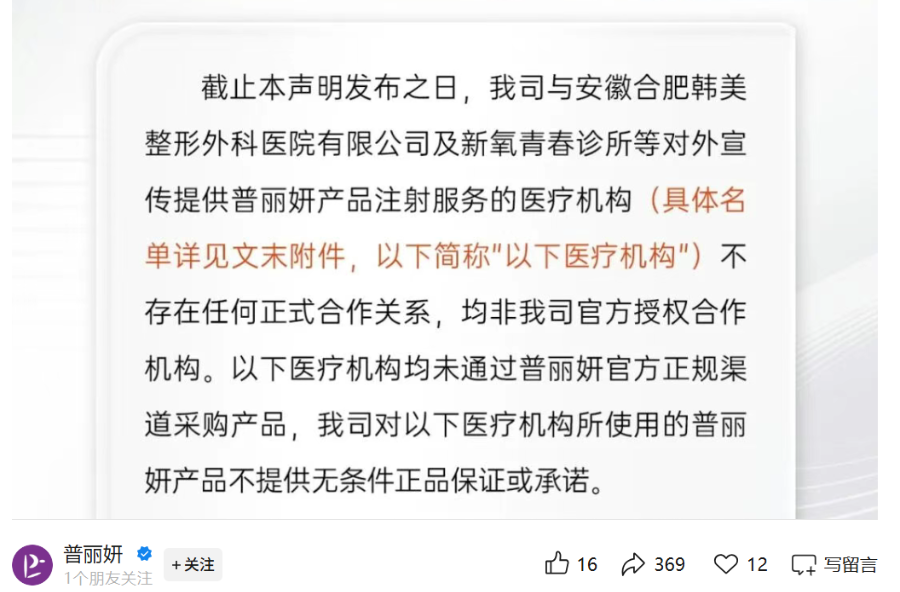
普丽妍“拉黑”新氧 新氧反告“造谣”:谁在破坏医美规则?
2 1 Shi Ji Jing Ji Bao Dao· 2025-11-28 06:22
Core Viewpoint - The medical beauty industry is experiencing a tug-of-war between upstream manufacturers and terminal institutions regarding product authorization and pricing, highlighting the need for regulatory compliance and market order [1][2]. Group 1: Industry Dynamics - The conflict centers around product authorization and compliance channels, reflecting a struggle for pricing power between upstream manufacturers and terminal medical beauty institutions [2]. - The medical beauty market in China is expanding, with unauthorized sales of related products becoming increasingly common, indicating a shift from "wild growth" to "regulated development" in the industry [2]. Group 2: Pricing Strategies - The market for "童颜针" (youthful beauty injections) has seen rapid growth, with its market size exceeding 30 billion yuan last year and projected to reach 100 billion yuan in five years [4]. - New Oxygen's introduction of low-priced "童颜针" projects has disrupted the pricing structure of upstream manufacturers, with prices significantly lower than official guidance [5]. - New Oxygen's pricing strategy aims to make medical beauty services more affordable, addressing the issue of consumers turning to unregulated "black medical beauty" services due to high prices [6]. Group 3: Compliance and Regulation - Concerns have been raised regarding New Oxygen's compliance, as it has been accused of using products without proper authorization, which could jeopardize consumer safety [7][8]. - Legal experts emphasize that medical institutions must procure medical devices from authorized sources to ensure traceability and compliance with regulations [8]. - The ongoing issues of counterfeit products and unauthorized sales highlight the urgent need for effective governance in the medical beauty industry [10][11]. Group 4: Consumer Protection - Consumers are advised to verify product authenticity through official channels and request proper documentation from medical institutions to safeguard their rights [12]. - The responsibility for ensuring compliance should not solely rest on consumers; a collaborative effort among manufacturers, institutions, and regulatory bodies is essential for sustainable development in the medical beauty sector [13].
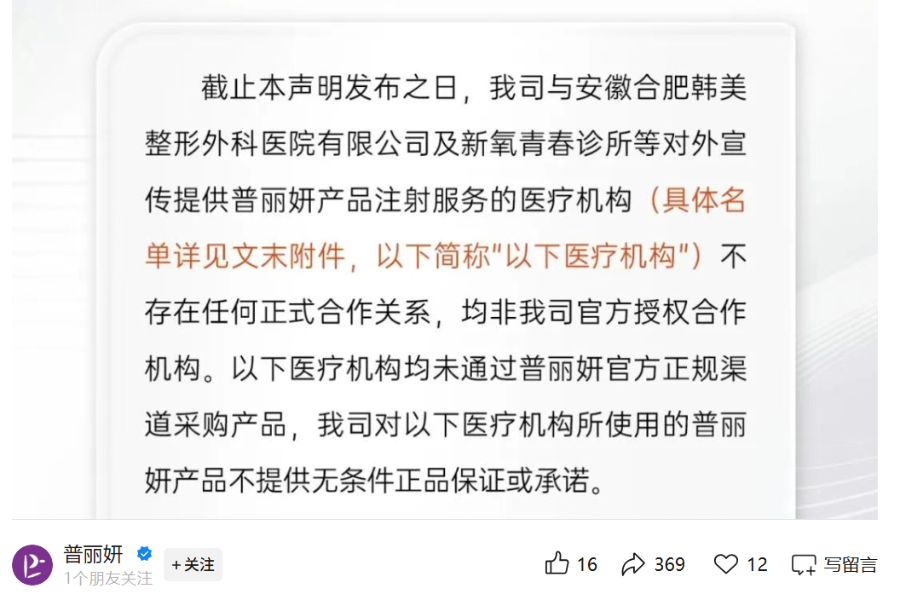
万元童颜针价格被打至4999元,医美巨头遭上游厂商拉黑
21世纪经济报道· 2025-11-28 06:18
Core Viewpoint - The ongoing conflict between upstream manufacturers and downstream medical beauty institutions highlights the challenges in product authorization and market pricing within the medical aesthetics industry, indicating a shift from "wild growth" to "regulated development" in China’s medical beauty market [4][5]. Group 1: Industry Dynamics - The medical beauty industry is experiencing a tug-of-war over product pricing and authorization, with companies like Purity and New Oxygen at the forefront of this conflict [4][5]. - New Oxygen's low pricing strategies for products like "Miracle Youth 3.0" have disrupted traditional pricing structures, leading to tensions with upstream manufacturers [8][9]. - The market for youth-enhancing products, such as the "童颜针" (youth needle), has seen rapid growth, with estimates suggesting it will reach a scale of 100 billion in five years, up from over 30 billion last year [7]. Group 2: Compliance and Regulation - There are significant compliance concerns regarding the sourcing of medical products, with allegations that New Oxygen has used products without proper authorization, raising questions about product safety and traceability [11][12]. - Legal experts emphasize the importance of purchasing medical devices from authorized sources to ensure compliance with regulations, highlighting the potential penalties for non-compliance [12]. - The medical beauty industry faces challenges with counterfeit products and unauthorized sales, necessitating stronger regulatory measures and consumer awareness [15][16]. Group 3: Consumer Safety and Market Integrity - The prevalence of unauthorized medical beauty institutions and counterfeit products poses a significant risk to consumer safety, with only 35% of products in circulation being genuine [9][15]. - Industry leaders argue that lowering prices for legitimate medical beauty services is essential to combat the prevalence of "black medical beauty" practices, which thrive on high prices in the legitimate market [9][10]. - There is a call for a collaborative approach among manufacturers, medical institutions, and regulatory bodies to ensure consumer rights and product quality are prioritized in the evolving medical beauty landscape [17].