
YUM CHINA(YUMC)

Search documents
商贸零售行业周报:商社板块2025年四季度前瞻-20260201
GOLDEN SUN SECURITIES· 2026-02-01 10:40
Investment Rating - The report maintains an "Accumulate" rating for the industry [5] Core Insights - The retail sector is expected to show varied performance in Q4 2025, with significant growth in certain segments like gold and jewelry, while others like supermarkets and department stores are projected to decline [1][2][4] - The report highlights the importance of the upcoming Spring Festival season, suggesting that sectors with performance elasticity, such as duty-free shops and certain tourist attractions, should be closely monitored [9] - The report emphasizes the potential of AI applications in enhancing e-commerce marketing, indicating a shift towards new retail strategies [9] Summary by Relevant Sections Retail Sector Outlook - Gold and Jewelry: - Lao Feng Xiang: Expected net profit growth of -15% to 5% in Q4 2025 - Zhou Da Sheng: Expected net profit growth of 15% to 30% in Q4 2025 - Chao Hong Ji: Forecasted net profit of 1.2 to 2.2 billion, with a year-on-year increase of 125% to 175% - Cai Bai Co.: Expected net profit growth of 150% to 254% in Q4 2025 - Yu Garden Co.: Forecasted loss of 4.312 billion in Q4 2025, compared to a loss of 1.03 billion in the same period last year [1] - Trendy Toys: - Miniso: Expected revenue growth of 25% to 30% in Q4 2025, with adjusted net profit growth of 10% to 20% [1] Supermarkets and Department Stores - Chongqing Department Store: Expected net profit of 1.021 billion, a decline of 22.4% year-on-year, with a projected drop of 92.5% in Q4 2025 - Wangfujing: Expected net profit loss of 0.45 to 0.23 billion, with a growth rate of -6.6% to 7.3% in Q4 2025 - Yonghui Supermarket: Expected loss of 2.14 billion, with a net profit growth rate of -3.1% in Q4 2025 - Home Home Joy: Expected net profit of 198 to 228 million, with a growth rate of 50.1% to 72.8% in Q4 2025 [2] Cross-Border and E-commerce - Small Commodity City: Expected net profit growth of 5% to 15% in Q4 2025 - Anker Innovation: Expected net profit growth of 10% to 20% in Q4 2025 - Su Mei Da: Expected net profit of 1.355 billion, with a growth rate of 70.8% in Q4 2025 [3] Social Services Sector Outlook - Duty-Free: China Duty-Free Group: Expected net profit growth of 29% to 173% in Q4 2025 - Tourism: - Songcheng Performance: Expected net profit growth of -204% to 294% in Q4 2025 - Jiuhua Tourism: Expected net profit growth of 0% to 15% in Q4 2025 [4] Investment Recommendations - The report recommends focusing on sectors with performance elasticity during the Spring Festival, including duty-free, certain tourist attractions, and gold and jewelry [9] - For 2026, the report suggests looking at service consumption and product consumption, particularly in duty-free and travel chains, as well as undervalued segments with improving fundamentals [9]




百胜中国(09987) - 翌日披露报表
2026-02-01 10:39
FF305 | 第一章節 | | | | | | | | | | | --- | --- | --- | --- | --- | --- | --- | --- | --- | --- | | 1. 股份分類 | | 普通股 | 股份類別 | 不適用 | | 於香港聯交所上市 | 是 | | | | 證券代號 (如上市) | | 09987 | 說明 | | | | | | | | A. 已發行股份或庫存股份變動 | | | | | | | | | | | | | | 已發行股份(不包括庫存股份)變動 | | | 庫存股份變動 | 每股發行/出售價 (註4) | | 已發行股份總數 | | | 事件 | | 已發行股份(不包括庫存股份)數 目 | | 佔有關事件前的現有已發 行股份(不包括庫存股 份)數目百分比 (註3) | 庫存股份數目 | | | | | 於下列日期開始時的結存(註1) | | 2026年1月29日 | | 354,500,554 | | 0 | | | 354,500,554 | | 1). 購回股份 (股份購回並註銷) | | | | -59,306 | 0.02 % | USD | ...
商贸零售行业周报:商社板块2025年四季度前瞻
国盛证券有限责任公司· 2026-02-01 10:24
Investment Rating - The report maintains an "Accumulate" rating for the industry [5] Core Views - The report emphasizes the importance of focusing on sub-sectors with performance elasticity during the upcoming Spring Festival peak season, including duty-free, certain scenic spots, supermarkets, and gold jewelry [9] - It suggests that the recent fundamentals of duty-free and travel chains have improved, warranting ongoing observation and validation [9] - For 2026, the report recommends focusing on service consumption and product consumption, particularly in the duty-free and travel chain sectors, as well as the gold jewelry sector and Miniso, which have high valuation attractiveness [9] Summary by Relevant Sections Retail Sector Outlook for Q4 2025 - Gold Jewelry: - Lao Feng Xiang: Expected net profit growth of -15% to 5% - Zhou Da Sheng: Expected net profit growth of 15% to 30% - Chao Hong Ji: Forecasted net profit of 436 million to 533 million, a year-on-year increase of 125% to 175% - Cai Bai Co.: Expected net profit of 1.06 billion to 1.23 billion, corresponding to a growth of 150% to 254% - Yu Garden Co.: Forecasted loss of 4.312 billion, primarily due to asset impairment provisions [1] - Trendy Toys: - Miniso: Expected revenue growth of 25% to 30%, with adjusted operating profit and net profit growth of 10% to 20% [1] Supermarket and Department Store Outlook for Q4 2025 - Chongqing Department Store: Expected net profit of 1.021 billion, a year-on-year decrease of 22.4% - Wangfujing: Expected net profit of -45 million to -23 million, with a growth rate of -6.6% to 7.3% - Yonghui Supermarket: Expected loss of 2.14 billion, with a growth rate of -3.1% - Jiajiayue: Expected net profit of 198 million to 228 million, growth of 50.1% to 72.8% - Hongqi Chain: Expected net profit growth of -10% to 0% [2] Cross-Border and E-commerce Outlook for Q4 2025 - Small Commodity City: Expected net profit growth of 5% to 15% - Anker Innovation: Expected net profit growth of 10% to 20% - Saiwei Times: Expected net profit of 90 million to 130 million - Huakai Yibai: Expected net profit of 80 million to 110 million, driven by improved operational efficiency [3] Social Services Sector Outlook for Q4 2025 - Duty-Free: China Duty-Free Group: Expected net profit growth of 29% to 173% - Tourism: - Songcheng Performance: Expected net profit growth of -204% to 294% - Tianmu Lake: Expected net profit growth of -10% to 5% [4] Investment Recommendations - The report recommends focusing on companies such as Small Commodity City, China Duty-Free, Huazhu Group, Shoulu Hotel, Jinjiang Hotel, Chao Hong Ji, Jiuhua Tourism, Ruoyu Chen, Qingmu Technology, and Miniso, while also keeping an eye on other companies with potential [10]
库迪将取消全场9.9元,肯德基、麦当劳、瑞幸、奈雪的茶集体涨价
21世纪经济报道· 2026-01-31 03:56
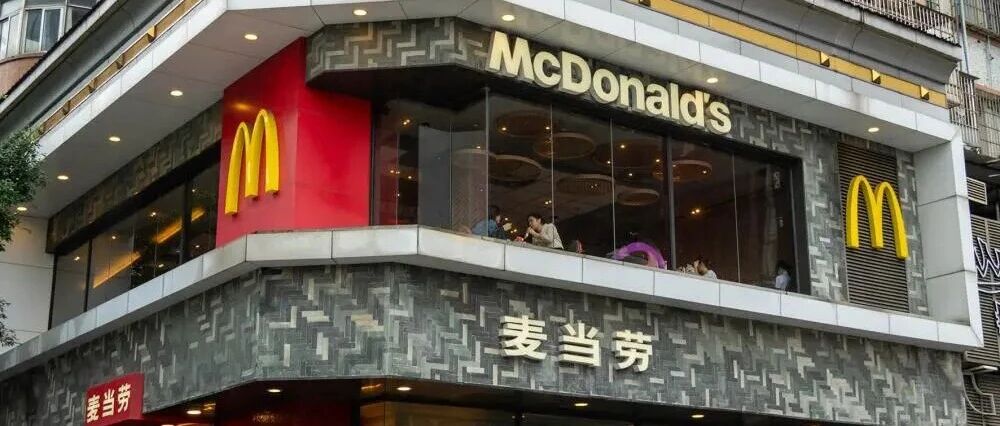
Core Viewpoint - The article discusses the recent price adjustments made by major fast-food and beverage brands in response to rising operational costs and competitive pressures in the delivery market, indicating a shift in pricing strategies across the industry [1][5][14]. Price Adjustments - KFC has raised the prices of its delivery products by an average of 0.8 yuan while keeping dine-in prices unchanged, citing the need to respond to operational cost changes [5][9]. - McDonald's has also increased the prices of some menu items by 0.5 to 1 yuan, with delivery prices adjusted accordingly [9]. - Other brands like Salvia and Luckin Coffee have followed suit, with price increases ranging from 1 to 2 yuan for certain items, often through indirect methods such as eliminating discounts [5][9]. Market Dynamics - The article highlights the impact of the intense competition in the delivery market, which has led to a "price war" that is reshaping the competitive landscape, with new entrants continuously driving prices lower [5][13]. - The rising costs of raw materials, as indicated by a 4.4% increase in fresh fruit prices, are also contributing to the need for price adjustments among these brands [10][11]. Consumer Behavior - The shift in pricing strategies may alter consumer perceptions, as many have become accustomed to lower prices due to previous promotional activities, potentially leading to resistance against higher prices [13][14]. - The reliance on delivery services has increased significantly, with KFC's delivery sales growing by 33% year-on-year, accounting for 51% of its restaurant revenue [9]. Strategic Adjustments - Many smaller brands are adopting more discreet pricing strategies to avoid direct price hikes, focusing on high-margin meal bundles to improve delivery profitability [13][14]. - The article suggests that the adjustments in pricing are part of a broader strategy to regain pricing power and reduce dependency on delivery channels, which have been detrimental to profit margins [14].




库迪将取消全场9.9元,肯德基、麦当劳、瑞幸、奈雪的茶、蜜雪冰城集体涨价
2 1 Shi Ji Jing Ji Bao Dao· 2026-01-31 02:36
Core Viewpoint - The recent price adjustments by major fast-food chains like KFC and McDonald's, along with various coffee and tea brands, reflect a response to rising operational costs and the competitive pressures of the takeaway market [1][2][3] Price Adjustments - KFC China announced a slight price increase of 0.8 yuan for its delivery products while keeping dine-in prices unchanged, citing operational cost changes as the reason [1][3] - Other brands, including McDonald's and various tea brands, have also raised prices by 1-2 yuan, often through indirect methods like eliminating discounts [1][3][4] Market Dynamics - The competitive landscape has shifted due to an intense price war in the takeaway sector, leading to a "mixed battle" environment where prices continue to drop, potentially harming overall industry profitability [2][7] - KFC's delivery sales grew by 33% year-on-year, accounting for 51% of its restaurant revenue, indicating a significant reliance on the delivery segment [3] Cost Pressures - Rising raw material costs are a contributing factor to the price increases, with the Consumer Price Index (CPI) rising by 0.8% in December 2025, and fresh fruit prices increasing by 4.4% [4][6] - The price of lemons, a key ingredient for many beverages, rose by 28.3% from April to June 2025, coinciding with increased demand from takeaway services [6] Strategic Adjustments - Smaller brands are adopting more discreet pricing strategies to cope with the competitive pressures, often increasing the prices of high-margin combo meals to improve profitability [7][8] - The industry is witnessing a shift towards reducing reliance on takeaway channels, with brands adjusting their pricing structures and enhancing dine-in experiences to balance profitability [8]
麦当劳肯德基相继调价 背后是外卖成本压力?
2 1 Shi Ji Jing Ji Bao Dao· 2026-01-31 01:11
Core Insights - The article discusses the recent price adjustments made by major fast-food chains like KFC and McDonald's, as well as various coffee and tea brands, primarily targeting delivery services to cope with rising operational costs [1][2]. Price Adjustments - KFC China announced a price increase of 0.8 yuan on delivery products while keeping dine-in prices unchanged, citing operational cost changes as the reason [1][2]. - McDonald's also raised prices on certain menu items by 0.5 to 1 yuan, with delivery prices adjusted accordingly [2]. - Other brands like Salvia, Nayuki, and Luckin Coffee have also increased their prices, typically by 1 to 2 yuan, to balance costs and profits [1][2]. Market Dynamics - The competitive landscape has shifted due to an intense delivery price war, which has altered the profit margins for many restaurants [1][4]. - The increase in raw material costs, as indicated by a 0.8% rise in the Consumer Price Index (CPI) and a 4.4% increase in fresh fruit prices, is contributing to the need for price adjustments [3][4]. Impact on Smaller Brands - Smaller businesses are adopting more discreet and flexible pricing strategies compared to larger chains, which can afford to raise prices openly [5][6]. - Many small brands are experiencing significant profit reductions, with some reporting a 60% decrease in net profits due to low-price subsidies [6]. Long-term Implications - The ongoing price adjustments reflect a broader trend of brands reassessing their reliance on delivery channels and seeking to improve in-store experiences [7]. - The adjustments may help the industry move away from a low-price competition model, fostering a healthier market environment as subsidy pressures ease [7].
Yum China Holdings Board Is Considering a Potential Quarterly Dividend, Here is What to Know?
Yahoo Finance· 2026-01-30 18:04
Core Insights - Yum China Holdings, Inc. (NYSE:YUMC) is recognized as one of the Top 15 Chinese Companies on US Exchanges, with shares increasing by over 9.50% over the past year [1] - Over 90% of analysts covering YUMC rate the stock as a Buy, with a median price target suggesting a potential upside of approximately 13.73% [1] - The board of directors is considering a potential quarterly dividend, with a resolution expected around February 4, 2026, indicating a shift towards more regular shareholder returns [2] Company Overview - Yum China Holdings operates and franchises well-known food chains in China, including KFC, Pizza Hut, Taco Bell, and Little Sheep [4] - The company is actively involved in discussions regarding its board composition, with board member Robert B. Aiken opting not to seek re-election at the 2026 Annual Meeting [3]
百胜中国1月29日斥资772.65万港元回购1.96万股
Zhi Tong Cai Jing· 2026-01-30 12:04
Core Viewpoint - Yum China (09987) announced a share buyback plan involving the repurchase of shares at a total cost of approximately HKD 7.7265 million and USD 3 million, indicating a strategic move to enhance shareholder value through capital return initiatives [1] Group 1 - The company will repurchase 19,600 shares for HKD 7.7265 million [1] - Additionally, the company will buy back 59,300 shares for approximately USD 3 million [1] - The company plans to cancel 59,700 shares that have been repurchased and also 22,800 shares issued under the long-term incentive plan [1]
百胜中国(09987)1月29日斥资772.65万港元回购1.96万股
智通财经网· 2026-01-30 09:29
Group 1 - The core announcement indicates that Yum China (09987) plans to repurchase shares, spending HKD 7.7265 million to buy back 19,600 shares [1] - The company will also invest approximately USD 3 million to repurchase 59,300 shares [1] - Additionally, Yum China will cancel 59,700 shares that have been repurchased and issue 22,800 shares under its long-term incentive plan [1]
百胜中国(09987.HK)1月29日耗资772.65万港元回购1.96万股
Ge Long Hui· 2026-01-30 09:24
Group 1 - The core point of the article is that Yum China (09987.HK) announced a share buyback on January 29, 2026, spending HKD 7.7265 million to repurchase 19,600 shares at a price range of HKD 387 to 399 per share [1] Group 2 - The total expenditure for the buyback was HKD 7.7265 million [1] - The number of shares repurchased was 19,600 [1] - The price range for the repurchase was between HKD 387 and 399 per share [1]