
英飞凌

Search documents
“全球芯片晴雨表”德州仪器(TXN.US)业绩来袭 AI掀起的“芯片需求狂潮”蔓延至模拟芯片?
Zhi Tong Cai Jing· 2026-01-26 07:30
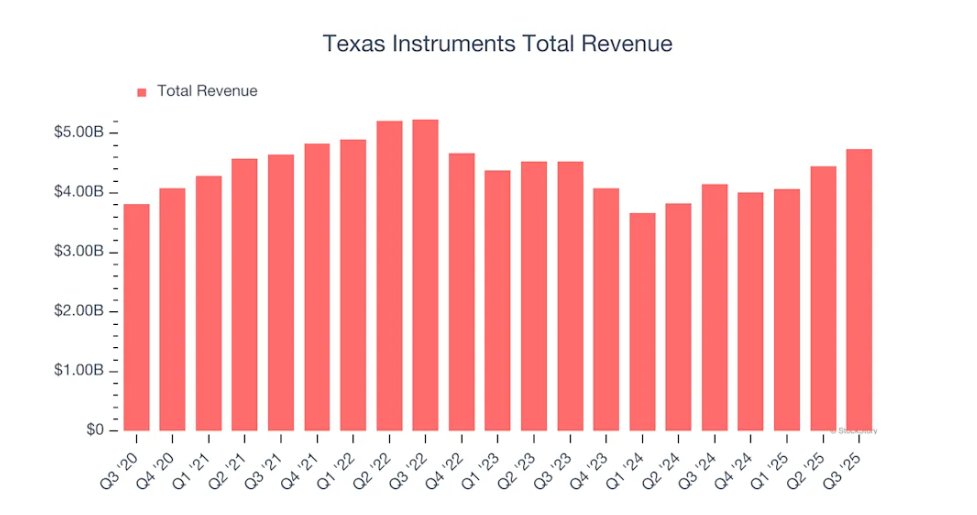
Core Viewpoint - Texas Instruments (TXN.US), known as a "barometer of global chip demand," is set to release its latest quarterly earnings, with analysts focusing on whether the unprecedented AI wave will drive chip demand from AI chips and storage chips to analog chips, potentially leading to a strong recovery for Texas Instruments and its peers [1][6]. Group 1: Earnings Performance - Texas Instruments reported third-quarter revenue of approximately $4.74 billion, exceeding analyst expectations by about 1.9% and showing a year-over-year increase of 14.2% [1]. - The adjusted operating profit for the third quarter significantly surpassed analyst consensus, but the revenue outlook for the next quarter was notably below expectations [1]. - Analysts expect fourth-quarter revenue to grow by 11.3% year-over-year to $4.46 billion, contrasting with a 1.7% decline in the same period last year [1][2]. Group 2: Analyst Sentiment - Over the past 30 days, analysts covering Texas Instruments have slightly upgraded their forecasts, indicating expectations for core business performance and potential revenue growth driven by AI data center developments [5]. - The semiconductor sector has seen a positive investor sentiment, with an average stock price increase of 14.3% over the past month, while Texas Instruments' stock rose by 9.9% during the same period [5]. Group 3: AI and Market Trends - The ongoing construction of AI data centers is expected to drive demand for analog chips, with analysts predicting a "super bull market" for these chips as the AI infrastructure investment wave continues [6][8]. - Texas Instruments has positioned its power management systems as critical components for AI data centers, with expectations of over 50% growth in AI data center-related business by 2025, amounting to approximately $1.2 billion [7]. - The global AI infrastructure investment wave is projected to reach $3 trillion to $4 trillion by 2030, indicating a significant opportunity for Texas Instruments as AI data center expansions accelerate [8]. Group 4: Product and Market Position - Texas Instruments is a leading seller of analog chips and a key player in the MCU market, with a market share of approximately 19%-20% in analog chips and ranking among the top five in the MCU sector [10][11]. - The company's extensive product lineup includes over 80,000 analog, power, signal chain, and MCU products, serving more than 100,000 customers across various end markets [11]. - The performance of Texas Instruments is often seen as a leading indicator of demand trends in the broader semiconductor market, reflecting changes in inventory cycles and overall industrial demand [11].


财报前瞻 | “全球芯片晴雨表”德州仪器(TXN.US)业绩来袭 AI掀起的“芯片需求狂潮”蔓延至模拟芯片?
智通财经网· 2026-01-26 07:20
智通财经APP获悉,聚焦于模拟芯片与嵌入式处理解决方案的芯片巨头——长期以来有着"全球芯片需求晴雨表"称号的德州仪器(TXN.US) 将于美东时间周二美股收盘之后公布最新季度业绩。当前华尔街分析师们对于德州仪器业绩报告与未来业绩展望的聚焦点在于,史无前例 AI浪潮之下AI训练/推理带来的堪称"无止境"芯片需求会否从AI芯片与存储芯片顺利传递至模拟芯片端,进而带动德州仪器、微芯科技以及 亚德诺、恩智浦等模拟芯片领军者们业绩实现强劲复苏轨迹。 德州仪器上季度营收(即第三季度营收)超出分析师一致预期约1.9%,实现整体营收约47.4亿美元,同比增14.2%。第三季度该芯片巨头的业 绩表现可谓喜忧参半,第三季度的整体营收调整后营业利润显著超出分析师一致预期,但对下一季度的营收展望却显著低于分析师预期。 关于第四季度,华尔街分析师们预计德州仪器营收同比增长11.3%至44.6亿美元,这与上年同期1.7%的同比下滑形成鲜明反转,持续实现同 比扩张可能意味着市场期待已久的模拟芯片需求复苏之势正在上演。华尔街分析师们一致预计调整后每股收益约为1.29美元,相比之下上 年同期为1.30美元,基本持平态势。 在德州仪器管理层给出 ...
【买卖芯片找老王】260126 美光/SK海力士/三星/Vishay/TDK/英飞凌/Skyworks
芯世相· 2026-01-26 04:32
Core Insights - The article discusses the challenges faced by companies in managing excess inventory, particularly in the semiconductor industry, highlighting the financial burden of storage and capital costs associated with unsold materials [1] - It emphasizes the services provided by a company called "Chip Superman," which has successfully served 22,000 users and offers rapid inventory clearance solutions [2][11] - The article lists various semiconductor components available for sale at discounted prices, indicating a significant inventory of over 50 million chips valued at over 100 million [10] Group 1: Inventory Management - Companies are incurring monthly storage and capital costs of at least 5,000, leading to potential losses of 30,000 after six months if inventory remains unsold [1] - The article suggests that companies struggling to promote their materials can seek assistance from Chip Superman [1] Group 2: Services Offered - Chip Superman has a smart warehouse spanning 1,600 square meters, with over 1,000 models and 100 brands in stock, totaling 50 million chips [10] - The company claims to complete transactions in as little as half a day, providing a quick solution for businesses looking to clear their inventory [11] Group 3: Product Listings - A detailed list of available semiconductor components is provided, including brands like Micron, SK Hynix, and Samsung, with quantities ranging from 1,360 to 44,000 units for various models [5][6][7] - The article also includes a request for specific components, indicating ongoing demand in the market [8]




新股前瞻|估值两年半翻6.4倍后,威兆半导体还给二级市场留了多少空间?
智通财经网· 2026-01-22 03:43
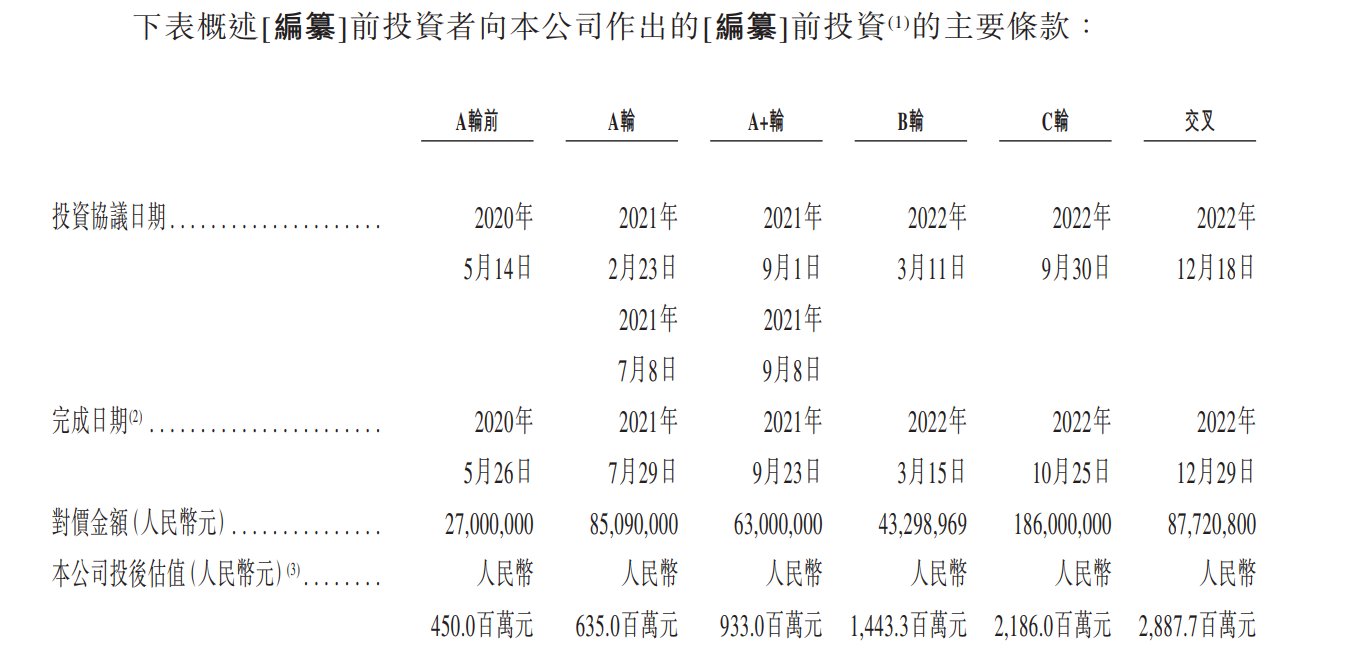
作为半导体产业的重要分支,功率半导体器件自2018年以来亦全面进入了国产替代阶段,特别是在政府产业政策支持下,新能源汽车市场的爆发催生了对电 控系统的旺盛需求,这推动了本土功率半导体器件厂商加速切入新能源产业链。 与此同时,以碳化硅(SiC)、氮化镓(GaN)为代表的第三代半导体技术的快速兴起,推动中国功率半导体产业向更高效能的应用领域迈进。且随着多家本土功 率半导体器件企业成功上市,行业加速向高端产品转型升级,实现了从二极管、晶闸管等传统产品向高附加值领域的跨越发展。 而在这股功率器件企业上市的热潮中,便包括了致力于成为全球领导者的深圳市威兆半导体股份有限公司(以下简称"威兆半导体")。智通财经APP获悉,自 2020年从新三板摘牌后,经过近五年的准备与沉淀,威兆半导体已于1月12日向港交所主板递交上市申请,广发证券为其保荐人,正式开启了赴港上市新征 程。 两年半6次融资,知名产业资本及国资站台 发展历史可追溯至2012年12月4日的威兆半导体已在功率器件领域深耕超十年之久,而在2020年4月17日从新三板摘牌后,威兆半导体便为寻求重新上市而加 速了资本化进程,这也让公司的估值迅速膨胀。 Fab-lite经 ...
数据中心产业链调研-功率器件
2026-01-22 02:43
数据中心产业链调研-功率器件 20260121 摘要 电动车市场功率器件面临供过于求和价格战,车企持续亏损加剧竞争, 影响上游功率器件需求和价格。 光伏领域功率器件国产化率提升,但原材料成本上涨和封测产能紧张导 致毛利难以改善,市场需求平淡。 IDM 企业如士兰微、华润微和杨杰,因能自我消化成本压力,表现优于 Fabless 企业,抗风险能力更强。 IGBT 和 MOSFET 价格短期内未明显上涨,但部分企业面临财务压力或 尝试提价,能否成功取决于上下游博弈。 英飞凌在工业领域压低 IGBT 价格,与国产品牌竞争激烈,通过调整毛 利率应对市场变化,部分产品宣布涨价。 AI 技术推动数据中心对功率半导体需求增长,预计 2026 年市场规模达 60 亿美元,英飞凌等受益,但国产替代率仍较低。 碳化硅在 3 千瓦以上功率应用中占据主导地位,英飞凌凭借能效优势在 碳化硅领域领先,并受益于 AI 服务器需求增长。 Q&A 当前功率器件市场的整体需求和价格情况如何? 目前功率器件市场的整体需求较为一般。去年(2025 年)由于澳洲工党上台 推出了大量补贴政策,带动了一波需求,但现在情况有所变化。汽车市场方面, 今年(20 ...
趋势研判!2026年中国碳化硅功率器件行业产业链、市场规模、市场渗透率、竞争格局及发展趋势:市场规模将达38.8亿元,市场渗透率有望扩大至9.51%[图]
Chan Ye Xin Xi Wang· 2026-01-22 01:21
Core Viewpoint - The silicon carbide (SiC) power device market is experiencing significant growth due to its superior characteristics such as lower conduction resistance, higher operating temperatures, and higher voltage capabilities, leading to increased applications in high-voltage and high-power sectors [1][7]. Market Overview - The global power semiconductor device market is projected to grow to 37.45 billion yuan by 2025, with the SiC power device market expected to reach 2.83 billion yuan, resulting in a market penetration rate of 7.56%. By 2026, the global power semiconductor market is anticipated to reach 40.78 billion yuan, with the SiC market growing to 3.88 billion yuan and a penetration rate of 9.51% [1][5][7]. Industry Definition and Classification - SiC power devices include SiC diodes, SiC switches, and SiC power modules, with various subcategories such as SBD diodes, PiN diodes, and SiC MOSFETs. SiC materials exhibit high thermal conductivity and can operate at high temperatures, making them suitable for extreme conditions [2][4]. Current Industry Status - The power device market is benefiting from the resurgence in consumer electronics demand and the growth of emerging applications such as automotive electronics, IoT, and AI. The SiC power device market has seen substantial growth, with a rise from 450 million yuan in 2020 to 2.83 billion yuan in 2025, and a penetration increase from 1.42% to 7.56% during the same period [4][7]. Industry Chain - The SiC power device industry chain consists of upstream materials like SiC epitaxial wafers and substrates, midstream production involving IDM and wafer foundries, and downstream applications in sectors such as photovoltaic power generation, electric vehicles, and smart grids [7][8]. Competitive Landscape - The global SiC power device market is characterized by a dual oligopoly of international giants and domestic leaders. Key international players include Rohm, Fuji Electric, and Infineon, while domestic companies like BASiC Semiconductor and Stada Semiconductor are gaining market share through vertical integration [8][9]. Future Outlook - The SiC power device sector is expected to continue evolving to meet increasing demands for cost efficiency and quality, with applications expanding in electric vehicles and renewable energy. The industry is focused on enhancing energy conversion efficiency and reliability while reducing costs [10].


欧冶半导体:工布565攻坚域控制器芯片,填补智能汽车第三代E/E架构国产空白
Jing Ji Guan Cha Wang· 2026-01-21 08:57
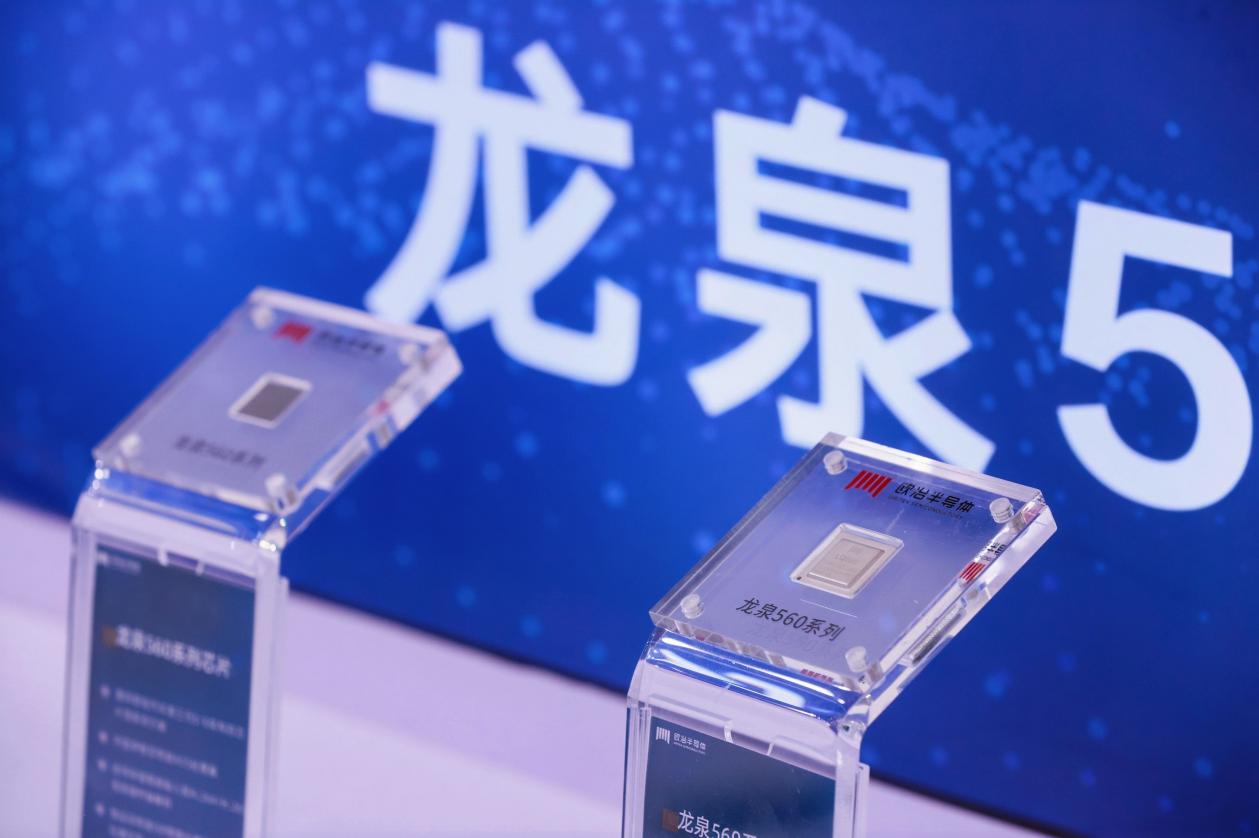
目前,第三代E/E架构已逐步成为智能汽车主流架构,同时第三代E/E架构也类似ICT技术的三层架构:最上层是中央处理器,功能定位主要与智能驾驶相 关,兼顾座舱功能;中间层是区域控制器(ZCU),底层是终端控制器。作为承上启下的关键部件,区域控制器(ZCU)在第三代E/E架构中起着举足轻重的作 用,不仅能大幅减少整车线束,缩短研发周期与物料成本、装配成本,还可实现硬件平台化,优化能源及能耗管理,并提升车辆可靠性与功能安全。 欧冶半导体是国内首家聚焦智能汽车第三代E/E架构(中央+区域架构)的系统级芯片及解决方案供应商,股东阵容涵盖国有资本、产业资本、头部创投,以及 上汽集团(600104)、星宇股份(601799)、虹软科技、均胜电子(600699)、保隆科技(603197)、瑞声科技、润欣科技(300493)、舜宇光学等多家汽 车产业链龙头企业。 目前,公司以深圳为总部,在上海、珠海、苏州、西安多地设立有研发中心,已获得知识产权70余项,并先后通过ISO9001质量体系认证、AEC-Q100车规 认证、ISO26262功能安全开发流程及产品认证、ASPICE L2认证。 作为平台级芯片解决方案商,欧冶半导体以汽 ...
越南半导体,悄然崛起
半导体行业观察· 2026-01-21 01:23
Core Viewpoint - Vietnam is making a significant move in the semiconductor industry with the groundbreaking of its first semiconductor chip manufacturing plant, led by Viettel, signaling its commitment to becoming a key player in the global semiconductor landscape [1][18]. Group 1: Vietnam's Semiconductor Strategy - The Vietnamese government aims to establish 100 design companies, one wafer manufacturing plant, and about 10 packaging and testing factories by 2030, targeting an industry revenue of $25 billion and increasing local value addition to 10-15% [1][4]. - The semiconductor strategy is part of a broader national development plan, with a phased approach to attract foreign direct investment and build a self-sufficient ecosystem [4][6]. Group 2: Market Dynamics and Opportunities - Vietnam is positioned as a low-cost, low-friction location for multinational companies to diversify their supply chains amid global geopolitical tensions, with over 170 foreign investment projects in the semiconductor sector totaling nearly $11.6 billion [5]. - The semiconductor market in Vietnam is projected to grow from approximately $17 billion in 2023 to $31.28 billion by 2027, with a compound annual growth rate (CAGR) of about 11.6% [13]. Group 3: Local Industry Development - The semiconductor ecosystem in Vietnam is primarily driven by foreign companies, with local firms like FPT and Viettel emerging as key players in chip design and manufacturing [8][19]. - Viettel's wafer plant is expected to fill the gap in Vietnam's semiconductor production capabilities, allowing the country to handle five out of six major production stages [19]. Group 4: Challenges and Infrastructure - Vietnam faces challenges in building a robust local ecosystem, with a heavy reliance on foreign investment and a limited number of local suppliers and research institutions [22]. - There is a significant talent gap in the semiconductor sector, with current engineering personnel around 6,000, while future demand is estimated to exceed 20,000 [23]. - Infrastructure issues, particularly in power supply, pose risks for semiconductor manufacturing, necessitating improvements in energy security and reliability [24].
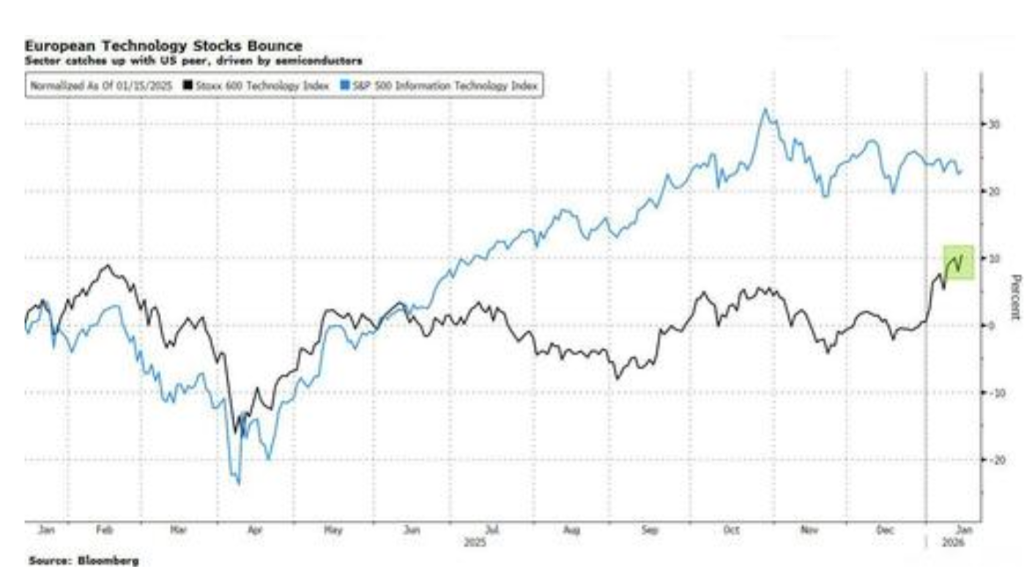
风水轮流转!欧洲科技股开年暴涨10%碾压美股,“芯片三巨头”贡献90%涨幅
Hua Er Jie Jian Wen· 2026-01-20 16:03
今年以来,欧洲科技股意外大幅跑赢美国同类板块。斯托克600科技指数单月上涨10%,成为该地区表现第二强的板块;而同期标普500信息技术 指数则几乎持平。 这一强劲表现主要受芯片设备板块推动,背后催化剂是台积电大幅提升资本支出展望。台积电预计2026年资本支出将增长约30%,并宣布未来三 年将"大幅"提高支出以加速在中国台湾和美国的产能扩张。这一超预期的资本开支计划直接利好其供应链合作伙伴。 以ASML、ASM International和BE Semiconductor(贝思半导体)为代表的欧洲"芯片三巨头",在斯托克600科技指数中的权重合计近40%,并 贡献了该板块今年以来约90%的涨幅。花旗分析师Andrew Gardiner指出,台积电的最新动态对欧洲芯片设备商构成"实质性利好"。摩根士丹利已 将ASML目标价上调至1400欧元,为华尔街机构中最高之一,理由是对其未来两至三个季度订单走强及2027年更稳健增长的预期。 此前,美光科技已在去年12月表示正"竭尽全力"提升短期产能,这已初步显示出产业需求向产能传导的信号。 传统芯片制造商迎来复苏 欧股科技股的反弹已不仅局限于设备制造商领域。近年来表现相对滞 ...


AIDC电源革命开启-2026从预期到现实
2026-01-20 01:50
Summary of Key Points from the Conference Call Industry Overview - The conference call focuses on the AIDC (Artificial Intelligence Data Center) power supply revolution, highlighting significant advancements in data center chip power consumption and cabinet power density, with expectations for substantial growth in power requirements by 2028 [1][7]. Core Insights and Arguments - **Power Consumption Trends**: Data center chip power consumption has increased dramatically, with NVIDIA's Ruby chip consuming between 1,800 to 3,600 watts, a tenfold increase from the Titan X's 250 watts a decade ago [5]. Similar trends are observed in Google's TPU chips and other major players like Microsoft and Meta [5]. - **Cabinet Power Density**: The power density of data center cabinets has significantly improved, with NVIDIA's cabinets reaching megawatt levels, up from approximately 10 kilowatts in 2020 [6]. Google is also expected to achieve similar advancements with its Super Pod, targeting 10 megawatts by 2025 [6]. - **Future Power Requirements**: By 2028, North America is projected to add around 70 gigawatts of power for AI data centers, with global additions expected to reach 100 gigawatts [7]. - **Power Supply Strategies**: Both NVIDIA and Google have outlined four-step strategies for data center power supply, focusing on transitioning from traditional UPS systems to high-efficiency solutions like medium-voltage rectifiers and solid-state transformers (SST) [8][9]. - **OCP Standards Evolution**: The OCP (Open Compute Project) has iterated its power supply standards, significantly increasing the power capacity of server PSUs and transitioning to external power shelves, enhancing overall efficiency [10]. Investment Opportunities - **AIDC Power Supply Iteration**: Investment opportunities are identified in four main areas: AIDC power supply hosts (PSUs, HVDC, SST), energy storage at the power station level, core components (solid-state circuit breakers, supercapacitors, DCDC converters), and third-generation semiconductors (SiC and GaN) [3]. - **Energy Storage Market**: The U.S. energy storage market for data centers is expected to exceed 100 GWh by 2028, driven by new regulations encouraging self-built generation facilities and energy storage systems [4][25]. - **Core Component Development**: The shift to new technologies is driving the development of core components, such as solid-state circuit breakers, which are expected to see increased adoption due to their rapid response characteristics [4][26]. Additional Important Insights - **Market Dynamics**: The AI chip capacitor market is dominated by Samsung and Murata, with significant demand for high-end capacitors driven by AI technology advancements [16]. The value of inductors in AI applications has also increased significantly, reflecting the rising power requirements [18]. - **Material Requirements**: AI chips have stringent material requirements, with high margins for suppliers who can meet performance specifications [19]. Companies like 博迁新材 (Bojian New Materials) are noted for their advanced capabilities in supplying nano-powders essential for AI applications [20]. - **Regulatory Impact**: New U.S. regulations are pushing data centers to adopt energy storage systems to enhance grid responsiveness, particularly in regions like Texas, where demand response capabilities are becoming critical [23][24]. - **Future Trends in Power Supply**: The PSU market is projected to reach a scale of billions in the next three years, driven by the expansion of IDC facilities and the adoption of HVDC technology [30][32]. - **Domestic Manufacturers' Advantages**: Domestic manufacturers in the power electronics sector are noted for their rapid technological advancements and broad application, positioning them favorably in the market [34]. This summary encapsulates the key points discussed in the conference call, providing insights into the evolving landscape of the AIDC power supply industry and potential investment opportunities.

