
华润啤酒

Search documents
酒业“老兵”渐离场
Sou Hu Cai Jing· 2025-07-10 08:56
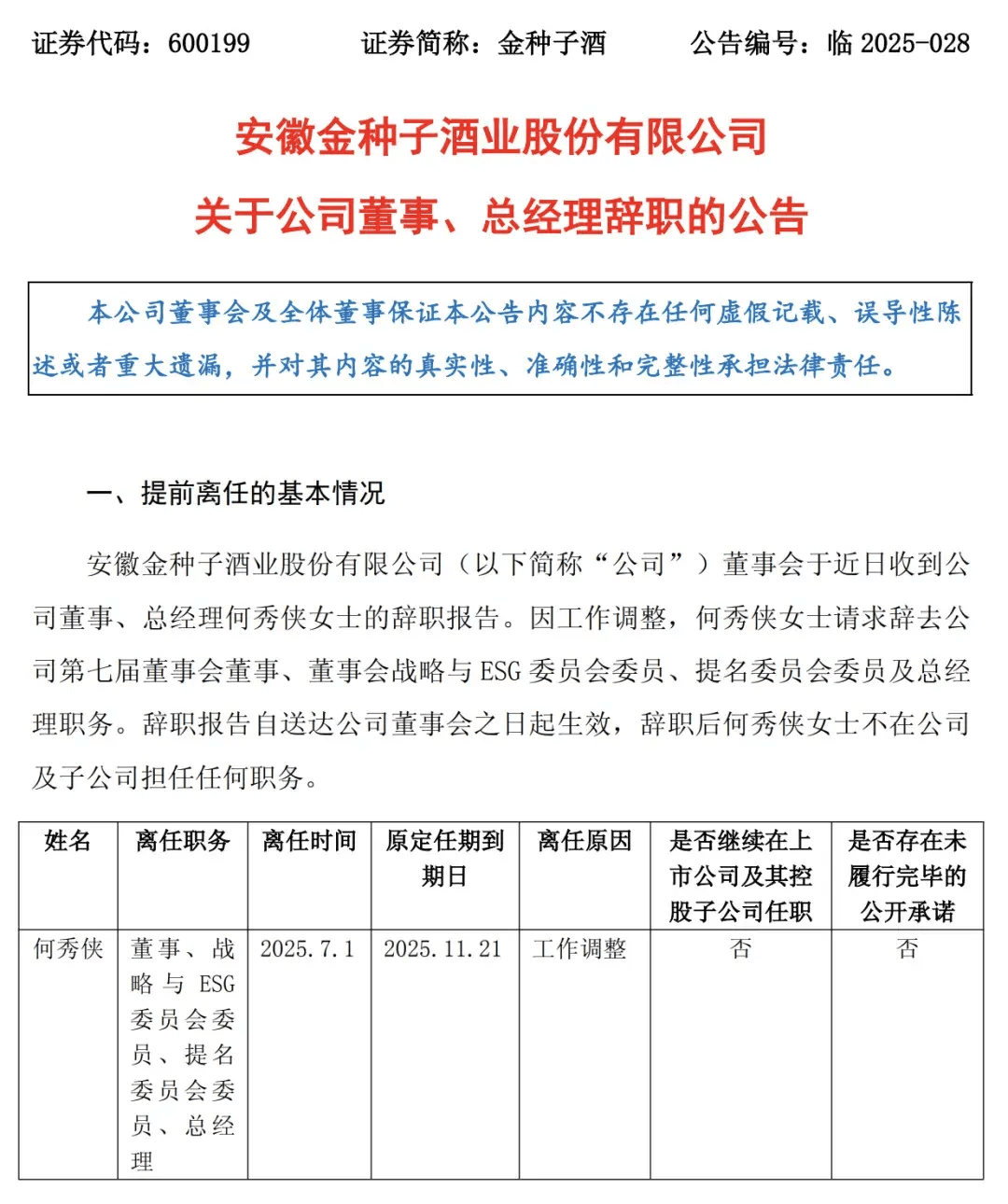
Core Viewpoint - The recent wave of executive changes in the liquor industry reflects a broader trend of management turnover amid deep adjustments within the sector, with over 10 major liquor companies experiencing core management changes in the past year [2][11]. Group 1: Executive Changes - He Xiuxia, the general manager of Jinzhongzi Liquor, resigned in early July, returning to China Resources Beer headquarters, following the departure of Hou Xiaohai from the chairman position at China Resources Beer [2][3]. - The resignation of He Xiuxia is indicative of a larger trend, as her tenure saw Jinzhongzi Liquor continue to struggle, with a reported revenue of 925 million yuan in 2024, a 37.04% decline year-on-year, and a loss of 258 million yuan, which is over ten times the loss from 2023 [2][11]. - The internal adjustments within China Resources have led to significant personnel changes across its liquor subsidiaries, with recent shifts at Shanxi Fenjiu and Jinsha Liquor, among others [7][10]. Group 2: Strategic Implications - The turnover of executives is not merely a personnel issue but is closely tied to strategic shifts within companies, as the liquor market faces structural changes and declining demand [11][14]. - Jinzhongzi Liquor's management attempted various reforms under He Xiuxia, including eliminating low-end products and focusing on mid-to-high-end offerings, but these efforts did not yield the desired results [11][13]. - The ongoing changes in leadership are seen as a response to performance pressures and the need for strategic realignment, with new leaders often bringing fresh perspectives and approaches to the market [14][17]. Group 3: Industry Trends - The liquor industry is experiencing a shift towards professional management, with an increasing number of experienced professionals and younger executives being appointed to leadership roles [15][17]. - The trend of internal promotions and the appointment of individuals with market experience is becoming more prevalent, as companies seek to enhance their operational effectiveness [16][17]. - The current environment necessitates a more scientific approach to management, as the industry grapples with challenges such as market contraction and changing consumer preferences [15][17].



珠江啤酒(002461):97纯生放量,看好原浆发展机遇
Xinda Securities· 2025-07-09 08:22
Investment Rating - The report assigns a "Buy" rating for Zhujiang Beer [7] Core Viewpoints - The report highlights the growth potential of Zhujiang Beer, particularly with the rapid expansion of its 97 Pure Draft product since its launch in 2019, which has seen a compound annual growth rate (CAGR) of 99% from 2.79 million tons in 2019 to 22.07 million tons in 2022 [7][17] - Despite concerns about the slowdown in the premium beer segment, regional beers, particularly in the 8-10 yuan price range, continue to show strong growth, with Zhujiang Beer positioned favorably in the Guangdong market [15][17] - The report anticipates that Zhujiang Beer will achieve earnings per share (EPS) of 0.45, 0.56, and 0.67 yuan for the years 2025, 2026, and 2027 respectively, with a projected EPS compound annual growth rate (CAGR) of 22% from 2025 to 2027 [7][8] Company Overview - Zhujiang Beer, established in 1985, is a major state-owned enterprise in the beer brewing and cultural industry, with a brand value of 18.8 billion yuan [19][22] - The company has a strong market presence in Guangdong, which is the second-largest beer-producing province in China, with a beer production of 4.54 million tons in 2023 [16][19] Industry Review - The report notes that regional beers have outperformed leading brands since 2021, with Zhujiang Beer, Yanjing Beer, and Chongqing Beer showing CAGRs of 4.8%, 4.3%, and 3.7% respectively, while leading brands like China Resources Beer and Tsingtao Brewery have seen CAGRs of only 0.4% and 0.5% [15][41] - The overall beer industry faced challenges in 2024, with a reported decline in production of 8.42% from March to December [41][47] Investment Highlights - Zhujiang Beer is expected to benefit from its strong positioning in the Guangdong market, where the economic environment and consumer demographics favor beer consumption [16][75] - The company is actively expanding its product line with the introduction of the 980ml Zhujiang Original Draft, which emphasizes cultural branding and competitive pricing [18][75]

「一城一酒」8元价格带搅动江湖,燕京啤酒半年净利破10亿元,巨头博弈开始走出盛夏
Hua Xia Shi Bao· 2025-07-09 07:53
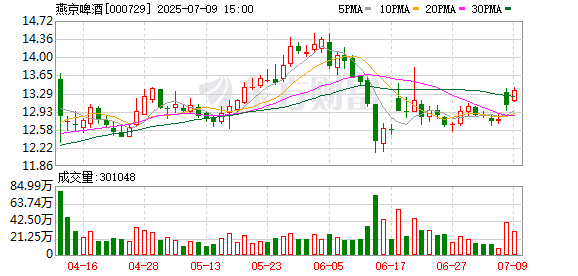
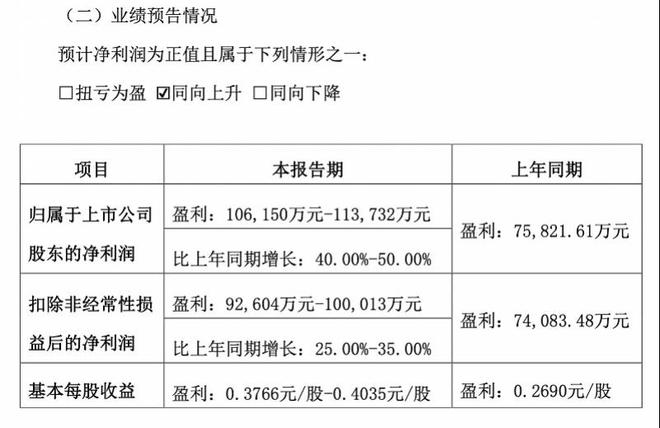
Core Viewpoint - Yanjing Beer has reported impressive half-year performance, with net profit expected to reach between 1.062 billion to 1.137 billion yuan, marking a year-on-year increase of 40%-50% [2][3] Financial Performance - In 2024, Yanjing Beer achieved revenue of 14.667 billion yuan, a year-on-year growth of 3.20%, and net profit of 1.056 billion yuan, up 63.74% [3] - The company has maintained a net profit growth rate exceeding 40% for three consecutive years, with previous years showing net profit increases of 54.51% in 2022 and 83.02% in 2023 [3] Strategic Transformation - Under the leadership of Chairman Geng Chao, Yanjing Beer initiated significant reforms to overcome stagnation, including management restructuring and focusing on core products [3][4] - The introduction of the Yanjing U8 product line has been pivotal, with sales reaching 696,000 kiloliters in 2024, a 31.40% increase year-on-year, contributing to 67% of beer business revenue [4][6] Market Positioning - Yanjing U8 is strategically priced between 8-10 yuan, effectively targeting the dining channel, which accounts for half of the beer market share [7] - The product's pricing strategy allows restaurants to achieve a profit margin of 4-5 yuan per bottle, aligning with consumer expectations for group dining [7] Industry Trends - The high-end beer market has faced challenges, with companies like Budweiser Asia experiencing significant declines in sales and revenue [6] - As the high-end growth stalls, the 8-10 yuan price range has emerged as a key growth area, with Yanjing Beer benefiting from structural market adjustments [6][8] Diversification Efforts - Yanjing Beer is exploring non-beer categories, including bottled water and beverages, to reduce reliance on a single product line [9][10] - The company launched the Best Soda in March, aiming to leverage synergies between beer and beverage production and distribution [9][10] Future Considerations - Analysts suggest that while diversification is beneficial, Yanjing Beer should maintain a focus on beer innovation to ensure sustainable growth [11]

啤酒下滑白酒不振 华润酒业双线承压
Bei Jing Shang Bao· 2025-07-08 16:29
Core Viewpoint - The recent personnel changes at Jinzhongzi Liquor Company reflect the challenges faced by the company and the broader Huaren Group's "beer + liquor" dual strategy amid a significant downturn in the liquor industry [1][2][3] Company Performance - Jinzhongzi Liquor's performance has been declining, with a reported revenue of 296 million yuan in Q1 2025, a year-on-year decrease of 29.41% [2] - The net profit attributable to shareholders showed a loss of 38.93 million yuan, marking a staggering year-on-year decline of 320.62% [2][3] - Since Huaren Group took over, Jinzhongzi has recorded losses of 187 million yuan in 2022, 22.07 million yuan in 2023, and an expanded loss of 258 million yuan in 2024 [3] Strategic Challenges - The "1+N" strategy of Huaren Group, which includes Jinzhongzi as a key component, is facing difficulties as both beer and liquor segments struggle [1][3] - The company has attempted to implement a "one body, two wings" brand strategy targeting both mass and high-end markets, but has faced challenges in execution [3] - The recent personnel changes are seen as a response to the need for effective strategies to reverse the declining performance in a highly competitive market [3][4] Industry Context - The liquor industry is currently undergoing deep adjustments and differentiation, with intense market competition and critical inventory levels among distributors [3] - Huaren Beer, the parent company, is also experiencing leadership changes and declining sales, with a reported revenue of 38.635 billion yuan in 2024, down 0.76% year-on-year [6] - The beer segment's sales volume decreased by 2.5%, indicating broader challenges within the Huaren Group's beverage portfolio [6] Future Directions - The future leadership of Huaren Beer will face significant challenges, including the need for a strategic focus on high-end market penetration and balancing the scale advantages of beer with the potential of the liquor segment [7][8] - Industry experts suggest that Huaren Group must establish a dedicated liquor management team and avoid relying solely on beer business strategies to succeed in the liquor market [8]
华润酒业上演人事“华容道”“啤+白”战略站上十字路口
Bei Jing Shang Bao· 2025-07-08 11:17
Core Insights - The resignation of senior executives from both China Resources Beer and Jinzhongzi Wine highlights a critical juncture for the "Beer + White" strategy of China Resources [1][6][9] - Jinzhongzi Wine continues to face challenges with declining performance, while China Resources Beer is also experiencing a drop in beer sales, indicating ongoing difficulties for both companies [1][4][7] Group 1: Executive Changes - Jinzhongzi Wine's General Manager He Xiuxia resigned on July 2 due to work adjustments, with the company stating that this will not affect its normal operations [3][4] - China Resources Beer Chairman Hou Xiaohai resigned at the end of June for personal reasons, having previously sold a significant number of shares, indicating preparation for his departure [6][7] Group 2: Financial Performance - Jinzhongzi Wine reported a revenue of 296 million yuan in Q1 2025, a year-on-year decline of 29.41%, with a net loss of approximately 38.93 million yuan, down 320.62% [4][5] - China Resources Beer achieved a revenue of 38.635 billion yuan in 2024, a decrease of 0.76%, with a net profit of 4.739 billion yuan, down 8.03% [7][8] Group 3: Strategic Challenges - The "Beer + White" strategy is facing difficulties as both beer and white wine segments are underperforming, with Jinzhongzi Wine's sales strategy and product positioning needing reevaluation [5][10] - The integration of beer and white wine operations is proving challenging due to fundamental differences in consumer behavior and market dynamics [10][11] Group 4: Market Position and Competition - Jinzhongzi Wine's market position is under pressure, with the need for effective strategies to reverse its declining performance amid fierce competition in the white wine sector [4][5] - China Resources Beer is struggling to maintain its market share in the high-end segment, facing stiff competition from international brands like Budweiser and Heineken [7][8] Group 5: Future Directions - The future leadership of China Resources Beer will need to focus on high-end market strategies and balancing the scale advantages of beer with the potential of new white wine ventures [8][9] - There is a call for a specialized team for white wine operations to avoid reliance on beer business practices, emphasizing the need for tailored strategies in brand management and consumer engagement [10][11]
燕京啤酒发业绩预告,第二季度净利润增速放慢,跨界押注汽水
Nan Fang Du Shi Bao· 2025-07-08 10:40
Core Viewpoint - Yanjing Beer has reported a significant increase in its net profit for the first half of the year, driven by the benefits of the "8 yuan price band" strategy, although the growth rate of its non-recurring net profit has notably slowed down [1][4]. Financial Performance - The company's net profit attributable to shareholders is expected to be between 1.061 billion yuan and 1.137 billion yuan, representing a year-on-year increase of 40% to 50% [1][3]. - The non-recurring net profit is projected to grow by 25% to 35%, a significant slowdown compared to the previous year's growth of 69.72% [1][3]. - For the second quarter, the estimated net profit is approximately 897 million yuan to 972 million yuan, reflecting a year-on-year growth of 36.74% to 48.17% [4]. - The estimated non-recurring net profit for the second quarter is between 773 million yuan and 847 million yuan, with a year-on-year growth of 21.16% to 32.76% [4]. Market Strategy - Yanjing Beer is benefiting from the shift in consumer preference towards the 8 yuan price band, with its flagship product U8 gaining strong market traction [4][5]. - The company is responding to competitive pressures by focusing on its core products and expanding its product line, including the introduction of new products like Yanjing V10 and Lion King Craft Beer [5][6]. - Yanjing Beer is implementing a "beer + beverage" marketing strategy targeting younger consumers, particularly in dining venues such as hot pot and barbecue restaurants [6]. Industry Trends - The 8 yuan price band is increasingly replacing traditional price bands of 3 to 5 yuan, prompting other major players like Budweiser APAC and China Resources Beer to adjust their strategies accordingly [5]. - The industry is witnessing a trend towards diversification, with Yanjing Beer launching new products like Best Soda and exploring new sales channels [6].
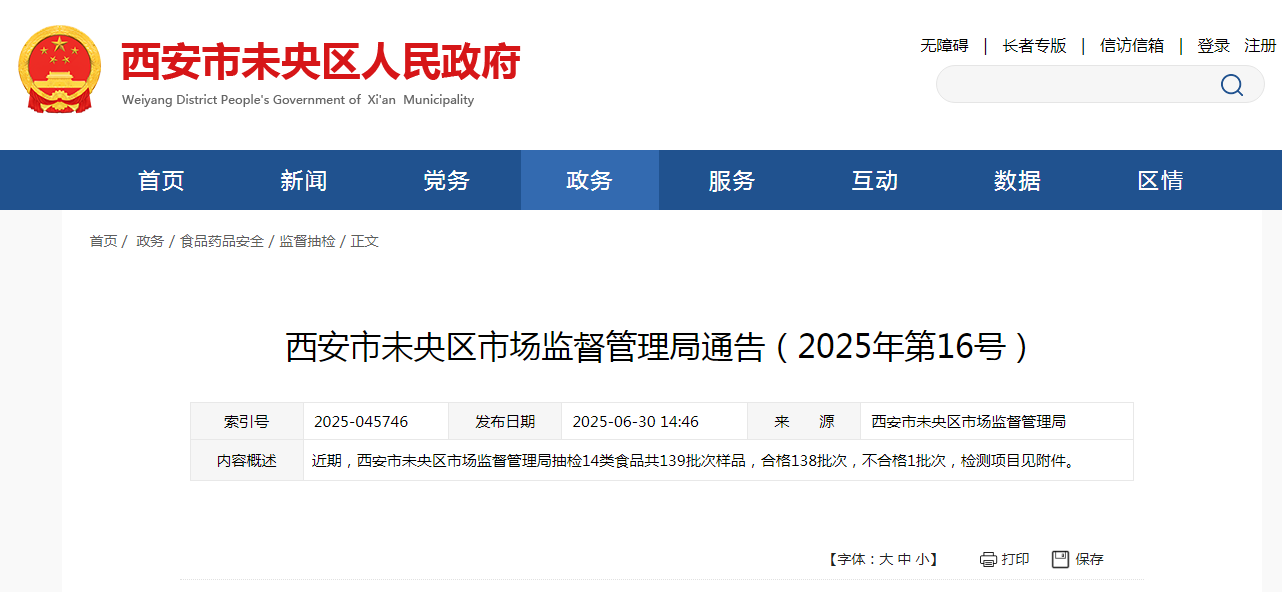
西安市未央区市场监督管理局通告(2025年第16号)
Zhong Guo Zhi Liang Xin Wen Wang· 2025-07-08 08:57
Summary of Key Points Core Viewpoint - The Xi'an Weiyang District Market Supervision Administration conducted a food safety inspection, testing 139 samples across 14 categories of food products, with 138 passing and 1 failing the safety standards [2][3]. Group 1: Inspection Results - A total of 139 food samples were tested, with 138 samples meeting the national food safety standards, resulting in a compliance rate of approximately 99.29% [2][3]. - The categories of food inspected included edible agricultural products, catering food, grain processing products, condiments, pastries, edible oils, beverages, vegetable products, starch and starch products, bean products, dairy products, fruit products, biscuits, and sugar [2][3]. Group 2: Non-compliance Details - One sample failed the inspection, specifically a pepper product from a convenience store in Xi'an, which contained a pesticide residue (Thiamethoxam) at 0.23 mg/kg, exceeding the standard limit of 0.05 mg/kg [3][4]. - The inspection was carried out by Shaanxi Keyi Sunshine Testing Technology Co., Ltd., which is responsible for the testing and verification of food safety compliance [3][4]. Group 3: Compliance Highlights - The majority of the tested products were compliant, including various food items from well-known companies such as China Resources and local suppliers, indicating a generally high standard of food safety in the region [4][5]. - The report includes detailed information on compliant products, including their production dates and testing institutions, showcasing transparency in the inspection process [4][5].
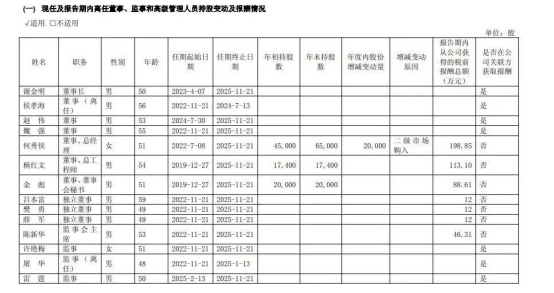
交出上市以来最差业绩!金种子酒华润系高管难“救火”,何秀侠将调回华润啤酒总部
Jin Rong Jie· 2025-07-08 02:32
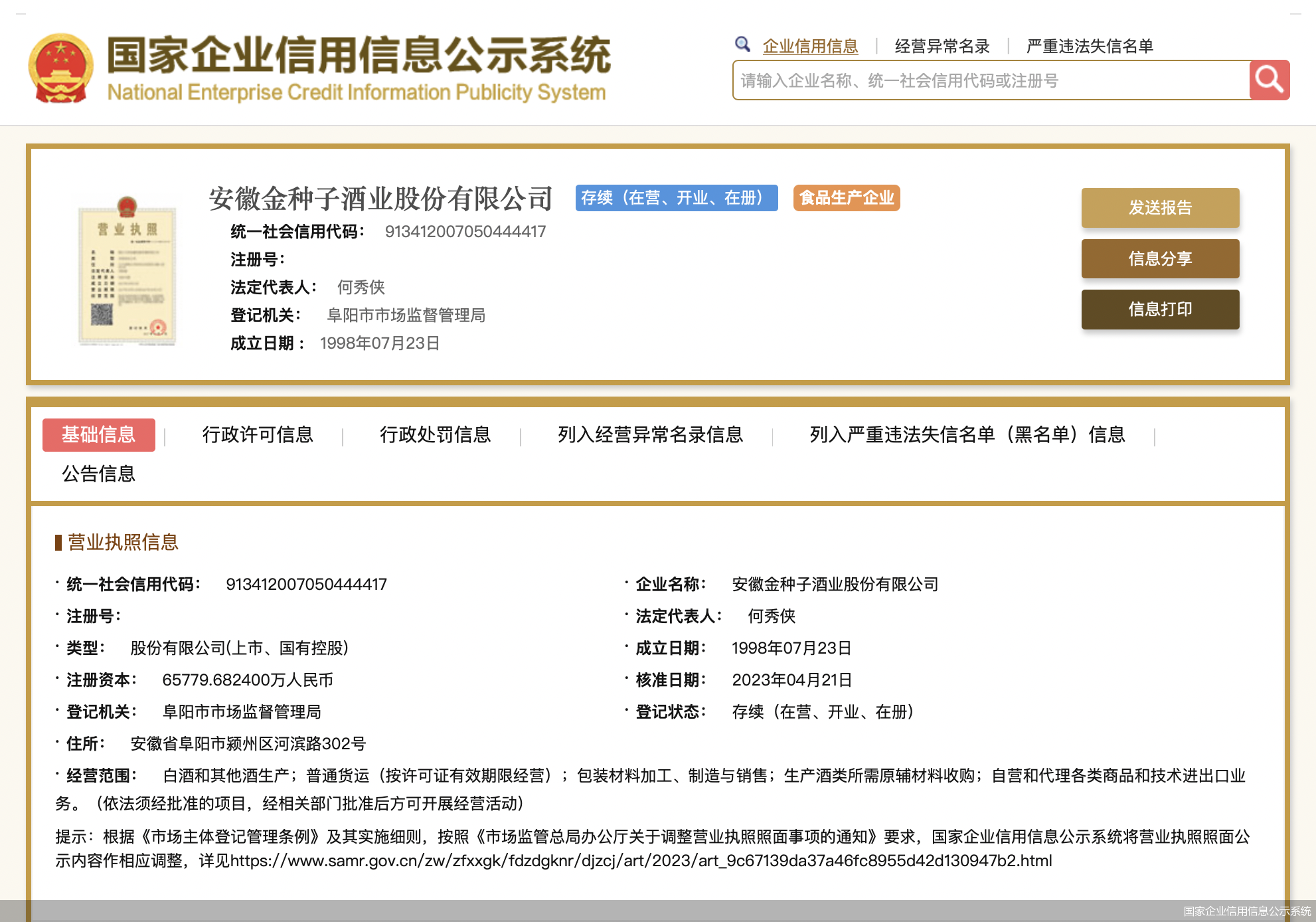
Core Viewpoint - The resignation of He Xiuxia, the general manager of Anhui Jinzhongzi Liquor Co., indicates ongoing management turmoil and reflects the broader challenges faced by the company in a competitive market [1][6]. Company Overview - Anhui Jinzhongzi Liquor Co., established in July 1998, is a subsidiary of Anhui Jinzhongzi Group and primarily produces various types of liquor, including the Jinzhongzi series and other regional brands [1]. - The company was listed on the Shanghai Stock Exchange on August 12, 1998, becoming the eighth liquor company and the second in Anhui to go public [2]. Financial Performance - Jinzhongzi Liquor experienced significant growth from 2008 to 2012, with revenue increasing from 662 million to 2.294 billion [2]. - However, after a marketing and expansion misstep in 2013, the company faced a dramatic decline, with revenue and profit dropping by 9.32% and 76.22% respectively, leading to five consecutive years of financial losses [3]. - The company reported net losses of 187 million, 22 million, and 258 million for the years 2022 to 2024, with a 29.41% decline in revenue in Q1 2025 [4]. Management Changes - He Xiuxia's resignation is part of a broader management shake-up, with 70% of middle management replaced during her tenure, indicating instability within the company [6]. - Liu Fubi, the deputy general manager appointed by China Resources, is temporarily overseeing operations, while Zhang Guibo has been appointed as the new head of marketing [1][6]. Market Challenges - The liquor industry is facing a cooling market, with 77% of companies reporting a downturn, reflecting a persistent pessimism compared to 80% the previous year [6]. - Jinzhongzi's struggles are attributed to an imbalance in product structure, with a high proportion of low-end products leading to lower profit margins compared to industry averages [4].
为何青岛啤酒千元产品火爆,茅台却越来越不好卖?
Sou Hu Cai Jing· 2025-07-08 00:00
Core Insights - The Chinese beverage market is witnessing a contrasting trend where premium beer sales are surging while traditional liquor, particularly baijiu, is facing significant sales declines [2][8][12] Beer Industry Trends - The Chinese beer market is undergoing a high-end transformation, with brands like Tsingtao and China Resources Snow Beer launching premium products priced over 1,000 yuan, such as Tsingtao's "Legend of a Century" priced at 1,399 yuan per bottle [2][3] - In Q1 2023, Tsingtao's three premium products sold nearly 200,000 bottles, indicating strong demand despite high prices [3] - The shift from price wars to value wars is evident, with companies increasing product prices by 5%-13% since 2018 and focusing on premium product development [3][4] - The rise of high-end beer is supported by a growing middle-income group willing to pay for quality, with premium products becoming cultural symbols and social currencies [4][6] - The high-end beer segment's sales share increased from 29% in 2015 to 36% in 2019, with projections to reach 41% by 2025, indicating a structural upgrade in the market [7] Baijiu Industry Challenges - The baijiu industry is experiencing unprecedented sales challenges, with some regions seeing year-on-year declines of 40%-50% in 2023 [8][9] - National baijiu production fell by 7.2% in Q1 2023, with over half of the surveyed companies reporting decreased profits and revenues [8][9] - The implementation of strict regulations against high-end alcohol consumption in government settings has exacerbated the sales decline, particularly affecting brands reliant on government purchases [9][11] - Younger consumers are increasingly turning away from traditional high-proof baijiu, with a 22% decline in consumption frequency among the 25-35 age group [11][12] - The baijiu market is facing high inventory pressures, with total inventory reaching 167.8 billion yuan by the end of 2024, and some brands experiencing significant price drops [11][12] Market Dynamics and Future Outlook - The beverage market is undergoing a significant transformation characterized by the blurring of category boundaries, with beer and baijiu increasingly competing for the same consumer base [15][16] - The fragmentation of consumption scenarios is leading to a demand for more flexible product forms and packaging, as consumers seek diverse drinking experiences [15][16] - Health consciousness and personalization are becoming key drivers in product development, with low-alcohol and low-calorie options gaining popularity [16] - The market is expected to polarize further, with a clear divide between ultra-premium products and high-value mass-market offerings, necessitating companies to define their market positioning [16][17]


酒企高层密集调整 行业深度变革期谋求破局
Zhong Guo Zheng Quan Bao· 2025-07-07 20:52
Group 1 - The recent wave of executive changes in the liquor industry reflects common challenges such as pressure for high-end transformation, intensified market competition, and rational consumption upgrades [1][2] - Key executives from major liquor companies like Jinzhongzi Liquor, China Resources Beer, and Yanghe Co. have stepped down, indicating a strategic shift in response to industry pressures [1][2] - Jinzhongzi Liquor has reported a cumulative loss of 467 million yuan over the past three years, highlighting the financial struggles faced by the company [2] Group 2 - China Resources Beer’s white liquor business generated revenue of 2.149 billion yuan in 2024, a year-on-year increase of 3.97%, but fell short of the initial growth target of over 30% [3] - Yanghe Co. experienced a revenue decline of 12.83% in 2024, with net profit dropping by 33.37%, indicating significant performance challenges [3][4] - The new leadership in these companies is expected to navigate through the current deep adjustment period in the industry and find new balances in brand value, channel health, and consumer relationships [1][4] Group 3 - Zhao Chunwu, the acting chairman of China Resources Beer, emphasizes the ongoing trend of high-end beer consumption while acknowledging shifts in consumer behavior towards more rational purchasing decisions [4][5] - The liquor industry is advised to focus on systematic strategic layouts and organizational capabilities for future development, rather than relying solely on individual executives [5] - Yanghe Co. is encouraged to enhance its marketing strategies and optimize talent management to stabilize its market position and drive growth in key regions [6]
