翰森制药

Search documents
指数修订“提纯”,打造“纯度”100%的创新药投资标的
Sou Hu Cai Jing· 2025-06-30 12:39
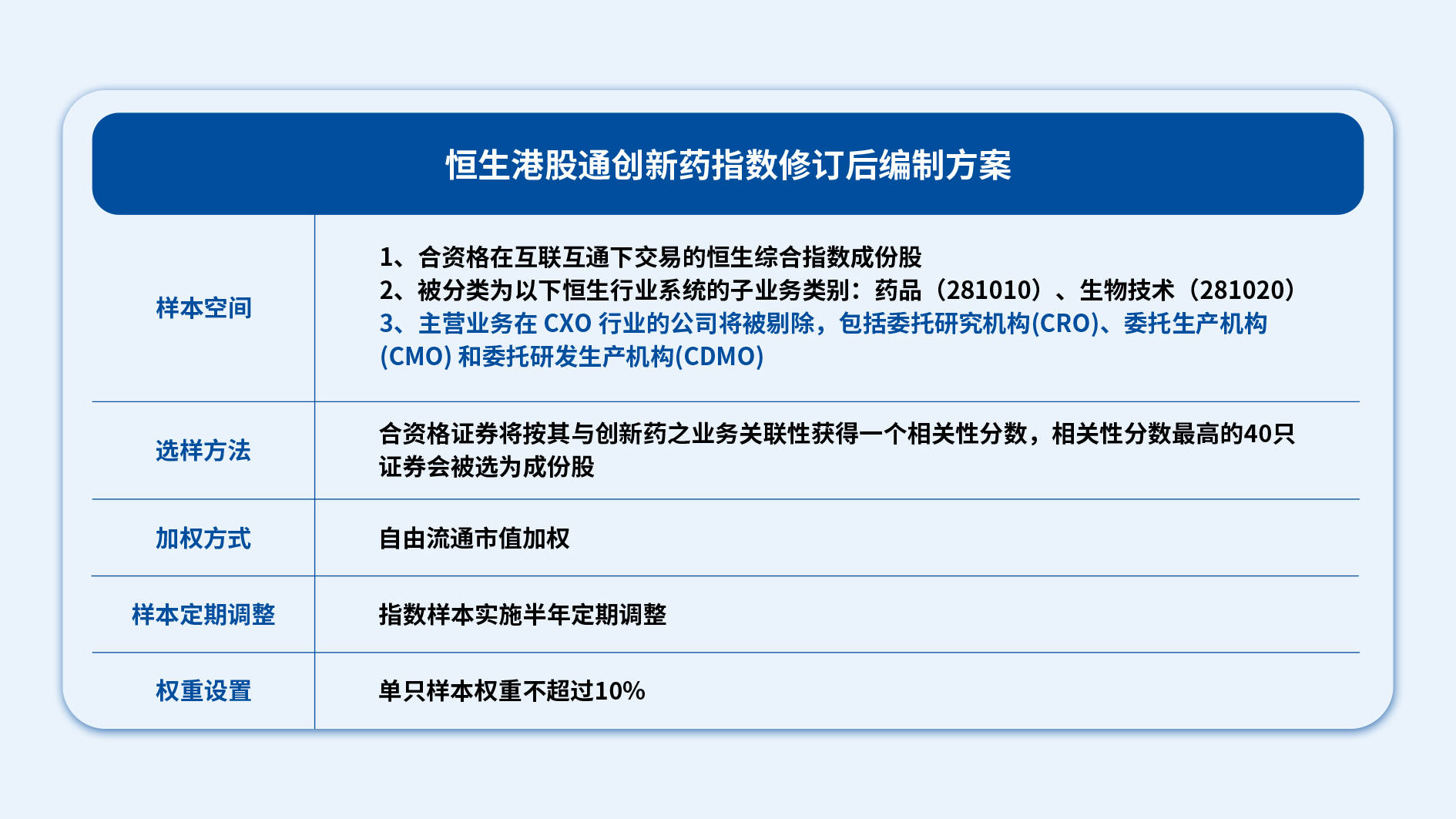
Core Insights - The Hang Seng Hong Kong Stock Connect Innovative Drug Index has seen a remarkable increase of over 60% year-to-date, highlighting the significant development of China's innovative drug sector and attracting interest from overseas pharmaceutical companies [1][8] - The index has revised its compilation scheme to exclude CXO companies, focusing solely on innovative drug companies, thus becoming the first index with a "purity" of 100% in tracking innovative drugs [1][2] Index Revision Details - Five CXO companies will be removed from the Hang Seng Hong Kong Stock Connect Innovative Drug Index, resulting in a composition entirely made up of innovative drug firms [2] - The previous weight of the excluded CXO companies was approximately 20%, and their performance lagged behind the overall index [3][5] Performance Metrics - The revised index has shown better performance since its announcement, with an annualized return exceeding 30% and a higher Sharpe ratio compared to the original index [5][7] - The annualized volatility of the revised index is 37.7%, while the original index had a volatility of 40.0% [7] Market Trends - Multinational pharmaceutical companies have significantly increased their procurement of innovative drug patents from China, with procurement amounts nearing the total for the entire year of 2024 within the first five months of this year [8] - The trend of multinational companies sourcing innovative drug patents from China is expected to continue, driven by pressures such as drug price reductions and patent expirations [8] Investment Opportunities - The Hang Seng Innovative Drug ETF (159316) is currently the only product tracking the Hang Seng Hong Kong Stock Connect Innovative Drug Index, providing investors with a convenient way to access leading innovative drug companies in Hong Kong [9] - Other investment products, such as the E Fund Innovative Drug ETF (516080), also cover the entire innovative drug industry chain, including major players like Hengrui Medicine and Fosun Pharma [9][10]

国产减肥药获批上市,港股创新药ETF(513120)连续14天累计“吸金”超31亿元
Xin Lang Cai Jing· 2025-06-30 07:09
Core Insights - The Hong Kong Innovation Drug Index (931787) has shown a positive performance, with significant increases in constituent stocks such as Zai Lab (11.01%) and Cloudmed (9.27%) [1] - The Hong Kong Innovation Drug ETF (513120) has experienced active trading, with a turnover of 33.61% and a total transaction volume of 4.472 billion [1] - The ETF has seen a continuous net inflow of funds over the past 14 days, totaling 3.159 billion [1][2] Market Performance - As of June 27, the Hong Kong Innovation Drug ETF has achieved a net value increase of 86.07% over the past year, ranking 1st out of 120 in QDII equity funds [2] - The ETF's highest monthly return since inception was 23.82%, with the longest consecutive monthly gain being 4 months and a maximum cumulative increase of 44.08% [2] - The average monthly return during the rising months is 7.59% [2] Valuation Metrics - The latest price-to-earnings ratio (PE-TTM) for the Hong Kong Innovation Drug ETF is 32.62, which is below the 83.82% historical level over the past five years, indicating a low valuation [2] - The ETF closely tracks the Hong Kong Innovation Drug Index, which includes up to 50 listed companies primarily engaged in innovative drug research and development [2] Industry Developments - The top ten weighted stocks in the Hong Kong Innovation Drug Index account for 71.99% of the index, with notable companies including Innovent Biologics and BeiGene [3] - The approval of a new drug by the National Medical Products Administration (NMPA) for long-term weight control in adults marks a significant development in the industry [3] - Recent reports suggest that China's innovative drug sector is becoming a global supplier of innovative therapies, driven by high efficiency and low-cost development advantages [4] Investment Opportunities - The Hong Kong Innovation Drug ETF provides exposure to leading companies in the innovative drug sector, such as Innovent Biologics and CanSino Biologics [4] - The ETF supports T+0 trading, enhancing liquidity and allowing investors to conduct multiple transactions within a trading day [4]




荃信生物裘霁宛:“高效研发+生态合作”破局行业定律
Shang Hai Zheng Quan Bao· 2025-06-29 19:13
Core Insights - The article discusses the innovative approach of Quanxin Biopharmaceuticals in the biopharmaceutical industry, breaking the "double ten rule" by developing five promising clinical-stage products with an investment of less than 1.3 billion yuan [2][3] - The company focuses on autoimmune diseases and has established a collaborative ecosystem to enhance its research, clinical, and commercialization processes, aiming for international market entry by 2025 with a projected overseas licensing deal worth $555 million [3][5] Group 1: Company Strategy - Quanxin Biopharmaceuticals has successfully created five clinical-stage innovative products with over 1 billion yuan in R&D investment, including one drug already on the market and two in phase III clinical trials [4][5] - The company emphasizes efficient use of funds and time, focusing on a clear development direction in antibody drug research for autoimmune and allergic diseases [4][6] - The company has formed deep collaborations with major pharmaceutical companies, leveraging their sales networks and resources to accelerate clinical trials and commercialization [5][6] Group 2: Market Expansion - In 2025, Quanxin Biopharmaceuticals plans to make significant strides in international markets, having signed a licensing agreement with Caldera Therapeutics for its long-acting dual antibody QX030N, which could yield up to $545 million in additional payments [7][8] - The company aims to target autoimmune disease markets with real clinical demand and high success rates, particularly in the respiratory and digestive fields, anticipating rapid growth in antibody drug applications [8]
医疗需求刚性或将共同推动行业企稳回升,恒生医疗ETF(513060)交投活跃,成交额超13亿元
Sou Hu Cai Jing· 2025-06-27 03:54
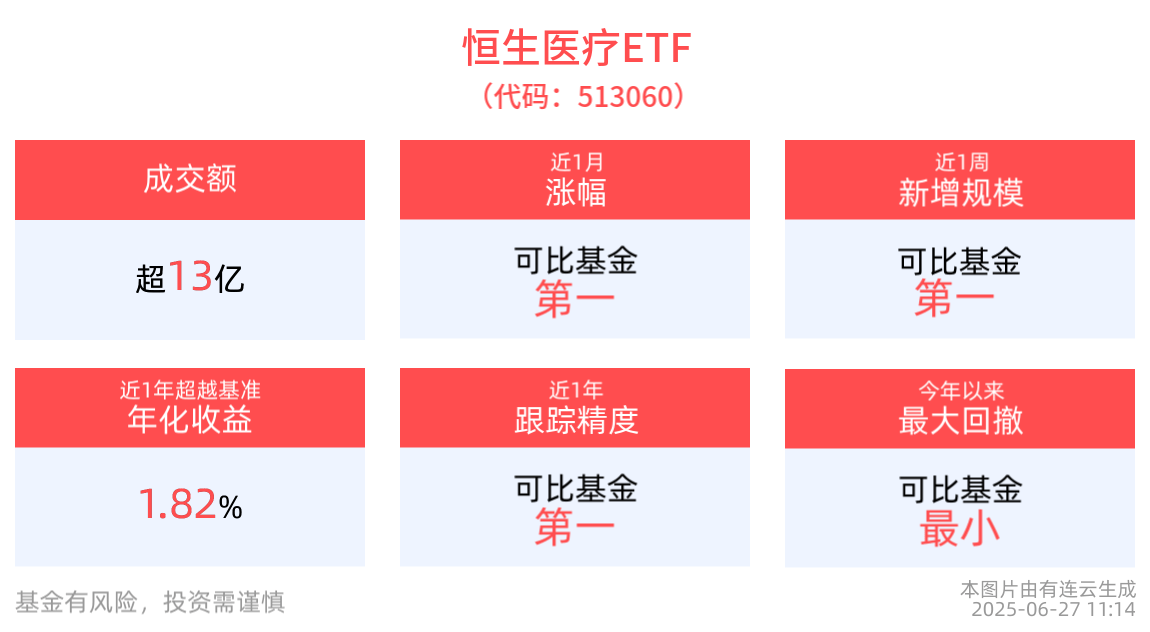
Market Performance - The Hang Seng Healthcare Index (HSHCI) decreased by 1.16% as of June 27, 2025, with mixed performance among constituent stocks [3] - Ping An Good Doctor (01833) led the gains with an increase of 11.14%, while BeiGene (06160) experienced the largest decline at 8.75% [3][7] - The Hang Seng Healthcare ETF (513060) fell by 0.36%, with a latest price of 0.56 yuan and a turnover rate of 16.93% [3] Liquidity and Trading Activity - The Hang Seng Healthcare ETF saw a significant increase in scale, growing by 2.13 million yuan over the past week, ranking first among comparable funds [4] - The ETF recorded a net financing amount of 1.8212 million yuan this month, with a current financing balance of 319 million yuan [4] ETF Performance Metrics - The Hang Seng Healthcare ETF's net value increased by 15.70% over the past two years, with a maximum monthly return of 28.34% since inception [4] - The ETF's Sharpe ratio for the past year was 1.66, indicating strong risk-adjusted returns [4] - The ETF's management fee is 0.50%, and the custody fee is 0.15% [4] Valuation Insights - The current price-to-earnings ratio (PE-TTM) of the Hang Seng Healthcare Index is 27.07, which is below 91.38% of the historical data over the past three years, indicating a low valuation [5] - The top ten weighted stocks in the Hang Seng Healthcare Index account for 58.28% of the index, with notable companies including Innovent Biologics (01801) and BeiGene (06160) [5] Sector Outlook - Recent government encouragement for innovation has led to active performance in the innovative drug industry chain, despite ongoing pressures from medical insurance cost control [3] - Analysts suggest focusing on high-growth areas such as pharmaceutical outsourcing services and companies in the ophthalmology and dental sectors that are expected to improve profitability [3]
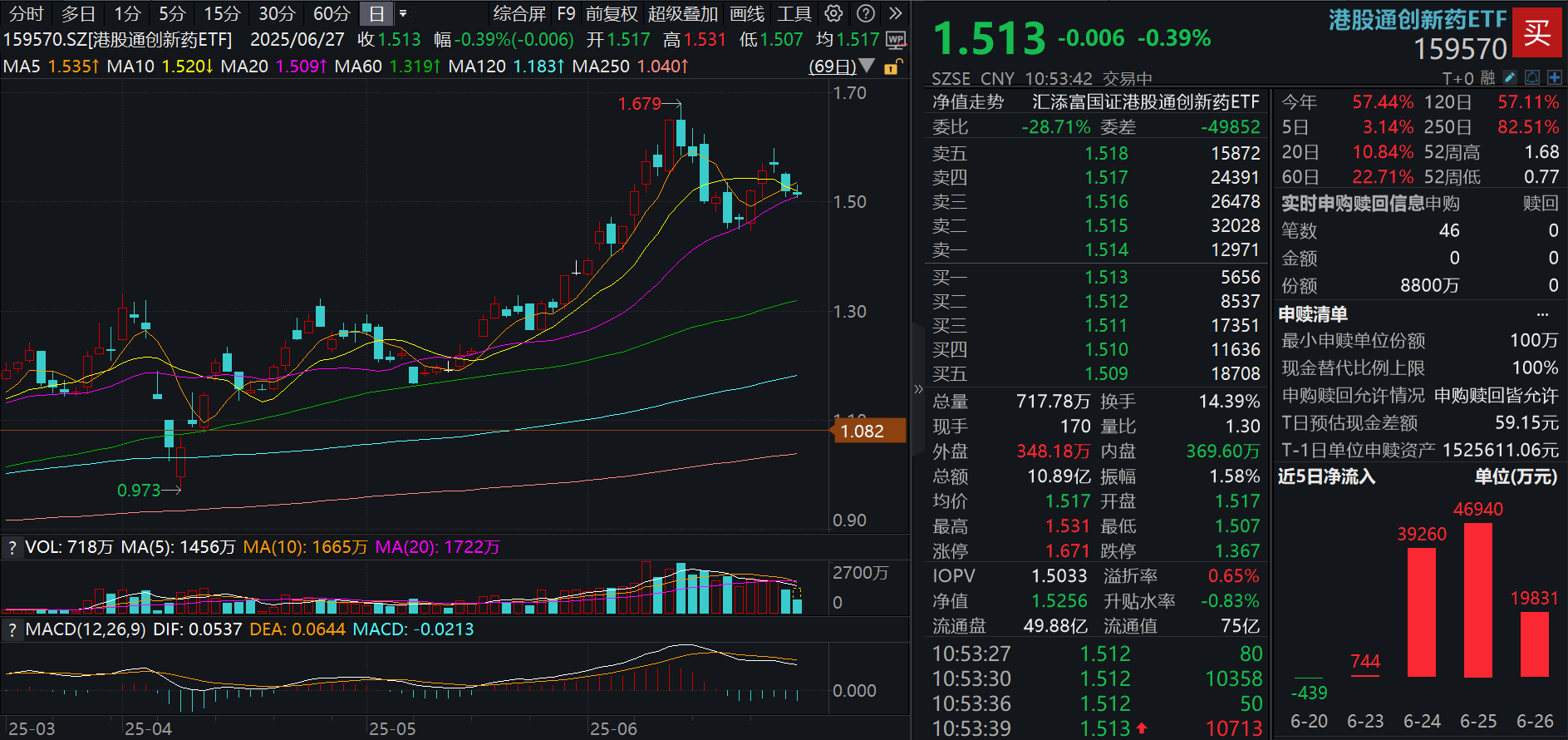
重磅!2025医保目录调整,首次纳入商保创新药目录!资金逢跌汹涌布局,港股通创新药ETF(159570)连续调整,回调布局更具性价比?
Sou Hu Cai Jing· 2025-06-27 03:29
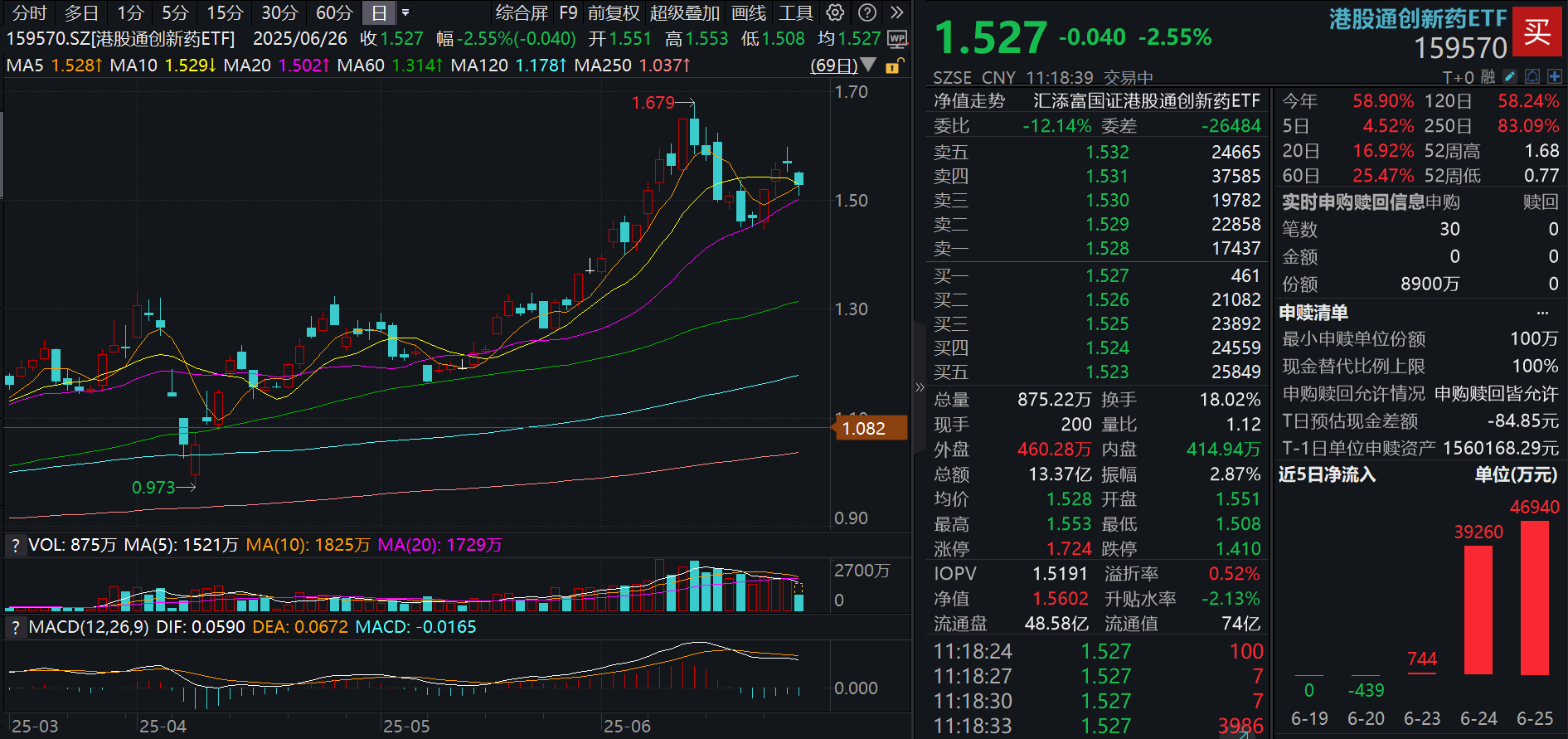
Group 1 - The core viewpoint of the news highlights the mixed performance of the Hong Kong stock market, with the Hong Kong Stock Connect Innovative Drug ETF (159570) experiencing a slight decline of 0.39% after a brief surge, while achieving a trading volume exceeding 1 billion yuan [1][3] - The Innovative Drug ETF (159570) has seen a net inflow of 133 million yuan during the trading session, with its latest scale surpassing 7.6 billion yuan, setting a new historical high [1][3] - The recent adjustments in the commercial health insurance directory by the Medical Insurance Bureau indicate a significant step towards enhancing the role of commercial health insurance in the multi-tiered medical security system [3][5] Group 2 - The Innovative Drug ETF (159570) is primarily composed of leading companies in the innovative drug sector, with the top ten holdings accounting for nearly 72% of the index [11] - The index has a high purity of innovative drugs, with an 85% weight in innovative drug stocks, which is higher than other pharmaceutical indices in the market [11] - The innovative drug sector in China has seen a significant increase in the number of original innovative drugs entering clinical trials, with 4,382 new drugs in the past decade, surpassing the United States [7][9] Group 3 - The trend of business development (BD) in China is on the rise, with an increase in the number and value of license-out transactions, reaching 94 transactions worth 51.9 billion USD in 2024, marking a 26% increase [9] - The shift in payment mechanisms due to DRG and DIP reforms is creating a larger space for commercial health insurance, which is expected to play a more significant role in the multi-tiered medical security system [5][6] - The commercial health insurance sector is anticipated to experience steady growth opportunities in the medium to long term, driven by the increasing demand for healthcare services and the need for supplementary insurance [6]
超百只主动权益基金净值创新高
Zhong Guo Zheng Quan Bao· 2025-06-26 21:25
Core Viewpoint - A significant number of active equity funds are experiencing a performance turnaround, with over 180 funds reaching new historical net asset value highs as of June 25, driven by market uptrends and favorable external factors [1][2]. Group 1: Performance of Active Equity Funds - Over 180 active equity funds have achieved historical net asset value highs, with more than half of these funds established for over a year, and some for nearly 14 years [1][2]. - The fund with the highest increase is Jin Yuan Shun An Yuan Qi, which has risen over 450% since its inception in November 2017, primarily investing in small-cap stocks [2][3]. - Other notable funds include Guangfa Multi-Factor and Dacheng Jingheng, with increases of over 340% and nearly 300% respectively, focusing on quantitative investment strategies [2][3]. Group 2: Market Trends and Investment Strategies - Approximately 80% of active equity funds have seen positive performance this year, with around 1,100 funds increasing by over 10%, particularly those focused on Hong Kong stocks, pharmaceuticals, and technology [3][4]. - The highest-performing fund this year is Huatai-PB Hong Kong Advantage Selection, which has increased by over 90%, primarily investing in the Hong Kong pharmaceutical sector [4]. - Three main investment directions have gained consensus among institutions: innovative pharmaceuticals, technology, and dividend stocks, with a preference for a "barbell" strategy that balances aggressive and defensive investments [4][5]. Group 3: Future Outlook and Recommendations - Fund managers suggest focusing on high-potential international pharmaceutical companies and stable dividend assets, especially in a declining interest rate environment [5][6]. - The AI sector is highlighted as a key area for investment, with significant growth in AI applications and user engagement noted [6][7]. - Overall, there is optimism for the A-share market, with recommendations to prioritize stable dividend returns and sectors with strong industrial and policy catalysts [7].
创新药BD专题论坛 - 买全球最好的中国创新药
2025-06-26 15:51
Summary of Key Points from Conference Call Records Industry Overview - The Chinese pharmaceutical industry is projected to exceed $60 billion in total transactions in 2024, with a significant increase in profitability expected for innovative drug companies between 2025 and 2026 due to increased scale and operational leverage [1][4][5]. - The gap between the Chinese pharmaceutical industry and that of Europe and the US is gradually narrowing, with some areas achieving synchronization or even surpassing Western counterparts in drug development timelines [1][7]. Core Insights and Arguments - The capital market has a significant impact on the development of China's biopharmaceutical sector, with the Hong Kong Stock Exchange and the STAR Market providing essential funding support for research and production capacity expansion [1][3][8]. - Collaborations with Big Pharma typically yield higher commercialization returns, with the amount of transactions closely linked to the project stage, where later stages present lower R&D risks and higher chances of successful drug development [1][10]. - The trend of Chinese innovative drugs entering international markets is strengthening, primarily through licensing agreements, with expectations for more companies to establish commercialization teams in Europe and the US [1][11]. Financial Performance and Market Dynamics - The domestic innovative drug market is accelerating, with A-share companies (excluding BeiGene) experiencing revenue growth rates of approximately 30%-40%. The operational leverage effect is evident, with a projected 78% reduction in losses in 2025 and expectations for sector-wide profitability in 2026 [1][12]. - The success rate of product licensing is generally higher than that of non-collaborative products, although inherent R&D risks remain [1][6]. Emerging Trends and Future Outlook - The Chinese market environment is improving, with stable policies and pricing for medical insurance, laying a solid foundation for both domestic and international market development [1][5]. - The innovative drug export trend began around 2010, reaching a critical point between 2020 and 2021, with a notable increase in the number of Chinese innovative drugs entering international markets [1][4]. Additional Important Insights - The rapid development of Contract Research Organizations (CROs) like WuXi AppTec has provided substantial support to the industry, alongside continuous investment in basic scientific research [1][3]. - The unique characteristics of innovative drugs, such as the PD-1/TIGIT bispecific antibody CG005, highlight the potential for enhanced immune response and tumor suppression through multi-target exploration [2][16][17]. - The clinical development of drugs like CG006 and the exploration of combination therapies in oncology demonstrate the innovative approaches being taken to address complex cancer treatment challenges [14][22][25]. This summary encapsulates the key points from the conference call records, focusing on the Chinese pharmaceutical industry's growth, financial performance, emerging trends, and the innovative strategies being employed by companies within the sector.


6月26日中银创新医疗混合A净值下跌2.05%,近1个月累计上涨11.87%
Sou Hu Cai Jing· 2025-06-26 12:46
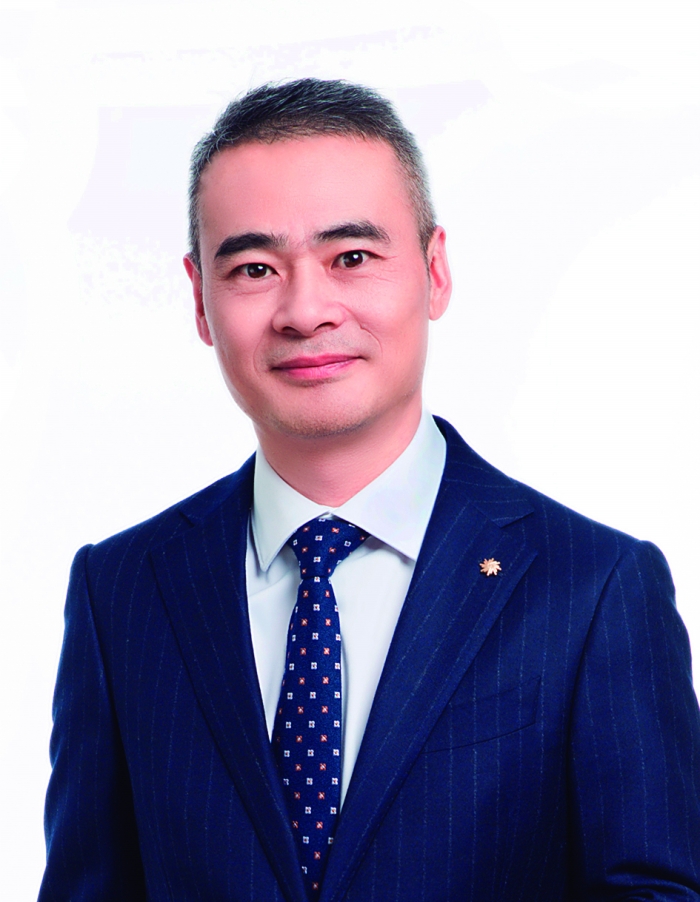
Group 1 - The core point of the news is the performance of the Zhongyin Innovation Medical Mixed A fund, which has shown significant returns over various time frames, with a year-to-date return of 55.70% and a recent one-month return of 11.87% [1] - The fund's top ten stock holdings account for a total of 70.44%, with notable companies such as Kelun-Botai (9.77%), Hengrui Medicine (9.39%), and Innovent Biologics (8.54%) leading the portfolio [1] - As of March 31, 2025, the fund has a total size of 2.613 billion yuan, and it was established on November 13, 2019, with Zheng Ning as the fund manager [1] Group 2 - Zheng Ning has a strong background in the investment management industry, having previously worked as a stock research manager at Taikang Asset Management and as a senior researcher at Zhonggeng Fund Management [2] - Zheng Ning has been managing the Zhongyin Innovation Medical Mixed Fund since July 1, 2022, and has taken on additional fund management roles in the healthcare sector since then [2]

国内药企积极布局减肥药领域,又一国产创新药加入对“减肥神药”司美格鲁肽的挑战
Hua Xia Shi Bao· 2025-06-26 05:53
Core Insights - The article discusses the emergence of Ecnoglutide, a new GLP-1 receptor agonist developed by a team led by Professor Ji Linong from Peking University People's Hospital, which poses a challenge to the market dominance of Novo Nordisk's Semaglutide in the weight loss drug sector [1][4]. Company Developments - Ecnoglutide has shown impressive results in its Phase III clinical trial (SLIMMER), with over 92.8% of participants achieving effective weight loss and an average weight reduction of 15.1% over 48 weeks [3][4]. - The trial involved 664 participants across 36 centers in China, making it the largest sample size for a weight loss drug trial in the country [3]. - The drug has entered the market application stage, indicating a potential for commercialization soon [4]. Market Landscape - The global GLP-1 weight loss drug market is projected to exceed $150 billion by 2025, with Novo Nordisk's Semaglutide leading the market, generating $8 billion in Q1 2025, a 31% year-on-year increase [5]. - Other companies, including Hengrui Medicine, East China Pharmaceutical, and others, are actively developing weight loss drugs, with some products already in Phase II or III clinical trials [2][6]. Competitive Dynamics - Ecnoglutide's clinical trial results suggest a significant competitive edge over existing products, with a higher effective weight loss rate compared to similar drugs [3][4]. - The article highlights the potential for domestic companies to challenge established players like Novo Nordisk and Eli Lilly, as several innovative drugs are in advanced clinical stages [6]. Future Outlook - The article emphasizes the commercial opportunity for domestic alternatives in the weight loss drug market, especially as imported drugs have already cultivated market demand [7].



创新药大跌,有何原因?荣昌生物跌超15%,泰它西普BD首付款仅4500万美金!港股通创新药ETF(159570)跌超2%,1.36亿资金逢跌布局!
Xin Lang Cai Jing· 2025-06-26 03:53
Group 1 - The Hong Kong stock market experienced a collective pullback after four consecutive days of gains, with the Hong Kong Stock Connect Innovative Drug ETF (159570) dropping over 2.5% and quickly surpassing a trading volume of 1.3 billion HKD [1][3] - Rongchang Biopharmaceutical announced a licensing agreement for its proprietary drug Taitasip to Vor Bio, which includes a cash payment of 125 million USD and potential milestone payments totaling up to 4.105 billion USD, leading to a significant drop in Rongchang's stock price [3][4] - Other stocks within the Hong Kong Stock Connect Innovative Drug ETF also saw declines, including Innovent Biologics down nearly 4% and CanSino Biologics down over 3% [3] Group 2 - The current innovative drug market is characterized by a revaluation of assets, driven by the recognition of the commercial viability of leading companies, which is expected to continue as the market acknowledges the long-term value of R&D investments [5][6] - The market's focus has shifted towards data asset pricing rather than business development (BD) pricing, indicating that high-quality R&D data will attract reasonable market valuations regardless of short-term BD fluctuations [6] - Recent regulatory support from the drug administration aims to shorten clinical trial approval times and promote international collaboration in drug development, highlighting the strategic importance of innovative drugs for national security and economic growth [7] Group 3 - The Hong Kong Stock Connect Innovative Drug ETF (159570) has a strong focus on the innovative drug sector, with nearly 72% of its top ten holdings in leading companies, indicating a concentrated investment strategy [8] - The ETF has shown significant performance, with a nearly 99% increase over the past year, outperforming other medical indices [8] - The underlying assets of the ETF are traded on the Hong Kong stock market, allowing for T+0 trading, which enhances liquidity and investment flexibility [8]