京东健康

Search documents
止跌企稳,银行涨幅居前,恒生医疗、大消费紧随其后,恒生科技逆势绿盘
Ge Long Hui· 2026-02-04 13:26
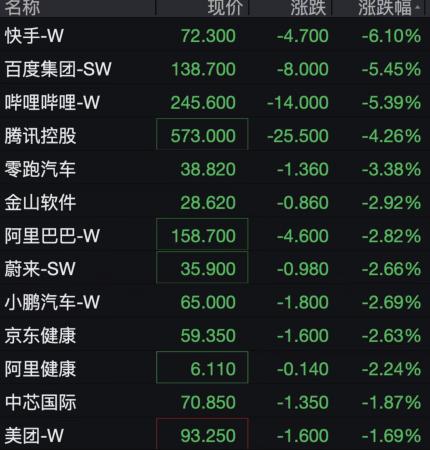
冲高回落后探底回升,出现了止跌企稳的继续,截止午盘,恒生指数小涨0.21%。银行涨幅居前,恒生 医疗、大消费紧随其后,恒生科技逆势绿盘。 恒生科技高开低走,盘中一度下跌2.63%,截止午盘下跌0.97%。其中快手大跌4.35%,百度集团下跌 3.54%,腾讯控股下跌3.09%,比亚迪股份、阿里巴巴、美团、小米集团等股跌幅均在1%上方。 内容只是个人观点,仅供参考,不作为投资依据!欢迎关注交流,互相学习、共同探讨! 恒生医疗高开低走后探底回升,截止午盘上涨0.72%。其中石药集团大涨4.15%,药明生物上涨3.12%, 百济神州上涨2.78%;三生制药、康方生物、京东健康等股逆势回撤。 恒生银行跳空高开后维持在高位窄幅盘整,截止午盘上涨1.2%。其中渣打银行上涨3.84%,汇丰控股上 涨2.45%,中银香港上涨2.33%,大新银行、重庆银行、大新金融等股涨幅均在1%上方。 ...


加税谣言小作文,就像过敏性鼻炎
3 6 Ke· 2026-02-04 12:40
Core Viewpoint - The rumors regarding a 32% tax rate on the internet industry are unfounded and lack a basis in the current tax system, which does not allow for such arbitrary adjustments [3][8]. Group 1: Tax Rumors and Market Impact - Since February 2, rumors about increased taxes in the internet sector have caused significant volatility in the tech sector, despite the illogical nature of these claims [1]. - Previous instances of tax rumors have led to market downturns, such as the 2021 speculation about the cancellation of a 10% preferential tax rate for internet companies [5][6]. Group 2: Tax Rate Structure - The current VAT rates in China are 6%, 9%, and 13%, with no provision for a 32% rate, which is incompatible with the existing tax framework [3][4]. - The nature of the internet gaming industry, characterized by high human resource costs and low deductibility of input taxes, justifies a lower VAT rate [3][4]. Group 3: Policy Stability and Economic Growth - The stability of tax laws is crucial for economic foundations, and any changes to tax rates require extensive negotiation and cannot be made arbitrarily [8]. - The overarching goal of China's macroeconomic policy is to maintain growth, which necessitates consistent policies that support the digital economy and technology sectors [8][11]. Group 4: Role of Technology in Economic Development - The internet and gaming sectors are increasingly recognized as vital components of technological advancement, contributing to various fields, including military training and AI development [9][11]. - Continuous investment in AI and other cutting-edge technologies by internet companies indicates that significant policy adjustments are unlikely to occur suddenly [11].
互联网医疗首诊破冰:为等这个春天,熬死了多少英雄少年
3 6 Ke· 2026-02-04 09:24
Group 1 - The introduction of online first consultations for pediatric specialties in Beijing marks a significant policy shift, allowing patients to access expert advice without prior in-person visits [1][3][4] - The pilot program focuses on three pediatric specialties: growth and development, nutrition, and dermatology, which are deemed suitable for online consultations due to their non-urgent nature [4][6] - The policy aims to alleviate the burden of travel for families seeking medical care, particularly for those with children needing non-emergency consultations [2][6] Group 2 - The pilot program is limited to two top pediatric hospitals in Beijing and will last for one year, emphasizing a cautious approach to implementation [4][8] - Online first consultations are expected to reduce the pressure on core hospitals by diverting non-urgent cases, creating a more efficient healthcare system [6][8] - Major internet healthcare platforms like Alibaba Health and JD Health are poised to benefit from this policy change, as it allows them to expand their services beyond follow-up consultations to include initial diagnoses [7][8] Group 3 - The success of the pilot in Beijing could lead to broader implementation across other cities and hospitals, potentially including common conditions like colds and chronic diseases in the future [9][10] - The integration of online consultations with insurance reimbursement policies is crucial for maximizing the convenience and effectiveness of the new system [10] - The pilot is expected to drive technological advancements in healthcare, such as improved video consultations and AI-assisted diagnostics [10][11] Group 4 - Challenges remain, including ensuring patient safety and maintaining quality standards across online and offline consultations [11][12] - The distinction between online consultation and diagnosis needs to be clarified to prevent disruptions in the healthcare system [11][12] - Smaller internet healthcare platforms may struggle to compete if they cannot meet the high standards required for online first consultations, potentially leading to market consolidation [11][12]


里昂:续予京东健康“跑赢大市”评级 目标价71港元
Zhi Tong Cai Jing· 2026-02-04 06:40
Core Viewpoint - Credit Lyonnais has raised JD Health's (06618) adjusted net profit forecasts for the fiscal years 2026 and 2027 by 1% and 2% respectively, reflecting the recovery in drug sales and profit expansion prospects, while maintaining an "Outperform" rating and a target price of HKD 71 [1] Group 1: Financial Performance - JD Health is expected to maintain growth momentum in the second half of last year, driven by strong performance during the Double Eleven sales event and a surge in flu cases in December, with revenue projected to increase by 24.5% year-on-year to RMB 37.1 billion [1] - The company is anticipated to see adjusted EBIT double year-on-year to RMB 2.1 billion, supported by gross margin expansion and operational leverage [1] - Revenue for 2026 is expected to grow by 16% year-on-year [1]
里昂:续予京东健康(06618)“跑赢大市”评级 目标价71港元
智通财经网· 2026-02-04 06:40
京东健康受双十一销售表现良好及12月流感感染个案激增所推动,预计去年下半年可保持增长势头,收 入同比升24.5%至371亿元人民币。该行续预期,受毛利率扩张与营运杠杆支撑,经调整EBIT或同比翻 倍至21亿元人民币,并预计公司2026年收入将同比增长16%。 智通财经APP获悉,里昂发布研报称,上调京东健康(06618)2026及2027财年经调整净利润预测1%及 2%,以反映药物销售复苏及利润扩张前景,重申"跑赢大市"评级,续予目标价71港元。 ...
恒指公司:2025年港股科技与生物科技主题表现突出 恒生双科技指数创下自推出以来最佳表现
智通财经网· 2026-02-04 05:53
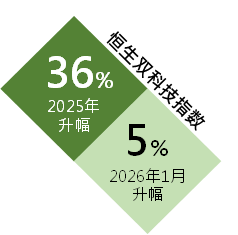
Core Viewpoint - The Hang Seng Index Company announced that the technology and biotechnology sectors will perform prominently in the Hong Kong stock market in 2025, with both the Hang Seng Technology Index and the Hang Seng Biotechnology Index achieving their best annual performance since their inception. In this context, the Hang Seng Dual Technology Index will be launched in January 2026, combining the constituents of both indices into a single index to highlight these two key themes [1][3]. Group 1: Performance of Indices - The Hang Seng Technology Index recorded a 23.5% increase in 2025, marking its highest annual growth since its launch in July 2020 [3]. - The Hang Seng Biotechnology Index achieved a remarkable 64.5% increase in 2025, representing its best annual performance since its inception in December 2019 [3]. - The strong performance of these indices is driven by structural factors and improvements in fundamentals [3]. Group 2: Industry Trends - The technology sector in China is a focal point, receiving clear and long-term policy support, with "significantly improving the level of technological self-reliance" being a major goal in China's 14th Five-Year Plan (2026-2030) [6]. - Artificial intelligence (AI) has become a key area of market focus, with Chinese AI models gaining global recognition [6]. - The Hang Seng Technology Index represents 30 of the largest technology companies listed in Hong Kong, focusing on areas such as smart technology, cloud computing, digital commerce, and fintech [6]. Group 3: Biotechnology Sector - The Chinese biotechnology sector has gained significant attention due to the increasing global recognition of innovative drugs developed in China, with the total value of outbound licensing transactions for innovative drugs reaching a record high of $136 billion in 2025 [7]. - This record transaction volume indicates a significant enhancement in the global competitiveness and technical capabilities of the Chinese biotechnology industry [7]. - The Hang Seng Biotechnology Index, which tracks the performance of the largest 30 biotechnology companies listed in Hong Kong, recorded a historic 64% annual increase in 2025 and continued to rise by 9% in January 2026 [8]. Group 4: Launch of the Hang Seng Dual Technology Index - The Hang Seng Dual Technology Index, launched on January 9, 2026, combines the two themes of technology and biotechnology, with a weight allocation of 75% to the Hang Seng Technology Index and 25% to the Hang Seng Biotechnology Index [12]. - The index recorded a 36% increase in 2025, with a continued upward trend into 2026, reflecting ongoing market interest in Chinese innovation themes [12]. - As of January 30, 2026, the index had a one-year annualized volatility of 34%, lower than the 35% and 40% of the Hang Seng Technology Index and Hang Seng Biotechnology Index, respectively, indicating a balanced risk profile [12].
大行评级丨里昂:重申京东健康“跑赢大市”评级,上调今明两年盈测
Ge Long Hui· 2026-02-04 03:29
Core Viewpoint - The report from Citi indicates that JD Health is expected to maintain growth momentum in the second half of last year, driven by strong performance during the Double Eleven sales event and a surge in flu cases in December [1] Financial Performance - Revenue is projected to increase by 24.5% year-on-year to 37.1 billion yuan [1] - Adjusted EBIT is expected to double year-on-year to 2.1 billion yuan, supported by margin expansion and operational leverage [1] Profit Forecast - Citi has raised JD Health's adjusted net profit forecasts for the fiscal years 2026 and 2027 by 1% and 2% respectively, reflecting the recovery in drug sales and profit expansion prospects [1] - The firm maintains a "Outperform" rating and sets a target price of 71 HKD for JD Health [1]
美团、腾讯、百度、阿里,集体下跌
Di Yi Cai Jing Zi Xun· 2026-02-04 01:46
科网股多数走低,美团、快手、腾讯控股、携程集团、华虹半导体、哔哩哔哩、百度集团均跌超1%。 | 名称 | 现价 | 涨跌 | 涨跌幅 - | | --- | --- | --- | --- | | 美团-W | 91.500 | -1.700 | -1.82% | | 快手-W | 72.150 | -1.300 | -1.77% | | 携程集团-S | 476.600 | -8.200 | -1.69% | | 金蝶国际 | 12.450 | -0.210 | -1.66% | | 腾讯控股 | 572.000 | -9.000 | -1.55% | | 零跑汽车 | 39.000 | -0.600 | -1.52% | | 华虹米音体 | 106.300 | -1.400 | -1.30% | | 比亚迪股份 | 88.900 | -1.100 | -1.22% | | 哔哩哔哩-W | 250.000 | -3.000 | -1.19% | | 百度集团-SW | 139.900 | -1.500 | -1.06% | | 阿里巴巴-W | 159.400 | -1.600 | -0.99% | | ...


美团、腾讯、百度、阿里,集体下跌
第一财经· 2026-02-04 01:38
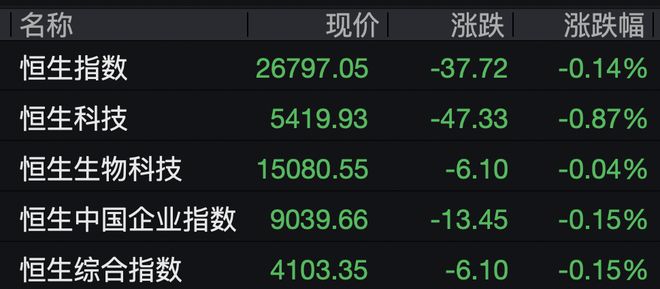
2月4日,港股低开,恒生指数跌0.14%,恒生科技指数跌0.87%。 科网股多数走低,美团、快手、腾讯控股、携程集团、华虹半导体、哔哩哔哩、百度集团均跌超1%。 | 名称 | 现价 | 涨跌 | 涨跌幅 ^ | | --- | --- | --- | --- | | 美团-W | 91.500 | -1.700 | -1.82% | | 快手-W | 72.150 | -1.300 | -1.77% | | 携程集团-S | 476.600 | -8.200 | -1.69% | | 金蝶国际 | 12.450 | -0.210 | -1.66% | | 腾讯控股 | 572.000 | -9.000 | -1.55% | | 零跑汽车 | 39.000 | -0.600 | -1.52% | | 交汇录备体 | 106.300 | -1.400 | -1.30% | | 比 亚迪股份 | 88.900 | -1.100 | -1.22% | | 昨週昨週-W | 250.000 | -3.000 | -1.19% | | 百度集团-SW | 139.900 | -1.500 | -1.06% | | 阿里巴 ...

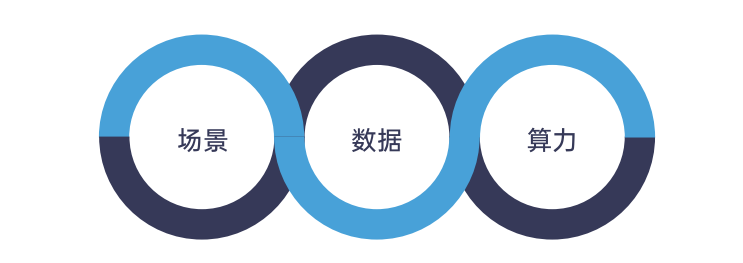
2025WAIC“AI+医疗健康产业图谱首发”:十大洞见解码人工智能医疗的"中国方案"
Di Yi Cai Jing· 2026-02-03 12:47
Group 1 - The core viewpoint is that AI in healthcare is integrated into national strategic planning, leading to an accelerated phase of industry development through a comprehensive policy framework [1][6] Group 2 - Infrastructure support focuses on standardization to enhance data interoperability and smart hospital construction, laying the groundwork for AI applications in healthcare [2] - Regulatory governance has established a tiered framework to balance innovation and safety, providing clear guidelines for AI medical software classification and lifecycle regulation [3] - Payment mechanism reforms are crucial for the commercialization of AI healthcare products, with policies supporting AI-assisted diagnosis and innovative payment models [4] Group 3 - Application scenarios are being expanded, with the government identifying key areas for AI in healthcare, creating a positive cycle of policy guidance and innovation [5] - The integration of AI with pharmaceutical manufacturing and healthcare services is encouraged, fostering a diversified innovation ecosystem [6] Group 4 - Shanghai is leading the way in medical AI development with the first provincial-level plan, aiming to create a nationally replicable model for AI in healthcare [7] - The plan emphasizes enhancing innovation sources, building support platforms, and creating comprehensive application scenarios in clinical and public health [8][9][10] Group 5 - Companies are focusing on three critical elements: application scenarios, data, and computing power, which are essential for breakthroughs in the AI healthcare industry [11][12] - There is a pressing need for high-value application scenarios, as many AI technologies face challenges in adapting to clinical and industry needs [13][14] - Data sharing and quality are significant concerns, with companies advocating for unified data-sharing mechanisms to overcome barriers [16][17] - The demand for computing power is high, and companies are calling for centralized computing resources to reduce costs and improve efficiency [17] Group 6 - The trend of companies expanding internationally is becoming essential, with different paths for AI in drug development and medical devices [18] - AI in drug development is characterized by a dual approach of licensing out and independent international expansion, focusing on regions with established clinical trial systems [19][20] - AI in medical devices is pursuing multiple strategies to adapt to global market needs, including remote surgery and tailored solutions [20] Group 7 - A comparison of capabilities between Chinese and American companies in various AI healthcare fields shows differences in market maturity and regulatory environments [30] Group 8 - Specialized medical models are gaining traction, with hospitals leading the deployment of AI models tailored to specific diseases [34] - Evidence-based medicine is being utilized to address challenges in AI reliability and accuracy [37][38] Group 9 - The emergence of embodied intelligence is expected to bridge the gap between digital healthcare and physical health services, focusing on autonomous medical interventions and human-robot collaboration [45][49][51] Group 10 - AI technology is fundamentally reshaping the healthcare industry by enhancing operational efficiency and expanding access to quality medical resources [54] - The shift from hospital-centered systems to personal health information systems marks a significant transformation in healthcare delivery, emphasizing proactive health management [56][60]