ABB

Search documents
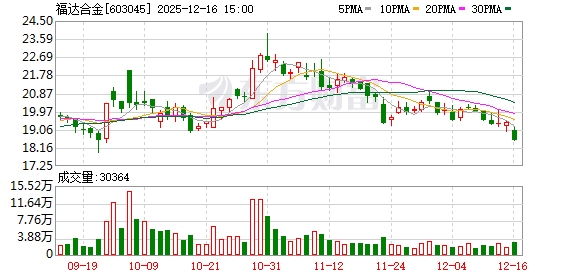
福达合金:施耐德是公司重要海外客户之一
Zheng Quan Ri Bao· 2025-12-16 13:06
Core Viewpoint - Fuda Alloy has established itself as a significant supplier of electrical contact materials, particularly to major overseas clients like Schneider, and is focused on expanding its market share in the high-end segment of the industry [2] Group 1: Client Relationships - Schneider is recognized as one of the important overseas clients for the company, with Fuda Technology receiving high praise for product quality and service [2] - The company has been awarded Schneider's "Best Quality Delivery Award" for 2025 and "2024 QF Excellent Practice" [2] Group 2: Business Development - In the first half of 2025, the company plans to deepen its engagement with Schneider by supplying materials for contactors, leading to a significant increase in business scale [2] - The company aims to enhance its market presence by developing new products and expanding its offerings to existing overseas clients such as Siemens, ABB, and Omron [2] Group 3: Market Position - The company is focused on increasing its share in the mid-to-high-end electrical contact materials market, thereby solidifying its position in both domestic and international markets [2]


中日两国机器人,谁能干过谁?
创业邦· 2025-12-16 10:09
Core Viewpoint - The article discusses the contrasting approaches of China and Japan in the robotics industry, highlighting China's rapid advancements and Japan's historical challenges in humanoid robotics, while emphasizing Japan's strength in industrial robotics [5][7][17]. Group 1: Industry Overview - Robotics has become a significant focus for high-tech startups in China since 2020, alongside AI, with substantial investments and policy support [5]. - Japan, despite being an early innovator in humanoid robotics, has struggled to commercialize its developments, with notable failures like ASIMO and Pepper, which faced high costs and low market demand [9][10]. - The global market for industrial robots is projected to account for approximately 71.4% of total revenue in 2024, indicating a strong demand for industrial applications [21]. Group 2: Comparative Analysis - Japan's robotics industry has historically focused on stability and reliability, with a strong emphasis on long-term partnerships and high-quality components, while China's approach is characterized by rapid innovation and cost competitiveness [29][32]. - The article notes that Japan has lost its exploratory drive in humanoid robotics, while China is making significant strides in this area, leveraging advancements in AI and manufacturing capabilities [10][17]. - The differences in robotics strategies between China and Japan are attributed to varying economic structures, technological foundations, and risk preferences [19][32]. Group 3: Market Dynamics - The article highlights that the demand for humanoid robots is not yet strong globally, with most buyers being experimental or marketing-oriented, which complicates the commercial viability of humanoid robotics [16][19]. - Japan's industrial robotics sector remains robust, with major companies like FANUC and Yaskawa maintaining significant market shares and focusing on B2B business models [22][24]. - The article emphasizes that Japan's industrial robots are integrated with advanced AI technologies, enhancing their operational capabilities while maintaining a focus on reliability and precision [27][30].



汇川技术骆梦龙:AI驱动下的PCB智能制造跃迁
2 1 Shi Ji Jing Ji Bao Dao· 2025-12-16 09:51
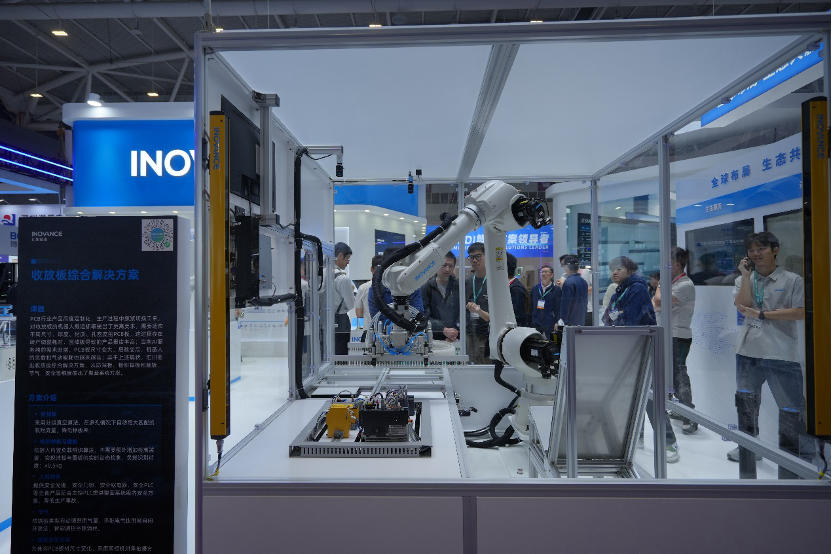
Core Insights - The PCB industry is experiencing significant growth driven by increased capital expenditure in computing power by major North American companies, leading to a shortage of high-end PCB capacity and a transformation in profitability and market valuation [1] - The demand for PCBs is entering a new phase due to explosive growth in computing power driven by AI, with AI servers requiring PCBs with more than 70 to 100 layers and advanced HDI products [1] - A profound transformation towards "smart manufacturing" is occurring in the industry as traditional production methods struggle to meet the new precision and complexity requirements [1] Industry Trends - The scrap rate for PCB products ranges from 2% to 10%, and as layer counts increase, manufacturing processes become longer, raising demands for yield, energy efficiency, and automation [2] - The concept of "factory sockets and subsystem plugs" proposed by the company represents a modular and scalable design for factory energy and utility systems, aiming for overall energy efficiency optimization [4] Technological Developments - The company has developed a low-code platform named "INOCube-FOS" to address data silos and enhance energy management by ensuring seamless integration of various subsystems [5] - AI is utilized primarily for parameter optimization and decision support in PCB manufacturing, which is characterized by high non-linearity and complex variable coupling [6] Energy Management and Sustainability - The company emphasizes the importance of energy management platforms to accurately assess energy usage, which is essential for calculating carbon emissions [8] - A dual flow integration approach is highlighted, focusing on the unification of energy and information flows to enable precise carbon footprint calculations [9] Competitive Advantages - The company differentiates itself from international giants like Siemens and Schneider by offering highly customized solutions tailored to specific customer needs, which is crucial in the rapidly evolving Chinese manufacturing landscape [11] - The company’s products and platforms have passed multiple certifications for information security, addressing customer concerns about autonomy and safety in industrial software and control systems [11] Market Challenges - The PCB industry is characterized by a high degree of customization and a fragmented customer base, making standardization difficult and leading to a "small batch, multiple varieties" production model [12] - Entering the copper-clad laminate market poses challenges due to high dependency on existing systems by leading companies and strict entry barriers for new suppliers [13]

张江机器人谷加速打造具身智能产业高地
Ke Ji Ri Bao· 2025-12-16 04:54
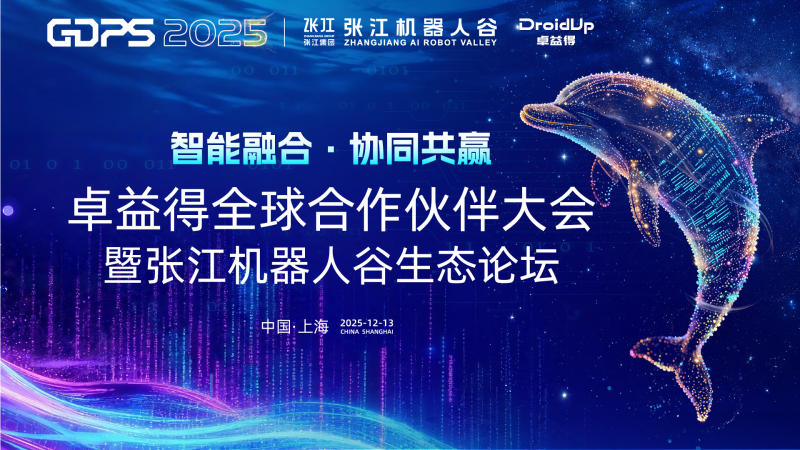
"在迎接全球具身智能产业的浪潮中,张江前瞻布局、抢占先机,打造张江机器人谷特色产业园区,率 先布局全产业链、搭建关键功能平台、营造领先产业生态。"12月13日,张江机器人谷生态论坛暨卓益 得全球合作伙伴大会在上海举办,张江集团副总经理王蕾在会上表示,未来将加速具身智能产业集聚 化、规模化发展,打造具有全球影响力和最强竞争力的具身智能产业集聚区。 据张江具身智能机器人副总经理王涛介绍,张江机器人谷目前已集聚机器人产业链企业近百家,具身智 能机器人产业链日趋完善。园区聚集国地中心、智元机器人、傅利叶智能等一批人形机器人重点企业; 建有ABB全球规模最大的机器人研发、生产和应用基地ABB机器人超级工厂;微创医疗机器人等一批 医疗机器人企业也在此落地发展。 作为张江机器人谷的重点企业,卓益得创始人李清都介绍,卓益得已与包括京东、华为昇腾、征和工业 等在内的多家场景应用方达成合作,2025—2027年将聚焦企业端服务市场,布局机器人软硬件全产业 链,2028年后将向消费端家庭服务场景发展,实现安全性、性价比与性能的平衡。 现场,"卓益得生态加速器"正式启动,依托张江机器人谷的开源研发训练、实验加工、测试评估验证等 功能 ...

液冷增长半场报告:热度高企,但新进入者涌现,更看好端到端参与者-A Halftime Report on Liquid Cooling Growth running hot, but rising new entrants. Prefer end-to-end players.
2025-12-16 03:30
Summary of Liquid Cooling Industry Report Industry Overview - **Industry**: Liquid Cooling - **Region**: Europe - **Market Growth**: The liquid cooling market is projected to more than double to approximately $2.5 billion in 2025, with forecasts reaching $6 billion by 2029, indicating a compound annual growth rate (CAGR) of 24% from 2025 to 2029 [5][8][15]. Key Insights - **Drivers of Growth**: The adoption of AI servers, particularly the GB200/300 models, is significantly driving the penetration of liquid cooling solutions in data centers. In 2025, liquid cooling penetration in AI data centers is expected to rise to 33%, up from 13% in 2024 [9][15]. - **Acquisition Activity**: The past year has seen active acquisitions in the liquid cooling space, with notable transactions including: - Schneider acquiring Motivair - Samsung acquiring FläktGroup - Eaton purchasing Boyd - Daikin acquiring Chilldyne - Asetek receiving a buyout offer from CQXA [10][12]. - **Emerging Competitors**: Traditional HVAC companies are entering the liquid cooling market, raising concerns about potential commoditization. Companies like Johnson Controls and Carrier have launched new products, indicating increased competition [13]. Market Dynamics - **End-to-End Players**: Integrated vendors that provide both power and cooling solutions, such as Schneider, are expected to be better positioned in the market. Companies like ABB may need to pursue mergers and acquisitions or partnerships to remain competitive [5][14]. - **Market Penetration**: The significant increase in market size reflects growing penetration in new-build data centers, with an estimated 27,000 units of GB200/300 racks shipped in 2025, expected to nearly triple in 2026 [9][21]. Financial Implications - **Stock Recommendations**: - **Schneider**: Preferred as the only company in coverage with liquid cooling capabilities. - **Legrand**: Positive outlook on its Rear Door Heat Exchanger product for near-term growth, but cautious on long-term prospects due to inferior cooling capacity. - **ABB**: Currently lacks a full-stack offering but has potential for future acquisitions [14]. Market Forecasts - **Revenue Projections**: The liquid cooling market is expected to reach $2.5 billion in 2025, reflecting a 127% year-over-year growth. The market is projected to grow to $6 billion by 2029, indicating a significant acceleration in growth expectations [8][15]. Conclusion The liquid cooling industry is experiencing rapid growth driven by advancements in AI technology and increased competition from traditional HVAC players. The market dynamics favor integrated solution providers, and ongoing acquisition activity suggests a consolidation trend. Investors should monitor these developments closely as they present both opportunities and risks in the sector.
昊志机电20251214
2025-12-15 01:55
Summary of Haoshi Electromechanical Conference Call Industry and Company Overview - **Company**: Haoshi Electromechanical - **Industry**: Commercial aerospace, PCB drilling and forming equipment, robotics, and automation Key Points and Arguments - **Commercial Aerospace Applications**: Haoshi's liquid oxygen-methane engine motors are utilized in Blue Arrow rockets, with each engine valued at approximately 4 million yuan. It is expected that 30% of the motors will need replacement after each recovery due to wear and tear, indicating a potential increase in value as rocket capacity expands and new products are developed [2][4][13][18] - **Growth Projections**: The company anticipates a nearly 90% revenue growth in 2025, with a further 100% increase expected in 2026. This growth is driven by advancements in AI and changes in the Apple supply chain, which are projected to boost spindle business by 40%-50% [2][3][6] - **Acquisition Impact**: The acquisition of a European automation group in 2020 has stabilized revenue at around 300 million yuan annually. However, inflation has led to losses, with expectations of returning to profitability by 2026 [2][7] - **Production Capacity Expansion**: Due to unexpected demand from the AI market, Haoshi has invested nearly 100 million yuan in new equipment to double production capacity by February 2026 [2][9][10] - **Market Share in Apple Supply Chain**: Haoshi holds over 60% market share in the glass and touch screen polishing market, with expected growth in spindle business from 100 million yuan in 2025 to 200 million yuan in 2026 [2][11] - **Joint Ventures**: A joint venture with Fengze Sheng aims to invest in high-end linear guide rail projects, expected to generate 150 million yuan in revenue by March 2026 [2][14] - **Overall Performance Expectations**: The company forecasts a 40%-50% increase in overall performance for 2026, with revenues projected to reach around 2.3 billion yuan, primarily driven by the industrial mother machine and robotics sectors [3][15] Additional Important Insights - **Commercial Space Development**: Haoshi is focusing on expanding its customer base in the commercial aerospace sector and enhancing product technology to meet growing market demands [16] - **Competitive Advantages**: Haoshi's products are competitively priced, approximately 30% cheaper than those from state-owned manufacturers, providing a significant advantage in the commercial aerospace market [19] - **Collaborations in Robotics**: Ongoing collaboration with Lens Technology, a key player in the Apple supply chain, is expected to strengthen as Lens builds a large factory for robotics components [20] - **Satellite Sector Plans**: Haoshi is exploring opportunities in the satellite sector, with plans to develop motor systems for satellite movement and power, expected to commence in 2026 [21]

智能融合.协同共赢 | 卓益得全球合作伙伴大会暨张江机器人谷生态论坛圆满举办
Sou Hu Wang· 2025-12-14 04:18
Core Insights - The forum successfully showcased the integrated industrial and innovation ecosystem of Zhangjiang Robot Valley, aiming to build a world-class embodied intelligent robot industry ecosystem for high-quality industrial development [2] Group 1: Industrial Ecosystem - Zhangjiang Robot Valley has gathered nearly 100 companies in the robot industry chain, achieving a coverage rate of 60%, with a trend of industry leaders clustering and functional innovation platforms emerging [4] - Key enterprises in the park include ABB's largest global robot R&D and production base, as well as high-end medical robot companies like MicroPort [4] Group 2: Strategic Initiatives - The founder of Zhuoyide, Professor Li Qing, discussed the company's strategic shift from B2B to B2C and its unique bionic tendon technology, highlighting partnerships with major application players like JD.com and Huawei [7] - Zhuoyide plans to focus on the B2B service market from 2025 to 2027, covering the entire robot hardware and software industry chain, and aims to transition to C-end household service scenarios after 2028 [7] Group 3: Collaborative Acceleration - The launch of the "Zhuoyide Ecological Accelerator" marks a new chapter in industrial collaboration, integrating resources such as policies, talent, and capital to support core component R&D and technology transfer [9] - The accelerator will focus on key areas such as core component R&D and joint scene implementation, inviting global enterprises to join the Zhangjiang Robot Valley ecosystem [9] Group 4: Technological Innovations - Key technological advancements include XRBT's 3D PAD electrode technology with energy density exceeding 350 Wh/kg and precision reducers from Suzhou Green, which are crucial for robot performance upgrades [11] - The ecosystem also showcases innovations in AI computing power and intelligent interaction, with contributions from companies like Shanghai Ascend and Zhenghe [11][12] Group 5: Future Directions - The roundtable forum emphasized the importance of collaboration among policies, technology, capital, and application scenarios for the high-quality development of the embodied intelligent industry [15] - Zhangjiang Robot Valley is positioned as a core hub for industrial chain collaboration, providing an optimal environment for innovation and development in the global embodied intelligent market [15]
AIDC自备电源调研
2025-12-12 02:19
Summary of Key Points from Conference Call Industry Overview - The conference call primarily discusses the **large-bore diesel engine** industry, particularly in the context of the **data center** sector in the United States and China [1][2][3][13]. Core Insights and Arguments - **Production Capacity Constraints**: The production capacity for large-bore diesel engines in the U.S. is constrained due to manufacturing capabilities, testing capabilities, and supply chain issues. Major suppliers like Bosch are hesitant to invest in diesel-related businesses due to energy transition concerns, exacerbating supply bottlenecks [1][3][4][14]. - **Data Center Demand**: The demand for diesel engines in data centers has surged, with the U.S. being the largest market. Local brands are experiencing delivery constraints due to a backlog of orders, despite some production expansion in the past two years [2][13]. - **Cost Sensitivity**: The cost of backup power systems in data centers is significant, accounting for about 25% of total costs. This cost sensitivity influences the choice between domestic and foreign engine units [1][7]. - **Challenges in Domestic Substitution**: High-tech components such as Bosch fuel pumps and ABB turbochargers are difficult to replace domestically due to high technical barriers and long investment return cycles. However, basic metal components have a higher degree of localization [1][10][11]. - **Future of Domestic Brands**: Domestic brands like Yuchai are expected to grow, with projected shipments of 400 to 500 units by 2025. However, the pace of domestic substitution will be gradual due to the need for reliability and performance improvements [7][20]. Additional Important Content - **Market Dynamics**: The U.S. market for large-bore diesel engines is experiencing a significant increase in demand, particularly in data centers, while the Chinese market is facing overcapacity issues [13][20]. - **Pricing Trends**: Prices for large diesel generators from foreign brands range from 3.2 million to 3.5 million RMB, with domestic brands priced similarly. Prices are expected to rise by about 10% in 2025 due to supply chain issues and increased demand [27][29]. - **Supply Chain Issues**: The supply chain for diesel engines is under pressure, with foreign brands like Cummins and Caterpillar showing limited willingness to expand production. This has led to a sustained state of supply chain tension [14][15][32]. - **Technological Developments**: While large-bore diesel technology is mature, there are no significant new developments on the horizon. Future directions may include fuel cells and gas turbines, but these are not yet widely applied in backup power systems [21][22]. - **Energy Storage Systems**: Energy storage systems have potential as a supplement to diesel generators but cannot fully replace them due to reliability and cost issues. Current technology allows for partial replacement in specific scenarios [22][24][25]. Conclusion - The large-bore diesel engine market is facing significant challenges and opportunities, particularly in the context of data center demand. The interplay between domestic and foreign brands, along with technological advancements and cost considerations, will shape the future landscape of this industry.
为什么全球机器人创新离不开广东?
2 1 Shi Ji Jing Ji Bao Dao· 2025-12-12 00:23
一家机器人企业如果要再创业会选择哪里?全球机器人"四大家族"中的库卡、ABB等国际巨头给出了答 案,他们早已率先落子广东。特别是库卡,2017年被美的收购后,如今已在佛山顺德建成全国最大工业 机器人生产基地。 作为"世界工厂",广东沉淀出的市场广度、产业厚度和迭代速度,正是令这里成为全球机器人落地的首 选试验场的原因。 每3台工业机器人就有1台"广东造",工业机器人产量连续五年稳居全国第一;机器人相关企业超过16万 家,居全国第一。广东可以说是当之无愧的全国最大的智能机器人产业聚集区。 从全球机器人巨头如库卡、ABB纷纷落户广东,到本土创业者加速涌入,高校与企业协同攻关,推动 机器人成群结队"进厂打工"……我们会发现,如今谈及全球机器人创新,都离不开广东。 12月12日至14日,2025年粤港澳大湾区人工智能与机器人产业大会暨广东省人工智能与机器人技能大赛 在广州举行,汇聚多方资源,加速推动人工智能与机器人领域核心技术攻关与成果转化落地。 为什么全球机器人创新离不开广东?广东又将如何进一步打造独一无二的创新创业生态,实现在全球机 器人产业的新跃升? 为什么是广东? 全球机器人落地的首选试验场 时间回到2010 ...
机器人“赶考”GDPS 2025
Guo Ji Jin Rong Bao· 2025-12-11 07:22
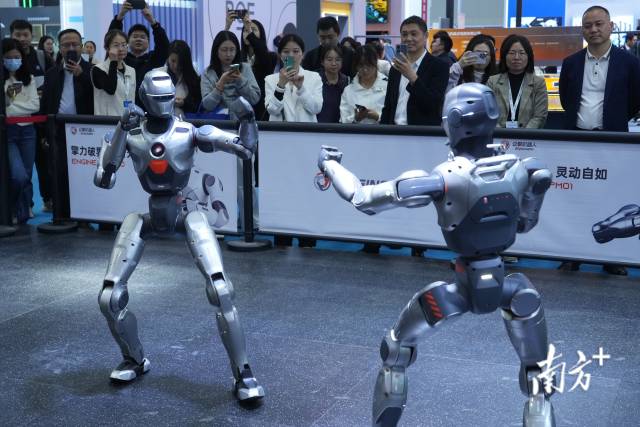
随着GDPS 2025全球开发者先锋大会暨国际具身智能技能大赛临近,在上海张江机器人谷及各大参赛企业的研发中心,机器人"考生"们正进行着最后阶 段的高强度训练。 从餐厅传菜到居家插花,这些钢铁"选手"在机械臂的屈伸、传感器的感知中,打磨着走进真实生活的核心技能。《国际金融报》记者近日实地探访多家 参赛企业,直击机器人备战进展。 本次大赛助理裁判长张晔介绍,大赛以"让机器人走进真实场景"为核心宗旨,设置了居家服务、医疗康养、应急救援等多个实战赛道,覆盖叠衣服、收 拾桌子、康复辅助、极端环境作业等多元化任务。而在众多赛项中,服务赛道的插花比赛堪称"最浪漫也最难"的挑战,让冰冷的机器人与柔美花艺相遇,成 为一大亮点。 不过,插花比赛可不是简单的机械操作,而是分为分拣花枝、自主决策、艺术布局等多层"考题":机器人需先精准分辨百合、玫瑰、菊花等花材,在狭 窄的花瓶口径中完成插放,还要在无遥控辅助的情况下自主规划动作,最终甚至需通过世赛花艺大师的审美考评,展现对留白意境与生命感的理解。这意味 着机器人不仅要突破视触觉融合的技术难关,更要跳出"装箱算法"的思维定式,触碰艺术的灵魂。目前,已有11支机器人赛队报名参加插花比赛 ...