格力电器

Search documents
突发,美的“停服”小米、格力?
3 6 Ke· 2025-11-21 10:58
Core Viewpoint - Midea has implemented a policy prohibiting its after-sales service providers from simultaneously collaborating with Xiaomi or Gree, primarily targeting Xiaomi due to its significant sales growth in air conditioning this year, which has posed a competitive threat to Midea [1][5] Group 1: Industry Competition - The competition among major home appliance brands is intensifying, with Midea's policy change quickly becoming a trending topic on social media [1] - Midea has denied any forced collaboration restrictions, indicating a potential discrepancy in reports from various media outlets [1][4] - The relationship dynamics between Xiaomi and Gree are complex, with historical factors influencing public perception of their rivalry [5] Group 2: Market Position and Performance - In July, the top five air conditioning brands in China were Midea, Gree, Haier, Xiaomi, and Aux, with Midea experiencing a 1% decline and Xiaomi emerging as a notable competitor [6] - During the recent Double Eleven shopping festival, the sales rankings for air conditioning brands were Gree, Midea, Xiaomi, Hualing, and Haier, indicating Xiaomi's strong market presence [7] - Price competition is escalating, with average prices for air conditioning units dropping significantly, reflecting the aggressive strategies of leading brands [8] Group 3: Financial Insights - Xiaomi's air conditioning segment has a net profit margin of approximately 2%, while Midea's and Haier's margins are significantly higher, indicating a challenging financial landscape for Xiaomi [8] - Despite a 5.6% year-on-year revenue growth in Xiaomi's IoT and lifestyle products segment, there was a noticeable decline compared to the previous quarter, highlighting the competitive pressures in the home appliance sector [8] Group 4: International Expansion - Midea's overseas revenue reached 107.2 billion yuan in the first half of 2025, marking a 17.7% year-on-year increase, establishing it as a significant growth driver [9] - Haier's overseas revenue accounted for over 50% of its total revenue, showcasing its strong international presence [9] - Gree's overseas revenue reached 16.78% of its total, indicating room for growth in international markets [9] Group 5: Technological Advancements - The leading home appliance brands are heavily investing in technology and innovation, with Haier holding the highest number of smart home invention patents globally [10] - Xiaomi is pursuing a comprehensive ecosystem strategy, integrating its products with smart home technology, which may provide a competitive edge [10][11] - The smart home market in China is projected to reach 1.36 trillion yuan by 2030, indicating significant growth potential for all major players [11]




美的要求售后商停止服务小米格力,公关称不清楚
3 6 Ke· 2025-11-21 10:24
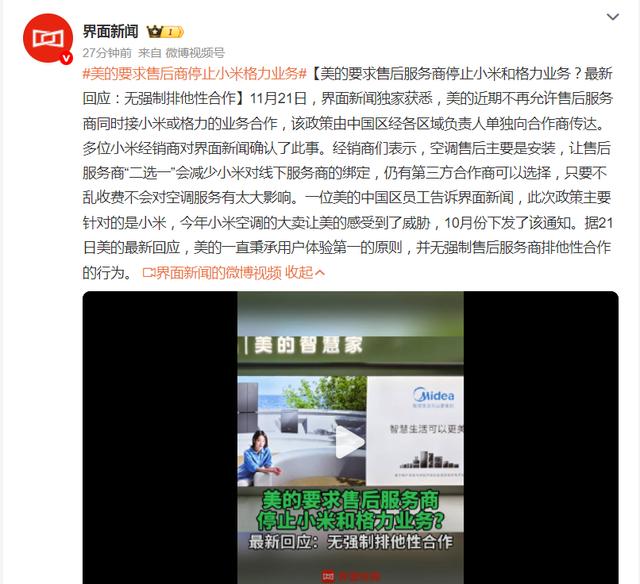
【#美的要求售后商停止小米格力业务#,美的公关回应:"不清楚此事"】 对此消息,美的公关回应称不清楚此事。 美的一向在售后投入很重。一家美的售后网点配置接近50人,其中有一半是技术人员,其他主要是售后 工人为主。这类网点在二线城市城区会覆盖到7家以上,大的省份接近70家。 多位小米经销商对智通财经确认了此事。经销商们表示,空调售后主要是安装,小米目前有送装一体和 先送后装两种选择,让售后服务商"二选一"会减少小米对线下服务商的绑定,仍有第三方合作商可以选 择,只要不乱收费不会对空调服务有太大影响。 一位美的中国区员工告诉智通财经,此次政策主要针对的是小米,今年小米空调的大卖让美的感受到了 威胁,10月份下发了该通知。 在美的员工看来,在传统的大家电行业里,决定消费者对品牌认可度的一个关键因素就是售后,而这 种"隐形"的门槛往往被厂家所忽视。 据智通财经报道,近日,有消息称,美的不再允许售后服务商同时接小米或格力的业务合作,该政策由 中国区经各区域负责人单独向合作商传达,涉及小米、格力等其他品牌的空调售后及安装维修。 例如格力在进军冰洗市场时,还是采用原来空调的经销商模式快速铺货,售后由经销商来铺设,也 是"外 ...
美的被曝“卷”售后 有合作商已结束与小米合作
Jing Ji Guan Cha Wang· 2025-11-21 10:17
Core Viewpoint - Midea Group has reportedly instructed its after-sales service providers to stop accepting service contracts for air conditioning installations and repairs from Xiaomi and Gree, reflecting the intensifying competition in the home appliance industry [1][5]. Group 1: Industry Competition - The home appliance industry is experiencing fierce competition, with brands like Midea, Xiaomi, and Gree vying for market share and after-sales service dominance [1][5]. - Midea's actions may be aimed at protecting its market share against Xiaomi's rapid growth in the air conditioning sector, which has seen Xiaomi achieve a year-on-year sales growth of 53.9% [3][6]. - The competitive landscape has shifted, with Xiaomi's market share in air conditioning surpassing Gree, positioning it as a significant threat to traditional manufacturers [6][7]. Group 2: After-Sales Service Dynamics - After-sales service has become a critical battleground for user acquisition among major brands, with Midea's policy potentially limiting Xiaomi's access to service networks [2][4]. - Midea has denied enforcing exclusive partnerships with service providers, emphasizing its commitment to user experience [2][5]. - The establishment of a professional after-sales service network is challenging, particularly for Xiaomi, which relies heavily on third-party service providers [4][7]. Group 3: Market Share Insights - As of July 2025, Midea holds a 29% market share, followed by Gree at 17%, Haier at 15%, Xiaomi at 10%, and Aux at 8% [6]. - The competitive dynamics have led to a shift from capital cooperation between Midea and Xiaomi to direct competition, with Midea planning to divest its shares in Xiaomi [6][7]. - The ongoing price wars and resource competition between Midea and Xiaomi highlight the escalating rivalry in the home appliance sector [6][7].
白色家电板块11月21日涨0.54%,美的集团领涨,主力资金净流出1.49亿元
Zheng Xing Xing Ye Ri Bao· 2025-11-21 09:33
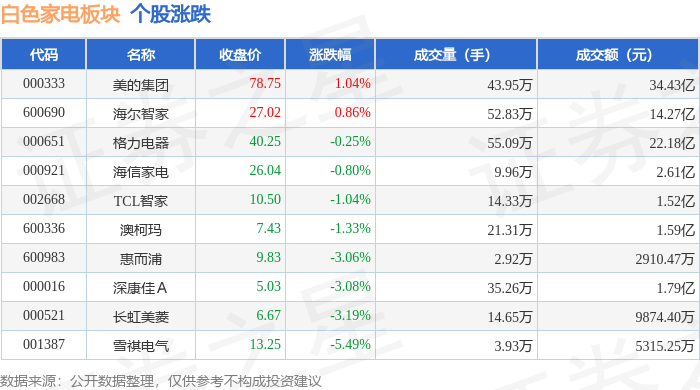
Market Overview - The white goods sector increased by 0.54% on November 21, with Midea Group leading the gains [1] - The Shanghai Composite Index closed at 3834.89, down 2.45%, while the Shenzhen Component Index closed at 12538.07, down 3.41% [1] Stock Performance - Midea Group closed at 78.75, up 1.04% with a trading volume of 439,500 shares and a transaction value of 3.443 billion yuan [1] - Haier Smart Home closed at 27.02, up 0.86% with a trading volume of 528,300 shares and a transaction value of 1.427 billion yuan [1] - Gree Electric Appliances closed at 40.25, down 0.25% with a trading volume of 550,900 shares and a transaction value of 2.218 billion yuan [1] - Hisense Home Appliances closed at 26.04, down 0.80% with a trading volume of 99,600 shares and a transaction value of 261 million yuan [1] - TCL Smart Home closed at 10.50, down 1.04% with a trading volume of 143,300 shares and a transaction value of 152 million yuan [1] - Aucma closed at 7.43, down 1.33% with a trading volume of 213,100 shares and a transaction value of 159 million yuan [1] - Whirlpool closed at 9.83, down 3.06% with a trading volume of 29,200 shares and a transaction value of 29.104 million yuan [1] - Deep Kangjia A closed at 5.03, down 3.08% with a trading volume of 352,600 shares and a transaction value of 179 million yuan [1] - Changhong Meiling closed at 6.67, down 3.19% with a trading volume of 146,500 shares and a transaction value of 98.744 million yuan [1] - Snowman Electric closed at 13.25, down 5.49% with a trading volume of 39,300 shares and a transaction value of 53.1525 million yuan [1] Capital Flow - The white goods sector experienced a net outflow of 149 million yuan from institutional investors, while retail investors saw a net inflow of 4.7305 million yuan [1] - Haier Smart Home had a net inflow of 64.2082 million yuan from institutional investors, while it faced a net outflow of 92.977 million yuan from speculative funds [2] - Whirlpool had a net inflow of 578,200 yuan from institutional investors, with a net outflow of 1.4406 million yuan from retail investors [2] - Aucma experienced a net outflow of 179,900 yuan from institutional investors, while it had a net inflow of 6.4482 million yuan from speculative funds [2] - Gree Electric Appliances faced a net outflow of 1.36 million yuan from institutional investors, while retail investors had a net inflow of 7.08976 million yuan [2]




美的集团完成中期分红 何享健家族三年半获超200亿
Sou Hu Cai Jing· 2025-11-21 08:45
Core Insights - The 2025 Hurun Rich List reveals that the He family of Midea Group (000333) has a wealth of 278 billion yuan, marking an 18% increase [1] - Midea Group recently completed its first interim dividend, distributing 5 yuan per 10 shares, totaling approximately 3.8 billion yuan [1][3] Dividend Distribution - Over the past three years, the He family has received around 20 billion yuan in dividends from Midea Group [2][7] - The He family directly holds 0.42% of Midea Group shares and controls a total of 28.75% through Midea Holdings [2] - The recent interim dividend allows the He family to receive approximately 1.09 billion yuan [3] Historical Dividend Performance - Since its overall listing in 2013, Midea Group has distributed over 134 billion yuan in cash dividends, nearing 140 billion yuan with the latest interim dividend [4] - The company has implemented share buybacks exceeding 33 billion yuan [4] - Midea Group has increased its dividend payout ratio since 2022, with dividends of 25 yuan, 30 yuan, and 35 yuan per 10 shares in 2022, 2023, and 2024 respectively, maintaining a payout ratio around 60% [4] Financial Performance - For the first three quarters of 2025, Midea Group reported revenues of 364.72 billion yuan, a 13.9% year-on-year increase, and a net profit of 37.88 billion yuan, up 19.5% [9] - Midea Group leads in revenue and net profit growth among the three major white goods manufacturers, including Haier and Gree [9] Shareholder Insights - The largest individual shareholder, Chairman Fang Hongbo, holds 1.17 million shares and has received approximately 1.11 billion yuan in cash dividends over the past three and a half years [9] - Midea Group's stock is perceived to be undervalued, prompting share buybacks to enhance shareholder returns [9] Business Segments - Midea Group's B2B segment has a lower gross margin of 21.4%, compared to over 29% for its C2C smart home business [10] - Despite stable growth, Midea Group's valuation is considered the highest among its peers, with a dynamic P/E ratio of about 12 times, compared to Haier's 11 times and Gree's below 8 times [10]
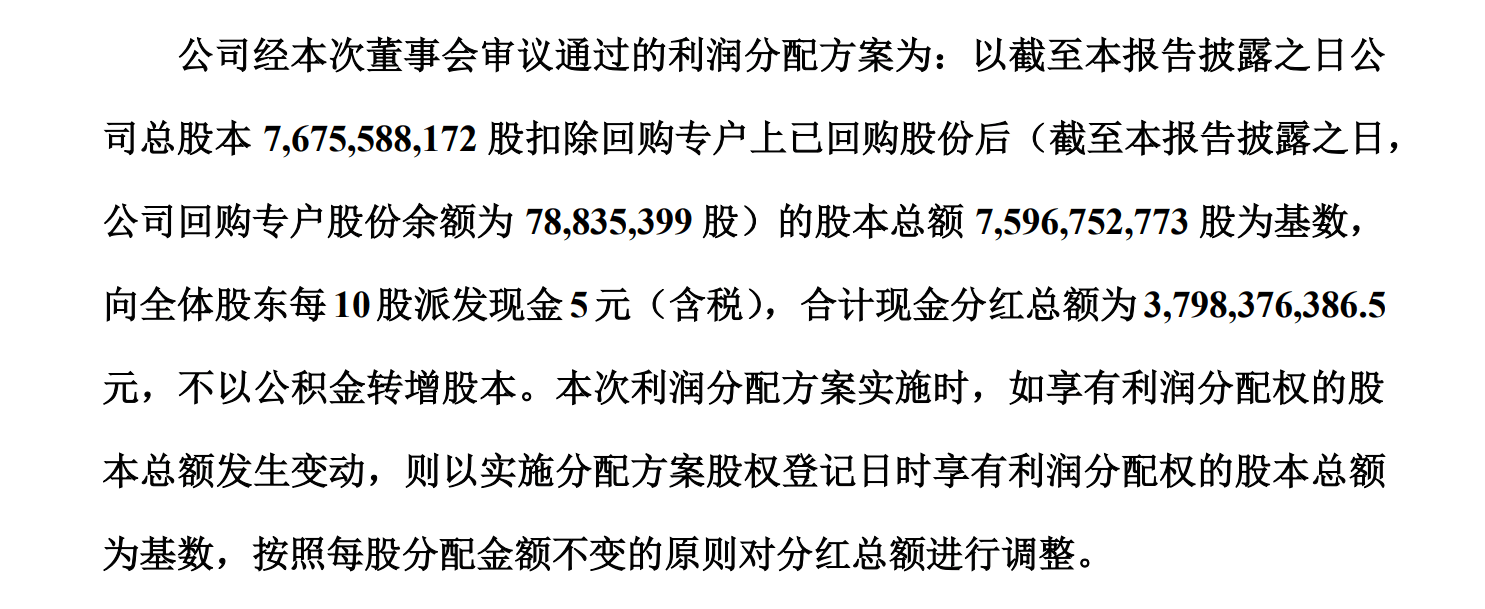
荣耀小米加码,全屋智能大乱战升级:家电巨头才是终极话事人?
3 6 Ke· 2025-11-21 07:52
Core Insights - The smart home sector is witnessing an influx of players, with companies like Honor officially entering the market by adapting to Home Assistant and supporting the Matter protocol, while Xiaomi's AIoT platform has connected over 1 billion IoT devices for the first time, marking a year-on-year growth of over 20% [1][3][8]. Group 1: Company Strategies - Xiaomi has evolved from a mobile phone manufacturer to a comprehensive consumer electronics brand with a complete ecosystem of home appliances and IoT products, including smart speakers, air conditioners, and more, all integrated under the Mi Home app [5][8]. - Huawei's strategy focuses on creating a unified operating system, HarmonyOS, which integrates various devices into a distributed system, aiming to transform homes into "super devices" [9][11]. - Apple maintains a strong user experience with its HomeKit but is limited by its ecosystem, relying on third-party manufacturers for device compatibility, which restricts its market reach compared to competitors [12][15]. - Honor aims to be a coordinator of smart devices rather than a manufacturer of home appliances, focusing on interoperability through industry-standard protocols like Home Assistant and Matter [16][18]. Group 2: Competitive Landscape - Traditional home appliance giants like Midea, Haier, and Gree are shifting their focus to whole-home smart solutions, leveraging their hardware expertise and understanding of user needs to maintain a competitive edge [19][21]. - The competition is evolving from single smart products to system collaboration, allowing mobile manufacturers to re-enter the market, but traditional appliance manufacturers still hold significant advantages in hardware performance and user experience [22][25]. - New entrants in the smart home market, such as Euribot and Green米, are focusing on foundational smart home components, while emerging players like Chasing are rapidly expanding their product offerings across various categories [23][24]. Group 3: Future Outlook - The future of the smart home market is expected to be characterized by coexistence among various players, with mobile manufacturers offering flexible product choices and traditional appliance manufacturers providing reliable performance and integrated solutions [25][27].

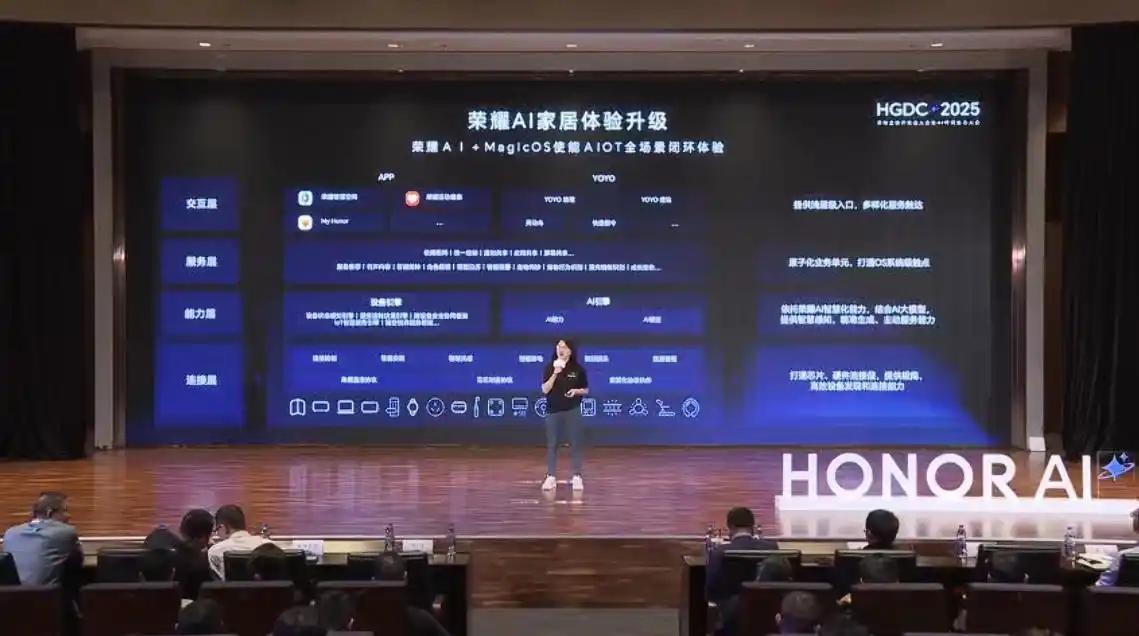
美的禁止售后商接小米格力业务,员工称因小米空调大卖
Mei Ri Jing Ji Xin Wen· 2025-11-21 07:23
多位小米经销商对智通财经确认了此事。经销商们表示,空调售后主要是安装,小米目前有送装一体和 先送后装两种选择,让售后服务商"二选一"会减少小米对线下服务商的绑定,仍有第三方合作商可以选 择,只要不乱收费不会对空调服务有太大影响。 【#美的被曝禁止售后服务商接小米和格力业务#】11月21日,智通财经获悉,美的近期不再允许售后服 务商同时接小米或格力的业务合作,该政策由中国区经各区域负责人单独向合作商传达,涉及小米、格 力等其他品牌的空调售后及安装维修。 对此消息,美的公关回应称不清楚此事。 一位美的中国区员工告诉智通财经,此次政策主要针对的是小米,今年小米空调的大卖让美的感受到了 威胁,10月份下发了该通知。(智通财经,德塔) ...
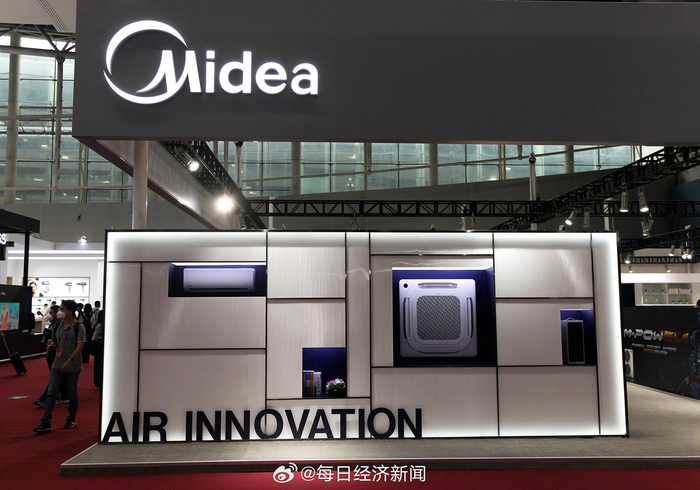
美的要求售后停止小米或格力业务?最新回应
Xin Lang Cai Jing· 2025-11-21 06:50
该报道称,多位小米经销商确认了此事。经销商们表示,空调售后主要是安装,小米目前有送装一体和先送后装两种选择,让售后服务商"二选 一"会减少小米对线下服务商的绑定,仍有第三方合作商可以选择,只要不乱收费不会对空调服务有太大影响。 11月21日,美的集团回应智通财经记者问询表示,美的一直秉承用户体验第一的原则,并无强制售后服务商排他性合作的行为。 21日早些时候,有媒体报道称,美的近期不再允许售后服务商同时接小米或格力的业务合作,该政策由中国区经各区域负责人单独向合作商传达, 涉及小米、格力等其他品牌的空调售后及安装维修。 空调安装是家电售后服务中最复杂的,美的、格力都拥有庞大的售后服务队伍。如果大厂禁止售后服务安装其他品牌,其他竞争品牌的售后服务资 源将大为减少。不过,美的在声明中明确否认此事。 智通财经记者 周玲 根据奥维云网2025年7月全渠道(线上+线下+下沉市场)数据。美的以29%的份额稳居第一,线下和线上市场均保持领先地位。格力份额为17%, 位列第二,但受价格战影响,市场份额较前期有所下滑。海尔份额15%,排名第三,且是前三名中唯一实现份额同比正增长的品牌。小米份额为 10%,排名第四,奥克斯份额为 ...
这些穿越时空的大咖观点,每一条都干货满满!
Zhong Guo Zheng Quan Bao· 2025-11-21 06:48
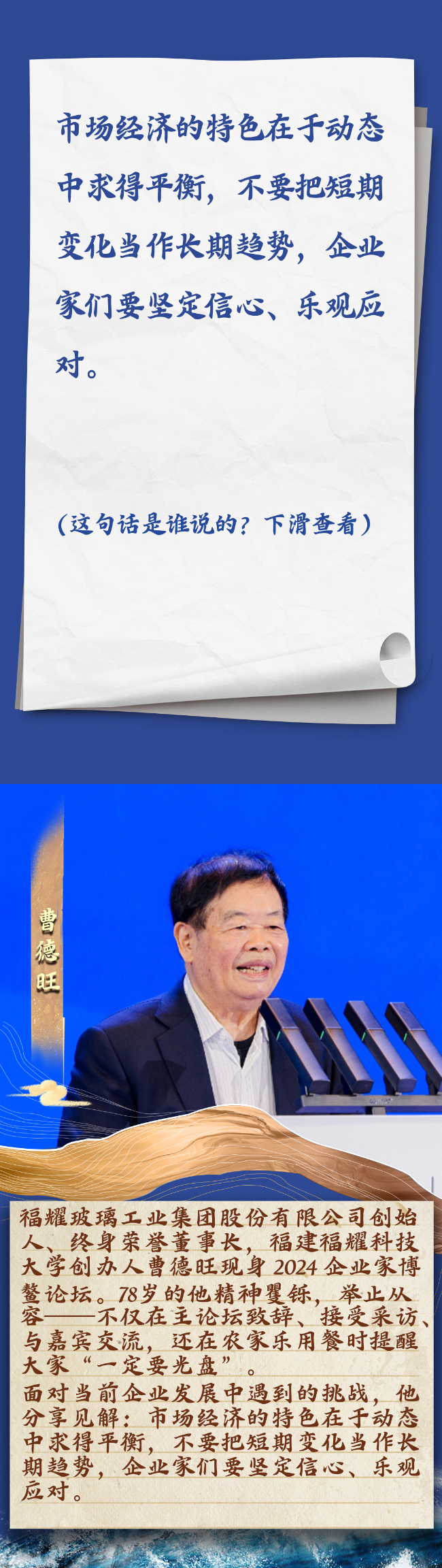
Group 1 - The Boao Forum for Entrepreneurs celebrates its 10th anniversary, highlighting voices that predict the future of China's high-quality economic development [1] - The forum features insights from various entrepreneurs, emphasizing the importance of maintaining a long-term perspective rather than focusing on short-term gains [4][7] - The event showcases the need for innovation and adaptation in the face of industry challenges, particularly in sectors like automotive and technology [17][38] Group 2 - Entrepreneurs are encouraged to embrace social responsibility and avoid short-sighted profit motives, as this can lead to market rejection [7][4] - The automotive industry is undergoing significant changes, with a focus on younger demographics and the integration of new technologies [17][41] - Continuous innovation is deemed essential for product upgrades and industry transformation, which is crucial for achieving high-quality development [20][18] Group 3 - The importance of nurturing talent is highlighted, as it is seen as the core of technological advancement and economic growth [50][48] - Entrepreneurs are urged to have a sense of national responsibility, contributing to society while developing their businesses [54][52] - The future of China's technological development is expected to be driven by AI, new energy technologies, and electric vehicles [58][61]
美的最新回应:不属实
新华网财经· 2025-11-21 06:06
Core Viewpoint - Midea has reportedly implemented a policy that restricts after-sales service providers from collaborating with Xiaomi or Gree, which has been denied by Midea, emphasizing its commitment to user experience and non-exclusivity in partnerships [2][3]. Group 1: Competitive Landscape - Xiaomi's air conditioning business has shown significant growth this year, increasing competitive pressure on Midea [3]. - Xiaomi's CEO Lei Jun stated that home appliances have become a strategic business for the company, with plans for large-scale production of air conditioners by 2026, aiming to become a top brand in China's home appliance market [4]. - Midea's chairman, Fang Hongbo, questioned which of the top three home appliance giants Xiaomi intends to displace to achieve its market ambitions [5]. Group 2: Industry Dynamics - Fang Hongbo highlighted that the home appliance industry is highly competitive with low entry barriers, resulting in a "red ocean" market where competition is fierce and efficiency gains are limited [5]. - He expressed skepticism about the potential for great, high-tech companies to emerge in the home appliance sector, suggesting that any new entrants are strategically at a disadvantage [6].