
古井贡酒

Search documents
“春节红包”密集来袭!35家A股公司本周共计派现超190亿
Di Yi Cai Jing· 2026-02-10 12:13
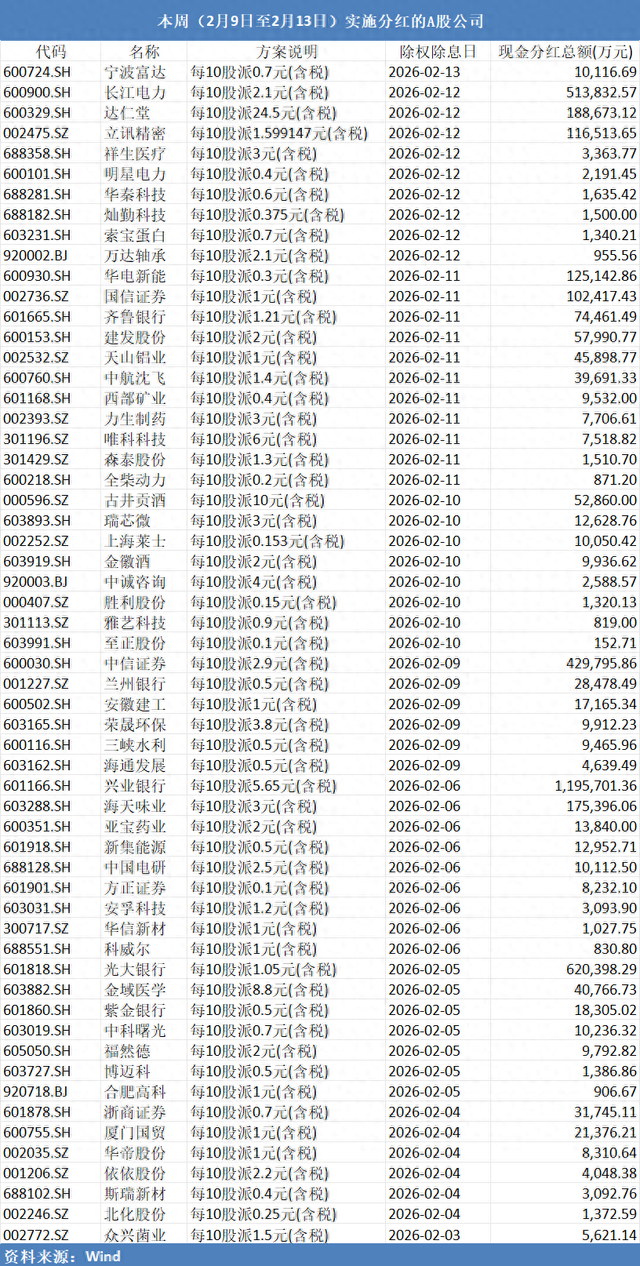
Core Viewpoint - A group of A-share companies is distributing dividends before the Spring Festival, with a total payout exceeding 19 billion yuan, reflecting a shift from financing to shareholder returns [1][3][9] Dividend Distribution Overview - From February 9 to February 13, a total of 35 A-share companies announced dividend distributions, with a total cash payout of 19.027 billion yuan [3][9] - The highest dividend payout is from Changjiang Electric Power, proposing a distribution of 5.138 billion yuan, followed by CITIC Securities and Darentang with payouts of 4.298 billion yuan and 1.888 billion yuan respectively [3][9] - Six companies are distributing over 1 billion yuan, with the main sectors involved being electric power, food and beverage, and non-bank financial services [1][3] Company Performance and Dividend Sustainability - Many companies that are distributing dividends have reported positive earnings, with CITIC Securities and Changjiang Electric Power both showing revenue growth of over 20% [9] - The trend of companies announcing dividends, including those that are newly listed or have not previously issued interim dividends, indicates a growing emphasis on shareholder returns [1][5][11] - The sustainability of dividends is highlighted as a key concern, with investors advised to consider cash flow and profitability to support dividend payments [2][11] Industry Trends - The recent dividend announcements are part of a broader trend where A-share companies are increasingly adopting a culture of regular dividends, moving from "soft advocacy" to "hard constraints" under new regulations [11][12] - The distribution of dividends is seen as a reflection of company value rather than a mere financial maneuver, with a call for a rational dividend culture that aligns with the lifecycle of the business [11][12]






春晚招商战:AI 应用与平台,正在接管春节流量入口
Jing Ji Guan Cha Bao· 2026-02-10 10:07
Core Insights - The commercial landscape of the 2026 Spring Festival Gala is becoming clearer, with major players in sponsorship and collaboration identified, highlighting the event's significance as a cultural and emotional touchstone for audiences across demographics and regions [1][2] Group 1: Changes in Sponsorship Dynamics - Unlike previous years, the 2026 Spring Festival Gala is witnessing a structural shift in commercial forces, with AI applications, technology platforms, and content-based social platforms emerging as the most aggressive players in the sponsorship landscape [2] - Traditional sponsors such as liquor brands and household appliances remain prominent, but AI products and platforms are increasingly appearing, indicating a blend of old and new sponsorship strategies [3][4] - AI applications are not just seeking exposure but are aiming for user education and product recognition during a peak attention period, marking a strategic shift in how brands engage with audiences [5][11] Group 2: Role of Major Platforms - CCTV's Spring Festival Gala remains a strategic high ground for brands, with significant partnerships formed, such as Bilibili becoming the exclusive bullet screen video platform, enhancing interactive experiences [8] - Other platforms like Xiaohongshu and Douyin are also integrating the Spring Festival into their ecosystems, transforming the event into a social experience rather than just a viewing event [9][10] - The collaboration with ByteDance's Volcano Engine as the exclusive AI cloud partner signifies a focus on technical capabilities and real-time interaction, positioning the Spring Festival as a testing ground for AI applications [10] Group 3: AI as a Central Theme - The 2026 Spring Festival is set to be a pivotal year for consumer-level AI, with significant investments in cash red envelopes from companies like Baidu and Tencent, indicating a shift in marketing logic from mere participation to active engagement [12][13][15] - The integration of traditional content with cutting-edge technology aims to reshape how audiences interact with the Spring Festival, moving from passive consumption to active participation [14][19] - The event serves as a critical platform for demonstrating the capabilities of AI applications across various scenarios, reinforcing the importance of the Spring Festival as a comprehensive engagement opportunity for brands [15][18]
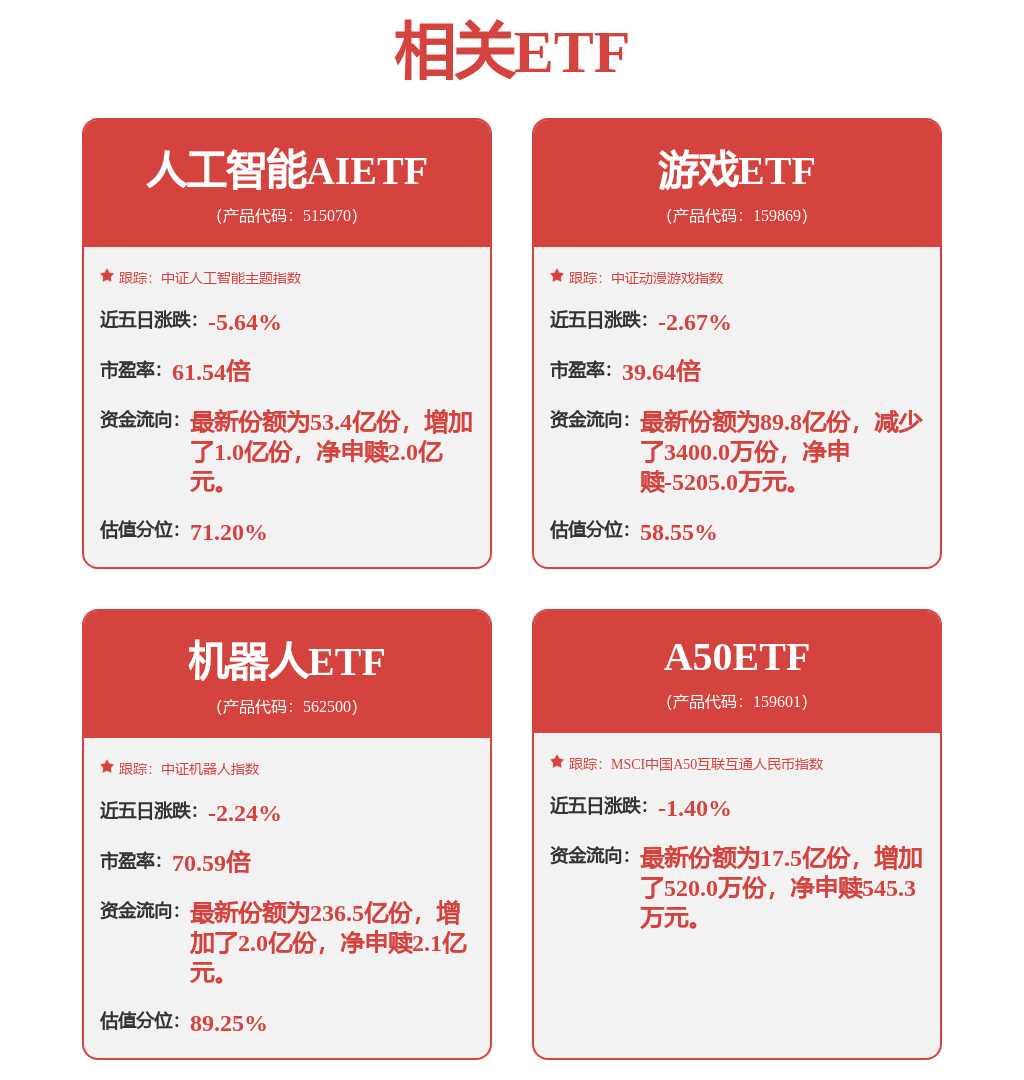
古井贡酒跌2.13%,成交额1.27亿元,主力资金净流出1222.62万元
Xin Lang Cai Jing· 2026-02-10 02:14
Core Viewpoint - Gujinggong Liquor's stock price has experienced a decline, with a 2.13% drop on February 10, 2023, and a total market value of 67.671 billion yuan. The company has seen a year-to-date stock price decrease of 2.72% and a significant decline over the past 60 days of 20.29% [1]. Financial Performance - For the period from January to September 2025, Gujinggong Liquor reported a revenue of 16.425 billion yuan, reflecting a year-on-year decrease of 13.87%. The net profit attributable to shareholders was 3.960 billion yuan, down 16.57% compared to the previous year [2]. Shareholder Information - As of January 30, 2025, the number of shareholders for Gujinggong Liquor increased to 57,000, marking a 2.32% rise. The average circulating shares per person remained at 0 [2]. - The company has distributed a total of 13.141 billion yuan in dividends since its A-share listing, with 7.665 billion yuan distributed over the last three years [3]. Institutional Holdings - As of September 30, 2025, the second-largest circulating shareholder is the China Securities White Wine Index A, holding 15.9827 million shares, an increase of 2.3527 million shares from the previous period. Other notable shareholders include E Fund Consumer Industry Stock and Invesco Great Wall New Emerging Growth Mixed Fund, with varying changes in their holdings [3].
酒价内参2月10日价格发布,习酒君品微跌1元
Xin Lang Cai Jing· 2026-02-10 01:24
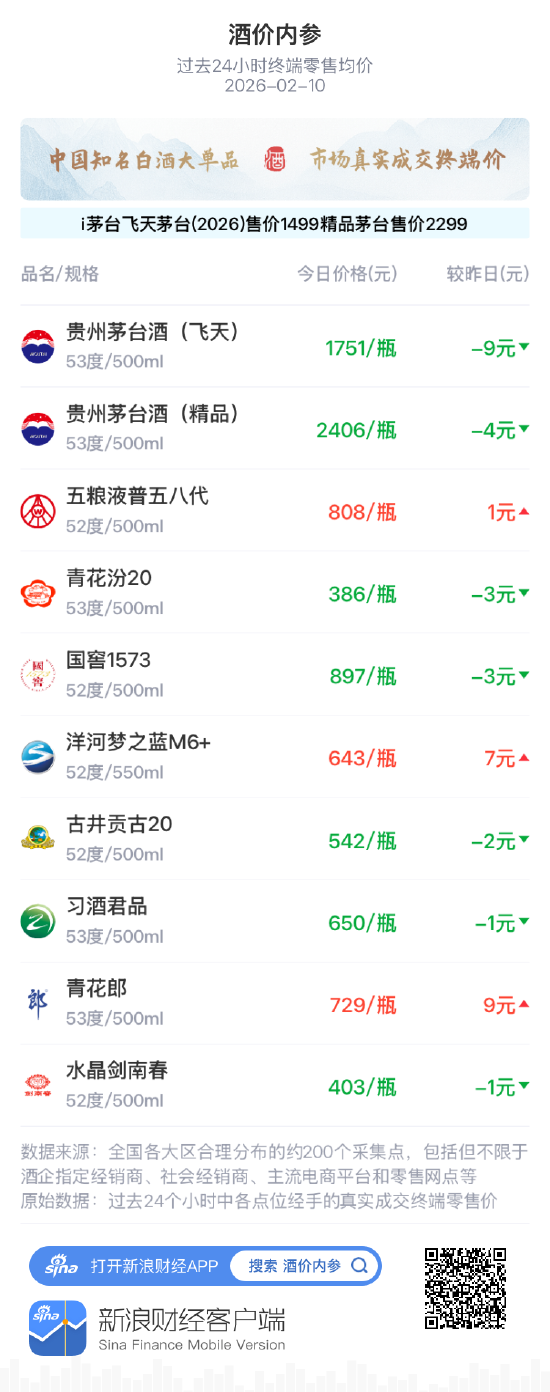
Core Viewpoint - The Chinese liquor market is experiencing a slight decline in retail prices for the top ten products, indicating a structural differentiation while maintaining a high-level consolidation trend [1][6]. Price Movements - Among the top ten products, seven saw price declines while three experienced increases. The notable price increases include: - Qinghua Lang rose by 9 yuan per bottle - Yanghe Dream Blue M6+ increased by 7 yuan per bottle, marking five consecutive days of price growth due to pre-festival consumption and channel replenishment support - Wuliangye Pu 58th generation saw a minor increase of 1 yuan per bottle [1][7] - Conversely, the price declines included: - Feitian Moutai decreased by 9 yuan per bottle - Premium Moutai fell by 4 yuan per bottle after a period of strong price increases - Guojiao 1573 and Qinghua Fen 20 both dropped by 3 yuan per bottle - Ancient Well Tribute 20 decreased by 2 yuan per bottle - Xijiu Junpin and Crystal Jian Nan Chun both saw minor declines of 1 yuan per bottle [1][7]. Data Collection Methodology - The daily data for liquor prices is sourced from approximately 200 collection points across various regions, including designated distributors, social distributors, e-commerce platforms, and retail outlets. The aim is to provide an objective, real, and scientifically traceable dataset regarding well-known liquor market prices [2][7]. Market Dynamics - The introduction of new sales channels for Feitian Moutai and Premium Moutai has begun to show a magnetic influence on their market retail prices. The iMoutai platform started selling Feitian Moutai at 1499 yuan per bottle and Premium Moutai at 2299 yuan per bottle, which has contributed to price adjustments [2][7]. - Bernstein's recent report highlights a positive outlook on Moutai's RTM (Route to Market) channel reform, indicating a shift from passive pricing to active value chain control. Moutai has implemented dynamic contracts to replace fixed quotas, allowing for flexible price and volume adjustments [8]. Profitability and Inventory Management - Moutai's wholesale price has stabilized and rebounded, with the 500ml Feitian Moutai now priced approximately 28% higher than traditional wholesale channels, enhancing profit margins. The company has reduced the supply of high-end variants by 30%-50%, leading to a significant recovery in wholesale prices [8]. - The expected inventory of aged liquor by 2027 is projected to reach 64,000 tons, providing a solid foundation for price management. Currently, the channel profit margin for Feitian Moutai stands at 25%, significantly higher than competitors, ensuring channel loyalty and price system resilience [8].





酒价内参2月10日价格发布,水晶剑南春微跌1元
Xin Lang Cai Jing· 2026-02-10 01:24
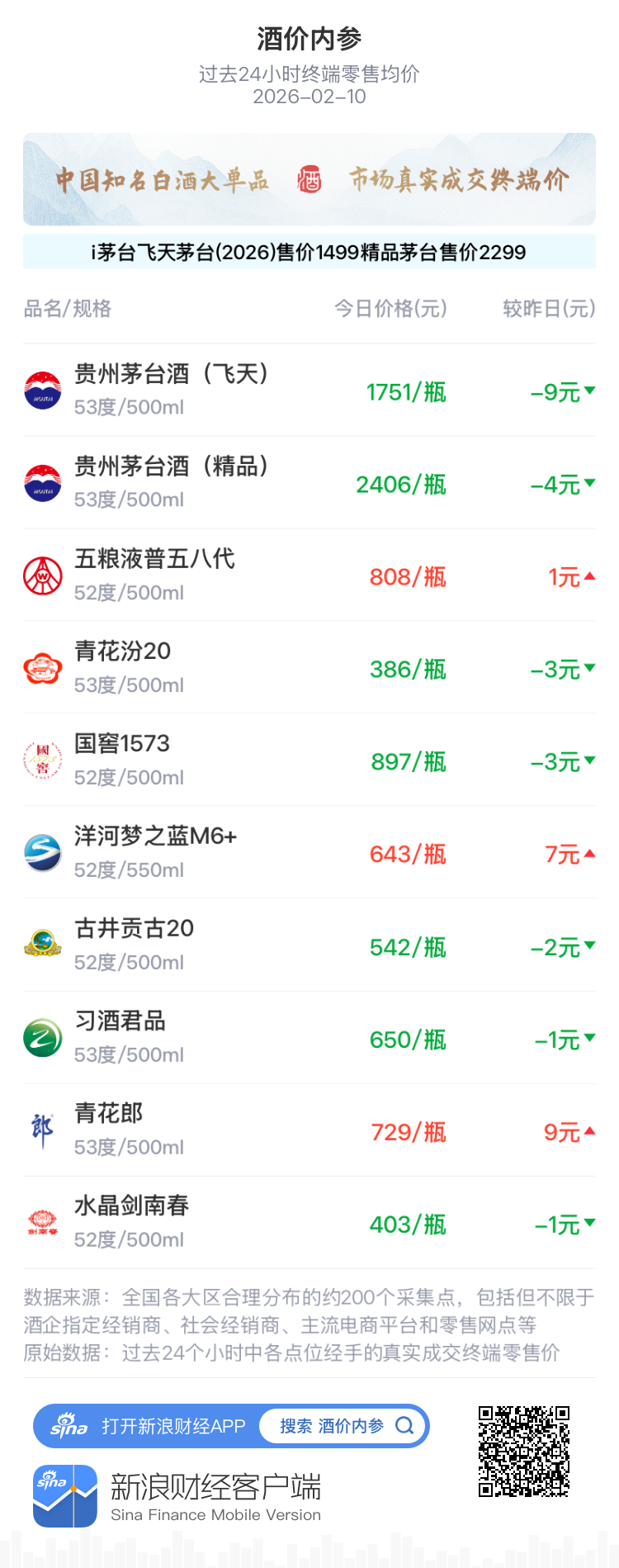
Core Viewpoint - The Chinese liquor market is experiencing a slight decline in retail prices for the top ten products, indicating a structural differentiation while maintaining a high-level consolidation trend [1][6]. Price Changes - The overall retail price for the top ten liquor products is 9,215 yuan, down 6 yuan from the previous day [1][6]. - Among the top ten products, seven saw price declines while three experienced increases [1][7]. - The price increases were led by Qinghua Lang, which rose by 9 yuan per bottle, and Yanghe Dream Blue M6+, which increased by 7 yuan per bottle, marking five consecutive days of price growth [1][7]. - Conversely, Feitian Moutai dropped by 9 yuan per bottle, and the premium Moutai decreased by 4 yuan per bottle, following a period of strong price increases [1][7]. Data Collection Methodology - The price data is sourced from approximately 200 collection points across various regions, including designated distributors, social distributors, e-commerce platforms, and retail outlets, aiming to provide an objective and traceable overview of the liquor market [2][7]. Market Dynamics - The introduction of new sales channels for Feitian Moutai and premium Moutai has begun to show a magnetic influence on their retail prices [2][8]. - Bernstein's report highlights the successful channel reform of Kweichow Moutai, transitioning from passive pricing to active value chain control, which has led to a stabilization and rebound in wholesale prices [8]. - The implementation of dynamic contracts instead of fixed quotas allows for flexible price and volume adjustments, contributing to a significant increase in profit margins [8]. Future Outlook - The expected inventory of aged liquor by 2027 is projected to reach 64,000 tons, providing a solid foundation for price management [8]. - The profit margin for Feitian Moutai is currently at 25%, significantly higher than competitors, ensuring channel loyalty and resilience in the pricing system [8].
酒价内参2月10日价格发布 名酒终端价高位小幅整理
Xin Lang Cai Jing· 2026-02-10 01:21
Core Insights - The average retail price of the top ten Chinese liquor products slightly decreased on February 10, with a total price of 9,215 yuan, down 6 yuan from the previous day, indicating a structural differentiation in the market while maintaining a high-level consolidation trend [1][4] Price Movements - Among the top ten products, seven saw price declines while three experienced price increases [1] - The price of Qinghua Lang rose by 9 yuan per bottle, leading the increases, while Yanghe Dream Blue M6+ increased by 7 yuan per bottle, marking its fifth consecutive rise due to pre-holiday consumption and channel replenishment support [1][4] - Conversely, Feitian Moutai fell by 9 yuan per bottle, and the premium Moutai dropped by 4 yuan per bottle, reflecting a normal technical correction after a period of strong price increases [1] - Other notable declines included Guojiao 1573 and Qinghua Fen 20, both down by 3 yuan per bottle, and Guhua Gong Gu 20 down by 2 yuan per bottle [1]
今日大事提醒:三新股齐上市,政策利好频出
Jin Rong Jie· 2026-02-10 00:27
新股动态: 今日共有3只新股上市,分别为 林平发展(发行价37.88元)、 电科蓝天(发行价9.47 元)、爱得科技(发行价7.67元)。此外,港股乐欣户外、爱芯元智今日上市。 行业大事: ①财政 部、海关总署、税务总局联合印发《关于河套深港科技创新合作区深圳园区货物进出口有关税收政策的 通知》,自2月10日起实施。 ②《上海市食品经营许可审查实施细则》于2月10日正式施行。 ③中共中 央政治局委员、外交部长王毅将于2月10日在广州出席2026年亚太经合组织(APEC)第一次高官会开 幕式并致辞。 ④市场监管总局、 交通运输部等四部门联合发布《重点液态食品道路散装运输联单管理 工作规范》,对植物油、酒类等五类液态食品道路散装运输实施许可管理,自7月1日起执行。 ⑤沪深 北三大交易所推出优化再融资一揽子措施,精准支持科技创新。 经济数据公布: ①美国12月零售销售 环比,预期0.4,前值0.6。 A股动态: ①9家上市公司迎来股票解禁。其中 物产金轮解禁3107.08万股, 占总股本13.97%;其他公司解禁规模较小,如 康尼机电636.88万股(0.74%)、 希荻微172.08万股(0.42%) 等,解禁占 ...
2026年2月:中国酒类行业展望
Zhong Cheng Xin Guo Ji· 2026-02-09 11:21
Investment Rating - The report maintains a stable investment rating for the Chinese liquor industry, indicating that the overall credit quality of the industry is not expected to change significantly in the next 12 to 18 months [5]. Core Insights - The liquor industry is closely tied to macroeconomic conditions and per capita income levels. Recent years have seen consumption pressures due to economic slowdown, low investment, and policy restrictions, leading to negative revenue and profit growth for large-scale enterprises [6][8]. - The white liquor sector has been experiencing a continuous decline in production since 2017, with a "volume and price drop" scenario expected to persist into 2025 due to high inventory and slow market movement [6][14]. - The beer industry remains stable with high market concentration, but faces challenges from reduced consumption in dining and entertainment venues. The trend towards product premiumization and innovation continues to drive growth [5][26]. - Overall, the liquor industry is under pressure from weak economic recovery and consumption policies, with expectations of continued downward pressure on revenue and profits in the future [10][39]. Summary by Sections Key Points - The liquor industry's demand is significantly affected by macroeconomic conditions and per capita income. Recent economic factors have led to a decline in revenue and profit growth for large-scale enterprises [6][9]. - White liquor production has been decreasing since 2017, with a projected "volume and price drop" scenario continuing into 2025 due to high inventory levels and slow market activity [14][25]. - The beer industry maintains a high concentration level, with stable production capacity utilization. However, the reduction in dining and entertainment venues has negatively impacted beer consumption [26][37]. Analytical Approach - The analysis focuses on the credit fundamentals of the liquor industry, examining key indicators affecting consumption since 2025, including disposable income, consumer confidence, and policy adjustments [7]. Industry Fundamentals - The liquor industry's demand is closely linked to macroeconomic conditions and disposable income levels. Recent years have seen consumption pressures due to economic slowdown and policy restrictions [8][9]. - The white liquor sector has been facing a continuous decline in production, with a significant drop in output expected in 2025 due to high inventory and slow market movement [14][25]. Financial Performance - Since 2025, white liquor enterprises have generally experienced significant declines in operating performance, while beer companies have benefited from optimized product structures [39][40]. - The overall debt levels of liquor companies are low, and while debt service indicators have declined, they remain favorable. Group companies have access to financing channels that support their debt repayment capabilities [39][40].
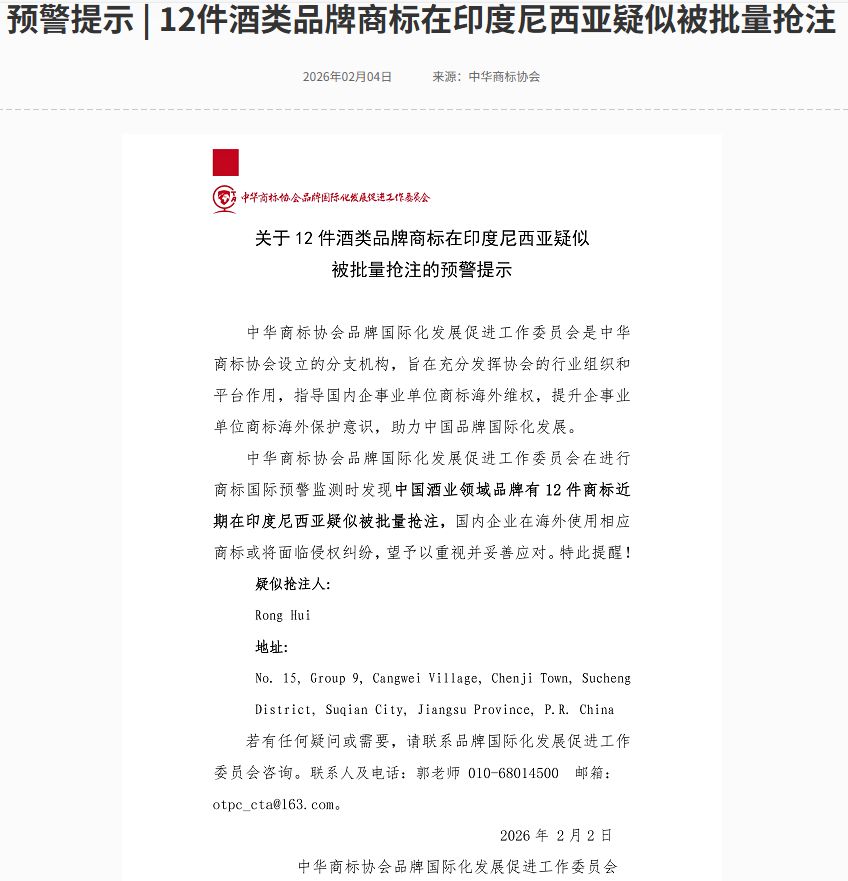
紧急预警!12件中国白酒商标疑在印尼被抢注,会稽山等酒企已着手处理
Mei Ri Jing Ji Xin Wen· 2026-02-09 09:23
Core Viewpoint - The Chinese Trademark Association has issued a warning regarding the potential mass registration of trademarks for 12 representative brands in the Chinese liquor industry in Indonesia, which could lead to infringement disputes for domestic companies operating overseas [1][5]. Group 1: Trademark Registration Warning - The warning was issued by the Brand International Development Promotion Committee of the Chinese Trademark Association, highlighting that 12 trademarks from the Chinese liquor sector have been suspected of mass registration in Indonesia [1][4]. - The brands affected include Kuaijishan, Fenggu, Baofeng, Baiyunbian, and others, covering various types of liquor such as strong aroma, light aroma, rice aroma, and yellow wine [5]. Group 2: Company Responses - Companies like Kuaijishan and Zhijiang Distillery are already taking steps to address the trademark registration issue [1]. - Kuaijishan has a dedicated trademark service provider managing the situation, asserting that any confirmed registrations will be deemed invalid [8]. Group 3: Industry Context and Historical Precedents - Kuaijishan, a leading yellow wine producer, has been expanding its overseas business, with international sales revenue reaching 6.857 million yuan in the first three quarters of 2025 [9]. - The article emphasizes the need for Chinese liquor companies to shift from passive responses to proactive defense strategies in trademark protection, which is crucial for transitioning from product export to brand internationalization [9]. - Historical instances of trademark disputes, such as the case of Wuliangye being registered in South Korea, serve as a warning for companies to establish comprehensive trademark strategies before entering international markets [10][11].

春晚,白酒春节营销的巅峰之战|观酒周报
2 1 Shi Ji Jing Ji Bao Dao· 2026-02-09 06:50
Group 1 - The upcoming Spring Festival is a crucial marketing period for the liquor industry, with a long holiday expected to boost consumption opportunities [1] - The CCTV Spring Festival Gala has announced four major liquor sponsors: Wuliangye, Yanghe, Gujinggong, and Langjiu, with each having a significant presence in the event [1][2] - There are expectations of additional liquor brands participating in the Spring Festival Gala, despite a perceived reduction in sponsorship compared to previous years [1] Group 2 - In recent years, the Spring Festival Gala has typically featured a core group of four liquor sponsors, with additional brands appearing in various capacities [2][3] - The number of liquor brands participating in the Spring Festival Gala has varied, with a peak of nine brands in 2024, indicating a trend of increasing brand involvement [4] - Some liquor companies are shifting their focus to local television programs to strengthen brand presence in their key markets, while still maintaining participation in major events like the CCTV Spring Festival Gala [5] Group 3 - Various liquor brands are exploring partnerships with social media platforms to enhance engagement and marketing reach during the Spring Festival [8] - Companies like Xijiu are entering into direct sales partnerships with platforms like Meituan to facilitate quicker delivery and boost sales [9] Group 4 - New product launches are occurring, such as the introduction of a low-alcohol liquor by Shui Jing Fang, which has seen significant pre-sale success [10] - The UMEET blueberry sparkling wine from Moutai has achieved impressive sales figures on its launch day, indicating strong market interest [11] - Luzhou Laojiao aims to enhance its market position and is targeting a top-three industry ranking, reflecting competitive ambitions within the sector [12] Group 5 - Chongqing Beer reported growth in revenue, profit, and sales volume for 2025, indicating a recovery and positive trend in the beer market [14]