新国九条

Search documents
蔡大总又提“常态化上市”一词,可以休矣。(两会评论)
水皮More· 2026-03-08 04:56
Core Viewpoint - The article critiques the concept of "normalization" in the context of IPOs and financing for technology companies, arguing that the term is misused and should be abandoned in favor of a more regulated and market-driven approach [5][10]. Group 1: Normalization of IPOs - The term "normalization" in the context of IPOs suggests that there have been issues with the frequency and management of new stock issuances, particularly from 2021 to mid-2023, which led to market imbalances [5][6]. - The article emphasizes that a truly functioning market should inherently have regular listings, financing, and mergers, and that the recent surge in IPOs was more of a "leap forward" rather than a normalization [5][6]. - It is noted that the high frequency of IPOs during the specified period created a false sense of market prosperity, which ultimately harmed the market's health [6]. Group 2: Regulatory Reforms - The new "National Nine Articles" introduced in April 2024 aims to address issues in the IPO process, corporate governance, and market regulation, indicating that previous practices were inadequate [7]. - The article highlights that the pace of new stock issuances has slowed since 2021, which is viewed positively as it helps restore market balance [7]. - It is argued that any push for "normalization" in IPOs should be carefully managed to avoid market disruptions, and that alternative exit strategies for investors should be considered beyond just IPOs [7]. Group 3: Support for Technology Companies - The article discusses the need for innovative mechanisms to support technology companies in financing, suggesting that avenues such as mergers and acquisitions should be explored alongside traditional IPOs [8]. - It emphasizes the importance of patient capital and the role of discerning investors in recognizing and supporting technology firms, rather than relying solely on frequent IPOs [8]. - The article also mentions that the regulatory framework should facilitate the entry of technology companies into the capital market while adhering to market principles [9].

媒体视点 | 分量重、成色足,上市公司分红创新高
证监会发布· 2026-03-05 08:51
Core Viewpoint - The article highlights the significant increase in cash dividends distributed by listed companies in China, reflecting a robust performance and a commitment to returning value to investors, with a total of 2.55 trillion yuan in dividends for 2025, marking a 6.3% year-on-year growth [2][7]. Group 1: Dividend Distribution - In the two months leading up to the Spring Festival of 2026, listed companies distributed a total of 348.8 billion yuan in dividends, surpassing the previous year's total [2]. - By the end of 2025, 1,128 companies announced or implemented mid-year dividends totaling 827.3 billion yuan, with over 70% of companies with profits exceeding 5 billion yuan conducting multiple dividends within a year [5][7]. - The overall dividend frequency has increased, with the average number of dividends per year rising from 1 to 1.3, indicating a shift towards more frequent and earlier distributions [7][8]. Group 2: Company Performance and Policy Support - The increase in dividend payouts is closely linked to the stable growth of listed companies, with nearly 60% of companies reporting improved performance and a total net profit of 820.09 billion yuan, a significant increase of 1,556.7 billion yuan year-on-year [7]. - The implementation of the new "National Nine Articles" policy has encouraged companies to enhance their dividend distribution practices, with 54% of companies listed for over three years having maintained continuous dividends for three years [7][9]. - The reduction of dividend distribution fees and other incentives has further motivated companies to increase their dividend payouts, fostering a more investor-friendly environment [7][9]. Group 3: Investor Sentiment and Market Dynamics - The optimization of the dividend system has led to a decrease in investor anxiety regarding stock price fluctuations, promoting a more patient holding strategy among investors [8]. - Over 80% of public fund managers have reported an increased focus on dividends when selecting stocks, with 95% of long-term funds allocated to dividend-paying companies by the end of 2025 [9]. - The formation of a virtuous cycle in the capital market, characterized by stable dividends attracting long-term capital, is expected to contribute to the high-quality development of listed companies [9].
A股大消息!刚刚,证监会发布
Zhong Guo Ji Jin Bao· 2026-02-27 11:51
Core Viewpoint - The China Securities Regulatory Commission (CSRC) is actively engaging with foreign financial institutions to enhance the capital market's development during the 14th Five-Year Plan period, focusing on high-quality growth and international cooperation [1][3]. Group 1: Achievements and Confidence - Since the implementation of the new "National Nine Articles," there has been significant progress in improving the foundational systems, enhancing market functions, increasing the investment value of listed companies, and expanding high-level openness in China's capital market [2]. - Foreign institutions have shown a marked increase in their willingness and enthusiasm to participate in China's capital market, reflecting their confidence in the long-term positive development of the Chinese economy and capital market [2]. Group 2: Suggestions for Future Development - Participants suggested enhancing the adaptability and coverage of capital market services to the real economy, improving the continuity and predictability of policies, and further increasing the investment value of listed companies while strengthening investor protection and corporate governance [2]. - There is a call for improving cross-border investment and financing facilitation, aligning with international standards and regulatory rules, and promoting a dual-directional opening of industry institutions to support differentiated and specialized development of foreign institutions [2]. Group 3: CSRC's Commitment - The CSRC is committed to implementing the directives from the 20th Central Committee and the upcoming National "Two Sessions," focusing on high-quality development in the capital market over the next five years [3]. - The CSRC aims to deepen comprehensive reforms in investment and financing, enhance the system, product, and service framework of the capital market, and improve its inclusiveness, adaptability, attractiveness, and competitiveness [3]. - The CSRC emphasizes the importance of foreign institutions as key participants in China's capital market and encourages them to leverage their global resource allocation capabilities and professional experience to contribute to the market's high-quality development [3].
*ST华嵘并购子公司实现扭亏为盈
Jing Ji Guan Cha Wang· 2026-02-11 02:19
Group 1 - The core viewpoint of the article highlights that *ST Huaron (600421.SH) has increased its stake in Zhejiang Zhuangchen Construction Technology to 85%, aiming for a net profit turnaround to between 6.5 million and 8 million by 2025 [1] - The subsidiary Zhejiang Zhuangchen has achieved a 30% year-on-year revenue growth, contributing significantly to the overall profit [1] - Although the total revenue is projected to be between 185 million and 195 million, falling short of the 300 million standard, the company is expected to avoid delisting by achieving a positive net profit excluding non-recurring items [1] Group 2 - This case marks the first instance of a company meeting both net asset and net profit standards through mergers and acquisitions under the new "National Nine Articles" policy, serving as a precedent for similar future cases [1]

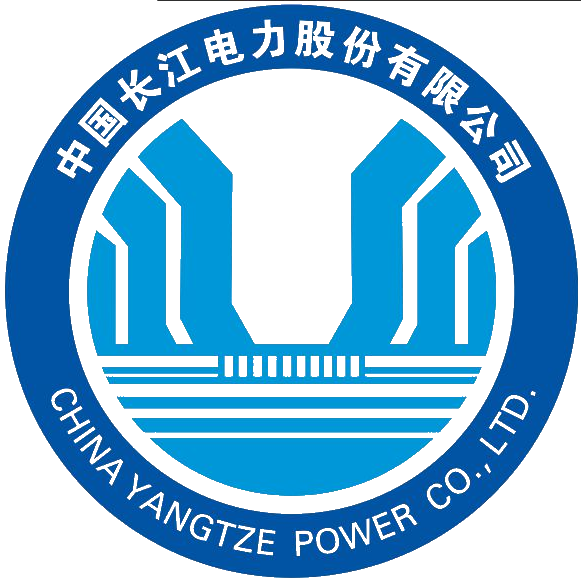
35家A股公司本周派现超190亿
第一财经· 2026-02-10 14:26
Core Viewpoint - A batch of A-share companies is distributing dividends before the Spring Festival, indicating a shift from financing to shareholder returns, responding positively to new policies [4][12] Summary by Sections Dividend Distribution - On February 10, 2026, eight A-share companies, including Jinhuijiu and Ruixinwei, announced dividend distributions, with Gujinggongjiu leading at over 500 million yuan [3][6] - A total of 35 companies are expected to distribute dividends during the last trading week before the Spring Festival, with a total payout exceeding 19 billion yuan [3][6] - The main sectors involved in this dividend distribution are electric power, food and beverage, and non-bank financial industries [3][6] Company Performance - Companies distributing dividends generally reported positive earnings, with significant revenue and profit growth. For instance, Citic Securities reported a revenue of 74.83 billion yuan and a net profit of 30.05 billion yuan, both showing over 20% growth [12] - Longjiang Electric also reported a revenue of 85.88 billion yuan and a net profit of 34.17 billion yuan, indicating slight growth [12] - Lixun Precision is expected to report a net profit of 16.52 billion to 17.19 billion yuan, reflecting a year-on-year growth of 23.59% to 28.59% [12] Dividend Sustainability - The trend of companies distributing dividends has become more frequent and substantial since the implementation of the new "National Nine Articles" policy, with a shift towards a more sustainable dividend culture [16][18] - Companies are encouraged to ensure that their cash flow and profitability can support dividend payments, avoiding excessive distributions that could hinder future growth [4][18] - The regulatory environment has improved transparency and stability among A-share companies, promoting a rational dividend culture aligned with corporate life cycles [16][17]





“春节红包”密集来袭!35家A股公司本周共计派现超190亿
Di Yi Cai Jing· 2026-02-10 12:13
Core Viewpoint - A group of A-share companies is distributing dividends before the Spring Festival, with a total payout exceeding 19 billion yuan, reflecting a shift from financing to shareholder returns [1][3][9] Dividend Distribution Overview - From February 9 to February 13, a total of 35 A-share companies announced dividend distributions, with a total cash payout of 19.027 billion yuan [3][9] - The highest dividend payout is from Changjiang Electric Power, proposing a distribution of 5.138 billion yuan, followed by CITIC Securities and Darentang with payouts of 4.298 billion yuan and 1.888 billion yuan respectively [3][9] - Six companies are distributing over 1 billion yuan, with the main sectors involved being electric power, food and beverage, and non-bank financial services [1][3] Company Performance and Dividend Sustainability - Many companies that are distributing dividends have reported positive earnings, with CITIC Securities and Changjiang Electric Power both showing revenue growth of over 20% [9] - The trend of companies announcing dividends, including those that are newly listed or have not previously issued interim dividends, indicates a growing emphasis on shareholder returns [1][5][11] - The sustainability of dividends is highlighted as a key concern, with investors advised to consider cash flow and profitability to support dividend payments [2][11] Industry Trends - The recent dividend announcements are part of a broader trend where A-share companies are increasingly adopting a culture of regular dividends, moving from "soft advocacy" to "hard constraints" under new regulations [11][12] - The distribution of dividends is seen as a reflection of company value rather than a mere financial maneuver, with a call for a rational dividend culture that aligns with the lifecycle of the business [11][12]

谁在“走钢丝”? A股保壳术全景透视
经济观察报· 2026-02-09 04:28
Core Viewpoint - The A-share market is experiencing a critical phase where companies are engaging in various actions to avoid delisting due to financial indicators, particularly focusing on achieving revenue above 300 million yuan or turning losses into profits, as well as correcting negative net assets [1][2]. Group 1: Financial Indicators and Delisting Risks - The new "National Nine Articles" implemented in January 2025 raised the revenue threshold for delisting from 100 million yuan to 300 million yuan, allowing companies that can exceed this revenue to avoid delisting risks [5]. - Companies like *ST Jinglun and *ST Dongjing are attempting to cross the delisting threshold through various strategies, including revenue boosts, mergers, and asset disposals [2][6]. Group 2: Company Strategies for Survival - *ST Jinglun is trying to incorporate new business lines into its main revenue streams, but faced challenges with revenue recognition for its new server business, leading to a significant reduction in reported revenue [7][8]. - *ST Dongjing reported an expected revenue increase to between 340 million and 370 million yuan, aided by new business ventures, although it still anticipates losses [9][10]. Group 3: Mergers and Acquisitions - Mergers and acquisitions are being utilized by companies like *ST Huazhong and *ST Huike to surpass financial thresholds, with *ST Huazhong projecting a turnaround in profitability due to its acquisition of a controlling stake in Zhejiang Zhuangchen [12][13]. - *ST Huike's acquisition of a 51% stake in Nanjing Yizhengtong is also noted as a strategy to meet revenue requirements, despite market skepticism regarding its financial health [13]. Group 4: Asset Restructuring and Debt Relief - Several companies are opting for asset disposals to improve their financial standings, with *ST Zhongdi successfully turning its net assets positive through significant asset restructuring [16][17]. - Companies like *ST Nanzhi and *ST Lvkang have also engaged in asset sales to achieve similar outcomes, with *ST Nanzhi transferring real estate assets to improve its equity position [17]. Group 5: Bankruptcy and Debt Waivers - Bankruptcy restructuring has emerged as a key strategy for survival, with companies like *ST Dongyi successfully completing their restructuring plans and improving their financial positions [18]. - Debt waivers from major shareholders or creditors have been reported by several companies, allowing them to quickly enhance their net asset status [18].



资本向“新”更好发挥枢纽作用 金融向“实”提升新疆发展势能丨决胜“十四五” 擘画“十五五”·地方资本市场高质量发展之新疆篇
证券时报· 2026-02-06 04:29
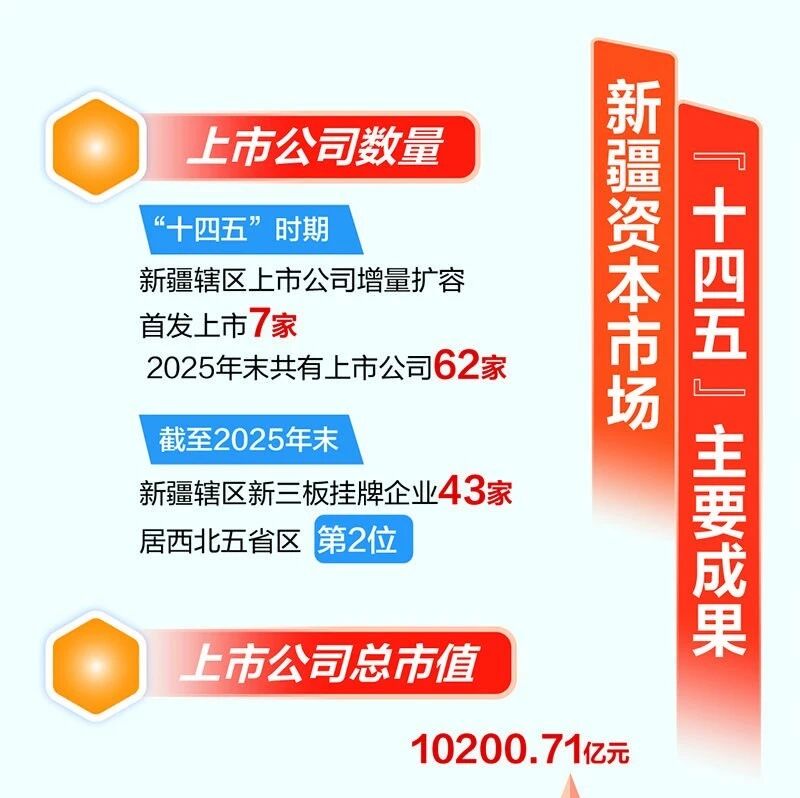
Core Viewpoint - The article discusses the significant growth and development of listed companies in Xinjiang during the "14th Five-Year Plan" period, highlighting the increase in market capitalization, revenue, and investment returns, as well as improvements in corporate governance and risk management [3][7][8]. Group 1: Market Expansion and Financial Growth - Xinjiang's listed companies increased from 7 to 62 by the end of 2025, with total market capitalization rising from 606.28 billion to 1,020.07 billion, a growth of 68.25% [3]. - Total revenue of listed companies is projected to grow from 533.31 billion in 2020 to 709.78 billion in 2024, an increase of 33.09% [7]. - Cumulative cash dividends paid by listed companies reached 88.33 billion, up 162.33% from the previous period [7]. Group 2: Financing and Investment - Direct financing through various instruments such as stocks, bonds, ABS, and REITs reached 364.76 billion [4]. - By 2025, Xinjiang's companies are expected to raise 59.26 billion through capital market financing [10]. - The region has seen a significant increase in the number of REITs, with new projects contributing to financing of 2.15 billion [14]. Group 3: Corporate Governance and Risk Management - The regulatory framework has been enhanced, with 39 cases of market violations addressed, resulting in penalties exceeding 100 million [8]. - A comprehensive system for preventing financial fraud has been established, improving corporate governance and internal controls [8]. - The implementation of tailored risk management strategies for individual companies has strengthened overall market stability [8]. Group 4: Future Development and Strategic Goals - The "15th Five-Year Plan" aims to leverage Xinjiang's unique resources and improve the business environment to support high-quality economic development [16][17]. - The focus will be on enhancing the capital market's role in supporting local industries and fostering innovation [16]. - The region plans to continue expanding its multi-tiered capital market, with an emphasis on supporting small and medium-sized enterprises [13][14].
市场持续震荡,资金抢筹现金流避险,现金流ETF(159399)涨超1%,连续5日资金净流入超9亿元
Mei Ri Jing Ji Xin Wen· 2026-02-04 02:59
Core Viewpoint - The article emphasizes that in the short term, the dividend style allocation offers a favorable risk-return profile during market fluctuations, suggesting a "barbell" strategy that combines dividends with growth assets. In the long term, the new "National Nine Articles" guidelines and the decline in risk-free yields enhance the allocation value of dividend assets [1] Group 1 - Short-term market conditions favor dividend style investments as a defensive base, potentially providing better returns relative to volatility [1] - The "barbell" strategy is recommended, combining dividend and growth investments for optimal performance [1] - Long-term outlook indicates that new policies and lower risk-free rates increase the attractiveness of dividend assets [1] Group 2 - Investors are encouraged to consider the Cash Flow ETF (159399), which has outperformed the CSI Dividend Index and the CSI 300 Index for nine consecutive years from 2016 to 2024 [1] - The underlying index of the Cash Flow ETF focuses on large and mid-cap stocks, with a higher proportion of central state-owned enterprises compared to similar cash flow indices [1] - Monthly assessments of dividends are possible for the Cash Flow ETF, making it a continuous point of interest for investors [1]
数读IPO系列:2025年沪深新股总结-华金证券
Sou Hu Cai Jing· 2026-02-01 16:32
Group 1 - In 2025, the new "National Nine Articles" and the "1+6" reform of the Sci-Tech Innovation Board drove a moderate development of the Shanghai and Shenzhen new stock market, with a total of 90 new stocks listed, an increase of 13 from 2024 [1][7] - The fundraising scale significantly increased, with total funds raised reaching 124.24 billion yuan, a year-on-year growth of 98.25%, and large IPOs in the second half contributed 72% of the total fundraising [1][18] - The average fundraising amount per new stock was 13.80 million yuan, up 69.62% year-on-year, with the Sci-Tech Innovation Board leading at an average of 20.03 million yuan [1][24] Group 2 - In the primary market, the offline subscription yield remained stable compared to 2024, but accounts with a scale of 5 billion yuan and above saw a significant increase in yield [2][31] - The average first-day closing price increase was 227.90%, maintaining a high level, with no stocks experiencing a loss on the first day [2][41] - The Sci-Tech Innovation Board had the highest average first-day closing price increase, while industries such as non-ferrous metals and social services performed notably well [2][50] Group 3 - In the secondary market, timing remained a key factor for improving investment returns and success rates, with new stocks listed during market sentiment lows or upward cycles performing better [2][8] - The average investment return in the secondary market was 14.53%, a slight decrease from 2024, but the investment success rate increased to 33.33% [2][8] - The ChiNext Board outperformed in both investment returns and success rates, with industries like electronics and social services leading [2][8]