国泰航空

Search documents
中国国航定增200亿再卖国泰航空股权“输血”?三季度业绩逆势下滑负债率超87%
Xin Lang Cai Jing· 2026-01-09 10:57
Core Viewpoint - China National Airlines has approved the sale of approximately 1.61% of its stake in Cathay Pacific Airways, reflecting financial pressure and a strategy to optimize its balance sheet [1][2] Group 1: Financial Transactions - The company plans to sell 1.08 million shares of Cathay Pacific at a price of HKD 12.22 per share, expecting a pre-tax profit of approximately RMB 182 million from this transaction [1] - In addition to the stake sale, the company announced a plan to raise up to RMB 20 billion through a private placement of A-shares to repay debts and supplement working capital [1] Group 2: Financial Performance - As of September 2025, the company's debt-to-asset ratio reached 87.88%, with total liabilities amounting to RMB 307 billion, one of the highest levels in the aviation industry [1][2] - In Q3 2025, the net profit attributable to shareholders was RMB 3.676 billion, a year-on-year decrease of 11.31%, marking the only decline among the three major state-owned airlines [2] - The company's unit revenue per passenger kilometer decreased by 2.6% to RMB 0.61, indicating increased competition and challenges in profitability [2] Group 3: Industry Context - Despite the overall recovery in the aviation industry, where the three major airlines collectively reported a net profit exceeding RMB 6.2 billion in the first three quarters of 2025, China National Airlines' performance stands out negatively [2]



国泰航空据悉寻求降本增效 将少量裁员
Xin Lang Cai Jing· 2026-01-09 10:29
Core Viewpoint - Cathay Pacific Airways is implementing cost-cutting measures across all departments to prepare for a slowdown in growth expected in 2026, marking the first single-digit growth rate since the COVID-19 pandemic [1] Group 1: Cost-Cutting Measures - The airline plans to save approximately 5% in costs related to non-operational staff and will target spending in marketing and administrative areas to create room for investments in artificial intelligence [1] - Some departments and positions will be merged, and a small number of layoffs may occur among both Hong Kong and overseas employees [1] Group 2: Future Hiring and Growth Expectations - Despite the cost-cutting measures, Cathay Pacific plans to recruit 3,000 employees by the end of 2026, increasing the total workforce to over 34,000 by the end of 2025 [1] - The company anticipates that its growth rate will decline to single digits in 2026, as management strives to maintain robust profits amid increasing competition [1] - CEO Ronald Lam indicated that the company is entering a "more normalized" growth phase and will adopt a less aggressive expansion strategy moving forward [1]

港股异动 | 航空股集体走低 国际油价显著反弹 国内多条航线机票价格“大跳水”
Zhi Tong Cai Jing· 2026-01-09 07:42
Group 1 - The aviation stocks have collectively declined, with China Eastern Airlines down 3.98% to HKD 5.31, China Southern Airlines down 3.63% to HKD 5.84, Air China down 2.06% to HKD 7.14, and Cathay Pacific down 2.04% to HKD 12.47 [1] - Following the New Year, domestic air ticket prices have significantly dropped, with some tickets available for as low as 10% of their original price, prompting consumers to choose off-peak travel [1] - A third-party ticketing platform reported that flights from Guangzhou to various cities are priced as low as RMB 210 (excluding tax), equivalent to a fare of 1.1% of the original price for a flight from Guangzhou to Shanghai on January 7 [1] Group 2 - Brent crude oil futures surged by 5% at one point, reaching a nearly two-week high, closing at USD 61.99 per barrel, an increase of USD 2.03 or 3.4% from the previous trading day [1] - According to Huachuang Securities, a 10% change in oil prices corresponds to an annual cost impact of approximately RMB 4.3 to 5.1 billion for the three major airlines, while a 1% fluctuation in exchange rates affects them by RMB 130 to 260 million [1]
航空股集体走低 国际油价显著反弹 国内多条航线机票价格“大跳水”
Zhi Tong Cai Jing· 2026-01-09 07:30
Group 1 - The aviation stocks collectively declined, with Eastern Airlines down 3.98% at HKD 5.31, Southern Airlines down 3.63% at HKD 5.84, Air China down 2.06% at HKD 7.14, and Cathay Pacific down 2.04% at HKD 12.47 [1] - Following the New Year, domestic air ticket prices have significantly dropped, with some tickets available for as low as 10% of their original price, leading to consumers opting for off-peak travel [1] - A third-party ticketing platform reported that flights from Guangzhou to various cities are priced as low as RMB 210 (excluding tax), equivalent to a 1.1% discount [1] Group 2 - On Thursday, Brent crude oil futures surged by 5%, reaching a nearly two-week high, closing at USD 61.99 per barrel, an increase of USD 2.03 or 3.4% from the previous trading day [1] - According to Huachuang Securities, a 10% change in oil prices corresponds to an annual cost impact of approximately RMB 4.3 to 5.1 billion for the three major airlines, while a 1% fluctuation in exchange rates affects them by RMB 130 to 260 million [1]

超30亿元资金封板,002931,强势11连板!微电网利好政策密集发布,上市公司积极布局
Zheng Quan Shi Bao Wang· 2026-01-09 05:00
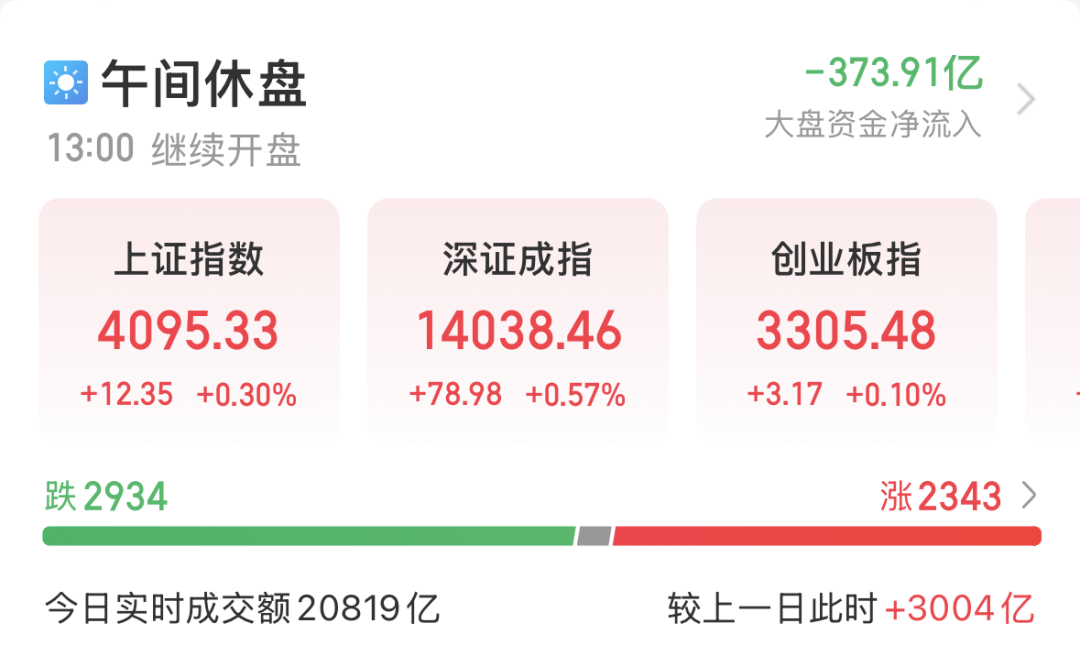
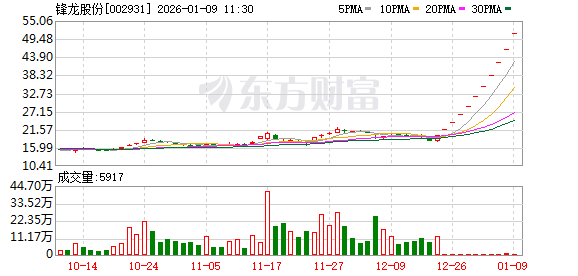
Group 1: Market Overview - The A-share market saw a collective rise in major indices, with the Shanghai Composite Index reaching a peak of 4121.7 points before closing at 4095.33 points, up by 0.3% [1] - The Shenzhen Component Index increased by 0.57%, while the ChiNext Index rose by 0.1%. The early trading volume was 20,820.96 billion yuan, an increase of approximately 3,000 billion yuan compared to the previous trading day [1] Group 2: Company Performance - Fenglong Co., Ltd. (002931) experienced a significant surge, with its stock hitting a "limit up" for 11 consecutive trading days, increasing its market capitalization from under 4 billion yuan to 11.157 billion yuan [3] - The stock saw 60.59 million buy orders, with a total investment of 30.94 billion yuan [3] Group 3: Investment Trends - Recent trading data indicates that institutional investors have been the primary participants in the stock speculation of Fenglong Co., Ltd., accounting for 51.76% of the trading volume [5] - From December 25, 2025, to January 7, 2026, individual investors contributed 793.66 million yuan, representing 48.24% of the trading volume, while institutional investors net bought 3.8611 million yuan [5] Group 4: Microgrid Policy and Market Growth - The Ministry of Industry and Information Technology and four other departments released the "Guidelines for the Construction and Application of Industrial Green Microgrids (2026-2030)", promoting the integration of renewable energy sources in industrial applications [7] - The global microgrid market is projected to reach approximately 22.9 billion USD in 2024, with a compound annual growth rate of about 19.2% from 2025 to 2034 [9] Group 5: Company Engagement in Microgrid Business - In the past six months, 40 listed companies have disclosed their involvement in microgrid-related businesses, primarily in the power equipment sector, with 19 companies participating [10] - Companies like Huihuang Technology and Sifang Co., Ltd. have made significant advancements in energy storage and smart microgrid technologies [11]

002931 11连板
Shang Hai Zheng Quan Bao· 2026-01-09 04:51
Market Overview - On January 9, major A-share indices collectively rose, with the Shanghai Composite Index up 0.3%, Shenzhen Component Index up 0.57%, ChiNext Index up 0.1%, and the Sci-Tech Innovation Index up 0.56%. The total trading volume in the Shanghai and Shenzhen markets reached 208.19 billion yuan, an increase of 30.04 billion yuan compared to the same period of the previous trading day. Over 2,300 stocks in the market rose [2]. Sector Performance - The AI application sectors, including film and short drama games, experienced a collective surge, with stocks like Yidian Tianxia hitting new highs and Dongfang Mingzhu achieving three consecutive trading limits. The commercial aerospace sector continued its upward trend, with multiple stocks, including Xinke Mobile, hitting the daily limit. Oil and gas stocks were also active, with Sinopec opening at the daily limit price [2]. Individual Stock Highlights - Fenglong Co., Ltd. achieved an unprecedented 11 consecutive trading limits, surpassing the previous record of 10 consecutive limits set by Wewai New Materials, making it the "limit king" in the humanoid robot sector [2][4]. - Fenglong Co., Ltd. opened with a "limit up" at 51.06 yuan per share, with over 3 billion yuan in funds locked in. Since the start of its limit-up trend on December 17, 2025, the stock has shown remarkable performance [4]. Acquisition and Valuation Concerns - The core catalyst for the stock price surge of Fenglong Co., Ltd. is the acquisition by leading humanoid robot company UBTECH, which announced on December 24, 2025, its intention to acquire 43% of Fenglong's shares through a combination of agreement transfer and tender offer. Following this transaction, UBTECH will become the controlling shareholder of Fenglong [6]. - As of January 8, Fenglong Co., Ltd. had a static P/E ratio of 2208.41 times and a P/B ratio of 10.67 times, significantly higher than the average levels of 52 times and 2.7 times in the specialized equipment manufacturing industry. The company has issued multiple risk alerts regarding stock price volatility [6]. Commercial Aerospace Sector Developments - The commercial aerospace sector continued to soar, with Xinke Mobile hitting the daily limit and other companies like Xusheng Group and Julisi also achieving significant gains [8]. - The Guangzhou Municipal Government recently released a plan to accelerate the construction of a strong advanced manufacturing city, aiming to create a globally influential "Sky City" and a new hub for commercial aerospace by 2035. The plan emphasizes the development of reusable rocket technology and aims to establish a complete commercial aerospace industry ecosystem in Guangzhou [10][11]. Oil and Gas Sector Activity - The oil sector was active on January 9, with Sinopec opening at the daily limit price and later narrowing its gains to 0.82%. This activity follows the announcement of a merger between China Petroleum & Chemical Corporation and China Aviation Oil Group, which was approved on January 8 [14][15].
三大航空股回落 机票价格大跳水
Ge Long Hui· 2026-01-09 03:54
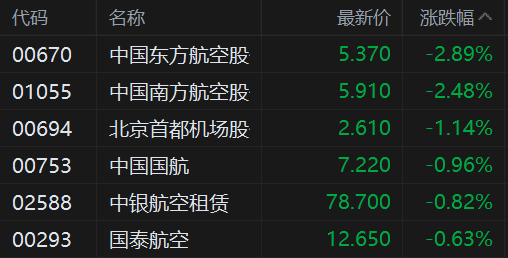
Group 1 - The core viewpoint of the article highlights a collective decline in Hong Kong airline stocks, with China Eastern Airlines and China Southern Airlines dropping over 3%, and Air China falling over 1% [1] - Specific stock performance includes China Eastern Airlines at 5.370 with a decrease of 2.89%, China Southern Airlines at 5.910 down by 2.48%, and Air China at 7.220 down by 0.96% [2] - Following the New Year, domestic air ticket prices have significantly dropped, with some prices as low as 10% of their original cost, indicating a "volume increase and price drop" phenomenon, which is seen as a short-term negative for airline stocks [2] Group 2 - The lowest ticket price from Guangzhou to Shanghai was reported at 210 yuan (excluding tax), equivalent to 11% of the original price, reflecting a drastic reduction in airfares [2] - Industry experts suggest that as students begin their winter break in mid to late January, air ticket prices are expected to fluctuate, indicating potential volatility in the market [2] - The analysis emphasizes that while the current price drop is a short-term negative for airline stocks, the long-term industry fundamentals remain crucial [2]


港股三大航空股回落 东航、南航跌超3%
Jin Rong Jie· 2026-01-09 03:41
Group 1 - The Hong Kong aviation stocks collectively declined, with China Eastern Airlines and China Southern Airlines dropping over 3% during trading [1] - Air China experienced a decline of over 1%, while Cathay Pacific fell by 0.6% [1]
港股异动丨三大航空股回落 东航、南航跌超3% 机票价格大跳水
Ge Long Hui· 2026-01-09 03:28
Group 1 - The core viewpoint of the news is that Hong Kong airline stocks have collectively declined, with specific airlines experiencing significant drops in their stock prices due to a sharp decrease in domestic flight ticket prices after the New Year [1] - China Eastern Airlines and China Southern Airlines saw their stock prices drop over 3%, while Air China fell over 1% and Cathay Pacific decreased by 0.6% [2] - The ticket prices for several domestic routes have plummeted, with some fares as low as 10% of their original price, indicating a "volume increase and price drop" phenomenon that is expected to negatively impact airline stocks in the short term [1] Group 2 - On January 7, the lowest ticket price from Guangzhou to Shanghai was reported at 210 yuan (excluding tax), equivalent to 11% of the original price [1] - Industry insiders suggest that ticket prices will fluctuate as students begin their winter vacations in mid to late January, which may further affect the market [1] - Analysts emphasize that while the current price drop is a short-term negative for airline stocks, the long-term industry fundamentals will be more critical [1]
70万手封死!002931,11连板!昨晚紧急提示:再涨或停牌核查!
Zheng Quan Shi Bao Wang· 2026-01-09 03:05
Market Overview - A-shares opened mixed on January 9, with the Shanghai Composite Index breaking through the 4100-point mark [1] - The computing hardware industry chain adjusted, with CPO and memory sectors leading the decline; semiconductor, lithium mining, and brain-computer interface themes also saw significant drops [1] - Real estate and oil & gas sectors showed strong gains, while the commercial aerospace theme remained active [1] Financial Sector Performance - The diversified financial sector surged initially, with Yuexiu Capital hitting the daily limit, followed by gains in Jiuding Investment, Huajin Capital, Hainan Huatie, China National Petroleum Capital, and Lakala [2] - In the Hong Kong market, both the Hang Seng Index and the Hang Seng Tech Index were in the green, with tech stocks like Alibaba and Bilibili rising nearly 5%, and Kuaishou increasing over 2% [2] Commercial Aerospace Sector - The commercial aerospace sector continued to rise, with companies like Asia-Pacific Satellite and Goldwind Technology gaining over 10% [3] - The concept of commercial aerospace was notably active, with companies such as Luxin Investment and Hangxiao Steel Structure hitting the daily limit [4] - The Guangzhou Municipal Government released a plan to accelerate the construction of a strong advanced manufacturing city, aiming to create a globally influential "Sky City" and a new hub for China's commercial aerospace by 2035 [4] Nuclear Fusion Sector - The controllable nuclear fusion sector saw a resurgence, with Hongxun Technology achieving three consecutive daily limits, and other companies like Shangda Shares and West Superconducting also rising [5] - Hongxun Technology clarified its position in the nuclear fusion market, stating that its revenue from this segment is minimal and has limited impact on its short-term performance [5] Humanoid Robotics Sector - The humanoid robotics concept experienced a rapid rise, with Fenglong Shares achieving 11 consecutive daily limits [6] - The company announced significant trading activity, with approximately 700,000 buy orders locking in the daily limit [6] Automotive Sector Developments - Xiaopeng Motors held a global product launch event, where CEO He Xiaopeng announced plans for the mass production of physical AI and Robotaxi operations in 2026 [7][8]