雷鸟

Search documents
智能眼镜的重点,并不在智能
3 6 Ke· 2025-06-30 11:26
Core Viewpoint - Xiaomi's AI glasses, priced at 1999, are seen as a significant entry into the smart glasses market, potentially marking the beginning of mainstream adoption in this product category [2][21]. Group 1: Product Features and Market Position - The primary focus of Xiaomi's AI glasses is on photography rather than artificial intelligence, which is a common expectation among consumers [2]. - Current AI products, including smart glasses, lack a clear entry point for users, making it difficult to integrate AI into established daily habits [5][7]. - Smart glasses are viewed more as an extension of smartphones, enhancing user experience through new perspectives rather than being standalone AI devices [29][31]. Group 2: Consumer Needs and Usage - There is a growing demand for lightweight, non-intrusive devices that can capture first-person perspectives, which traditional cameras struggle to provide [10][15]. - Smart glasses can offer a unique immersive experience for video recording, as they are worn close to the eyes, providing a natural point of view [15][18]. - The combination of smart glasses and smartphones is expected to become increasingly common, enhancing the way consumers capture and share content [20]. Group 3: Industry Trends and Future Outlook - The smart glasses market is anticipated to grow significantly between 2025 and 2027, with competition intensifying as more smartphone manufacturers enter the space [31]. - The evolution of smart glasses technology is likely to lead to the integration of display features, which will become a key battleground in the industry [29][27]. - Current smart glasses primarily serve as a mobile extension, focusing on photography and music functionalities rather than AI capabilities [31][29].


“百镜大战”玩家刷新,小米直击Meta腹地
AI研究所· 2025-06-28 02:45
Core Viewpoint - The launch of Xiaomi's first AI glasses at a starting price of 1999 yuan marks a significant entry into the competitive smart glasses market, positioning itself against Meta's offerings and aiming to be a key component of Xiaomi's "smart ecosystem" strategy [1][15]. Industry Overview - The smart glasses market has gained significant traction in 2023, with over 10 new models launched in May alone, indicating a growing interest from various manufacturers [2]. - According to IDC, global smart glasses shipments reached 1.487 million units in Q1 2023, a year-on-year increase of 82.3%, with China accounting for 494,000 units, representing over 25% of the market [4]. - The global smart glasses market is projected to reach 14.518 million units in 2023, reflecting a year-on-year growth of 42.5%, highlighting its potential as a lucrative market [4]. Competitive Landscape - Meta's Ray-Ban leads the market with over 2 million units sold by February 2023, but its high price point of $299 (approximately 2144 yuan) limits its accessibility to average consumers [7]. - Other competitors in the Chinese market include Huawei, which integrates its smart glasses with the HarmonyOS for enhanced audio and health monitoring, and Rokid, which has received 250,000 pre-orders for its glasses [7][10]. - Xiaomi's AI glasses are designed with a focus on user experience, featuring a lightweight design and advanced functionalities such as a 12-megapixel camera and AI capabilities, which may enhance its competitive edge [20]. Technological Advancements - The current technological shift in AI glasses is moving from "no screen" to "full-color display," with single-color AR glasses becoming more affordable due to advancements in manufacturing [10]. - The industry is facing challenges with full-color displays, including issues with yield rates and color dispersion, which keep costs high despite some brands achieving breakthroughs [12]. - AI integration is becoming a core competitive factor, with companies like Xiaomi and Meta enhancing their products with advanced AI functionalities for improved user interaction [13][14]. Product Features and Pricing - Xiaomi's AI glasses feature a D-shaped frame optimized for comfort, weighing 40 grams, and include functionalities such as rapid photo capture and third-party app support [18][20]. - The glasses are priced competitively at 1999 yuan for the standard version, with higher-end models priced at 2699 yuan and 2999 yuan, making them attractive compared to other high-functionality models in the market [20]. - Despite the competitive pricing, Xiaomi faces challenges in weight management and user privacy concerns, which are critical for user adoption [21][23].


【IPO一线】视涯科技科创板IPO获受理 募资20.15亿元投建硅基OLED微型显示屏等项目
Ju Chao Zi Xun· 2025-06-27 03:00
Core Viewpoint - The company, Shiya Technology, has officially submitted its IPO application to the Shanghai Stock Exchange, aiming to expand its production capacity and enhance its market position in the silicon-based OLED microdisplay sector [1][2]. Group 1: Company Overview - Shiya Technology is a leading global provider of microdisplay solutions, focusing on silicon-based OLED microdisplays and offering value-added services such as strategic product development and optical systems [1]. - The company is recognized as a key player in China's silicon-based OLED industry, leading significant projects to enhance the resilience and security of the new display industry supply chain [2]. Group 2: Market Position and Performance - As of 2024, Shiya Technology ranks second globally and first domestically in the shipment of silicon-based OLED products for XR devices, capturing approximately 35.2% of the market share [3]. - The company has established itself as a strategic supplier for major clients, including ByteDance and Thunder, with these clients accounting for over 80% of the global XR market shipment in 2024 [2]. Group 3: Technological Advancements - Shiya Technology has achieved significant technological milestones, including the world's first 12-inch silicon-based OLED production line and various proprietary technologies that enhance product performance [2]. - The company emphasizes self-sufficiency by developing key technologies and fostering domestic suppliers to diversify the upstream supply chain [2]. Group 4: IPO and Future Plans - The company plans to raise 2.015 billion yuan through its IPO to fund projects such as the expansion of its ultra-high-resolution silicon-based OLED microdisplay production line and the establishment of a research and development center [3]. - Upon completion of the production line expansion, the annual capacity is expected to reach 10.8 million screens, enabling the company to better meet downstream application demands and seize industry growth opportunities [3].
TCL电子20260626
2025-06-26 15:51
TCL Electronics Conference Call Summary Industry Overview - TCL Electronics operates in the Chinese television market, focusing on consumption upgrades through increased Mini LED penetration and larger screen sizes, leading to better-than-expected performance in 2024 and 2025 [2][3] - The company has set ambitious growth targets through a new three-year equity incentive plan, aiming for a net profit growth of 25%-45% compared to 2024 [4][30] Key Performance Highlights - During the 618 shopping festival, TCL's main brand outperformed the industry with retail volume growth exceeding 30% and retail revenue growth over 40% [2][5] - Mini LED sales surged by 150%, with a target penetration rate of 20%-25% for the year [2][5][6] - In North America, TCL achieved a retail volume growth of 8%-9% and a price increase of 5%, resulting in over 10% growth in retail revenue [2][10] Competitive Positioning - TCL's Mini LED technology is a core competitive advantage, with a projected global market share of 28%-29% in 2024, maintaining the top position [2][16] - The competitive landscape in the Chinese television market has improved, with local brands like TCL and Hisense gaining market share against Japanese and Korean competitors [3] Market Dynamics - Panel prices are expected to rise moderately, benefiting leading brands like TCL due to their ability to pass on price changes [2][17] - The overall television market demand remains stable, with TCL projecting a 10% increase in television sales in 2025 [18] Regional Insights - In the U.S. market, TCL is the only brand among the top ten to achieve both volume and price increases, while competitors like Samsung are facing price declines [10][14] - The company is focusing on high-end products, with Best Buy channel revenue share increasing from over 20% to 30% [10] Emerging Markets and Future Growth - TCL's internet business in overseas markets is expected to grow by over 10% in 2025, driven by platform fees linked to hardware sales [21] - The company plans to expand its presence in emerging markets, with Latin America and Asia-Pacific showing strong growth potential [22] Product Development and Innovation - The Thunder AI glasses have gained significant market share domestically and are expected to expand into overseas markets [4][24][26] - TCL is committed to maintaining its leadership in Mini LED technology while also exploring new growth avenues in smart glasses and other innovative displays [25][27] Financial Guidance - The company aims to achieve a net profit of 20-23 billion yuan in 2025, with a strong focus on delivering better performance to shareholders [30]
“上新潮”来袭,AI眼镜进入博弈新周期
3 6 Ke· 2025-06-25 00:16
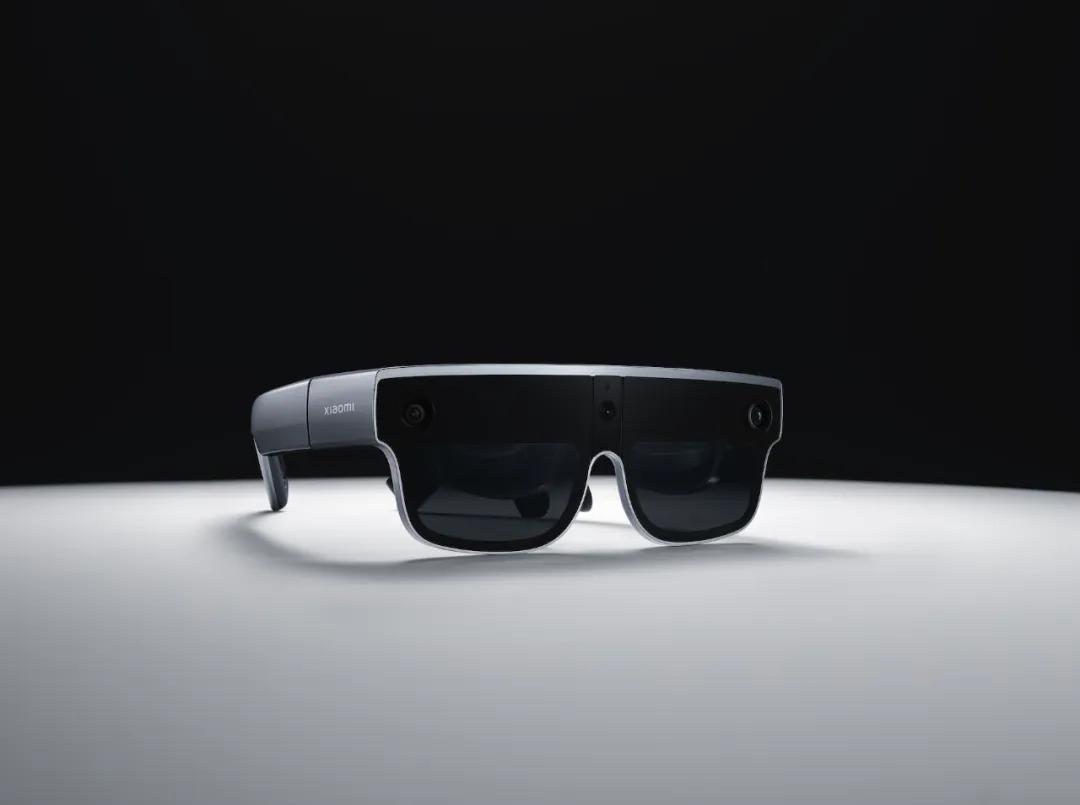
从去年初至今 ,国内外已有十余个主流 品牌 的AI眼镜产品上市开售, 抢先分食 用户心智。 包括小米、百度在内的大厂系 AI眼镜 ,又都瞄准 了 今年二 季度后的 暑期节点 。 全产业链的进化,将行业带入迄今为止 规模 最大的一轮"上新潮"中。充足的产品供应,以及以 消费电子大 品牌 的进入 ,在拉低消费者门槛的同时,也 让AI眼镜以更成熟的姿态进入大众视野。 根据行业媒体XR Vision报道,小米AI智能眼镜将于6月26日正式发布,在一众品牌 的宣发热潮中 存在感一直很高。其作为智能手机厂商在供应链以及产 品完成度上备受期待,并且"性价比"的定位也能够促使AI眼镜走向普及。 2023年发布的小米无线AR眼镜探索版 小米最有可能打响"百镜大战"的第一枪,之后也会有越来越多较高完整度的产品出现。而在新一轮博弈周期中,问题也接踵而来:AI眼镜的成败,是哪些 细节能决定的?哪些玩家最有可能成为赢家?市场未来的进化方向又在何方? 01 AI眼镜迎来市场检验 从产品发布到大促热销,AI眼镜的火热,似乎已经到了目视可见的阶段。 刚过去不久的5月,从联想、李未可, 到 谷歌、雷鸟,已经有10款AI眼镜发布;而618期间, ...
价格被打下来,AI眼镜就能上桌了?
创业邦· 2025-06-22 10:21
Core Viewpoint - The AI glasses market is experiencing a surge in product launches and consumer interest, but significant issues regarding user experience and product functionality remain unresolved [3][5][8]. Group 1: Market Dynamics - The AI glasses sector is witnessing intense competition, with major tech companies and startups launching new products to capture market share [3][19]. - Sales data from the 618 shopping festival indicates a dramatic increase in the AI glasses market, with transaction volumes rising over 800% year-on-year, and projections suggest a compound annual growth rate exceeding 60% from 2025 to 2029 [8][9][21]. - The market is expected to see a shipment of 2.75 million units in 2025, representing a staggering 107% increase compared to previous years, positioning China as the global leader in this segment [8][21]. Group 2: Consumer Feedback and Challenges - Consumer feedback highlights critical issues such as inadequate battery life, discomfort in wearing, and sound leakage, leading to a perception that many AI glasses are "flashy but impractical" [5][11][14]. - Despite the initial excitement, many users report that the actual performance of AI glasses does not meet their expectations, with common complaints about short battery life and complex operations [9][12][14]. - The weight of new AI glasses has improved, with most products now under 40 grams, but battery life remains a significant pain point, with many devices only lasting a few hours under active use [11][13][14]. Group 3: Industry Outlook - Industry experts suggest that many current AI glasses prioritize conceptual features over practical user needs, which may hinder their integration into daily life [11][24]. - The competitive landscape is characterized by rapid product launches, with companies focusing on establishing a foothold in the market before refining product quality [16][24][26]. - The AI glasses are viewed as a gateway to future smart device ecosystems, with companies aiming to create a comprehensive ecosystem to attract developers and users [25][26].

出货量翻倍,中国AI眼镜超级繁荣的“三重门”
2 1 Shi Ji Jing Ji Bao Dao· 2025-06-19 11:33
Core Insights - The smart glasses market is rapidly expanding, with a notable increase in shipments and a shift towards lightweight and aesthetically pleasing designs that cater to a broader audience [2][5][9] - Major players like Qualcomm and Google are entering the market, promoting standardization and the transition towards lightweight smart glasses [1][4] - The integration of advanced AI models is enhancing the functionality of smart glasses, making them more appealing to consumers [6][7] Market Trends - In Q1, global smart glasses shipments reached 1.487 million units, a year-on-year increase of 82.3%, with China accounting for 494,000 units, up 116.1% [2] - The lightweight smart glasses segment is gaining traction due to its broader applicability and lower entry barriers for consumers, leading to faster commercialization compared to traditional devices [5][9] - The AR/ER market is shifting focus, with Q1 shipments reaching 86,000 units, representing a 63.8% market share and a 64.0% year-on-year growth [4] Competitive Landscape - Domestic manufacturers are increasingly competing with established brands like Meta, focusing on innovative applications and leveraging AI capabilities [4][10] - The audio and audio-capturing glasses market saw a shipment of 359,000 units in Q1, marking a 197.4% increase, driven by products from companies like Xiaomi and Huawei [3] - Partnerships between smart hardware manufacturers and traditional eyewear companies are becoming more common, enhancing distribution channels and market reach [10] Technological Developments - The development of powerful AI models is crucial for the advancement of smart glasses, improving their semantic understanding and multi-modal interaction capabilities [6][7] - The challenge of balancing lightweight design, high performance, and long battery life remains a significant hurdle for manufacturers [7][8] - The use of advanced chips, such as Qualcomm's Snapdragon AR1, is essential for achieving the desired functionality while maintaining a lightweight form factor [8]
加入AI眼镜疯狂大潮,跨过AI眼镜炽热战场
3 6 Ke· 2025-06-18 03:27
Core Viewpoint - The anticipation for Apple's AR glasses at WWDC 2025 was high, but the company did not meet expectations, leading to increased focus on competitors like Meta and Google in the AR and AI glasses market [2][4]. Group 1: Apple and Its Position - Apple did not release AR glasses at WWDC 2025, disappointing many who expected a significant announcement [2]. - The company has been slow to enter the AR market, especially as competitors ramp up their offerings [2][36]. Group 2: Competitors' Developments - Google emphasized its commitment to XR glasses at Google I/O 2025, highlighting the launch of Android XR in collaboration with Samsung and Qualcomm [5][7]. - Google showcased new AR prototypes and partnerships with fashion brands, indicating a strong push into the AR space [11][13]. - Meta continues to invest heavily in AR technology, with significant projects like Project Orion and Project Aria Gen 2, positioning itself as a leader in the AR market [32][34]. Group 3: Emerging Players - Rokid launched its AR glasses, which feature translation and subtitle capabilities, gaining attention in the market [14][18]. - The demand for Rokid Glasses has been high, with limited availability creating a sense of exclusivity [20][22]. - The domestic XR device market saw a significant increase in shipments, with AR devices leading the growth [23][24]. Group 4: Market Trends and Future Outlook - The AR market is experiencing rapid growth, with AR device shipments increasing by 157% year-on-year [23]. - AI glasses are becoming a transitional product towards AR, with significant sales driven by companies like Meta [30][31]. - The future of AR glasses remains uncertain, with varying predictions on their mainstream adoption timeline [36][37].




AI人才大揭榜!人才竞争印证产业扩张加速度
Zheng Quan Zhi Xing· 2025-06-18 02:53
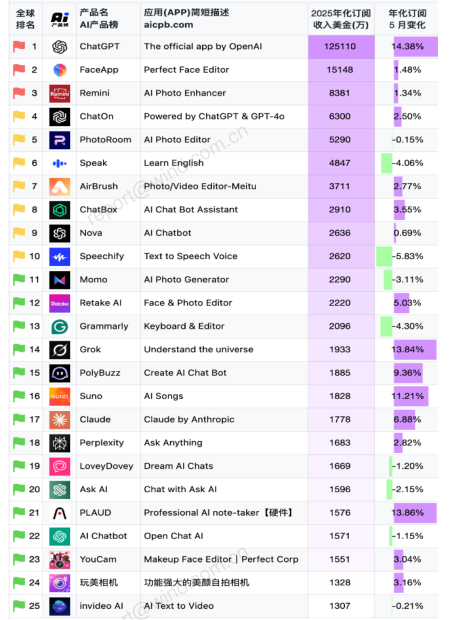
Group 1 - The competition for AI talent among tech giants has intensified, reflecting the rapid growth of the AI industry and its transition into a more mature phase [1][2] - Major companies like Tencent, Baidu, Alibaba, and JD are launching large-scale recruitment initiatives, offering significant salaries and bonuses to attract top AI talent [2] - The demand for AI talent signifies a shift from technology development to commercial application, indicating a positive feedback loop in the AI industry [2] Group 2 - The AI infrastructure sector is experiencing growth due to increased capital expenditure from major internet companies and advancements in technologies like multi-modal AI [3] - The global server market is projected to reach $178 billion by 2027, with a 20% year-on-year growth in 2022 [3] - AI hardware products are becoming commercially viable, with a notable increase in sales of AI-related devices such as smart glasses and robots [4] Group 3 - The rapid iteration of AI models is fostering a vibrant application ecosystem, with significant updates from companies like OpenAI and Huawei [5] - The AI application market is seeing a variety of products, with ChatGPT leading in revenue generation [6][7] - The AI sector is characterized by a low price-to-book ratio, indicating potential investment opportunities as the market stabilizes [10][11] Group 4 - The Huaxia Sci-Tech AI ETF tracks a representative index of AI companies, with a significant focus on R&D investment, which stands at 33.42% for its constituent stocks [8] - The ETF's performance reflects the long-term growth potential of the AI industry, especially during periods of technological breakthroughs and favorable policies [8] - Recent market trends show a reverse capital flow into the AI sector, indicating investor confidence despite macroeconomic pressures [10][11] Group 5 - The Robot ETF is the only large-scale ETF focused on robotics, covering various segments of the industry, providing investors with a comprehensive investment option [13]
618消费新风向,知乎“BOSS开箱”把脉AI科技产品
Sou Hu Cai Jing· 2025-06-09 15:39
Core Insights - The article discusses the rising consumer interest in AI technology products during the 618 shopping festival, highlighting the launch of the "BOSS Unboxing" special edition by Zhihu's "Answerer Review Group" to provide expert evaluations of various AI products [1][12] Group 1: AI Technology Products - The rapid development of AI is driving the evolution of electronic products, with AI playing a significant role in daily life [1] - The "BOSS Unboxing" event featured evaluations of AI products such as Haivivi BubblePal children's AI toy and Thunderbird V3 AI shooting glasses by industry leaders and experts [1][12] - Simplified parenting experiences were noted, with the BubblePal toy engaging children through storytelling and educational content [2][4] Group 2: Expert Evaluations - Various industry professionals participated in the evaluations, providing diverse perspectives on the products [1][7] - The evaluations included insights on the ZT3 Pro all-terrain electric skateboard, emphasizing its automotive-grade safety and off-road capabilities [6][7] - The DJI Flip drone received positive feedback for its performance in various conditions, with users reporting impressive battery life and image quality [9][11] Group 3: Consumer Trust and Decision-Making - Zhihu's platform is positioned as a reliable source for consumer decision-making, with professionals offering unbiased and expert opinions on products [12][13] - The "Answerer Review Group" aims to connect brands with consumers, fostering a trend of "intelligent consumption" through credible evaluations [12][13] - Feedback from experts has led to suggestions for product improvements, indicating an active dialogue between consumers and brands [12][13]