
ARM

Search documents
库克 紧急回应
Zhong Guo Ji Jin Bao· 2025-09-20 00:54
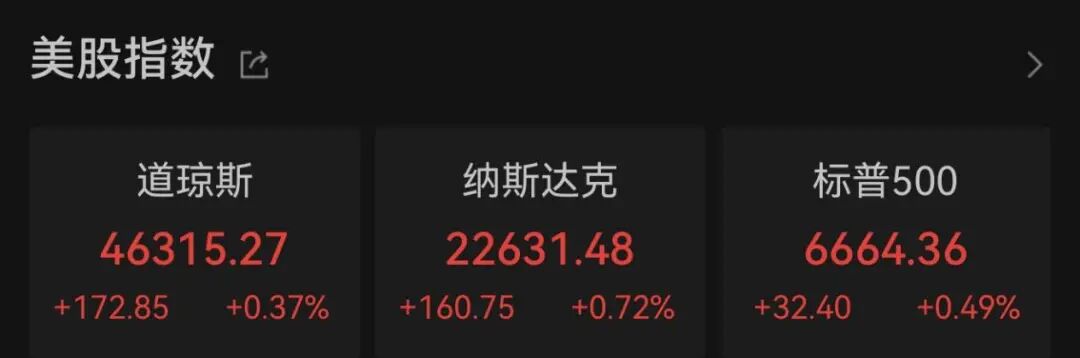
Market Performance - The three major U.S. stock indices reached new all-time highs, with the Dow Jones Industrial Average up 0.37% to 46,315.27 points, the S&P 500 up 0.49% to 6,664.36 points, and the Nasdaq up 0.72% to 22,631.48 points [3] - For the week, the Dow rose 1.05%, the S&P 500 increased by 1.22%, and the Nasdaq gained 2.21% [5] Federal Reserve Insights - Market expectations for further monetary easing have increased, with the probability of a 25 basis point rate cut at the October meeting rising to 89.8% from 87.4% [6] - Federal Reserve Governor Milan expressed his independent decision-making regarding interest rates, advocating for a 50 basis point cut instead of 25 [5] Commodity Market Trends - The precious metals market saw a strong overall performance, with the Philadelphia Gold and Silver Index rising 4.76% to 283.70 points, surpassing the previous record of 277.84 points [12][13] - Spot gold increased by 1.11% to $3,684.80 per ounce, while COMEX gold futures also rose by 1.11% to $3,719.30 per ounce [13] - Oil prices fell for the third consecutive day, with WTI crude oil futures down 1.4% to $62.68 per barrel [13] Company-Specific Developments - Apple CEO Tim Cook addressed concerns regarding the high prices of the new iPhone, clarifying that the price increase was not due to Trump's tariff policies [9] - OpenAI plans to lease backup servers from cloud service providers, with expected expenditures of around $1 trillion over the next five years, in addition to $3.5 trillion from 2025 to 2030 [9] - Wayve, a UK-based autonomous driving startup, announced a strategic investment of $500 million from NVIDIA [9] Stock Performance - Semiconductor stocks mostly declined, with the Philadelphia Semiconductor Index down 0.76% [10] - Major tech stocks saw gains, with Apple up over 3%, Tesla up over 2%, and Microsoft nearly 2% [10]






「寻芯记」英伟达50亿美元“雪中送炭”,英特尔绝地求生?全球芯片格局一夜生变
Hua Xia Shi Bao· 2025-09-19 13:03
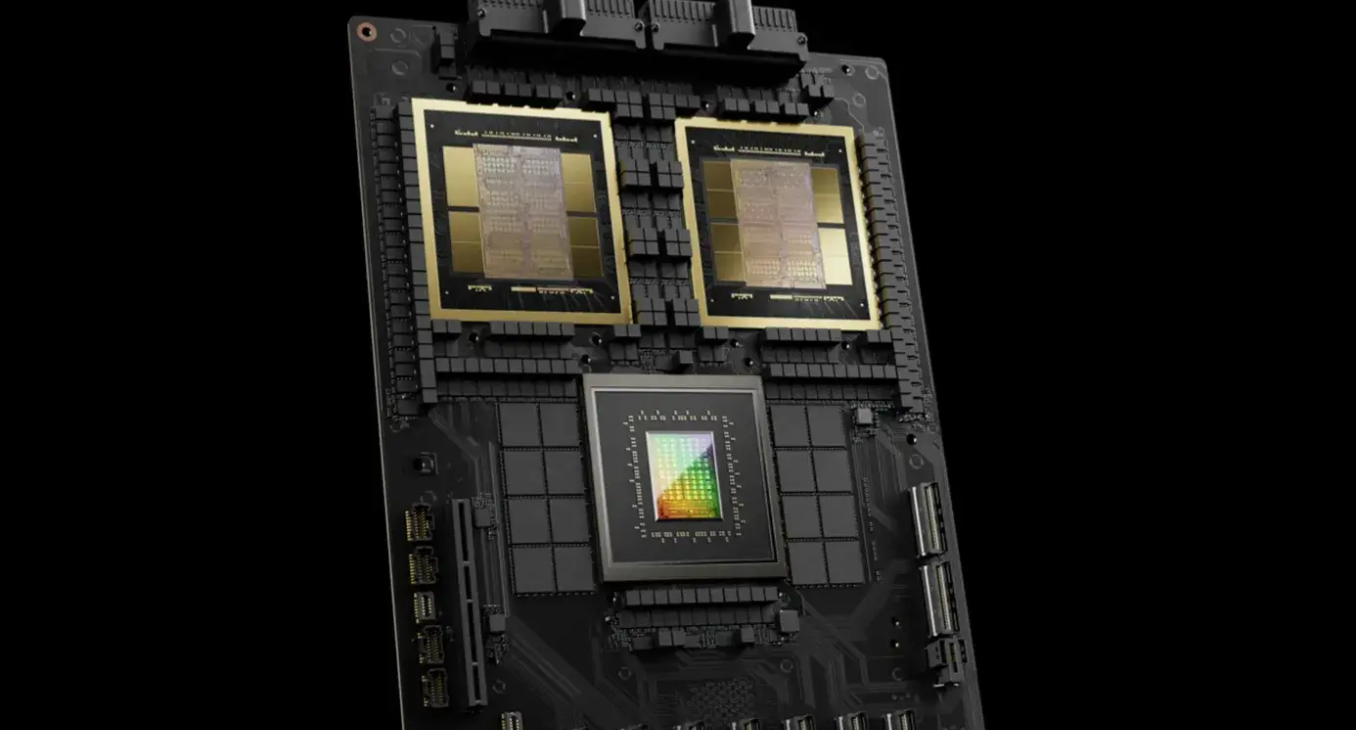
Core Viewpoint - Intel and Nvidia have formed a historic partnership, with Nvidia investing $5 billion in Intel to co-develop customized data center and personal computing products, marking a significant shift from competition to collaboration in the semiconductor industry [2][3][4]. Group 1: Partnership Details - Nvidia will utilize its NVLink technology to seamlessly integrate its AI and accelerated computing advantages with Intel's advanced CPU technology, aiming to provide cutting-edge solutions for customers [3]. - Intel will customize x86 processors for Nvidia's AI infrastructure and launch x86 system-on-chip (SoC) products that integrate Nvidia's RTX GPU chiplets for various PC applications [4]. - This partnership is seen as a strategic move for both companies, with Nvidia seeking to enhance its CPU market presence and Intel aiming to revitalize its position in the semiconductor industry [5][6]. Group 2: Market Impact - Following the announcement, Intel's stock surged nearly 30%, closing with a 22.77% increase, while Nvidia's stock rose by 3.49% [6]. - The collaboration is expected to create a new competitive landscape in the semiconductor market, particularly affecting AMD and ARM, which may face increased pressure due to the strengthened position of Intel and Nvidia [9][10]. - The partnership may also challenge TSMC's dominance if Nvidia shifts some of its chip manufacturing to Intel [9]. Group 3: Implications for Chinese Semiconductor Industry - The alliance between Nvidia and Intel could further consolidate the U.S. dominance in high-end computing and data center chips, complicating competition for Chinese manufacturers [11]. - Chinese companies are likely to accelerate their independent innovation efforts, focusing on developing "super nodes" as a key strategy to enhance their competitive edge [11][12]. - Domestic firms are exploring distributed architectures and interconnect innovations to create independent systems that do not rely on Nvidia's ecosystem, which is crucial for China's long-term technological independence [13].

芯片圈最离谱的“CP”,即将改写行业规则
Hu Xiu· 2025-09-19 12:06
Core Insights - NVIDIA announced a $5 billion investment in Intel at a price of $23.28 per share, leading to a 22.77% surge in Intel's stock price, marking its largest single-day gain in nearly 40 years [1][2] Group 1: Strategic Collaboration - The partnership will focus on three main areas: the introduction of NVLink for direct CPU-GPU connections, the development of custom x86 processors for NVIDIA, and the integration of NVIDIA RTX GPU chiplets into Intel's x86 SoCs [3][5][8] - NVLink will replace PCIe for CPU-GPU connections, offering lower latency and higher bandwidth, which is expected to enhance both companies' positions in the AI and data center markets [3][4] Group 2: Market Implications - The collaboration is seen as a significant shift in the industry, potentially leading to the creation of high-performance computing lightweight laptops by integrating CPU and GPU [9][10] - The investment symbolizes a vote of confidence from NVIDIA in Intel, which is perceived as more meaningful than previous investments from government entities [13][14] Group 3: Future Considerations - The partnership raises questions about the future of the Chiplet Alliance, as Intel's shift to NVLink may disrupt the development of unified interconnect standards [11][12] - There is potential for NVIDIA to leverage Intel's advanced manufacturing capabilities, despite Intel's recent struggles in its foundry business [15][17] - The possibility of NVIDIA participating in the "Wintel project" could reshape the competitive landscape, potentially sidelining other players in the PC market [20]

英伟达与英特尔“世纪联手”引爆芯片产业链! 芯片背后的缔造者们拥抱“看涨狂潮”
智通财经网· 2025-09-19 01:29
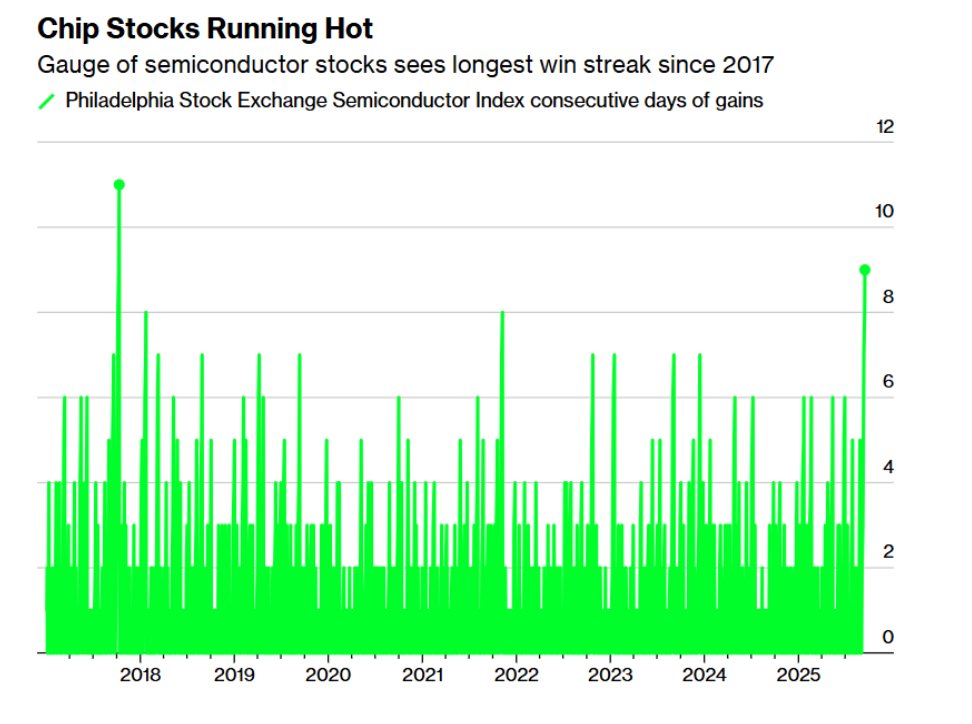
Core Viewpoint - Nvidia has invested $5 billion in Intel, marking a significant collaboration between the two long-time competitors in the chip industry, which has led to a surge in stock prices for both companies and a positive impact on the broader semiconductor market [1][10]. Group 1: Nvidia and Intel Collaboration - The partnership aims to develop high-performance chips for PCs and AI data centers, potentially reshaping the market dynamics in these sectors [1][10]. - Nvidia's integration of Intel's x86 architecture with its AI GPU technology is expected to enhance its competitive edge in the AI PC market [12][11]. - The collaboration is seen as a strategic move to leverage Intel's established distribution channels and Nvidia's GPU technology, creating a powerful synergy in the AI infrastructure space [14][13]. Group 2: Market Reactions and Trends - Following the announcement, Nvidia's stock rose by 3.5%, while Intel's stock surged over 22%, indicating strong investor confidence in the collaboration [1]. - The Philadelphia Semiconductor Index (SOX) experienced a nearly 4% increase, reflecting a broader bullish sentiment across the semiconductor sector [1][2]. - The semiconductor sector has been on a long-term bullish trend, with the Philadelphia Semiconductor Index achieving an 8.7% increase over nine consecutive trading days, significantly outperforming the Nasdaq 100 Index [2]. Group 3: AI and Semiconductor Market Outlook - The demand for AI infrastructure is expected to drive significant growth in the semiconductor market, with predictions of a $2 trillion investment wave in AI-related infrastructure [9][5]. - Analysts from Goldman Sachs and other financial institutions maintain a positive outlook on the semiconductor sector, emphasizing the role of AI in sustaining a structural bull market [9][5]. - The collaboration between Nvidia and Intel is anticipated to further accelerate the demand for advanced semiconductor manufacturing and packaging technologies, benefiting companies in the semiconductor equipment sector [15][16]. Group 4: Implications for Competitors and Supply Chain - The partnership poses a potential threat to AMD and ARM, as the combined strengths of Nvidia and Intel could dominate the AI PC market [1][12]. - Semiconductor equipment manufacturers are expected to benefit from increased demand for advanced manufacturing processes and technologies due to the collaboration [15][16]. - Companies like TSMC, ASML, and Applied Materials are positioned to gain from the heightened demand for AI chips and the associated manufacturing equipment [16][18].
Nvidia CEO explains why he's making a $5 billion bet on struggling chip giant Intel
Business Insider· 2025-09-18 20:29
Core Viewpoint - Nvidia's $5 billion investment in Intel signifies a strong endorsement of Intel's turnaround efforts amidst its struggles with market share and revenue decline [1][2][7]. Investment Details - Nvidia will integrate its GPU technology into Intel's upcoming AI PC models, while Intel's CPUs will be used in Nvidia's data centers [2][12]. - Nvidia is expected to become a significant customer of Intel's CPUs, which has led to a 23% increase in Intel's stock price [3][7]. Political Context - The partnership follows a tumultuous period for Intel, including political scrutiny from the Trump administration, which initially called for Intel's CEO to resign [4][5]. - Nvidia's collaboration with Intel may align it more closely with U.S. industrial policy, potentially mitigating scrutiny regarding its operations in China [6][7]. Market Implications - Nvidia's investment could allow it to penetrate the personal computer market more effectively, which has been dominated by AMD and ARM [12][13]. - Analysts suggest that while Nvidia's investment is significant, it may not resolve Intel's ongoing challenges with its foundry business [14][15]. Future Outlook - The partnership could influence future Intel product designs as AI technology becomes more integrated into personal computing [16]. - No specific timeline for future product roadmaps has been provided, indicating that substantial changes may take several years [17].

Nvidia, Intel Deal Creates Risk for AMD, Arm: Mizuho's Klein
Youtube· 2025-09-18 18:49
Group 1: Competitive Landscape - AMD is facing increased competitive pressure from Intel and NVIDIA in the PC desktop market, which could impact its market position [1][2] - Intel is gaining credibility in the data center market as it has been lagging behind AMD in server processors, which has allowed AMD to gain market share [2][4] - ARM, as a major licensee for non-x86 server processors, has a strong relationship with NVIDIA, which may influence its market dynamics [3][5] Group 2: Market Reactions - ARM and AMD are currently the only chip stocks experiencing declines, while the broader semiconductor index is up over 3.5% [4][15] - The investment by SoftBank in Intel, amounting to $2 billion, indicates a strategic diversification across the semiconductor industry [6][7] - The semiconductor sector is experiencing a positive shift, with Intel's strengthening position potentially benefiting NVIDIA and the overall market [7][10] Group 3: Future Outlook - The introduction of x86-based server processors by Intel could provide customers with more flexibility in running workloads, impacting AMD's competitive stance [10][11] - The semiconductor industry is evolving rapidly, creating both opportunities and challenges for companies involved [12][18] - Upcoming earnings reports in October will be crucial in determining whether the current rally in semiconductor stocks can be sustained [18]


Nvidia CEO: Delighted to work with Intel in 'great partnership'
Youtube· 2025-09-18 18:15
Group 1 - The partnership between Intel and Nvidia was developed quietly without collaboration with the White House, which had recently invested in Intel [1][2] - The collaboration focuses on products for data centers and PCs, not on Intel's foundry business, and TSMC remains a key partner for Intel [2][6] - Nvidia's relationship with ARM is still intact, despite a recent sell-off in ARM shares, and the partnership is expected to enhance Intel's capabilities in the personal computer market, particularly for AI applications [3][4] Group 2 - Intel's advanced manufacturing process, specifically 14A, is still under development, and while yields are improving, Nvidia products will continue to be manufactured by TSMC [5][6] - The packaging of these products may occur at Intel, but the actual manufacturing will remain with TSMC, indicating ongoing challenges in Intel's advanced manufacturing processes [6]

What to know about Nvidia's $5 billion investment in Intel
Youtube· 2025-09-18 17:52
Core Insights - Intel's stock has surged due to a $5 billion investment from Nvidia, marking a significant validation for Intel in the AI sector [1][2] - The investment represents only about 1% of Nvidia's projected $500 billion in free cash flow over the next four to five years, indicating Nvidia's strong financial position [2] - The partnership focuses on custom CPU development for Nvidia's data center platforms and chips that combine Intel's processors with Nvidia's graphics for personal computers [1][7] Intel's Position - Intel holds approximately 70% of the PC market, and this partnership with Nvidia could strengthen its position while allowing for AI integration in PCs [8] - The collaboration is seen as a potential long-term strategy, with a timeframe of around four years for significant developments [8] Nvidia's Strategy - Nvidia's investment in Intel may serve as a political maneuver, showcasing its commitment to US manufacturing amidst tensions with China [9] - The partnership could diversify Nvidia's production partners, although TSMC remains the primary provider for advanced manufacturing processes [11] Market Reactions - AMD's stock has declined by approximately 2.5% due to concerns that the Intel-Nvidia partnership threatens its server CPU market share [4] - Semiconductor equipment stocks are experiencing increased buying activity, although there are uncertainties regarding Intel's execution capabilities and production timelines [5][6]
DeepSeek登上国际权威期刊Nature封面;华为预测2035年AI存储容量需求将比2025年增长500倍
Mei Ri Jing Ji Xin Wen· 2025-09-18 03:02
Market Performance - As of September 17, the Shanghai Composite Index rose by 0.37% to close at 3876.34 points, the Shenzhen Component Index increased by 1.16% to 13215.46 points, and the ChiNext Index gained 1.95% to 3147.35 points [1] - The Kweichow Moutai Semiconductor ETF (588170) increased by 3.64%, while the Semiconductor Materials ETF (562590) rose by 3.32% [1] - In the overnight U.S. market, the Dow Jones Industrial Average increased by 0.57%, while the Nasdaq Composite Index fell by 0.33% and the S&P 500 Index decreased by 0.10% [1] Industry Insights - The DeepSeek-R1 inference model research paper, led by Liang Wenfeng, was published in the prestigious journal Nature, marking it as the first mainstream large language model to undergo peer review [2] - Huawei released the "Smart World 2035" series of reports, predicting a significant increase in total computing power by 2035, with a 500-fold increase in AI storage capacity demand compared to 2025 [2] - The Zhangjiang Artificial Intelligence Innovation Town in Shanghai aims to gather over 500 AI companies by 2027 and achieve a scale of 100 billion yuan by 2030, supported by a 2 billion yuan fund initiated by Hillhouse Capital and local state-owned enterprises [3] - Tianfeng Securities anticipates a structural prosperity in the global semiconductor industry driven by rapid growth in AI computing demand, accelerated terminal intelligence, and the recovery of automotive electronics [3] Related ETFs - The Kweichow Moutai Semiconductor ETF (588170) tracks the Shanghai Stock Exchange's semiconductor materials and equipment index, focusing on semiconductor equipment (59%) and materials (25%) [4] - The Semiconductor Materials ETF (562590) also emphasizes semiconductor equipment (59%) and materials (24%), benefiting from the expansion of semiconductor demand driven by the AI revolution [4]

半导体早参丨OpenAI计划5年采购甲骨文3000亿美元计算资源,芯原股份订单两月大增12亿元
Mei Ri Jing Ji Xin Wen· 2025-09-12 01:17
Market Performance - The Shanghai Composite Index rose by 1.65% to close at 3875.31 points, while the Shenzhen Component Index increased by 3.36% to 12979.89 points, and the ChiNext Index surged by 5.15% to 3053.75 points [1] - The overnight performance of U.S. markets showed the Dow Jones Industrial Average up by 1.36%, the Nasdaq Composite up by 0.72%, and the S&P 500 up by 0.85% [1] - The Philadelphia Semiconductor Index rose by 0.63%, with notable increases in individual stocks such as NXP Semiconductors up by 1.79%, Micron Technology up by 7.55%, and Applied Materials up by 4.12% [1] Company Updates - Chipone Technology announced a record high of 3.025 billion yuan in orders as of the end of Q2 2025, with new orders of 1.205 billion yuan signed from July 1 to September 11, representing an 85.88% increase compared to the entire third quarter of the previous year [2] - AI-related orders accounted for approximately 64% of the new contracts signed by Chipone Technology, indicating a strong demand in the AI computing sector [2] - Lingyun Optoelectronics reported that its optical integrated chip design and packaging solutions utilize 3D lithography technology, which enhances precision and reduces signal attenuation, making it suitable for industrial applications [2] Industry Insights - Oracle has signed a partnership agreement with OpenAI to provide $300 billion worth of computing resources over five years, starting in 2027, which could become one of the largest cloud computing contracts in history [3] - GigaDevice Semiconductor expects significant growth in its niche DRAM revenue in the second half of the year, with contract prices for DRAM products rising in Q2 and continuing to increase in Q3 [3] - Zhongyou Securities highlights a growing supply-demand gap in computing infrastructure driven by the explosion of AI model demand and the intelligent transformation across various industries, presenting multi-layered investment opportunities [4] ETF Information - The Sci-Tech Semiconductor ETF (588170) tracks the Sci-Tech Board Semiconductor Equipment Index, focusing on semiconductor equipment (59%) and materials (25%), benefiting from the AI-driven expansion in semiconductor demand [4] - The Semiconductor Materials ETF (562590) also emphasizes semiconductor equipment (59%) and materials (24%), targeting the upstream semiconductor sector [4]
