领益智造

Search documents
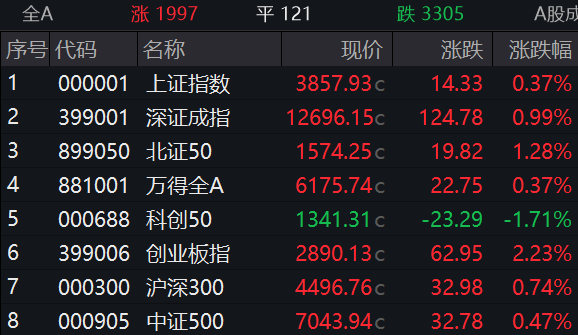
收盘丨A股8月收官!沪指站上3800点,科创50指数单月大涨28%
Di Yi Cai Jing· 2025-08-29 07:39
Market Performance - The A-share market showed positive performance in August, with the Shanghai Composite Index rising by 0.37%, the Shenzhen Component Index increasing by 0.99%, and the ChiNext Index gaining 2.23% [1][2] - The cumulative gains for the month include a 7.97% increase for the Shanghai Composite Index, a 15.32% rise for the Shenzhen Component Index, a 24.13% increase for the ChiNext Index, a 28.00% rise for the Sci-Tech 50 Index, and a 10.64% increase for the North Star 50 Index [3] Sector Performance - Key sectors that performed well include batteries, liquor, insurance, precious metals, and military equipment, while sectors such as semiconductors, education, computing leasing, and communication equipment faced declines [7] - Notable stocks in the lithium battery sector saw significant gains, with companies like Xian Dao Intelligent, Jie Bang Technology, and Hang Ke Technology hitting the 20% daily limit up [7][8] Stock Highlights - Contemporary Amperex Technology Co., Ltd. (CATL) saw its stock price rise above 300 yuan, reaching a peak of 316.66 yuan [9] - Industrial Fulian's market capitalization exceeded 1 trillion yuan, and the stock hit the daily limit up [11] - Cambricon Technologies surpassed Kweichow Moutai in stock price, becoming the new "king of A-shares" [12][13] Capital Flow - There was a net inflow of funds into sectors such as power equipment, non-ferrous metals, pharmaceuticals, and automobiles, while sectors like electronics, computers, communications, and real estate experienced net outflows [14] - Specific stocks that attracted significant net inflows include Dongfang Fortune, Industrial Fulian, and Tongfu Microelectronics, with inflows of 3.058 billion yuan, 1.972 billion yuan, and 1.742 billion yuan respectively [14] Institutional Insights - Guojin Securities noted a market rotation, highlighting the explosive movements of large-cap tech companies while suggesting that the weight index still has room for recovery [15] - CICC pointed out multiple factors supporting the current rebound in the Chinese stock market, including accelerated technological progress and a correction in overly cautious long-term economic expectations [15]





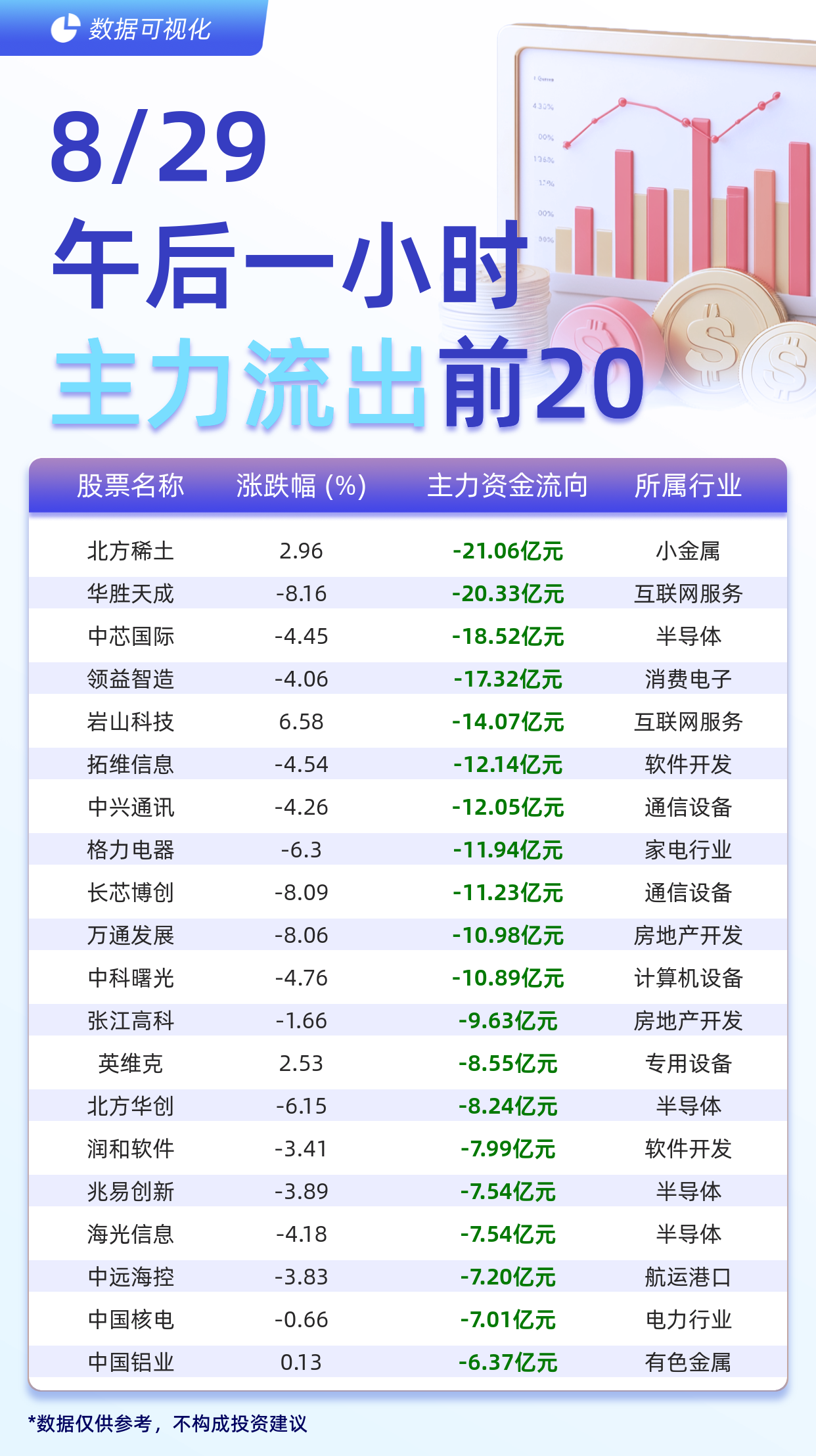
主力个股资金流出前20:北方稀土流出21.06亿元、华胜天成流出20.33亿元
Jin Rong Jie· 2025-08-29 06:13
Group 1 - The main stocks with significant capital outflows include Northern Rare Earth (-2.106 billion), Huasheng Tiancheng (-2.033 billion), and SMIC (-1.852 billion) [1][2] - Other notable stocks with large capital outflows are Lingyi Technology (-1.732 billion), Yanshan Technology (-1.407 billion), and Topway Information (-1.214 billion) [1][2] - The total capital outflow from the top 20 stocks indicates a trend of investors pulling back from certain sectors, particularly in small metals, internet services, and semiconductor industries [1][2][3] Group 2 - Northern Rare Earth leads the outflow with a significant amount of -2.106 billion, indicating potential concerns in the small metals sector [2] - Huasheng Tiancheng and SMIC also show substantial outflows, suggesting a negative sentiment in the internet services and semiconductor sectors respectively [2][3] - The data reflects a broader trend of capital movement away from certain industries, which may impact future investment strategies [1][2]





今日,多场重磅记者会!盘前重要消息一览→
证券时报· 2025-08-28 23:59
Key Points - The article discusses significant recent developments in various sectors, including government policies, international trade, and corporate earnings [4][8][9][10]. Government Policies - The Central Committee of the Communist Party of China and the State Council released an opinion on promoting high-quality urban development, emphasizing the transition from rapid urbanization to stable development, with goals set for 2030 and 2035 [9]. - The National Development and Reform Commission announced a press conference scheduled for August 29, focusing on economic policies [3][11]. International Trade - The European Commission proposed legislative measures to eliminate certain tariffs on U.S. goods, aiming to enhance transatlantic trade relations. This includes reducing U.S. tariffs on EU automobiles from 27.5% to 15% and implementing zero or near-zero tariffs on various products [8]. - The Chinese Ministry of Commerce expressed a willingness to engage in dialogue with the U.S. to maintain stable economic relations following a recent meeting with Canadian officials [9]. Corporate Earnings - Companies such as Gree Electric reported a net profit of 14.41 billion yuan for the first half of the year, a year-on-year increase of 1.95% [14]. - Semiconductor companies like SMIC reported a net profit of $321 million for the first half of the year, up 35.6% year-on-year [14]. - The new materials sector is expected to experience growth due to increasing demand and technological innovations, with the new materials index PE ratio at 28.22, indicating a potential growth cycle [19].
早新闻|重磅发布,事关城市高质量发展!
Zheng Quan Shi Bao· 2025-08-28 23:23
Macro Trends - The Central Committee and State Council of China released a document on August 28, emphasizing the importance of cities in modernization and quality of life, transitioning urbanization from rapid growth to stable development [1] - By 2030, significant progress is expected in building modern cities, with improvements in policies, living quality, green transformation, safety, cultural appeal, and governance [1] - By 2035, the basic framework of modern cities is anticipated to be established [1] Real Estate Development - The document promotes the construction of "good houses" and complete communities, aiming to meet diverse housing needs through a new real estate development model [2] - It emphasizes enhancing the entire housing lifecycle, including design, construction, maintenance, and service, while promoting safe, comfortable, green, and smart housing [2] - The plan includes the renovation of old urban areas and the integration of population, industry, and transportation in urban planning [2] Data Industry Policies - The National Data Bureau announced plans to introduce several industry policies, including data property rights and digital industry clusters, to enhance the data market [3] - Key initiatives include improving data infrastructure, strengthening application scenarios, and building a unified national data market [3] - The focus is on leveraging data as a foundational resource and innovation engine to drive economic growth [3] Market Competition Regulation - The State Administration for Market Regulation held a meeting to address market competition order and prevent irrational competition [4] - The meeting highlighted the importance of systematic planning and targeted actions to restore healthy competition in key sectors [4] - Emphasis was placed on law enforcement and creating a long-term governance mechanism to maintain fair competition [4] Company News - The 2025 China Private Enterprises 500 Strong report was released, with JD Group leading at 115.88 billion yuan in revenue, followed by Alibaba at 98.18 billion yuan [5][6] - Notable financial performances include CITIC Securities with a net profit of 13.719 billion yuan, a 29.8% increase year-on-year, and SMIC with a profit of 321 million USD, up 35.6% [7] - Other companies reported varied financial results, with some experiencing significant growth, such as Wanchen Group with a 50,358.8% increase in net profit [7][8]
领益智造涨停,机构净卖出4.55亿元,深股通净买入3.14亿元
Zheng Quan Shi Bao· 2025-08-28 16:42
领益智造今日涨停,全天换手率11.41%,成交额119.88亿元,振幅12.60%。龙虎榜数据显示,机构净卖 出4.55亿元,深股通净买入3.14亿元,营业部席位合计净买入1.23亿元。 深交所公开信息显示,当日该股因日涨幅偏离值达8.45%上榜,机构专用席位净卖出4.55亿元,深股通 净买入3.14亿元。 证券时报·数据宝统计显示,上榜的前五大买卖营业部合计成交24.01亿元,其中,买入成交额为11.92亿 元,卖出成交额为12.09亿元,合计净卖出1759.49万元。 具体来看,今日上榜的营业部中,共有4家机构专用席位现身,即买二、买四、卖二、卖三、卖四、卖 五,合计买入金额3.36亿元,卖出金额7.91亿元,合计净卖出4.55亿元,深股通为第一大买入营业部及 第一大卖出营业部,买入金额为6.60亿元,卖出金额为3.45亿元,合计净买入3.14亿元。 近半年该股累计上榜龙虎榜6次,上榜次日股价平均涨3.78%,上榜后5日平均涨17.09%。 资金流向方面,今日该股主力资金净流入6.31亿元,其中,特大单净流入10.43亿元,大单资金净流出 4.13亿元。近5日主力资金净流出8.94亿元。 买/卖会员营业部 ...

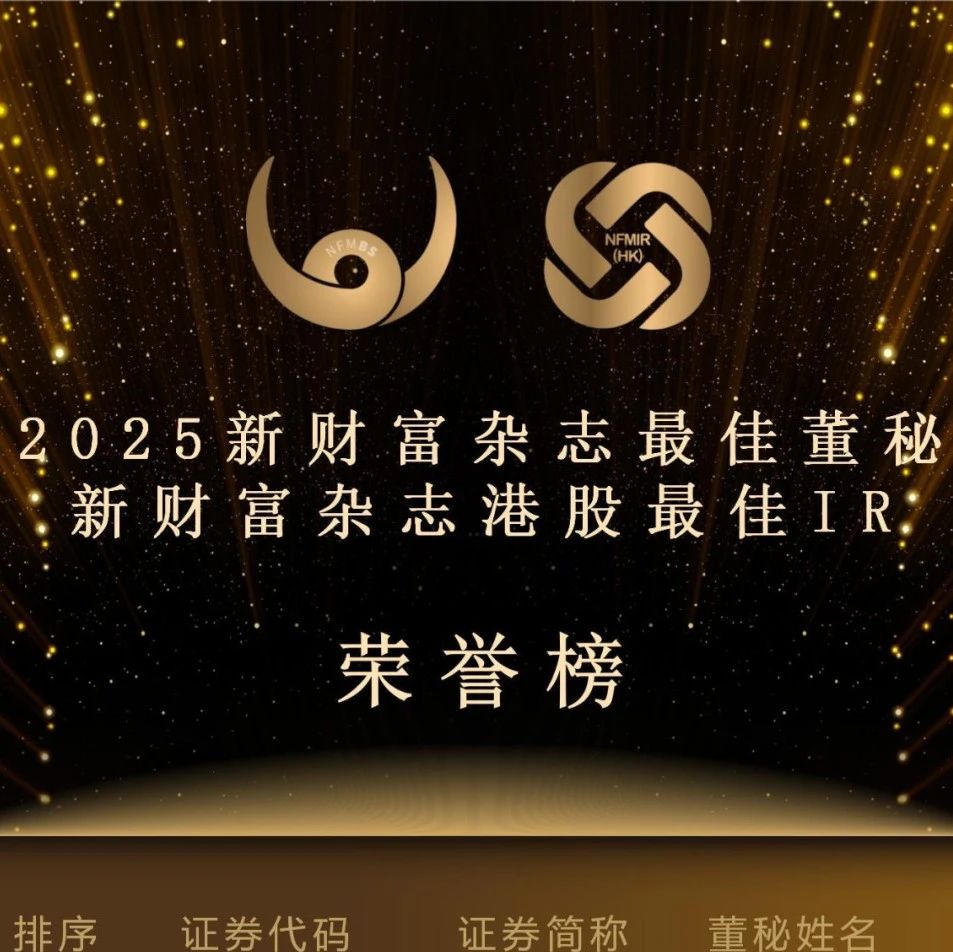
重磅官宣!“2025新财富杂志最佳董秘、港股最佳IR”结果出炉!
证券时报· 2025-08-28 15:18
| 排序 | 证券代码 | 证券简称 | 董秘姓名 | | --- | --- | --- | --- | | 1 | 002600 | 领益智造 | 郭瑞 | | 2 | 300545 | 联得装备 | 刘雨晴 | | 3 | 688525 | 佰维存储 | 黄炎烽 | | 4 | 300812 | 易天股份 | 王亚丽 | | 5 | 300232 | 洲明科技 | 陈一帆 | | 6 | 002466 | 天齐锂业 | 张文宇 | | 7 | 002254 | 泰和新材 | 董旭海 | | 8 | 001339 | 智微智能 | 张新媛 | | 9 | 002876 | 三利谱 | 黄慧 | | 10 | 301067 | 显盈科技 | 陈立 | | 11 | 300888 | 稳健医疗 | 陈惠选 | | 12 | 002583 | 海能达 | 周炎 | | 13 | 300925 | 法本信息 | 吴超 | | 14 | 600143 | 金发科技 | 戴耀珊 | | 15 | 000021 | 深科技 | 钟彦 | "2025年度新财富杂志最佳董秘暨港股最佳IR评选"于2025年5月正式启动。 本 ...


AI进化论:服务器电源,下一个千亿级市场
2025-08-28 15:15
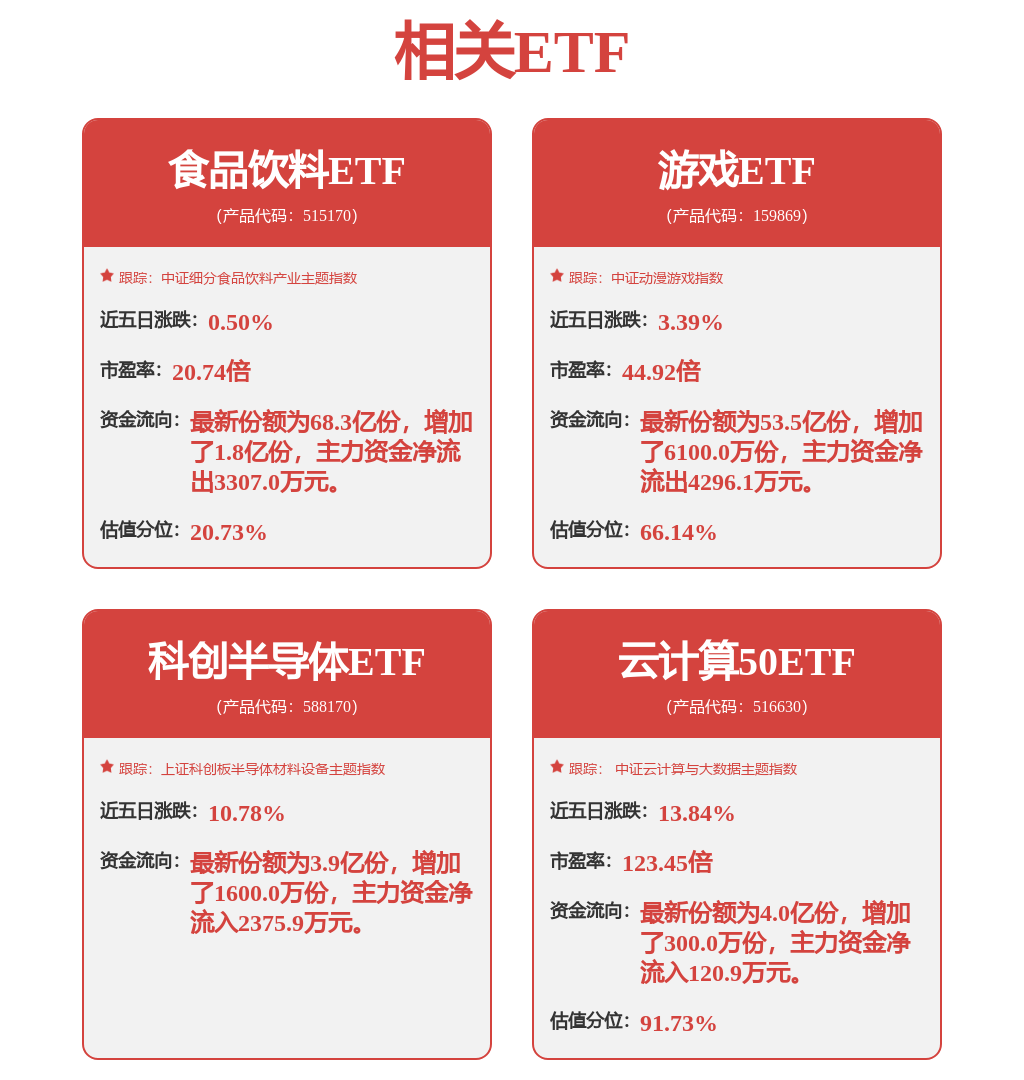
Summary of AI Server Power Supply Market Research Industry Overview - The AI server power supply market is rapidly expanding, expected to reach $11.6 billion by 2027, with a total growth rate of approximately 66% driven primarily by high-power platform shipments [1][4][10]. Key Insights and Arguments - The transition of AI server power supply architecture is moving towards 800V HVDC and SST architecture, replacing traditional UPS systems to meet the higher power and efficiency demands of AI applications [1][5][6]. - Power management is crucial in AI servers, with dynamic adjustment becoming a key aspect to ensure system stability amid rising power consumption [1][7]. - The core incremental value in the AI server power supply industry chain comes from material upgrades in PSU and DCDC segments, with GaN and SiC replacing silicon-based devices [1][8][17]. Market Size and Growth Projections - The estimated total value of the power system for AI servers based on NVIDIA's ML72 architecture is approximately ¥70,900 ($10,000) [4]. - The market size for AI server power supplies is projected to grow to $4.2 billion by 2025, $7.1 billion by 2026, and $11.6 billion by 2027, with a total growth rate of about 66% [4][10]. Development Directions - Short-term transitional solutions will lead to the long-term adoption of HVDC and SST architectures, which are expected to replace traditional UPS systems [5][6]. - The shift to third-generation semiconductors (SiC and GaN) is essential for achieving efficient operation of the new power supply architectures [5][6]. Key Players and Their Roles - Key companies in the AI server power supply sector include NVIDIA, Delta, Infineon, and domestic firms like Jianghai Co., which is a leader in supercapacitors [10][11][12][14]. - The global PDU market is expected to grow from $3.5 billion in 2025 to $5.5 billion by 2030, driven by the increasing power demands of AR server cabinets [10]. Emerging Trends - The demand for supercapacitors is increasing due to the need for peak shaving and backup power solutions, with Jianghai Co. positioned to benefit from this trend [1][14]. - The use of inductors in AI servers is evolving, with a shift from ferrite to metal soft magnetic powder materials to meet rising power demands [15]. Competitive Landscape - Domestic manufacturers are on par with international competitors in the third-generation semiconductor space, with some showing advantages in wafer size and yield rates [17]. - Traditional semiconductor companies are also making strides in the data center sector, indicating a potential recovery in the industrial semiconductor market [19][21]. Conclusion - The AI server power supply market is poised for significant growth, driven by technological advancements and increasing demand for efficient power solutions. Key players are adapting to these changes, positioning themselves for future opportunities in this evolving landscape.
领益智造涨停,机构净卖出4.55亿元,深股通净买入3.14亿元
Zheng Quan Shi Bao Wang· 2025-08-28 14:00
Group 1 - The stock of Lingyi Zhi Zao reached the daily limit, with a turnover rate of 11.41% and a transaction amount of 11.99 billion yuan, showing a fluctuation of 12.60% [2] - Institutional investors net sold 455 million yuan, while the Shenzhen Stock Connect saw a net purchase of 314 million yuan [2] - The stock was listed on the daily trading list due to a price deviation of 8.45%, with the top five trading departments accounting for a total transaction of 2.40 billion yuan [2] Group 2 - Over the past six months, the stock has appeared on the trading list six times, with an average price increase of 3.78% the next day and an average increase of 17.09% over the following five days [3] - The stock experienced a net inflow of 631 million yuan in main funds today, with a significant inflow of 1.04 billion yuan from large orders [3] - The latest margin trading data shows a total margin balance of 2.12 billion yuan, with a financing balance of 2.12 billion yuan and a securities lending balance of 446,990 yuan [3]
领益智造大宗交易成交12.35万股 成交额200.81万元
Zheng Quan Shi Bao Wang· 2025-08-28 13:47
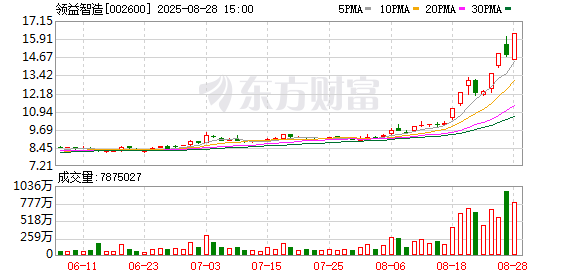
两融数据显示,该股最新融资余额为21.17亿元,近5日增加4.84亿元,增幅为29.66%。(数据宝) 8月28日领益智造大宗交易一览 领益智造8月28日大宗交易平台出现一笔成交,成交量12.35万股,成交金额200.81万元,大宗交易成交 价为16.26元。该笔交易的买方营业部为中信证券股份有限公司上海分公司,卖方营业部为中信证券华 南股份有限公司佛山分公司。 进一步统计,近3个月内该股累计发生3笔大宗交易,合计成交金额为4240.45万元。 证券时报·数据宝统计显示,领益智造今日收盘价为16.26元,上涨10.01%,日换手率为11.41%,成交额 为119.88亿元,全天主力资金净流入6.31亿元,近5日该股累计上涨33.72%,近5日资金合计净流出8.94 亿元。 | 成交量 | 成交金额 | 成交价格 | 相对当日收盘折 | 买方营业部 | 卖方营业部 | | --- | --- | --- | --- | --- | --- | | (万股) | (万元) | (元) | 溢价(%) | | | | 12.35 | 200.81 | 16.26 | 0.00 | 中信证券股份有限公 | 中信证券华 ...
8月28日重要资讯一览
Zheng Quan Shi Bao Wang· 2025-08-28 13:22
Group 1 - The Central Committee and State Council of China released an opinion on promoting high-quality urban development, emphasizing the transition from rapid urbanization to stable development, with significant progress expected by 2030 and basic modernization by 2035 [2] - The Ministry of Commerce announced that a delegation led by Li Chenggang visited Canada and will meet with U.S. officials to discuss trade relations, aiming for healthy and sustainable development of China-U.S. economic relations [2] Group 2 - Cambrian is expected to achieve an annual revenue of 5 billion to 7 billion yuan by 2025 [6] - Anta Sports clarified that it is not a party to the potential acquisition of Canada Goose Holdings [8] - Semiconductor company Zhongke International reported a net profit of 321 million USD for the first half of the year, a year-on-year increase of 35.6% [11] - SF Holding's net profit for the first half of the year grew by 19.4%, with a proposed dividend of 4.6 yuan per share [12] - Semiconductor company Zhongwei reported a net profit of 706 million yuan for the first half of the year, a year-on-year increase of 36.62% [13] - China State Construction reported a net profit of 30.404 billion yuan for the first half of the year, a year-on-year increase of 3.2% [14] - Changxin Bochuang reported a net profit of 168 million yuan for the first half of the year, a year-on-year increase of 1121.21% [15] - Chip manufacturer Chipone is planning to acquire equity in Chipwise, leading to a stock suspension [16] - Zhonghuan Hailu is planning a change in control, resulting in stock suspension [17] - Zhongding shares signed a strategic cooperation agreement with the Baohe District government for the robotics industry [18] - Zhaomi Technology announced its entry into the automotive sector, with the establishment of a car manufacturing company in January [20] Group 3 - The Food and Beverage ETF has seen a recent increase of 0.50% with a market capitalization of 6.83 billion yuan and a P/E ratio of 20.74 [22] - The Gaming ETF increased by 3.39% recently, with a market capitalization of 5.35 billion yuan and a P/E ratio of 44.92 [22] - The Sci-Tech Semiconductor ETF increased by 10.78% recently, with a market capitalization of 3.9 billion yuan [22] - The Cloud Computing 50 ETF increased by 13.84% recently, with a market capitalization of 4 billion yuan and a P/E ratio of 123.45 [23]