Epic Games

Search documents
日经Gaming精选:比肩Apple、Google的游戏商店--Epic Games CEO专访
日经中文网· 2025-08-06 03:01
Core Viewpoint - Epic Games is expanding its Epic Games Store to mobile platforms, particularly targeting the Japanese iOS market by 2025, amidst ongoing disputes with app stores like Apple and Google [4][6]. Group 1: Competitive Advantages - Epic Games Store has a competitive edge in social features and cross-platform compatibility [6]. - The user base for PC on Epic Games Store is projected to reach 295 million by the end of 2024, with an average monthly active user count of 67.2 million, making it the second-largest PC game store after Valve's Steam [6]. Group 2: Developer Support - The fee structure for game sales on Epic Games Store ranges from 0% to 12%, significantly lower than the typical 30% charged by competitors, which encourages more developers and publishers to join the platform [6]. - Since its launch, Epic Games Store has reportedly paid over $2.1 billion to developers and publishers [6]. Group 3: Market Expansion - Epic Games is planning to open iOS stores in Japan, the UK, and Brazil, indicating a strategic move to increase its presence in mobile gaming [7].


高通携技术生态亮相 ChinaJoy 以创新合作助力数字娱乐产业升级
Di Yi Cai Jing Zi Xun· 2025-08-03 14:32
Core Insights - Qualcomm is actively participating in the gaming industry by showcasing its technological advancements at the ChinaJoy event, emphasizing the importance of gaming as a critical application for its semiconductor capabilities [1][4][16] - The digital entertainment industry in China is experiencing significant growth, supported by government policies and increasing consumer demand, with the gaming market reaching a revenue of 325.78 billion yuan in 2024, a year-on-year increase of 7.53% [3][16] - The integration of AI, 5G-A, and other technologies into gaming is driving innovation and creating new market opportunities for semiconductor companies like Qualcomm [2][16] Qualcomm's Role in the Gaming Industry - Qualcomm's Snapdragon platform is being utilized in over 184 products, enhancing gaming experiences across various devices, including mobile phones, PCs, and XR devices [15] - The Snapdragon 8 Gen 2 mobile platform features significant performance improvements, with a 45% increase in single-core and multi-core performance, and a 44% reduction in power consumption [6] - The company is collaborating with 75 partners across the digital entertainment ecosystem, including game studios and terminal manufacturers, to create a comprehensive industry chain [10][12] Market Trends and Opportunities - The mobile gaming market is projected to continue its growth, with revenues from mobile games reaching 238.22 billion yuan in 2024, accounting for over 70% of the total gaming market [3][16] - The rise of cross-terminal gaming and XR experiences is creating new demands for high-performance, low-power chips, pushing semiconductor companies to innovate [2][8] - The esports sector is also gaining traction, with Qualcomm's Snapdragon Pro Series attracting millions of viewers and showcasing the potential of mobile esports [13] Technological Innovations - Qualcomm's advancements in AI and real-time graphics processing are enhancing gaming experiences, as seen in titles like "Ningchao" and "League of Legends Mobile," which leverage Snapdragon's capabilities for improved performance [6][12] - The integration of 5G-A technology with XR devices is enabling high-resolution, low-latency experiences, demonstrating the commercial potential of these technologies [8][9] - The company's focus on creating a unified technology platform across devices is facilitating seamless user experiences and responding to the trend of multi-platform gaming [9][16]


CJ访谈 | AppsFlyer大中华区总经理王玮:游戏出海“中性化”趋势显现,中小厂商需靠数据驱动破解买量困境
Mei Ri Jing Ji Xin Wen· 2025-08-02 06:45
Group 1 - The core viewpoint of the article is that China's gaming industry is transitioning from rapid expansion to a phase of "high-quality growth," facing deep restructuring in strategy, monetization logic, and market structure [1][2][5] - The report by AppsFlyer indicates that 2025 will be a critical turning point for the global gaming industry, moving from "traffic dividends" to "structural changes," with a nearly 400% increase in global game app installations since 2016, but entering a growth plateau starting in 2024 [1][2] - The gaming industry is shifting from "expansion" to "efficiency," with rising customer acquisition costs and scarce user attention making "high-quality overseas expansion" a strategic imperative for Chinese gaming companies [1][2] Group 2 - The gaming industry is experiencing a "neutralization" trend, where companies must adopt refined operations to tackle high customer acquisition costs, and the industry should focus on adjusting store revenue-sharing models [2][5] - The overall gaming market has been stagnant or slightly shrinking due to global economic slowdown and intensified competition, although "lightweight games" continue to grow, with casual games increasing their share in non-organic installs by 10 percentage points from the first half of 2021 to the first half of 2025 [5][6] - There is a noticeable differentiation in the regions chosen by Chinese gaming companies for overseas expansion, as different regions have varying player preferences for game types and gameplay [6][7] Group 3 - The concept of "mini-games" has not gained the same popularity overseas as in China due to the lack of widely used platforms like WeChat and Douyin, making it necessary to adapt successful domestic mini-games into app formats for overseas markets [8] - Multi-platform strategies are becoming increasingly common among leading companies, driven by inconsistent growth in the mobile gaming market, with efforts to reach new user sources through web-to-app models and developing PC and console versions [9][10] - The PC gaming ecosystem remains underdeveloped, with limited user acquisition channels and insufficient platform support, making effective strategies and tactics a significant challenge for companies [12] Group 4 - The rising customer acquisition costs pose a challenge for Chinese gaming companies, as the industry has shifted from relying on organic growth to needing paid advertising for user acquisition, particularly affecting smaller developers [17][18] - The high revenue-sharing model (typically 30%) in overseas markets is becoming increasingly difficult for developers to accept, especially as profit margins decline, leading to calls for changes in the revenue-sharing structure [18] - The core of refined management is data-driven decision-making, requiring companies to analyze user retention and acquisition metrics in detail to optimize their marketing strategies effectively [19]
英伟达回应“后门”,微信客服回应提现手续费下降,阿里巴巴原掌门张勇加盟港交所,Epic在美国胜诉谷歌,这就是今天的其他大新闻!
Sou Hu Cai Jing· 2025-08-01 16:32
Group 1 - Nvidia responds to security concerns regarding its H20 computing chip, stating that there are no "backdoors" allowing remote access or control [2][4] - The National Internet Information Office has requested Nvidia to explain the security risks associated with the H20 chip sold to China [4] Group 2 - Alibaba's former chairman, Zhang Yong, has been appointed as a member of the China Business Advisory Committee under the Hong Kong Stock Exchange [6][8] - This appointment increases the committee's membership to nine [8] Group 3 - Epic Games has achieved a significant legal victory against Google, which will require Google to adjust its Play Store policies [9] - The court ruled that Google abused its power by monopolizing the app store and charging excessive fees to developers [9] - As a result of the ruling, Google will allow Android users to download third-party app stores directly and open access to its Play Store application directory for competitors [9]




Google must open Android to rival app stores: US court
TechXplore· 2025-08-01 08:46
Core Viewpoint - A US federal court ruled that Google must allow rival app stores on its Android operating system, following an antitrust case brought by Epic Games, which could lead to the Epic Games shop operating within the Google Play Store [3][4]. Group 1: Legal Rulings and Implications - The ruling supports the original verdict that Google holds illegal monopoly power through its Android Play Store, as determined by a California jury [6]. - Epic Games' CEO Tim Sweeney declared the court's decision as a "total victory" in the appeal against Google [4]. - Google plans to continue its appeal to the US Supreme Court regarding the December 2023 verdict [4]. Group 2: Industry Reactions - Google expressed concerns that the ruling could harm user safety and limit choices, emphasizing its commitment to maintaining a secure platform [5]. - The Electronic Frontier Foundation (EFF) argued that increased competition would enhance user safety, criticizing the current monopolistic practices of tech giants [5][6]. Group 3: Background Context - Epic Games previously implemented a scheme called "Project Liberty" to bypass payment systems of both Apple and Google, avoiding commissions of up to 30% [7]. - The legal battle between Epic and Apple continues, with Fortnite recently returning to the Apple App Store after a prolonged absence due to similar disputes [8].

高通亮相2025 ChinaJoy:以技术和生态助推游戏产业与数字消费升级
Sou Hu Cai Jing· 2025-08-01 06:45
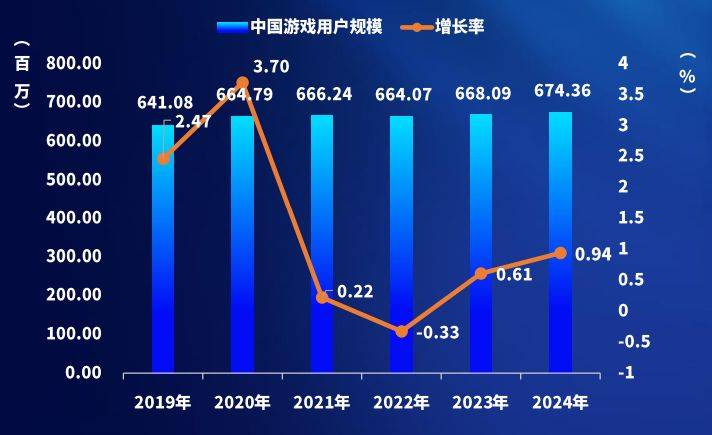
Core Insights - The 2025 ChinaJoy event showcases the growth and innovation in the digital entertainment industry, with a focus on high-quality development and digital consumption [1][2][4] Industry Overview - The Chinese gaming market is projected to reach a sales revenue of 325.78 billion yuan in 2024, marking a year-on-year growth of 7.53%, with mobile games accounting for 238.22 billion yuan, over 70% of the total [4] - The user base for Chinese gaming has reached 674 million, a historical high, while the global gaming market is expected to generate total revenues of $182.7 billion in 2024, with mobile games holding a 55% share [4] Regional Performance - Shanghai's gaming sales revenue is expected to hit 155.8 billion yuan in 2024, reflecting a 7.8% year-on-year increase, and the esports industry in Shanghai is projected to generate 6.13 billion yuan, accounting for 46.9% of the national esports revenue [6] Technological Innovations - Qualcomm's Snapdragon 8 Gen 2 is highlighted as a performance benchmark, featuring a 45% increase in single-core and multi-core performance, a 40% enhancement in GPU performance, and a 45% boost in AI capabilities [7] - The Snapdragon Elite Gaming features have been upgraded to enhance gaming experiences, integrating advanced technologies for improved graphics and performance [7][11] Ecosystem Development - Qualcomm is building a comprehensive ecosystem by collaborating with upstream and downstream partners, integrating leading mobile technology into various devices, including smartphones, PCs, and XR headsets [13] - Partnerships with companies like NetEase and Tencent have led to significant advancements in gaming experiences, including the introduction of AI capabilities in mobile games [14] Esports Growth - The Chinese esports market is expected to exceed 300 billion yuan by 2026, with the esports industry generating 27.57 billion yuan in 2024, reflecting a 4.62% year-on-year growth [15][18] - Qualcomm's Snapdragon Pro Series has become a leading mobile esports event, attracting millions of viewers and showcasing the potential of mobile esports [18]
谷歌反垄断上诉败诉:Play Store将被迫开放第三方商店
Huan Qiu Wang· 2025-08-01 03:27
Core Viewpoint - The Ninth Circuit Court of Appeals upheld a lower court's injunction against Google, requiring significant reforms to its Google Play Store policies, including allowing direct downloads from third-party app stores and opening access to app directories [1][3]. Group 1: Legal and Regulatory Developments - The court's decision is seen as a "total victory" for Epic Games, which initiated the antitrust lawsuit after Google removed its game "Fortnite" from the Play Store due to a third-party payment system [3]. - The lawsuit dates back to August 2020, when Epic Games challenged Google's 30% commission on in-app purchases, leading to a jury ruling that Google's exclusive agreements with manufacturers and carriers constituted illegal monopoly practices [3]. Group 2: Industry Reactions - Epic Games announced plans to launch its Android app store on Google Play and called on developers to help create an open ecosystem, receiving support from other companies like Spotify and Deezer, which have also faced high commission fees [3]. - Google warned that opening the ecosystem could lead to increased malware risks and a decline in user experience, emphasizing that the security of the Android system relies on a unified review standard [3]. Group 3: Future Actions - Google has not yet provided a specific timeline for the required reforms but indicated plans to establish a dispute resolution mechanism within eight months, involving a technical committee selected by both Epic and Google [4].
Google Loses Appeal in Antitrust Case Brought by Epic Games
PYMNTS.com· 2025-07-31 23:51
Core Points - Google lost an appeal regarding an antitrust case that mandates changes to its app store, Google Play [1][4] - The appeals court unanimously rejected Google's argument that the trial judge made errors and that the case should have been heard by a judge instead of a jury [2] - The court found substantial evidence of Google's anticompetitive conduct, as alleged by Epic Games, which claimed Google monopolized app access and payment processes on Android devices [3] Legal Proceedings - A jury ruled in favor of Epic Games in 2023, leading to a judge's order for Google to allow rival app stores and make its app catalog available to competitors [4] - The ruling from the appeals court can be further appealed to a higher court, including the Supreme Court [4] Company Reactions - Google expressed concerns that the ruling would harm user safety, limit choice, and undermine innovation within the Android ecosystem [5] - Epic Games declared a "total victory" in the appeal, announcing plans to bring the Epic Games Store to the Google Play Store [5]

谷歌在Epic反垄断案中败诉 将被迫放宽应用商城的限制
Hua Er Jie Jian Wen· 2025-07-31 21:08
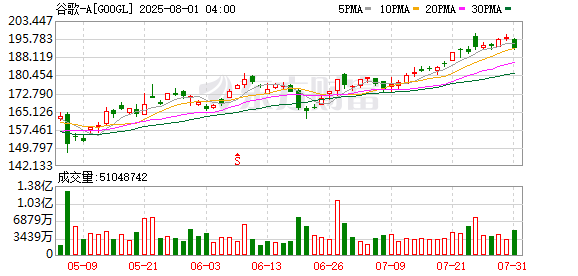
Group 1 - Google lost an antitrust lawsuit against Epic Games, requiring changes to its app store policies to allow competitive markets and alternative billing systems [2] - The Ninth Circuit Court upheld a lower court's ruling, indicating that antitrust remedies can prohibit certain lawful behaviors to correct anti-competitive actions [2][3] - Google expressed concerns that the ruling would "seriously harm user safety" and undermine innovation on the Android platform [2] Group 2 - A jury supported Epic's claims that Alphabet engaged in anti-competitive behavior by paying manufacturers and developers to restrict their use of the Google Play Store [3] - Following the jury's decision, a federal judge ruled that Google must make further concessions to competitors [3] - The antitrust dispute occurs amid increasing scrutiny of Google's business practices by regulators worldwide, with Alphabet's stock dropping over 2% during trading [4]
Google loses appeal in lawsuit filed by ‘Fortnite' maker Epic Games as app store verdict upheld
New York Post· 2025-07-31 17:53
Core Viewpoint - Google has failed to overturn a jury verdict and federal court order requiring it to revamp its Play Store, following accusations from Epic Games of monopolistic practices in the Android app market [1][5]. Group 1: Legal Proceedings - The 9th US Circuit Court of Appeals rejected Google's claims of legal errors made by the trial judge that allegedly favored Epic Games [1]. - Epic Games accused Google of monopolizing access to apps on Android devices and controlling transaction payments within those apps [2][4]. - A San Francisco jury found in favor of Epic Games in 2023, determining that Google had illegally stifled competition [4]. Group 2: Court Orders and Appeals - US District Judge James Donato ordered Google to allow users to download rival app stores and make its app catalog available to competitors [5]. - The court's decision is currently on hold pending Google's appeal, which can be further escalated to the full 9th Circuit and potentially to the US Supreme Court [5]. Group 3: Company Responses - Google expressed concerns that the appeals court ruling would harm user safety, limit choice, and undermine innovation within the Android ecosystem [6]. - Epic Games announced plans to launch the Epic Games Store for Android on the Google Play Store following the verdict [6]. Group 4: Industry Context - Google argued that its Play Store competes with Apple's App Store and claimed that the trial judge unfairly restricted its ability to present this argument [8]. - Microsoft, the Justice Department, and the Federal Trade Commission filed briefs supporting Epic Games in this case [10]. - Epic Games is also engaged in a separate legal battle with Apple regarding similar antitrust issues [10].